Cats are mysterious creatures. One moment yours is tearing around the house like a tiny tornado, and the next, it’s curled into an impossibly perfect ball on your favorite sweater, fast asleep. Most of us just smile and scroll past without a second thought. Here’s the thing though – what if that nap is telling you something deeply meaningful?
Your cat’s sleeping habits are more than just adorable Instagram content. They’re a rich language, quietly spoken in postures, locations, and routines that reflect exactly how your cat feels about you, your home, and life in general. The answers are all there, if you know how to look. Let’s dive in.
The Belly-Up Snooze: The Ultimate Trust Signal
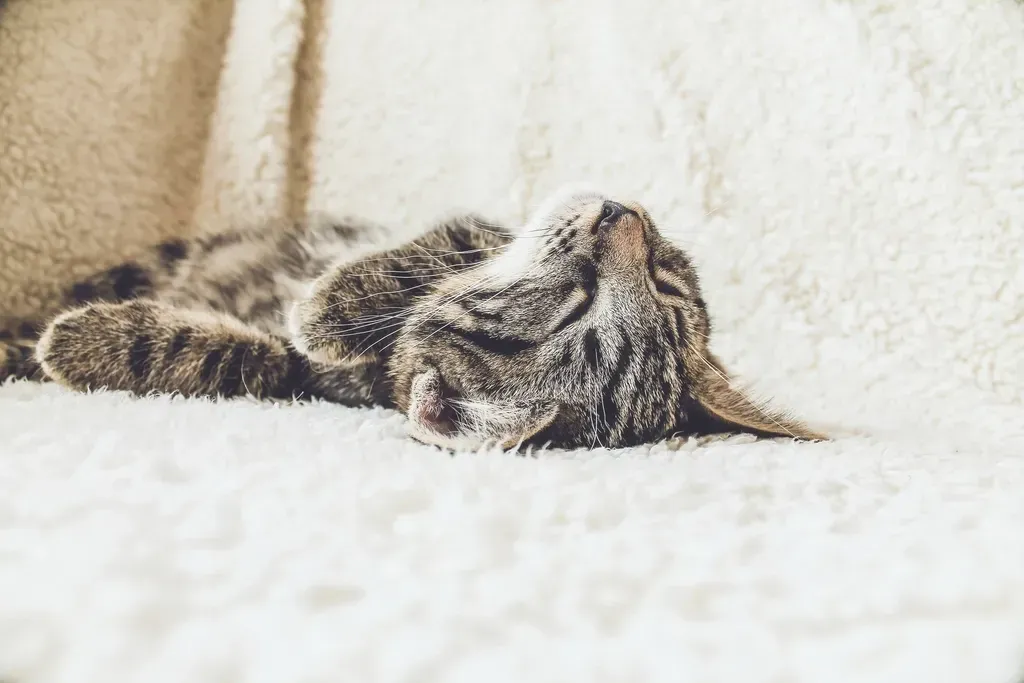
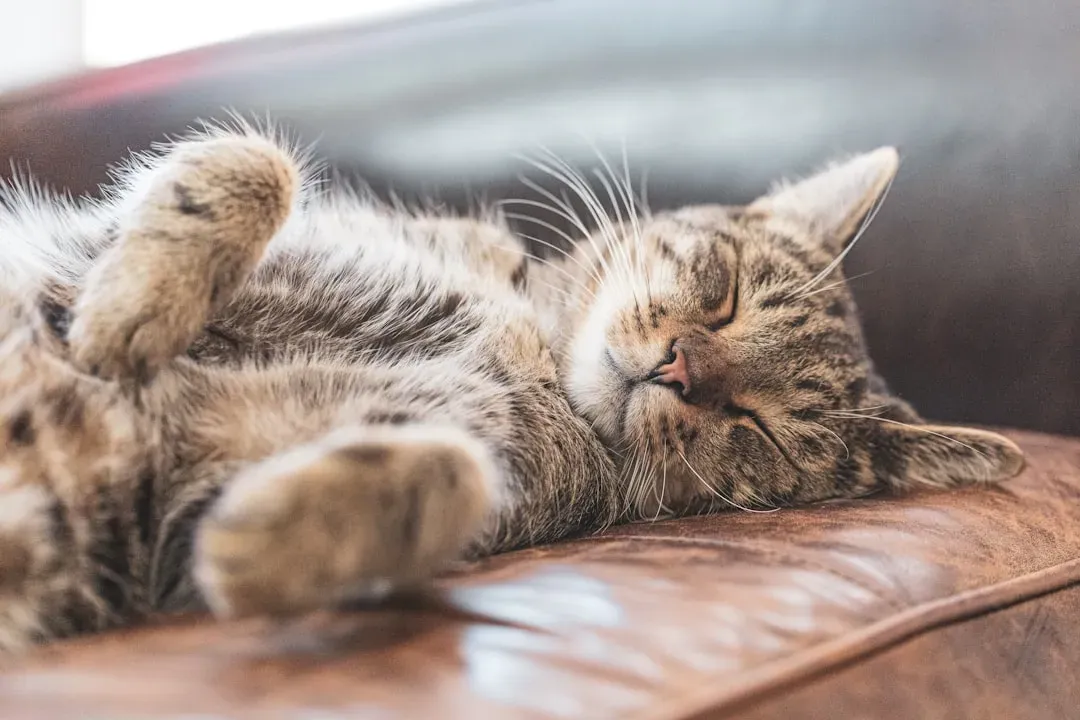
Here’s a surprising fact most cat owners don’t fully appreciate – when your cat flops onto their back and lets that fluffy belly face the ceiling, you’ve just received one of the highest compliments a cat can give. Cats instinctively protect their vulnerable organs, so if your cat is sleeping with their belly exposed, it means they feel very safe and confident. Think of it like your cat handing over the keys to their most guarded fortress.
This vulnerable pose signals complete trust in their environment. In the wild, exposing their belly would be risky, but at home, it means they feel safe, secure, and content. So the next time your cat stretches out like they own the place – and let’s be real, they think they do – take it as a genuine declaration of happiness. Resist the urge to immediately rub that belly, though. The belly is a vulnerable area so it takes trust for a cat to expose theirs. A stroke of the head or a scratch behind the ears may be better options.
The Classic Curl: Warmth, Safety, and Ancient Instinct
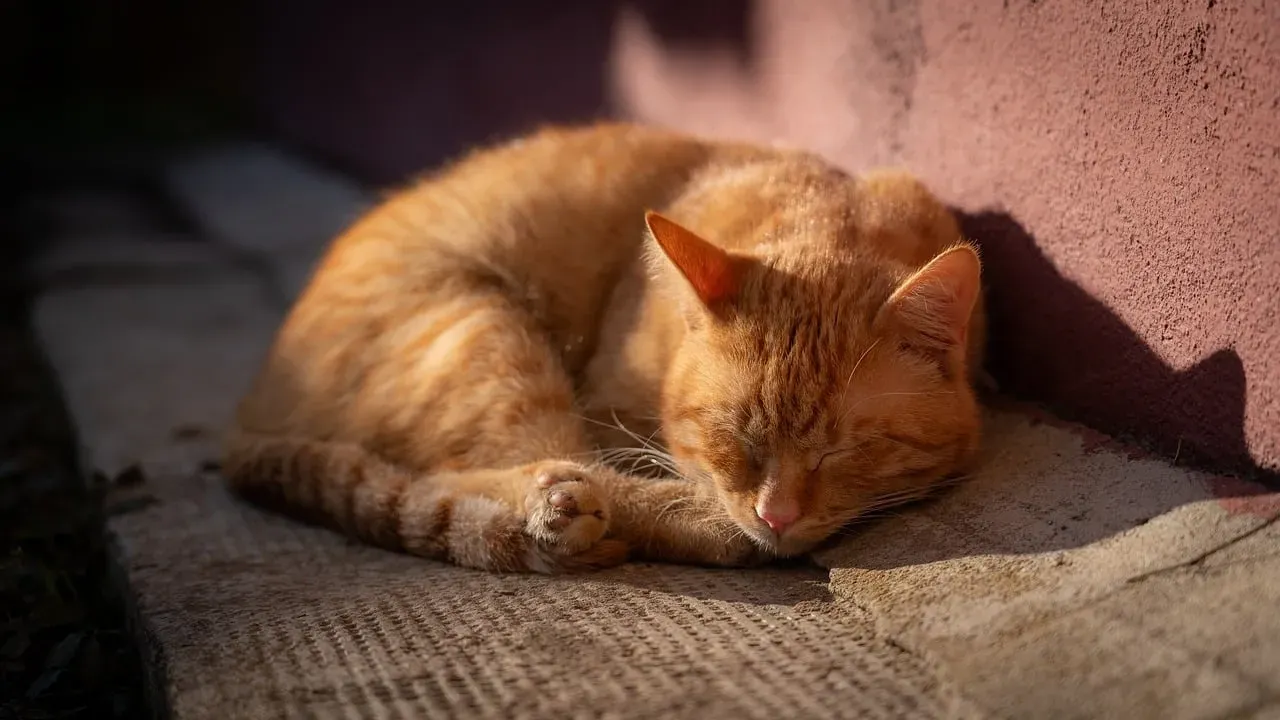
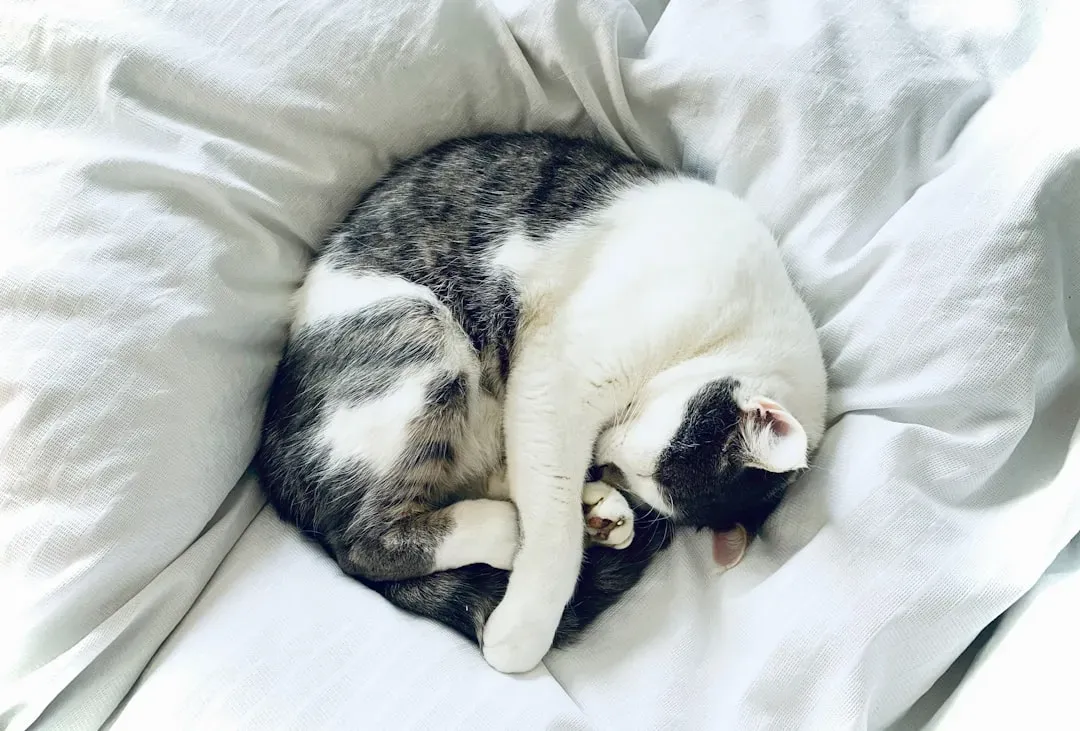
Cats often sleep curled up in a ball, nose to tail. Cats like to be warm, and this shape helps them retain body heat. This position also protects vital organs in their abdomen by surrounding them with less essential and more resilient muscle and bone. It’s evolution and comfort wrapped into one adorable little circle. Think of it as your cat’s version of pulling on a warm hoodie and settling into the couch.
This position indicates a sense of security and contentment in their surroundings. The curled-up position also showcases your cat’s adaptability, as they can effortlessly transition from slumber to alertness. So when you see your cat curled up, you can rest assured that they feel safe and comfortable in their current environment. It’s the feline equivalent of a content sigh. Honestly, there’s something deeply reassuring about seeing your cat choose this position regularly.
Side Sleeping with Stretched Legs: Deep Relaxation on Full Display
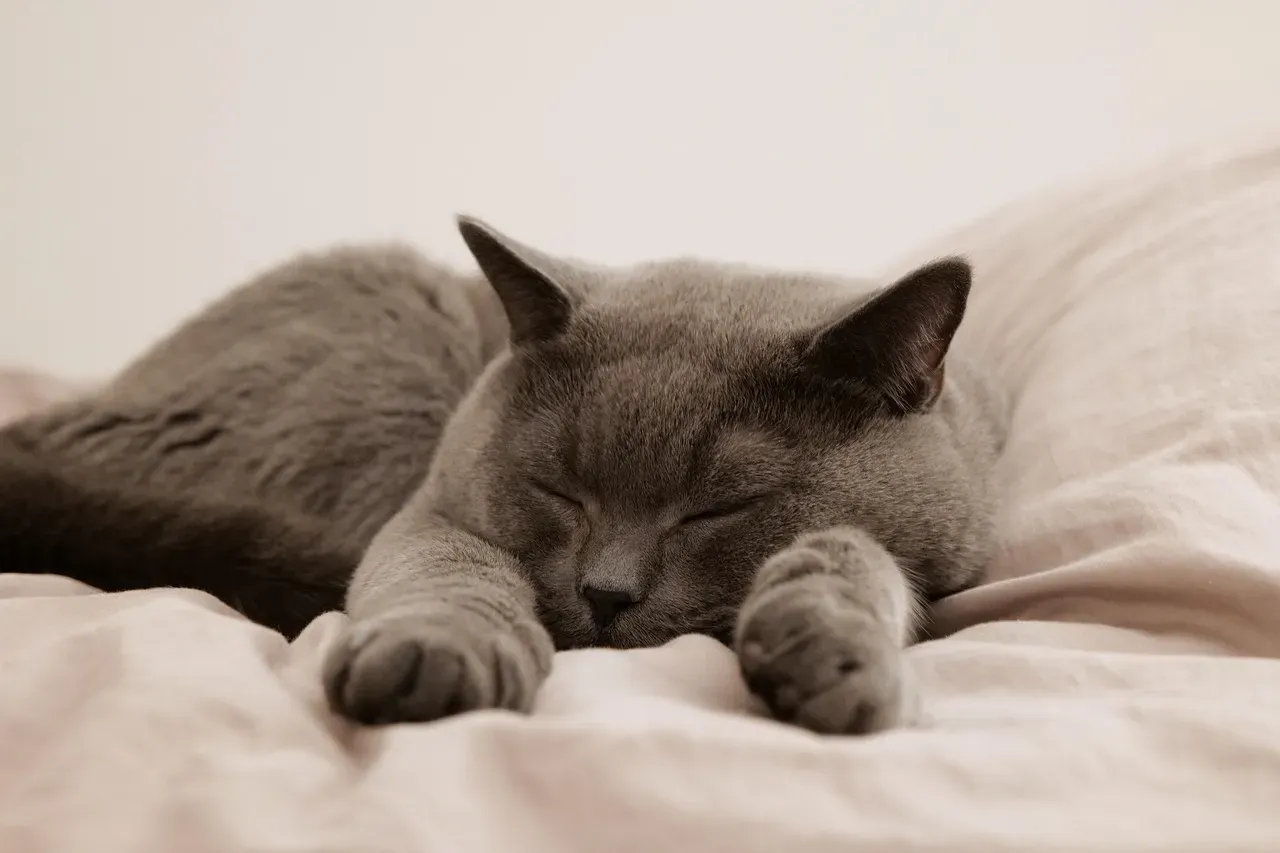
If your cat sprawls out on their side like they’ve had the most exhausting day imaginable, you’re witnessing something genuinely beautiful. A cat lying on its side with limbs outstretched is in a deep, restful sleep. It means they’re feeling safe, stress-free, and completely at ease in their environment. This position is usually seen in well-adjusted, confident cats. It’s the feline equivalent of someone who has absolutely zero worries.
When your cat is spread out on their side, they are often in a deep sleep. If your cat is an avid side sleeper, it means that they really do trust and feel comfortable around you, as this is one of the sleeping positions that leaves your feline friend most vulnerable. There’s no performance here, no guarding, no pretense. Your cat is simply at peace. And honestly, that’s everything.
The Loaf Position: Content but Keeping One Eye Open
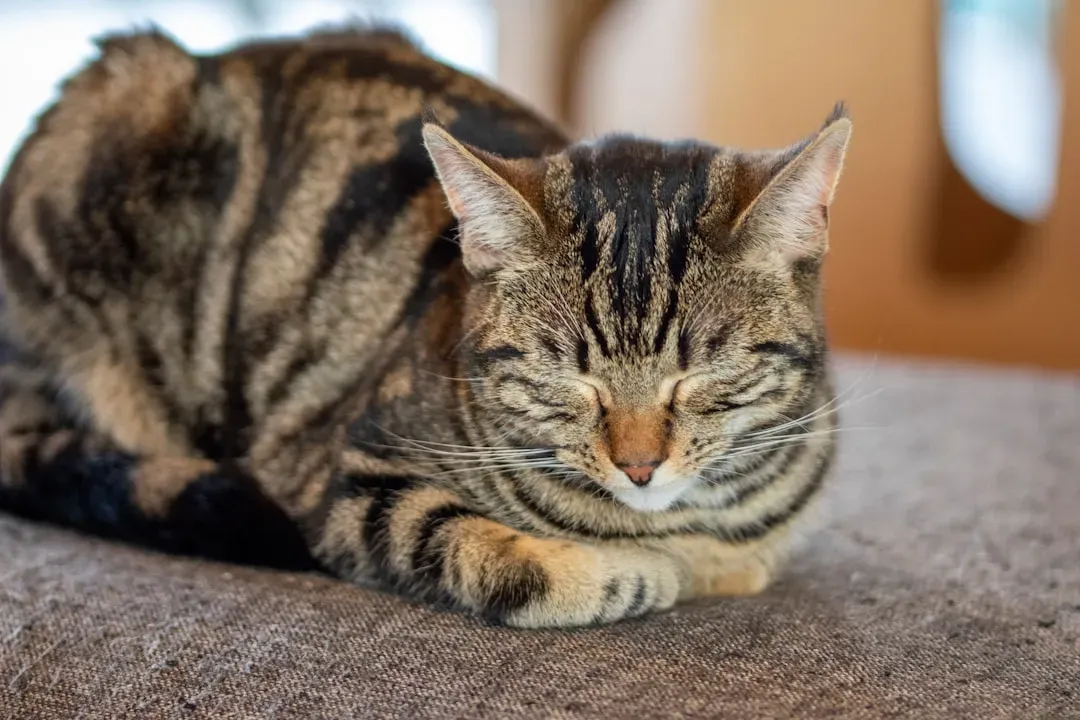
You’ve seen it a hundred times. Your cat sits there, perfectly still, paws tucked neatly beneath their body, looking like a very judgmental little bread loaf. The cat remains upright with its paws tucked beneath its body and eyes partially closed, resembling a loaf of bread – this indicates a relaxed but alert state. The cat is comfortable yet retains awareness of its environment, reflecting a neutral or contented mood. It’s a brilliantly efficient posture, really.
Your cat will often close their eyes in a sign of complete contentment. When in the loaf position, it’s likely a sign they’re not in a deep sleep. Usually it’s just a quick catnap, and they are usually still fairly alert. Even so, this is a very relaxed position that lets them get some rest while keeping watch over their realm. Think of it as your cat hitting the pause button – resting, but not fully off duty. It’s a sign of comfort, just with a healthy dose of feline caution layered in.
Sleeping Near You or On You: The Deepest Compliment
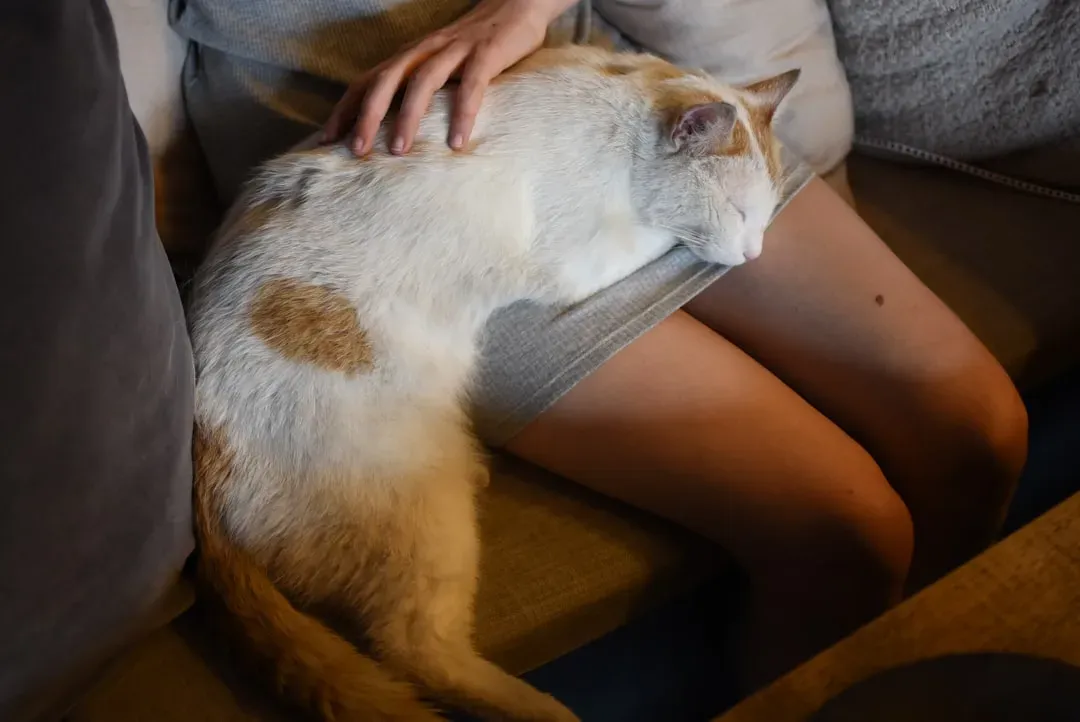
It’s hard to say for sure what goes on inside a cat’s mind, but when your cat chooses to sleep directly on your lap, your chest, or pressed against your legs, the message is pretty unmistakable. Many cats feel more secure and content when they sleep with their owners, as it strengthens their bond and provides comfort. Your warmth, your scent, your steady breathing – all of it tells your cat that this is the safest place in the world.
Cats typically choose their sleeping partners based on comfort, safety, and affection. They often select the person they feel most bonded with or the one who provides them the most warmth and security. Cats also consider the consistency and familiarity of their environment when choosing their sleeping spot. So if your cat keeps choosing you, night after night, that’s not random at all. If your cat chooses to nap near you, on your lap, or beside you in bed, take it as a compliment. This close proximity indicates not only comfort but also deep-rooted affection and trust.
Consistent Sleep Schedules: The Sign of a Truly Settled Cat
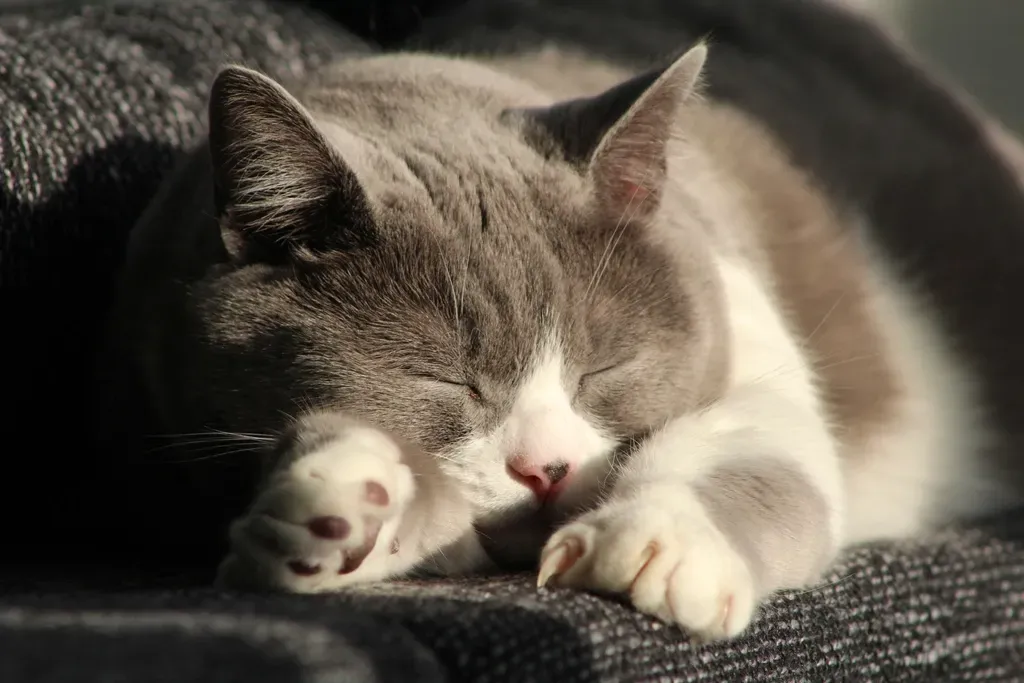
Let’s be real – most of us never think about whether our cat keeps a regular sleep schedule. We assume they just nap whenever they feel like it. However, a predictable pattern is actually one of the clearest signs of inner contentment. Consistent eating habits and healthy sleep patterns are important signs of contentment. A happy cat maintains a regular appetite and feels comfortable enough to sleep in exposed positions, especially near their trusted humans.
If your cat is happy, they tend to stick to a consistent sleeping schedule. Changes in that rhythm are worth paying attention to. Certain sleep patterns can indicate health issues. A cat that suddenly starts sleeping in a hunched, tense position, hides in dark or enclosed spaces more than usual, or stops stretching out entirely may be in pain. Combined with changes in appetite, grooming, or litter box habits, altered sleeping behavior is a good reason to schedule a vet visit. Routine means your cat feels safe enough to let the world run on autopilot. Disruption, on the other hand, is your cat’s quiet cry for help.
The Twisted Pretzel: Pure, Boneless Relaxation
Some cats sleep in positions that make you genuinely wonder whether they have any bones at all. Legs going one way, head twisted another, tail doing something entirely different. I know it sounds crazy, but this chaotic-looking pose is actually a glowing sign of happiness. Cats that twist themselves into odd, contorted positions are usually in complete relaxation. It may look uncomfortable, but it signals deep sleep and physical flexibility. This often occurs in playful or confident cats that feel no need to hide or protect themselves.
This is a sleeping position that may appear incredibly uncomfortable, but it’s quite the opposite. There isn’t any real reason why cats choose to sleep like this; the only thing we can assume is that it is comfortable. If you see your cat sleeping with its back and front legs pointing different ways and head twisted around, know that they aren’t in any pain, but quite the opposite! It’s your cat saying, without words, that they have absolutely nothing to worry about. Enjoy the weird little show.
Sleeping in High or Chosen Spots: Confidence and Territory
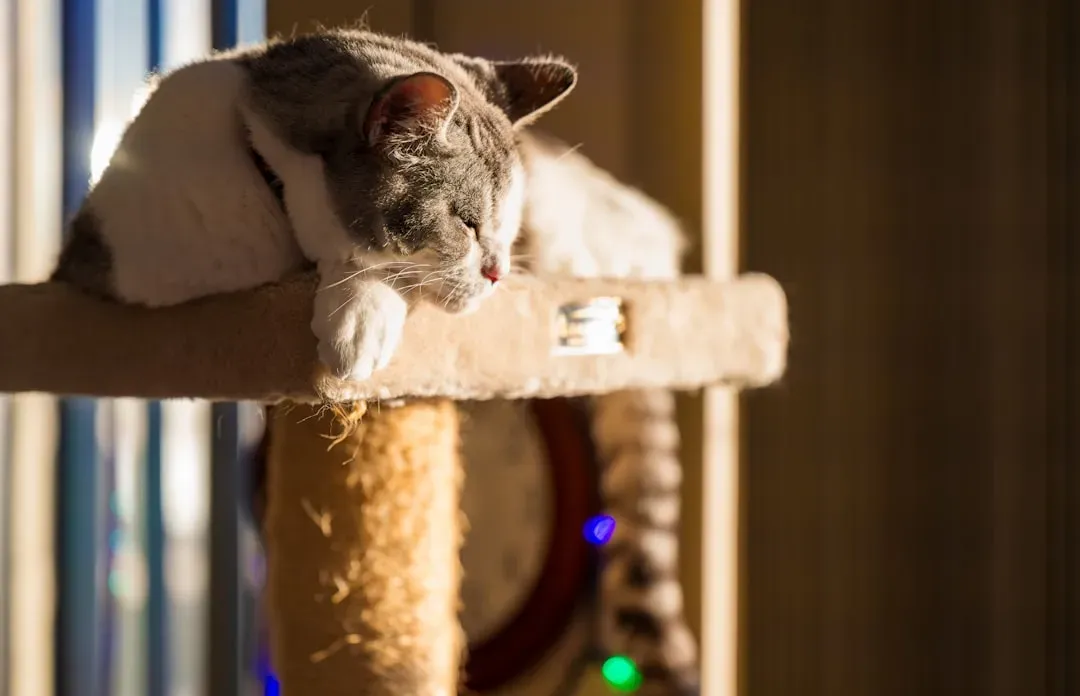
Have you ever noticed your cat gravitating to the top of the bookshelf, the highest kitchen cabinet, or that one specific sunny windowsill? The location your cat picks for sleep is just as revealing as the position itself. Cats’ sleeping habits are deeply rooted in their evolutionary history as both predators and prey. Their instincts continue to influence how and where they choose to rest, even in the safety of our homes. This dual nature has resulted in unique sleep behaviors that balance the need for deep rest with maintaining awareness of their surroundings.
High spots offer safety and a strategic view, satisfying their instinct to monitor their territory. A cat that freely chooses elevated, open spots to nap is a cat that feels confident and secure in your home. Cats are highly responsive to their surroundings. In quiet, secure settings, cats prefer more relaxed, exposed postures like belly-up or side-sleeping. The spot your cat returns to day after day is their personal sanctuary – their clearest statement that your home feels like exactly where they want to be.
Purring While Sleeping: The Sound of True Contentment
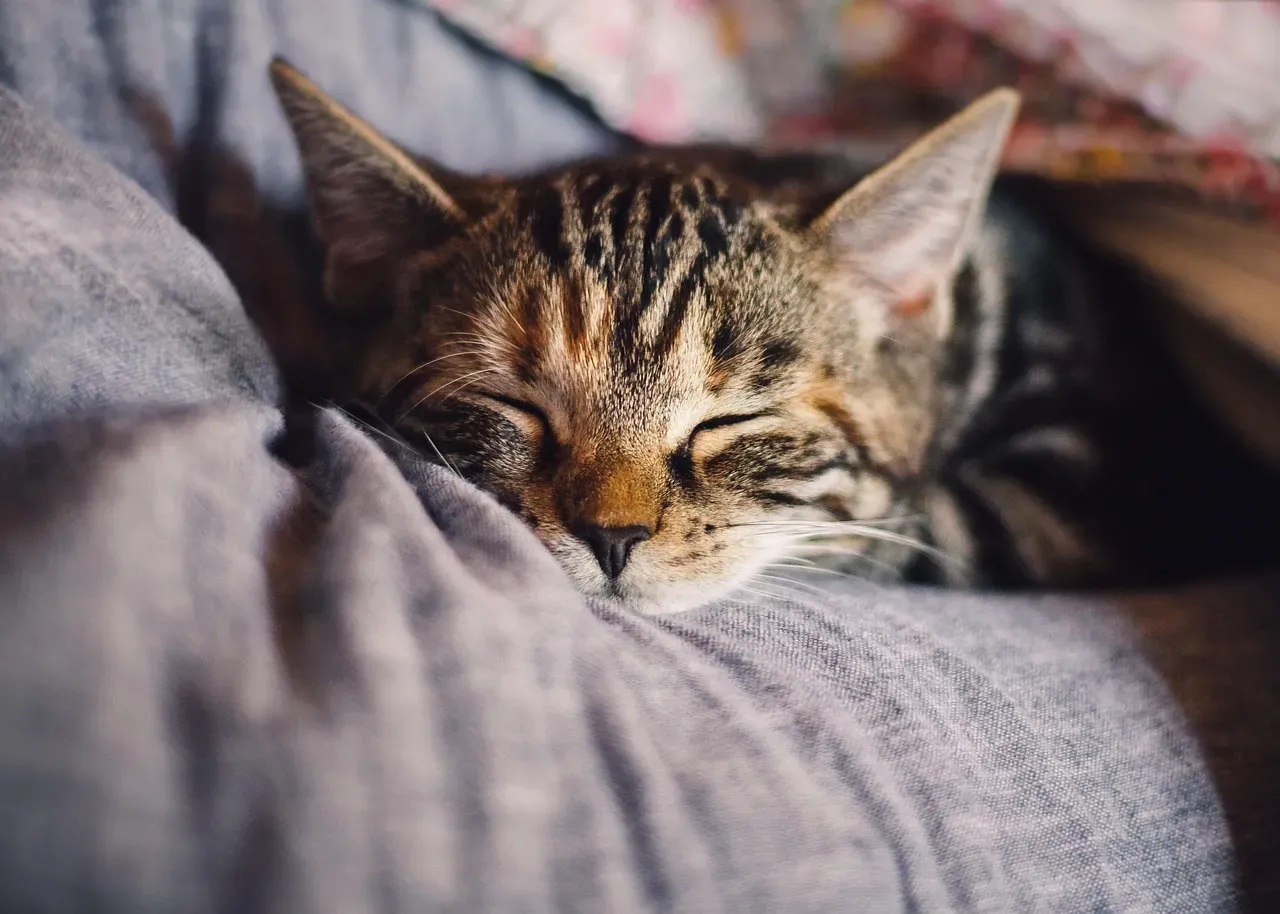
There are few sounds in the world more soothing than a cat purring itself to sleep nearby. It’s the kind of sound that slows your heart rate without you even noticing. When your cat purrs and sleeps near you, it’s a positive sign of their contentment and trust. Purring is a cat’s way of expressing happiness and relaxation. It also indicates that they feel safe with you, reflecting a deep bonding between you and your cat.
Content purring is usually accompanied by relaxed body language, gentle kneading, and calm behavior. It’s also worth noting that not all purring carries the same message. While purring can sometimes indicate stress or pain, a steady purr accompanied by relaxed body language is a classic sign of contentment. So the next time your cat settles in beside you and begins to hum that quiet motor, breathe it in. That’s not just a sound – it’s a full emotional report, delivered in the most comforting frequency imaginable.
Conclusion
Your cat might not be able to write you a letter or send a text, but they are communicating with you constantly. Every curl, every stretch, every carefully chosen napping spot is a sentence in a language worth learning. By understanding the meaning behind your cat’s sleeping postures, you gain deeper insight into their physical and emotional well-being. Each position, whether protective, affectionate, or symptomatic, communicates a unique narrative.
The beautiful thing is that once you start reading these signals, you realize just how much your cat trusts you. Monitoring your cat’s sleep patterns provides valuable insight into their health and happiness. This understanding allows you to create a supportive environment and strengthen your relationship with your feline companion. Every cat is unique, so learning to read your own cat’s individual sleep habits is key to providing them with the comfort and happiness they deserve. So the next time your cat drifts off into their little dreamworld, take a quiet moment to observe. You might just discover that you’ve been living with a deeply happy, deeply trusting little soul all along. What does your cat’s favorite sleeping position say about them? Tell us in the comments – we’d genuinely love to know.
Kristina is a young writer from India. An arts graduate and an avid content creator, Kristina is passionate about animals and wildlife. She enjoys exploring topics related to pet care, animal behavior, conservation, and nature, combining thorough research with engaging storytelling.