There’s something almost hypnotic about watching a cat sit perfectly still while one ear rotates silently toward a sound you cannot even hear. You see nothing unusual. Your cat sees everything. That tiny, almost invisible movement, so quick you might blink and miss it, is not random muscle noise. It is a precise, deliberate act of intelligence.
Cats have been communicating this way for thousands of years, and the wild thing is, most of us walk right past it without a second thought. If you’ve ever wondered what’s really going on inside that furry, mysterious head, start by looking at the ears. What you’ll find might genuinely surprise you. Let’s dive in.
The Remarkable Anatomy Behind the Twitch
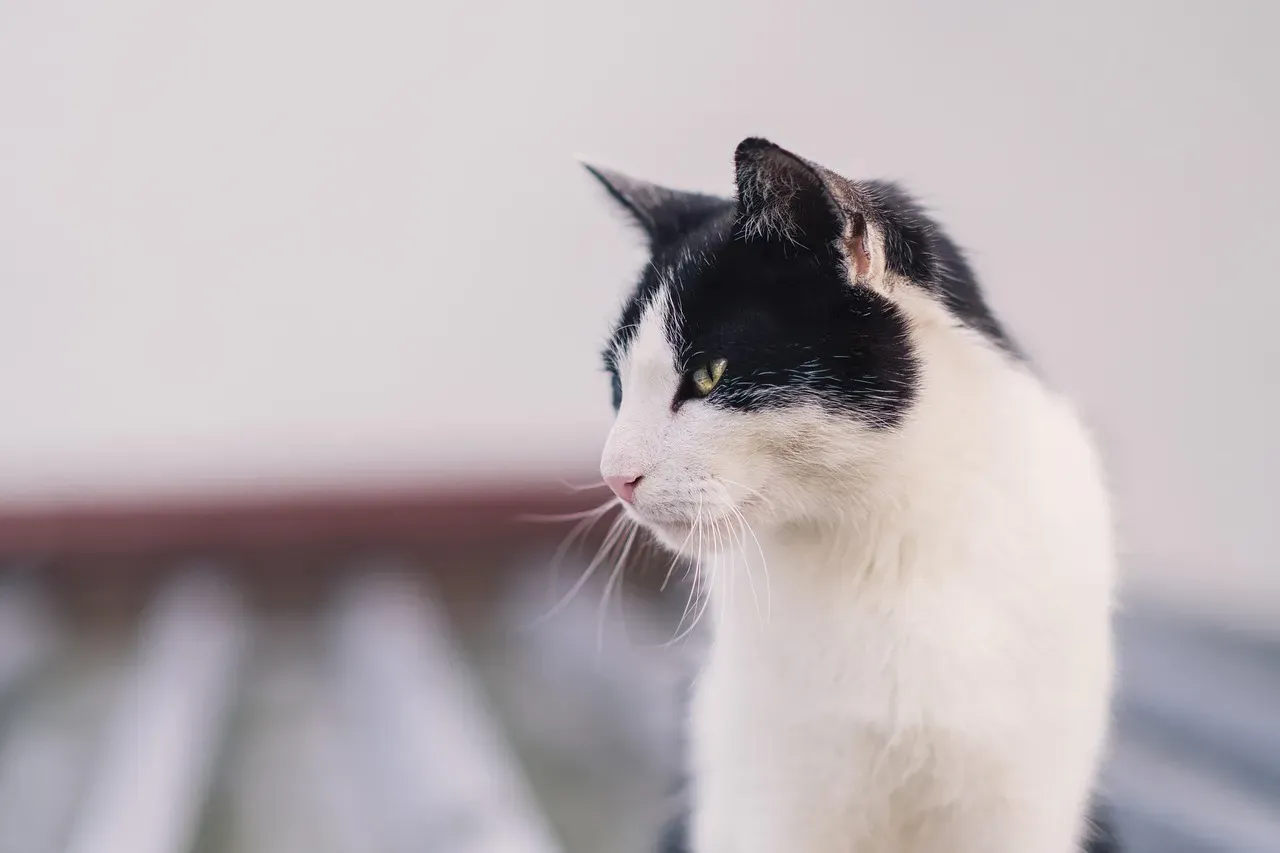
Your cat has over 30 muscles controlling each ear, and their ears move independently of each other. Think about that for a moment. Humans manage a barely-there wiggle with the three ear muscles we have. Your cat is essentially operating a sophisticated audio-targeting system on the side of its head, all day long, without even trying.
Each ear is controlled by a structure called the pinna, which is the outer part of the ear that’s visible and funnels sound waves into the ear canal, with 32 finely tuned muscles allowing for incredibly precise movements and a wide range of motion. Cats can move each ear separately, rotating them around 180 degrees, which enables them to detect sounds from multiple directions and accurately pinpoint potential predators and prey alike. It’s the kind of biological engineering that engineers would be jealous of.
What Your Cat Is Actually Listening For
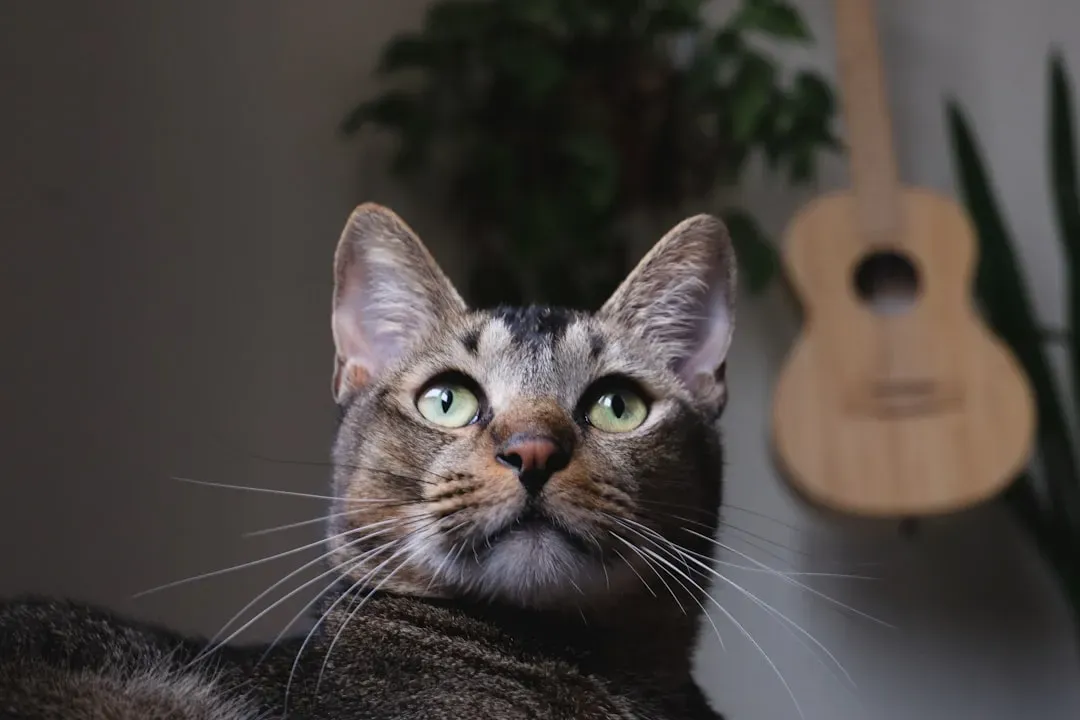
Your cat’s ears are remarkably mobile, capable of rotating up to 180 degrees independently, and when you notice constant ear movement or twitching, your cat is likely tracking multiple sounds in their environment. This is not distraction, it’s focus at a level humans rarely experience. It’s similar to how a concert sound engineer adjusts individual microphones to isolate the perfect frequency.
Cats have very sensitive ears and they can hear things of a certain frequency that humans can’t. They twitch their ears to capture noise in their environment and use the muscles in their ears to mold them into the correct shape. So when your cat’s ear flicks toward the kitchen while they’re supposedly napping in the living room, they’ve probably already clocked the fridge hum changing tone or your footsteps heading toward the treat cabinet. Smart, right?
The Neutral Position: What Calm Actually Looks Like
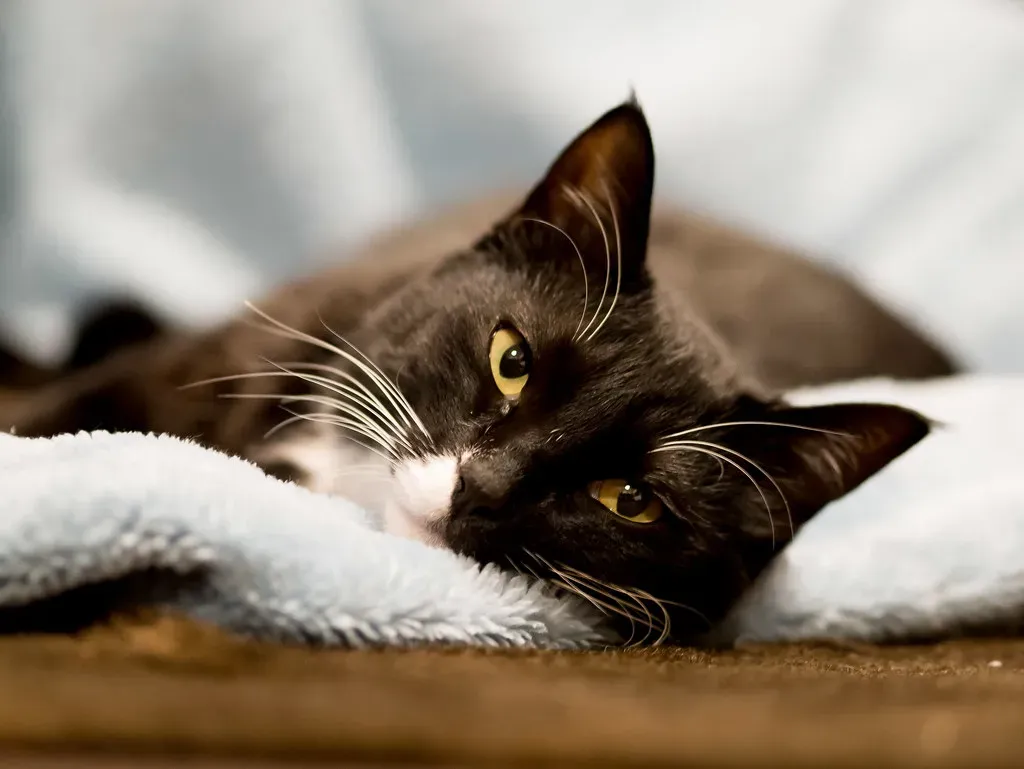
When a cat’s ears are in their natural position, facing forward but relaxed, it usually means they’re comfortable and at ease. This neutral stance suggests your cat feels safe and might even accompany slow blinks or gentle purring. It’s a positive ear position that indicates trust in their environment. Honestly, if you see your cat sitting in this position while you’re nearby, take it as a compliment. You’ve earned that trust.
When a cat is feeling relaxed, their ears will bow slightly out to the sides and tilt slightly forward, which means all is well. Your cat is content and has a sense of well-being. They are not afraid nor feeling aggressive. If the rest of the body looks loose and the tail isn’t twitching, your feline friend likely feels comfortable, and it’s a good time to engage and enjoy the moment together.
The Alert Twitch: Your Cat Is on a Mission
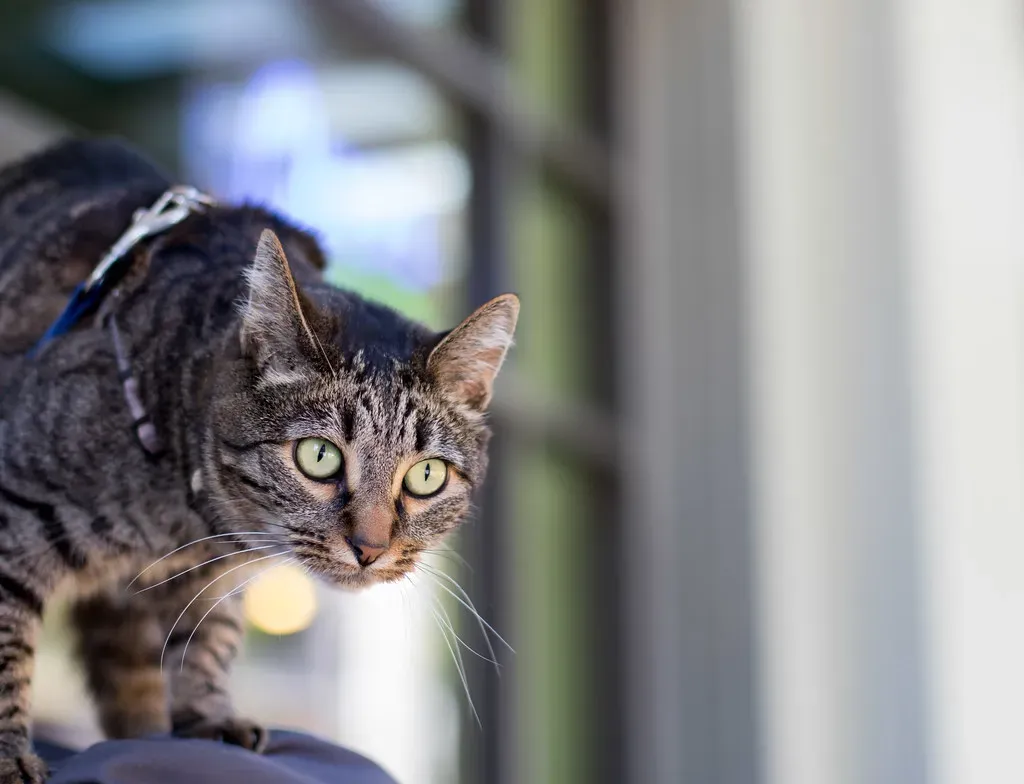
If you see your cat’s ears twitching, they may be getting ready to pounce on something. This ear language will often follow the straight-up and facing-forward position if your cat decides that whatever they’ve been watching is worth chasing. While they’re twitching their ears, you may also see your cat wiggling their bottom and lowering their bodies as they prepare to pounce. The whole performance is actually breathtaking to watch. It’s like watching a tiny, velvet-pawed predator boot up its hunting software in real time.
A cat whose ears rotate with quick, sudden movements is a cat who is on a mission. As an extension to the straight-up-and-forward move, a cat will move their ears back and forth, and shake their backside, when they’re ready to execute the attack. This is a great opportunity to indulge your cat’s hunting instincts, being sure to direct their attention to toys and not your feet. Consider yourself warned on that last point.
Ears Forward and Up: Curiosity and Confidence
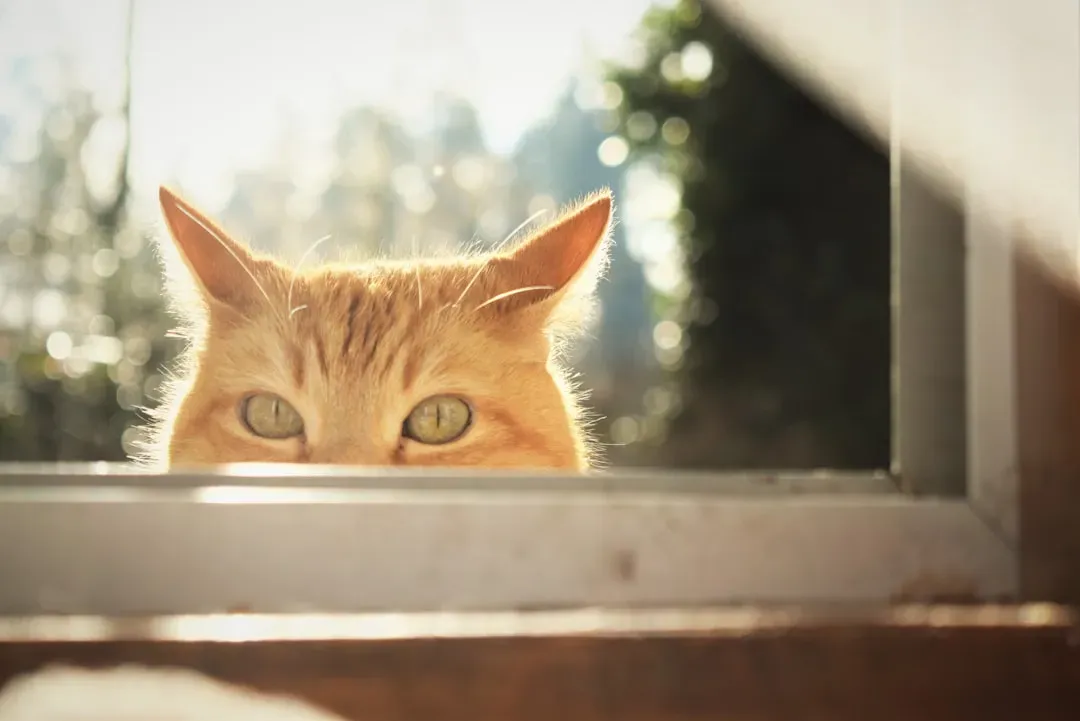
Ears positioned straight up and forward signal that your cat is highly alert and interested in something. This position helps them gather maximum auditory information about their surroundings. You might notice this when they hear an unfamiliar sound or spot potential prey, like a bird outside the window. You might also notice this position every single time you open a bag that sounds even remotely like treats. Cats are not subtle about their priorities.
If your cat has their ears up and forward, you can assume that they’re alert and paying attention to their surroundings. This is a great time to initiate playtime with your cats, so go grab their toys and test out their hunting instincts. Alert cats that love to pay attention to their surroundings will be seen demonstrating this ear language more often than a laidback cat that prefers to spend more time sleeping than patrolling.
Sideways Ears: The “Airplane Mode” Warning Sign
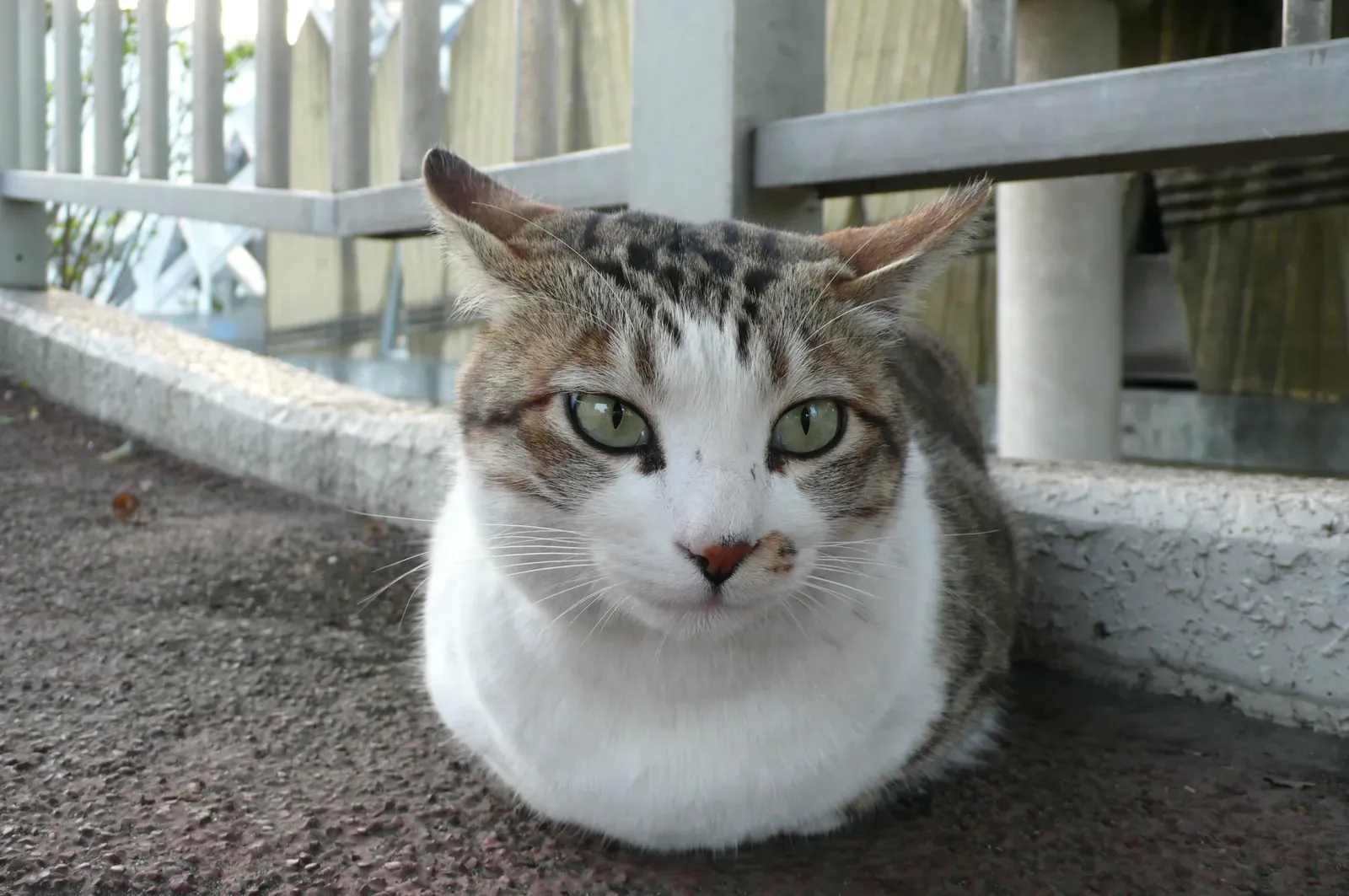
When your cat’s ears shift sideways like tiny wings, that’s the classic airplane position. This usually signals mixed emotions or overstimulation. The ears flatten out slightly but don’t press back completely. This position serves as a warning signal and indicates your cat may need space. You should watch for other body language cues that might accompany this position, such as a twitching tail or dilated pupils. Ignoring these signs is how petting sessions end in scratches.
If you see your cat’s ears shift sideways during a cuddle session, it might mean they’ve had enough. You should pay attention to this subtle cue to avoid upsetting your feline companion. When a cat’s ears are beginning to angle backwards, they may be feeling uncertain or mildly irritated. If you’re petting your cat and notice this change in their body language, it’s a sign they may not be enjoying the interaction as much as you think. Think of it as their polite, pre-escalation warning. Heed it.
Flattened Ears: Fear, Aggression, and Serious Business

Ears pressed flat against the head indicate fear, extreme stress, or aggressive intentions. If you notice this position, it’s best to give your cat space and avoid direct interaction until they calm down. The degree of flattening can indicate how severe their discomfort is. For example, when a cat is extremely scared, their ears may seem almost invisible. This ear signal is often accompanied by other signs such as dilated pupils, a lowered tail, or a tense body.
When a kitty is ready to strike with claws and teeth, their ears will flatten against their head. Doing so actually protects their ears from an opponent’s bites and scratches. When the ears move into this position, you should not try to pick them up or touch your cat. If provoked during this phase, you risk being injured. It’s a hard rule with no exceptions. A cat with fully flattened ears is not open to negotiation.
Twitching During Sleep: Yes, They’re Still Paying Attention
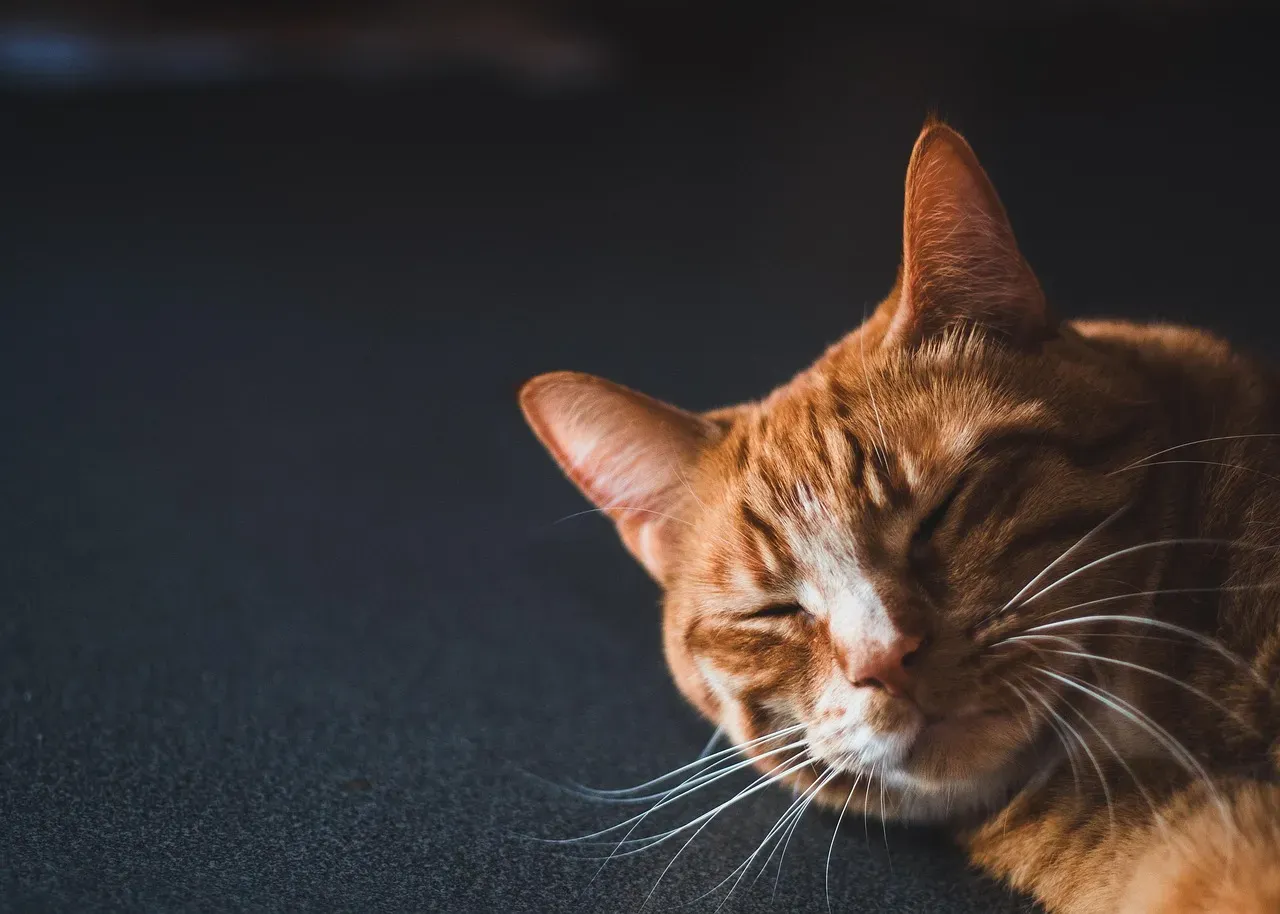
Cats are light sleepers by nature. Even when they close their eyes, their ears stay busy. This keeps them ready to react to things like footsteps, door creaks, and rustling leaves outside the window. This behavior comes from instinct. In the wild, staying alert helps felines avoid threats and catch prey. So even that deeply snoozing cat on your couch is still, on some level, running silent surveillance on your living room.
If your cat’s ears are twitching while they sleep, there may be something particularly annoying in the environment, such as a buzzing fly. Alternatively, twitching ears can also be seen when a cat is dreaming in deep REM sleep. Your cat might be sleeping on you but not fully asleep. Instead, their ear twitches could signal that they’re listening to the world around them while catching some ZZZs. Honestly, it’s a little humbling. They rest and stay alert simultaneously, something most humans struggle to do even when fully awake.
When Ear Twitching Signals a Health Problem
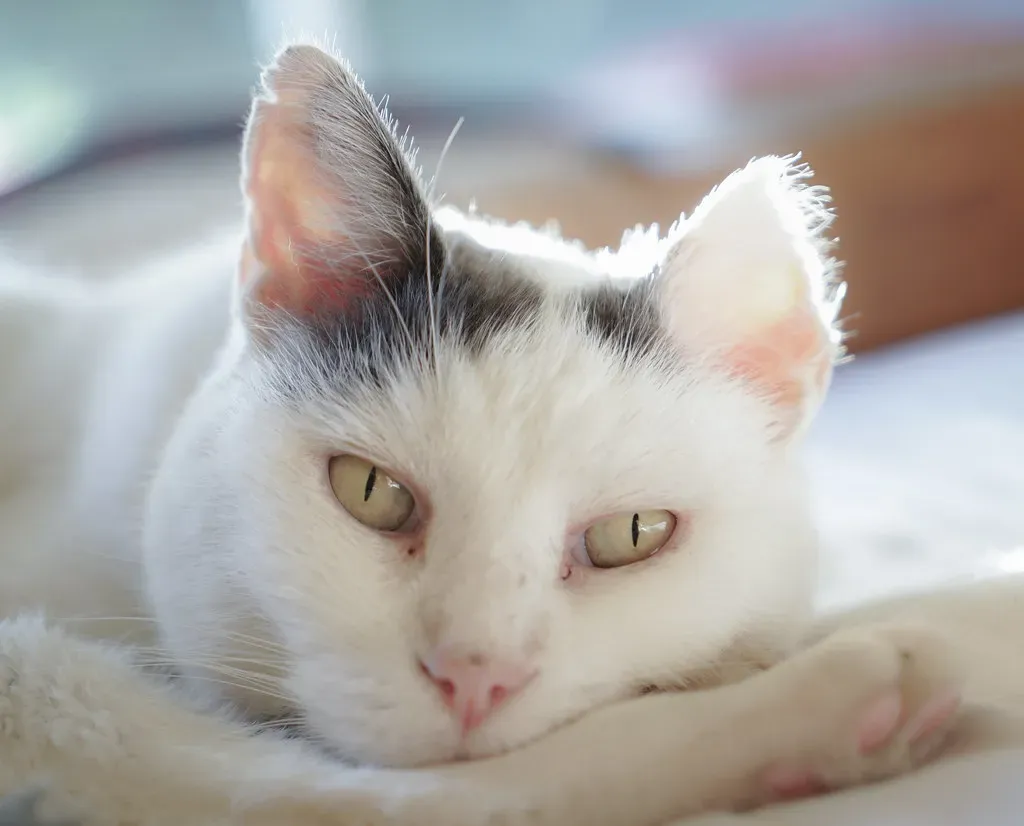
Sometimes, your cat might start twitching their ears excessively or scratching them more often. When their ear twitching suddenly increases, or your cat shows other signs of irritation, it could signal a medical condition. Ear mites are tiny, microscopic parasites that can cause significant irritation for your cat. Ear mites are responsible for intense itchiness in cat ears, leading them to twitch, scratch, or shake their heads frequently.
Your cat’s ears are home to microscopic substances, including the fungus Malassezia. But if something changes the environment in your cat’s ear, the fungi can overgrow and result in an ear infection. Besides twitching, you might also notice redness, swelling, a foul odor, or discharge. If you suspect your cat has an ear infection, you should take them to the vet for early treatment. Excessive twitching accompanied by pawing at the ears might indicate health issues requiring veterinary attention. It’s always worth checking, because the difference between a curious twitch and a medical cry for help can be subtle.
Conclusion: A Whole Language, Right Before Your Eyes
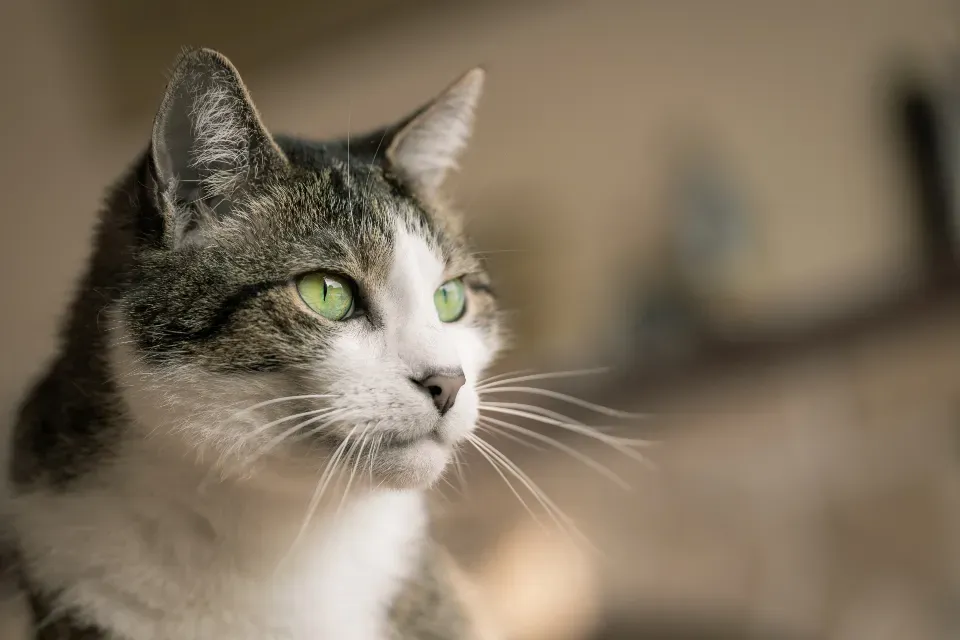
Here’s the thing. Your cat has been talking to you this entire time. Every twitch, every rotation, every subtle shift of those elegant triangular ears is a sentence in a language that most of us simply haven’t been taught. Cats possess intricate and subtle body language, making it crucial to pay close attention to their non-verbal communication. Respecting a cat’s body language is essential in establishing a trusting relationship. By observing and interpreting their ear and whisker positions, eye cues, tail movements, and behaviors, you can lay the foundation for a deep, long-term connection.
When you observe and can interpret your cat’s posture, tail movements, ear positions, vocalizations, and eye expressions, you can gain a clearer understanding of their emotions and needs. This heightened awareness allows you to respond more effectively, creating a more harmonious relationship between you and your cat. Start watching those ears with fresh eyes. You might be amazed at how much your cat has already been saying. The question is: have you been listening?
Kristina is a young writer from India. An arts graduate and an avid content creator, Kristina is passionate about animals and wildlife. She enjoys exploring topics related to pet care, animal behavior, conservation, and nature, combining thorough research with engaging storytelling.