If you’ve ever watched your cat relocate three times in an hour just to stay inside a moving sunbeam, you already know something is going on beyond simple laziness. There’s a method to the madness. Cats don’t just flop down anywhere, they survey their options, calculate their angles, and claim only the very best patch of warmth available. It’s almost architectural, the way they do it.
What drives this behavior is a fascinating mix of biology, ancient instinct, and surprisingly sharp environmental intelligence. You might think your cat is just being dramatic, but science says otherwise. Get ready to see your sunbathing feline in a completely new light. Let’s dive in.
The Biology Behind the Warmth Chase
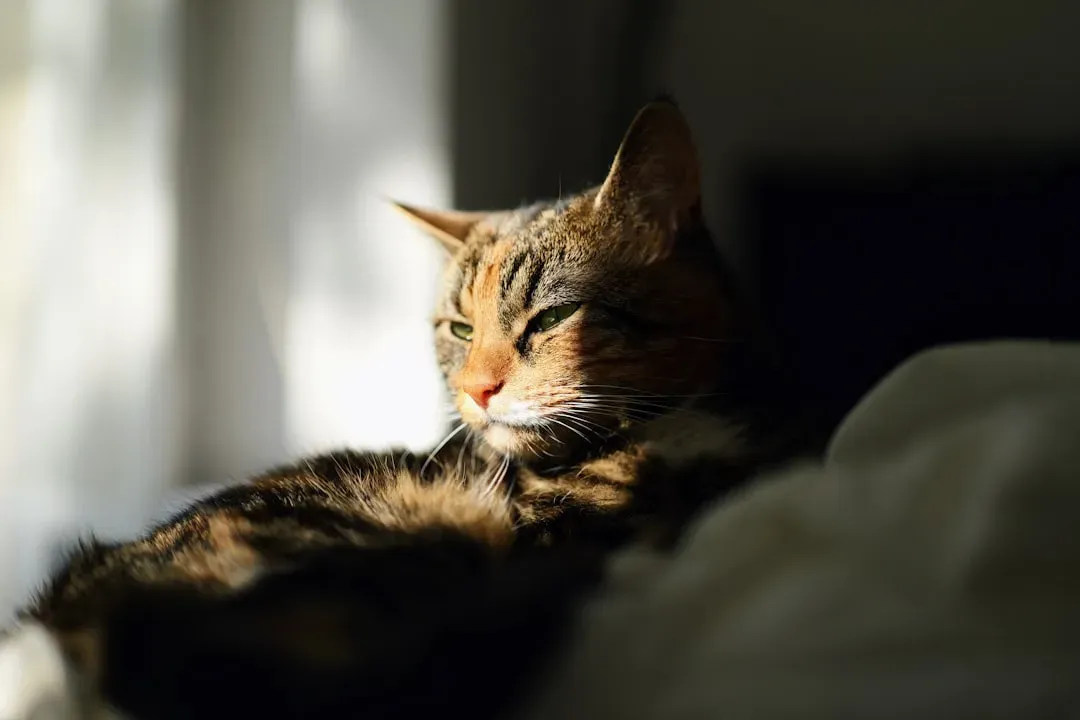
Here’s the thing most people don’t realize: your cat runs hotter than you do. The normal body temperature of cats is higher than ours, at around 102 degrees Fahrenheit, while a normal human body temperature sits between 97 and 99 degrees Fahrenheit. That’s a meaningful gap, and it explains a lot about why your cat is always hunting for warmth.
Cats are naturally drawn toward warmth because they have a naturally high body temperature they need to maintain, and they need to counter the drop in core temperature that their long daytime sleeps cause. Their diet does not metabolize well to provide heat from calories, so they rely on external warmth such as the sun’s rays. Think of it like this: your cat’s internal furnace runs efficiently, but it doesn’t generate a ton of spare heat. So your cat outsources that job to the sun.
An Ancient Instinct Encoded in Their DNA
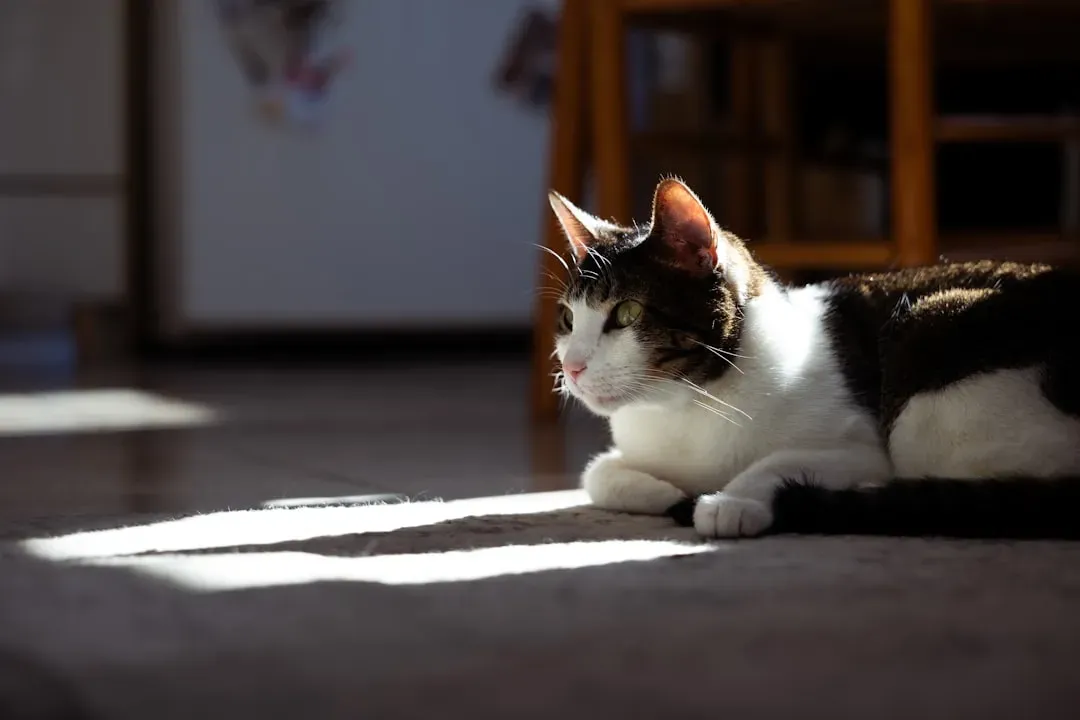
Your cat isn’t just choosing a sunbeam. Your cat is, in some very real sense, channeling thousands of years of evolutionary history. Cats are descended from their ancestors in the Middle Eastern desert and African plains, and therefore cope well with heat. The preference for warm, sunny spots is essentially a genetic memory passed down through generations.
Cats’ ancestors were desert dwellers, and their bodies evolved to thrive in warmer conditions. Modern cats may instinctively seek out warm spots because it’s deeply embedded in their DNA. So when your indoor cat zeroes in on that one specific corner of the living room floor where afternoon sun pools every day at two o’clock, that’s not coincidence. That’s ancient survival instinct wearing the costume of domestic bliss.
Sunbathing as an Energy Conservation Strategy
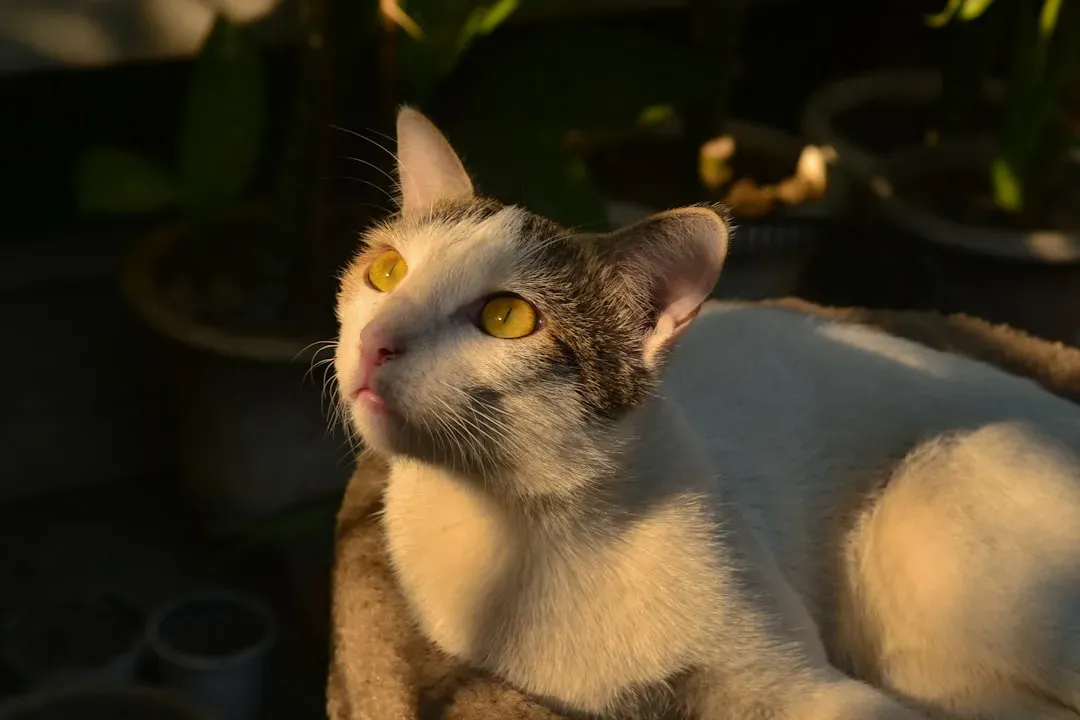
Honestly, cats might be the original efficiency experts. Sunbathing helps them maintain body temperature without expending additional energy, which is particularly important for cats that spend much of their day resting or sleeping. Rather than burning calories to stay warm, they let the sun do all the work.
Sunbathing allows cats to raise their body temperature without burning extra calories, which is an efficient way to conserve energy. This behavior is rooted in survival instincts passed down from desert-dwelling ancestors. By absorbing warmth from the sun, cats can relax their muscles, improve circulation, and stay limber without expending effort. If you ever thought your cat was just being lazy, you now know better. They’re actually being brilliant.
How Cats Track the Sun Through Your Home
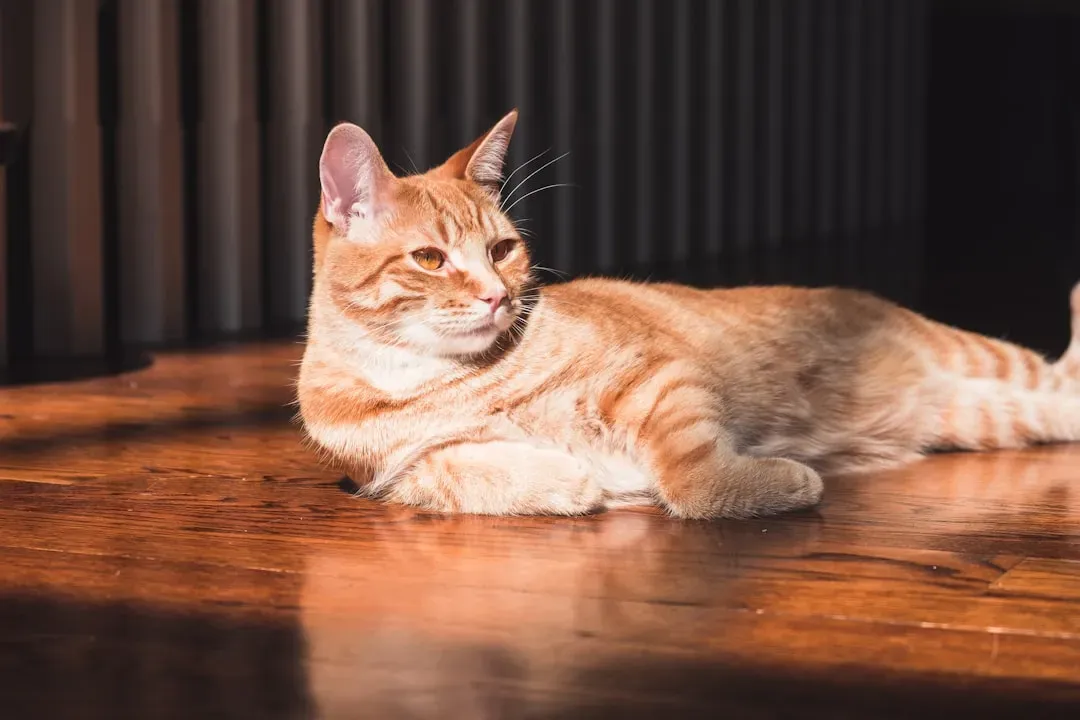
You’ve probably noticed your cat migrating throughout the day, room to room, following something invisible to you. What they’re following is the sun’s path through your home, and they do it with almost eerie precision. Many cat owners observe that their pets rotate preferred sleeping locations based on the sun’s movement throughout the day. This tracking behavior indicates not only thermal awareness but also an intuitive understanding of light patterns. Over time, cats learn when and where sunlight will appear, often positioning themselves in advance, a testament to their environmental intelligence.
When it comes to sunlight, indoor cats spot small areas of it and try to keep up with the shifting rays as they cross the floors; they jump onto sunlit window sills, or sometimes just lie in the midst of sunlit glow on furniture. It’s actually remarkable when you stop and think about it. Your cat has essentially memorized your home’s solar schedule. You could almost set your clock by them.
The Emotional and Mental Health Boost of a Good Sunbath
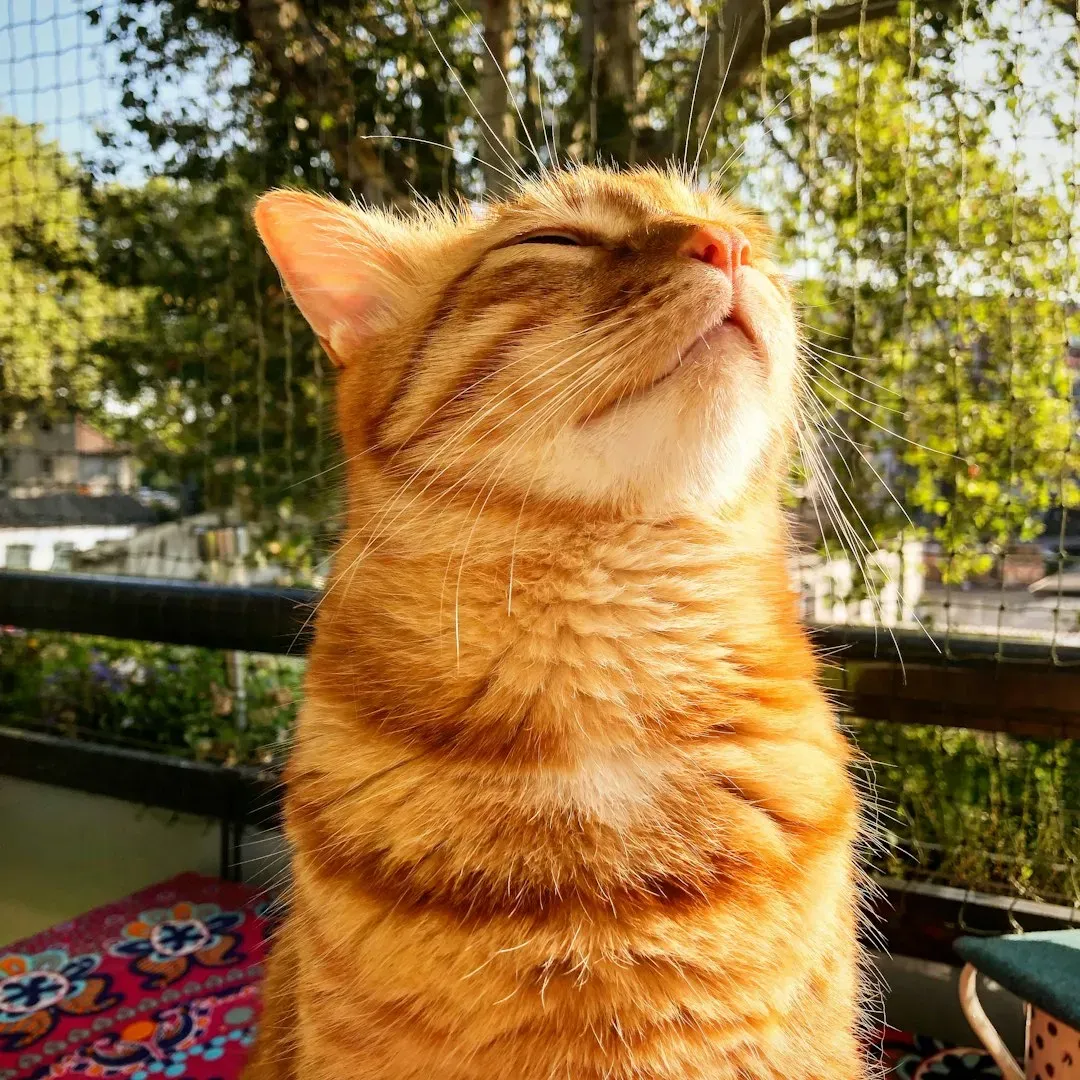
Sunbathing for cats isn’t purely physical. There’s a powerful emotional dimension to it that often gets overlooked. Sunlight exposure can trigger the release of serotonin in cats, similar to humans, promoting feelings of wellbeing and relaxation. This natural mood enhancer helps explain why cats appear so content while lounging in sunny spots.
Sunbathing has a calming effect that extends beyond physical benefits. Cats exposed to natural light often display signs of reduced anxiety and increased contentment. The steady warmth promotes relaxation, while the quiet nature of basking time helps create a sense of security. For indoor cats especially, sunlight becomes an important environmental enrichment, offering both visual stimulation and peaceful comfort. This combination contributes to a happier mood and improved overall mental health. Think about how you feel after sitting in a warm window on a cold morning. Your cat feels something pretty similar.
The Therapeutic Role of Sunlight for Joints and Muscles
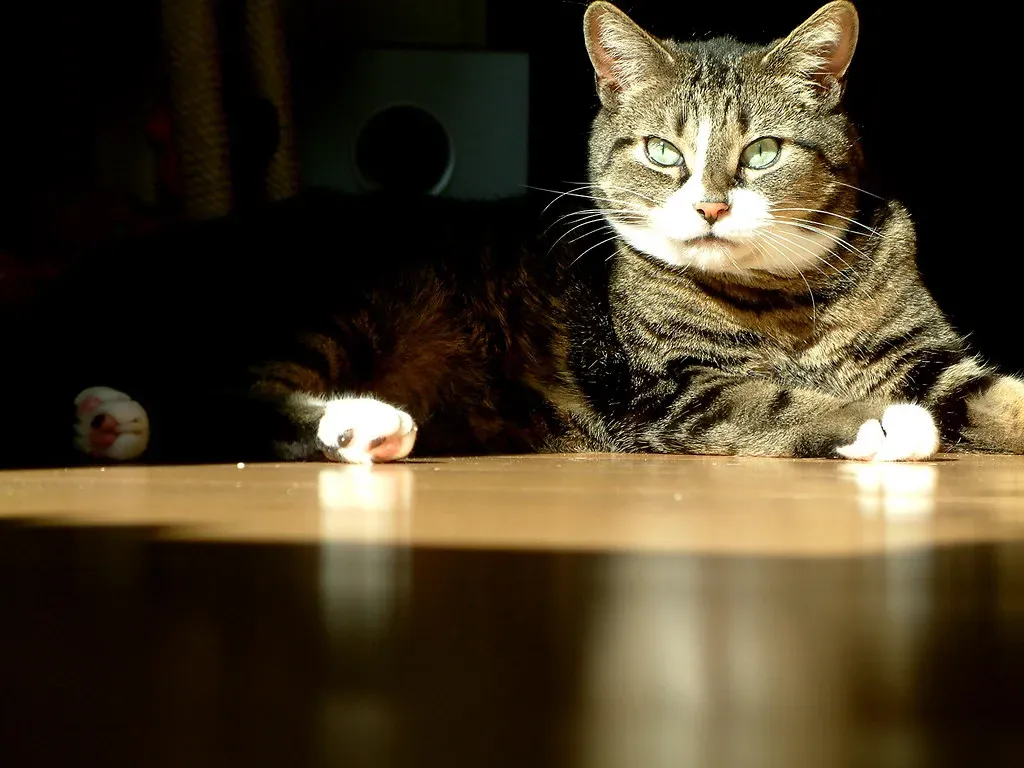
Senior cats, in particular, are onto something genuinely therapeutic when they seek out those warm patches of sun. Natural light and heat can soothe achy limbs and joints and helps to regulate internal body temperature. Cats seek a spot of sunlight out in particular because it is so comforting and reduces symptoms caused by osteoarthritis and other health concerns.
When cats lie in the sun, the warmth seeps into their muscles and joints, creating a soothing effect. This is especially beneficial for senior cats or those dealing with stiffness or arthritis. Sunlight allows them to stretch more easily and rest in positions that promote recovery. By reducing the strain on muscles and providing consistent warmth, sunbathing gives cats a natural way to manage minor physical discomforts. Owners may notice their pets moving with greater ease and enjoying longer, deeper naps after time spent in a sunbeam. It’s essentially free physiotherapy, and your cat figured that out entirely on their own.
Indoor Vs. Outdoor Sunbathing: Different Spots, Same Instinct
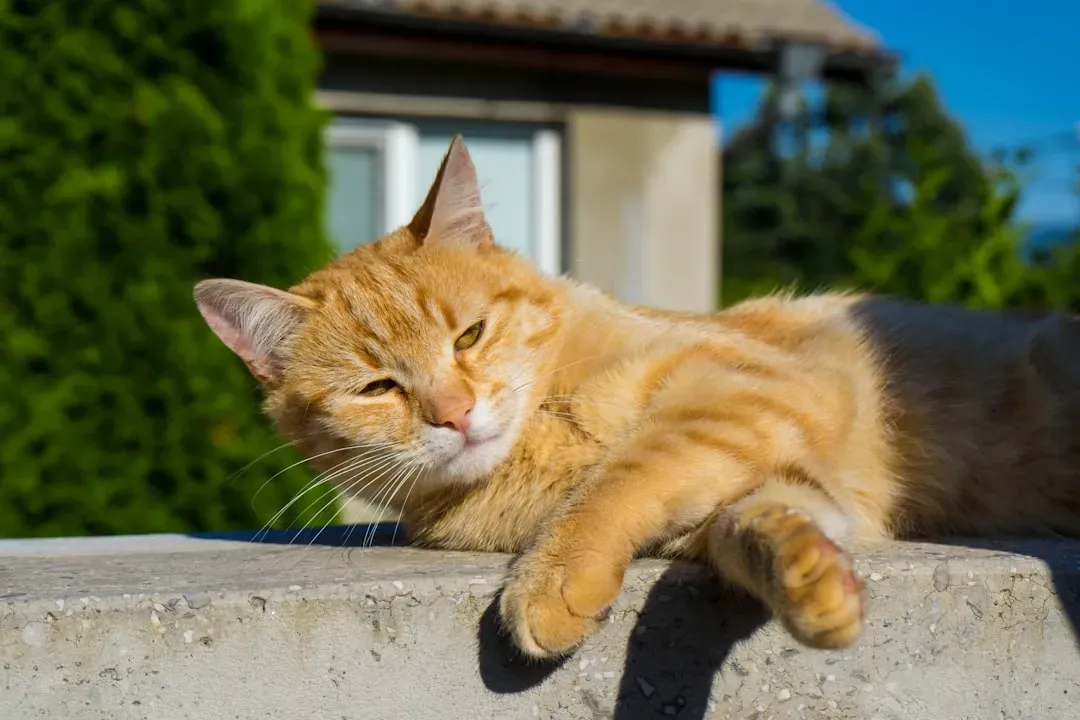
Where your cat sunbathes depends heavily on whether they live indoors or have outdoor access, but the core instinct remains exactly the same. Indoor cats gravitate toward sunny indoor spots, like windowsills or a cozy spot next to glass doors, where they can sunbathe safely. Outdoor cats, while they may enjoy the freedom to roam, still exhibit a preference for sunny spots, although they’re more likely to alternate between sun and shade to manage their body temperature effectively.
In contrast, outdoor cats are a little freer to bask in the sun’s rays. In a garden, a roof, or a driveway, they generally choose sunny spots; however, instinctively, they prefer elevated and half-sheltered locations for safety reasons. That instinct to choose an elevated, semi-sheltered spot is worth noting. Your outdoor cat isn’t just picking the warmest place, they’re picking the safest warm place. Strategy layered on top of strategy.
The Real Truth About Cats and Vitamin D From the Sun
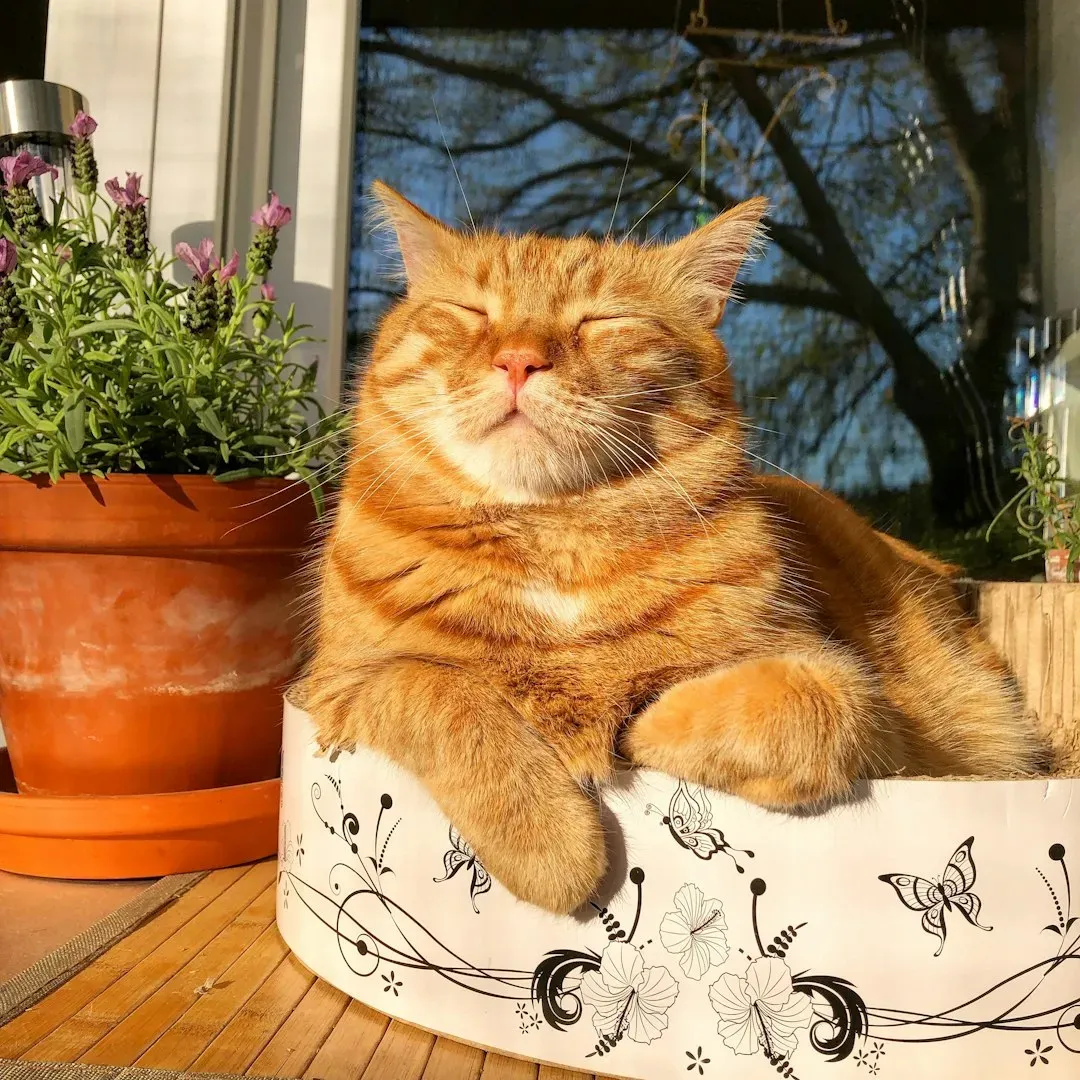
Here’s a widespread myth worth clearing up: your cat is not sunbathing to absorb vitamin D the way humans do. There is a myth that cats absorb vitamin D through the sunlight as humans do, but they are completely dependent on their diet for this important vitamin. That’s a fundamental difference from human behavior that surprises a lot of people.
Cats sunbathe to maintain their body temperature, especially since they lose heat quickly due to their high metabolic rate. Sunbathing enables cats to synthesize vitamin D, which they primarily absorb through grooming the oils produced on their skin after sun exposure. So while sun exposure can help generate some vitamin D compounds on the fur and skin, your cat’s diet does most of the heavy lifting there. The sun is really about warmth and comfort first, nutrition second.
The Risks of Too Much Sun and How to Keep Your Cat Safe
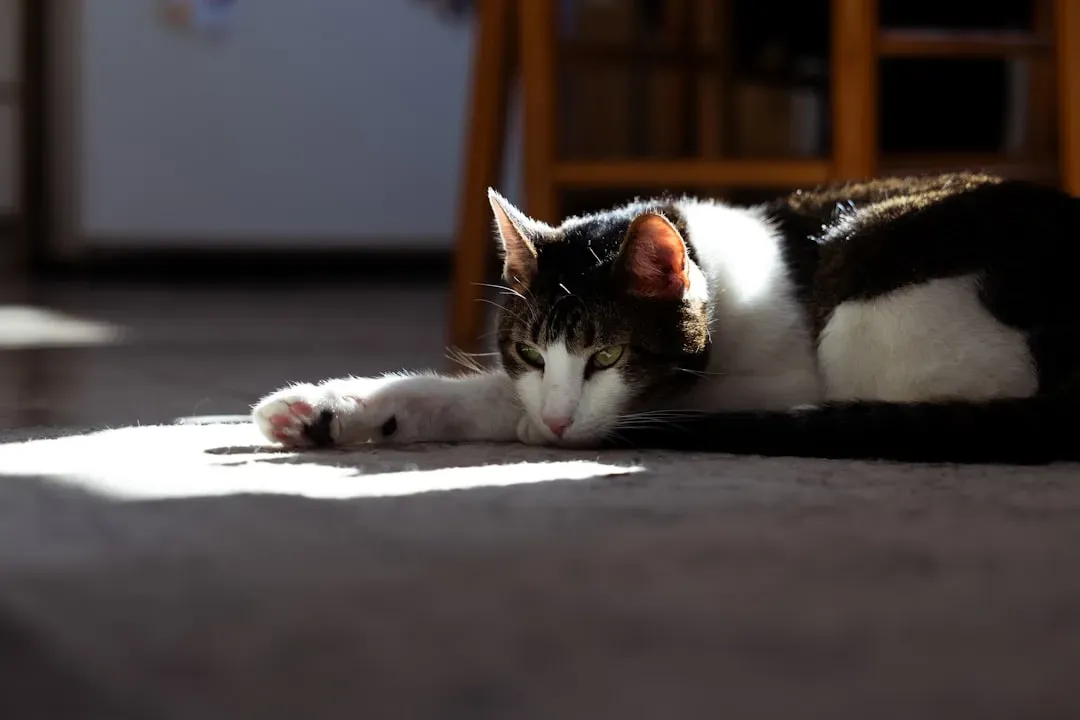
Let’s be real: even the best things can go too far. Most cats will instinctively know when they are too hot to continue sunbathing and relocate to a cooler spot. However, it is possible for a cat to overdo it while sunbathing and experience dangerous symptoms of dehydration, heat stroke, and sunburn to the ears, nose, and feet. Your cat’s instincts are good, but they’re not perfect.
Excessive sun exposure can lead to skin cancer, particularly squamous cell carcinoma, especially in white or light-colored cats. Regular skin checks and limiting sun exposure are essential preventive measures. To help your cat enjoy all the benefits while staying safe, cats need to balance sunlight with shade to avoid overheating. Provide spots with both sunlight and shade so they can move when they get too warm. Place beds in areas of sun and areas of shade to give them the choice of a sunny nap or a cooler spot. It’s a small adjustment that makes a big difference to your cat’s long-term wellbeing.
Conclusion: Your Cat Knows What You Don’t
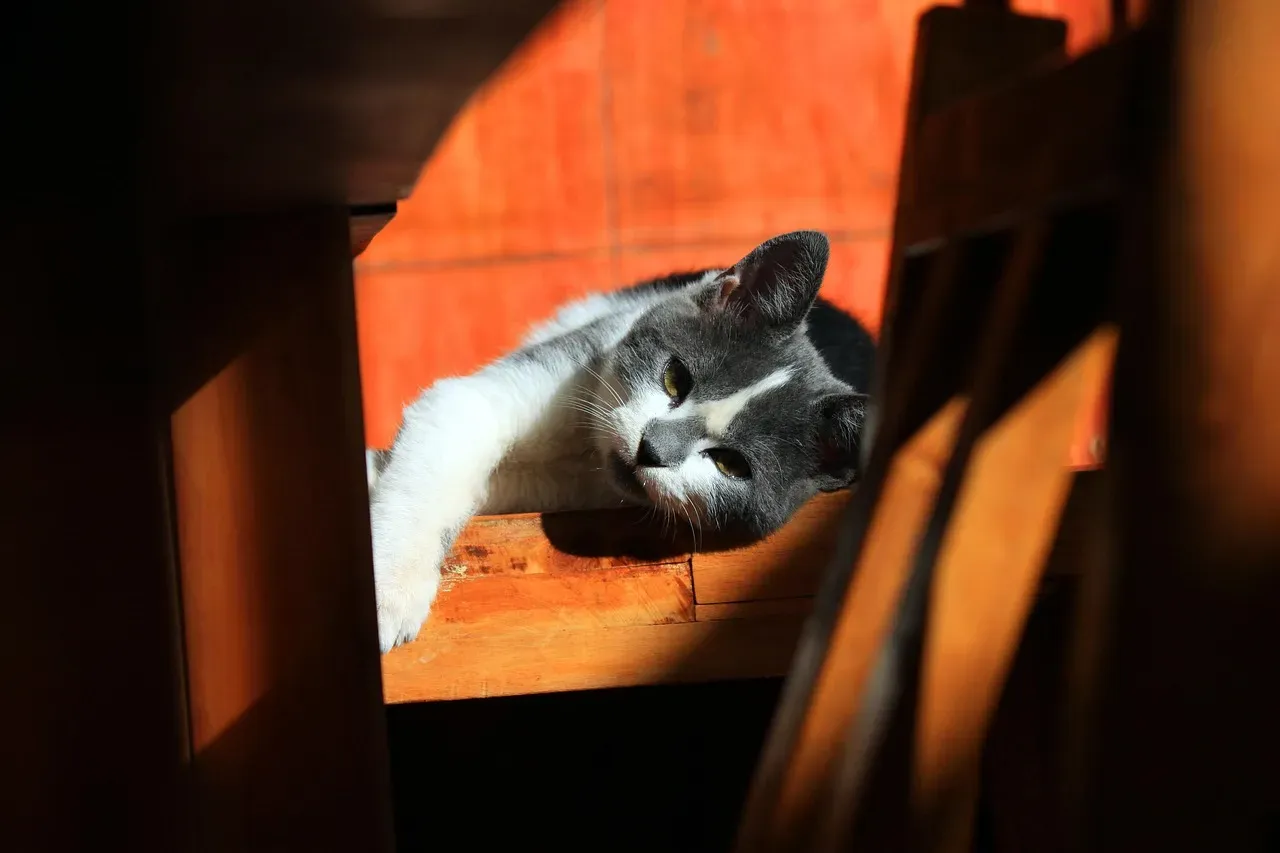
Every time your cat carefully scouts the room, repositions twice, and finally settles into that perfect angle of afternoon light, they’re not being quirky or dramatic. They’re executing a refined, instinct-driven ritual that has served felines for thousands of years. There’s thermoregulation at work, emotional wellness, joint care, energy conservation, and a deeply wired connection to their wild desert ancestors, all wrapped up in one blissful, sun-soaked nap.
As their human, you can honor that instinct by setting up safe, accessible sunny spots around your home, ensuring shade and fresh water are always nearby, and simply letting them do what they were born to do. Your cat doesn’t need you to understand every detail of their behavior. They just need you to respect it.
Next time your cat relocates mid-afternoon to follow a moving patch of sunlight across the floor, take a moment to appreciate the quiet genius of it all. They’re not lazy. They’re perfectly calibrated. What does your cat’s favorite sunbathing spot say about how well you know them?
Kristina is a young writer from India. An arts graduate and an avid content creator, Kristina is passionate about animals and wildlife. She enjoys exploring topics related to pet care, animal behavior, conservation, and nature, combining thorough research with engaging storytelling.