If you share your home with more than one cat, you have probably noticed that something quietly complex is happening right under your nose. Two cats sitting on opposite ends of the sofa, one always eating first, the other slinking around corners at certain times of day. It is not random. It is not coincidence. It is a layered, constantly shifting social system that most people overlook entirely.
What makes it so compelling is how much of it operates in silence. No barking, no obvious posturing, just a world of subtle signals, invisible scent maps, and ancient instincts playing out in your living room. Ready to see your cats through entirely different eyes? Let’s dive in.
Cats Are Not the Lone Rangers You Think They Are
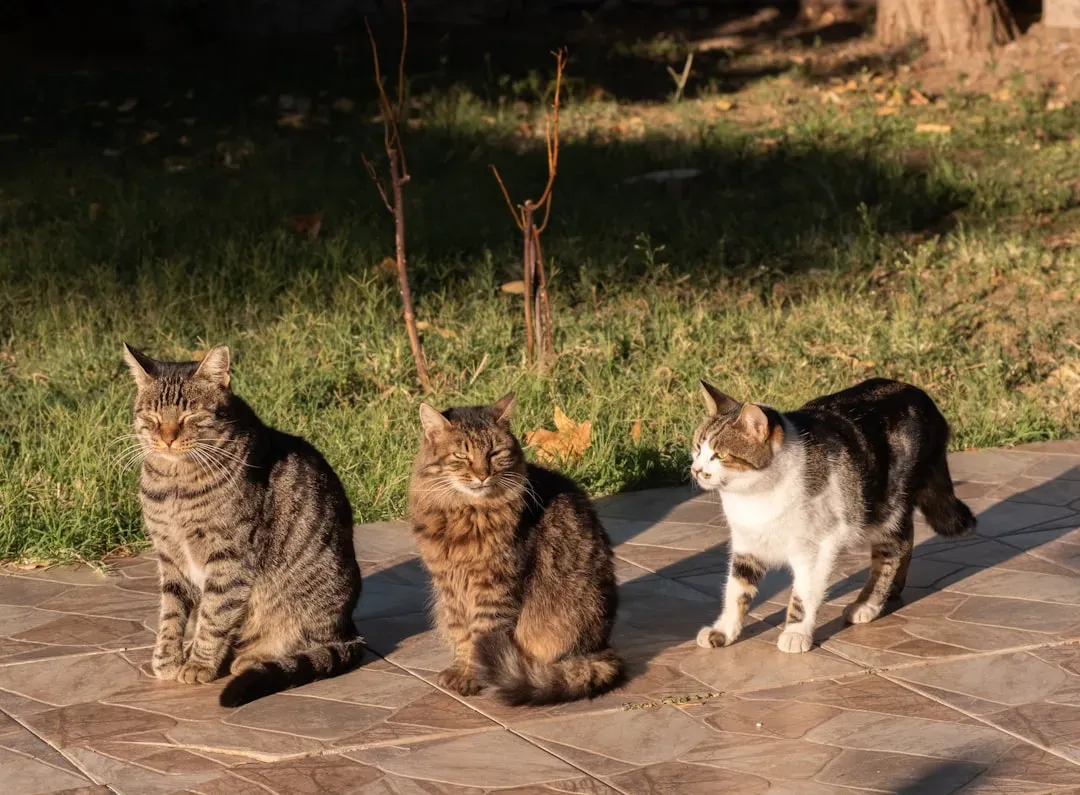
Let’s be real. Most of us grew up hearing that cats are independent, solitary creatures who tolerate humans but truly need no one. Honestly, that picture is far more complicated. An increasing body of research has made it clear that while cats can survive in the solitary state, social groups with an internal structure are formed whenever there are sufficient food resources to support them. Think of it like this: a wolf doesn’t need a pack to survive either, but given the right environment, the pack appears naturally.
Unlike dogs and wolves, cats did not evolve as obligate social animals living in structured hierarchical packs. Instead, domestic cats descend from solitary hunters who developed flexible social strategies that allow them to live cooperatively when resources permit, while maintaining the ability to survive independently. That flexibility is actually what makes multi-cat households so intriguing. You are essentially watching evolution adapt in real time, right there on your kitchen floor.
The Truth About Feline Hierarchy (It Is Not What You Think)
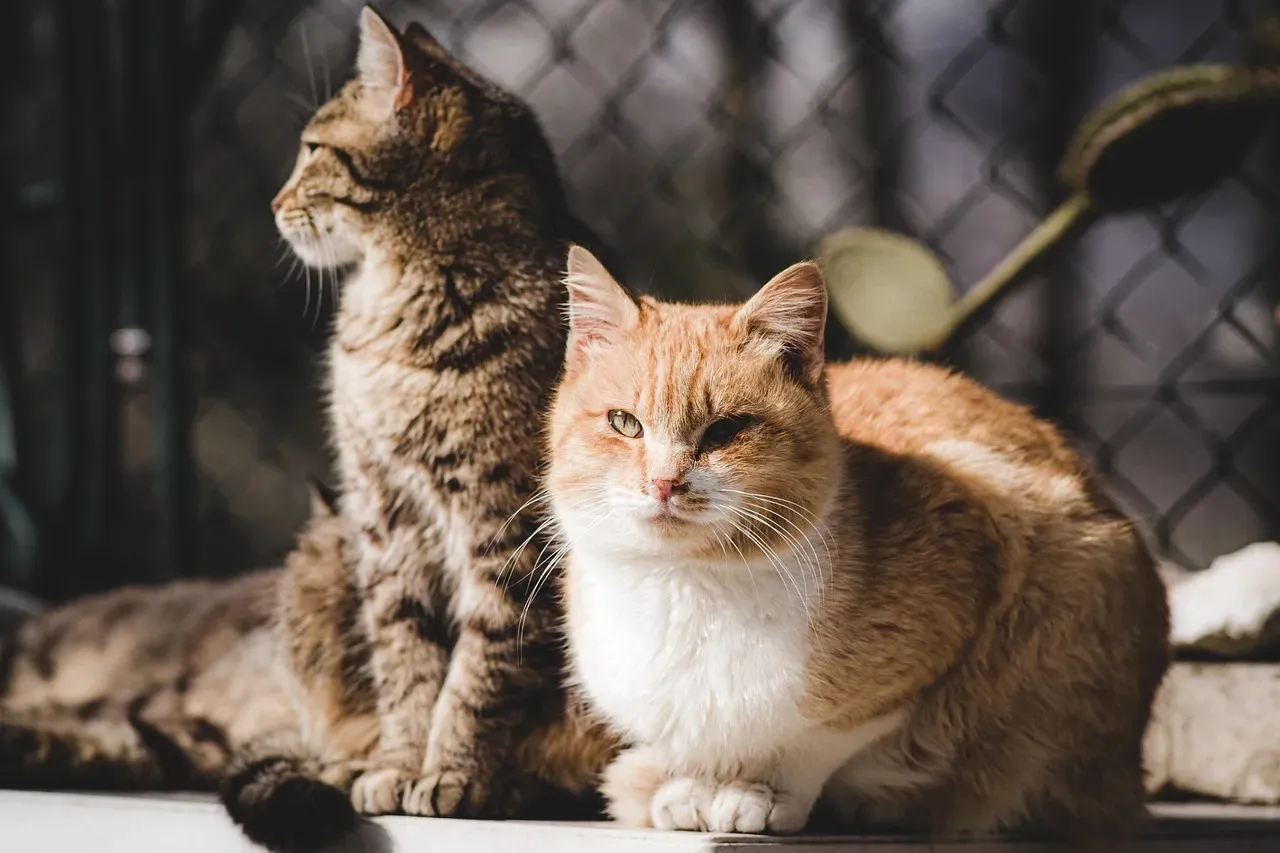
Popular myths about cat hierarchy often derive from outdated dominance theories borrowed from dog and wolf research that do not accurately describe feline social behavior. One persistent misconception holds that multi-cat households always have an alpha cat who rules over others in a clear dominance hierarchy. That is the kind of thinking that leads well-meaning owners to make management decisions that actually increase tension rather than reduce it.
Their relationships are complex, and some will form strong bonds and some won’t, but there is no clear ranking where each animal has a fixed position of dominance or submission. Instead, what you observe is something far more fluid. In an established group of cats, subordinate status is acknowledged and dominance status is maintained primarily by a set of ritualized signals rather than overt fighting. Upon encountering cats that are dominant to them, subordinate cats will exhibit such subtle behaviors as looking away, lowering the ears slightly, turning the head away, and leaning back. It is quiet, almost invisible, and it is happening constantly.
Resource Control: The Real Power Currency in Your Home
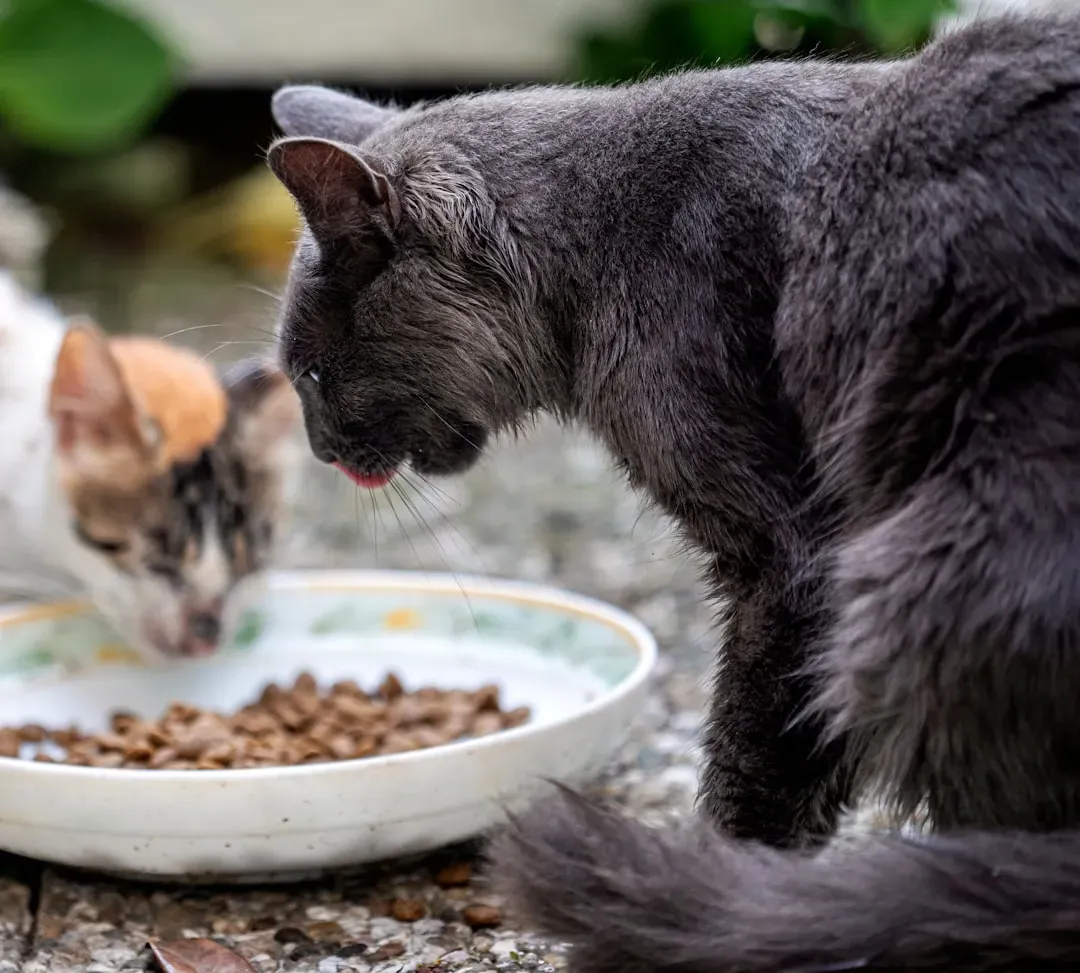
Here is the thing about cats and resources: they are everything. Food bowls, litter boxes, sunny windowsills, prime sleeping spots, even your lap. The top cat, or dominant cat, is the one that controls the resources within the group. You may see your top cat eat first, take the best and highest perches, and decide when play starts and stops. Top cats may also control access to the litter box and toys, and they may decide when and where the group will play or rest.
Other high-ranking cats may routinely move through the group, threatening multiple individuals, especially those close to them in rank, and confiscate resources that they do not even appear to desire at the moment. Having such “bully” cats in the household is likely to lead to problems of serious intercat aggression and secondary behavior problems that are a consequence of subordinates being kept away from important resources, such as litterboxes. Think of it like a colleague at work who takes the last parking space not because they need it, but simply because they can. Cats do this too, and the lower-ranked cats quietly suffer for it.
Scent: The Language You Cannot Hear or Smell

If you want to understand what is really going on in your multi-cat home, start paying attention to noses and faces. Scent is the primary communication channel for cats, and it is astonishingly sophisticated. Cats have scent glands located in multiple areas, including their cheeks, forehead, paws, flanks, and the base of their tail. When a cat rubs its face against furniture, doorways, or even people, it deposits pheromones that signal ownership and familiarity.
Scratching produces both a visible mark and a scent mark which cats use to avoid conflict when sharing space, especially with other cats. In a multi-cat home, this becomes a layered messaging system. Every scratch on the sofa, every chin rub on the door frame, every slow pass through a room is a note left in a language only cats can fully read. In multi-cat households, scent recognition is critical for maintaining harmony. When a new cat is introduced, the existing cats may react negatively because the newcomer lacks the familiar scent of the household. Gradual introductions, including scent-swapping techniques paired with positive experiences, can help ease the transition and prevent conflicts.
Allogrooming: The Deepest Form of Feline Friendship
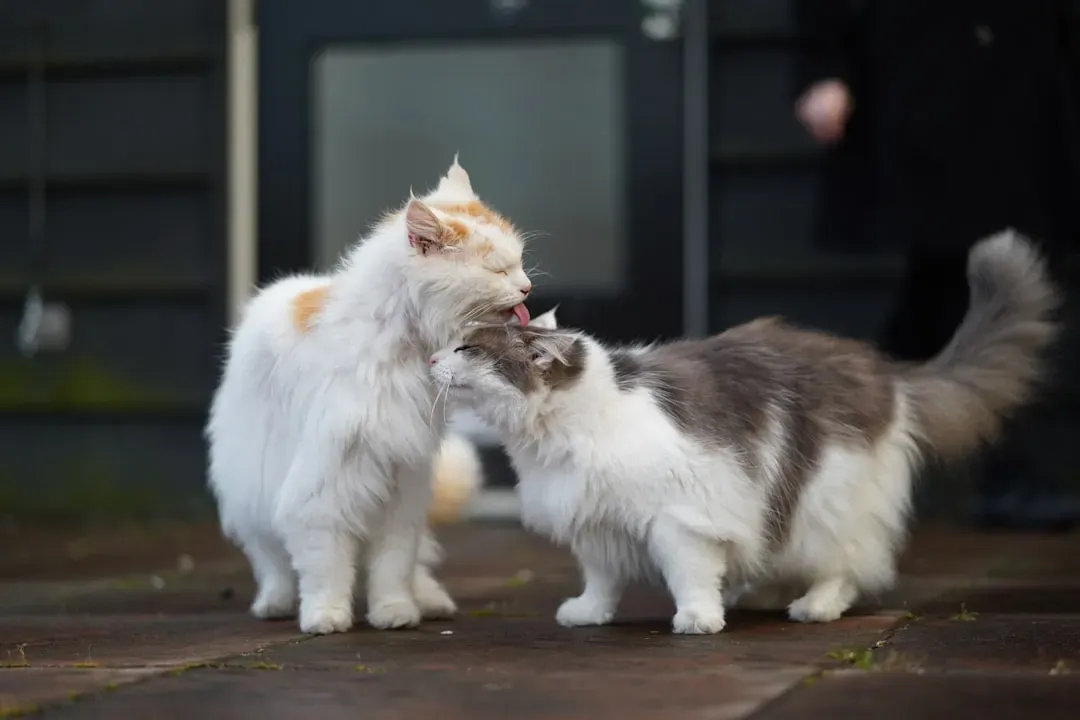
You have probably seen it: two cats curled up together, one methodically licking the other’s head. It looks adorable. It is also one of the most meaningful social behaviors in the feline world. Allogrooming is social grooming between cats that serves multiple purposes, including strengthening social bonds, maintaining hygiene, and establishing group hierarchies. Cats groom each other to show affection, reduce tension, and help clean hard-to-reach areas.
When cats groom each other, they exchange and mix their scents, creating a shared “colony odor.” This communal scent helps cats recognize members of their social group and strengthens their sense of belonging. This scent exchange through grooming is particularly important in multi-cat households, helping to establish a cohesive family unit. Here is a fascinating detail that I think a lot of people miss: the cat who starts the grooming session is often the one with the slightly higher social rank. It is a peaceful system that keeps order without fighting. Social strategy wrapped in affection. Honestly, it is rather elegant.
Territory Inside the Home: Invisible Maps Everywhere
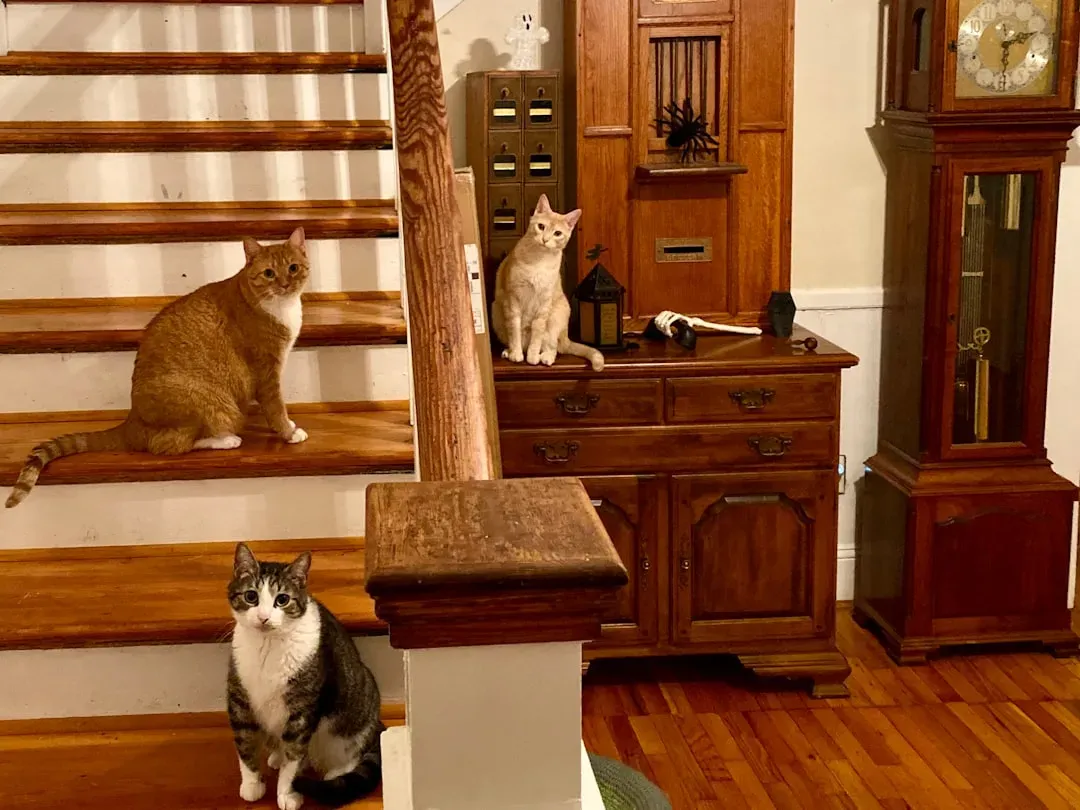
Your cats have divided your home into zones that you cannot see but that they navigate with precision every single day. The area where your cat feels safe and secure is used for sleeping and toileting, the area claimed for hunting covers eating and drinking, and the area shared with others in a household is used for hanging out, watching, waiting, and socializing. These zones overlap, shift, and occasionally spark conflict.
Cats who live indoors may treat specific indoor spaces as property and exhibit territorial aggression when other household cats approach them or when a new cat is introduced to the home. Territorial behavior is more likely to occur once cats mature socially, typically between two and three years of age. It is almost like watching flatmates slowly claim different corners of a shared apartment. To reduce conflict, cats often set up separate, sometimes overlapping territories within the home, but may continue to scrap with each other sporadically. Mostly both cats will avoid each other if they can. Avoidance is not hostility. It is, in many cases, a healthy coping strategy.
Conflict, Cliques, and the “Satellite” Cat
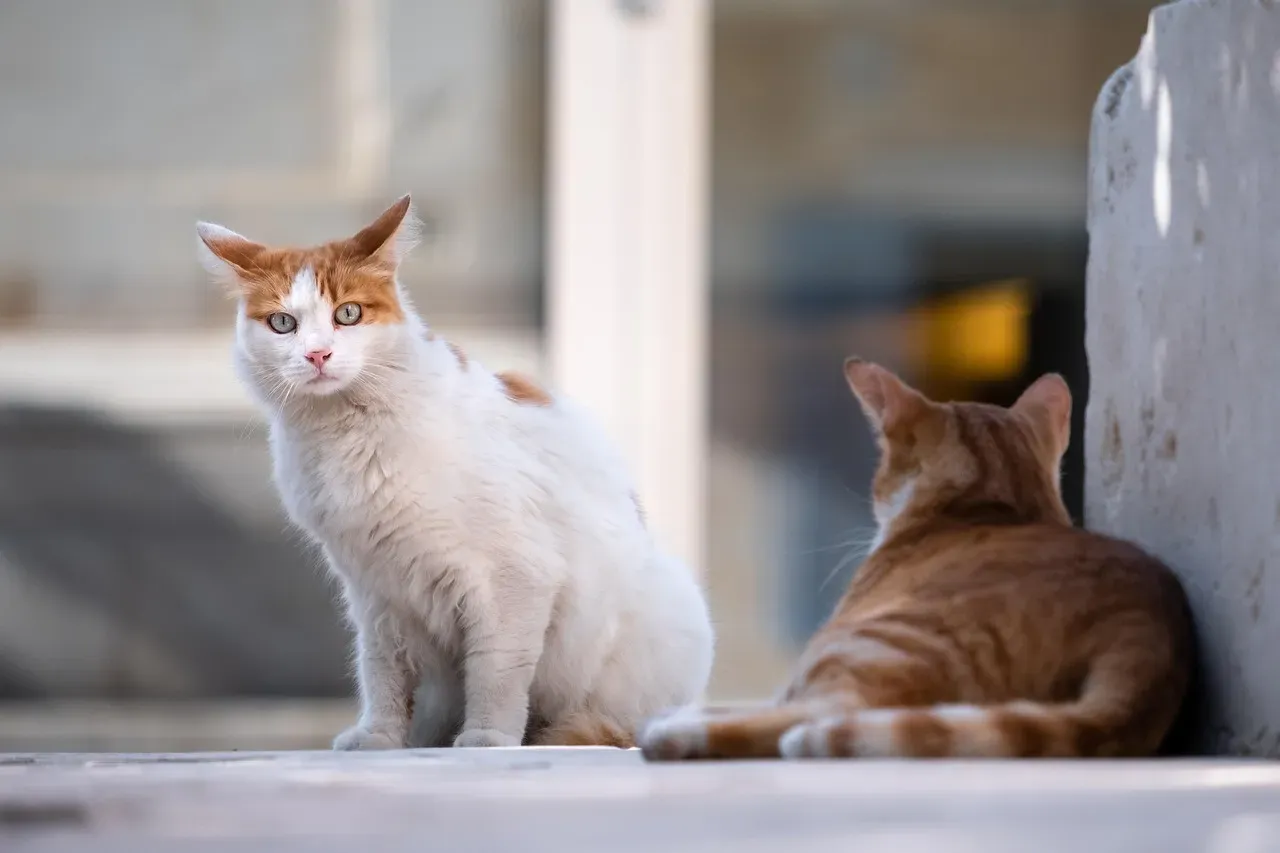
Not every cat in a multi-cat household fits neatly into a friendly social group. Lacking a functional social structure that incorporates all individuals, domestic cat groups can see characteristic individual behavior become apparent, including cliques or factions of three or more cats that show affiliative behavior toward each other but may be aggressive to other members, as well as pairs, often littermates or cats homed together when very young, that greet and show affiliative behavior toward each other.
Then there is the satellite cat. Satellite individuals offer and receive little or no greeting or affiliative behavior with the other cats in the home. They may be involved in minor or passive aggressive incidents with other cats in the group, often as the recipient of threat. Despots, by contrast, may deliberately monopolise resources and create opportunities to intimidate other cats in and outside the home. If you have ever had one cat who just seems to lurk alone while others cuddle on the couch together, you likely have a satellite cat. Some cats tolerate each other without conflict but never seek each other’s company or engage in affiliative behaviors, and this neutral relationship is perfectly acceptable. Respecting each cat’s social preferences means avoiding projecting human desires for friendship onto cats who are content with more distant relationships.
Introducing a New Cat: Why First Impressions Last Forever
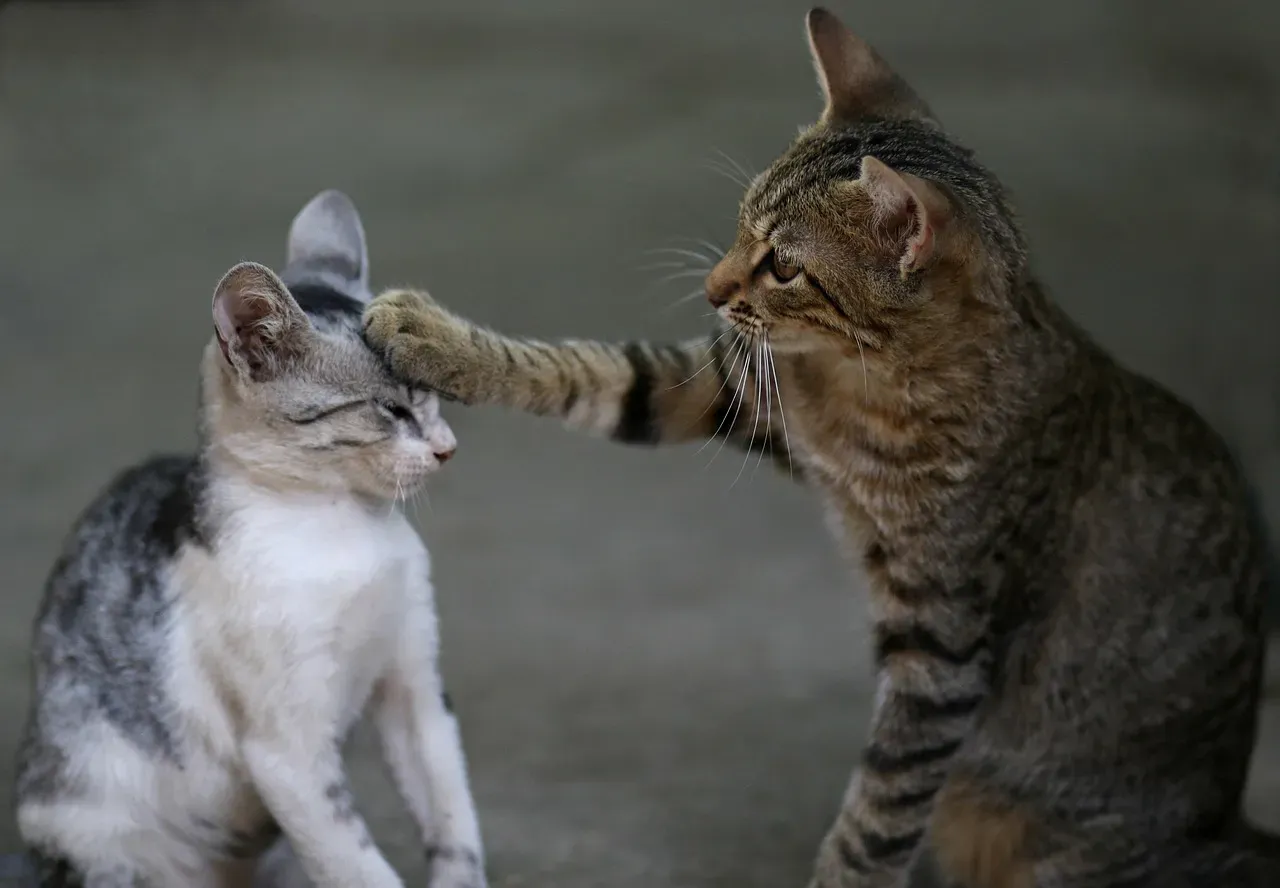
I know it sounds tempting to just let the cats “sort it out” when you bring a new one home. Please do not do this. There is about a fifty percent chance of intercat aggression when a new cat is introduced to a home with other cats. You never get a second chance to make a first impression, and cats are no different. If your cats show aggressive behavior when introduced, there is a good chance that they will still be showing that behavior a year later.
The introduction should be done gradually and with careful control to minimize any stress or conflict. To start, allow your new cat to settle into its own separate space. Then try a scent-swapping strategy. Swap bedding between your cats or use a soft cloth to rub each cat and then place it with the other. This will help the cats get used to each other’s scent without a direct encounter. Patience here is not optional. It is the single most important ingredient in the whole process. The length of time required for the cats to successfully integrate may range from days to months; there is no exact formula and progression depends on the individual cats.
How You Can Support a Harmonious Multi-Cat Home
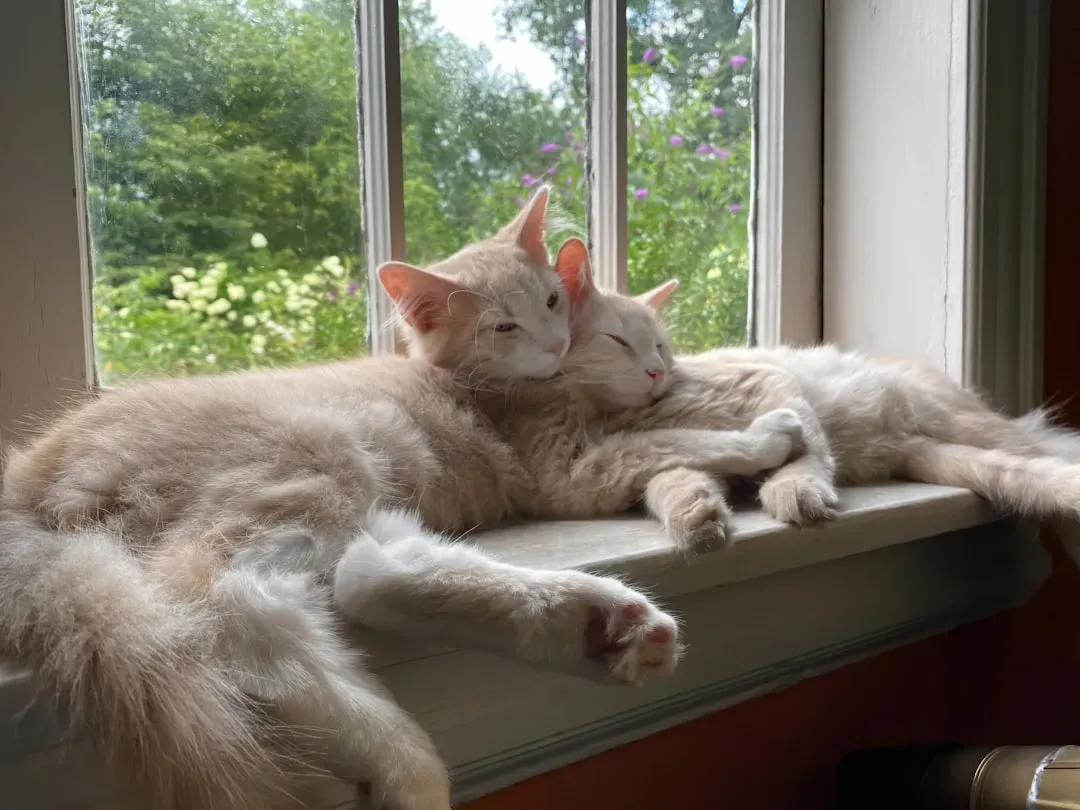
Once you understand how the social dynamics actually work, supporting harmony becomes much more intentional. It is important to manage the cats so that the dominant status of the highest-ranking cats is acknowledged, for example by feeding them first, while sufficient and appropriately dispersed resources are provided for the lower-ranking cats. Providing multiple, dispersed litterboxes so that access to some litterbox cannot be controlled by a single cat is especially important. Think of it like making sure every team member has their own desk. Shared resources create competition. Separate resources create calm.
Research suggests that environmental enrichment and adequate resource distribution can significantly reduce territorial conflicts. Enriched environments lead to reduced stress levels and promote positive interactions among cats, helping to ease territorial tensions. Vertical space matters enormously too. Allowing cats to exercise their climbing instincts also improves social dynamics by providing the option to retreat from potential confrontations. A well-designed space with multiple levels, hiding spots, and dispersed resources is not a luxury for your cats. It is a social necessity.
Conclusion
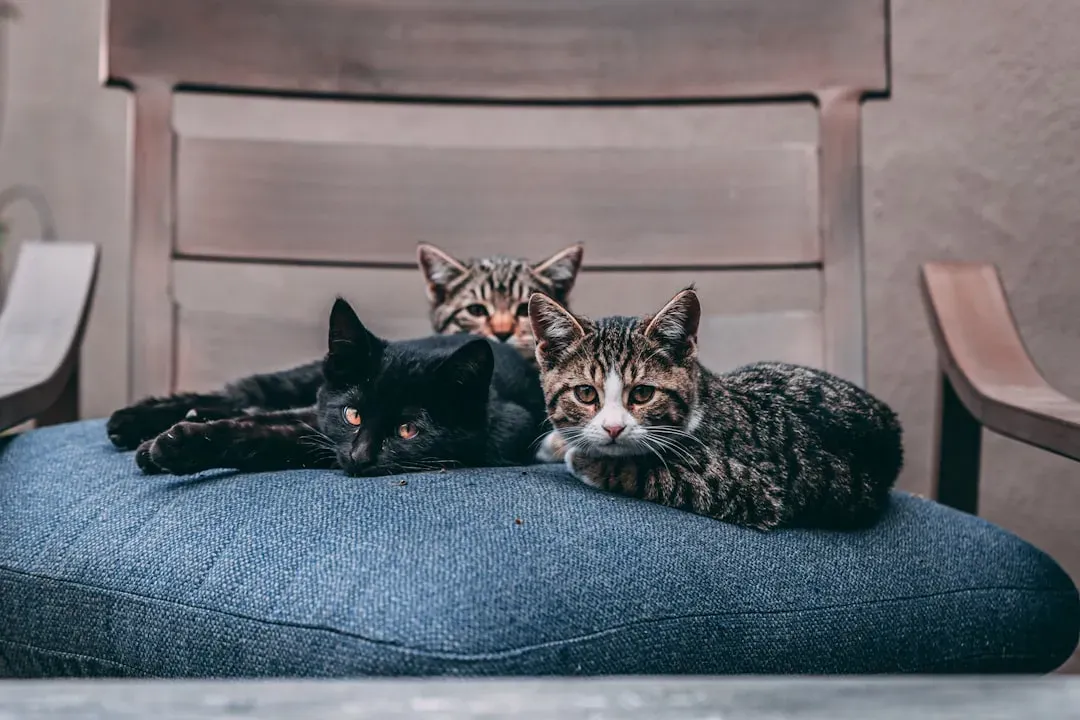
Living with multiple cats is, if you pay close attention, like having a front-row seat to one of nature’s most nuanced social experiments. There are alliances forming quietly on the sofa, silent negotiations over food bowls, and invisible territorial maps etched into every room. It is rarely dramatic. It is almost always fascinating.
The more you understand the real dynamics at work, the better equipped you are to step in where needed and step back where appropriate. Your cats do not need you to be a referee. They need you to be an informed caretaker who sees the full picture. Because here is the truth: most conflict in multi-cat homes is preventable, and most of it starts with humans misreading the signals. Pay attention, provide abundantly, and introduce slowly. Do that, and you give every cat in your home the best possible chance at a genuinely good life together. What would your cats say about their current living arrangement, if only they could talk?
Kristina is a young writer from India. An arts graduate and an avid content creator, Kristina is passionate about animals and wildlife. She enjoys exploring topics related to pet care, animal behavior, conservation, and nature, combining thorough research with engaging storytelling.