You’ve probably had one of those days where everything goes sideways – the kind where you collapse onto the couch and, within minutes, your cat materializes from nowhere and settles right next to you. No invitation. No meowing for food. Just… presence. Coincidence? It turns out, probably not.
Science has been quietly dismantling the idea of the “cold, indifferent cat” for years now. What’s emerging is something genuinely surprising – a picture of an animal with a sophisticated, nuanced emotional radar that most of us drastically underestimate. Your cat isn’t just tolerating you. In many cases, they’re tuned into you in ways that feel almost uncanny.
So buckle up, because what follows might completely reshape how you see that fuzzy, aloof creature currently judging you from across the room. Let’s dive in.
The Cold Cat Myth Is Finally Dead
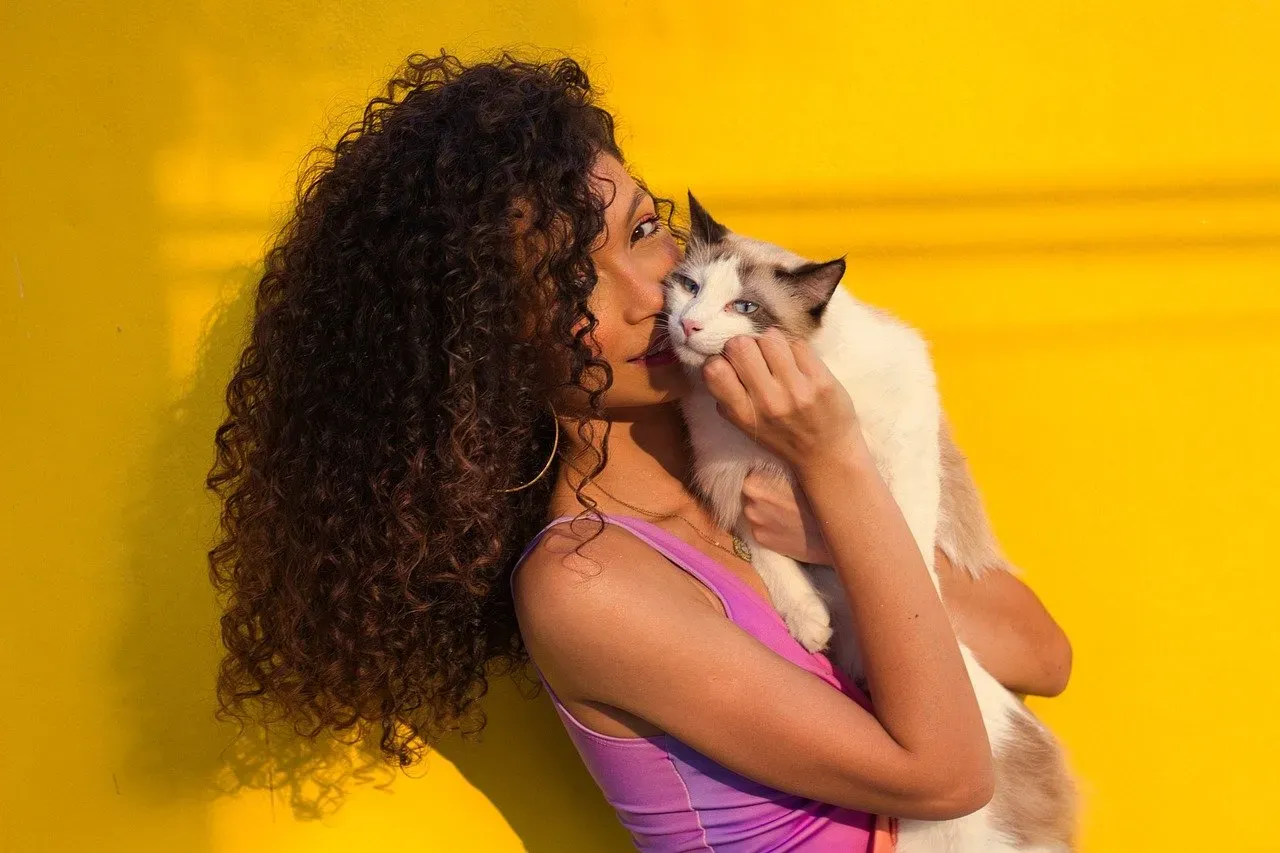
Here’s the thing – for decades, cats were branded as emotionally unavailable. We compared them unfavorably to dogs, assumed they were indifferent, and largely dismissed the idea that they cared about our feelings at all. Honestly, it was a wildly unfair reputation.
Historically, widespread misconceptions portrayed cats as aloof and independent, with emotional needs often overlooked. The reality, however, is far more interesting. Research has shown cats can form secure attachments to their owners, like infants with caregivers, and they recognize human emotions, read tone and gesture, and exhibit behaviors linked to empathy and social awareness.
These findings challenge the stereotype of cats as indifferent to human emotions. While they may not express their attachment in the same overt ways as dogs, cats are clearly tuned into the emotional states of their humans. Think of it this way: dogs wear their affection on their sleeve, while cats keep it tucked quietly inside their pocket – but it’s absolutely there.
Your Cat Reads Your Face Like a Book
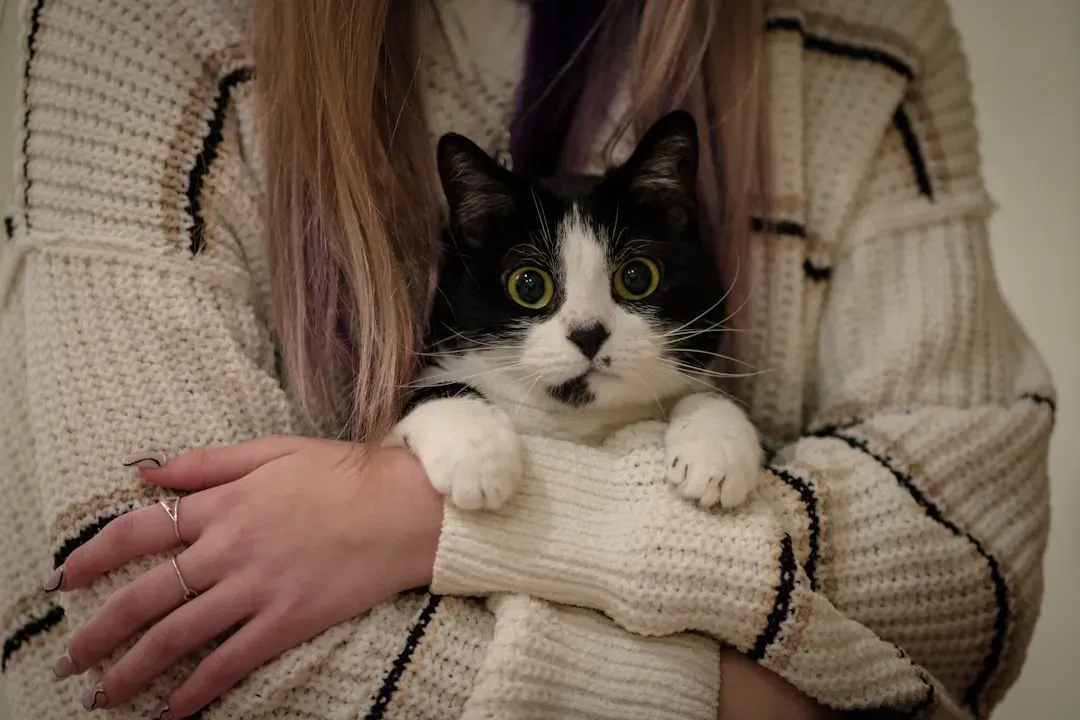
It might sound like something out of a fantasy novel, but your cat is actively watching your face and drawing conclusions. This isn’t just fanciful thinking from devoted cat owners – the research backs it up completely.
A 2015 study revealed that cats react differently based on their owner’s facial expressions. When owners smiled, cats were more likely to exhibit affectionate behaviors like purring and rubbing against them. In contrast, they tended to avoid their owners when they frowned, indicating an ability to sense and react to their owner’s emotional state.
Cats discriminate their owner’s emotional reaction toward an unfamiliar object and adjust their behavior accordingly, expressing more positive behaviors and spending a longer time in contact with their owner when they appeared happy, whereas they displayed less positive behaviors in response to the owner’s angry expression. So yes – your resting grumpy face is absolutely being noted and catalogued. Your cat is paying closer attention than most humans do.
They Can Literally Smell Your Stress
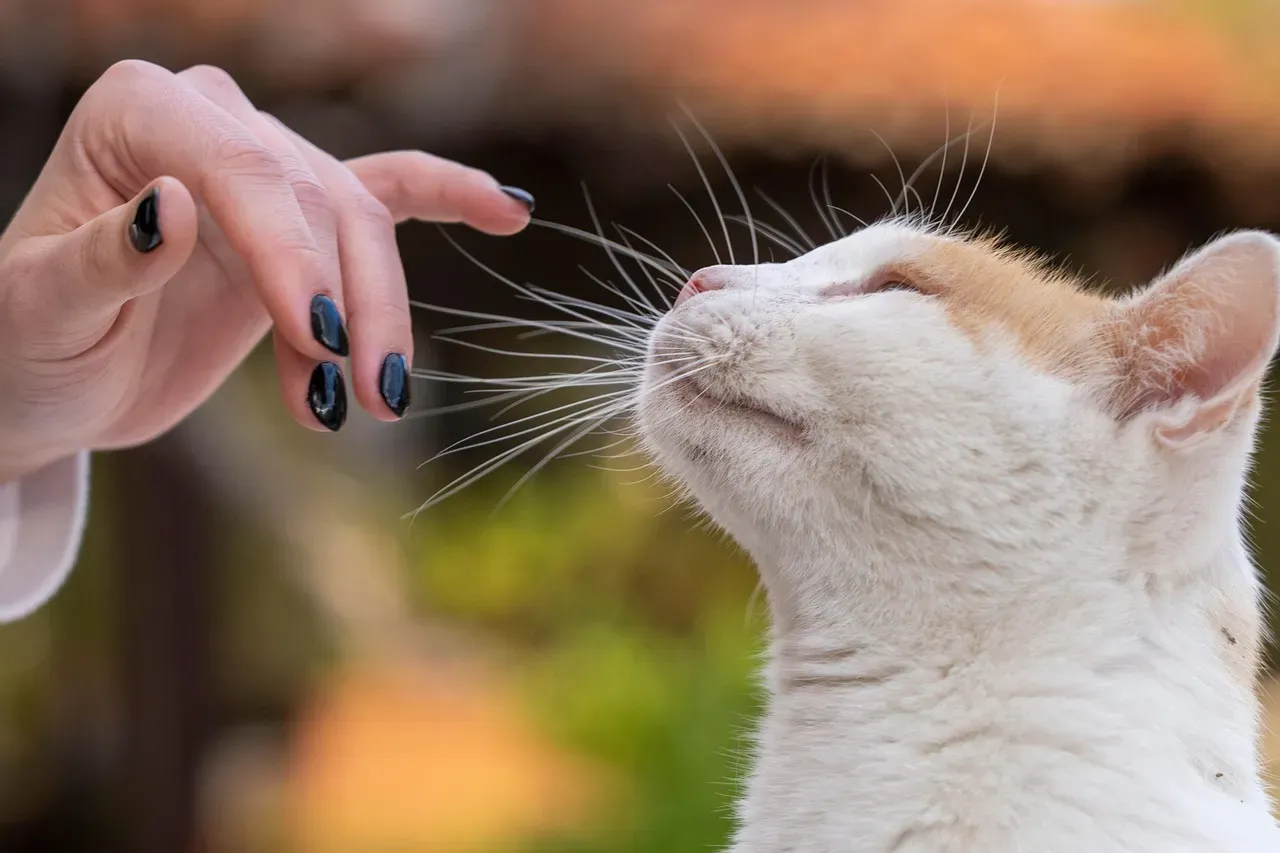
Prepare yourself for this one, because it’s fascinating. Your cat doesn’t only observe you – they actually use their nose to monitor your emotional state. It sounds almost sci-fi, but the chemistry is very real.
Cats possess a heightened sense of smell and a remarkable ability to detect chemical changes in the environment, including pheromones released by humans when they’re stressed or anxious. These pheromones can be indicative of emotional turmoil, alerting the cat to a change in their owner’s mood. Cats may also pick up on physical cues, such as increased heart rate or tense body language, which accompany anxiety.
Cats used both nostrils equally often but relied on their right nostril more when displaying severe stress behaviors while smelling “fear” and “physical stress” odors. Since the right nostril connects to the right hemisphere of the brain, responsible for processing arousal and intense emotions such as anger and fear, this suggests that these odors trigger a higher emotional response in cats. Your emotional chemistry is essentially broadcasting a signal – and your cat has a receiver permanently switched on.
Sound Tells Them Everything They Need to Know
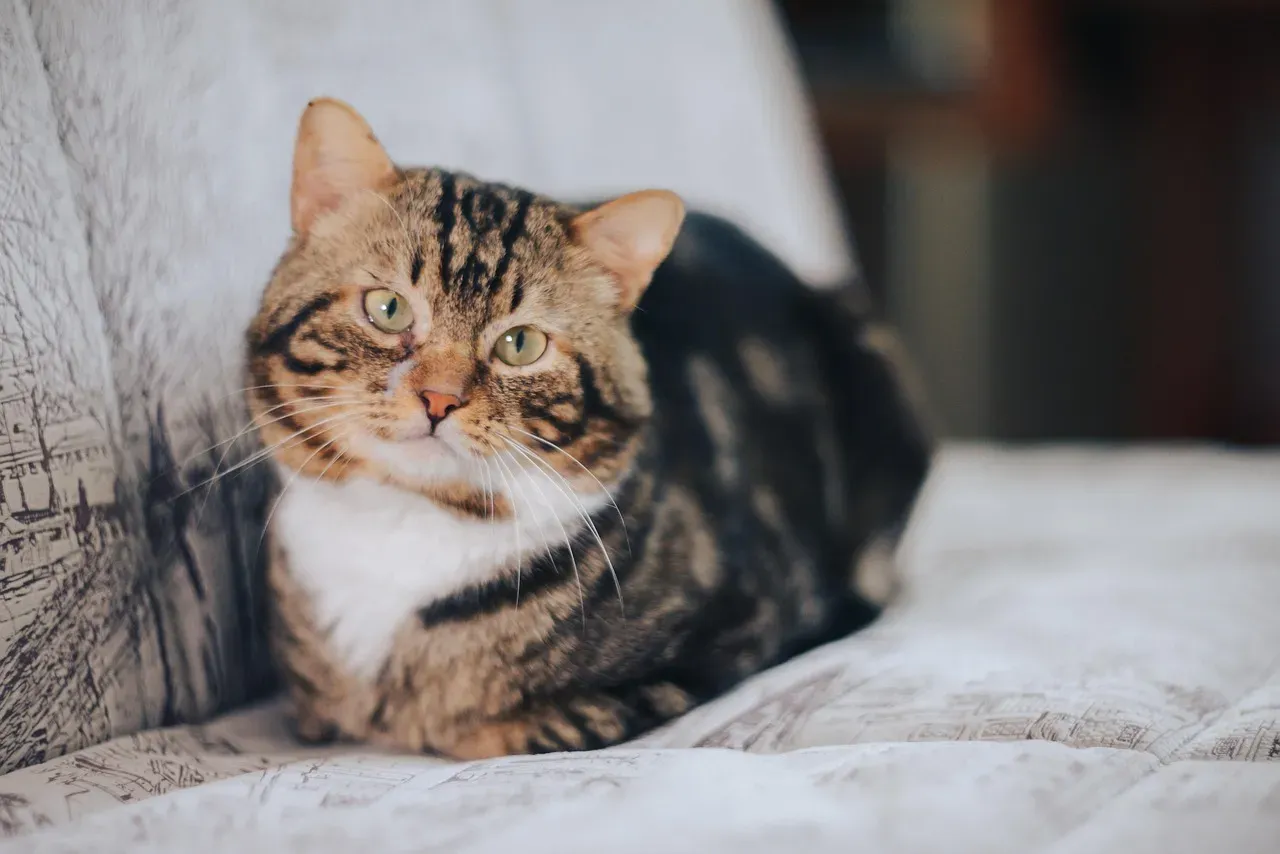
You don’t even need to be in the same room. The tone and quality of your voice gives your cat a constant emotional update. This is one of those abilities that tends to catch people completely off guard.
Tonal changes in your voice are an indication of how you’re feeling. Soft tones are comforting to cats, whereas louder, sharper tones will often cause them to run and hide. Crying noises will be interpreted as distress, which they may respond to by comforting you or instead choose to hide away from.
Cats spontaneously looked at the congruent facial expressions for longer when hearing the conspecific emotional vocalizations of “hiss” and human emotional vocalizations of “happiness” and “anger,” suggesting that they integrated visual and auditory signals into a cognitive representation of humans’ inner states. So the next time you raise your voice at a bad driver on TV, don’t be surprised when your cat bolts. They caught every nuance of that.
The Science of Emotional Contagion in Cats
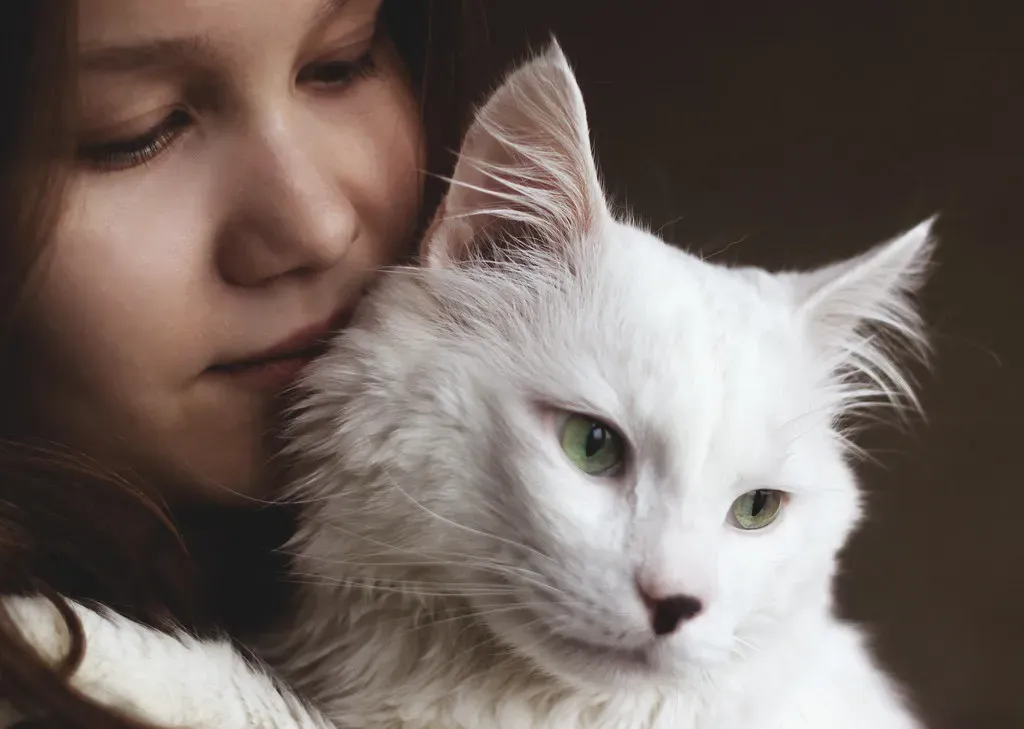
Here’s where things get genuinely mind-blowing. Cats don’t just observe your emotions – there’s evidence suggesting they may actually experience something similar to what you’re feeling. I know it sounds crazy, but the neuroscience here is compelling.
Recent research suggests that cats may have mirror neurons, which are specialized cells that enable them to mimic and understand the emotions they observe in others. This phenomenon, known as emotional contagion, allows cats to “catch” their owner’s emotions and experience a similar state themselves. In the case of anxiety, a cat might become more vigilant, restless, or display behaviors associated with stress.
Often, cats will mirror their owner’s mood, so if you’re stressed, it’s likely your cat will feel stressed too. It’s a sobering thought: your cat’s wellbeing is, in part, a reflection of your own inner weather. A caregiver’s mental health and emotional stress can directly influence a cat’s behavior, stress levels, and overall welfare. The emotional current runs both ways.
They Bond With You Like an Infant Bonds With a Parent
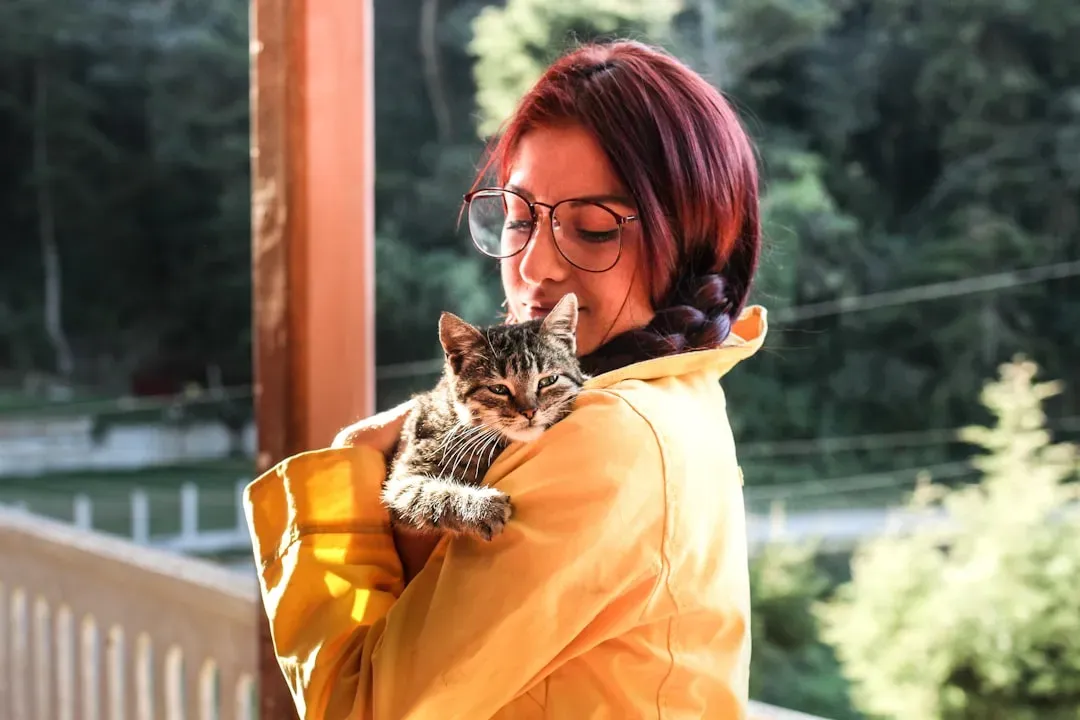
This next piece of research genuinely surprised the scientific community when it emerged. The attachment cats form with their humans is not just affection – it mirrors the fundamental psychological structure found in one of the most important relationships in nature.
Cats were classified into attachment styles by expert attachment coders using the same criteria used in the human infant and dog literature. Upon the caregiver’s return from a brief absence, individuals with secure attachment display a reduced stress response and contact-exploration balance with the caretaker, whereas individuals with an insecure attachment remain stressed and engage in behaviors such as excessive proximity-seeking, avoidance behavior, or approach/avoidance conflict.
The current data support the hypothesis that cats show a similar capacity for the formation of secure and insecure attachments towards human caregivers previously demonstrated in children and dogs, with the majority of individuals in these populations securely attached to their caregiver. Cat attachment style appears to be relatively stable and is present in adulthood. Roughly two thirds of cats are securely attached to their owners. That is a statistic that deserves a moment of genuine reflection.
How Your Cat Responds When You’re Sad or Depressed
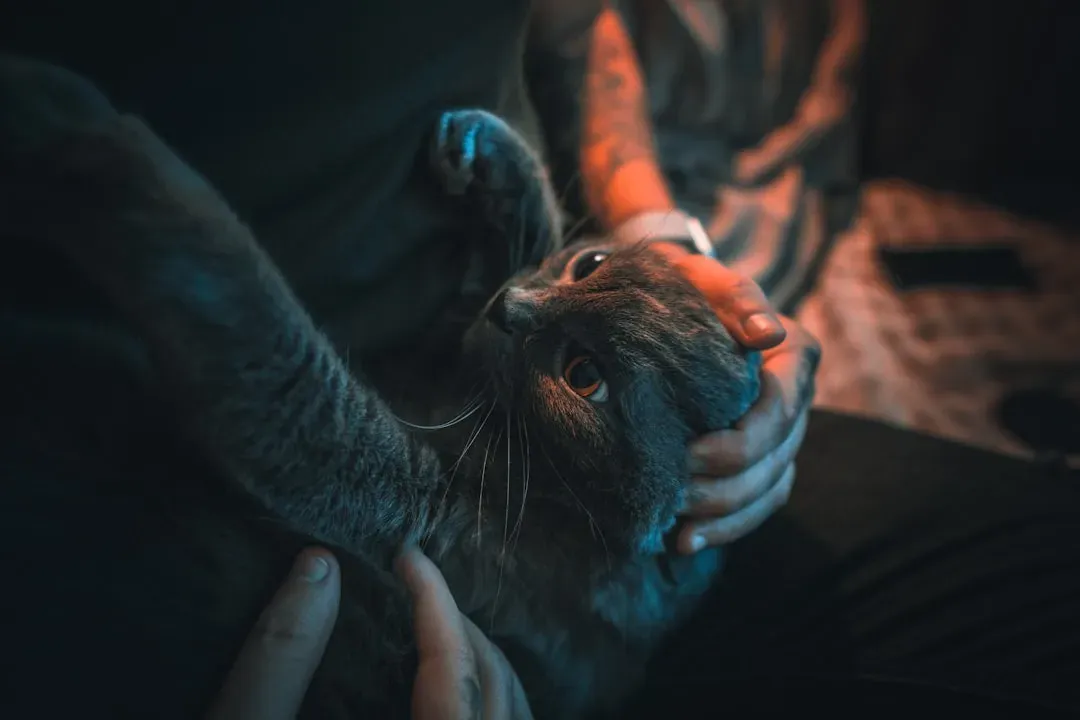
Most cat owners have experienced it – you’re having a rough week, barely leaving the couch, and your cat becomes almost magnetically drawn to you. It’s not imagination. It turns out this behavior has a real, observable behavioral basis.
The depressive owner initiates fewer interactions with the cat, but when the cat approaches that person, they accept the intent of the cat to interact, which affects the human’s mood. The cat also changes its behavior in response to depressiveness of the human when close to the person, vocalizing more frequently and head and flank-rubbing more often on that person.
When a cat senses that her owner is sad, she may change her behavior, including becoming more attentive, trailing around after you, or spending more time hanging out with you. She may also show affiliative behavior by purring, rubbing against you, or seeking physical contact. It’s not a grand gesture. It’s quiet, persistent companionship – which, if you think about it, is often what we need most.
The Chemistry of Your Bond Is Mutual and Real
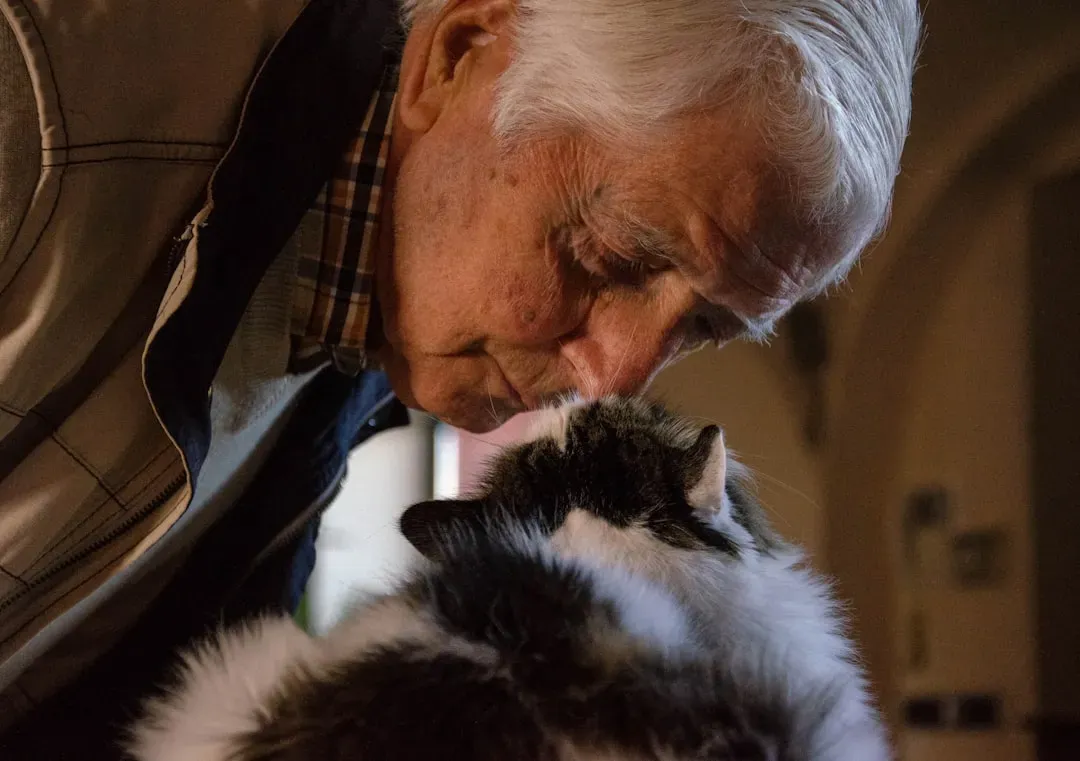
We often think of the human-cat connection as something primarily experienced by the human – warm, comforting, but ultimately one-sided. The biochemistry tells a completely different story.
A February 2025 study found that when owners engaged in relaxed petting, cuddling, or cradling of their cats, the owners’ oxytocin tended to rise, and so did the cats’, if the interaction was not forced on the animal. The researchers monitored oxytocin in cats during 15 minutes of play and cuddling at home with their owner. Securely attached cats who initiated contact such as lap-sitting or nudging showed an oxytocin surge. The more time they spent close to their humans, the greater the boost.
Oxytocin also has calming effects in humans and animals, as it suppresses the stress hormone cortisol and activates the parasympathetic nervous system to help the body relax. This is the same bonding chemical that connects human parents to their children and partners to each other. Cats, in their own way, have tapped into the ancient biology of love. That’s not poetic license – that’s documented science.
What You Can Do to Deepen the Emotional Bond
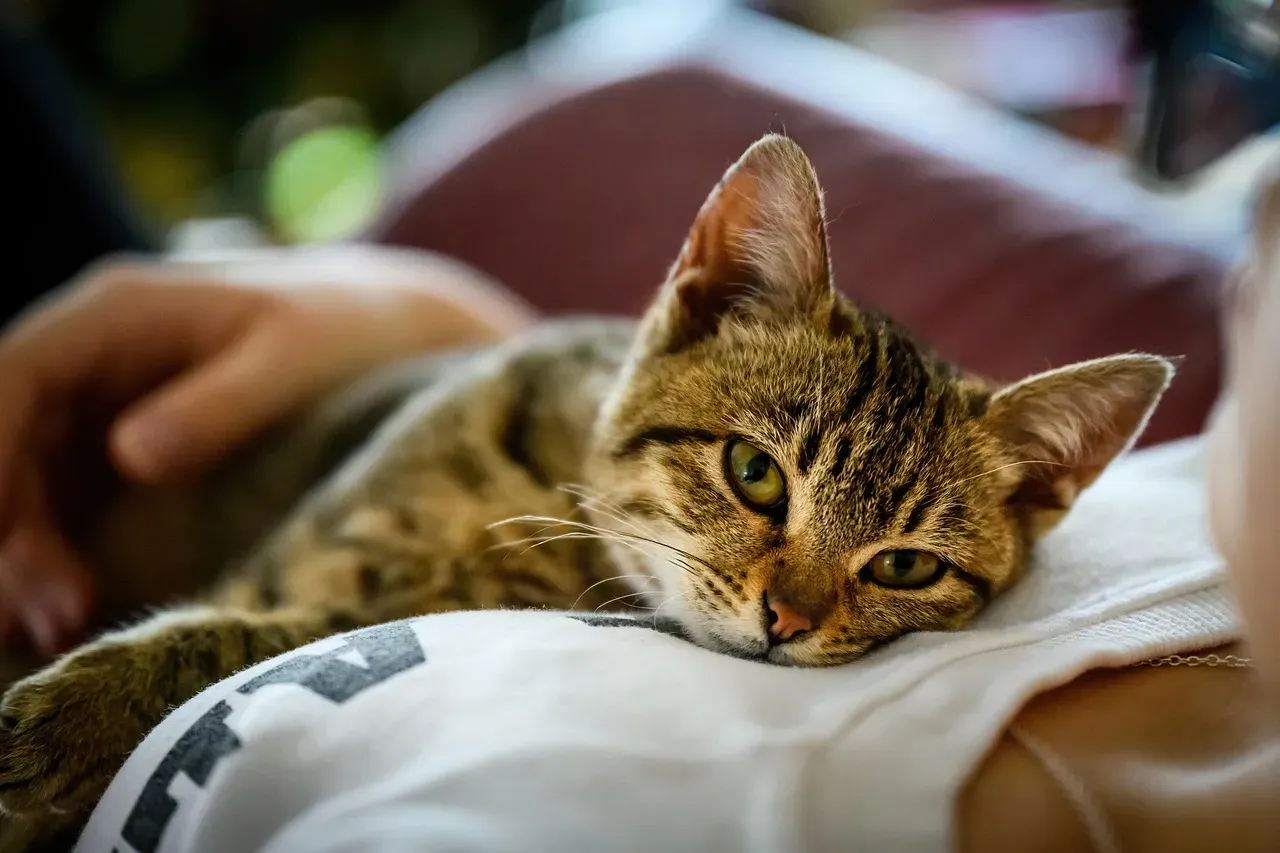
Understanding your cat’s emotional sensitivity is one thing. Using that knowledge to actually strengthen your relationship – that’s where things get practically powerful. The good news is, it doesn’t require a psychology degree.
If you want to enhance your emotional connection with your cat, consider the following: talk to your cat regularly and use calm, consistent vocal tones to build recognition and trust. Maintain a routine, since stability makes it easier for your cat to identify changes in your mood. Reward affectionate behavior, as positive reinforcement helps your cat feel safe when comforting you. Observe their cues and learn to read your cat’s reactions so you can respond in ways they understand and appreciate.
Even small gestures, such as soft eye contact and a slow blink or a friendly headbutt, can help create a close bond and trust between cats and their human companions, giving you the distinct sense that your furry friend cares how you feel. Start small. Be consistent. The slow blink is, genuinely, the handshake of the feline world – and returning it costs you nothing.
Conclusion: The Most Underestimated Emotional Relationship in Your Home
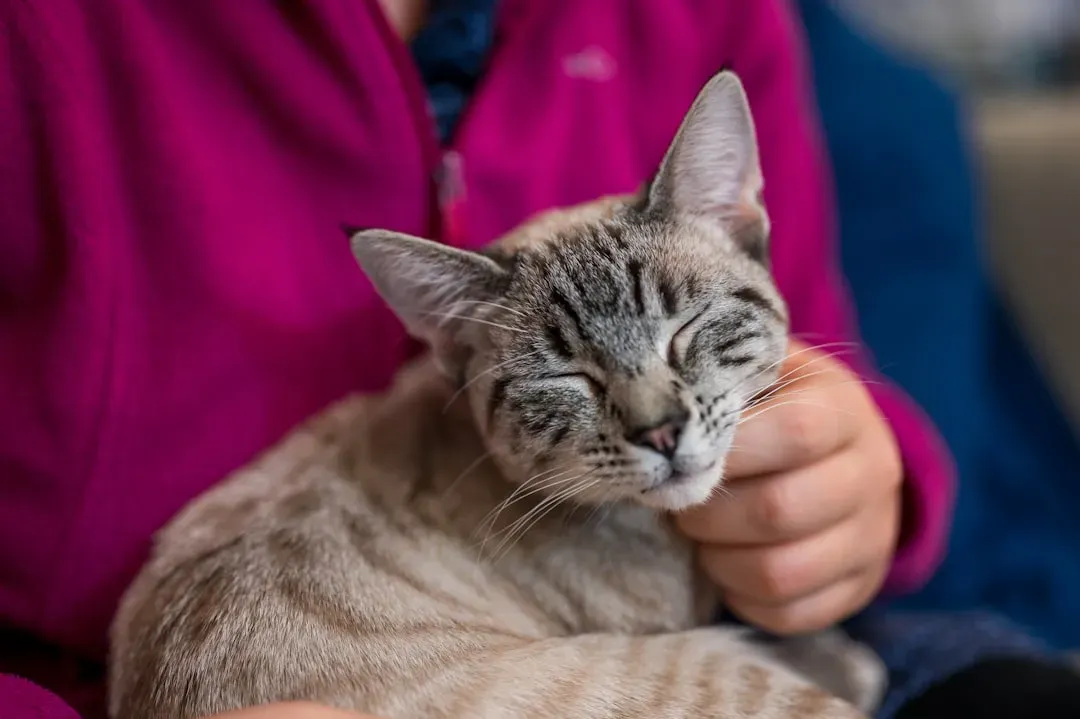
We started by questioning whether your cat’s appearance beside you on hard days was mere coincidence. It should now be clear that it almost certainly isn’t. Your cat is reading your face, processing your voice, smelling your stress hormones, and responding with a form of care that is subtle but absolutely genuine.
The research is building, study by study, toward a picture of the domestic cat as a deeply socially aware creature – one who has evolved alongside humans for thousands of years and developed real, measurable emotional sensitivity in the process. Cats not only recognize human emotions but may also respond to them in ways that reflect their own emotional states. This growing body of research highlights the importance of understanding and respecting our feline companions’ sensitivity to our emotions. As our knowledge deepens, so does our appreciation for the complexity of the human-cat relationship.
Honestly, the next time your cat locks eyes with you from across the room and gives you that slow, deliberate blink, maybe blink back. You’re speaking a language you didn’t even know you shared. What does it change for you, knowing your cat may have been reading your moods all along? Tell us in the comments – we’d genuinely love to know.
Kristina is a young writer from India. An arts graduate and an avid content creator, Kristina is passionate about animals and wildlife. She enjoys exploring topics related to pet care, animal behavior, conservation, and nature, combining thorough research with engaging storytelling.