You share your home with what looks like a soft, pampered companion who naps in sunbeams, knocks your glass off the counter, and stares at the wall for reasons you’ll never fully understand. Cute? Absolutely. Random? Not even close. Every single thing your cat does is rooted in something far older and far wilder than your living room couch.
That purring ball of fluff on your sofa shares over 95% of its DNA with its wild ancestor, the Near Eastern wildcat, and while thousands of years of domestication have made cats our beloved companions, your house cat retains the heart and instincts of a skilled predator. Honestly, once you understand what’s actually going on beneath all that fur, you’ll never look at your cat the same way again. Let’s dive in.
1. The Hunter That Never Clocks Out: Your Cat’s Predatory Drive
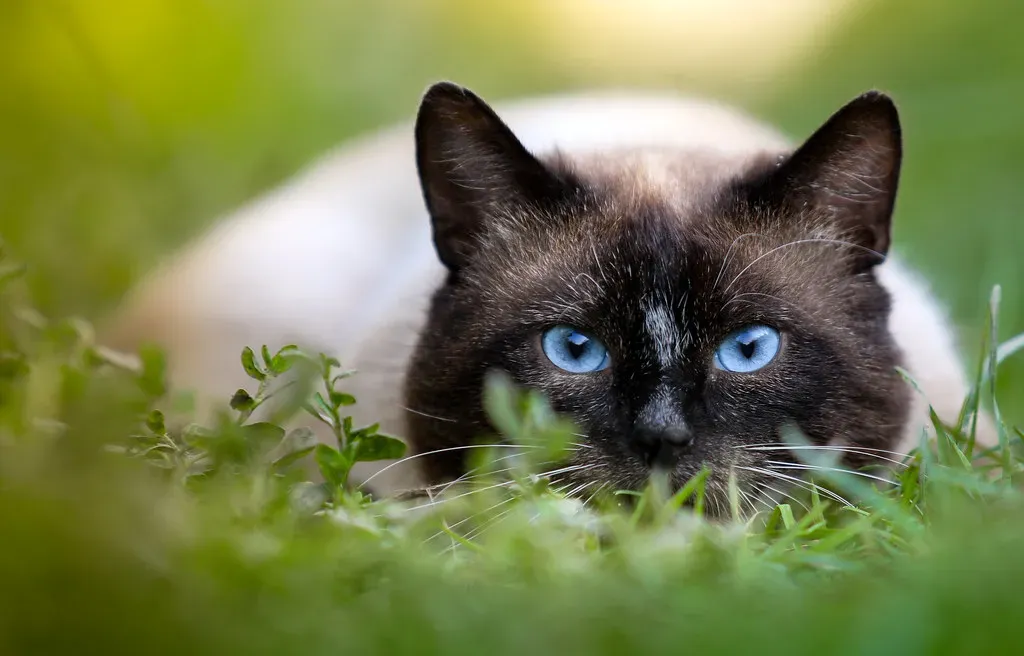
Here’s the thing – no amount of gourmet kibble will turn off a cat’s hunting instinct. Hunting comes as naturally to a cat as eating and sleeping, and the urge to hunt isn’t tied to hunger. In the wild, cats hunt all the time, even when they’re not hungry, because they never know when their next meal will come. Think of it like a professional athlete who keeps training even during the off-season. The drive simply doesn’t switch off.
Until quite recently, cats were mainly kept to control rodent populations rather than as pets, and during this time, only the best hunters survived and reproduced, meaning our pet cats today descended from the most adept hunters. While a domesticated cat’s motivation to hunt may not be for food, it’s instinctive and hard-wired in their brains to hunt, even if they just play with whatever creature they’ve caught. When your cat crouches low and locks eyes on a toy mouse, you’re watching millions of years of evolution in real time.
2. The Stalk, Pounce, and Play Sequence: Practicing the Hunt
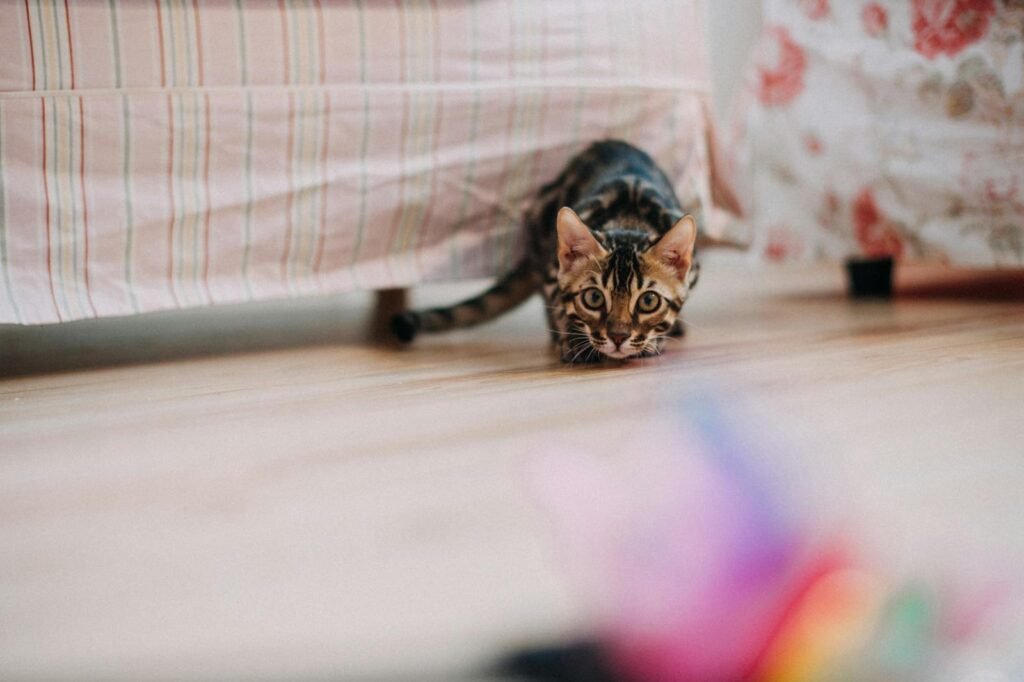
Even the most relaxed house cat has a deep-rooted hunting instinct, and stalking is one of the most fascinating behaviors that reveals your cat’s natural survival skills. In the wild, cats use stalking to silently approach prey, making them deadly efficient hunters. At home, this behavior often translates to sneaking up on toys, other pets, or even you. I think it’s genuinely one of the funniest things to witness – your cat low-crawling across the carpet toward a feather wand like it’s stalking prey on the Serengeti.
The psychology behind a cat’s stalking behavior is rooted heavily in the element of surprise. A cat’s ability to slowly and silently move toward its target is a tactic developed to minimize detection, and pouncing then serves as the climax of their hunting strategy, maximizing the chance of capturing prey. The crouching, eye fixation, and slow movements simulate the process of preparing for a hunt, and these actions help keep your cat’s reflexes sharp and satisfy their need for mental and physical stimulation.
3. The Crepuscular Clock: Why Your Cat Is Wired at Dawn and Dusk
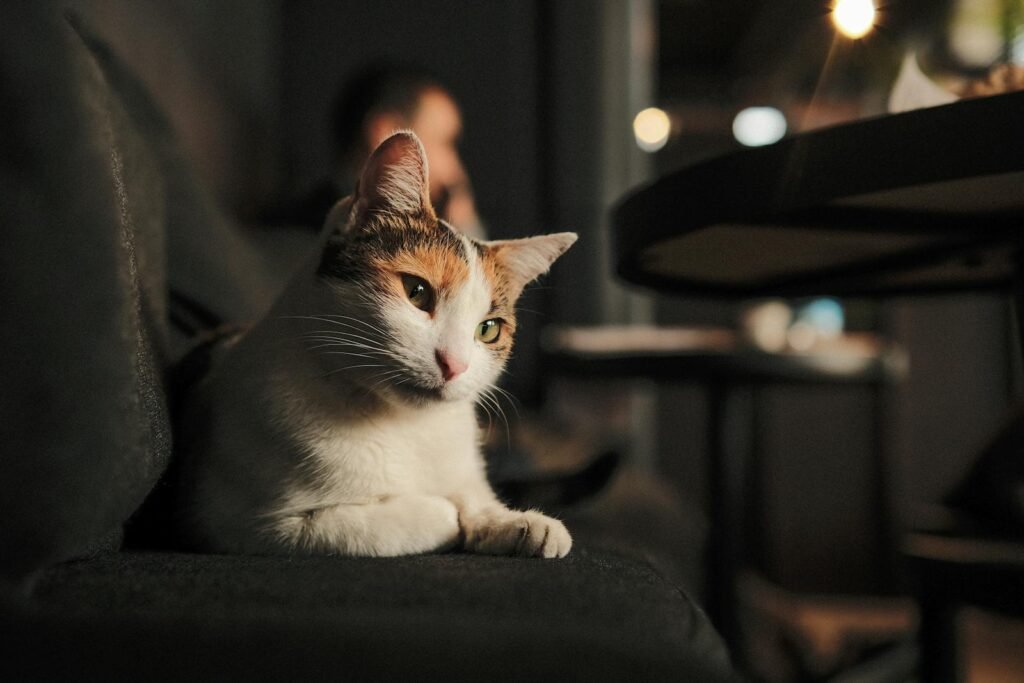
So many cat owners assume their feline is nocturnal. It’s a totally understandable mistake, especially when you’re being pounced on at 5 a.m. Cats are not nocturnal animals, contrary to popular belief. They’re crepuscular – most active at dusk and dawn. Twilight activity in cats is an ingrained behavior from their feline predecessors, who relied on catching food during the dawn and dusk hours, because this is when their favorite prey animals – like mice, rabbits, and possums – would be most active.
Your cat’s hunting instincts are intrinsically connected with its crepuscular nature, resulting in a fascinating form of indoor behavior that aligns with the behavior of its ancestors – it’s like having your very own miniature lion. The tapetum lucidum, a reflective layer in the eyes of cats, enhances vision under low-light conditions, enabling a superior hunting instinct during twilight. Those glowing eyes in the dark? Pure, unfiltered predator technology inherited from the wild.
4. Territorial Scratching: Your Furniture Is a Billboard
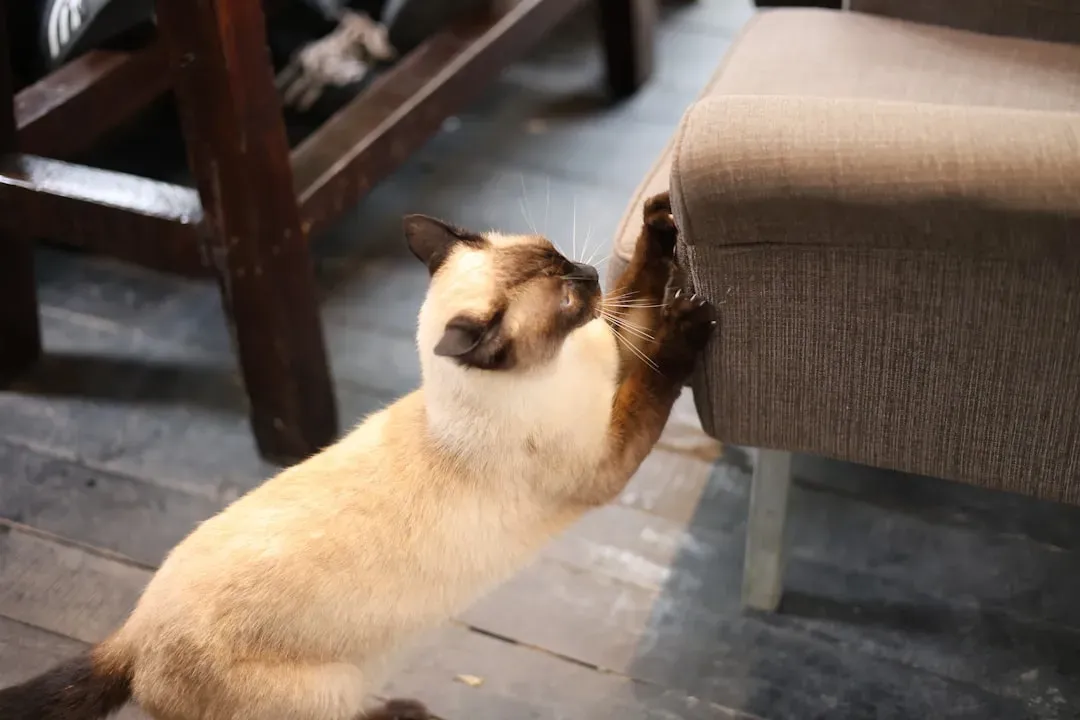
You’ve tried every scratching post on the market, and your cat still goes for the corner of your sofa. Don’t take it personally. Both wild male and female cats scratch trees at crucial points in their territory, and the height of these marks can provide information to other animals about their size and strength. Cats instinctively mark these spots repeatedly – domestic cats do this too, which is why they scratch their favorite furniture.
Scent marking was a crucial tool for communicating territorial boundaries, signaling reproductive status, and warning off potential intruders. By scratching, spraying, or rubbing against surfaces, they left behind chemical signals that conveyed vital information to other cats. Cats also have scent glands in their paws, which they use to mark objects and surfaces by scratching them. This behavior not only helps to establish their territory but also helps to sharpen their claws and stretch their muscles. Your sofa, in other words, is your cat’s ancient newspaper.
5. Hiding and Small Spaces: The Safety of Being Unseen
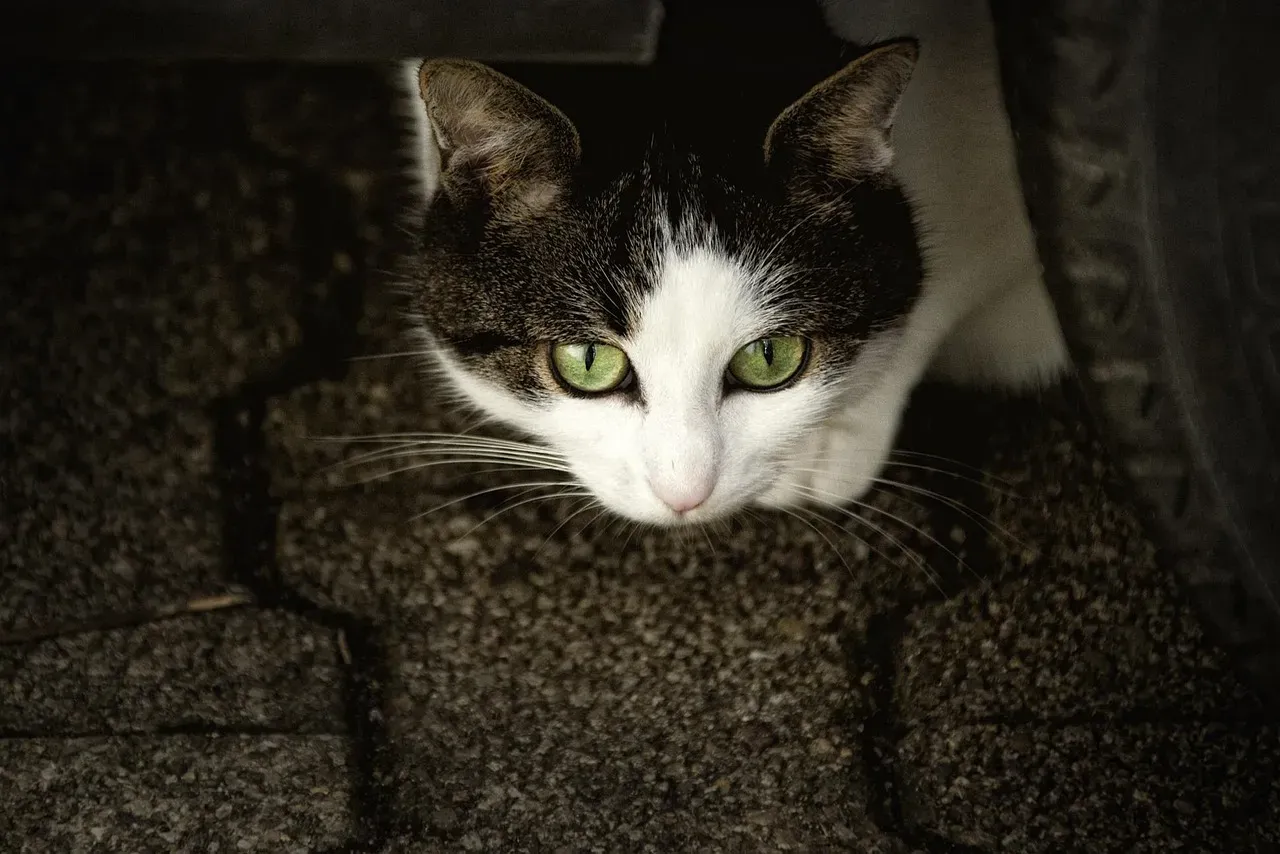
There’s something almost hypnotic about watching a ten-pound cat squeeze triumphantly into a shoebox. There is some ancestral instinct in your cat that makes it attracted to boxes and small spaces – cats in the wild like to seek shelter where they feel safe and protected from predators. When a cat can squeeze into a small space, it knows that all sides are covered and it can remain hidden. The smaller the area, the safer it will feel.
Your cat may sleep on a silk blanket, but its behavior is guided by the same instincts as a wild hunter. Their ancestors, the African wildcats, lived alone, hunting quietly and resting most of the day to save energy. In nature, showing fear or pain made animals vulnerable. Cats evolved to mask discomfort as a survival tactic, and even in cozy homes, they retain that instinct. That little cave under your bed? It’s your cat’s version of a fortress.
6. Scent Rubbing and Head-Butting: You’ve Been Claimed
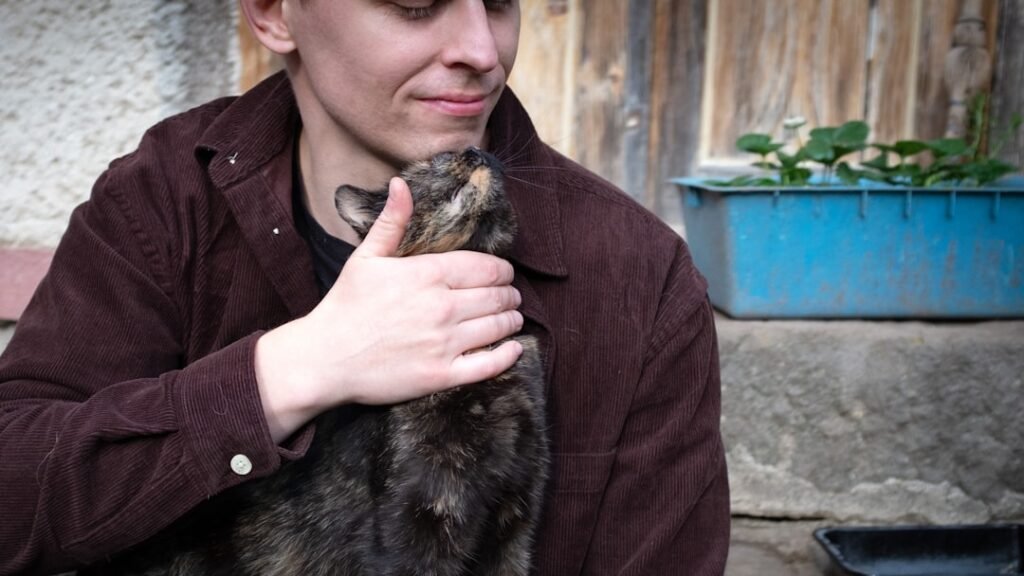
When your cat walks up and rubs its face against your leg, it’s not just being affectionate – though it is that too. Cats have scent glands on their chin, lips, and face, which they rub against each other or against humans. Full-body greetings are also common, where the animal rubs its entire body against another. This gesture often starts with head-butting. While this behavior appears extremely gentle and affectionate, it’s actually one of the most important wild instincts.
Cats can rub their scent onto those they love, and in the wild, will regularly rub against each other to claim their family and partners. Rubbing actions between cats transfer scent from their glands to one another, allowing them to stake their property correctly. When your pet cat rubs on you, it is claiming you as one of its own. You should feel honored that you have been selected. Honestly, being claimed by a creature that descended from apex hunters is a bit of a compliment.
7. Kneading: A Kitten Behavior That Never Went Away
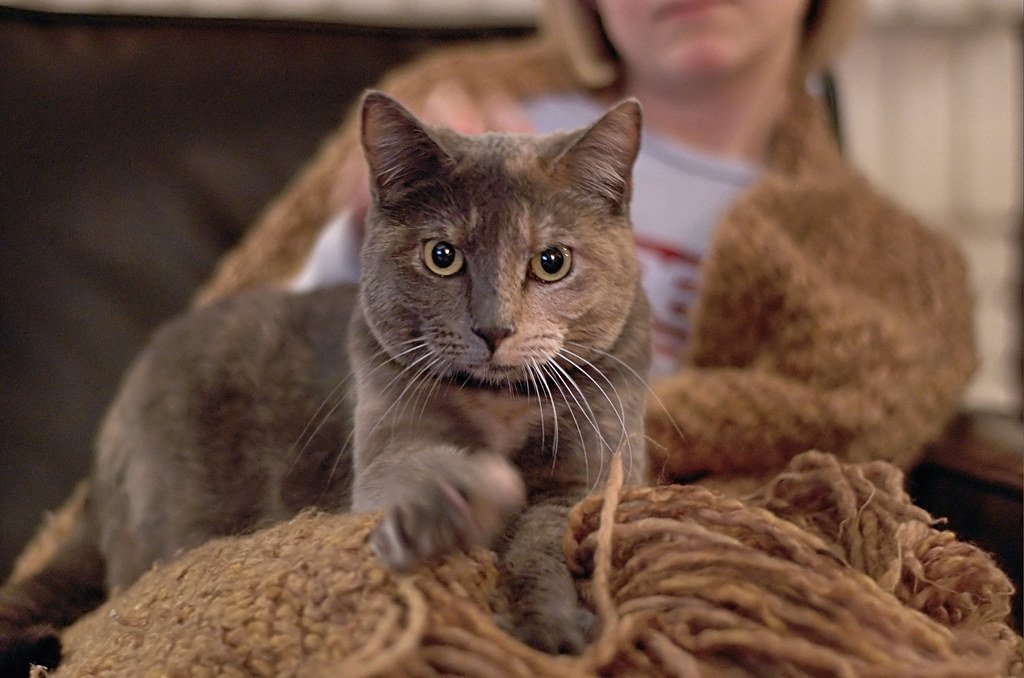
There are few things more delightful than a cat rhythmically pawing at your lap with that half-asleep, blissed-out expression on its face. This behavior most likely stems from when the cat was a kitten and had to knead at its mother for milk. Many researchers and scientists believe that this instinct to knead, even as an adult, indicates that the cat has found a safe and comfortable place. Kneading means your cat is happy and feels safe.
Because most of the preferred domestic traits are neotenous, or juvenile traits that persist in the adult, kneading may be a relic juvenile behavior retained in adult domestic cats. It may also stimulate the cat and make it feel good, in the same manner as a human stretching. Kneading is often a precursor to sleeping. Many cats purr while kneading, and they also purr mostly when newborn, when feeding, or when trying to feed on their mother’s teat. It’s essentially your cat’s version of a comfort blanket, woven into its ancient DNA.
8. Covering Droppings: Survival Stealth in the Litter Box
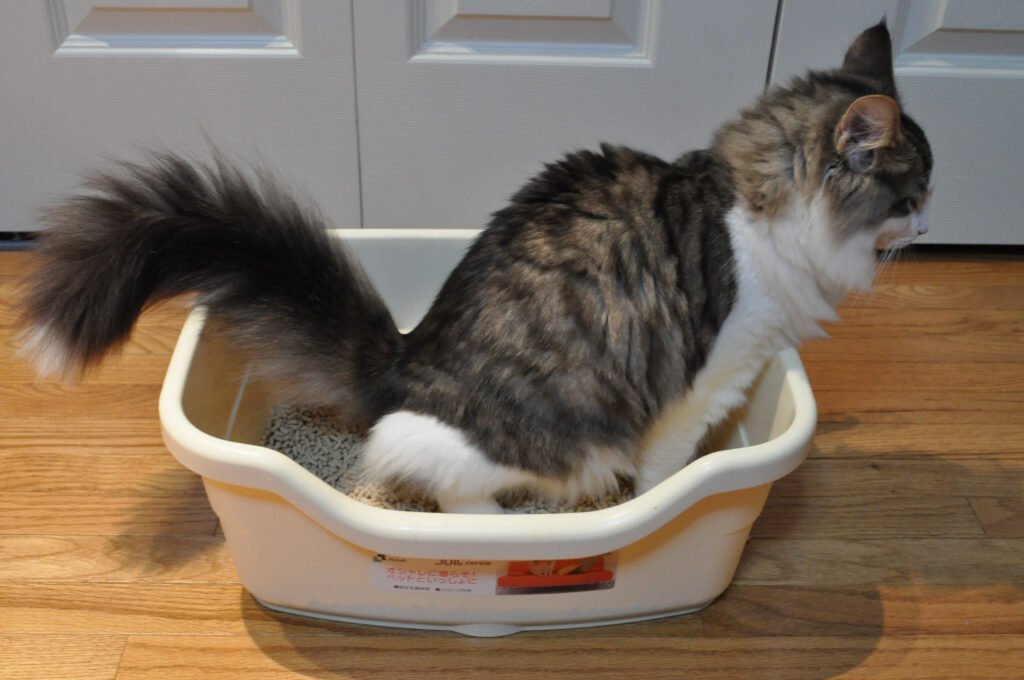
It’s one of those things cat owners never think twice about – your cat uses the litter box, covers its business, and walks away. Convenient. But the reason behind it is far more survival-oriented than you’d expect. In the wild, a cat will instinctively cover its droppings to avoid possible detection from predators. Although a wild cat doesn’t have a litter box, they will often go to the bathroom in sand or dust. At home, your cat doesn’t have many predators but still mimics this same pattern of behavior that has been imprinted onto them through generations of survival skills.
Cats are meticulous creatures and have a strong instinct to bury their waste to conceal their scent from potential predators. Cats will very quickly learn to go to the bathroom in a litter box and cover their droppings. While convenient, this is a skill passed on through generations of wild cats over centuries of survival. It’s a remarkably elegant ancient habit, repurposed without modification for the modern suburban home.
9. Obsessive Grooming: More Than Just Cleanliness
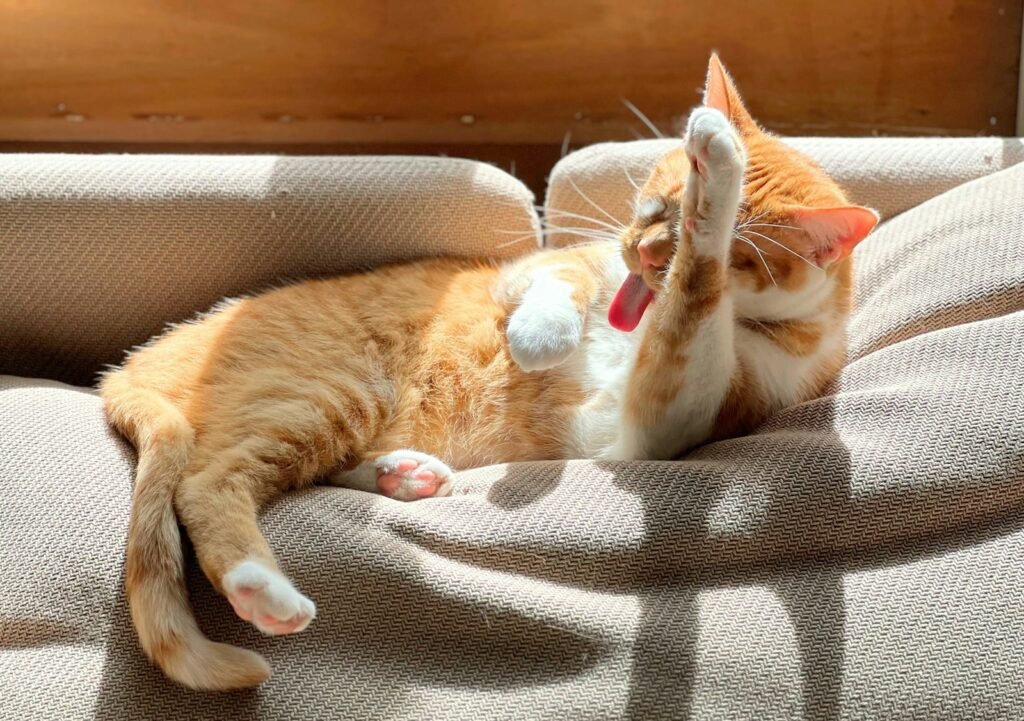
Cats spend between 30 to 50 percent of their day in grooming activities. That is an enormous chunk of any animal’s waking hours. Feline grooming habits evolved early in their history as wild hunters. The ancient wildcat was a solitary hunter that spent a significant amount of time grooming itself to stay clean and as odorless as possible to avoid predators. Wild cats needed to get rid of the food scent after eating to avoid attracting larger predators. While it’s a survival habit, grooming after eating is also a cat’s way of maintaining general hygiene.
Grooming is also a way for cats to relieve stress and anxiety. When a cat grooms itself, it releases endorphins, which are natural feel-good chemicals that can help them to relax and feel more content. Allogrooming, or social grooming, not only creates bonding but also establishes a group scent, which is especially beneficial in the wild to establish and recognize a group. Cats groom their humans for much of the same purpose. So when your cat licks your arm, you’re being welcomed into the inner circle of a very exclusive ancient club.
10. Knocking Things Off Tables: Hunting Practice in Disguise
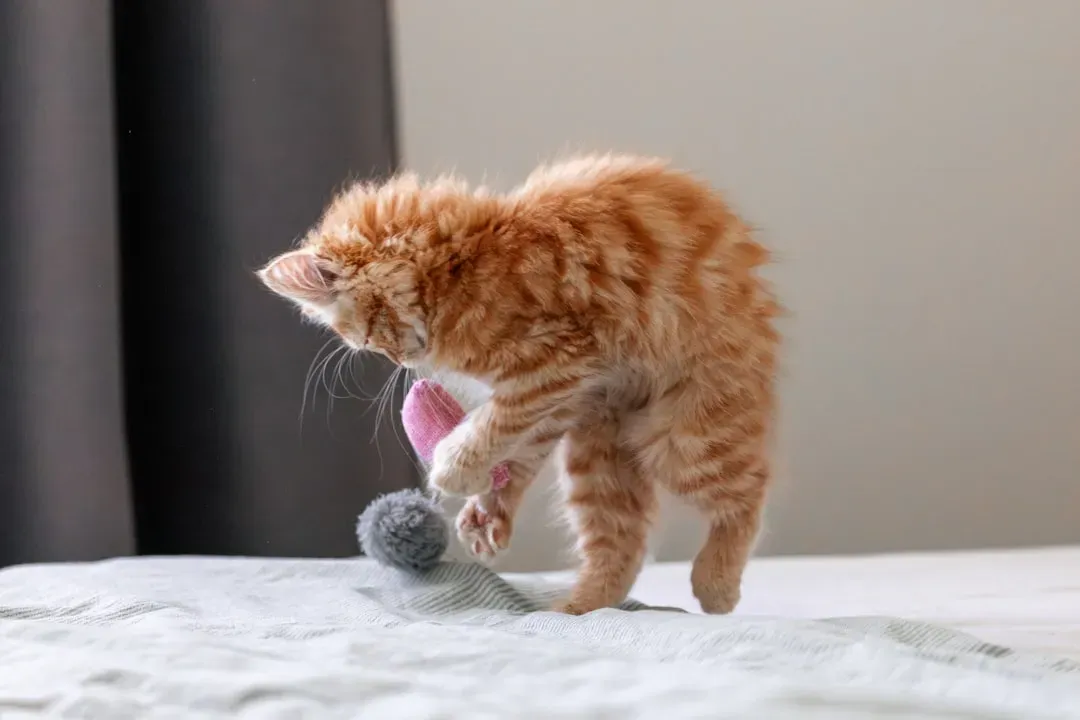
Ah yes – the classic move. You put something down, your cat walks over, makes eye contact with you, and slowly pushes it off the edge. It feels deliberate. It is deliberate. At the core of this table-clearing behavior lies something primal: the hunting instinct. Even though your indoor cat has never had to catch a mouse for dinner, those predatory drives are still hardwired into its DNA. When your cat bats at that pen on your desk, it’s essentially practicing hunting skills. In the wild, cats use their paws to test if prey is alive, to stun small animals, or to manipulate objects to better understand them.
Beyond hunting instincts, cats are naturally curious investigators. They explore their environment primarily through touch, using their sensitive paw pads to gather information about objects around them. When your cat pushes something off a table, it’s essentially conducting a science experiment. The clattering, rolling, or bouncing of items mimics the erratic movements of small prey animals trying to escape. It’s hunting, curiosity, and territorial confidence all wrapped up in one infuriating, endearing moment.
Conclusion: A Wild Heart in a Domestic World
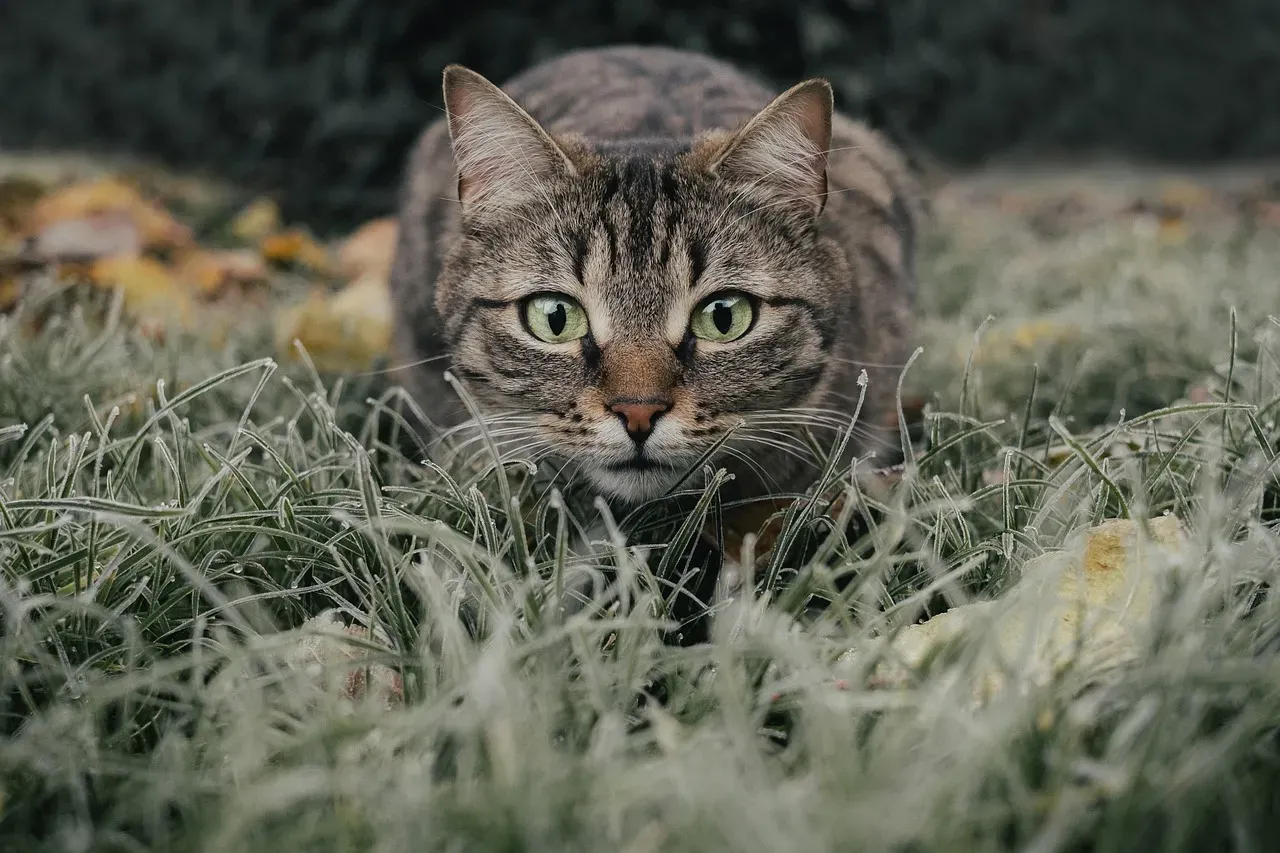
Your house cat is, in every meaningful way, a wild animal wearing the thin disguise of domestication. Although cats are domesticated and make perfect pets, several observed behaviors harken to past generations of wild cats. Between play that mimics a hunt, or adorable scent transfers through rubbing, cats have several instinctual behaviors and traits that have been passed down through generations of wild ancestors.
While the instincts remain wild, domestication has created some subtle but important physical and behavioral changes: your cat doesn’t need to hunt for survival, but their brain still craves the stimulation. Understanding this doesn’t just make you a better cat owner – it makes the whole relationship richer and more fascinating. You’re not just sharing your home with a pet. You’re sharing it with a miniature predator who has been carrying the weight of millions of years of evolution, one knocked-over glass at a time.
Next time your cat does something baffling, strange, or mildly destructive, pause before you sigh. Ask yourself what a wildcat on the African savanna might have been doing in that exact moment. The answer, more often than not, will surprise you. Did any of these instincts catch you completely off guard? Tell us in the comments – we’d love to know which one surprised you most.
Kristina is a young writer from India. An arts graduate and an avid content creator, Kristina is passionate about animals and wildlife. She enjoys exploring topics related to pet care, animal behavior, conservation, and nature, combining thorough research with engaging storytelling.