If you have ever felt quietly rejected when your cat simply walked past you, settled across the room, and stared out the window like you did not exist, you are not alone. Millions of cat owners wrestle with the same nagging question: does my cat actually care about me? It is one of the most beautifully misunderstood relationships in the entire animal kingdom.
Here is what most people never realize. What you interpret as coldness is actually your cat speaking a completely different emotional language. One that, when you finally learn to read it, says far more than a dog’s enthusiastic tail wag ever could. Let’s dive in.
The Myth of the Cold, Uncaring Cat
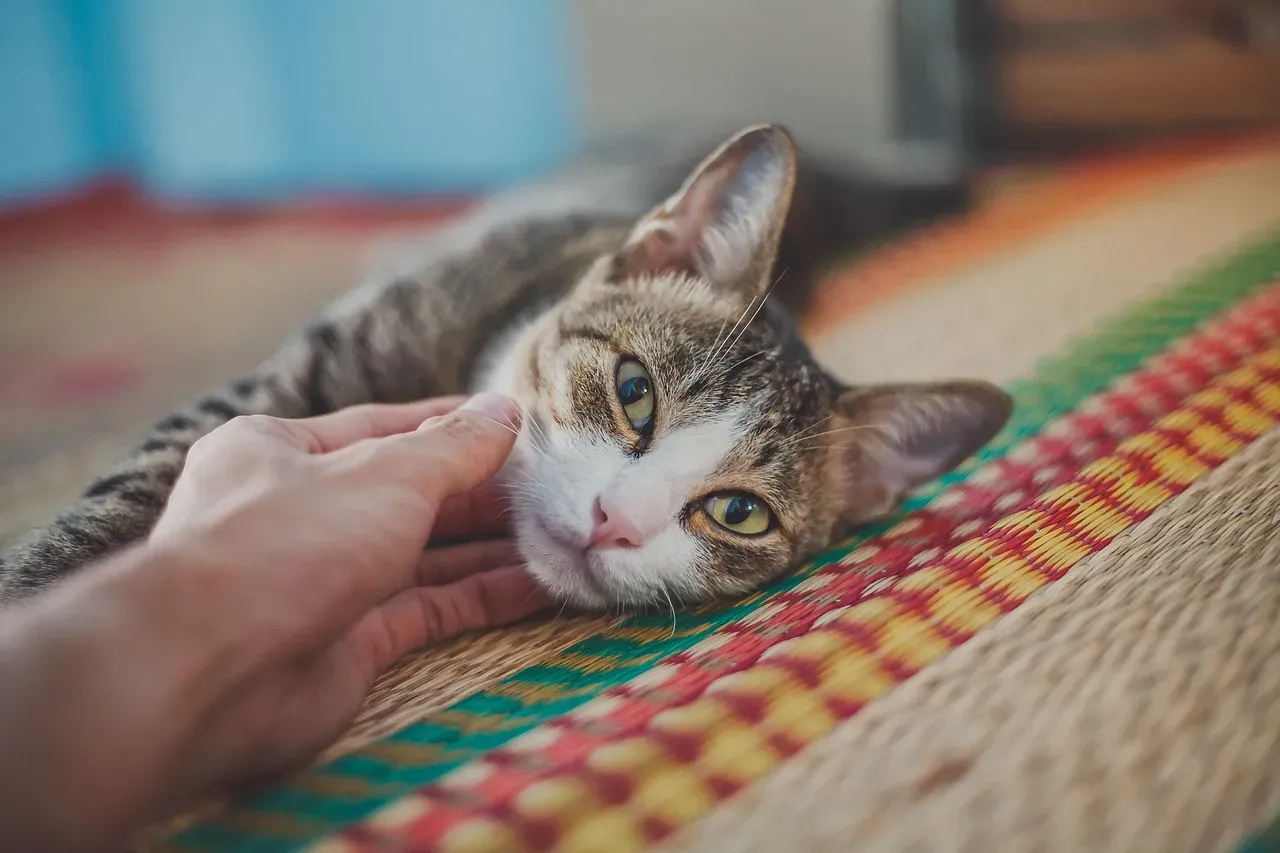
Let’s be real. The image of the aloof cat has been burned into cultural memory for generations. You have probably heard it said that cats “merely tolerate us.” It makes for a good joke at a dinner party, but it is genuinely unfair to these remarkable animals.
For decades, cats have carried the reputation of being aloof and self-sufficient – animals who tolerate humans more than they love them. Yet recent behavioral research has dismantled that stereotype entirely. The science, it turns out, tells a very different and far more touching story.
Many people believed cats were aloof, independent, not affectionate, and certainly untrainable. While that thinking once went unchallenged, there simply was not much accurate information available about cats at the time. Today, we know so much more, and every new study chips away a little more at that cold, unfeeling myth.
What Evolution Actually Designed Cats to Do
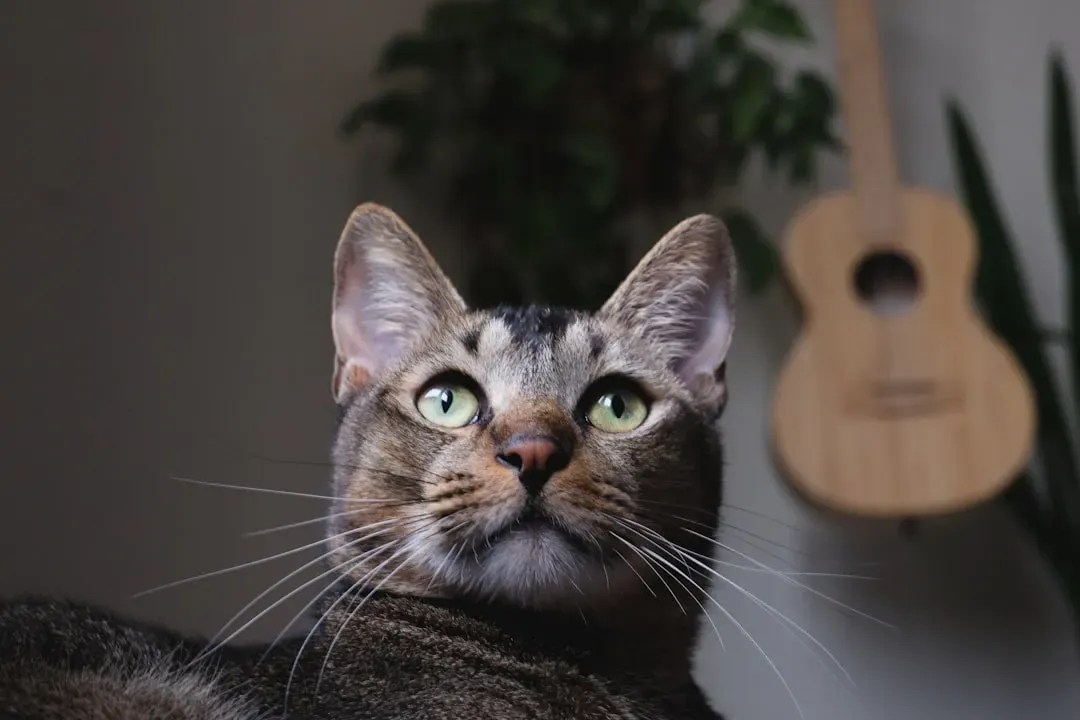
Cats evolved as solitary hunters rather than pack animals like dogs. This evolutionary history means they are naturally equipped for self-sufficiency and do not rely on social groups for survival or emotional support. Think of it like this: dogs evolved to need a team, while cats evolved to trust themselves. That is not a flaw. That is a superpower.
Cats descended from solitary wildcats that hunted alone and maintained individual territories. This heritage is reflected in modern cats’ self-sufficient behavior, territorial nature, and preference for controlling their own activities. Honestly, when you frame it that way, your cat choosing to sit alone by the window is less a rejection and more a quiet act of ancient dignity.
The Science of Feline Attachment You Did Not Know Existed
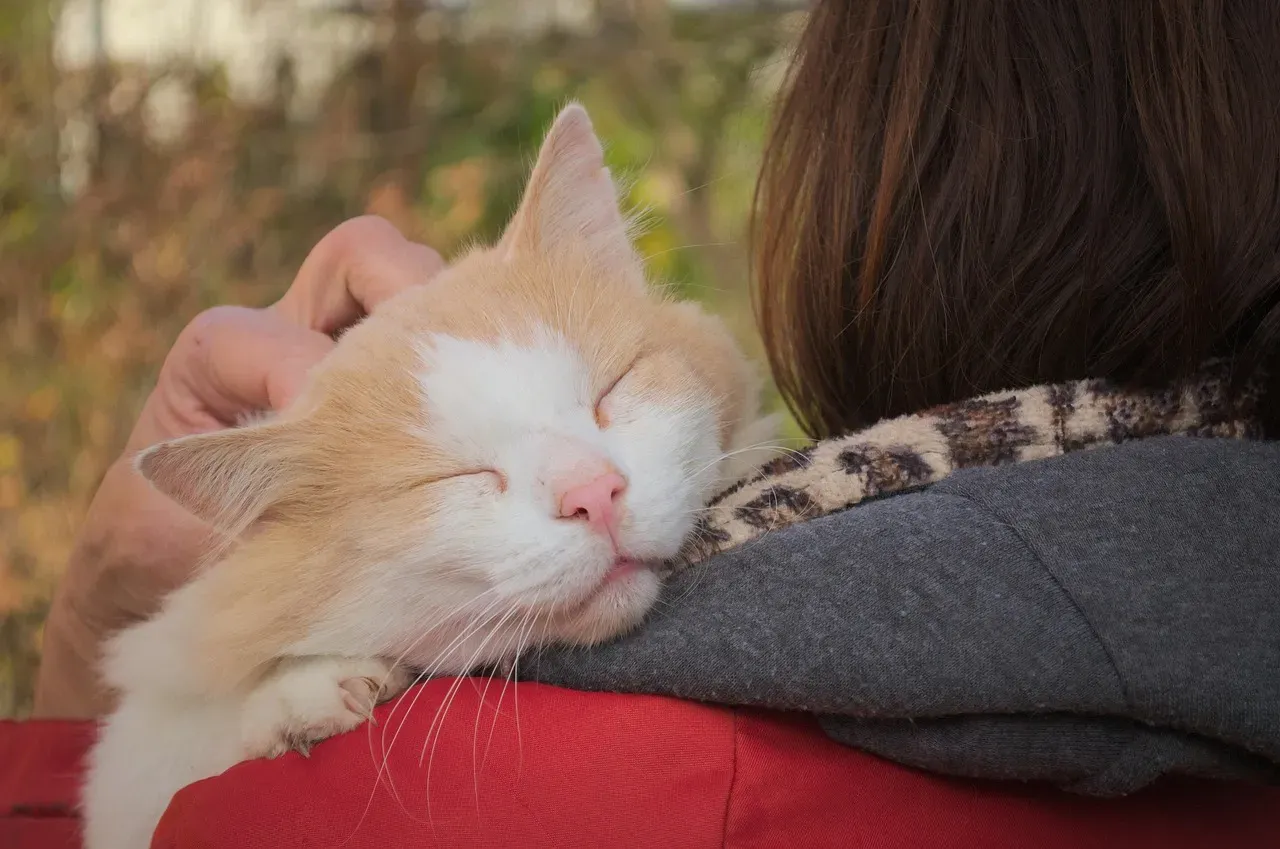
Cats are not solitary creatures by nature. They are socially adaptive animals capable of forming deep emotional attachments to humans and other pets. In a groundbreaking study by Oregon State University, researchers found that over roughly two thirds of cats exhibit a secure attachment style similar to human infants and dogs. That finding alone should stop anyone mid-sentence the next time they call cats emotionally unavailable.
When adult cats were assessed using the same secure attachment test, nearly two thirds displayed secure attachment. The authors of this study concluded that typical indicators of attachment relationships between cats and their owners were displayed, including seeking contact, distress on separation, and reunion behaviors. Your cat misses you when you leave. The data says so.
Your Cat’s Independence Is Actually a Compliment to You
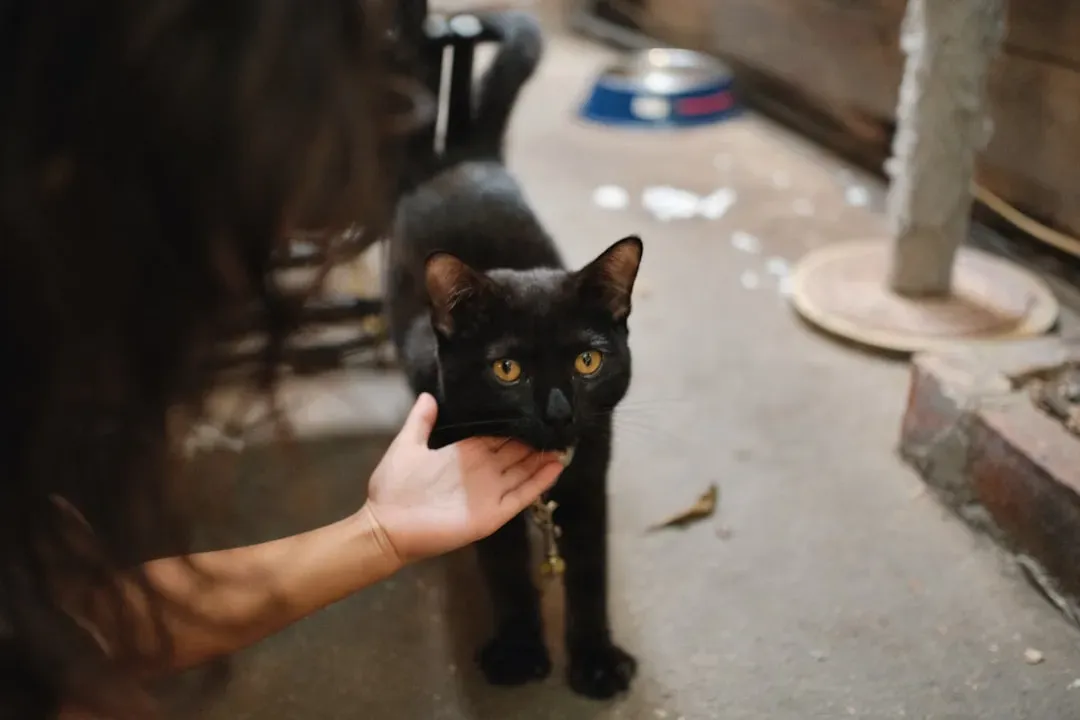
Here is something that genuinely surprised me the first time I encountered it. A cat that sits calmly across the room while you work, completely unbothered, is not ignoring you. It is relaxed because you are there. Think about it the way you would a deeply secure friendship. You do not need to hold hands with your best friend every second to feel safe around them.
Cats show affection through subtle behaviors like slow blinking, purring, rubbing against you, following you between rooms, and choosing to sleep near you. These gestures are meaningful precisely because they are voluntary expressions of trust from an independent animal. The independence is the point. It makes every small gesture infinitely more meaningful.
The Slow Blink: Your Cat’s “I Love You”
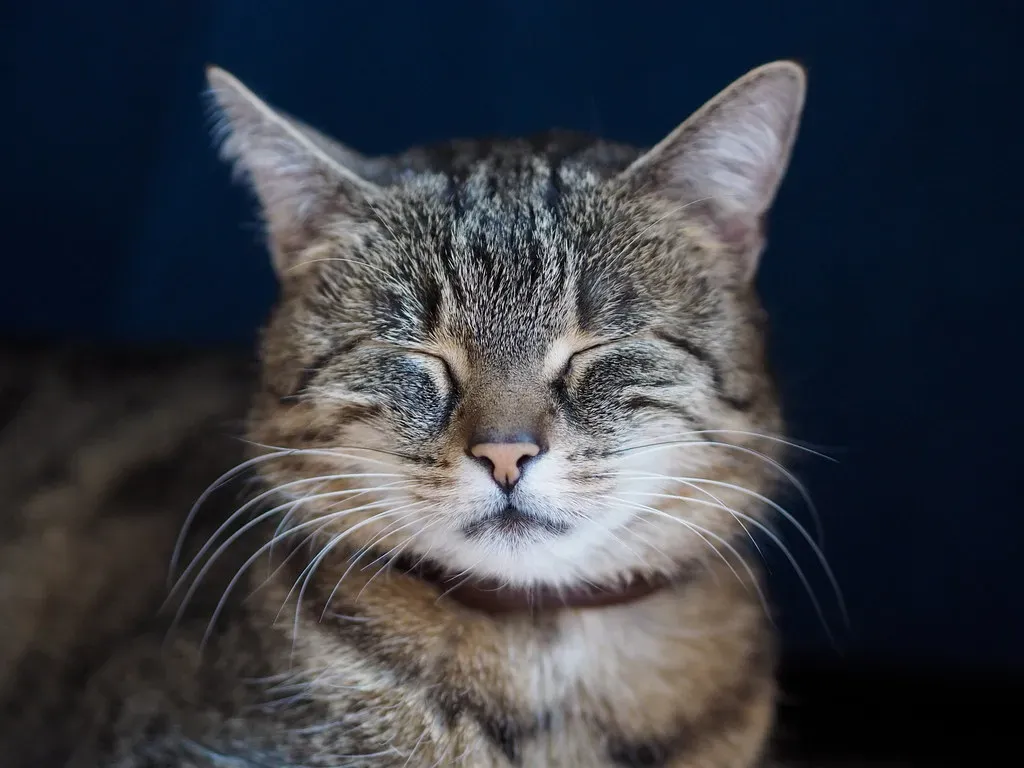
Cats use slow blinking to demonstrate affection and trust. Eye contact is an important form of communication for cats, and they can use stares, pupil size, and blinking to signal various emotions to other cats and to humans. If your cat holds eye contact with you while relaxed and gives a slow blink every now and again, this is a definite sign of affection and trust. It is, honestly, one of the most elegant forms of communication in the entire animal world.
Research suggests slow blinks are associated with a positive emotional state and can be a sign of trust, contentment and affection, similar to a human smile. If you wish to return the compliment, you can blink slowly and your cat might blink back. This is a lovely way to bond with your cat if they are not particularly keen on being touched. Try it tonight. You might be surprised by what happens.
When Your Cat Sleeps on You, Something Deep Is Happening
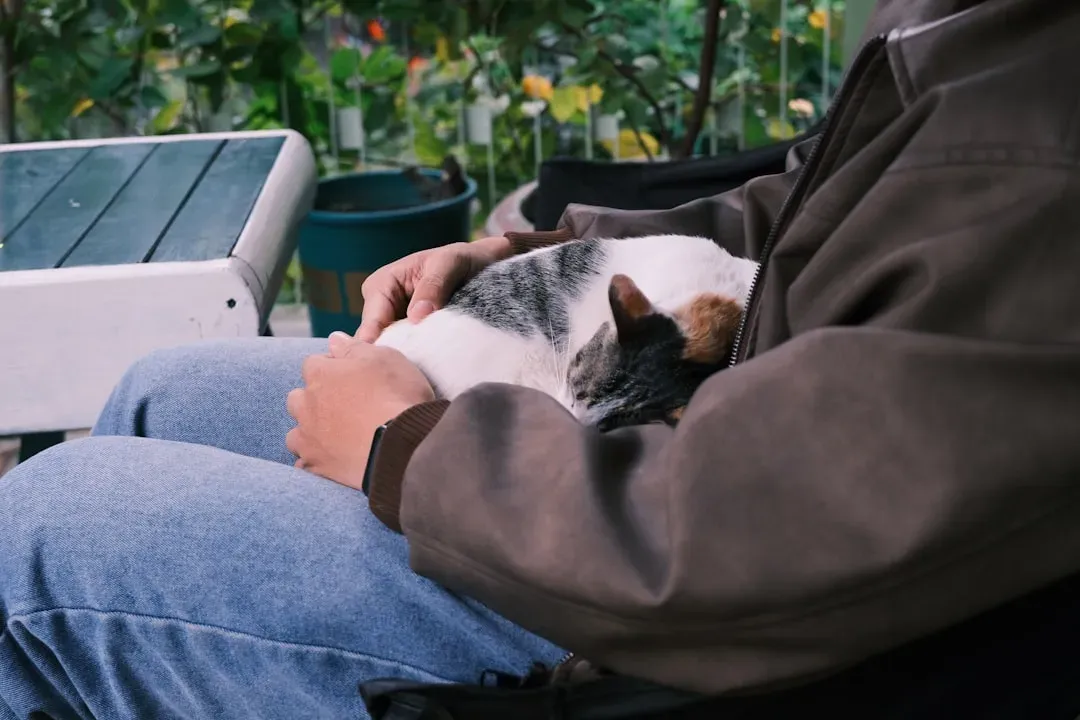
When your cat curls up beside you, it is one of the clearest signs of trust you can witness. Sleeping is when cats are most vulnerable, so choosing to curl up beside you shows they feel secure and deeply bonded to you. It is the feline equivalent of saying, “I trust you with my life.” No exaggeration intended.
Whether it is a young kitten or an adult cat, they all love to sleep and instinctively look for a safe spot to do so. If your cat chooses your lap as that safe space, it trusts one hundred percent that nothing bad can happen in your presence. That is not tolerance. That is profound, earned trust, and it takes real patience on your part to build it.
Grooming You Is Not Weird: It Is Sacred
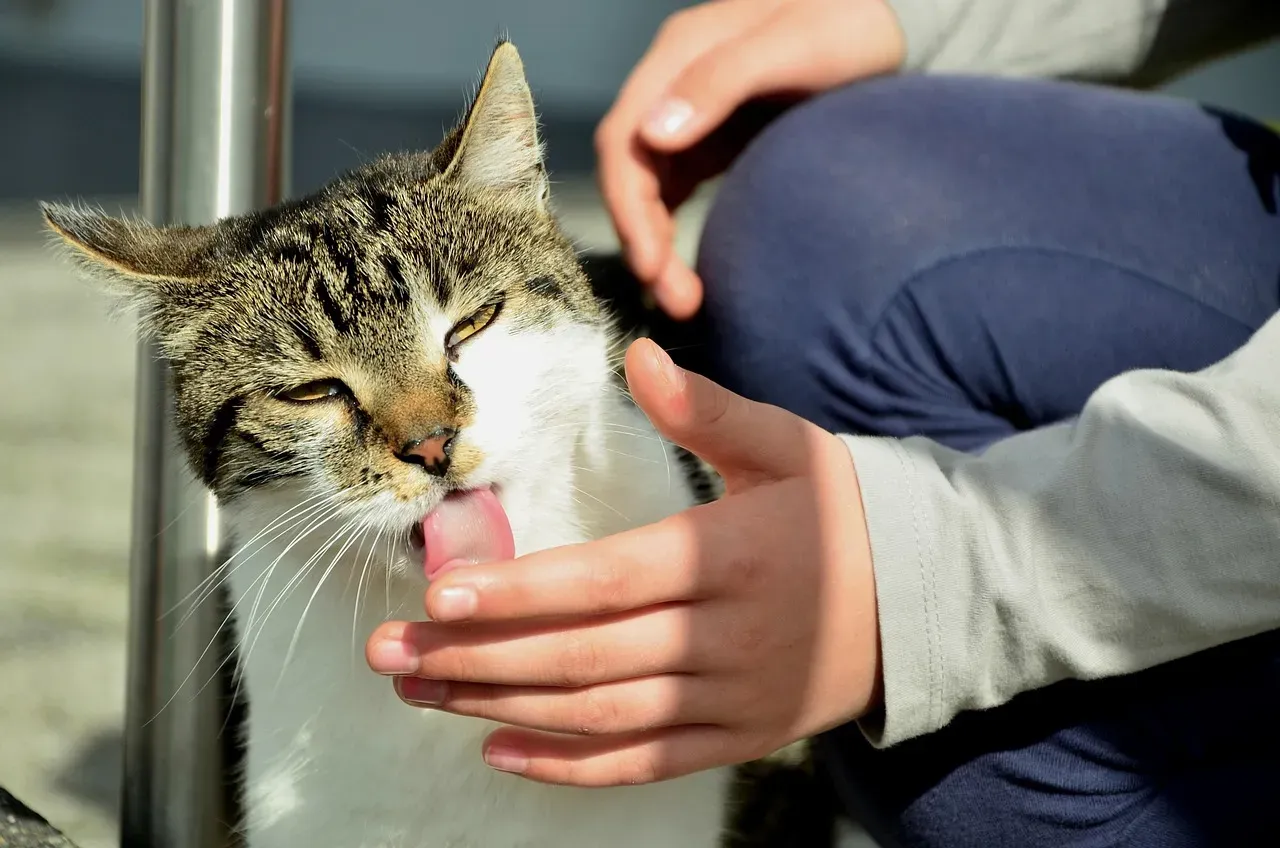
Social grooming, also called allogrooming, is a sign of social bonding and is associated with security. Cats are often solitary animals, but if they live in a bonded pair or group, they will spend time grooming each other. If your cat licks you or grooms you, this is behavior indicating trust and love. In other words, your cat considers you family. Full stop.
Curling up on your lap for a nap is a sign of deep trust. Grooming only happens between cats with a warm relationship, so licking your hand or face is a show of endearment, even though those barbed tongues may not feel particularly gentle. I know it sounds a little rough, but in your cat’s language, that sandpaper tongue is poetry.
How Early Socialization Shapes the Trust You See Today
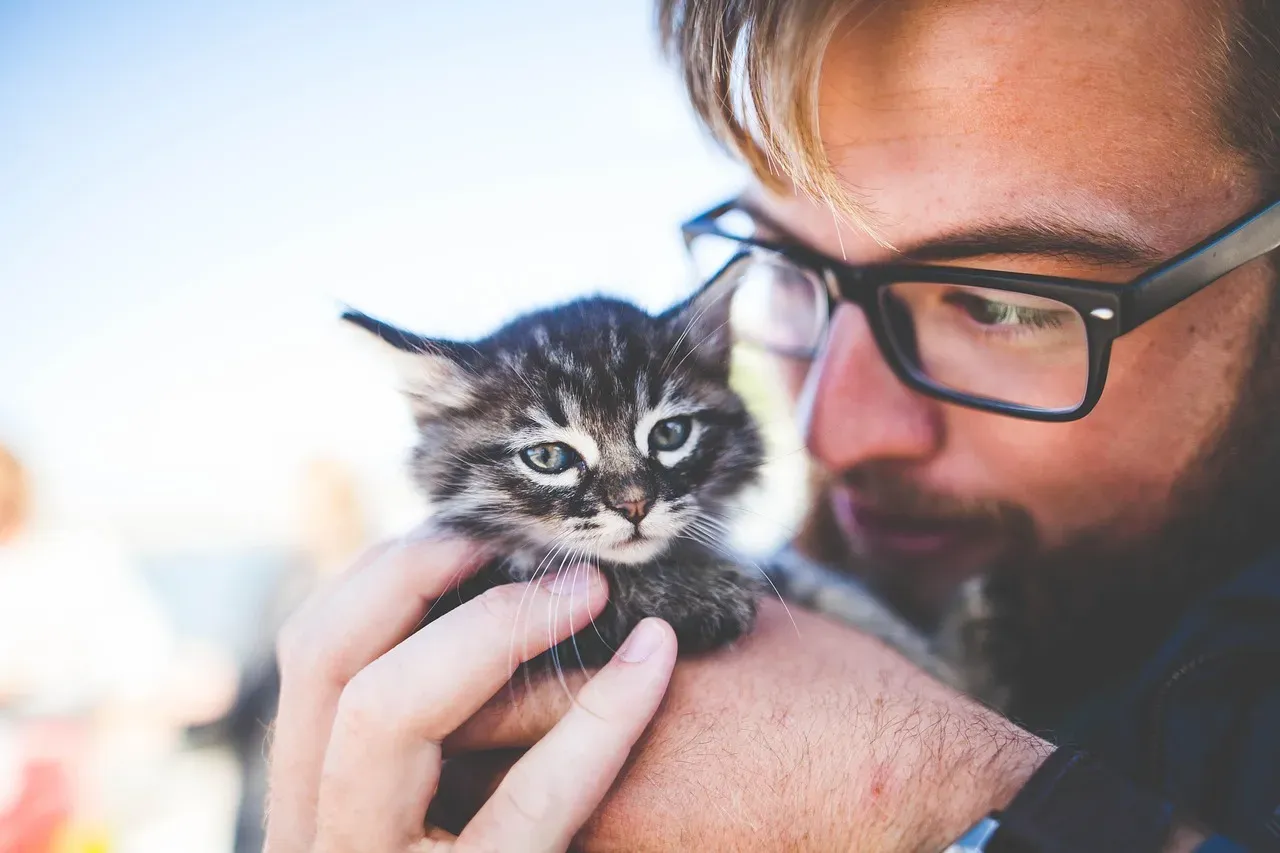
Kittens handled frequently by humans during their second to mid-seventh week of age become friendly and trusting of people and remain so throughout their later lives, tested to at least three years of age. It is a remarkably narrow window, and what happens inside it can shape your cat’s entire relationship with humanity for the rest of its life.
Just like human relationships, feline attachment forms through early socialization, consistent care, and emotional safety. Kittens handled gently and frequently between two and nine weeks of age are more likely to develop positive bonds with humans. Those deprived of human contact during this period may grow anxious or distant, often clinging to one trusted person later in life. It is a good reminder that patience and gentleness with a shy cat can genuinely rewrite its emotional story over time.
What You Can Do to Deepen the Bond Further
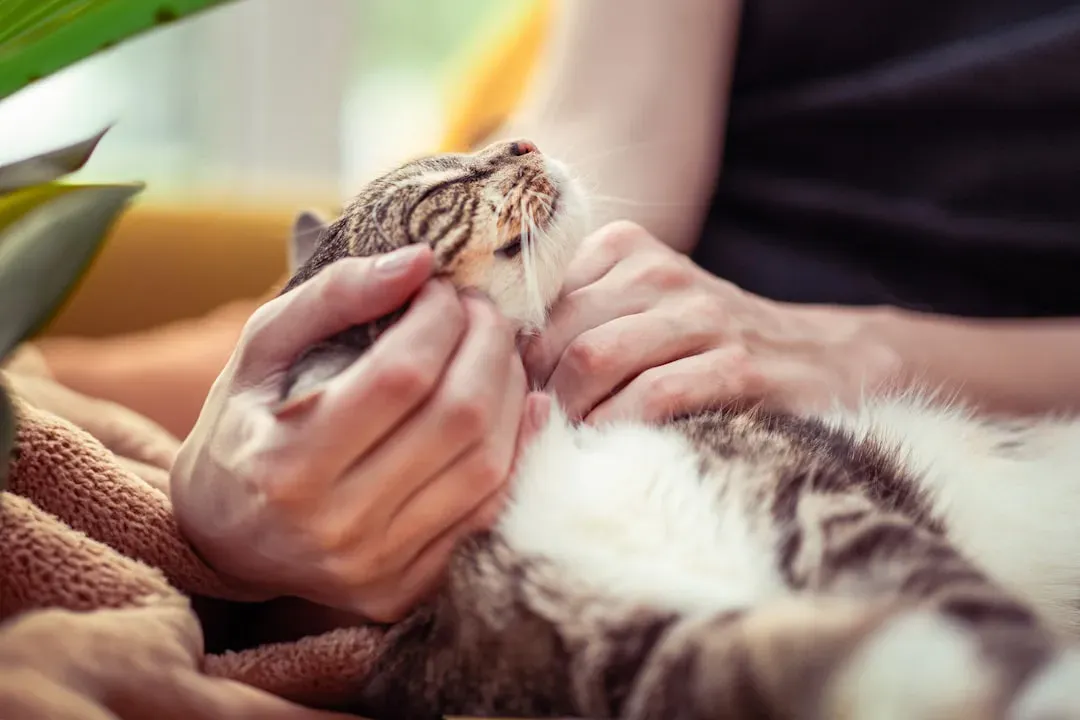
Cats thrive on predictability. When you feed, groom, or play with them at consistent times, it builds trust. This trust often manifests as following behavior, as cats begin to see their owner as a reliable source of food, comfort, and stability. Routine, it turns out, is a love language for cats. Boring? Maybe. Effective? Absolutely.
Your cat spends a great deal of effort getting to know you as a companion, so if you do the same, you increase your chances of having the relationship you have always wanted with your feline family member. Cats are marvelous communicators and your own cat tells you so much through body language. Pay attention to your cat’s signals and you will help create a stronger, more trusting bond. It really is that simple, though it does require you to slow down and actually watch.
Conclusion
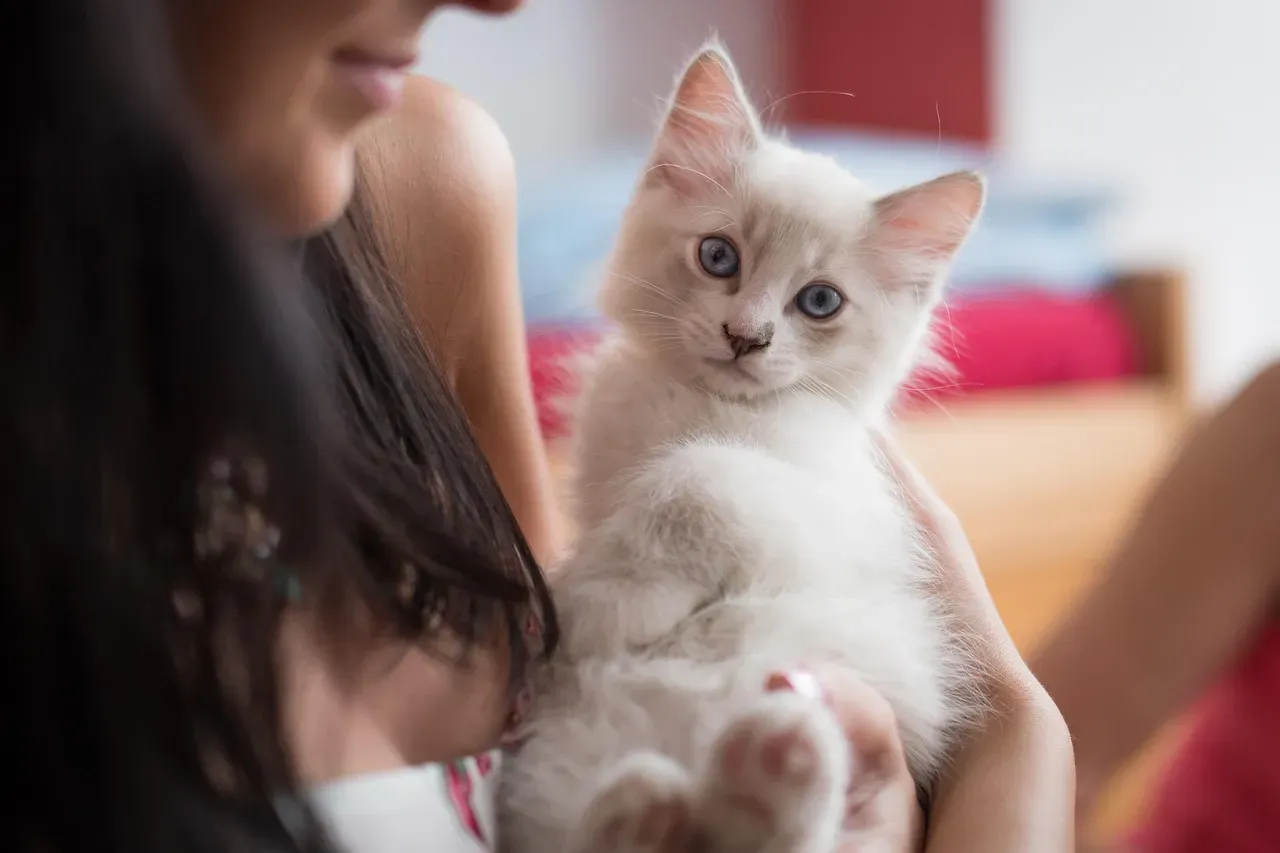
Your cat is not cold. Your cat is not indifferent. Your cat is speaking a language that most of the world has never bothered to learn, and the moment you start paying attention, everything changes. That still, quiet creature sitting across the room from you has already decided you are safe. Already decided you are worth staying near.
Cats have a rich emotional spectrum. While they might seem aloof at first glance, anyone who has shared their life with a cat knows there is a deep well of love and trust underneath that cool exterior. The independence is not distance. It is the highest form of trust an animal that evolved to rely on no one can possibly offer you.
So the next time your cat simply exists near you without demanding your attention, don’t take it personally. Take it as a compliment. One of the quietest, most genuine compliments you will ever receive. What do you think: will you see your cat’s independence differently from now on? Tell us in the comments.
Kristina is a young writer from India. An arts graduate and an avid content creator, Kristina is passionate about animals and wildlife. She enjoys exploring topics related to pet care, animal behavior, conservation, and nature, combining thorough research with engaging storytelling.