Cats have a reputation for being cool, independent, and effortlessly unbothered. They sleep through thunderstorms, ignore your texts, and seem utterly unmoved by whatever drama is unfolding in the living room. Yet beneath that composed exterior, your cat is quietly keeping score.
The truth is, even the most laid-back cat has a surprisingly specific set of tolerances. Many of the things you do with perfectly good intentions, such as offering extra cuddles or switching up their food, can register as a genuine annoyance or even a source of stress. Understanding where those limits are is one of the most practical ways to strengthen the relationship you have with them.
1. Disrupting Their Daily Routine Without Warning
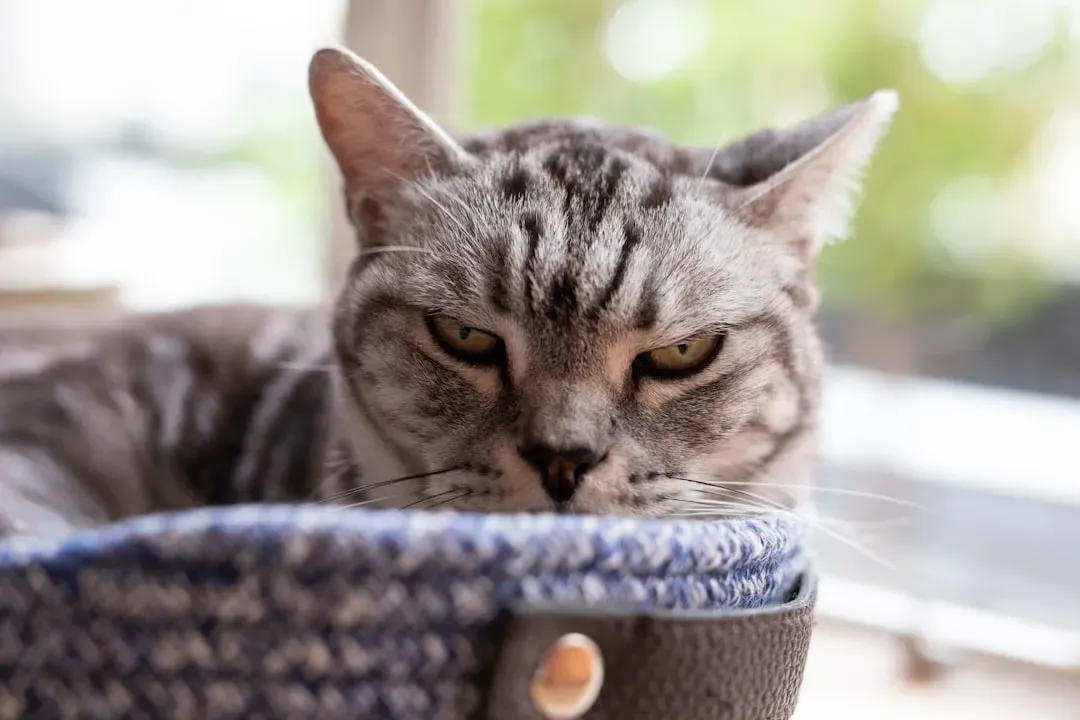
Cats are creatures of habit. Most cats love a predictable routine when it comes to feeding time, playtime, or naptime, and if you make abrupt changes to their daily schedule, expect your cat to be displeased. This isn’t quirky behavior or fussiness for its own sake. It runs much deeper than that.
Cats are creatures of habit and do not like change, and minor shifts to your environment that might not affect you at all could send your cat into a stress spiral. A change in daily routine, such as rescheduling your work or school hours, can trigger genuine stress for your cat. Something as simple as feeding them two hours later than usual can disrupt their entire sense of security.
2. Picking Them Up When They Haven’t Invited It
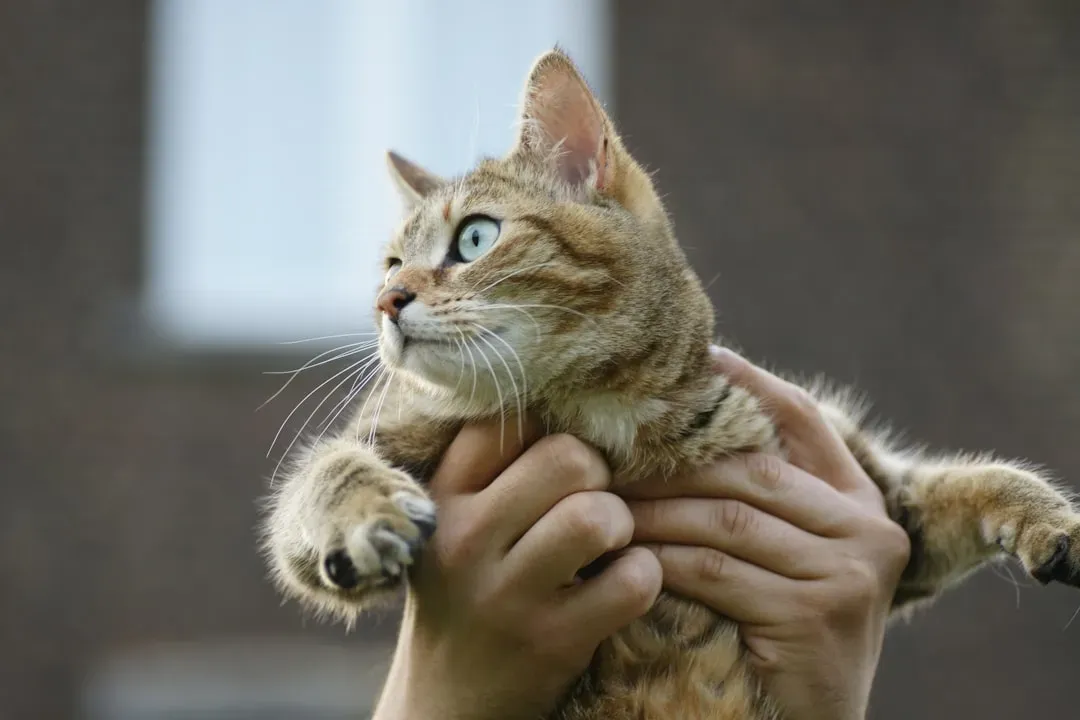
Cats are prey and predator animals, and they don’t like to be held close or restrained. Humans love to hug and cuddle as a way to show affection, but cats are not little humans. When you scoop your cat up simply because you feel like it, you’re overriding a boundary they set without words.
Many cats don’t like to be picked up, and being lifted off the ground usually leads to being held close, which compounds the problem. As tempting as it is to cuddle them constantly, cats value their independence and can become irritated if they feel crowded or constantly handled. Many cats prefer attention on their own terms and on their own schedule. Reading that preference makes all the difference.
3. Petting Past Their Tolerance Point
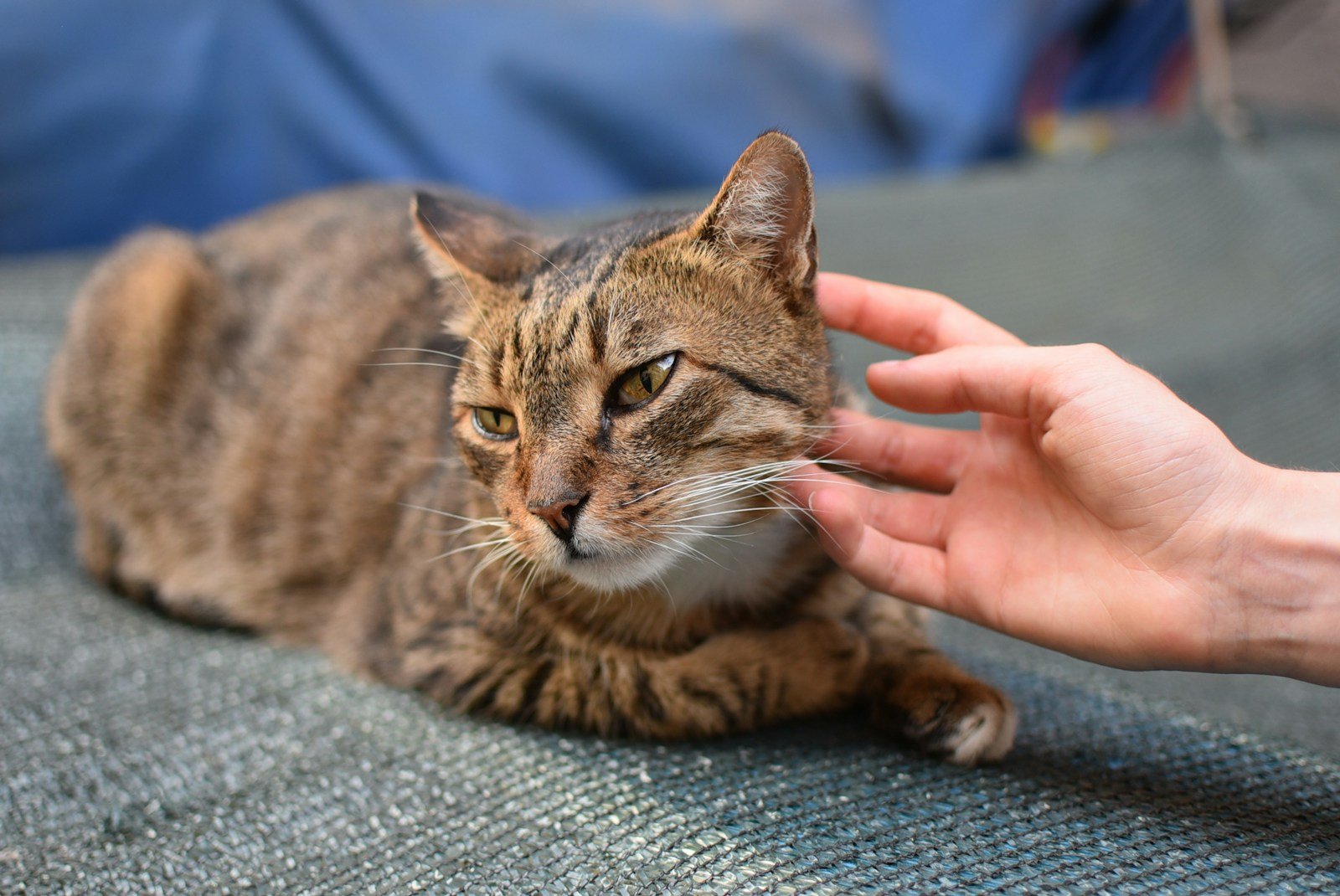
While cats enjoy affection, too much petting can become overwhelming. Each cat has its own tolerance level, and it’s essential to recognize when they’ve had enough. Signs of over-petting include tail flicking, ears flattening, and attempts to move away. Most people miss these signals entirely and keep going, which is exactly the problem.
This behavior, often called petting-induced aggression, can occur when a cat becomes overstimulated or feels uncomfortable. They may be giving you subtle warning signals, such as tail twitching or flattened ears, before biting. Respecting their boundaries and stopping when you notice these signs is essential. Your cat isn’t being aggressive out of nowhere. You likely just missed the first few polite requests to stop.
4. Making Loud, Sudden Noises
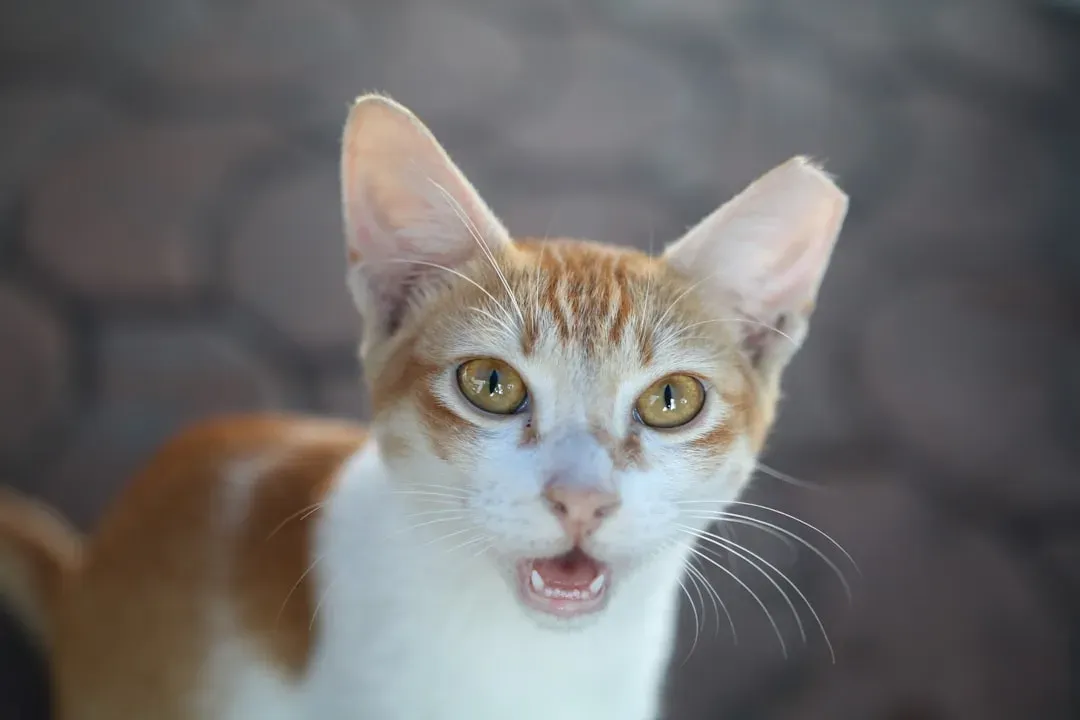
Cats have sensitive ears, and loud noises can be extremely unsettling for them. Whether it’s a vacuum cleaner, fireworks, or a loud TV, these sounds can create a stressful environment. If your cat hides or shows signs of anxiety during loud events, providing them with a quiet space can help. The reaction you see is not overreaction. It’s biology.
Cats have ultra-strong hearing senses, with about three times the upper range of human hearing. This means when the garbage truck comes by, when the doorbell rings, or a neighbor’s dog barks persistently, your cat definitely minds. High-pitched sounds such as humming from lightbulbs, electronics, or even the kettle heating up could also be adding to your cat’s discomfort. Many of these sounds are simply part of your day, but they register entirely differently in a feline’s world.
5. Neglecting the Litter Box
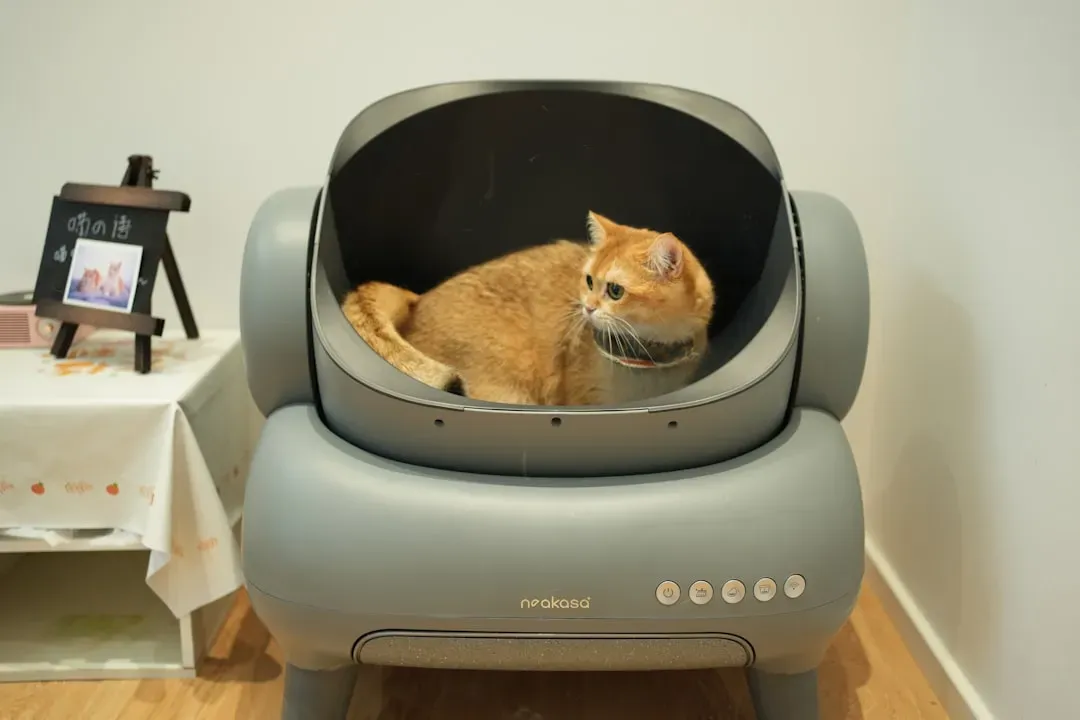
A clean litter box is essential for a happy cat. Ignoring this can drive them to distraction and lead to unwanted behaviors like inappropriate urination. Cats are naturally clean animals and prefer a tidy space to do their business. This one is non-negotiable in the feline rulebook, and most cats won’t hesitate to let you know you’ve fallen short.
The home environment plays a significant role in a cat’s stress levels. Being confined indoors with restricted access to enough clean litter trays can be very stressful for some cats. One study found that roughly a quarter of cats don’t have their own food bowls and more than half had to share their litter box with other cats, a situation that quietly chips away at their comfort every single day.
6. Using Punishment or Loud Scolding
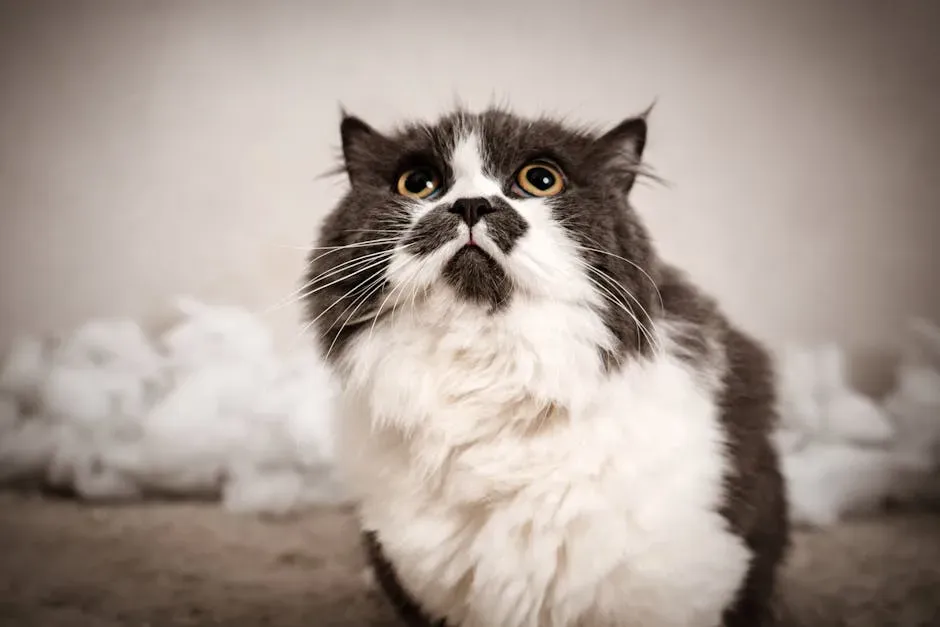
Squirting a cat with water because the cat is doing something you dislike only serves to make the cat wary of you, and does not really stop the behavior. Never punish or scold your cat for unwanted behaviors, as this only increases fear and makes things worse. Punishment breaks trust in a way that takes a long time to rebuild.
Any word said in a loud voice can be stressful to a cat, especially if it is associated with some sort of punishment. Cats don’t know that their behavior is annoying. To them, it’s natural and appropriate, which is why punishment is so counterproductive and ineffective. You can’t break an instinct easily. Redirection, patience, and positive reinforcement are far more effective tools than a raised voice ever will be.
7. Constantly Changing Their Food
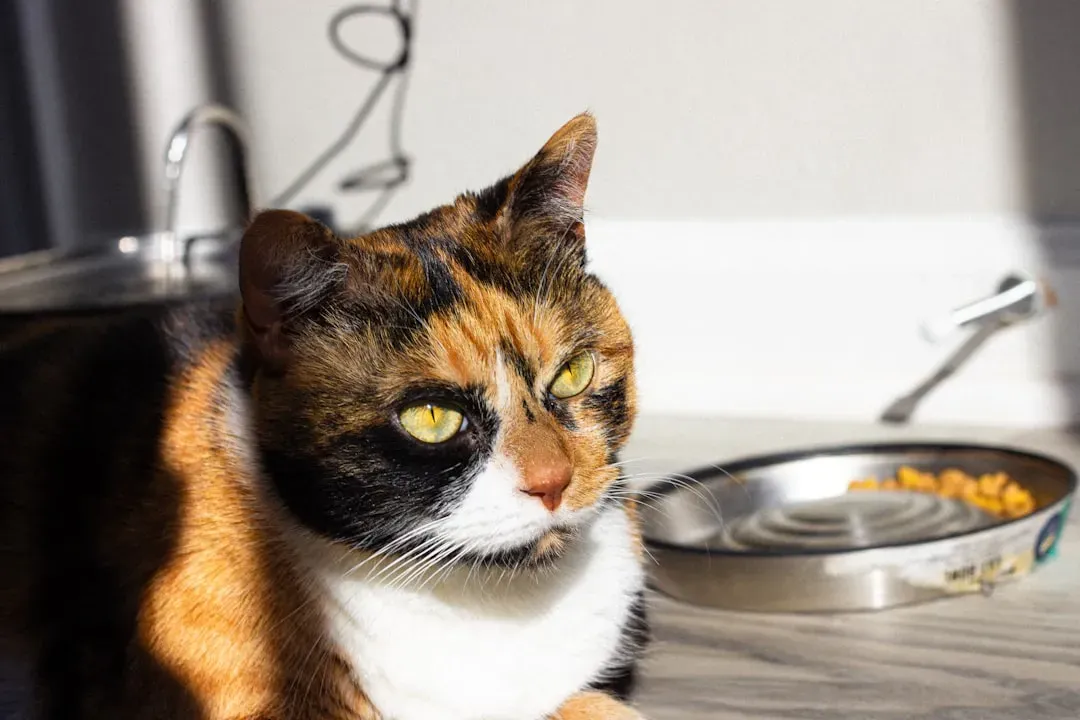
Many cats prefer routine, and changing their food flavor and texture frequently might not be the culinary adventure you hope it will be. Introducing a new type of cat food can upset your cat’s stomach, as well as being an affront to what could be called their choosy nature. You might think variety is a kindness. Your cat likely disagrees.
Cats prefer lukewarm food, specifically prey-body-temperature warm. Food coming straight out of the refrigerator is usually not very desirable, and many cats won’t finish the second half of a can of food that’s been chilled. Unlike people, pets generally like consistency in their meals, and feeding the same brand of food helps avoid gastrointestinal distress from radical changes in ingredients. Their digestive systems and preferences are more sensitive than most owners realize.
8. Interrupting Their Rest or Forcing Interaction
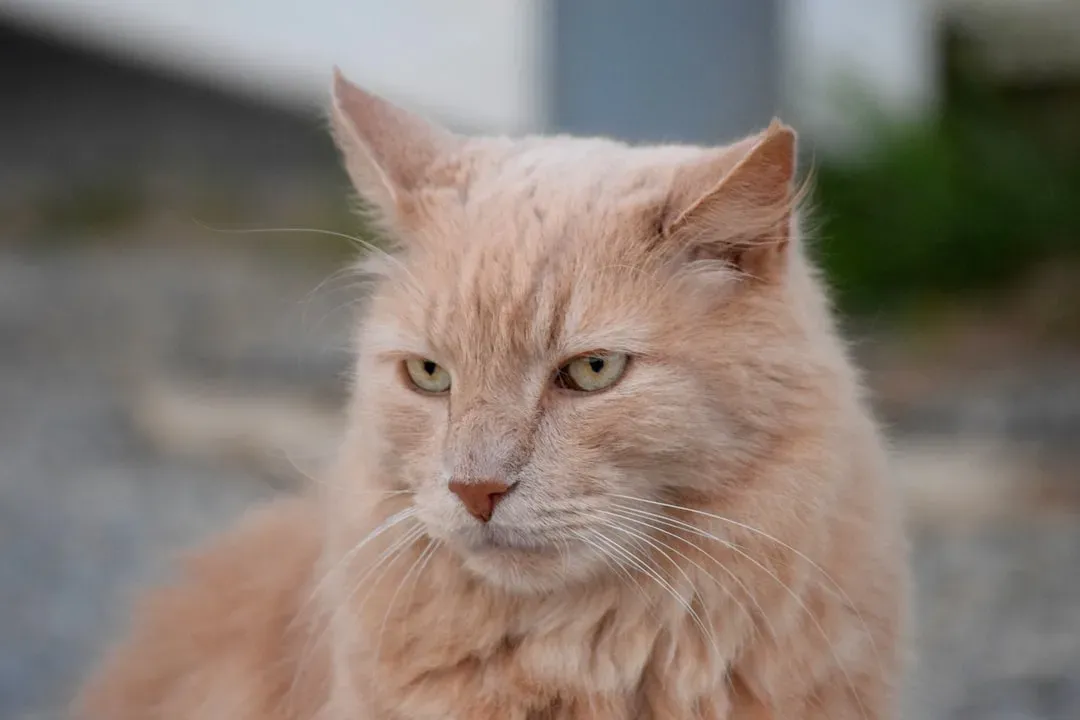
Imagine you’ve just stretched out for a little snooze, when someone comes along wanting you to entertain them. You wouldn’t love it, and neither does your cat. Signs like ears back or flat, tail flicking, and even growling or hissing are clear indications to stop and give them their space. Forcing a social moment on an unwilling cat never ends well for either party.
Humans can also misinterpret a cat’s hiding behavior and attempt to force the cat out to deal with the situation that is making her stressed, a method known as flooding. Cats do not find this to be a positive way to build trust and handle stress. Choice and agency are important for cats. When you bring them into your home, you often dictate when they eat, when they play, and when you want them to be quiet. Making it a habit to give them a choice whenever possible goes a long way. Respecting their retreat is one of the simplest, most underrated forms of cat care.
A Note on Getting It Right
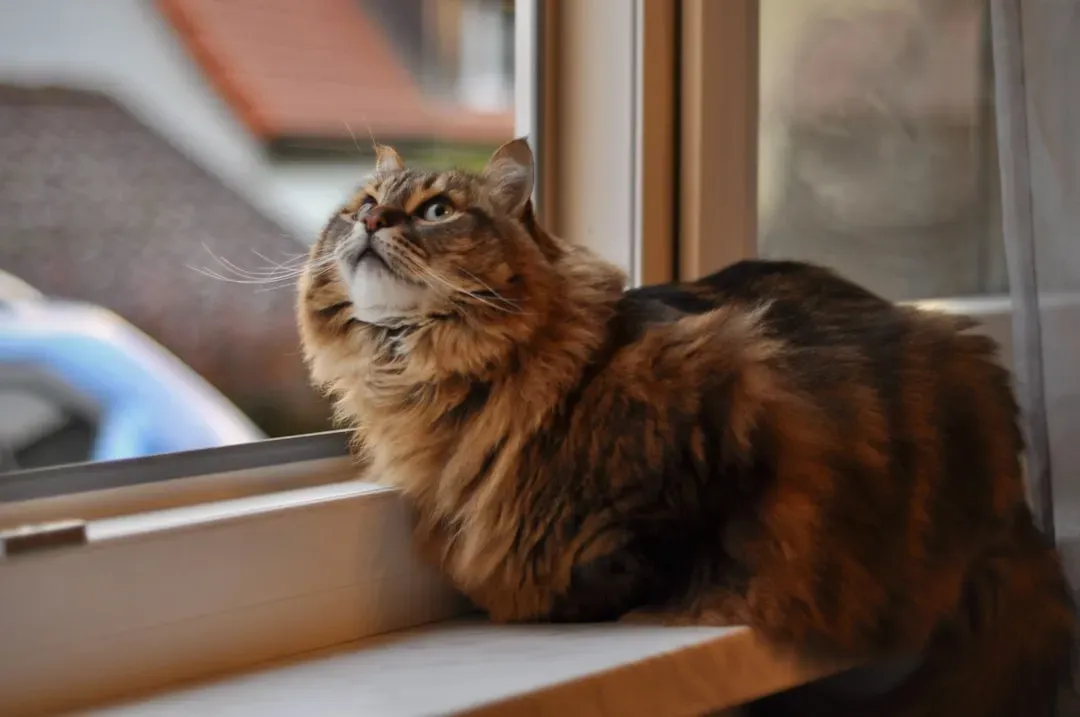
None of this means your cat doesn’t want your company. Research suggests that a surprising number of cats show moderate to severe behavioral problems when separated from their owners, which challenges the idea that cats don’t really care about the people they live with. They do care. They just have their own very particular way of showing it.
Some of the stressors most commonly encountered by cats include changes in environment, inter-cat conflict, a poor human-cat relationship, and the cat’s inability to perform highly motivated behavior patterns. Most of these are within your power to address with relatively small adjustments to your daily habits.
The good news is that cats are remarkably communicative once you learn to read the signs. A flickering tail, a flattened ear, or a slow retreat to the back room all carry real meaning. Paying attention to those quiet signals, rather than waiting for the hiss or the scratch, is where genuine understanding between you and your cat actually begins. The most patient cat in the world still has limits. Knowing where they are is simply good company.
Kristina is a young writer from India. An arts graduate and an avid content creator, Kristina is passionate about animals and wildlife. She enjoys exploring topics related to pet care, animal behavior, conservation, and nature, combining thorough research with engaging storytelling.