Cats have a reputation for being mysterious, self-sufficient, and emotionally distant. Most people assume they simply want food, a clean litter box, and the occasional acknowledgment. The reality is quite different, and the science behind it is more fascinating than you might expect.
A study from Oregon State University found that pet cats form attachments with their human owners that are similar to the bonds formed by children and dogs with their caretakers, and it was the first time researchers empirically demonstrated that cats display the same main attachment styles as babies and dogs. That changes the conversation entirely. Your cat isn’t indifferent to how you treat her. She’s quietly absorbing every interaction, every routine, and every signal you send. Here are ten things, some obvious, some genuinely surprising, that can make an immediate difference.
The Slow Blink That Works Both Ways
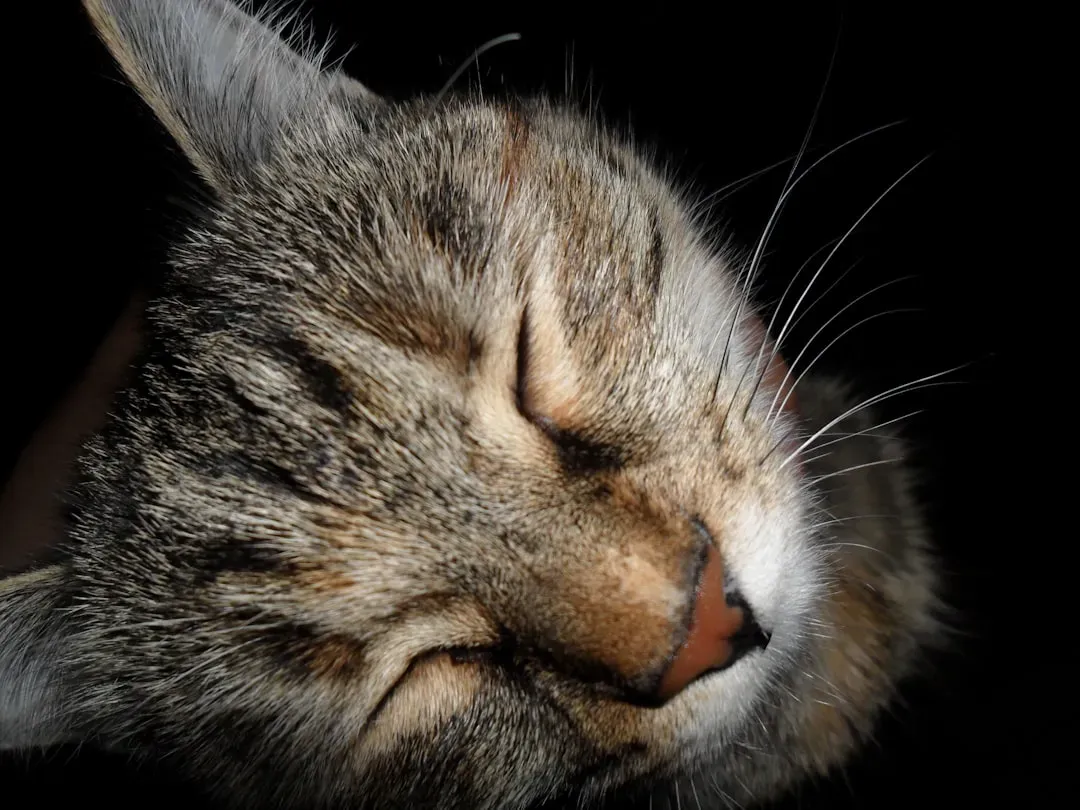
You’ve probably noticed your cat holding eye contact with you and then slowly closing her eyes. Some cat lovers call this the “love blink” or “cat kiss” because cats do it when they trust someone and want to show affection. It’s one of those small gestures that carries real emotional weight in feline communication.
The remarkable part is that you can initiate it yourself. When you slow-blink back at your cat from across the room, you’re essentially responding in her own language. When you respond to these gestures appropriately, such as slow blinking back and accepting head bonks gracefully, you’re having actual conversations with your cat, and these simple gestures add up to something extraordinary: a cat who feels completely secure in your love and care.
A Dedicated Safe Space That’s Truly Hers
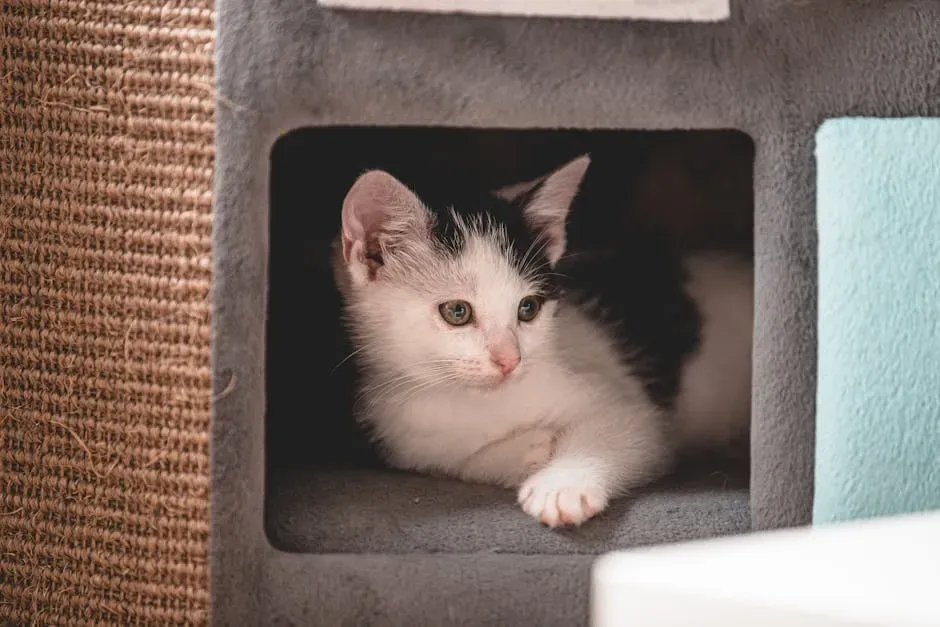
A safe space is a quiet, cozy, and low-traffic area where your cat can retreat, decompress, and feel in control of her surroundings. This isn’t just a comfort item. For cats, having a reliable retreat is a genuine psychological need rooted in their instincts as both predator and prey.
When your cat has a reliable safe haven, she develops the confidence to explore and engage more with the rest of your home, knowing she always has somewhere to escape if needed. Every cat needs a safe and secure place where they can retreat and feel protected. Your cat should be able to enter and exit from this space from at least two sides if they feel threatened, and most cats prefer the safe space to be big enough to only fit themselves, have sides around it, and be raised off the ground.
Predictable Routines That Give Her a Sense of Control
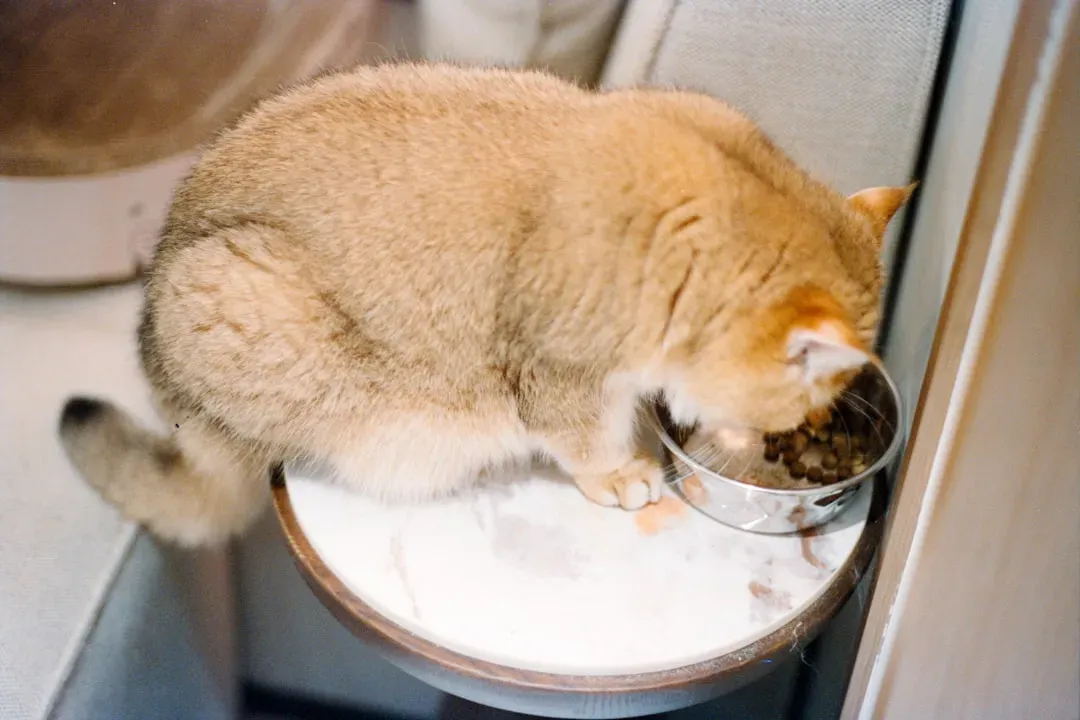
Few things please a cat more than routine. They love to know what’s coming next, so the moment their daily schedule is completely upended they can begin to feel a little insecure. Feed them, play with them, and let them out at the same time every day when possible. It’s a low-effort change that pays off in noticeable calm.
Sticking to a routine each day, including a fixed schedule for feeding, grooming, litter box maintenance, and playtime, helps reduce anxiety in cats, prevents boredom, and reinforces positive behaviors. Even small disruptions to that rhythm, like being an hour late home, can register as unsettling for a sensitive cat. Consistency, more than grand gestures, is what creates a genuinely secure environment.
Respecting Her Boundaries Without Pulling Away
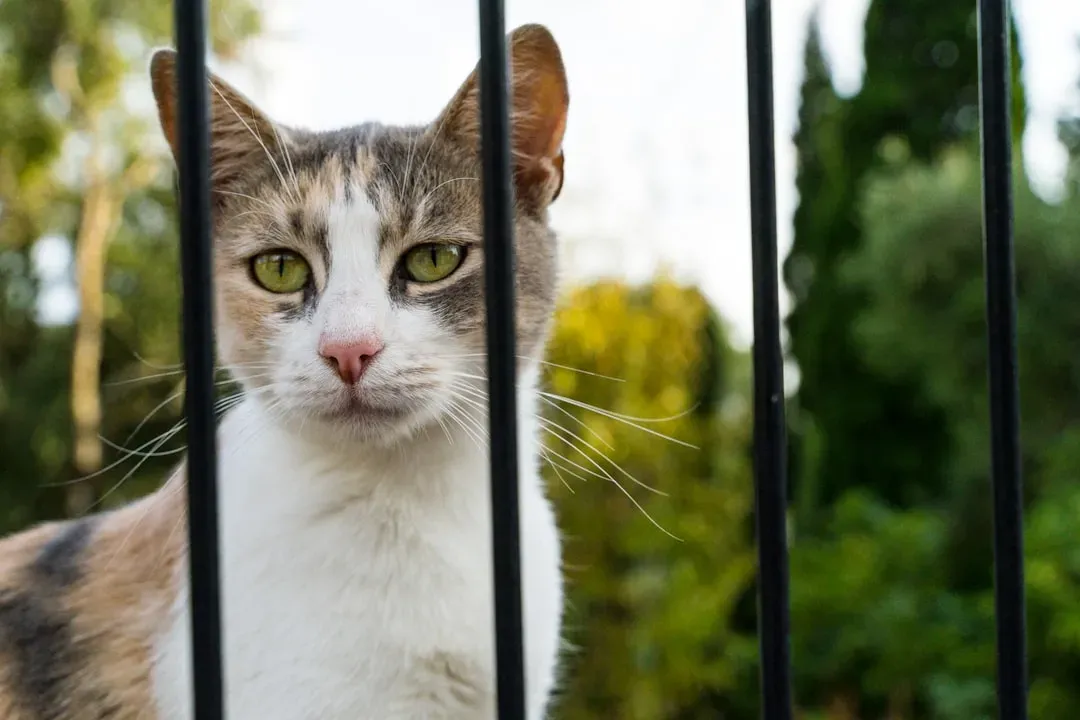
Cats are masters of consent, and respecting their boundaries is one of the most loving things you can do. Unlike dogs who often welcome attention anytime, cats have specific moods for socializing. Pushing past those moods, even with affectionate intent, chips away at their sense of safety over time.
Learning to read their body language, including the flicking tail, the flattened ears, and the “I’m walking away now” signal, shows them you respect their autonomy. This actually makes them more likely to seek you out for affection later. Trust built through restraint tends to run deeper than trust built through persistence.
Vertical Space and High Vantage Points
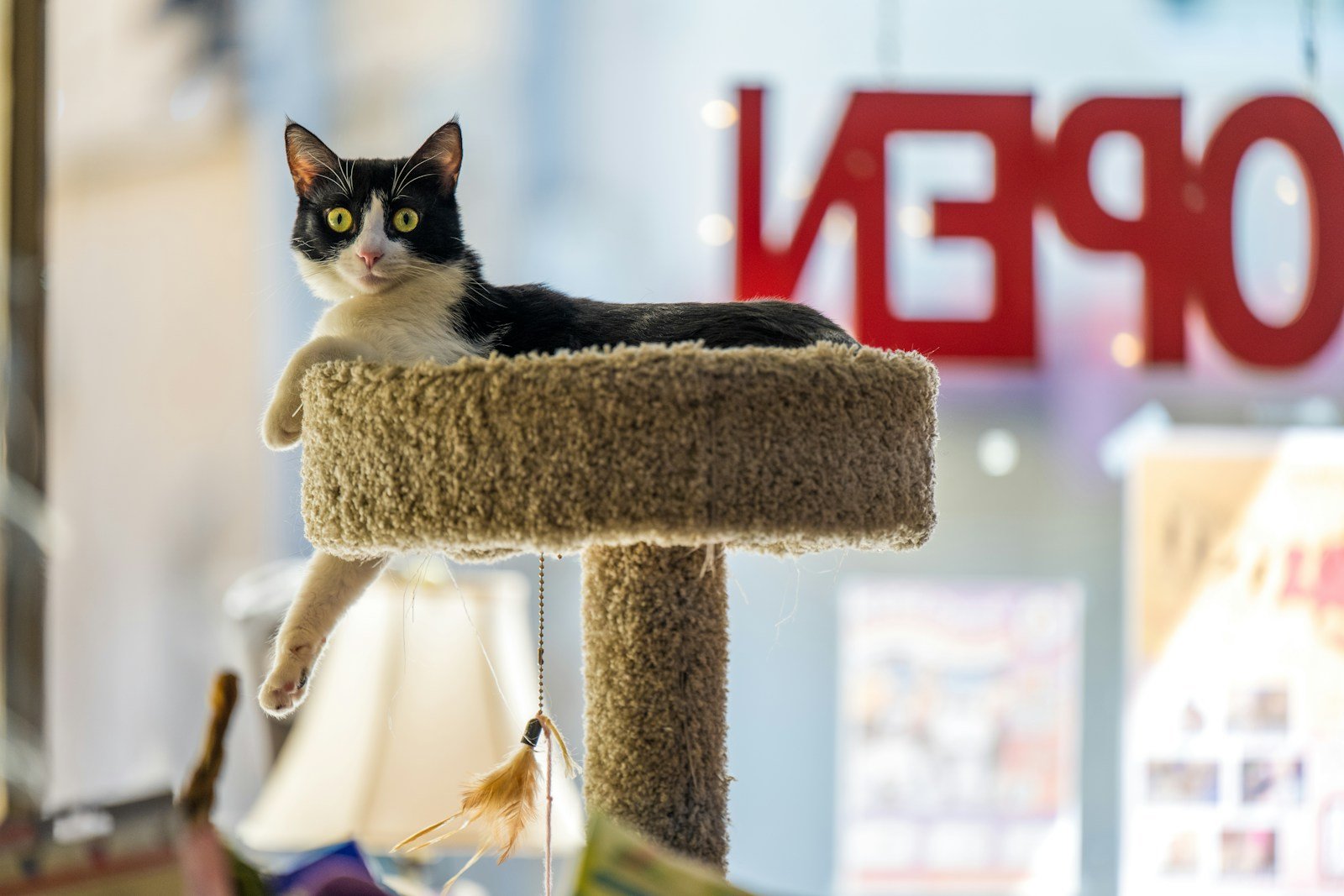
A high vantage point can help a cat feel safer by allowing her to avoid potential threats while providing a great hunting view, even if she no longer needs to hunt. This instinct is deeply wired, and ignoring it means missing one of the simplest things you can offer. Cat trees, wall-mounted shelves, and stable bookcases all serve this purpose well.
Access to an elevated area increases the cat’s vertical space and allows her to monitor their environment. Cats love a high spot where they can look out and spot any predators, which is a position that makes them feel safe and secure. A cat perch provides the ideal resting place for felines, where they can view their new home from a vantage point. Think of it as giving her control over her environment without changing anything else in the room.
Letting Your Scent Become Part of Her Safe Zone
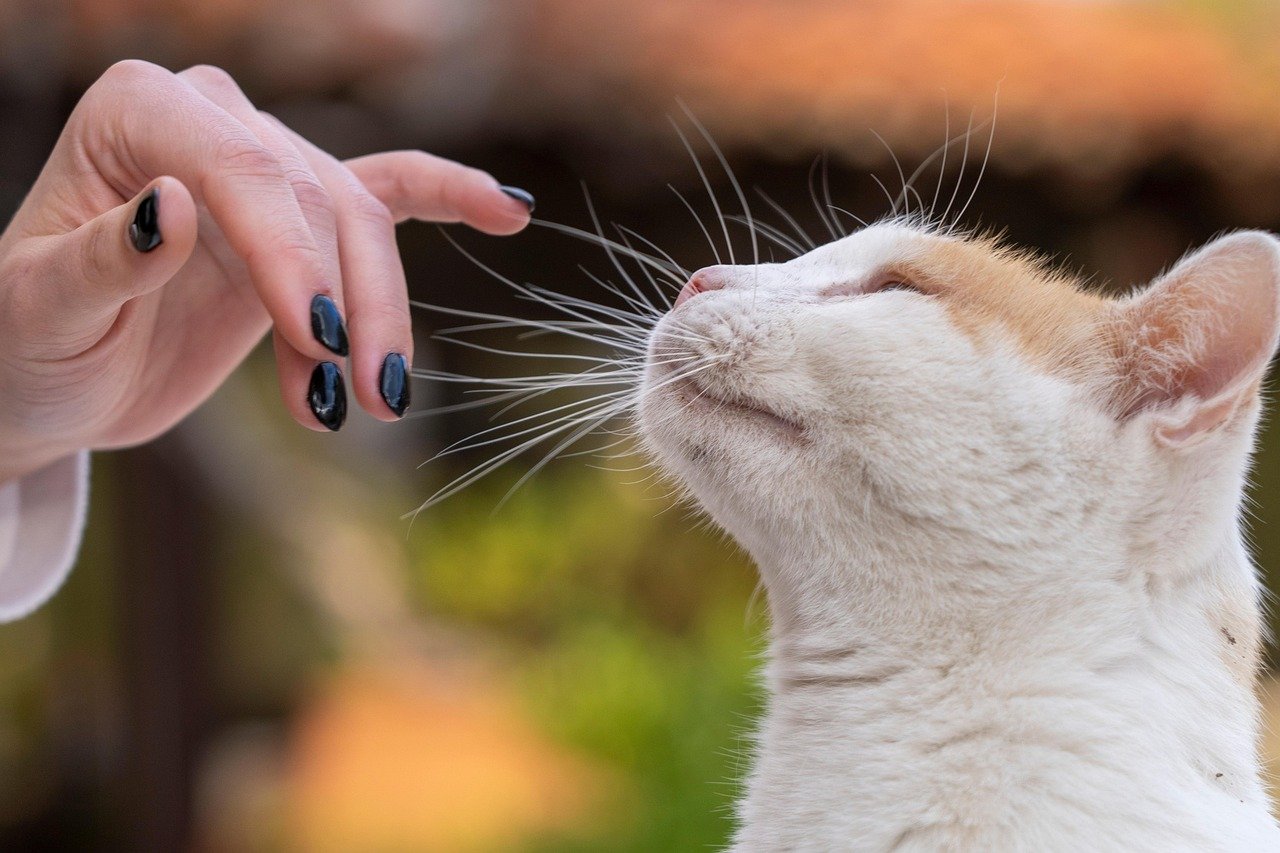
Scent is a huge part of how cats experience security. Placing a used t-shirt, blanket, or towel with your scent in their area can work as a quiet, constant reassurance that you’re nearby, even when you’re not. It’s one of those surprisingly simple things that costs nothing but genuinely helps.
Unlike humans, cats use their sense of smell to evaluate their surroundings. Cats mark their scent by rubbing their face and body, which leaves natural pheromones to establish boundaries within which they feel safe and secure. When your scent is woven into their space, it gets layered into that same sense of familiarity. You become part of the territory she trusts.
Synthetic Pheromones for Extra Reassurance
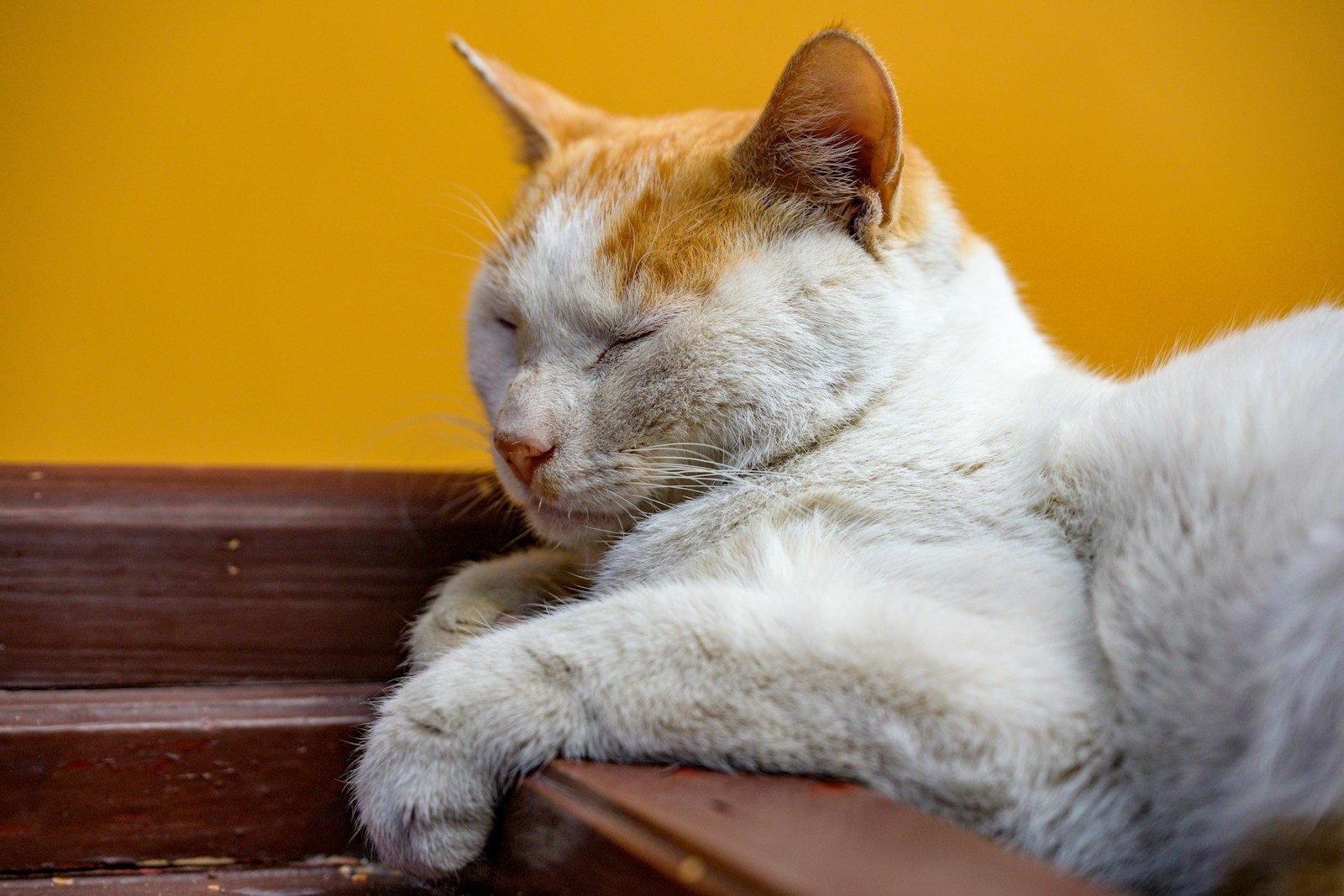
Cat pheromones are natural chemical signals that cats release through glands on their face, paws, and body to communicate with other cats. These pheromones convey a variety of messages, and synthetic cat pheromones, found in products like sprays and diffusers, mimic natural calming pheromones. Used thoughtfully, these products offer a layer of environmental comfort you can’t replicate any other way.
Using synthetic pheromones generated to induce feelings of happiness, safety, familiarity, and comfort can help cats feel more relaxed in stressful situations, and more secure and comforted in their home. Some cats may be more receptive to the pheromones and alter their behavior, but pheromone products aren’t magic elixirs. The underlying cause of the stress must also be identified and resolved. Think of them as one useful tool in a broader approach, not a standalone fix.
Play That Actually Mimics the Hunt
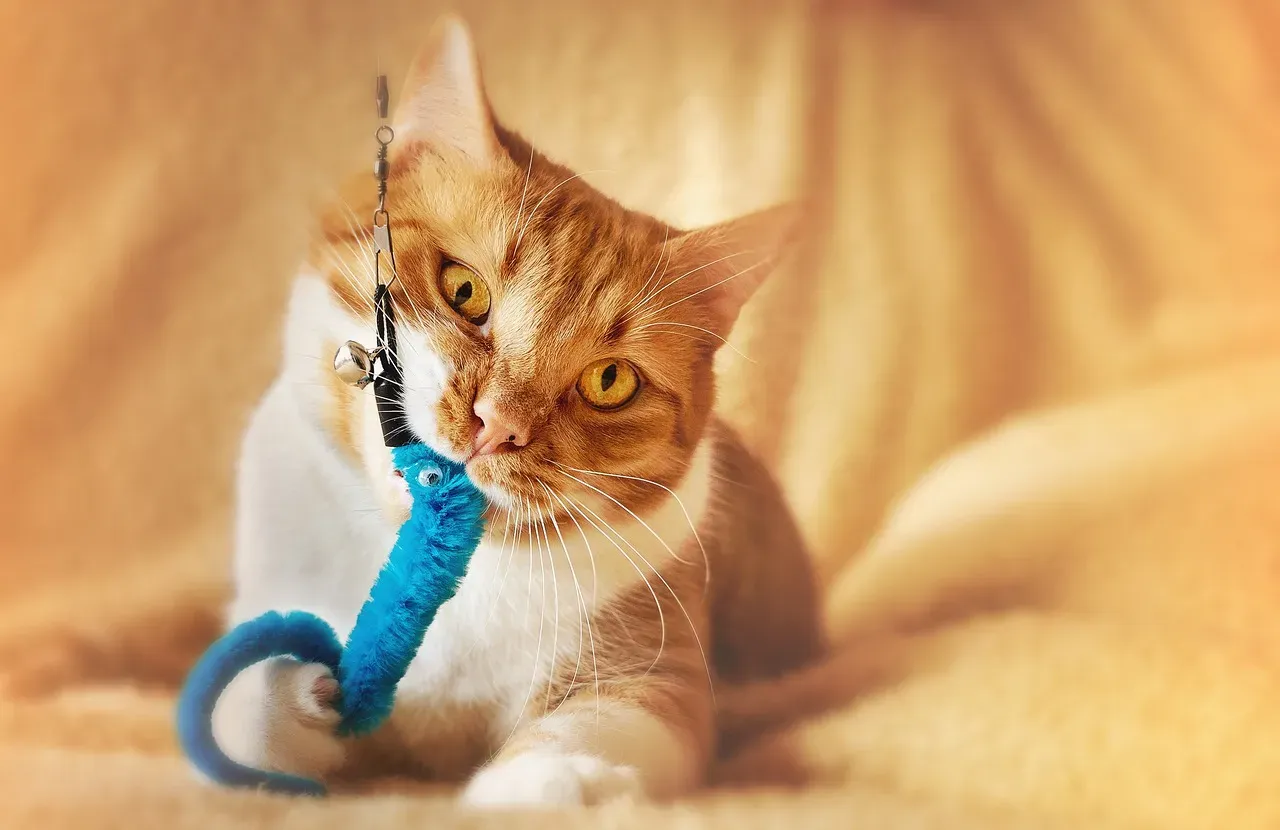
Play and predatory behaviors allow cats to fulfill their natural need to hunt. Play can be motivated with the use of interactive toys that mimic prey, and cats need to be able to capture the “prey” at least occasionally to prevent frustration. A session that always ends in failure is surprisingly discouraging for a cat, so letting her “win” matters more than you’d think.
Happy cats feel safe and loved. Regular play sessions have the double benefit of keeping stress levels down and fitness levels up, and sessions should be around 10 to 15 minutes long, with two a day enough to provide plenty of stimulation. Mental challenges are just as important as physical exercise for your cat’s emotional health. Puzzle feeders, hidden treats, and interactive toys keep their minds sharp and engaged, and bored cats often become anxious or destructive cats.
Calm, Steady Energy on Your End
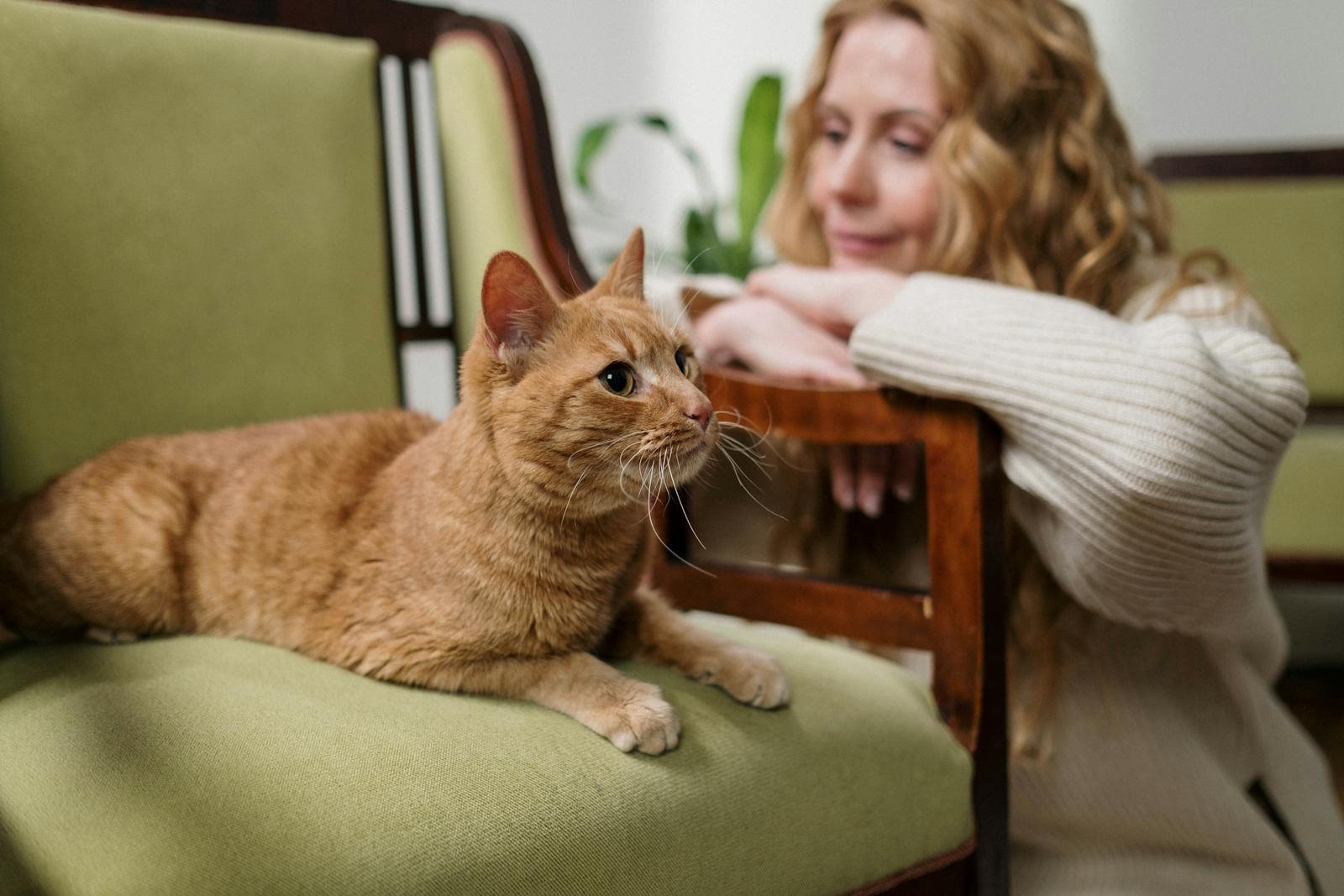
Your tone of voice is like a magic wand for your cat’s emotions. Cats are incredibly sensitive to vocal energy and can instantly tell if you’re stressed, angry, or calm. This is something most cat owners underestimate. Your emotional state doesn’t stay invisible to your cat. She reads it through your voice, your posture, and the pace of your movements.
Cats as a species are both predators and prey, which means they can have a tendency to be hyper-aware of their surroundings and therefore can be really sensitive to everything happening around them. Changes in routine, unfamiliar guests, renovations, or even a new smell can be enough of a stressor to set them off kilter. Staying genuinely calm around your cat, not just performing calmness, is one of the most underrated gifts you can give her.
Introducing Changes Slowly Instead of All at Once
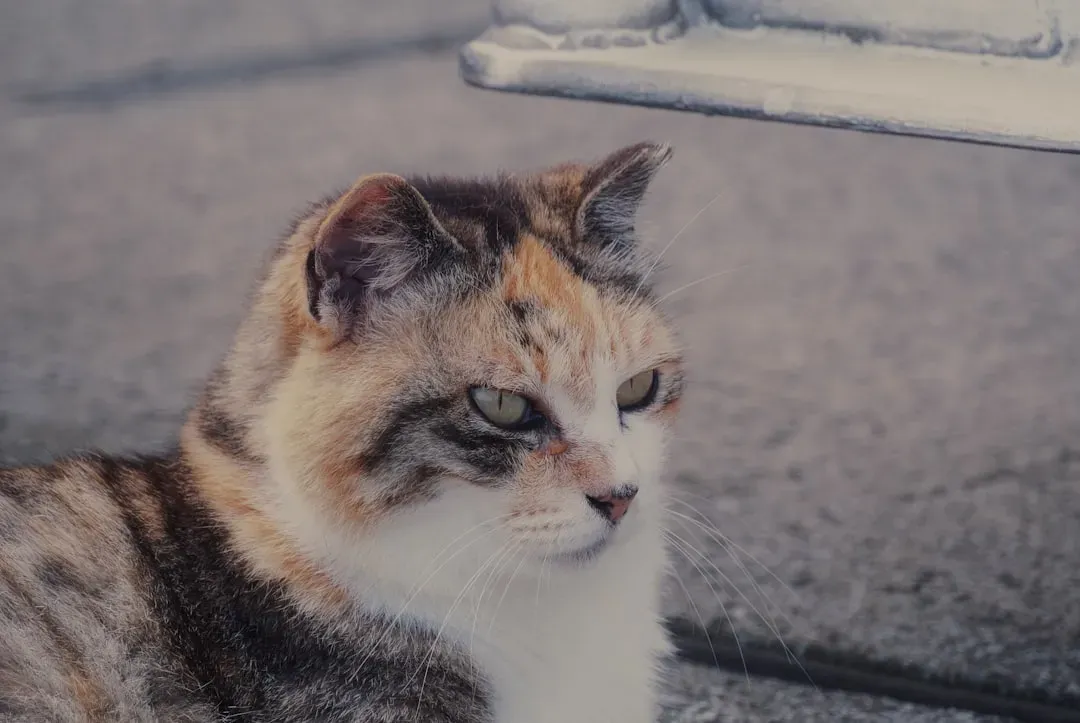
Introduce new things slowly. Cats aren’t too keen on change, and if you are going to be welcoming a new pet into your home or planning on changing the furniture around, make it a gradual process. Give them time to get used to any changes, and of course, make sure you have their safe space prepared. This applies to everything from a new sofa to a visiting relative.
When learning how to make a cat feel comfortable with you, get your feline used to you and the other people you live with before inviting multiple visitors over. Having too much change or noise all at once can be stress-inducing for cats, so keep things consistent in the early days, give your cat a chance to get used to you, and introduce new people slowly. Patience in those transitional moments builds the kind of trust that lasts for years.
A Thoughtful Conclusion
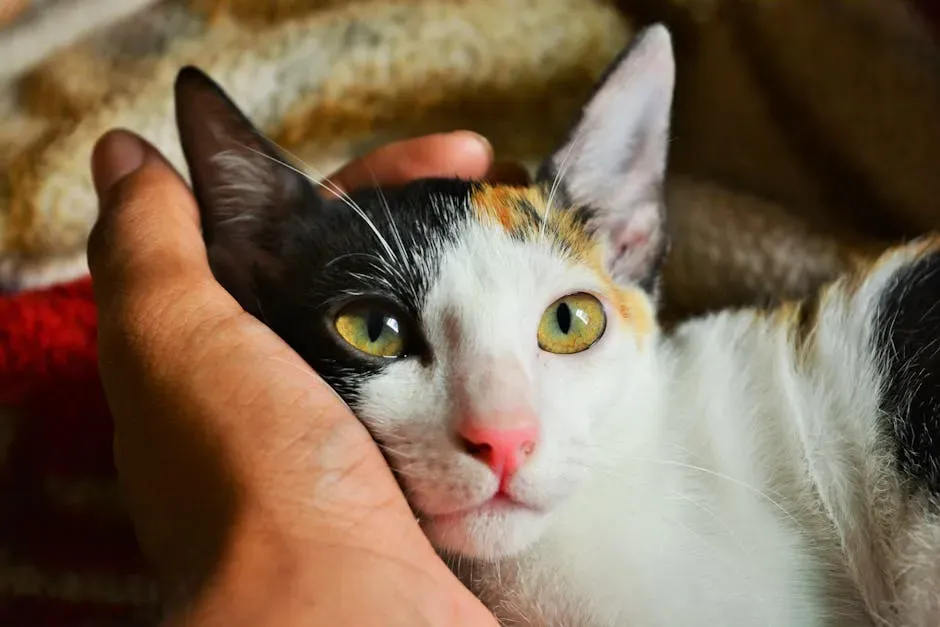
What’s striking about all of these things is how few of them require spending money or making dramatic changes. Most of them are simply about paying attention, reading your cat’s signals, and responding in ways that make sense to her rather than to you. The majority of cats use their owner as a source of security. Your cat is depending on you to feel secure when they are stressed out.
That dependence is quiet, subtle, and easy to miss. The most powerful changes often come from the smallest, most consistent actions. Your cat doesn’t need grand gestures; she needs your daily attention to the little things that matter most to her. A cat who feels safe doesn’t always show it loudly. She shows it by staying close, relaxing in the open, and choosing you over her hiding spot. That, in its own way, is everything.
Kristina is a young writer from India. An arts graduate and an avid content creator, Kristina is passionate about animals and wildlife. She enjoys exploring topics related to pet care, animal behavior, conservation, and nature, combining thorough research with engaging storytelling.