If you have ever watched your cat abandon a perfectly good, expensive cat bed in favor of an old shoebox, a pile of laundry, or the exact corner of the couch you are trying to sit on, you are not alone. Cats are opinionated sleepers, and honestly, they make no apologies for it. There is a whole world of instinct, science, and surprising behavioral logic behind every single spot your cat selects.
What looks like randomness to you is actually a complex, carefully considered decision. From the temperature of the air to the scent in the fabric, your cat is running a silent checklist every time they curl up. So let’s dive into the fascinating, sometimes baffling, and always entertaining world of feline sleep architecture.
The Sleep Marathon: Why Cats Rest So Enormously Much
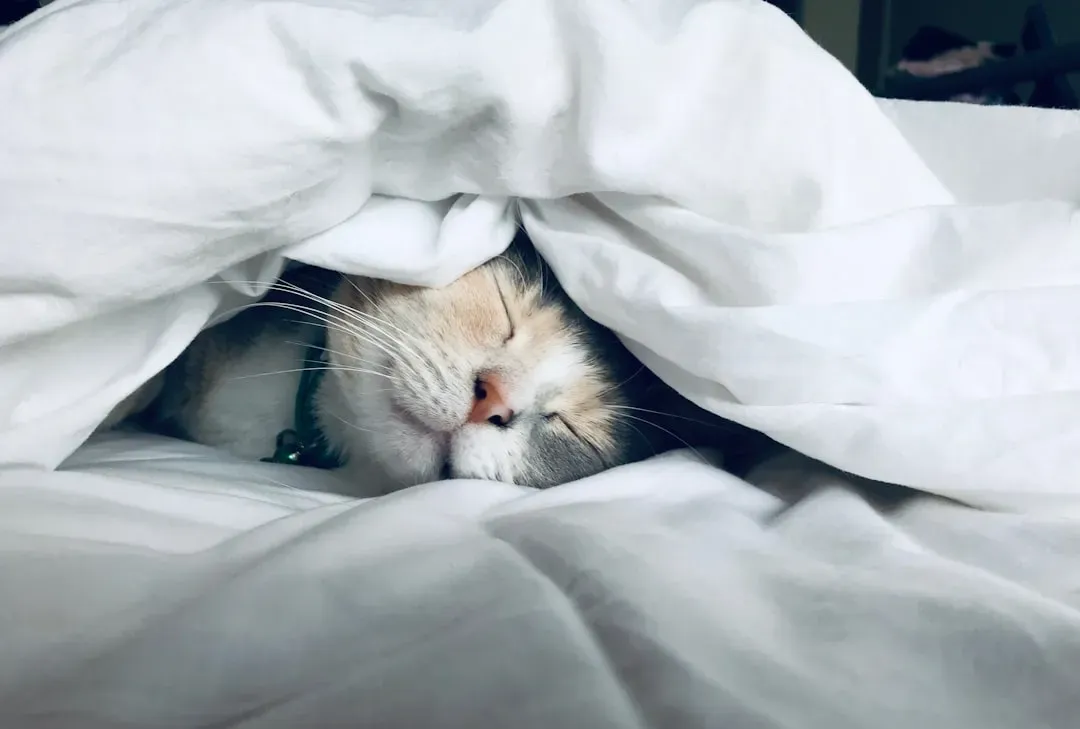
Let’s be real, the first thing most people notice about cats is just how much they sleep. It is genuinely staggering when you think about it. Adult cats sleep twelve to sixteen hours a day, and kittens or seniors sleep even more. That means your cat spends roughly two thirds of its entire life in slumber. If you did that, you would probably get some concerned calls from loved ones.
The reason is entirely rooted in biology. Conserving energy is a natural instinct for cats, primarily inherited from their wild ancestors. Having plenty in their reserves for activities like hunting, playing, or exploring ensures they do not fall short. By sleeping for extended periods, cats build up the energy required for intense physical activity, a trait especially integral in their natural predatory roles.
Sleeping is not only important for your cat’s physical condition, but also for its emotional well-being: like us, cats process certain experiences in their dreams. So the next time your cat is stretched across your keyboard, just remember, they are literally doing important emotional processing work. Or so they would tell you.
The Science of the Catnap: Light Sleep, Deep Sleep, and Dreaming
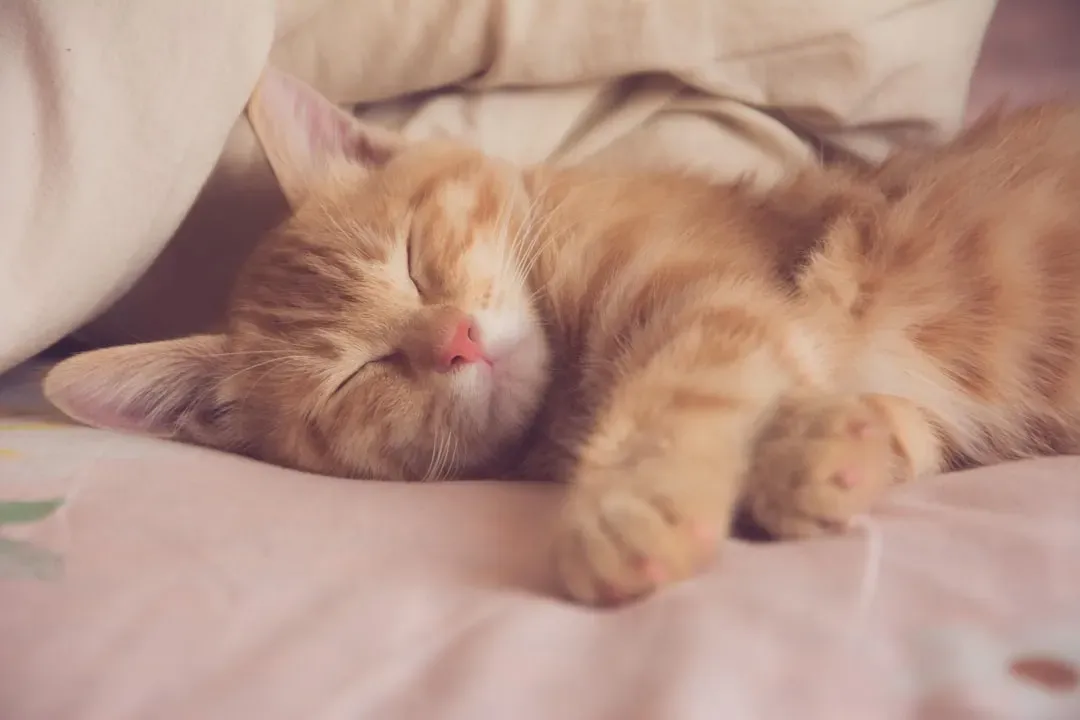
Your cat’s sleep is far more sophisticated than a single long snooze. Cats have a polyphasic sleep pattern, sleeping multiple times a day. While humans usually sleep for one long period at night, cats take several short naps. Their naps last an average of seventy-eight minutes, but often range between fifty and one hundred thirteen minutes. Think of it like a series of power naps stacked together throughout the day.
Although humans and cats have different sleep-wake cycles, our average eight hours typically overnight compared to their nearly double amount of shut-eye during the day, we do share similar sleep stages, drifting into light sleep then deep sleep and back to light sleep. What is truly wild is what happens during the REM phase. Just like in humans, REM sleep is associated with dreaming. In this stage, you may notice your cat twitching, moving their paws, or making soft noises as they dream about their hunting adventures.
REM and non-REM sleep play crucial roles in a cat’s restorative functions. Non-REM sleep allows for physical recovery, such as muscle repair, while REM sleep is essential for cognitive processes and emotional well-being. So that twitching paw? Your cat is deep in a dream right now. Probably hunting something. Possibly you.
Safety First: The Deep Instinct Behind Every Sleeping Spot
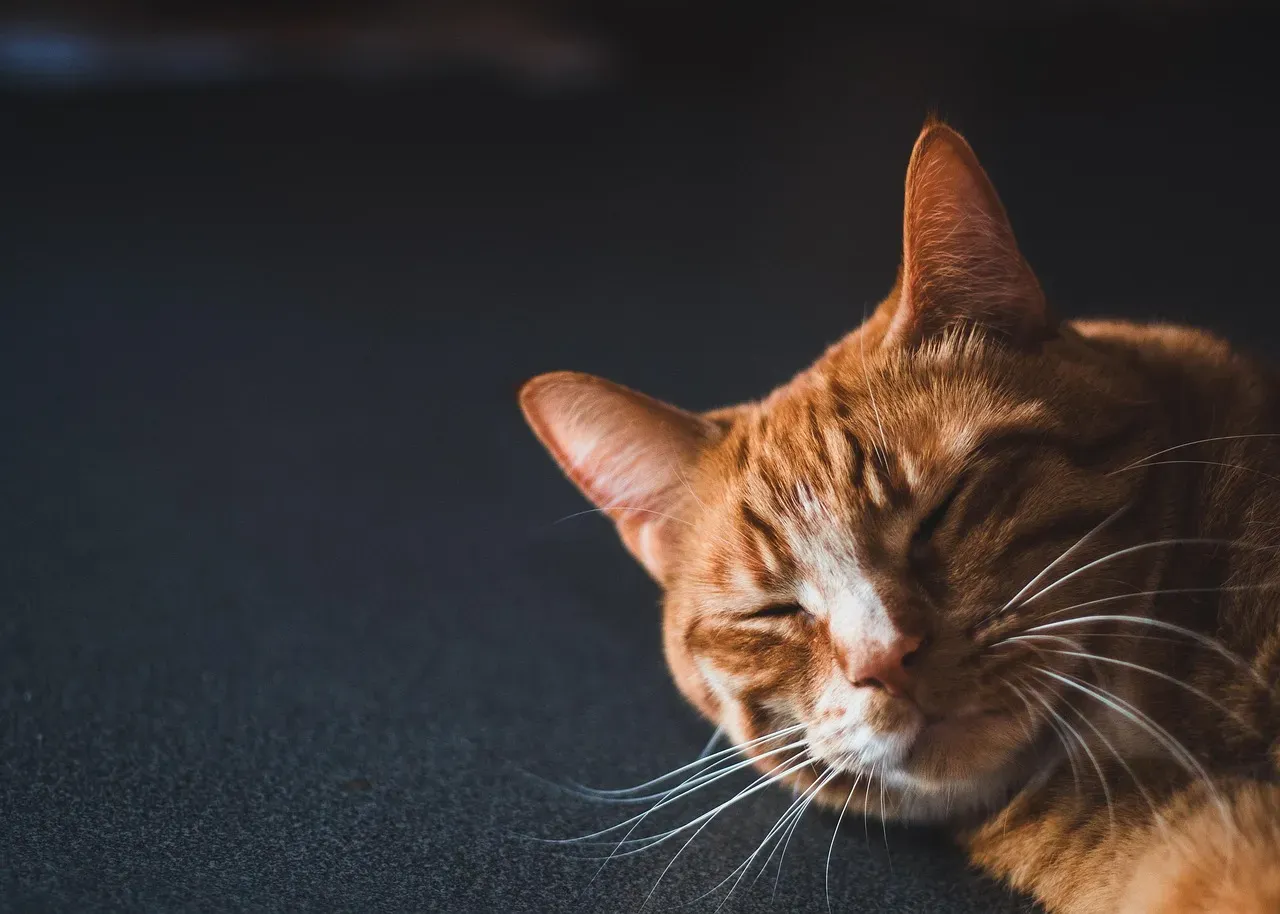
Here is the thing most people do not fully appreciate. Your cat’s choice of sleeping spot is not casual. A cat’s sleeping place has to be safe. That is priority number one for cats. This runs deeper than comfort alone. It runs all the way back to survival itself. Every napping decision your cat makes carries a ghost of ancient wild instinct.
In the wild, cats are prey to larger carnivores, which makes them particularly sensitive to the need to preserve their own safety, especially at times of heightened vulnerability, like when they are asleep. Think about that for a second. Your plump house cat, luxuriously snoozing on a velvet pillow, still carries the neurological wiring of a creature that had to worry about being eaten in its sleep. Cats’ instincts and ancestral traits as predators play a role in how they choose their sleeping spots. They need to stay alert to their environment, which might lead them to adopt a ready-for-anything posture even while resting. This instinctive behavior keeps them prepared to spring into action at a moment’s notice.
The Temperature Equation: Chasing Warmth Like a Professional
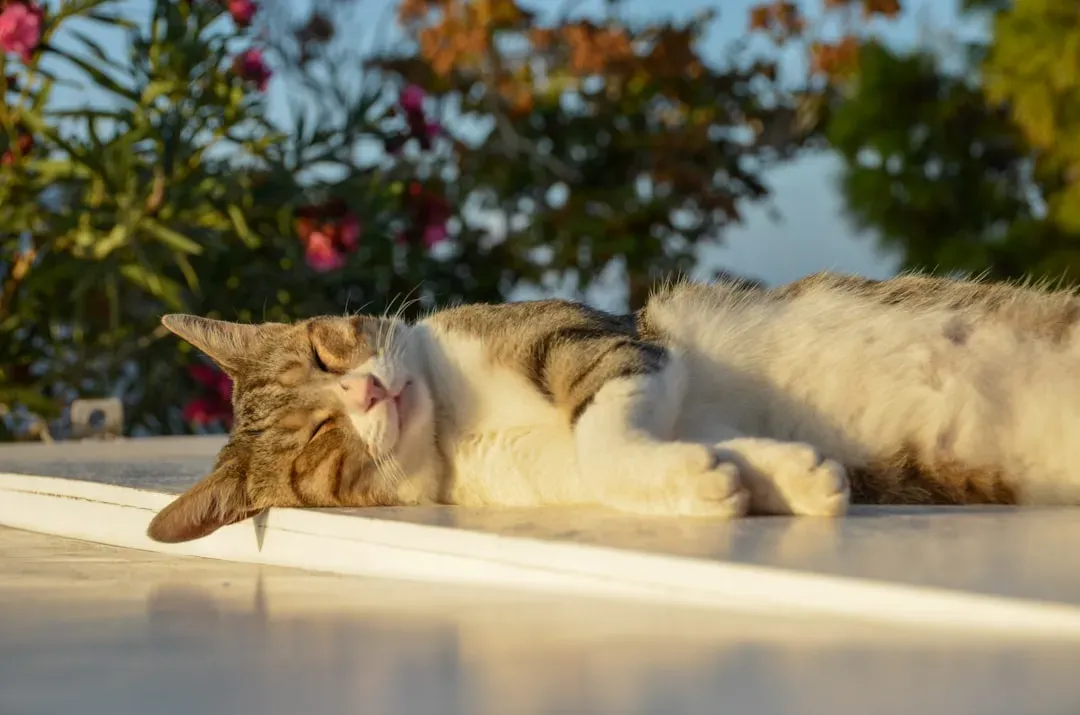
You have seen it happen. The sun moves and your cat moves with it, relocating their nap across the floor like a furry sundial. Temperature tends to be the biggest factor. Depending on the changing weather and season, cats might prefer a spot that is particularly warm or cool based on their needs. That could mean snuggling up on a pile of fresh laundry, following a patch of sun across the carpet, or spreading out on a cold tile floor.
It is no secret that cats are heat-seekers. Their body temperature runs higher than ours, so they instinctively seek out the warmest spots for rest. It is a bit like how some people will travel across an entire office to find the one warm vent. Cats do this instinctively, methodically, and without embarrassment. Cats also change their preferred sleeping spot depending on the temperature. In the winter, when it is colder, they like a warm, cozy spot. In the heat of summer, they might pick the bathroom sink as their primary place or favorite napping spot. A bathroom sink. Absolute geniuses.
High Ground Ambitions: Why Your Cat Claims the Top of Everything
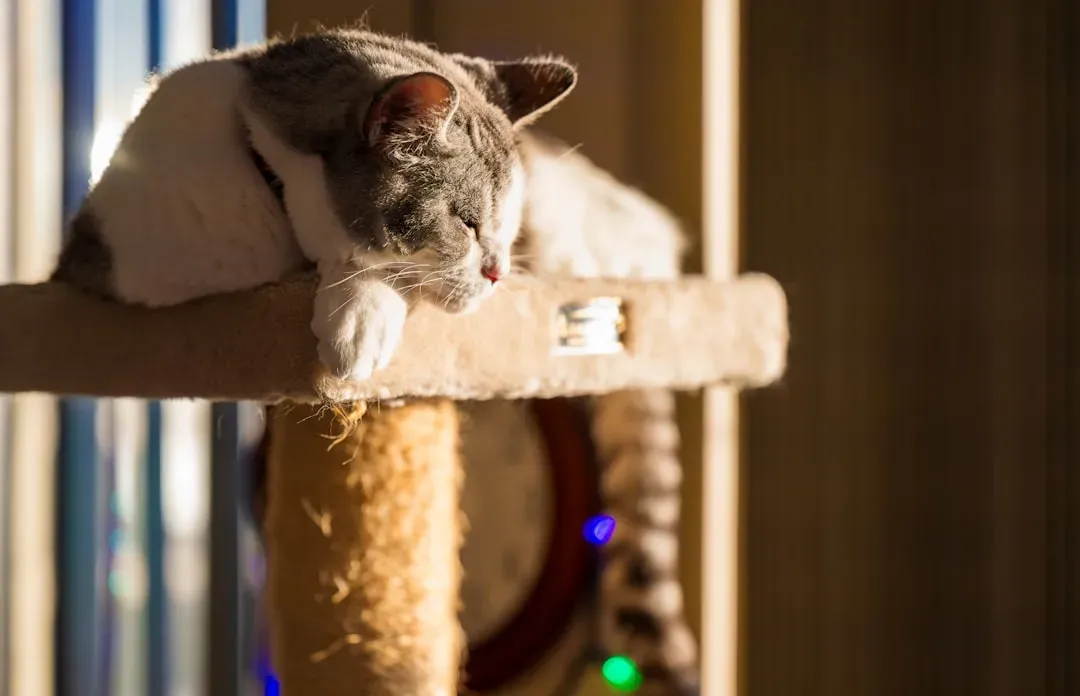
According to animal behaviour experts, most cats prefer to sleep and hang out in places with good vantage points. It comes from their instinct to protect themselves, and a high position for sleeping or resting gives them an aerial advantage for spotting any potential dangers around them. This is why your cat will ignore the $80 bed on the floor and instead colonize the top of your refrigerator. The fridge is not just warm. It is a throne with a view.
Cats are territorial by nature, and high places play a critical role in how they monitor and manage their environment. In the feline world, whoever occupies the highest vantage point often holds the social advantage. That is why in multi-cat households, you will frequently find the dominant cat lounging on the tallest perch while others settle for lower ground. It is essentially a status symbol. The penthouse suite versus the basement apartment, in cat terms. Another basic function of high places, especially in climate-controlled homes, is to provide a warm location for cats to rest. Because warmer air rises, cats might prefer the tops of appliances, cat trees, and bookshelves over cold floors.
The Love of Enclosed Spaces: Boxes, Nooks, and Cozy Dens
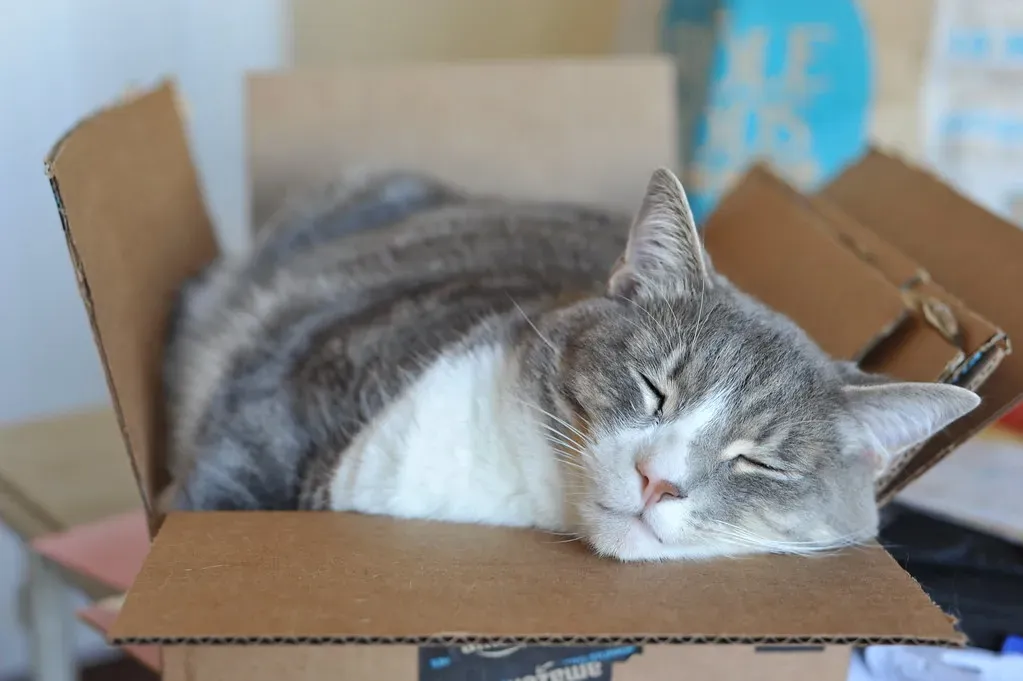
If you have ever set down an empty cardboard box and watched your cat materialize inside it within thirty seconds, you already know this section is true. Cats have an instinctual need for secure hiding spots, which explains their often-observed fascination with jumping into empty cardboard boxes. Much like tents provide shelter and security for humans, boxes offer cats a cozy refuge that keeps them warm and gives them a strategic vantage point with an easy exit route.
Boxes also give your cat security and warmth, sort of like camping tents do for humans, while providing an easy exit, just in case. When cats try to fit into a box that seems too small, they are seeking security, like an infant feels when they are swaddled. This explains why your cat insists on trying to fit into a box clearly designed for a cereal box, not a full-sized Maine Coon. Your cat may prefer small, enclosed spaces too, particularly when asleep. Again this comes from the need to feel protected. Many cats love to sleep in cardboard boxes that are enclosed on all sides as this means that they only have one point of entry to keep a sleepy eye on, reducing their vulnerability.
Scent, Routine, and the Sacred Sleeping Spot
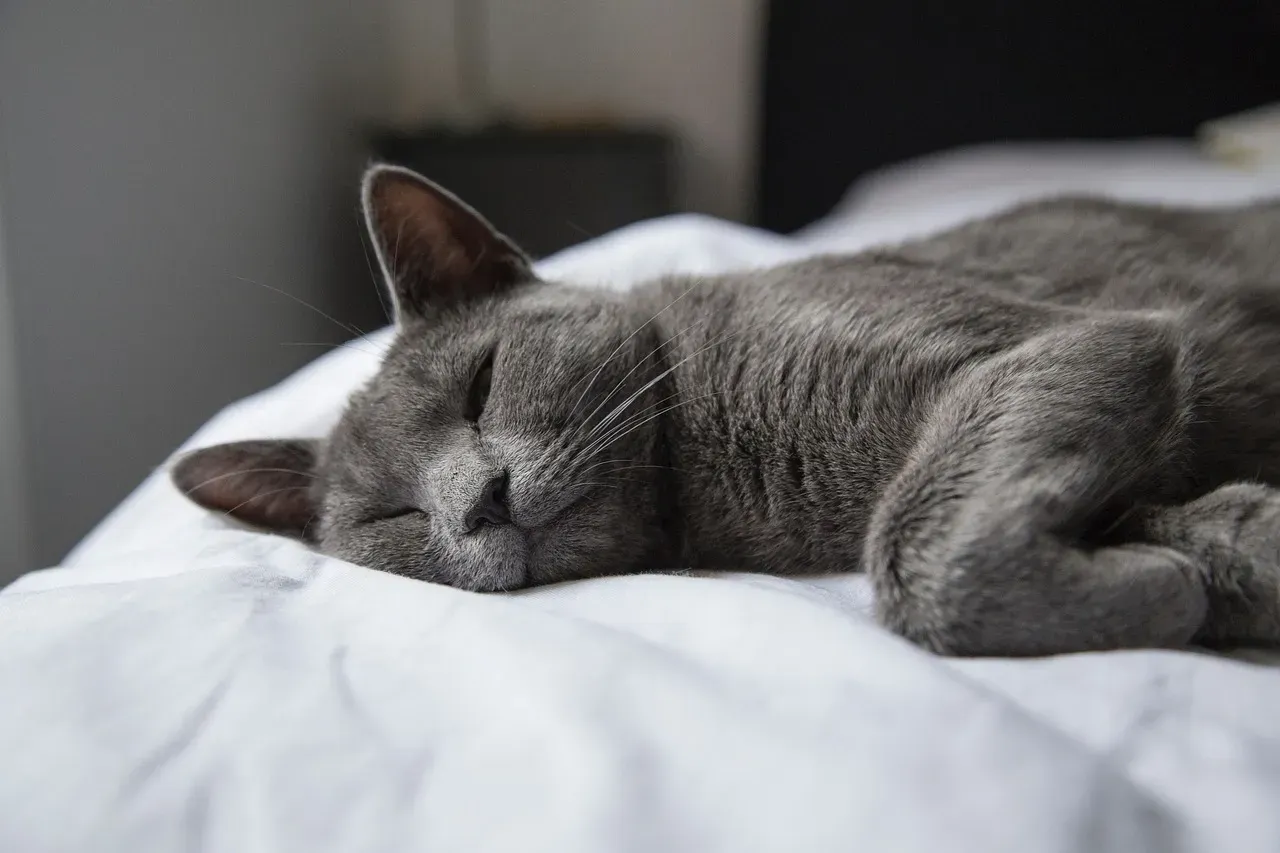
Your cat is not just looking for a warm, safe, elevated place to sleep. They are looking for a place that smells right. Once a cat discovers that your bed offers comfort, warmth, and the reassuring presence of its human, it will often return to that spot night after night. This repetition is partly due to scent association. Your bed carries both your scent and the cat’s own scent, creating a powerful signal of safety and familiarity. Over time, it becomes a reliable safe zone where your cat can fully relax.
Cats are creatures of habit, relying on predictable patterns to feel secure in their environment. This reliance on routine is deeply ingrained: as both predators and prey in the wild, predictability helps them save energy and stay safe. At home, this instinct translates into consistent daily habits, like using the same scratching post, meowing for food at the same time each day, and of course, seeking out a familiar sleeping spot. It is honestly something to admire. A cat’s sense of smell is approximately fourteen times stronger than a human’s, making scent one of the primary factors influencing their sleeping preferences.
Why Cats Switch Spots: The Rotation Strategy
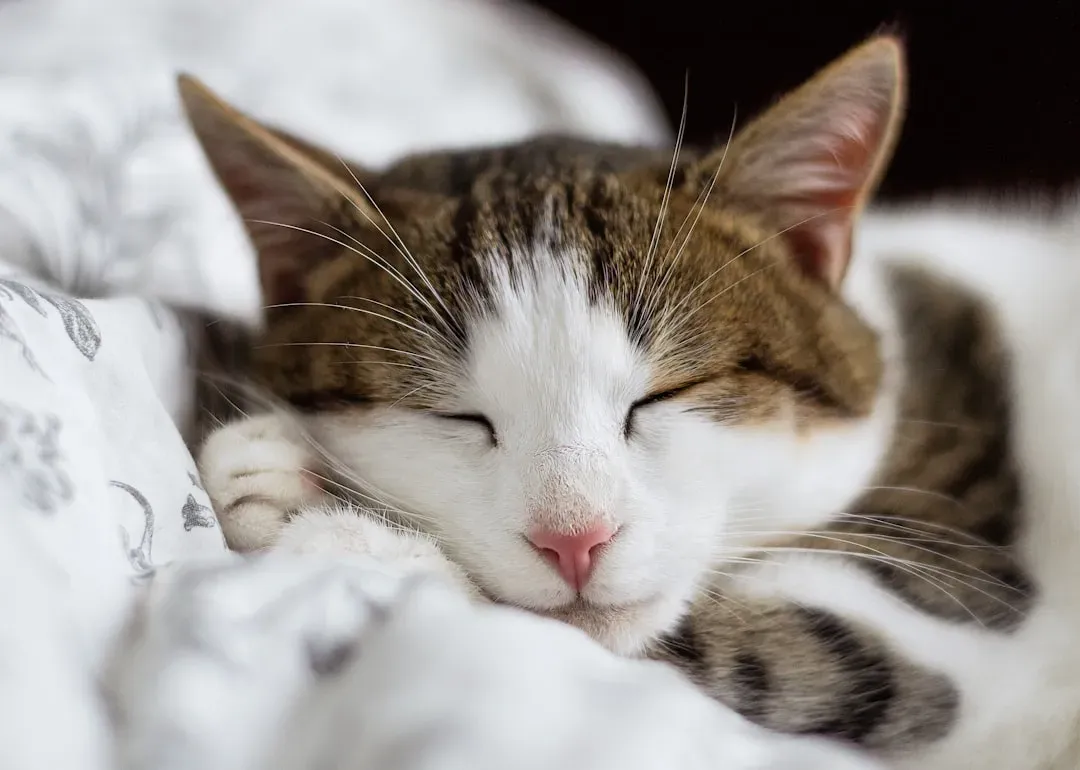
Just when you think you have your cat figured out, they abandon their beloved corner and relocate somewhere entirely new. Maddening, right? There is actually a compelling evolutionary reason behind this. Changing sleeping locations is a cat’s natural instinct and reminds us that cats might be domesticated, but they are just one catnip-stuffed mouse away from being wild. Eons ago, cats developed the practice of changing up their sleeping locations for their own protection. Cats’ sleeping spots soon acquire their scent, allowing predators to track them to their lairs.
It is a bit like a spy changing safe houses. Your cat does not know there are no predators in your living room, but the instinct runs so deep it does not matter. Sometimes the reason cats move around is simple: they like novelty. Many cats just like to mix things up. They like something for a while and then get bored and switch. It is just a quirky thing they do because they like variety. I think that is actually relatable. Even the most comfortable spot gets stale eventually. Prime sleep spots are a resource just like food or water, and cats especially those in multi-pet or multi-cat homes will often rotate through the best and most popular spots throughout the day.
Sleeping Near You: Trust, Warmth, and Feline Affection
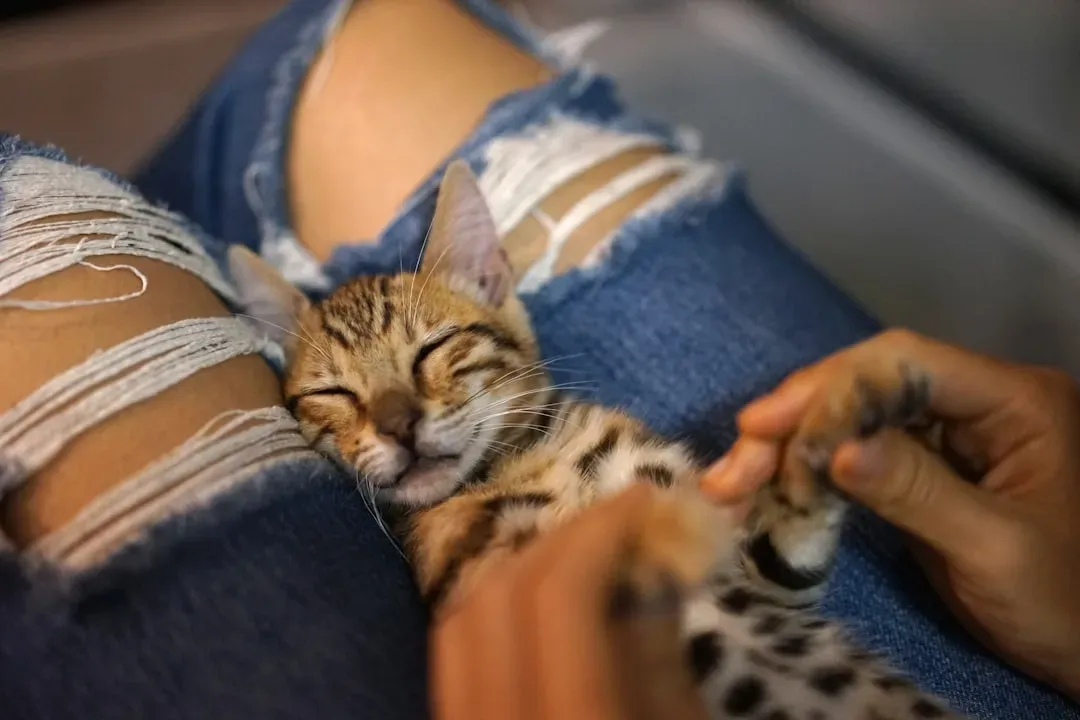
When your cat chooses to sleep on you, near you, or at your feet, it means considerably more than convenience. When your cat sleeps on you, they are taking full advantage of your consistent body heat. This choice goes beyond simple coziness. It is actually an efficient way to conserve energy and stay warm. Maintaining proper body temperature requires significant metabolic effort from your cat, and by snuggling into a comfy spot on your body, they reduce the energy expenditure needed to stay comfortable.
Beyond practicality, sleeping near your head is a significant sign of trust and affection. Cats that form close social bonds tend to sleep in physical proximity to those they trust, whether it is other cats or their human companions. It is their version of saying “I trust you with my most vulnerable state.” That is genuinely sweet when you think about it. Where a cat settles down for a nap must be safe, with no danger around. When your cat chooses you as somewhere to sleep, she trusts you. So if your cat is currently asleep on your lap, congratulations. You passed the test.
Conclusion: Your Cat’s Sleep Space Is a Window Into Their Soul
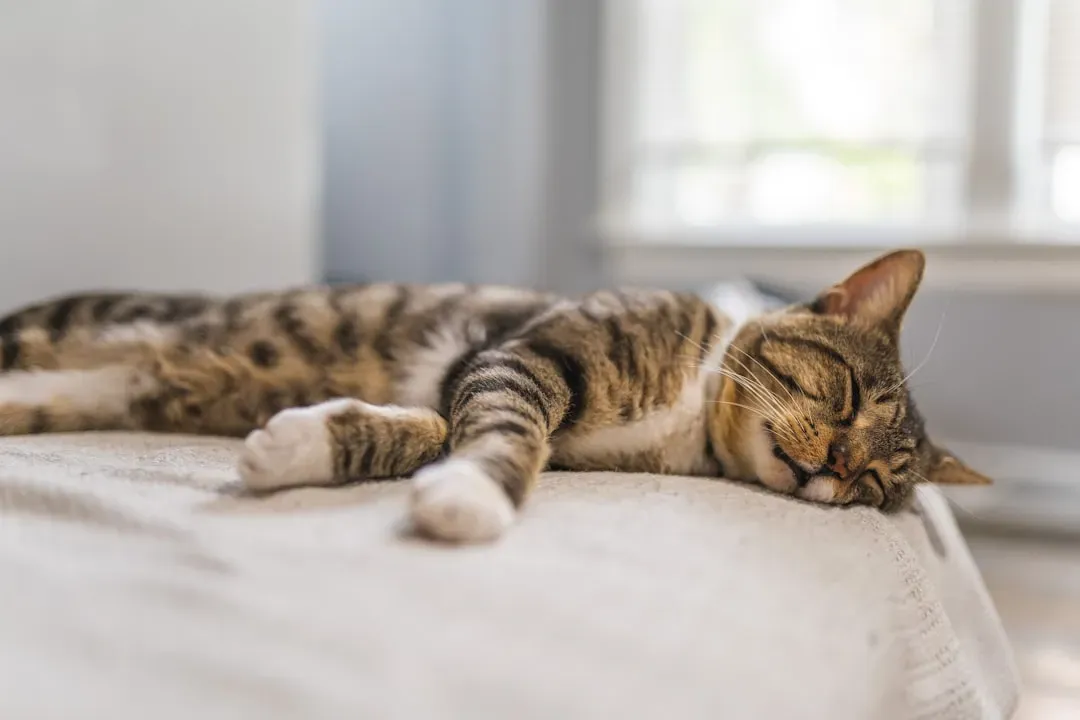
There is something quietly profound about understanding how your cat chooses where to rest. Every decision, from the height of the shelf to the warmth of the blanket to the comforting familiarity of your scent, reflects millions of years of evolutionary history, filtered through the specific trust your cat has built with you. That shoebox or sunbeam is not just a nap spot. It is a statement about safety, comfort, and belonging.
Pay attention to where your cat sleeps and how they sleep there. Understanding where and how your cat sleeps can give you insight into their mood and overall well-being, enhancing your ability to read their body language. You may notice patterns you never saw before, a preference for elevation when they feel anxious, a move toward you during colder nights, a rotation of spots that mirrors the seasonal shift of the sun. Adequate and uninterrupted sleeping habits are vital for a cat’s overall health, as it helps consolidate memory, regulate mood, and boost the immune system.
Your cat is not just sleeping. They are designing a life that feels safe and meaningful, one carefully chosen nap spot at a time. The next time they bypass the luxury bed and climb into a cardboard box, try not to take it personally. They are just being magnificently, unapologetically feline. Did you ever suspect so much thought went into something as simple as a catnap?
Kristina is a young writer from India. An arts graduate and an avid content creator, Kristina is passionate about animals and wildlife. She enjoys exploring topics related to pet care, animal behavior, conservation, and nature, combining thorough research with engaging storytelling.