You’ve probably seen it hundreds of times. Your cat settles onto your lap, closes their eyes halfway, and begins that slow, rhythmic pressing of their paws. Left. Right. Left. Right. It looks a little goofy, honestly, but there’s something deeply peaceful about it too.
Most people brush it off as cute feline weirdness. Here’s the thing though: that simple action carries more meaning than you might expect. It’s a window into your cat’s emotional world, their evolutionary history, and yes, the depth of their trust in you. Let’s dive in.
What Exactly Is Kneading, and Where Does the Name Come From?
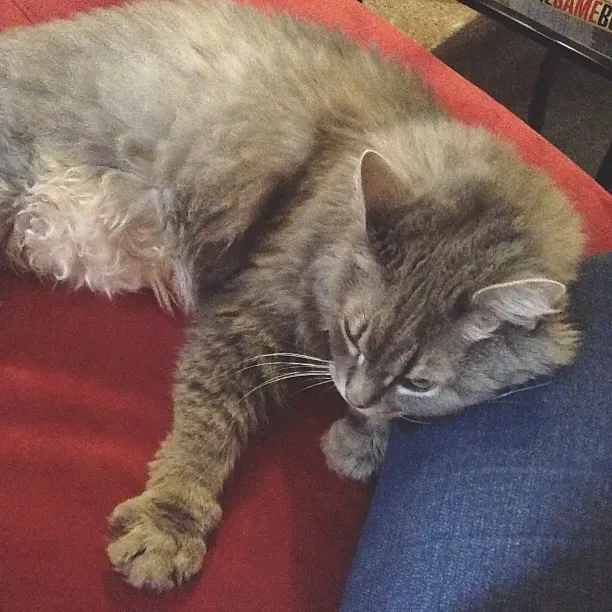
Kneading is a cat’s way of showing comfort, affection, and trust. They do this by rhythmically pressing their paws down, alternating from left to right. Think of a baker working dough on a countertop. The motion is almost identical, which is why cat lovers everywhere have affectionately nicknamed it “making biscuits.”
When a cat feels at ease, it may push out and pull in its front paws against a surface such as furniture or carpet, or against another pet or human, often alternating between right and left limbs. Each stroke is accompanied by a grasping motion of the claws as if the cat were kneading dough. The cat exerts firm downward pressure with its paw, opening its toes to expose its claws, then closes its claws as it lifts its paw. The process takes place with alternate paws at intervals of one to two seconds. It’s almost meditative to watch.
Born to Knead: How It All Starts in Kittenhood
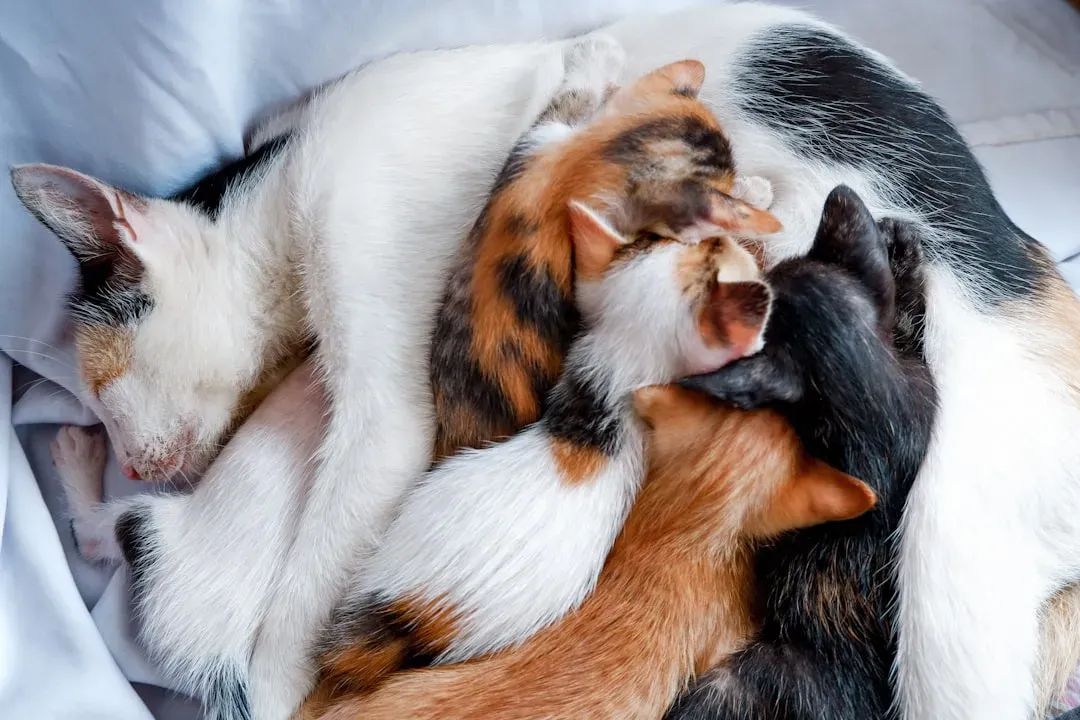
Kneading starts off during kittenhood as an instinctive behavior kittens do on their mother’s mammary glands to stimulate milk production. Through this rhythmic motion, milk will be released. It’s essentially one of the first survival skills a kitten ever develops. Without it, they can’t eat, and without eating, they can’t thrive.
Because nursing and being around a mother cat’s calming pheromones encourages a sense of contentment in young kittens, many cats will continue to knead into adulthood to create a similar sense of calm and relaxation. So when your adult cat kneads your lap, they’re essentially reaching back into their earliest memories of warmth, safety, and nourishment. That’s not a small thing.
The Wild Roots: Why Even Lions and Leopards Do It

Kneading may have an origin going back to cats’ wild ancestors who had to tread down grass or foliage to make a temporary nest in which to rest. Picture a wild cat deep in tall savannah grass, pressing and pawing the ground before curling up for the night. That’s the ancient blueprint your living room cat is still following.
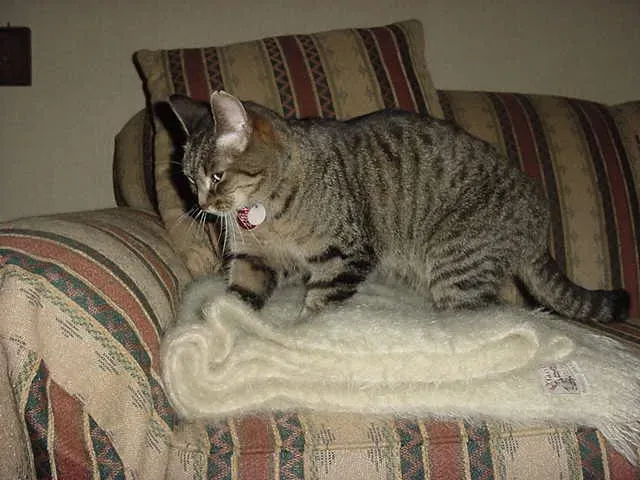
Beyond nursing, the kneading motion may also relate to survival behaviors of wild cats. Wild felines knead grasses and leaves to create soft, comfortable resting spots and to check for hidden threats before settling down. Domestic cats retain this instinct, kneading soft surfaces to prepare a cozy place to sleep, even when the survival necessity no longer exists in a human home. Honestly, it’s a little mind-blowing to think a fleece blanket on your couch is getting the same treatment a jungle floor once did.
The Chemistry of Comfort: What’s Happening in Your Cat’s Brain
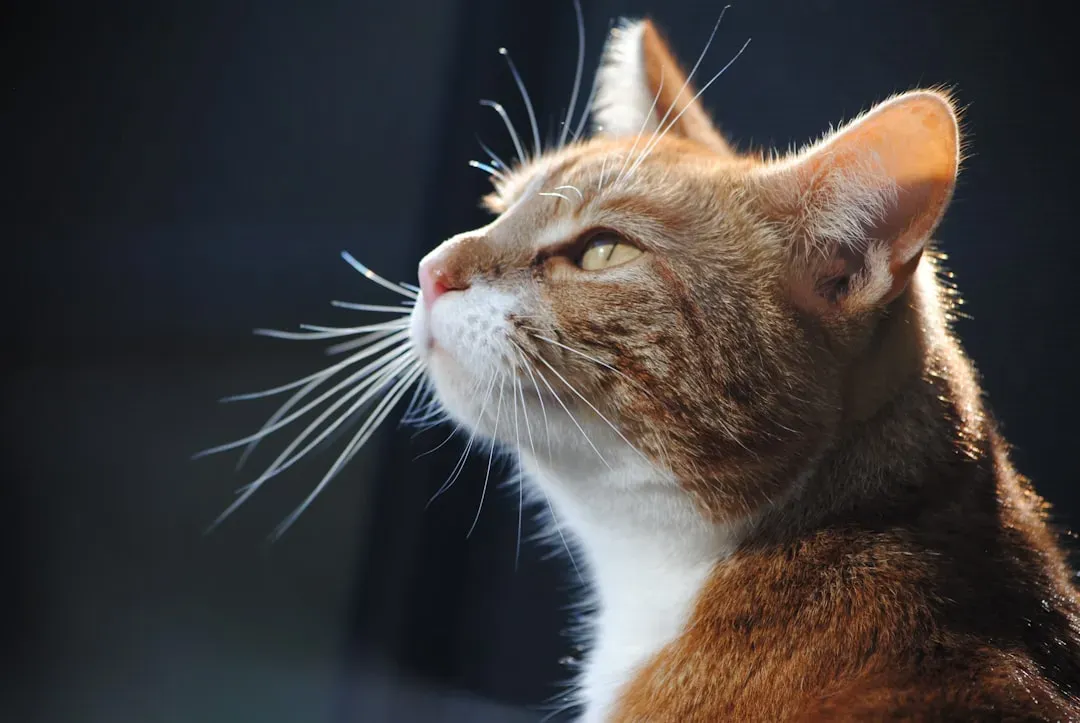
Research suggests that kneading is linked to the release of endorphins, the “feel-good” hormones in a cat’s brain. This explains why cats often purr, drool, or close their eyes while kneading – they are experiencing a natural chemical reward that reinforces the behavior. It’s very similar to the way humans feel calm when engaging in repetitive, soothing actions like knitting or tapping a rhythm.
Kneading while nursing causes the release of oxytocin, which is a feel-good hormone that helps with maternal bonding. The kneading movement may remind cats of being in the comforting presence of their mother. So the next time your cat starts pressing those tiny paws into you with that blissed-out look on their face, know that their brain is literally flooded with feel-good chemistry. You’re basically their happy place.
Kneading You Specifically: A Sign of Extraordinary Trust
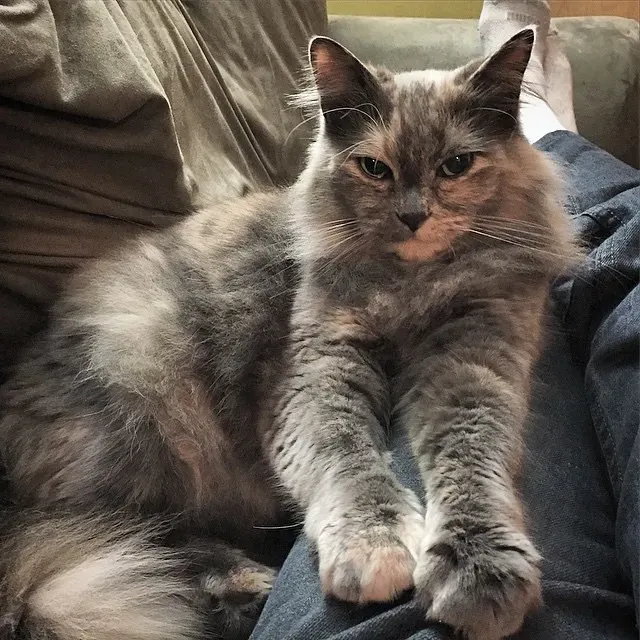
Cats don’t just knead anyone, only the people they trust. It means they see you as a person who provides comfort and security for them. You can observe them doing this on your stomach, lap, or other parts of the body. Let that sink in for a moment. Your cat is extraordinarily selective about who receives this gesture.
Behaviourists believe this is a sign of affection and trust – your cat associates you with the same feelings of warmth and safety they once had with their mother. Many experts note the strong association between kneading and social bonding. When cats knead humans, it’s not simply physical comfort; it’s emotional reassurance. By treating their human like they once treated their mother, cats demonstrate deep trust and affection. You’ve essentially been promoted to “mom status” in your cat’s emotional world. Wear that badge proudly.
Scent Marking: Your Cat Is Quietly Claiming You
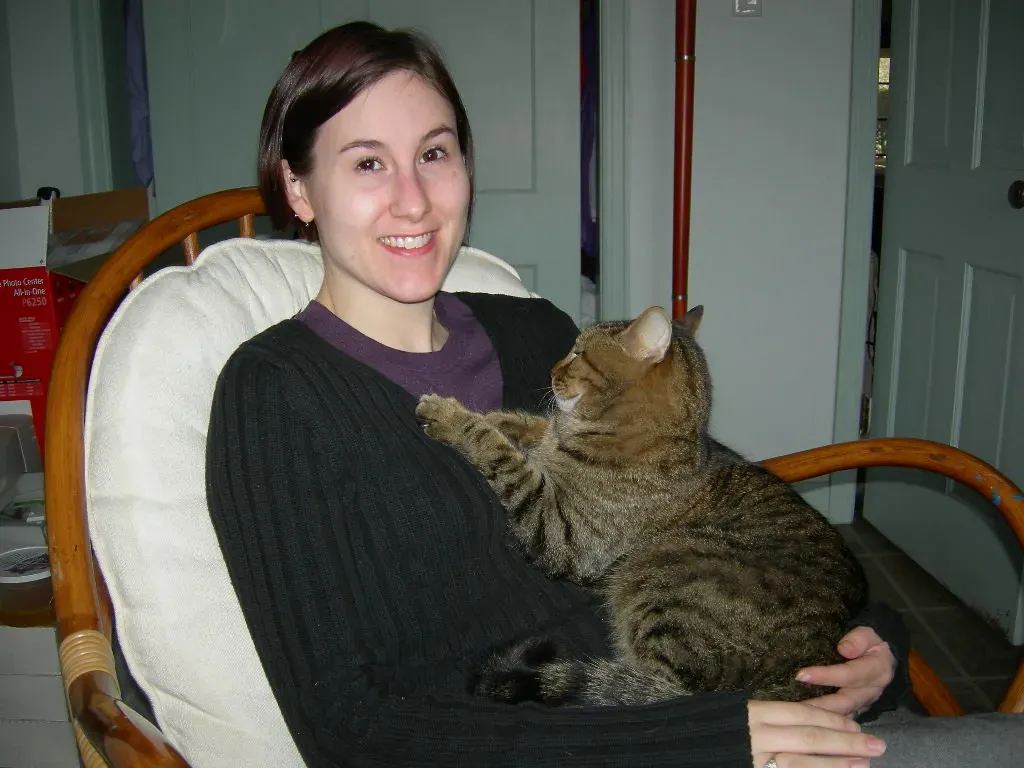
Cats have scent glands in their paw pads, and kneading releases these pheromones onto the surface they’re working on. This subtle marking tells other animals, “This is mine.” In evolutionary terms, scent-marking through kneading was a low-energy, effective way of establishing territory without direct confrontation. It’s territorial, sure, but it’s also deeply affectionate in the way cats express ownership.
Your cat may also knead to mark you with the pheromone glands in his paws, claiming you as his with his unique scent. Think of it as your cat quietly tagging you. Not in a graffiti kind of way, but in a “this human is mine and I love them” kind of way. It’s sweet when you frame it that way, isn’t it?
Kneading Between Cats: A Language of Its Own
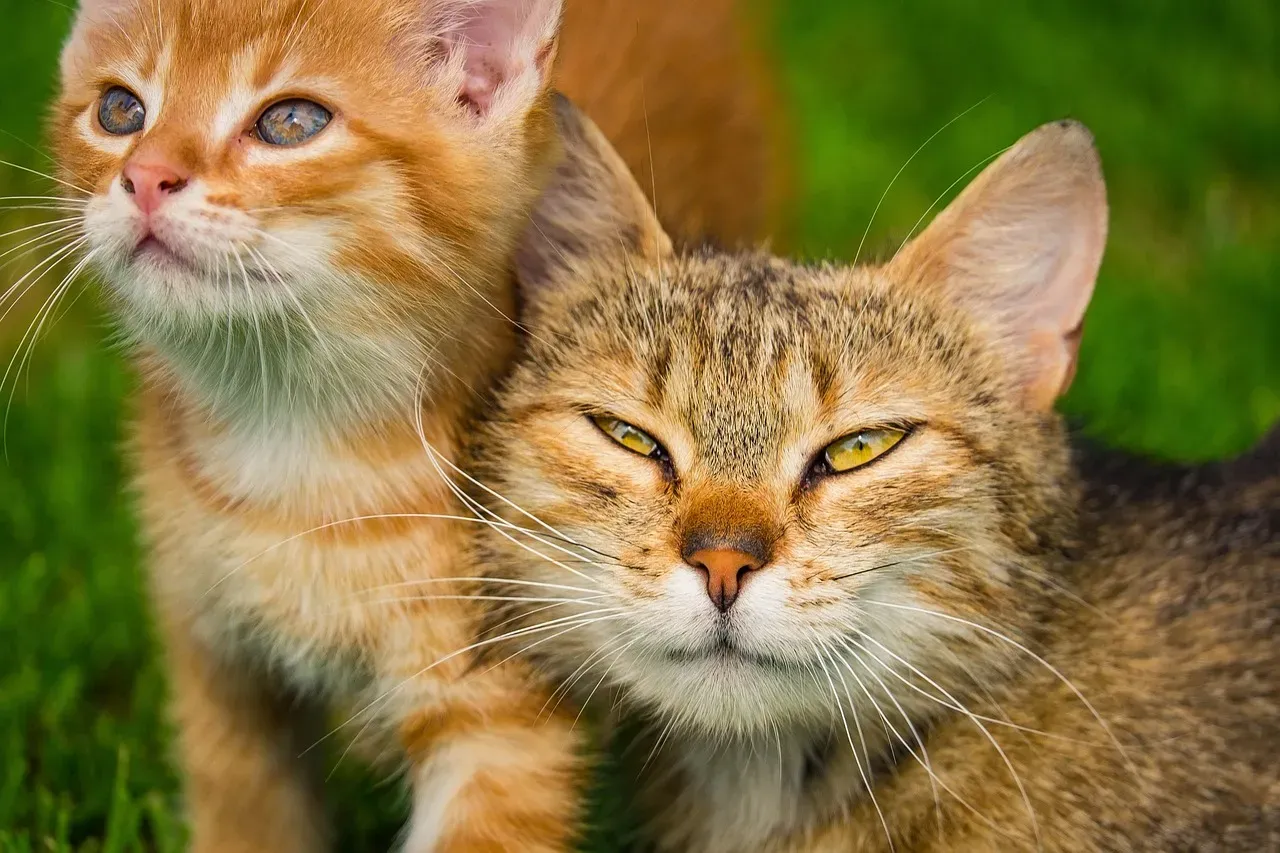
When cats knead other cats, it’s primarily an expression of social bonding and trust. This behavior typically occurs between cats who are already comfortable with each other and share a close relationship. So if you have multiple cats and you notice one kneading the other, that’s a wonderful sign. It means those two have built something real between them.
In households with multiple pets, some cats even knead other cats or dogs they feel bonded with. Yes, even the family dog can end up receiving this special feline honor. Look for relaxed body language, purring, and gentle movements to indicate comfort. Signs of stress might include tense posture, tail twitching, or the recipient cat trying to move away. Happy kneading is usually accompanied by peaceful expressions and relaxed muscles. Reading the room matters, even when the room is just two cats on a couch.
When Kneading Becomes a Concern: What to Watch For
The action of kneading in cats causes the release of the pain-relieving, feel-good chemical dopamine in the brain. As such, increased or excessive kneading can be a sign that your cat is uncomfortable or anxious, and his kneading could be an attempt to soothe himself. This release of dopamine also motivates your cat to continue kneading to receive additional bursts of the hormone, so excessive kneading can be a sign of a compulsive behavioral disorder.
The key is to observe your cat’s overall behavior: if kneading is occasional and paired with relaxation, it’s likely healthy. If kneading is constant, destructive, or linked with stress signals such as yowling, hiding, or over-grooming, it may need attention. I think the simplest rule of thumb is this: joyful kneading looks peaceful. Anxious kneading looks frantic. If something feels off, trust your gut and reach out to a vet.
How to Respond to Your Cat’s Kneading Without Ruining the Moment
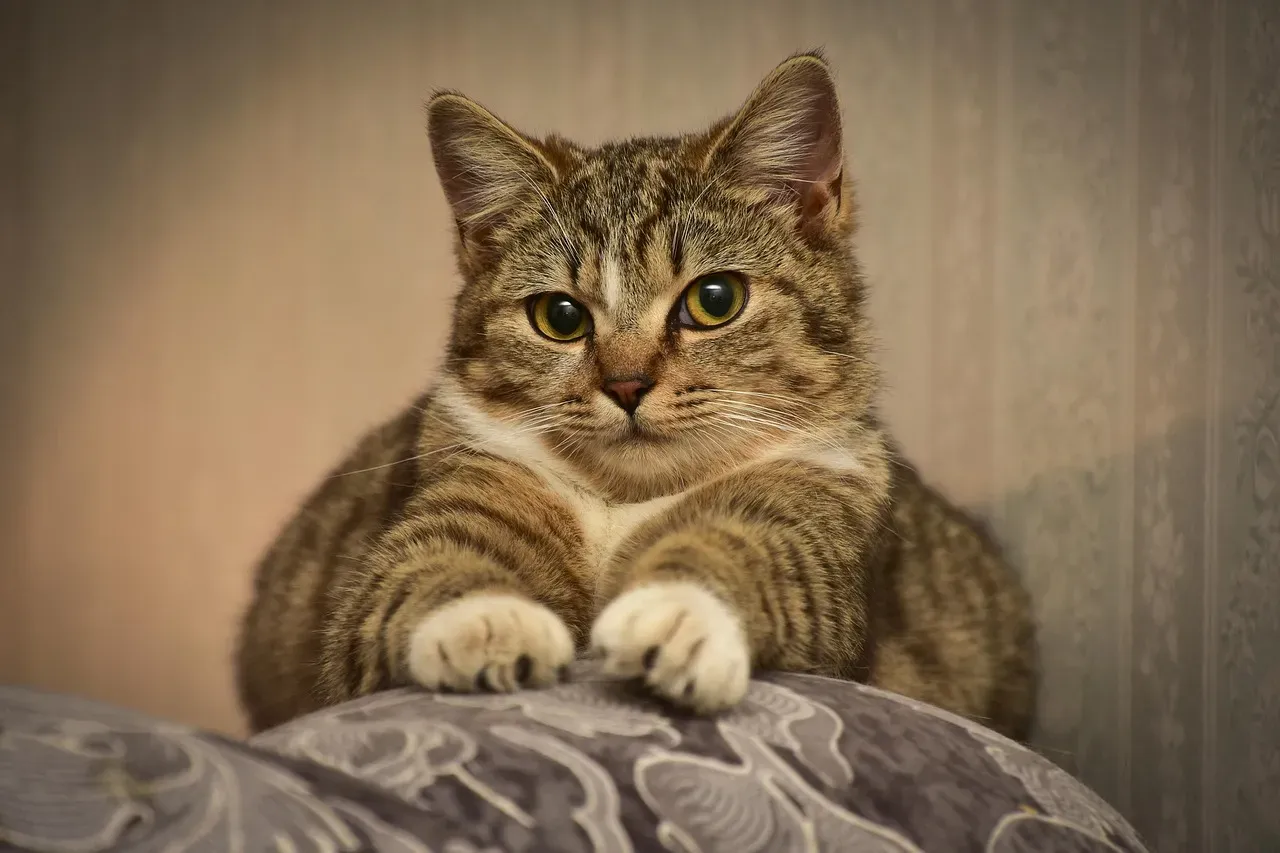
Kneading itself isn’t a behavior that should be punished or discouraged outright – it’s natural and often a sign of trust. However, when it becomes disruptive or destructive, the goal is to redirect it toward positive alternatives. The claws can sting, no question about it. Still, a swift overreaction could shatter the very trust your cat is trying to express.
Regular grooming, especially trimming claws, can help reduce the sharpness of kneading and make it less painful when directed at human laps. Nail caps are another safe option for cats prone to scratching during kneading. Yelling, spraying water, or physically stopping your cat will only cause stress and damage trust. Instead, focus on creating positive alternatives that satisfy their instinct without harm. Slipping a soft blanket between your lap and those tiny paws is often all it takes to make the whole experience wonderful for both of you.
Conclusion
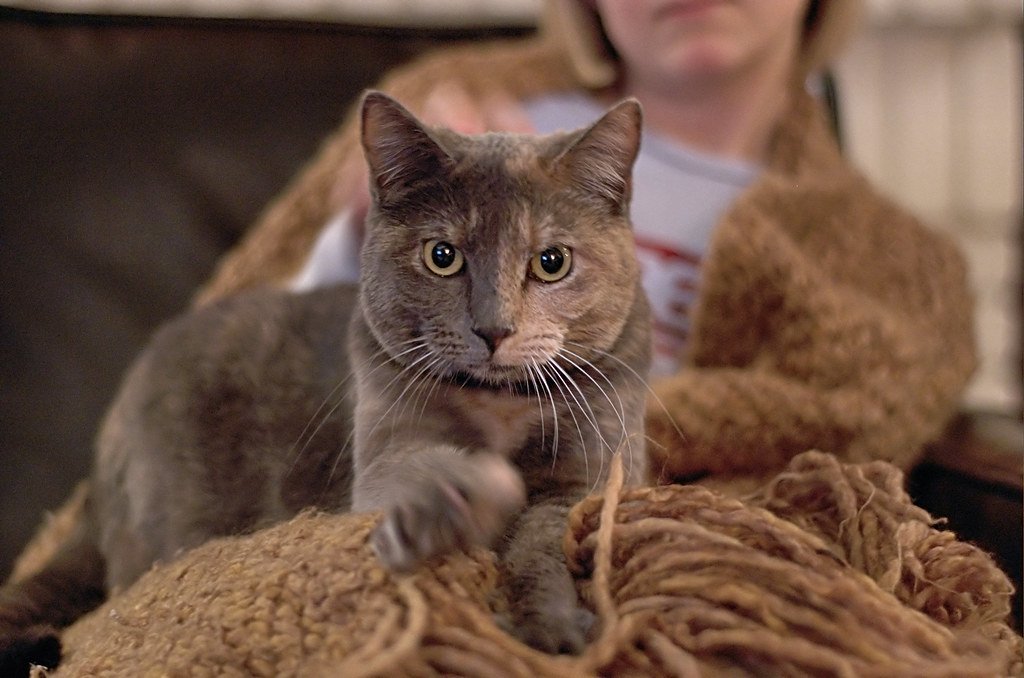
Your cat’s kneading is one of the most layered, emotionally rich behaviors in the animal kingdom. It carries echoes of ancient survival instincts, the warmth of early kittenhood, and the quiet, unmistakable language of deep trust. When your cat presses those paws into you with soft, half-closed eyes, they’re not just being adorable. They’re telling you something profound.
You are their safe space. You are their comfort. You are, in the most literal feline sense, their home. The next time those little paws start working on your lap, maybe don’t reach for your phone to film it right away. Just sit with it for a moment. That tiny gesture means more than most words ever could.
What does your cat’s kneading tell you about the bond you share? Tell us in the comments.
Kristina is a young writer from India. An arts graduate and an avid content creator, Kristina is passionate about animals and wildlife. She enjoys exploring topics related to pet care, animal behavior, conservation, and nature, combining thorough research with engaging storytelling.