You glance over at the corner of your sofa and notice it’s looking a little more frayed than yesterday. You already know who did it. Your cat is sitting nearby, looking completely unbothered, and honestly? Fair enough. Before you spiral into frustration, it’s worth pausing to ask a bigger question: what if everything you thought you knew about your cat’s clawing habit was only scratching the surface?
The truth is, the way a cat uses its claws is one of the most layered, fascinating, and deeply wired behaviors in the animal kingdom. There’s biology in it, psychology in it, and even a kind of silent language buried in every drag of claw across your furniture leg. Stick with us, because what you’re about to learn might genuinely change the way you see your feline roommate. Let’s dive in.
It’s Not a Habit. It’s an Ancient Instinct.
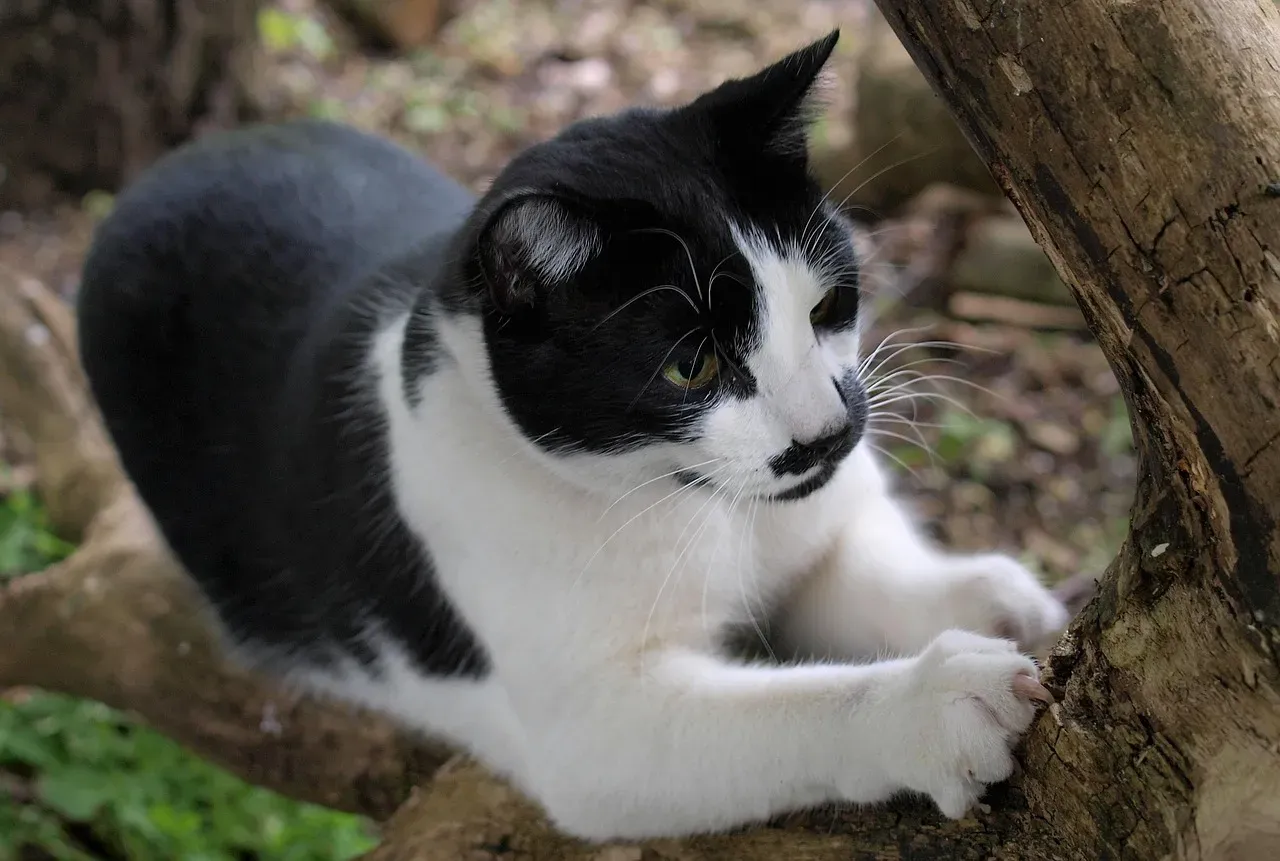
For cats, scratching isn’t just second nature. It’s actually first nature, one of their most primal and instinctual urges. Think of it like breathing for us. You wouldn’t try to stop a human from breathing, would you? The same logic honestly applies here.
Scratching is an ingrained behavior developed by replicating an adult cat’s actions, and suppressing this natural instinct can lead to an emotionally distressed and physically unhealthy cat. So the next time your cat tears into that chair leg, you’re not watching a problematic pet. You’re watching millions of years of evolution play out right in your living room.
The Silent Language Written in Claw Marks
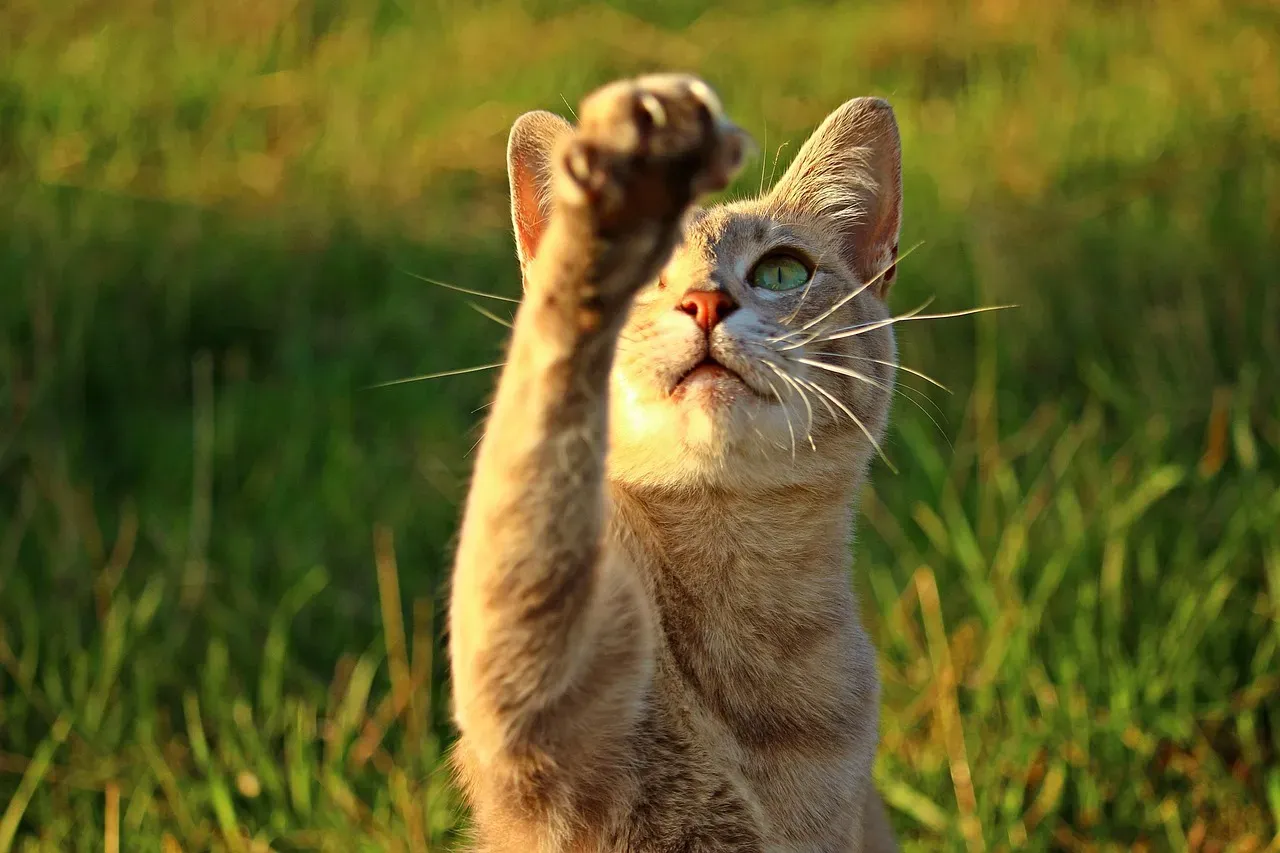
In terms of cat psychology, scratching is a vital part of a feline’s everyday life. One important function is to send signals to other animals. In the pads of their paws are scent glands that release a unique scent onto everything they scratch, providing both a visual and olfactory way to mark territory. It’s like your cat leaving a personalized sticky note everywhere they go.
Apart from providing other cats with information about ownership and usage of territory, scent marks also convey information about the identity of the depositor, its sex, health, and reproductive status. Your cat isn’t just saying “this is mine.” They’re essentially writing a full biography on that chair leg. Wild, right?
Your Cat’s Body Needs This More Than You Realize
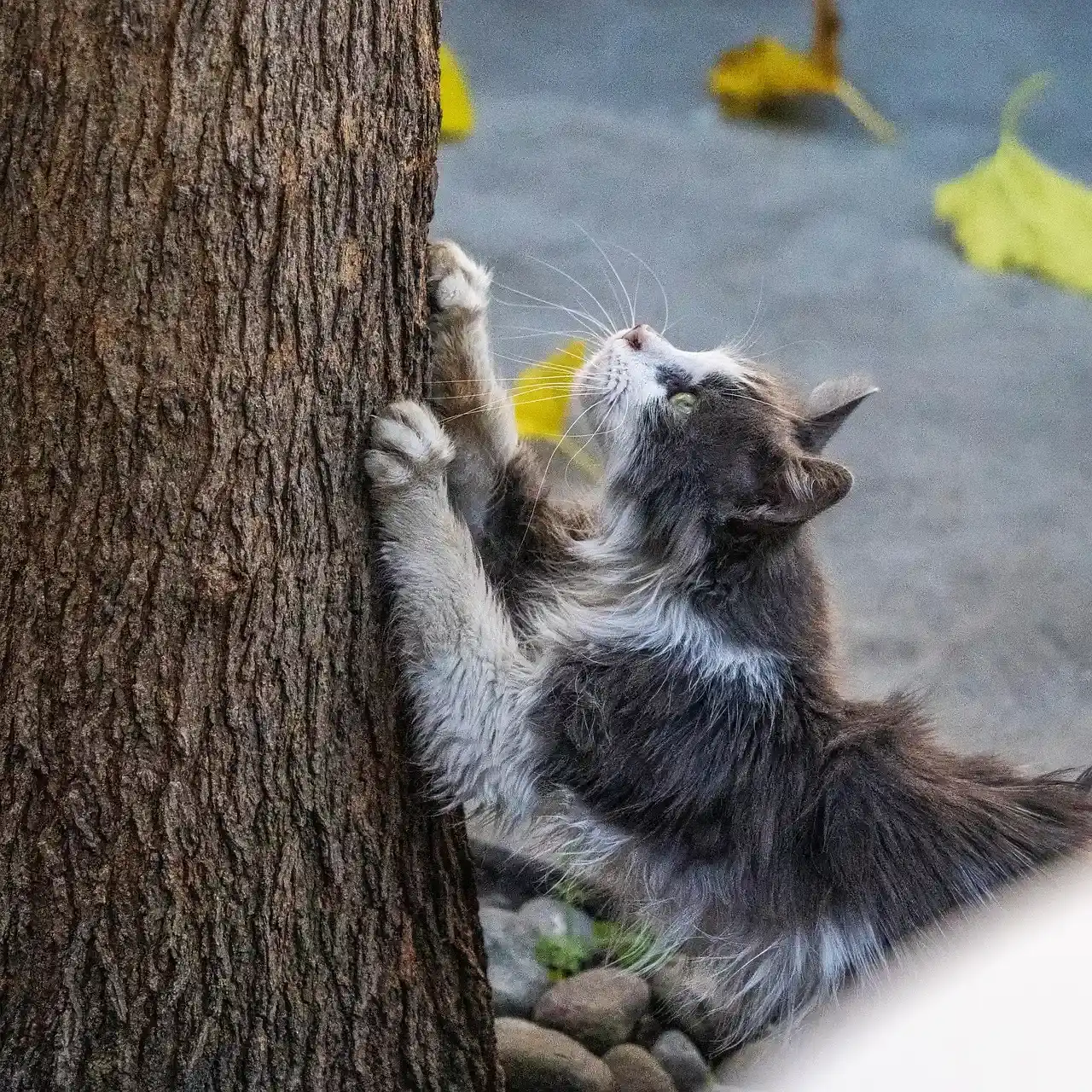
Scratching provides an excellent full-body workout. As cats stretch and pull against scratching surfaces, they engage multiple muscle groups, particularly in their shoulders, back, and legs. This helps maintain muscle tone and flexibility, especially important for indoor cats who may have limited exercise opportunities. Your sofa, from your cat’s perspective, is basically a gym.
A house cat’s lifestyle is typically rather sedentary, especially compared with their wild counterparts, so ample scratching opportunities are a must for maintaining a healthy body weight. Scratching allows your cat to stretch and flex muscles and joints, limbering them up for a vigorous play session or a case of the zoomies. That spontaneous midnight sprint around the apartment? Scratching is part of what primes your cat for it.
Claw Maintenance: A Built-In Self-Care Routine
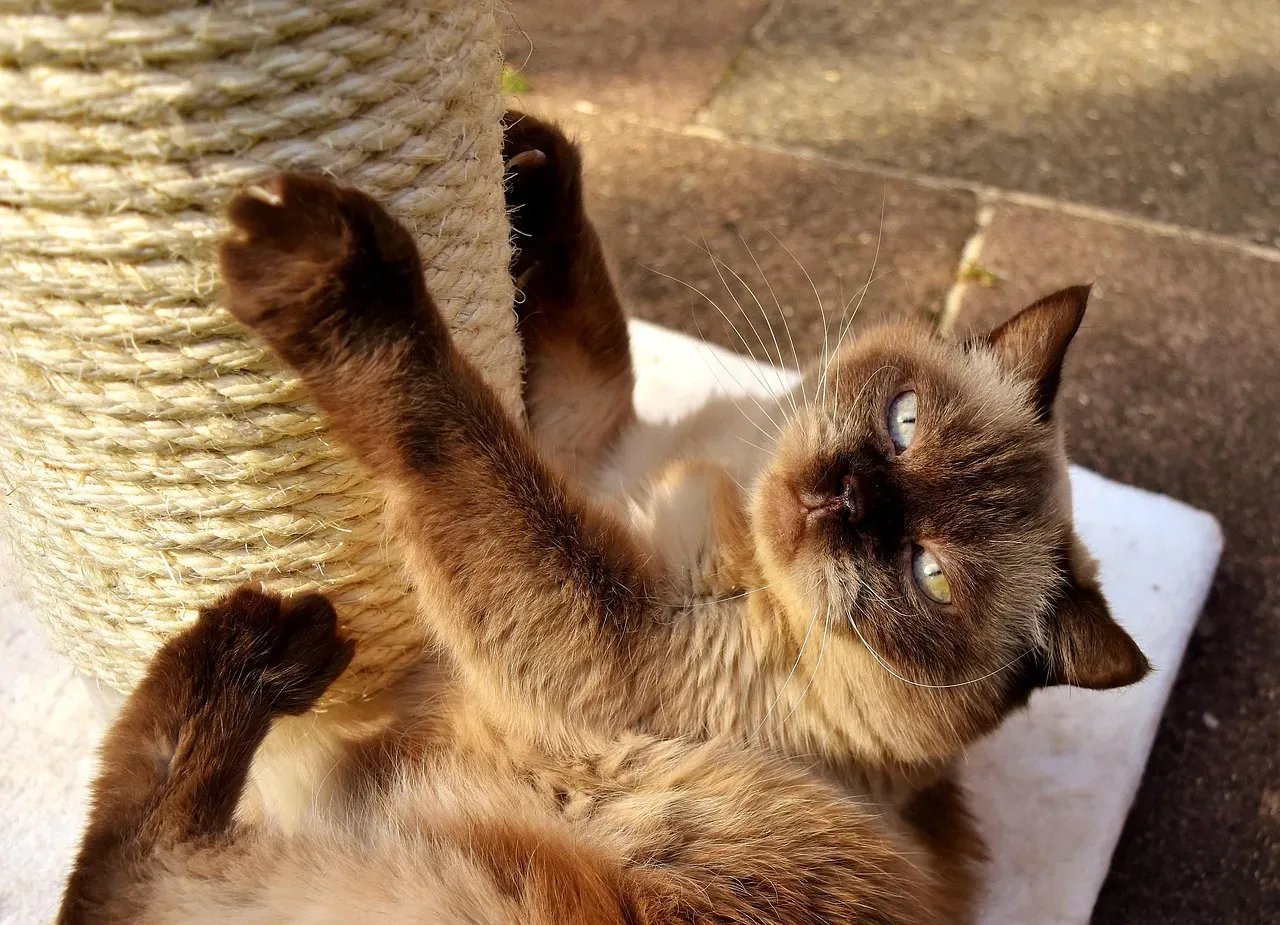
Each claw has layers. Scratching helps remove the old, dead outer layer to reveal a clean, sharp new one. This natural grooming behavior keeps your cat’s nails and paws in top shape for climbing, stretching, and playing. It’s essentially their version of a manicure, minus the nail polish and the small talk.
When your cat scratches, they remove the outer husks and dead nail fragments that can snag on fabrics and cause painful breakage. Scratching also sharpens your cat’s claws and helps keep them at a manageable length. Regular use of a cat scratcher helps prevent claws from becoming too long and reduces the risk of infection. Now that’s a detail most people miss entirely.
Stress, Emotions, and the Scratch That Soothes
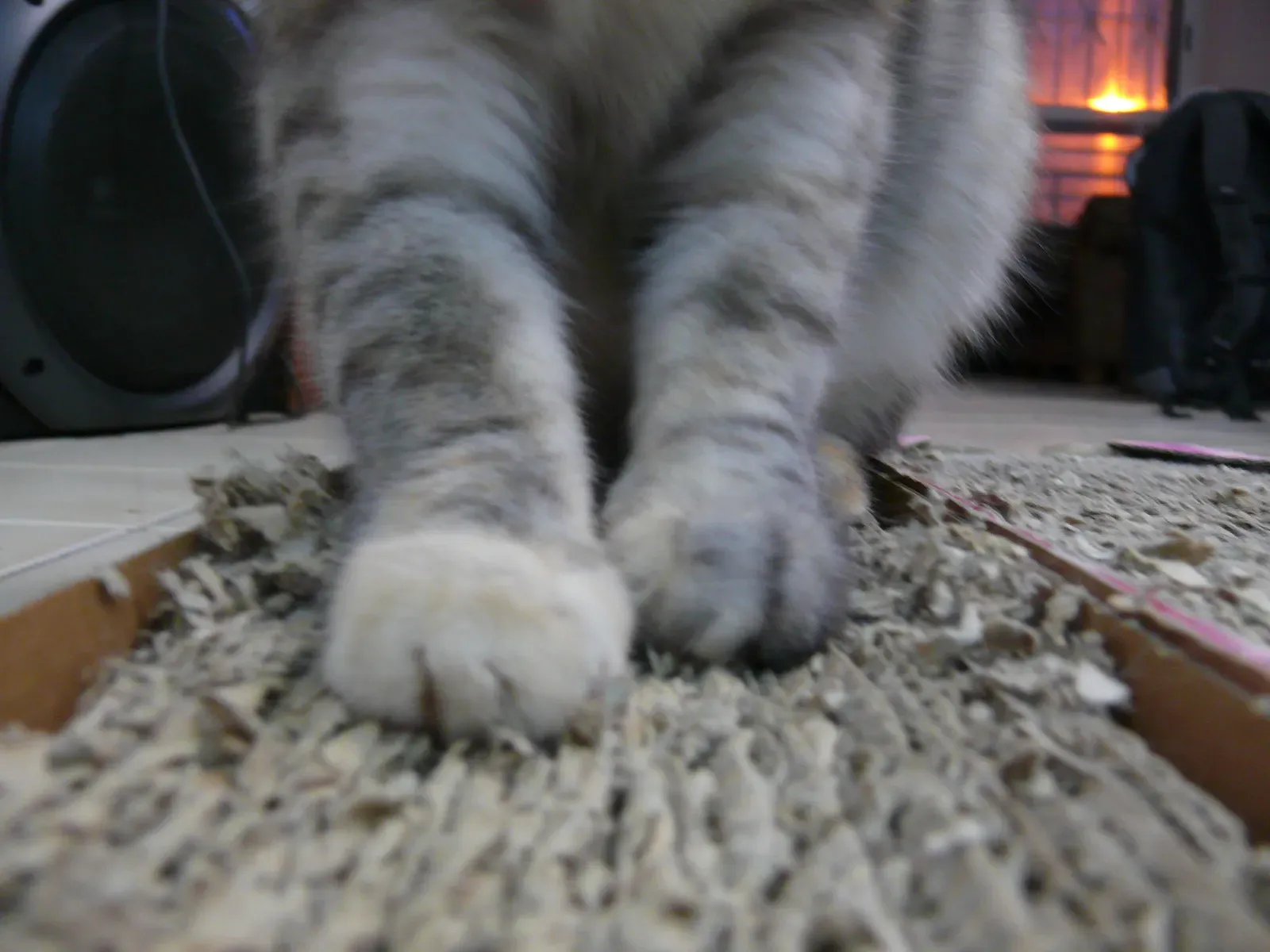
Scratching isn’t merely a physical necessity for cats. It’s also an emotional release. When a cat scratches, their body releases endorphins, the feel-good hormones that promote pleasure and relaxation, giving your cat a genuine sense of contentment and well-being. I think of it like how some of us bite our nails or pace the room. Only way more useful.
Stress is the leading reason for unwanted scratching. If children are around, especially younger kids, stress appears to be amplified and is one of the key motivations for cats to stress-scratch. So if you’ve noticed more frantic clawing since the school holidays started, you may have your answer. Your cat is basically stress-journaling on your ottoman.
Why Location Matters More Than You’d Guess
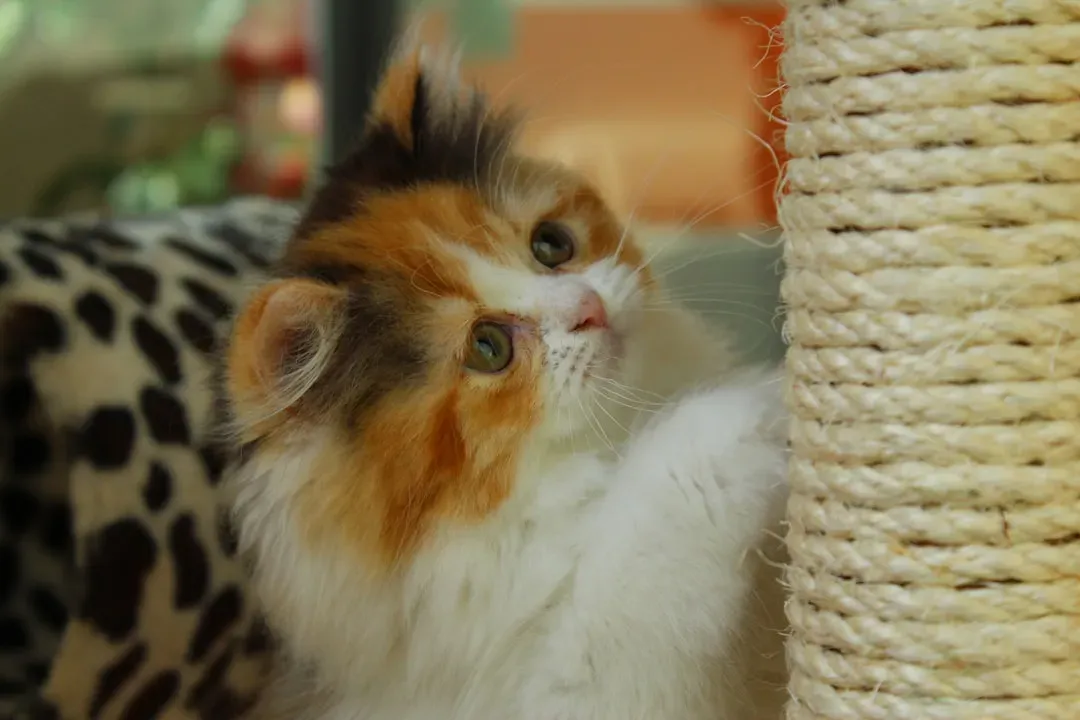
Your cat is likely to choose areas near doorways, windows, or frequented household paths. Common scratching targets, like the corners of couches, carpeted stairs, or table legs, often become favorites because they are visible announcement spots, letting other animals know they were there. There’s real logic behind every scratched surface, even if it doesn’t look that way to you.
To encourage your cat to scratch appropriately to communicate, place scratching surfaces near doorways and windows, the two areas where stray cats may come and threaten your cat. Position scratching posts near your cat’s favorite resting spots and in high-traffic areas of your home. Many cats prefer to scratch after waking from naps or during periods of social interaction, so placing posts in these locations increases the likelihood of appropriate scratching behavior.
Multi-Cat Homes: When the Stakes Are Even Higher
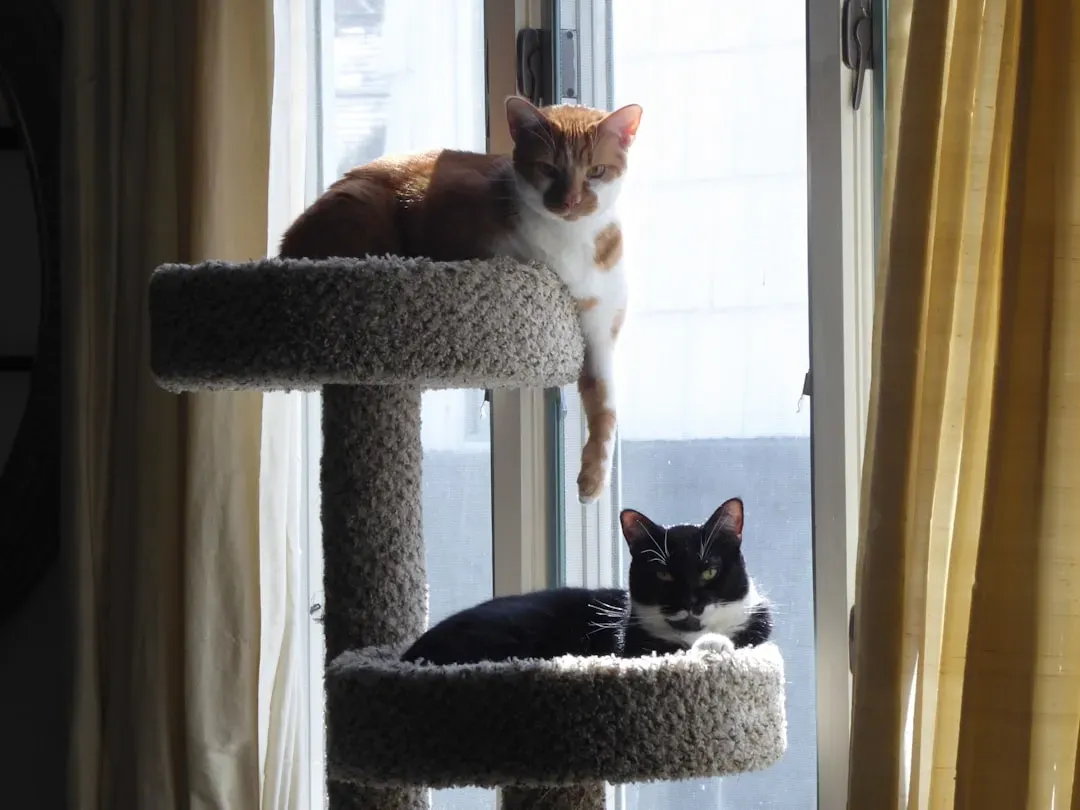
Scratching is a form of communication signaling to other cats that the area is claimed. In multi-cat households, this instinct can become even more pronounced, leading to increased scratching as cats compete for territory. Honestly, it makes complete sense. More cats means more negotiations, and the claw marks are the contract terms.
If you have multiple cats, you may need multiple scratching posts. Cats are territorial, and providing enough scratching surfaces can reduce conflict. Each cat can have its favorite spot, reducing stress and promoting a harmonious environment. It’s hard to say for sure how many posts is enough, but one per cat plus a few extras is a solid starting point. Think of it as personal workspace for each of them.
The Truth About Declawing: What You Need to Know
Declawing, or onychectomy, involves amputating the last digital bone, including the nail bed and claw, on every front toe. The procedure is strongly discouraged by the American Veterinary Medical Association and the American Society for the Prevention of Cruelty to Animals for a range of serious reasons including pain, behavioral fallout, and long-term physical harm. This is not a simple nail trim. Not even close.
Declawing can cause significant discomfort and alter a cat’s gait, sometimes leading to long-term problems such as arthritis or posture misalignments. During recovery, movement can be painful, and some cats may develop sensitivity or anxiety related to their paws, which can lead to elimination outside the litterbox. Because the behavior behind scratching is instinctive and natural, declawing does not solve the underlying reason for it. A cat that cannot scratch may still try to stretch, mark, or find an outlet for their stress in other ways, such as biting or avoiding handling. Removing the claws doesn’t remove the need. It just removes the outlet.
Practical, Humane Solutions That Actually Work
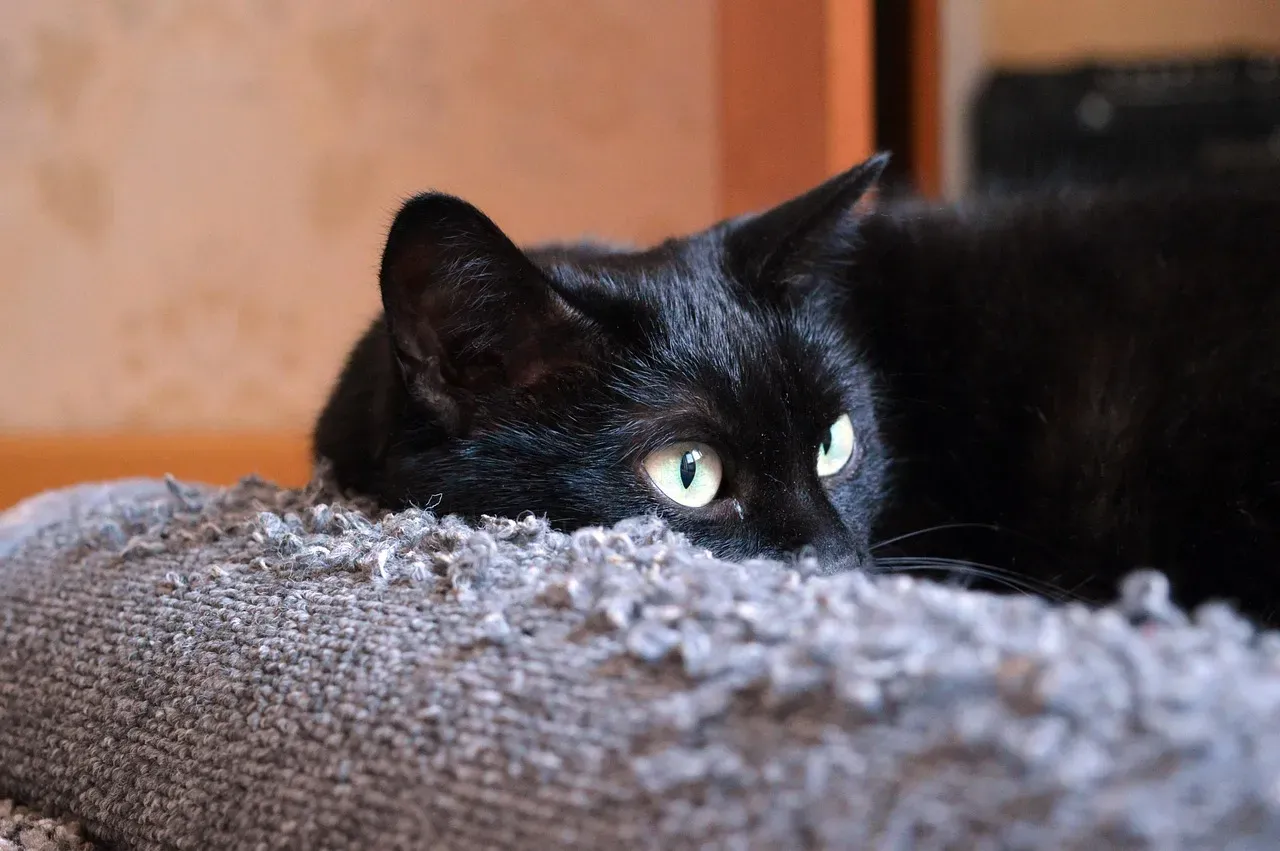
There were fewer reports of unwanted scratching for cat owners with older cats, and for those that provide enrichment items such as sisal rope, outdoor access, positive reinforcement training, and restriction of access to items they did not want scratched. The good news? You genuinely have a lot of tools at your disposal that don’t involve surgery or suffering.
Most cats will go for corrugated cardboard, but some might prefer other textures, like carpet, sisal rope, or wood. Nail caps are small plastic covers that can be glued onto your cat’s claws. They are a non-invasive alternative to declawing and can help protect your furniture and skin from scratches. Avoid punishment if your cat is scratching an unacceptable object, because this will increase their anxiety and possibly worsen the problem. Patience, redirection, and a good scratching post? That combination works far better than most people expect.
Conclusion: Respect the Claw, Understand the Cat
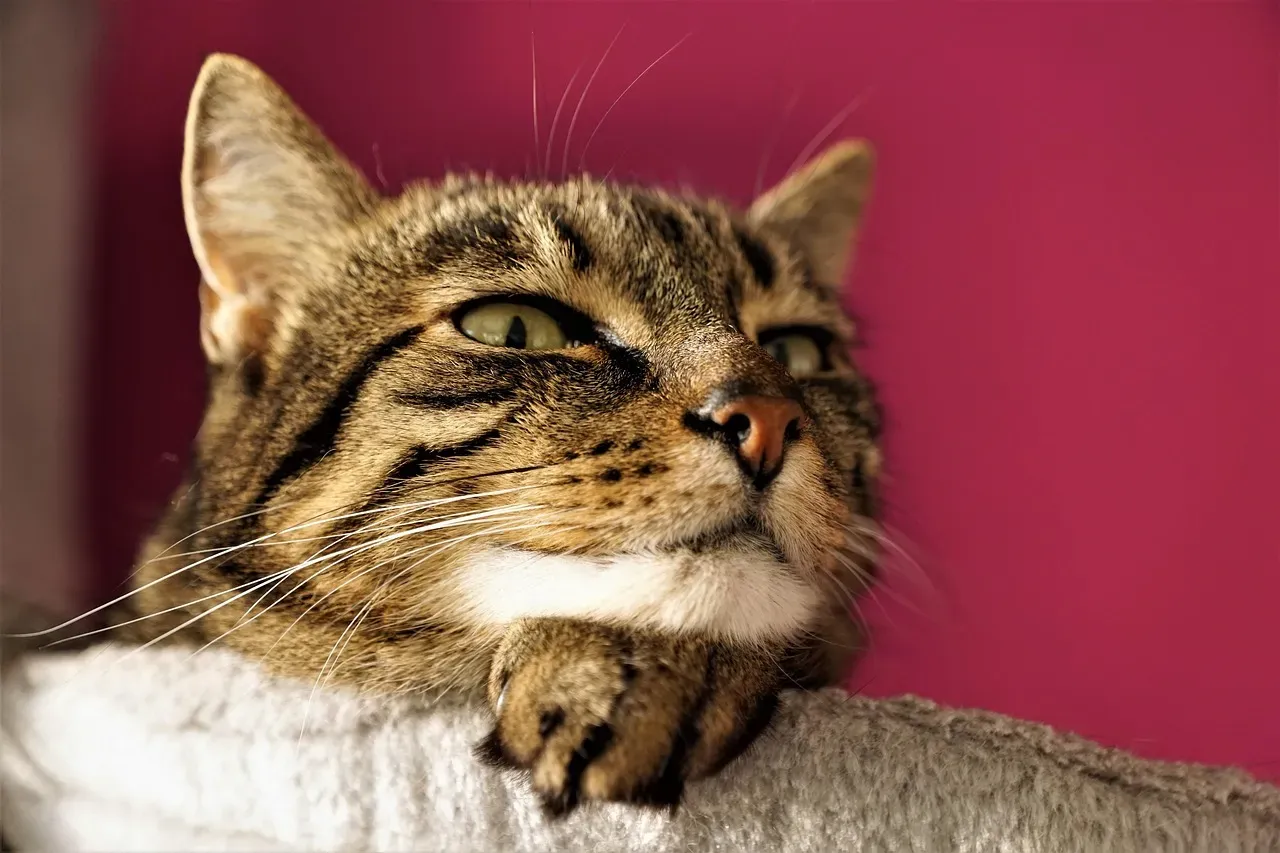
Here’s the thing about living with a cat. You’re not really living with a domesticated animal the way you might think. You’re cohabitating with a small, elegant predator who happens to adore napping on your lap. Their claws are not a design flaw. They are a core part of who your cat is, wired in over thousands of years for survival, communication, health, and emotional regulation.
Once you truly grasp why your cat claws, something shifts. The frustration softens. The frayed corner of the sofa starts looking a little less like destruction and a little more like conversation. Provide the right surfaces, place them wisely, ditch the punishment, and you’ll find that living with a clawed cat is not only manageable. It’s actually pretty wonderful. So tell us: did any of this change the way you see your cat’s scratching behavior? Drop your thoughts in the comments.
Kristina is a young writer from India. An arts graduate and an avid content creator, Kristina is passionate about animals and wildlife. She enjoys exploring topics related to pet care, animal behavior, conservation, and nature, combining thorough research with engaging storytelling.