There is something almost unsettling about watching a cat saunter away from a situation that would have leveled most other creatures. You have probably seen it yourself. A fall from a rooftop. A brush with a speeding bicycle. A health scare that your vet described as “unlikely to end well.” The cat blinks, stretches, and asks for dinner. It almost feels like cheating.
The saying that cats have nine lives has floated through human culture for centuries. It has been passed from one generation to the next like a shared inside joke between cat owners. Honestly, it is hard to dismiss it when you actually look at the biology behind it. The resilience of cats is not mythological fluff. It is real, it is layered, and once you understand it, you will never look at your cat the same way again. Let’s dive in.
The Ancient Myth and Where It Really Came From
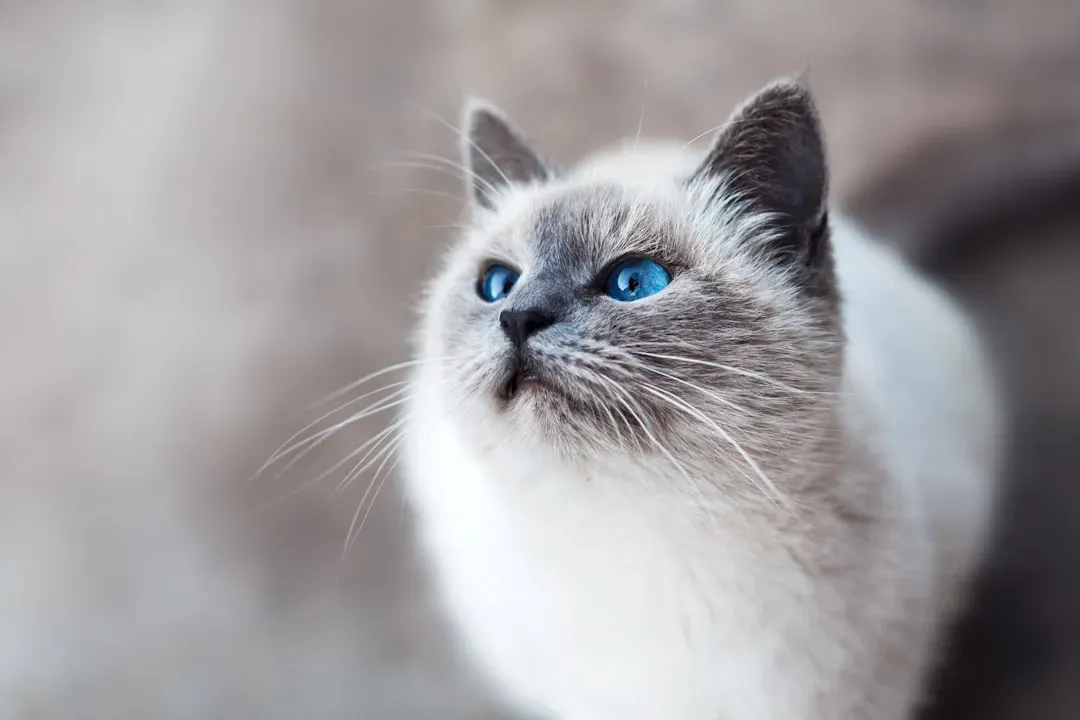
You might assume the “nine lives” idea is a modern internet creation, but it stretches back much further than that. The idea that cats have nine lives did not arise by chance. In many cultures, cats held symbolic significance, from divine beings to companions of witches, and in Ancient Egypt, cats were sacred animals believed to have connections to the afterlife. That kind of mythology does not come from nowhere. It comes from repeated, jaw-dropping real-world observations.
When people saw a cat walk away unscathed from a critical situation, they were inclined to interpret it as a miracle, and that interpretation solidified in folklore, sayings, and beliefs. Think about it like this: when early civilizations had no science to explain what they were seeing, mythology was the only language available. The cat was not defying death by magic. It was defying death by biology.
The Righting Reflex: Physics in Fur
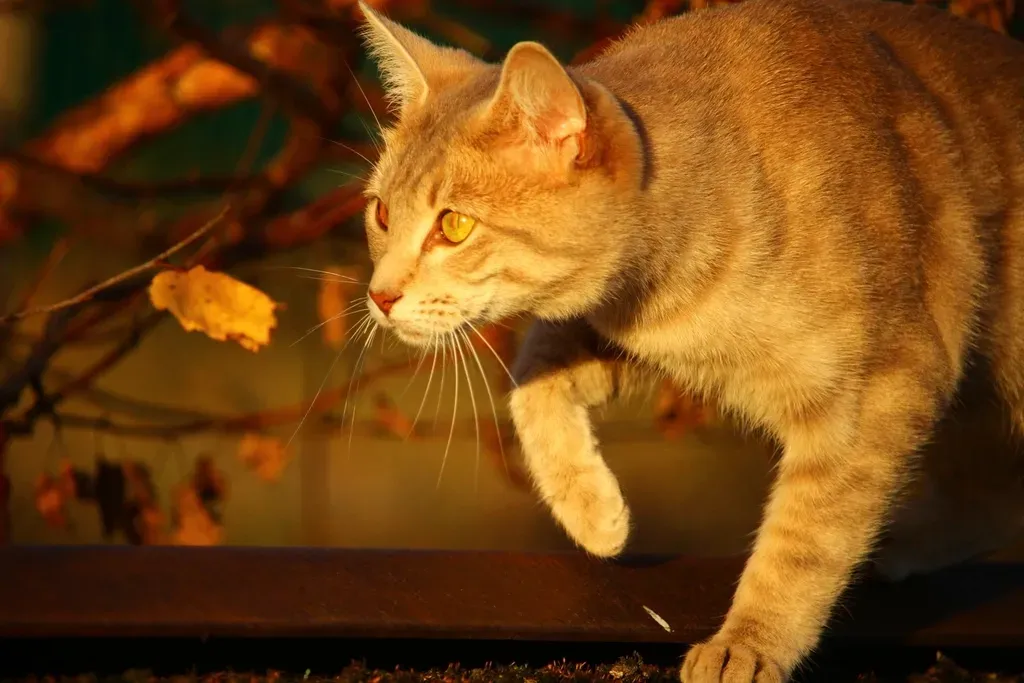
Here is the thing that genuinely blows minds. When a cat falls, something extraordinary happens inside its body within a fraction of a second. The cat righting reflex is a cat’s innate ability to orient itself as it falls in order to land on its feet. The righting reflex begins to appear at three to four weeks of age and is perfected at six to nine weeks. Cats are able to do this because they have an unusually flexible backbone and no functional clavicle. No collarbone. Let that sink in.
As a cat starts to fall and senses disorientation, the back bends, creating two separate axes of rotation. The head and front half of the body rotates first in one direction, and the front legs tuck in close to the face as the front part of the body twists toward the ground. Simultaneously, the back half separately rotates with the back legs outstretched, creating less rotation than the front half. It is essentially a mid-air gymnastics routine performed in near-zero time. I know it sounds crazy, but this is genuine physics at work, not a magic trick.
Surviving Falls That Would End Most Animals
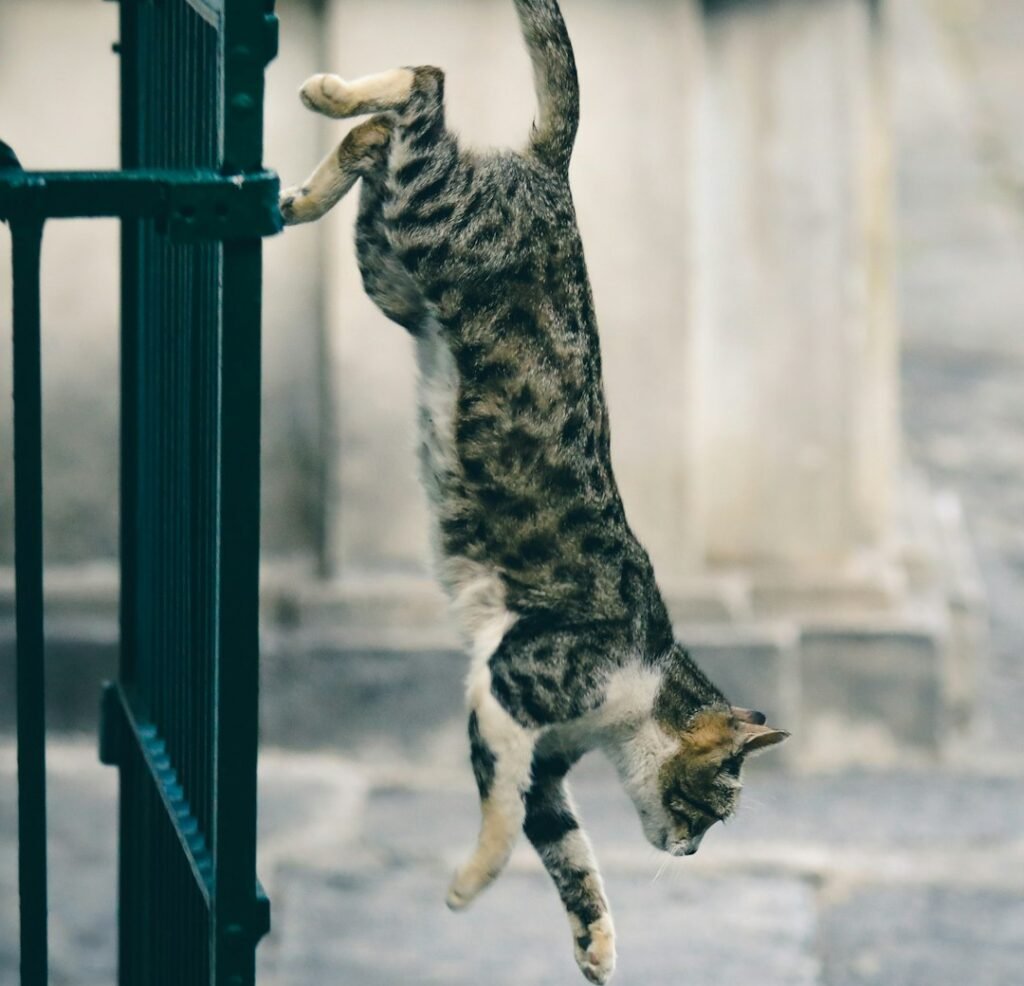
You might think that the higher the fall, the worse the outcome. For cats, the reality is far more interesting. In a 1987 study published in the Journal of the American Veterinary Medical Association, of 132 cats brought into the New York Animal Medical Center after having fallen from buildings, it was found that injuries per cat increased positively with altitude until a height of seven stories, at which point injuries decreased. One cat fell 40 stories without injury. The study’s authors speculated that, after falling five stories, the cats reached terminal velocity, at which point they relaxed and spread their bodies out to increase drag.
Of the cats studied for what is known as “high-rise syndrome,” roughly nine in ten survived, but over a third required life-saving treatment. Nearly all of them suffered injuries to the chest, lungs, ribs, or heart. So survival is genuinely remarkable, but it comes with a cost. While cats often survive falls from moderate heights, they are not invincible. Severe injuries, including fractures and internal damage, can and do occur. Resilience, yes. Invincibility, absolutely not.
The Purr: Your Cat’s Built-in Healing Machine
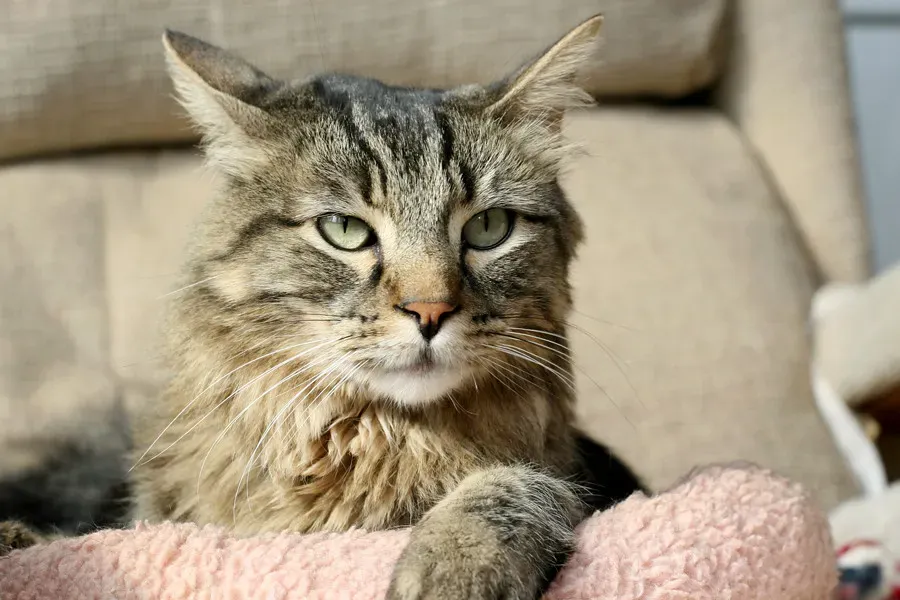
Everybody loves the sound of a cat purring. It is comforting, warm, and oddly hypnotic. What you might not know is that your cat is, quite literally, healing itself while doing it. Scientists have demonstrated that cats produce the purr through intermittent signaling of the laryngeal and diaphragmatic muscles. Cats purr during both inhalation and exhalation with a consistent pattern and frequency between 25 and 150 Hertz. Various investigators have shown that sound frequencies in this range can improve bone density and promote healing.
Studies indicate that the purr may be a survival mechanism that cats use when they are hurt or stressed. Some research suggests that the vibrations produced by a cat’s purr may have therapeutic effects, helping cats to heal from injuries, reduce pain, and soothe themselves naturally. Think of it like an internal physiotherapy session. Cats who purr regularly show higher levels of immunoglobulin A, an antibody that plays a crucial role in immune system health. This natural immune boost helps protect against infections and diseases, contributing to cats’ legendary resilience.
Night Vision and Sensory Superpowers
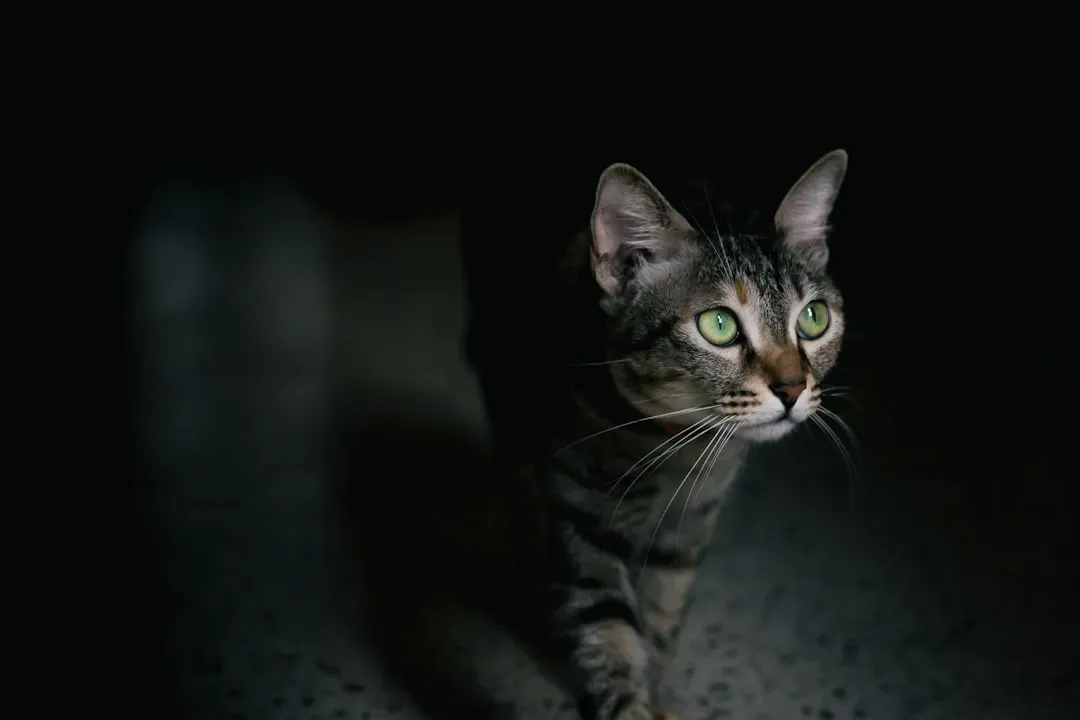
Survival is not only about recovering from disaster. It is also about avoiding it in the first place. Cats are extraordinarily well-equipped for exactly that. Study results show that cats can detect light that is six times dimmer than the lowest detectable threshold of humans. Picture navigating a pitch-dark room with nearly perfect confidence. That is everyday life for your cat.
Another structure in a cat’s eye that improves nighttime vision is called the tapetum. The tapetum is a reflective layer of tissue in the choroid that works as a mirror to reflect incoming light, so it passes through the photoreceptors twice. This gives the photoreceptors a chance to soak up what very little light is coming in. On top of that, cats have incredible hearing and can independently rotate their cone-shaped ears to amplify sounds and locate their source. Cats can detect frequencies as high as 64,000 Hertz, compared with humans, who can hear up to around 20,000 Hertz. Danger rarely sneaks up on a cat unannounced.
Whiskers: The Unsung Survival Tool
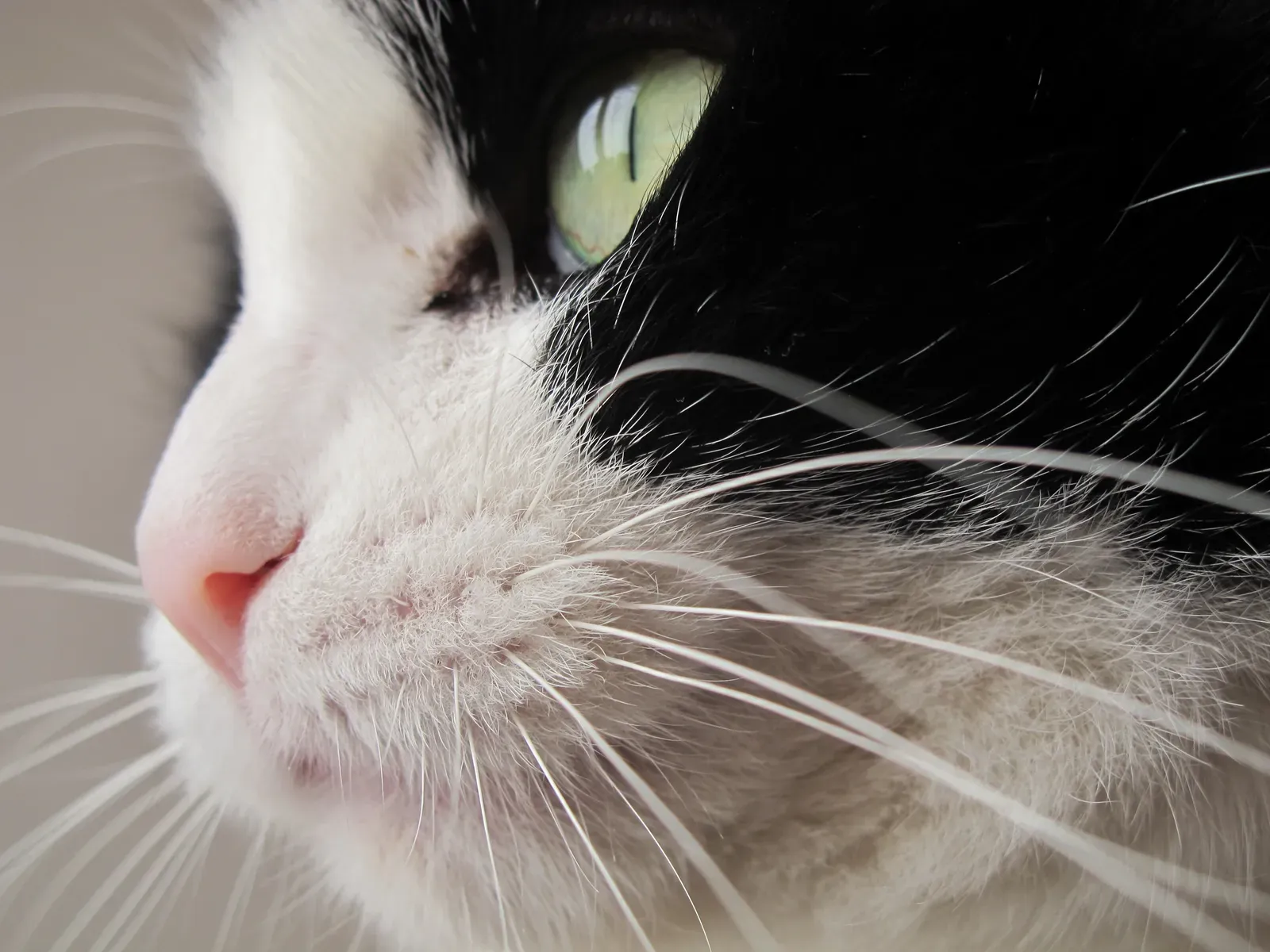
Most people think of whiskers as purely decorative, like little facial accessories. In reality, they are a remarkably sophisticated sensory system. Whiskers are not only cute facial features. They are highly sensitive touch receptors that help cats evaluate their environment. Unlike normal hair, each whisker has a rich nerve and blood supply at its root, which allows information to travel via the nervous system to the brain. Whiskers aid in spatial awareness by helping cats measure gaps and small spaces and to detect changes, such as air currents or nearby objects.
Whiskers also act as balancing instruments, providing the brain with vital information about the cat’s body and limb position relative to the ground. This is the feline equivalent of a high-tech navigation system. Where your GPS might fail in an unfamiliar alley, a cat’s whiskers are already reading the air. If you place a toy right in front of your cat’s nose and they cannot see it clearly, they will instead use their sensitive whiskers to detect it. That layered redundancy in sensing is a hallmark of a truly resilient creature.
Ancestral Hunting Instincts That Never Switch Off
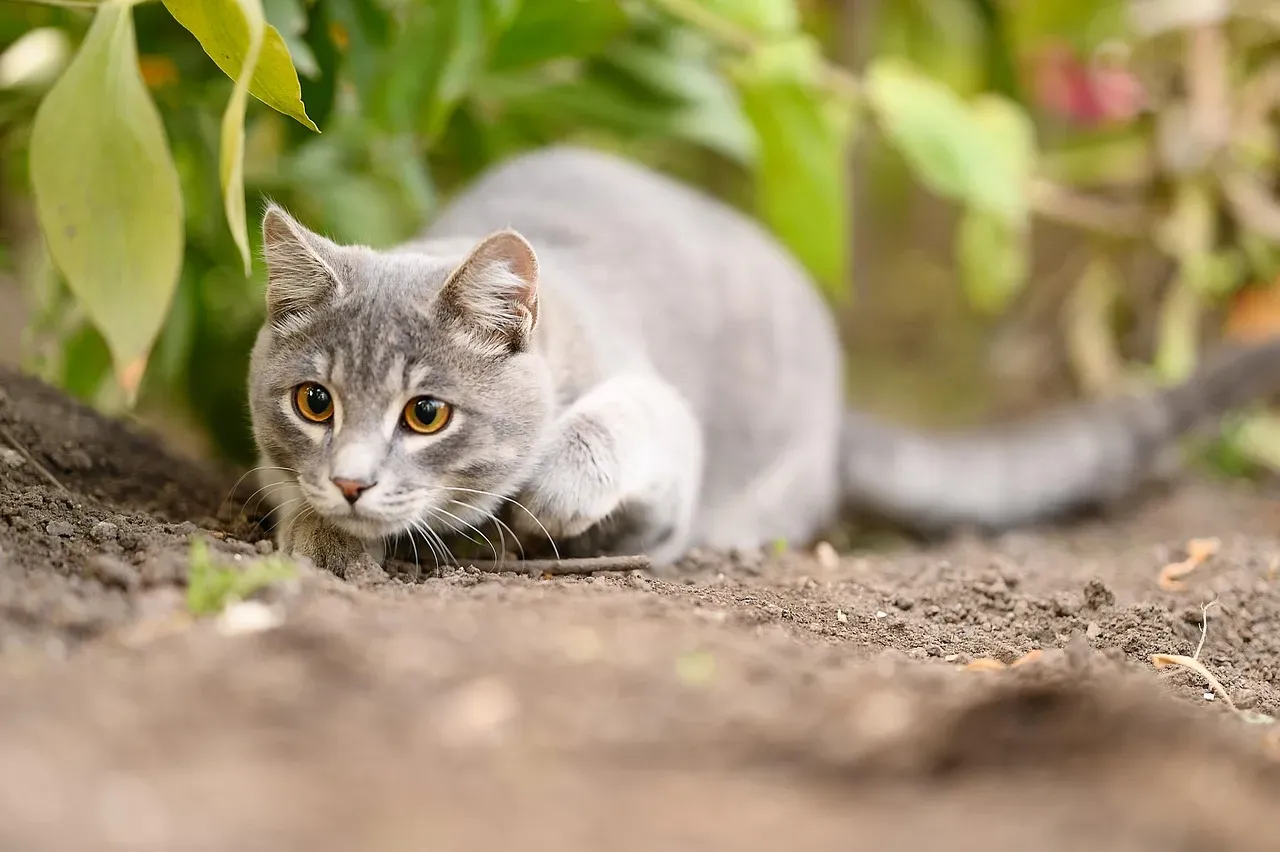
Your indoor cat has a food bowl, a warm sofa, and probably a designated Instagram page. Yet deep inside, the wild predator is very much alive. Before domestication, cats had to hunt for their own food, much like their larger relatives, such as tigers and lions. In the wild, cats faced the challenge of limited prey, which favored only the most skilled hunters for survival and reproduction. Even today, domestic cats retain much of this hunting prowess, albeit in a different context.
If you watch a cat play at home, they will often mimic hunting behaviors. A cat will wait, ambush its toy, then roll around with it, and bite at it. Your pet cat is mimicking a hunt, and this behavior is taught to young kittens in the wild. Even the way your cat refuses to eat in busy areas is not attitude. Wild cats are both predators and prey, making mealtime a vulnerable moment when their guard is down. Seeking quiet, protected spaces to eat reduces exposure to larger threats. Every quirk has a survival story behind it.
The Remarkable Biology of Self-Preservation
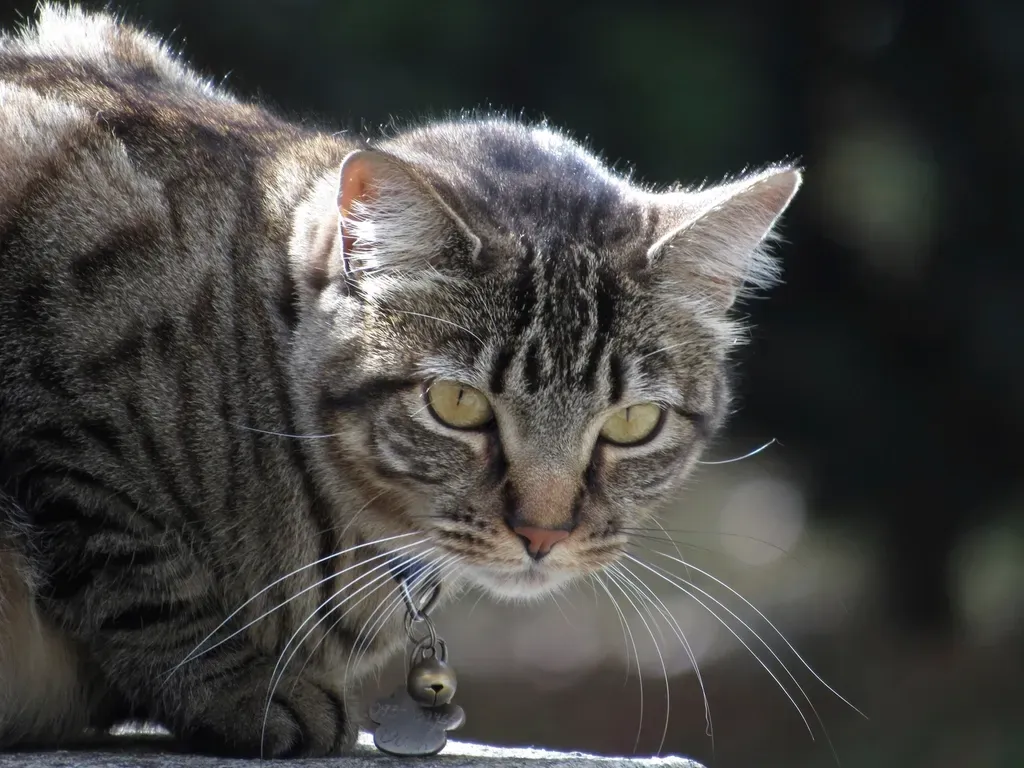
Cats are equipped with remarkable innate abilities that aid their survival in the wild. Their sharp claws, keen night vision, and excellent hunting reflexes are evolutionary advantages that have helped them survive for thousands of years. These advantages do not exist in isolation. They work together as a deeply integrated survival package. It is a bit like a Swiss Army knife, but made of bone, instinct, and fur.
The biological changes in domesticated cats show that cats are adaptive to many different situations, as determined by their instinct to survive. Even when removed from the wild, the hours cats spend licking themselves serve multiple survival functions beyond cleanliness. Grooming removes scent trails that could attract predators or alert prey to their presence. The rough tongue also distributes natural oils that waterproof fur and regulate body temperature. Additionally, grooming removes parasites that could cause disease. Every behavior is a survival calculation, whether the cat knows it or not.
Indoor Life and the Reality of Cat Longevity
All this resilience is impressive, but here is a number that should matter to every cat owner. Feral cats typically live only two to three years, while outdoor pet cats may survive two to five years. In contrast, indoor cats often live twelve to twenty years or more with proper care and medical attention. That is a staggering difference. The cat’s biological resilience takes it remarkably far, but your care amplifies that resilience into something extraordinary.
Regular health checks are key to a long feline life. It sounds simple, and it is. Veterinary experts are unanimous that cats do not have nine lives, but they deserve respect for their remarkable resilience. The truth is that your cat’s survival toolkit is genuinely astonishing, and the best thing you can do is support it rather than test it. Secure those windows. Schedule that check-up. Give that purring machine the environment it deserves to thrive in.
Conclusion: The Real Magic Behind the Myth
When you strip away the mythology and look at the cold biology, something fascinating remains. Cats really are built differently. The righting reflex, the healing purr, the superior senses, the deeply wired hunting instincts, and the flexible skeleton are not coincidences. They are millions of years of evolution working in elegant, layered concert. It is more of a beautiful metaphor than a biological fact, but the fact that cats have unique survival mechanisms is undeniable.
The legend of nine lives endures because it captures something real. Your cat will not literally survive nine deaths. However, it carries within its body a collection of biological tools so refined and so powerful that the line between survival and miracle genuinely blurs. The next time your cat strolls away from a heart-stopping situation or begins purring on your chest during a headache, remember: you are witnessing millions of years of evolution in action. So, what surprises you most about your cat’s resilience? We would love to hear your stories in the comments.
Kristina is a young writer from India. An arts graduate and an avid content creator, Kristina is passionate about animals and wildlife. She enjoys exploring topics related to pet care, animal behavior, conservation, and nature, combining thorough research with engaging storytelling.