If you’ve ever watched your cat zero in on the single patch of sunlight on the floor or claim the exact spot above the heating vent without even sniffing around first, you’ve witnessed something quietly remarkable. It isn’t luck. It isn’t coincidence. Your cat is operating on millions of years of finely tuned biological programming that makes them, quite literally, living heat-seeking missiles.
There’s real science behind this behavior, layered with evolutionary history, physiology, and even a little bit of psychology. The more you understand it, the more fascinating your cat’s daily lounging routine becomes. So let’s dive in.
The Desert DNA That Still Lives Inside Your Cat
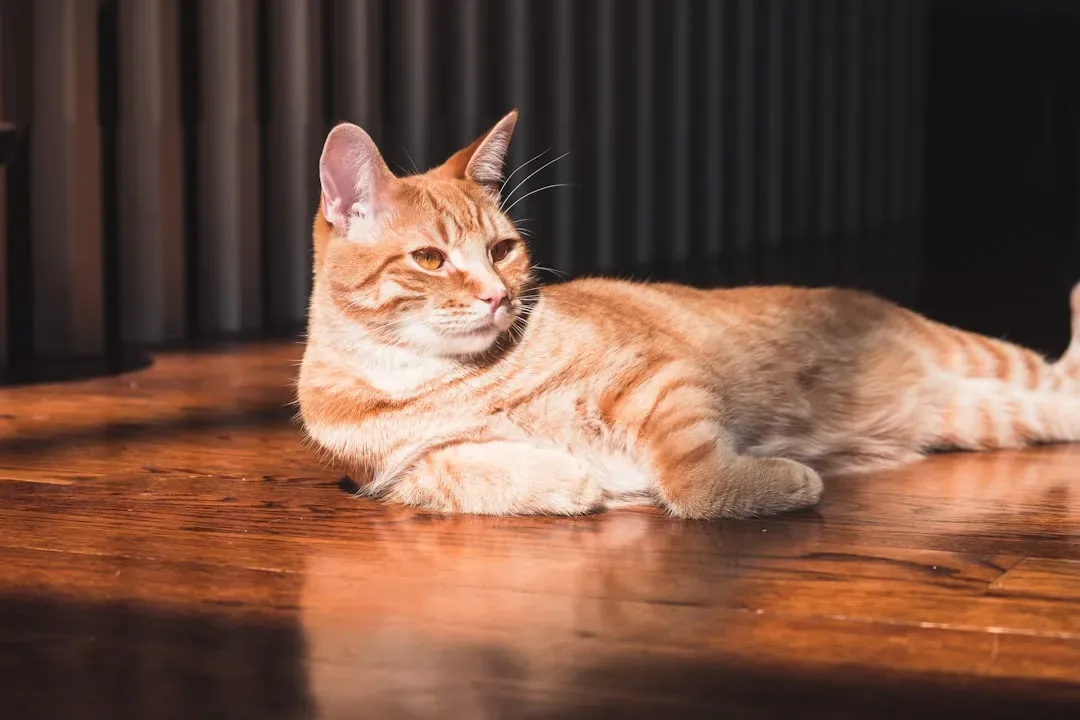
Here’s the thing most people don’t realize about their fluffy house companion: your cat’s ancestors weren’t lounging on sofas in temperate climates. Domestic cats are descendants of African wildcats that thrived in desert environments, and that ancestral connection explains why your house cat instinctively seeks out warm spots today. It’s a lineage written deep in their biology.
Your cat’s love for heat comes directly from wild ancestors who lived in hot, dry areas – domestic cats can trace their family line back to African wildcats from warm desert regions that grew used to hot daytime temperatures and cool nights, and this history shaped today’s house cats, giving them the ability to handle heat better than cold. Think of it like this: even if you move a plant from the tropics into a northern apartment, it still craves a particular kind of light and warmth. Your cat is no different, just a lot more vocal about it.
Your Cat Runs Hotter Than You Think
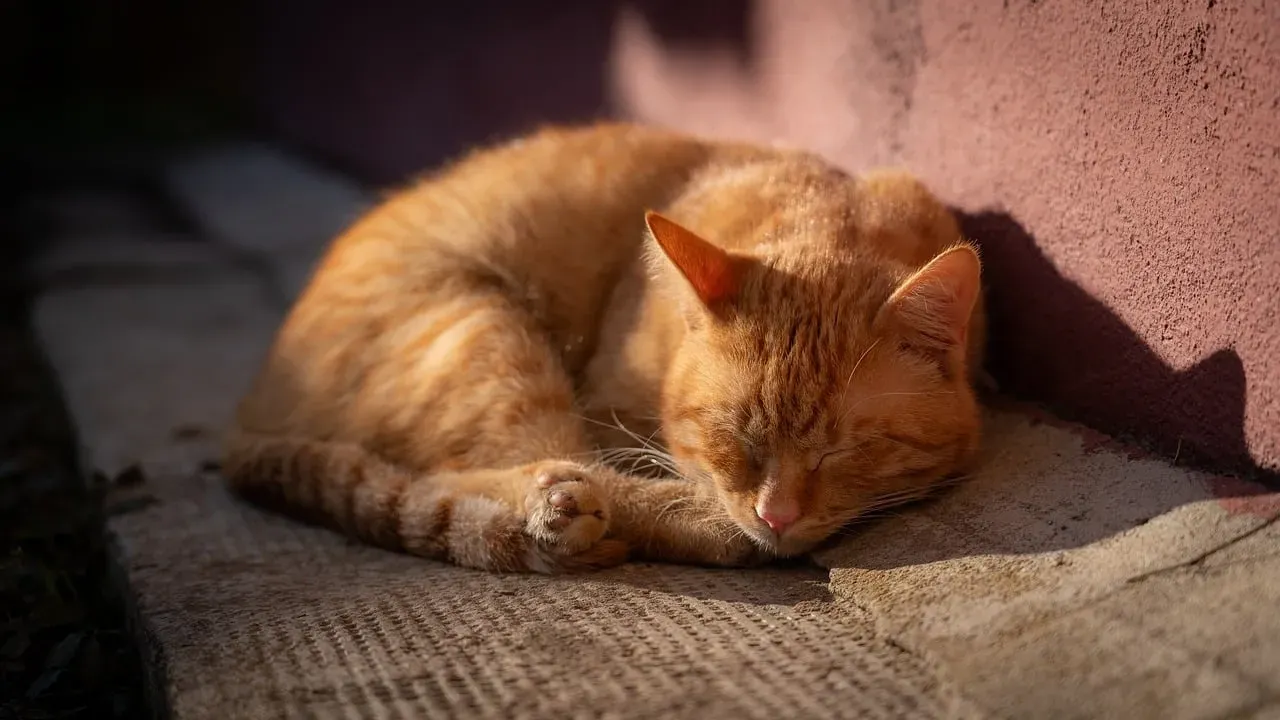
Several biological factors explain a cat’s love of warmth. Cats have a higher resting body temperature than humans, typically around 101 to 102.5 degrees Fahrenheit, and they instinctively seek warm microclimates to maintain that comfort zone with less effort. That’s a meaningful difference, and it matters enormously for how your cat experiences your home’s temperature.
Unlike humans, who thrive at temperatures around 68 to 72 degrees Fahrenheit, cats prefer their environment much warmer – between 86 and 97 degrees Fahrenheit – and this higher thermoneutral zone means they can feel chilly even when you’re comfortable. So when you’re sitting perfectly content on the couch and your cat is aggressively pressing against the radiator, you’re not imagining things. They genuinely feel the chill you don’t.
The Whiskers Know: How Cats Sense Warmth Around Them
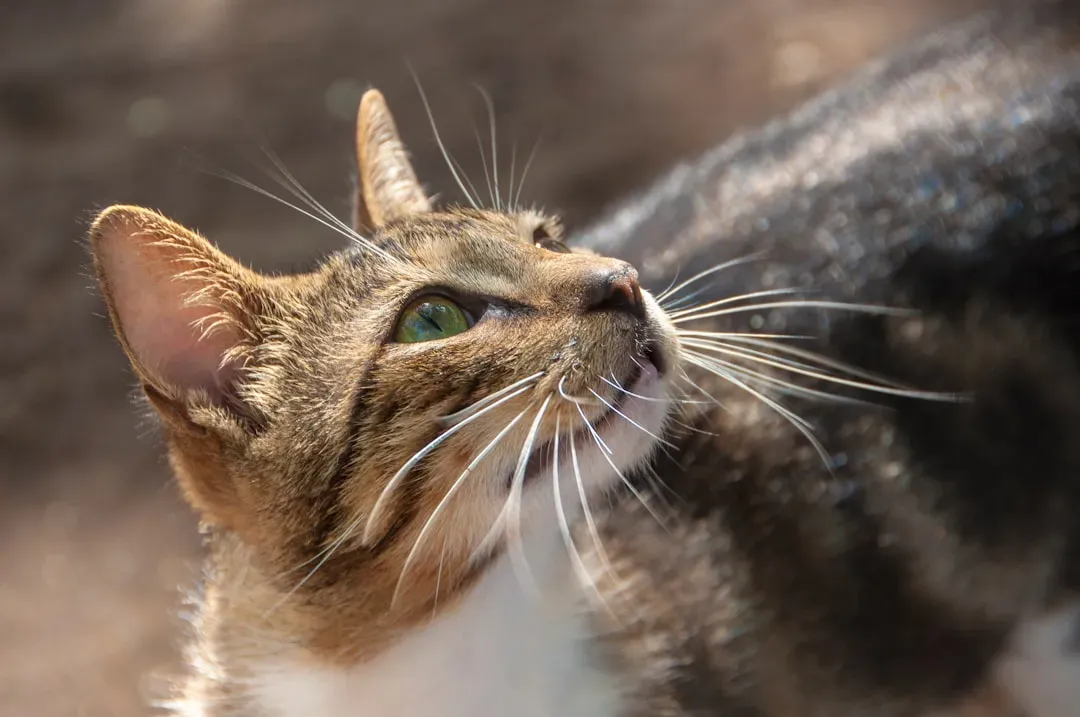
You might wonder how a cat can walk into a room and almost immediately gravitate toward the warmest corner, often without any obvious signal. The answer lies in their extraordinarily sensitive sensory equipment. Cats use their whiskers and fur, which are extremely sensitive to changes in air temperature and currents, to detect environmental shifts, including drops in temperature. That’s essentially a built-in thermal scanner on their face.
A cat’s darker-colored fur actually absorbs heat more efficiently than light colors, and cats instinctively know how to angle themselves to catch the most rays or position their bodies to block cold drafts. It’s honestly impressive when you stop and think about it. Your cat isn’t randomly flopping down in sunny spots. They’re making calculated positional decisions every single time.
Energy Conservation: The Real Reason Behind the Behavior
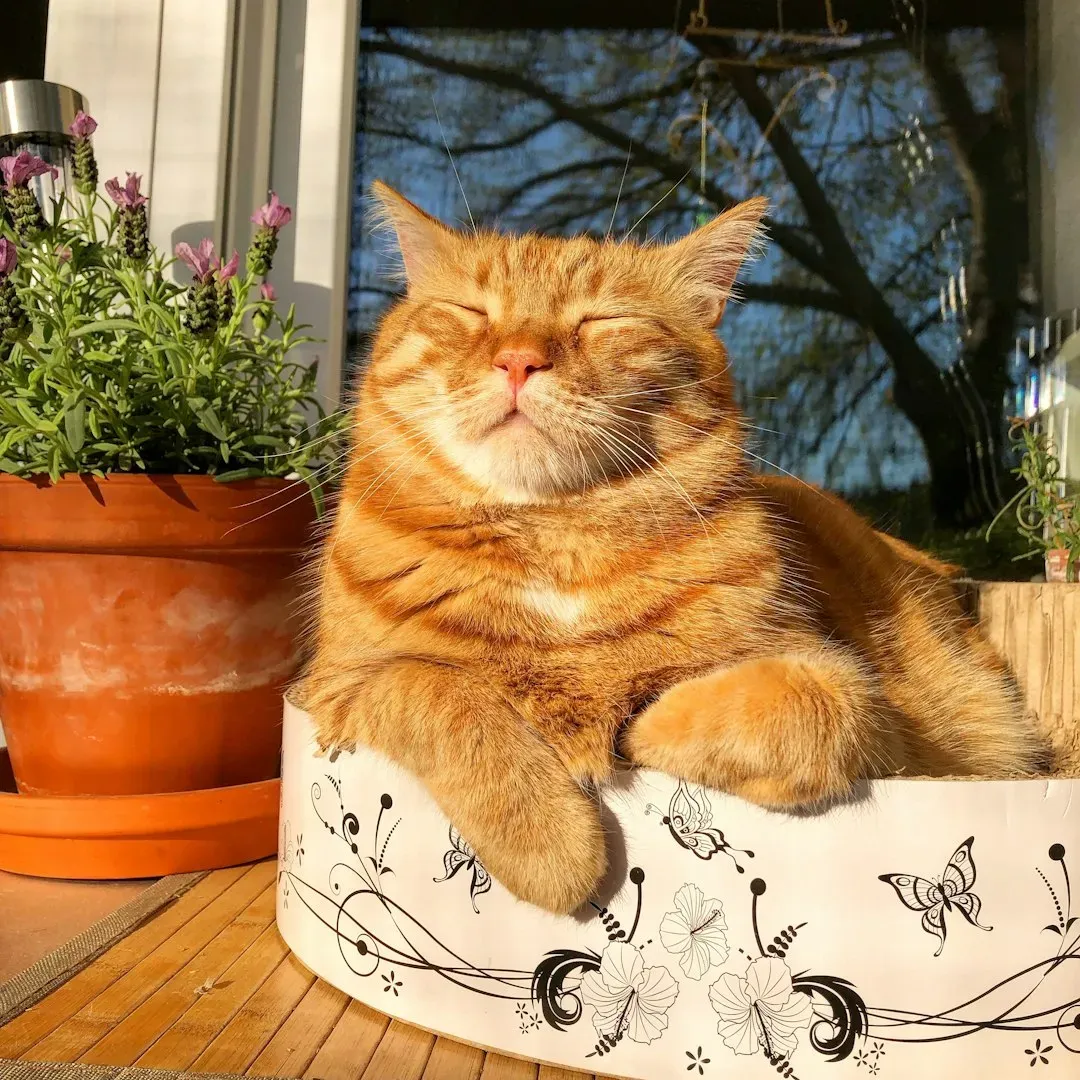
Let’s be real: cats are masters of efficiency. Warmth isn’t just about comfort for them – it’s a survival strategy rooted in calorie management. Cats use heat as a key way to control their body temperature while using less energy. Their normal body temperature runs higher than ours, and when cats rest in warm spots, they don’t have to burn as many calories to stay warm, which is why you’ll often see them moving from one sunny spot to another throughout the day.
As obligate carnivores, cats require energy from food sources that are often scarce; thus, conserving body heat becomes essential for maintaining energy levels. Think of it as a kind of thermal economy. Every degree of warmth your cat absorbs from its environment is a degree their body doesn’t have to generate on its own, which means less fuel burned, more energy saved. It’s the feline equivalent of insulating your home to reduce the heating bill.
The Kitten Years: How Early Life Programs This Instinct
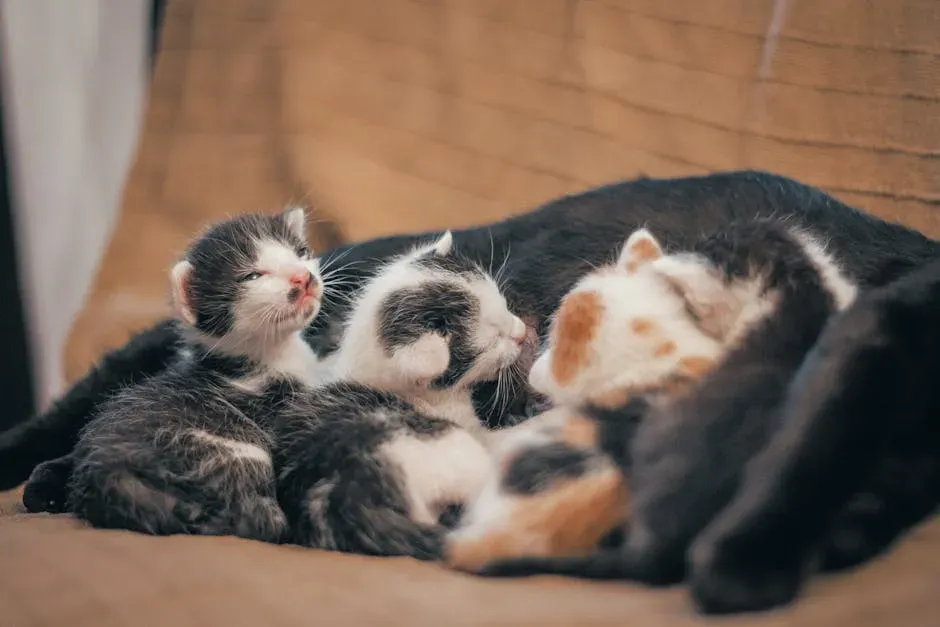
The warmth-seeking instinct doesn’t appear out of nowhere in adulthood. It begins at birth, quite literally for survival. Newborn kittens are unable to regulate their body temperature during the first two to three weeks of life, and to stay alive, they instinctively huddle together with their littermates and rely on their mother’s body heat. This early dependence probably leaves a lasting imprint on cats, making them naturally drawn to warmth and close contact even as adults.
Cats tend to seek warmth because of the way they have been raised by their mothers. In their early weeks as kittens, these animals are incapable of regulating their body temperature, and to keep them warm, a mother cat constantly licks her babies with her warm tongue. Growing up, cats instinctively seek warm objects to snuggle, such as the bodies of their human owners, a warm blanket, or sunlight. That early imprinting is powerful stuff. It’s the reason your grown cat still curls up on your lap like a newborn.
How Cats Read a Room: Their Thermal Navigation System
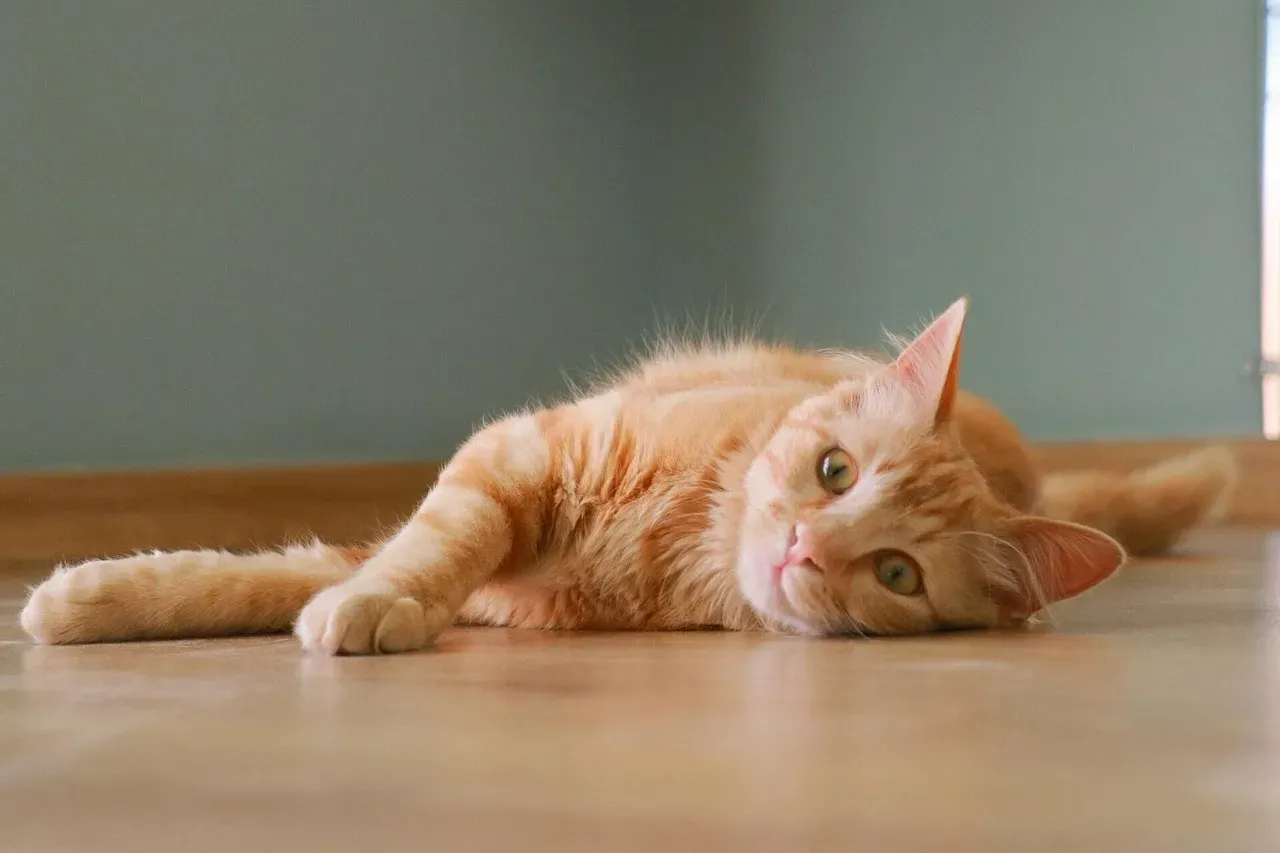
Walk your cat into an unfamiliar space and watch what happens. Within minutes, they’ll have mapped the warmest zones with quiet precision. A cat’s paw pads are particularly sensitive to temperature, so stepping on cold tiles is probably like walking barefoot on ice for them – which explains why your cat might walk along the edges of rooms in winter, avoiding the cold center areas of tile or hardwood floors. It’s almost architectural the way they navigate space based on heat.
Unlike sunny spots that disappear when clouds roll in, radiators and vents offer steady temperature control that appeals to their practical side, and many cats will position themselves strategically near these heat sources without getting too close to overheat. Honestly, I think there’s something a little humbling about realizing your cat is doing real-time thermal calculations while you’re still figuring out where you left your phone.
Warmth as Psychological Comfort: More Than Just Physical
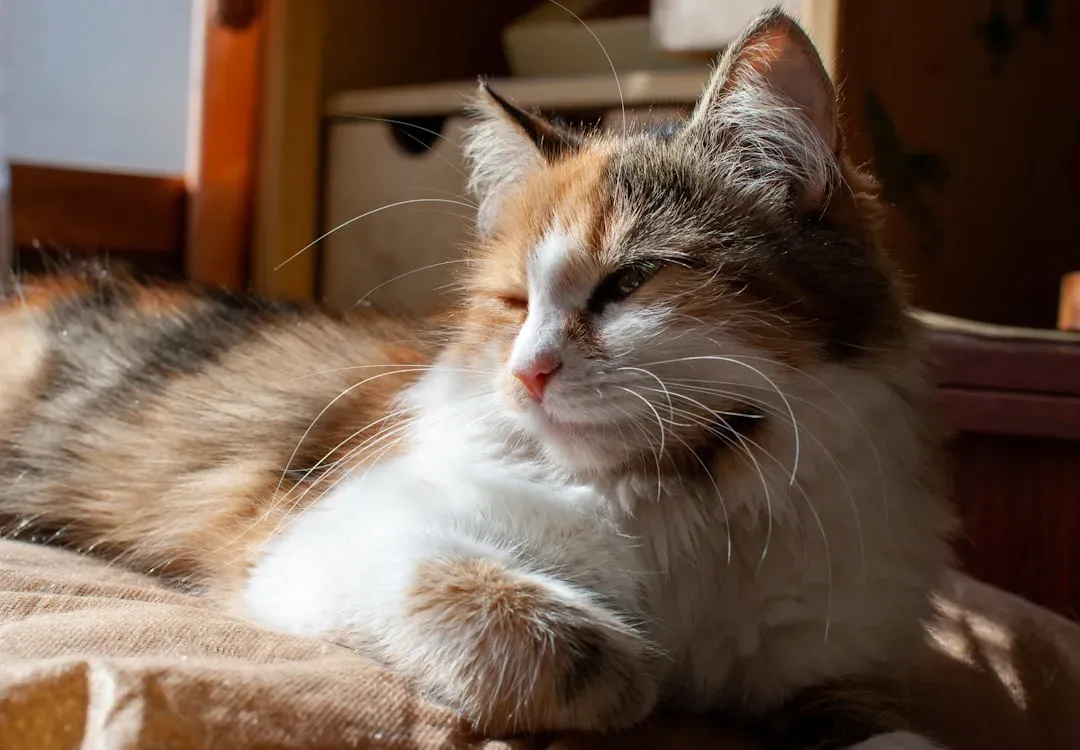
It would be a mistake to think this is purely about body temperature regulation. Warmth carries deep psychological significance for cats too. Warmth is also a psychological comfort for cats, providing a sense of security and well-being – just like how a cozy blanket on a chilly evening feels comforting to us, when your cat seeks out warmth, they’re essentially saying this feels like home.
Warmth provides psychological benefits too. Just like how people might gravitate towards familiar places that make them feel safe and secure after a long day, cats experience similar feelings of safety associated with warmth, and the gentle embrace of heat can soothe anxiety and create an inviting atmosphere where they can relax fully without feeling threatened by external stimuli. So when your cat chooses your lap over that luxurious cat bed you bought them, you should probably take it as a genuine compliment.
Senior Cats and the Intensifying Need for Heat
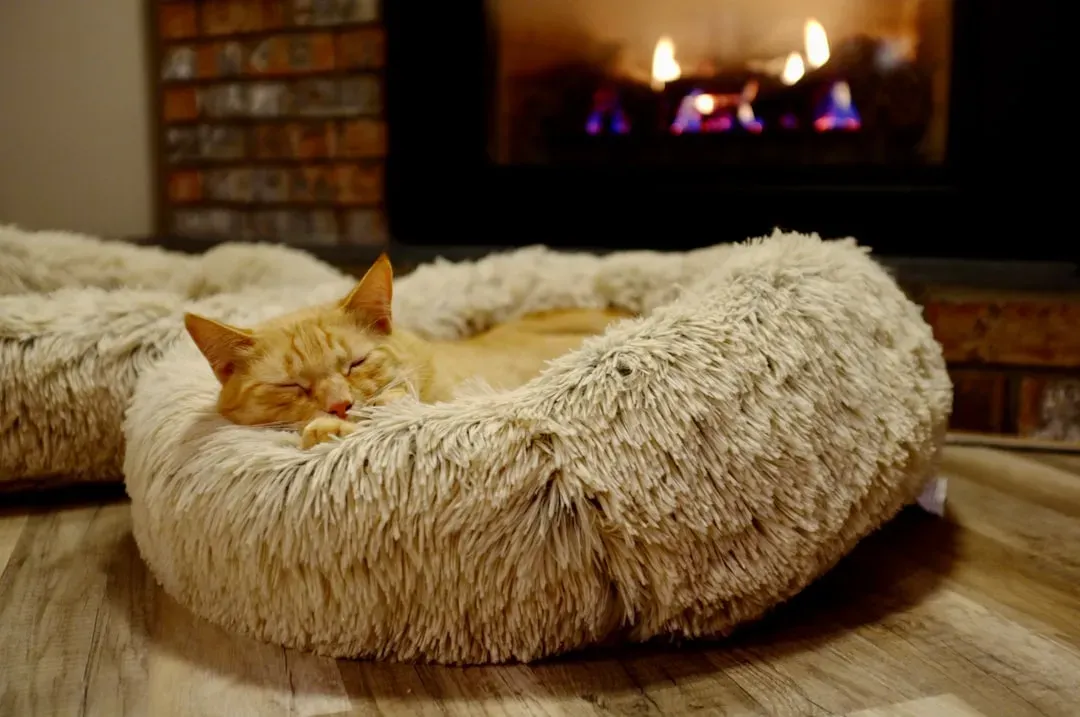
If you’ve noticed an older cat becoming even more dedicated to finding warm spots, you’re not imagining it. Age significantly amplifies this already strong instinct. As cats grow old, they also seek warmer things. Just like aged people, senior cats become more sensitive to cold temperatures, and this is why they will look for places or objects that will make them feel warmer and cozier. You will also observe how an old cat will roll its body into a ball to maintain its body temperature and rest in comfort.
Proper warmth can support joint health in aging cats by reducing stiffness and discomfort. However, excessive heat can disrupt sleep and cause dehydration or heat stress, particularly in overweight cats or those with thyroid or heart conditions. It’s a delicate balance. Older cats genuinely need more warmth for physical comfort, but they also need you paying closer attention to make sure things don’t tip into dangerous territory.
When the Warmth-Seeking Becomes a Warning Sign
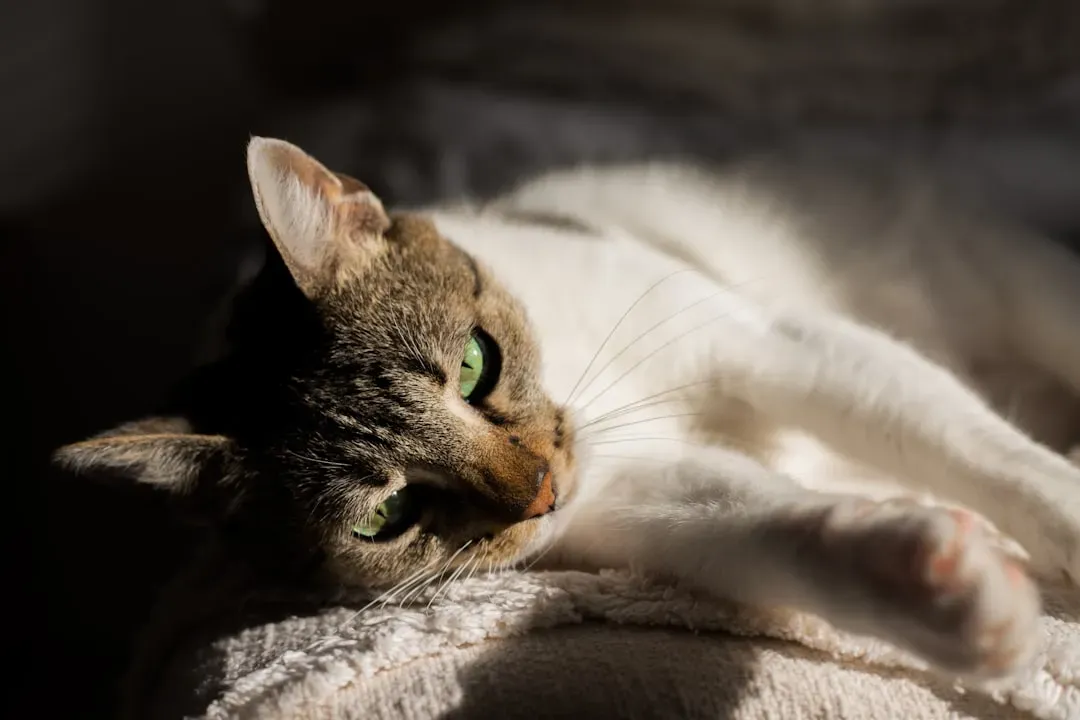
Here’s the part that surprises most cat owners. Sometimes, obsessive warmth-seeking isn’t instinct. It’s a signal. If your cat keeps looking for warm or hot places more than its usual behavior, it may be a sign of sickness. Lethargy, loss of appetite, and loss of interest in the things or activities your cat usually enjoys are further indication that something is wrong – and in a situation like this, it’s best to take your cat to a veterinarian for diagnosis and treatment.
Your cat can get too hot, and this can become serious very quickly. That’s why it’s crucial to recognize when the temperature is too high for them, as overheating is a real danger. Watch for panting, since unlike dogs, cats rarely pant except when they are extremely hot or stressed, and too much drooling can indicate heatstroke. The bottom line is simple: knowing your cat’s normal heat-seeking patterns means you’ll immediately notice when something shifts, and that awareness could genuinely save their life.
Conclusion
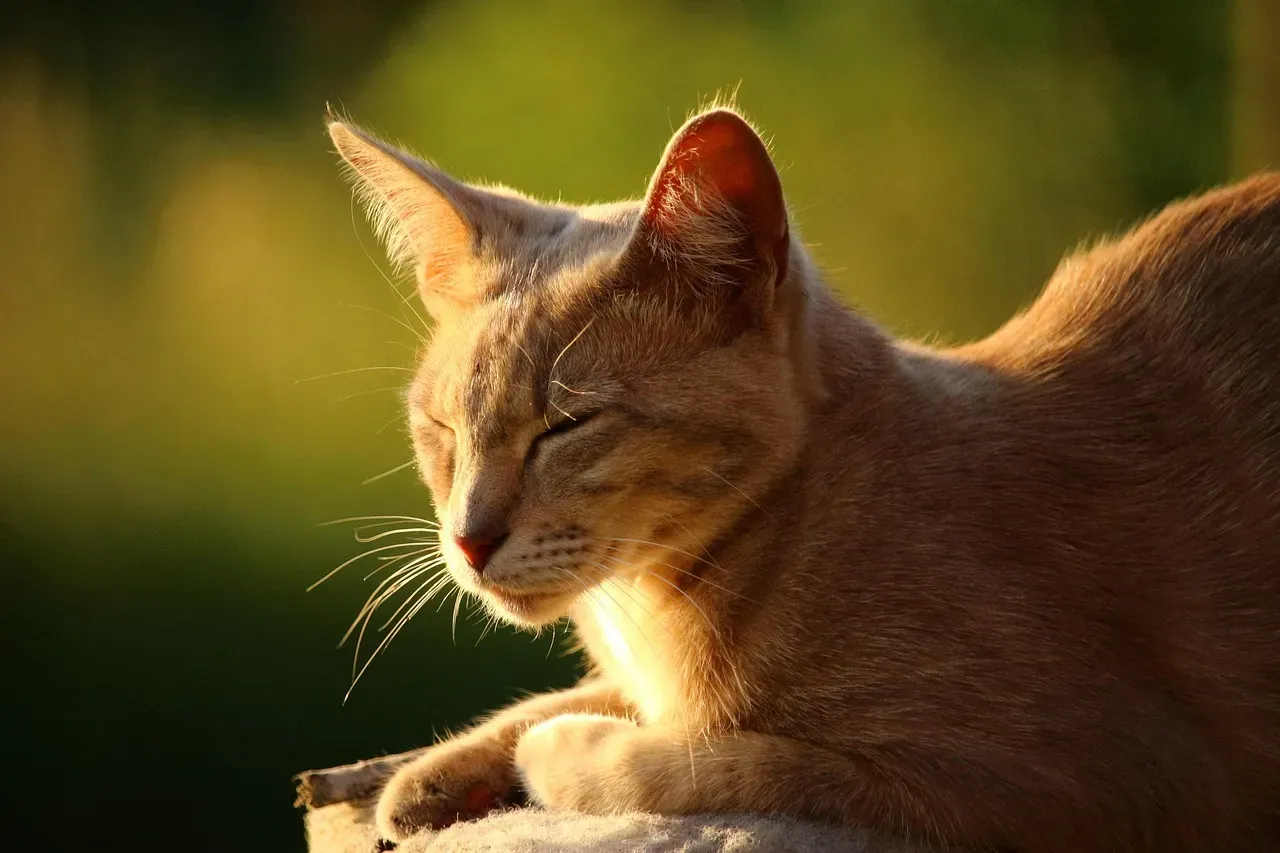
Your cat’s seemingly effortless ability to find the warmest corner of any room is one of those behaviors that looks casual on the surface but runs astonishingly deep. It’s millions of years of desert survival, early kittenhood imprinting, calorie-conserving logic, and emotional comfort all rolled into one fluffy, sun-chasing package. The sunbeam on your kitchen floor isn’t just a sunbeam to your cat. It’s a biological necessity, a psychological sanctuary, and an ancient instinct all happening at once.
Understanding this changes the way you see your cat’s daily routines. Every lap they choose, every vent they colonize, every freshly dried piece of laundry they immediately occupy – it all makes perfect, beautiful sense. So next time your cat beats you to the warm spot on the couch, just remember: they were evolutionarily designed to win that race every single time. What other hidden instincts do you think your cat is quietly acting on every day? Drop your thoughts in the comments.
Kristina is a young writer from India. An arts graduate and an avid content creator, Kristina is passionate about animals and wildlife. She enjoys exploring topics related to pet care, animal behavior, conservation, and nature, combining thorough research with engaging storytelling.