You sit down for a quiet meal, fork in hand, and within seconds you feel it. That steady, unblinking gaze coming from the corner of the room. Your cat is watching you eat again, and the intensity of it somehow makes your pasta feel like a performance.
This behavior is one of the most common things cat owners notice, yet it rarely gets a straightforward answer. The truth is, there’s no single reason behind it. Your cat’s mealtime stare is usually a layered mix of instinct, trust, habit, and occasionally, pure opportunism.
Your Cat Is Tapping Into Ancient Instincts
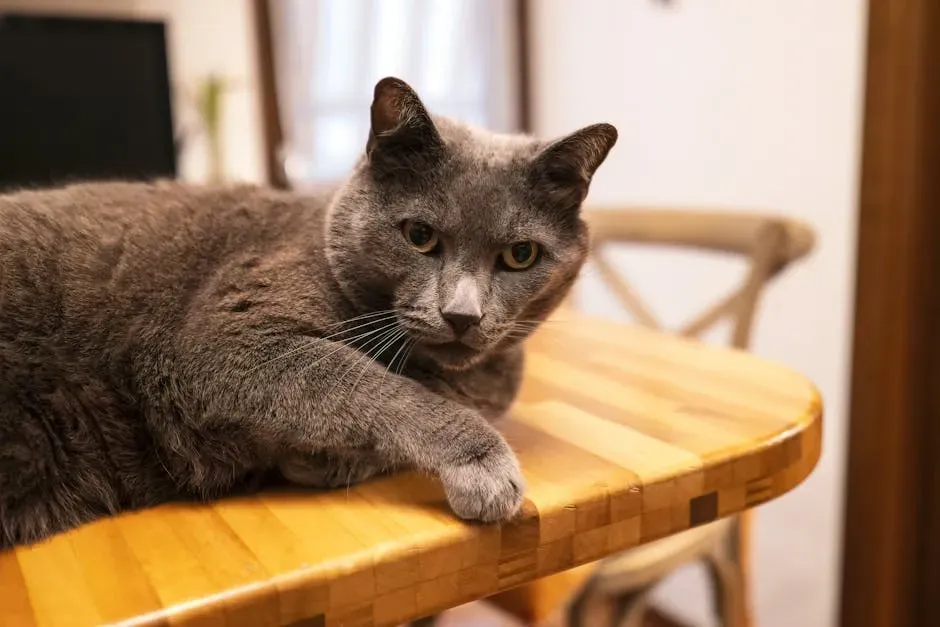
Cats are generally territorial and hunt their prey alone rather than in groups. However, they can form strong social bonds, live in groups, and participate in social activities. Wild cats also eat socially, bringing prey they’ve caught by themselves back into the group. That communal eating behavior hasn’t fully disappeared just because your cat now eats from a ceramic bowl in a modern kitchen.
This group eating habit is partly a safety issue. Cats venture out into their wider peripheral territory areas to hunt and then retreat back to their inner core territory to eat. Having other cats around to watch out for predators means that your cat can relax and eat in peace. When you sit down to eat, your presence mirrors that protective social role. You’ve essentially become their lookout.
You’re Being Watched Because You’re the Safe Zone
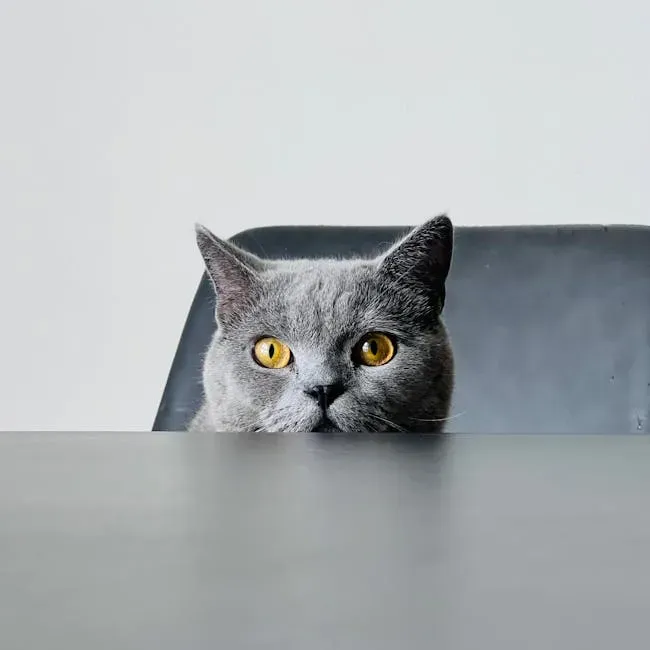
Your cat wants you to watch it eat because it feels safer when you do. Cats feel vulnerable while they’re eating. They are so focused on the food, they’re not able to focus on their surroundings. When you have a bond with your cat, it trusts you to watch its back while it eats. That steady gaze you get across the dinner table isn’t accusatory. It’s trust, and it runs surprisingly deep.
The trust and devotion your cat is displaying for you might also be the cause. A feline may be more inclined to seek out the companionship of someone they trust when they are vulnerable, such as while they are feeding. When cats eat, their attention is solely on their food, making them defenseless. In other words, the stare before, during, or after your meal is often your cat signaling that you are, without question, their safe person.
It Could Simply Be About Food Curiosity
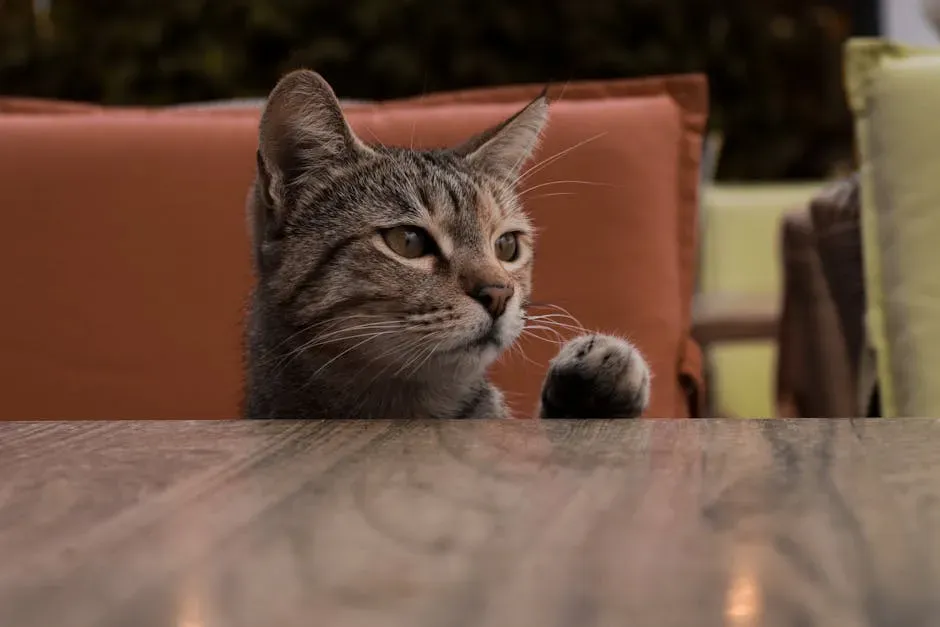
Cats can become fixated on human food smells, especially meat, fish, or dairy. Even if they don’t get a bite, the hope persists. Cats have a remarkably sharp sense of smell, and whatever you’re cooking or eating is hitting their senses in a way that’s genuinely hard to ignore.
Other cats may stare intently at you while you’re eating your meal, in hopes of getting a tasty morsel of human food. Cats are intelligent and observant animals. Over time, they learn what actions lead to results, and staring at their humans without blinking has proven to be remarkably effective. If your cat has ever received even a small scrap from your plate, that moment is logged in their memory and becomes the reason they keep showing up at dinner.
The Science Behind the Stare: How Cats Use Eye Contact
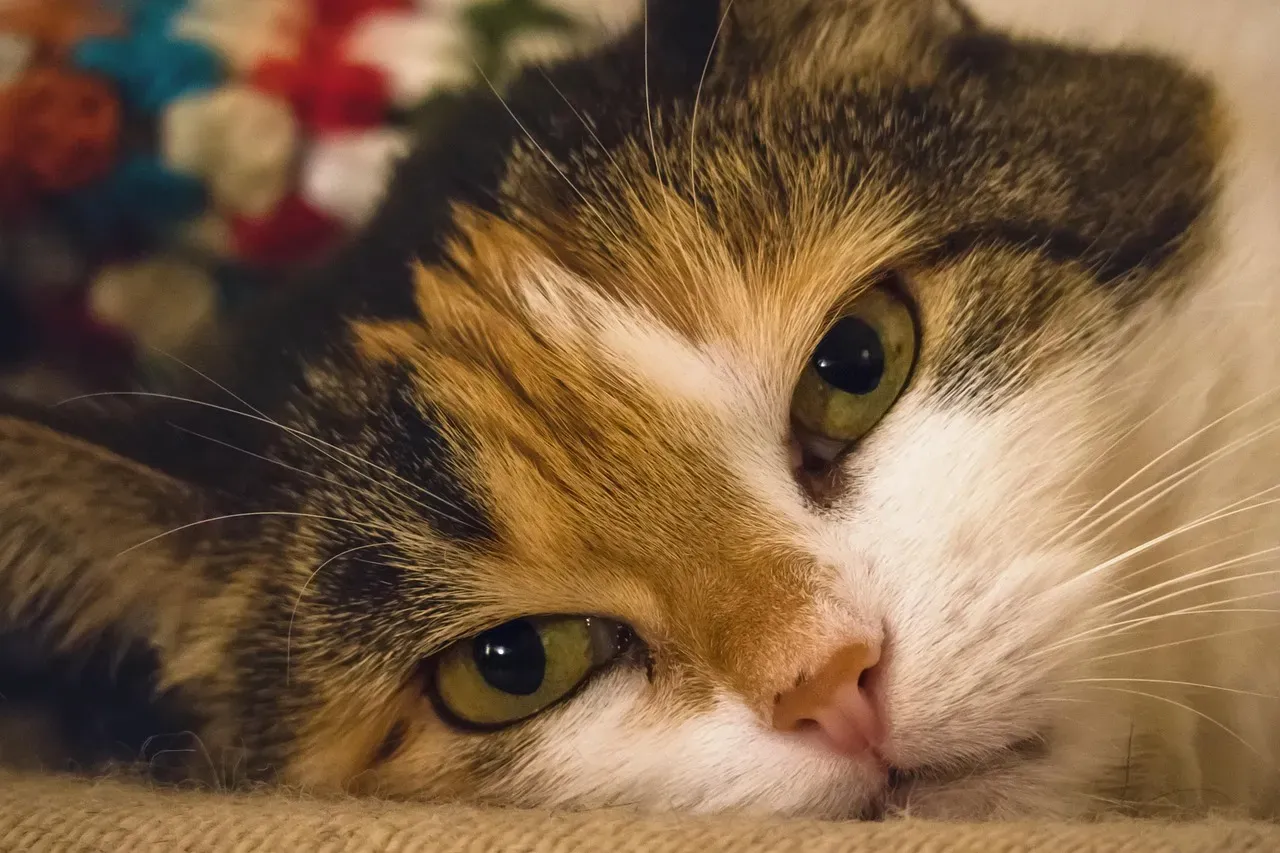
Unlike dogs that tend to bark, paw, or do acrobatics to get humans’ attention, cats are a little more subtle. Eye contact plays a significant role in the way they bond, communicate, express emotions, and even assert dominance. A stare isn’t just passive observation for a cat. It’s an intentional communicative act.
Cat staring is rarely random. Unlike humans, who might look away to avoid confrontation, cats use eye contact strategically. A slow blink can signal trust; a fixed stare often signals anticipation. When your cat watches you eat, they’re not just observing. They’re assessing. Learning to read the difference between a soft gaze and an intense one can tell you a lot about what your cat actually wants from you in that moment.
Affection Eating: When Your Cat Needs Your Company to Dine
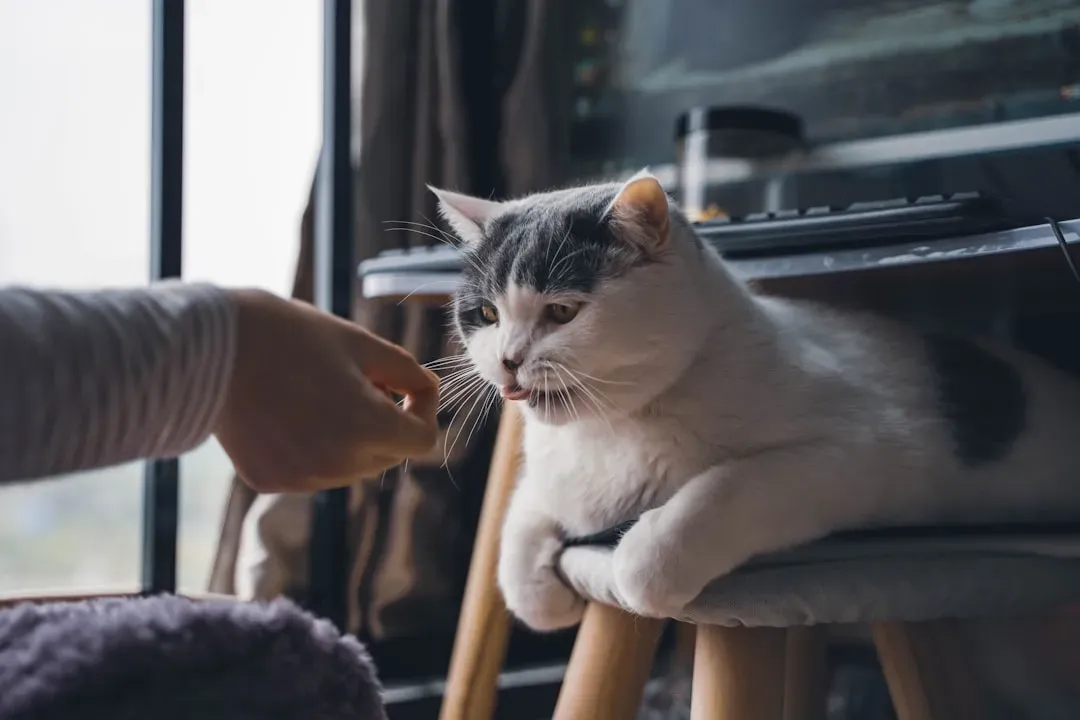
Regardless of the reason behind it, this type of behavior has a name: affection eating. “Affection eating” is the term used to describe cats that require companionship or affection during feeding time. This could manifest as a cat that enjoys having you present while they eat and might be a bit hesitant to eat if you are not around. They could feel more comfortable eating when you are watching or petting them.
Some cats simply don’t want to eat unless the dining environment is to their liking, and that may mean they expect you to watch them eat. This fussy behavior is known as “affection eating,” and it often means that your cat just wants a little company or affection while they snack. In most cases, this behavior is no reason to worry. Your cat likely just feels more comfortable with you around, which is definitely a compliment.
Routine Is Everything: Your Cat Has Memorized Your Mealtime Patterns
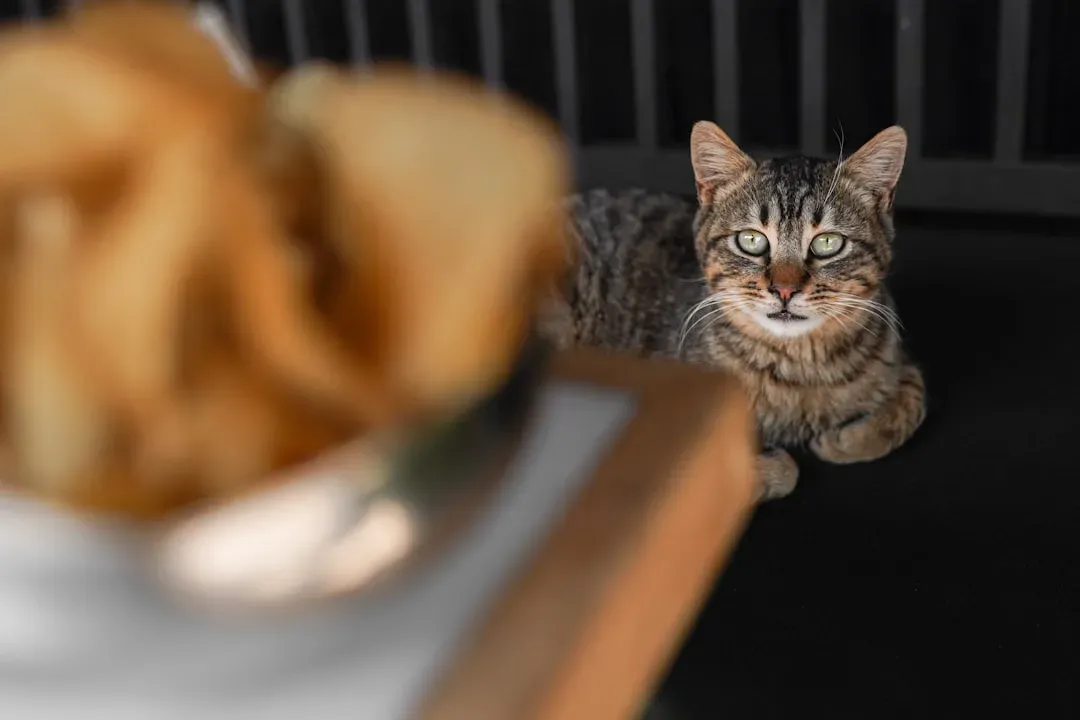
Cats are highly attuned to routines. They notice when you open the fridge, sit at the table, or pick up utensils. All of these are cues that precede feeding time. Your cat has likely associated these actions with food delivery, whether from their own bowl or, inadvertently, from your plate. Over time, the stare becomes a conditioned response: you eat, attention increases, potential reward follows.
Cats are creatures of routine. If feeding is associated with other predictable events such as playtime, treats, or going outside, your cat may stare to remind you the next step in the sequence. It’s less about surveillance and more about keeping the daily schedule on track, at least from your cat’s perspective.
Early Life Experiences Leave a Lasting Impression
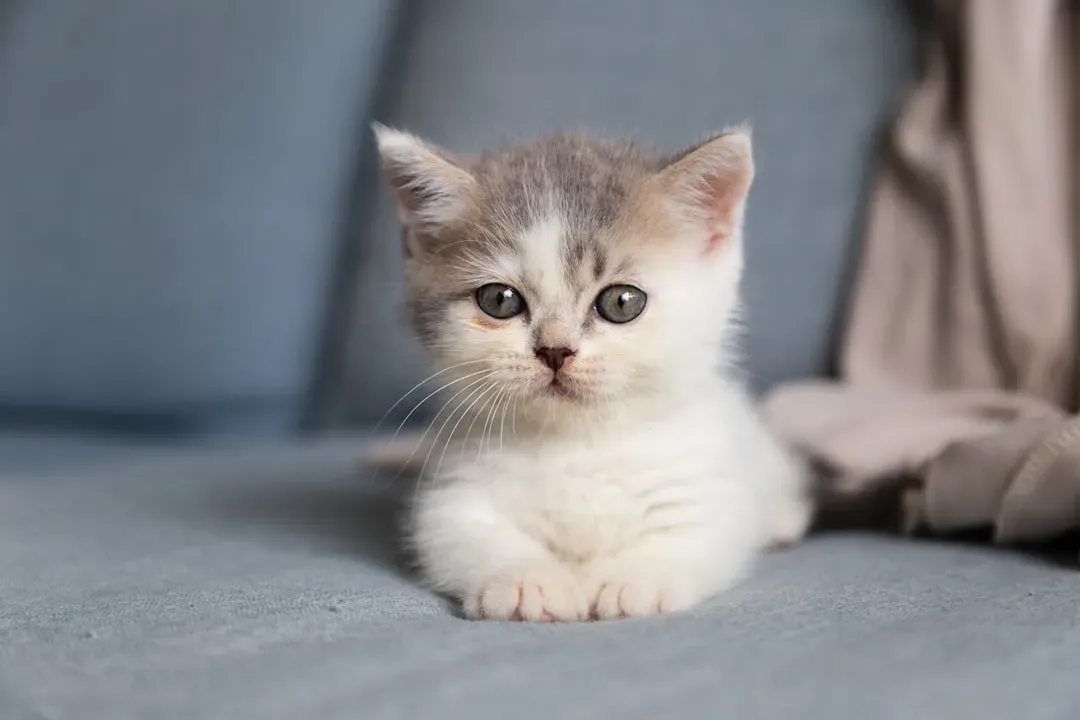
Cats are very much creatures of routine, and what they learn as young kittens is likely to stick. Many owners with tiny kittens will lavish care on them, helping them to eat via syringe feeds or being spoon-fed, sitting with them to make sure all littermates get their turn at the bowl. These kittens will grow up into adult cats, and might have a lasting memory that eating food involves affection, care, and the presence of a trusted caregiver.
Your cat may want you nearby for mealtimes because they feel connected to and safe with you, and even trust you to take proper care of them. Like many behaviors, affection eating can be learned. Your cat may have picked up this habit from other cats in a previous home or shelter environment. What starts as a kitten’s need for comfort can solidify into an adult cat’s deeply ingrained expectation, one that quietly follows them from one home to the next.
When Staring Might Signal Something More
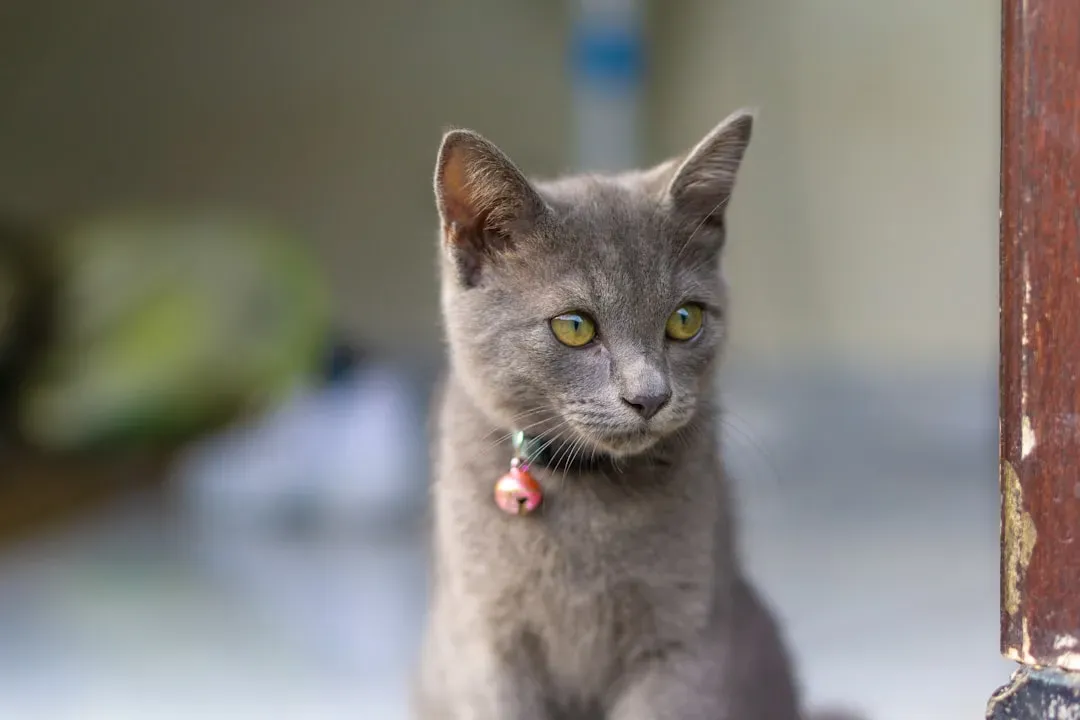
Staring is considered rude in the human world, but staring can convey different messages in the cat world. A staring cat can be a sign of asking for attention, seeking food, or a warning that the cat needs his space. Context matters more than the stare itself, so it’s worth paying attention to the body language that comes alongside it.
A hard, flat stare accompanied by dilated pupils, a puffed-up tail, ears laid back on the skull, and a standoffish posture means the cat feels threatened and may attack. Relaxed body language with a sleepy, half-lidded gaze indicates relaxation and happiness, perhaps accompanied by purring. A scared cat will stare intently while arching their back, tail held low, and accompanied by unpleasant hissing, spitting, or yowling. When in doubt, look at the whole picture, not just the eyes.
What You Can Actually Do About It
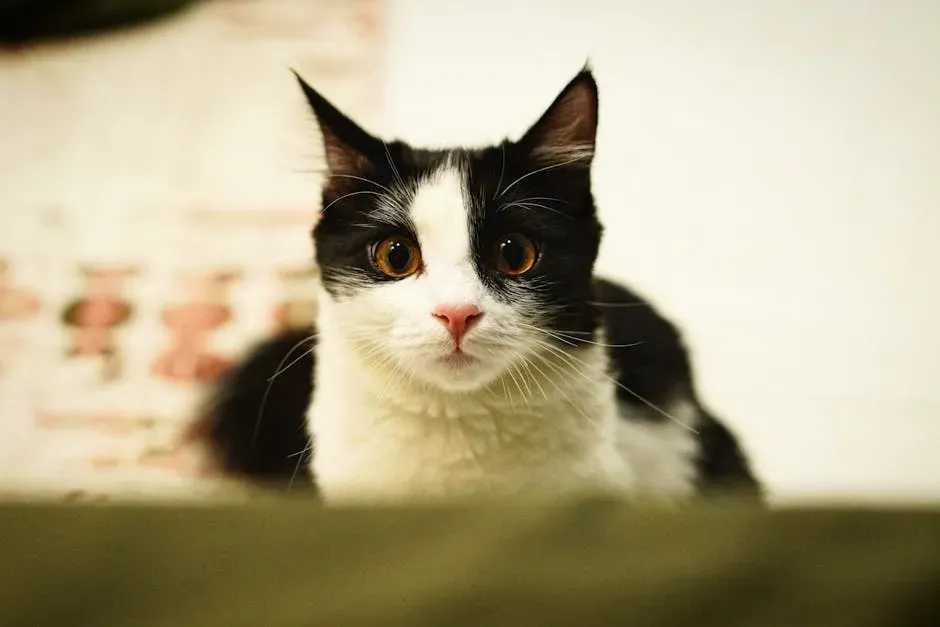
Try to give your cat less attention when they eat. While you can still be in the same room during mealtime, look for activities to do in the area where your cat can still see you but doesn’t have your undivided attention. Doing so can help your cat adjust to being more independent while they eat. Gradual steps tend to work far better than abrupt changes for cats.
Always make sure to give your cat plenty of affection outside of meals. Take time to play with your cat, groom them, or just cuddle if they’re up for it. Your cat may even return the favor with some gentle kneading. If your cat feels that they get plenty of attention from you throughout the day, they’re less likely to beg for your attention during dinner. Filling your cat’s social needs outside of mealtimes is usually the most reliable long-term solution to the dinner-table stare.
The Bigger Picture: What the Stare Really Tells You
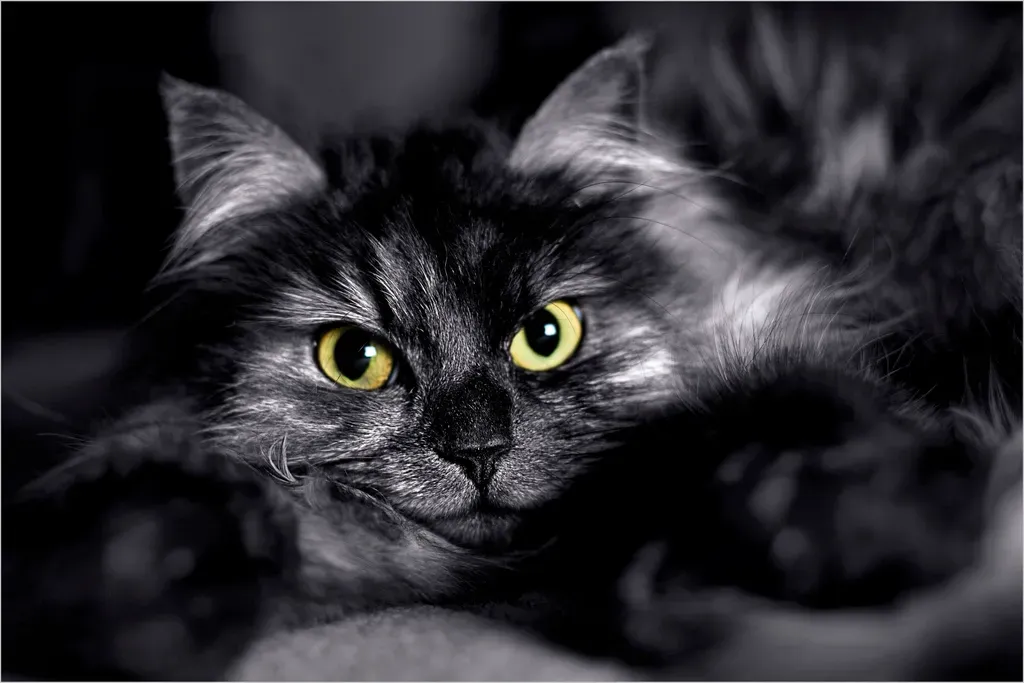
Eye contact is part of feline social behavior. A calm, steady gaze can be an affiliative signal: your cat is checking in, reinforcing the bond, or inviting interaction such as petting, play, or mutual grooming. Slow blinks often accompany this and mean trust. When your cat holds your gaze across the dinner table with soft eyes and a relaxed posture, that’s not manipulation. That’s affection expressed in the only language they reliably have.
A post-meal stare is usually social or routine-driven rather than literal hunger. Reading the cat’s body language and context helps you decide whether it’s asking for attention, a next activity, or, more rarely, signaling distress. Most of the time, the answer is refreshingly simple. Your cat is watching you eat because you matter to them, and mealtimes happen to be one of the clearest windows into that bond.
Conclusion
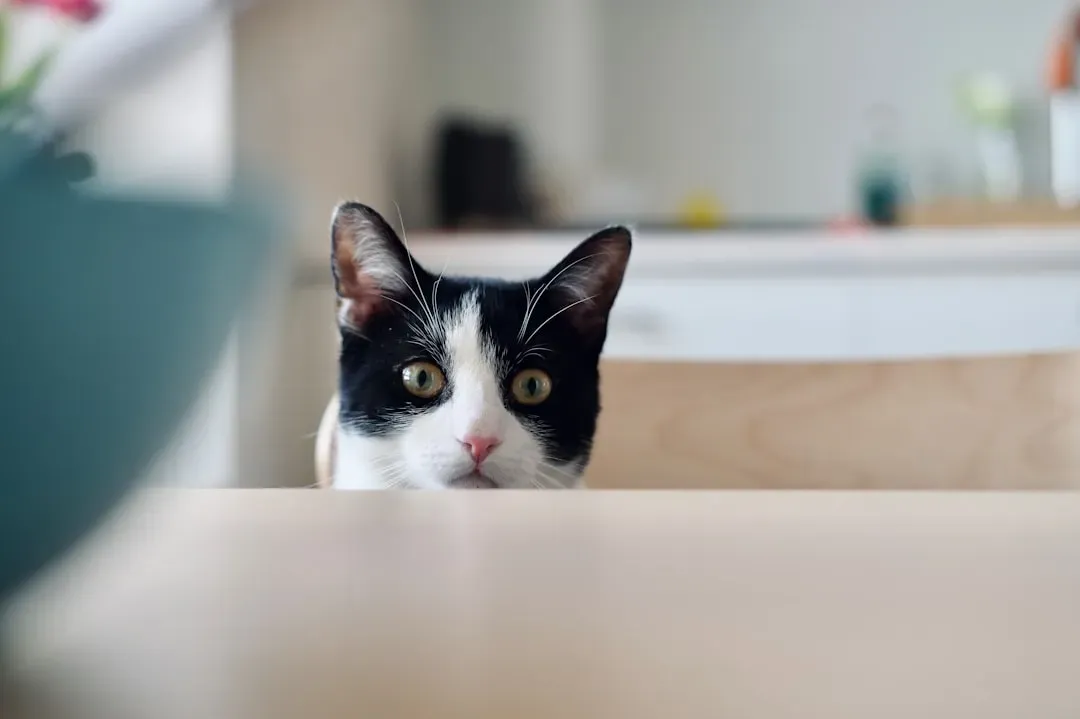
The next time your cat locks eyes with you while you’re halfway through dinner, try not to feel studied. What looks like an interrogation is usually a quiet form of connection. Your cat sees mealtime as a shared social moment, one that’s tied to safety, routine, habit, and genuine attachment to you as their person.
Understanding why your cat stares doesn’t require you to change anything, unless the behavior becomes disruptive or your cat refuses to eat without your presence. For most cats, a watchful gaze over your meal is simply their version of sitting at the same table. They can’t quite join you, so the next best thing is being close enough to feel like they did.
Kristina is a young writer from India. An arts graduate and an avid content creator, Kristina is passionate about animals and wildlife. She enjoys exploring topics related to pet care, animal behavior, conservation, and nature, combining thorough research with engaging storytelling.