Cats have a reputation for being mysterious, even a little aloof. They don’t announce their contentment the way dogs do. There’s no tail-wagging at full speed, no frantic greeting at the door. Instead, cats communicate comfort in quiet, layered ways that can be surprisingly easy to miss if you’re not watching closely.
The truth is, when your cat truly feels at home, they’ll tell you. Not in words, obviously, but through posture, behavior, and a whole vocabulary of subtle signals that speak to deep emotional security. Learning to read those signals changes the way you see your cat entirely.
They Sleep Stretched Out in the Open
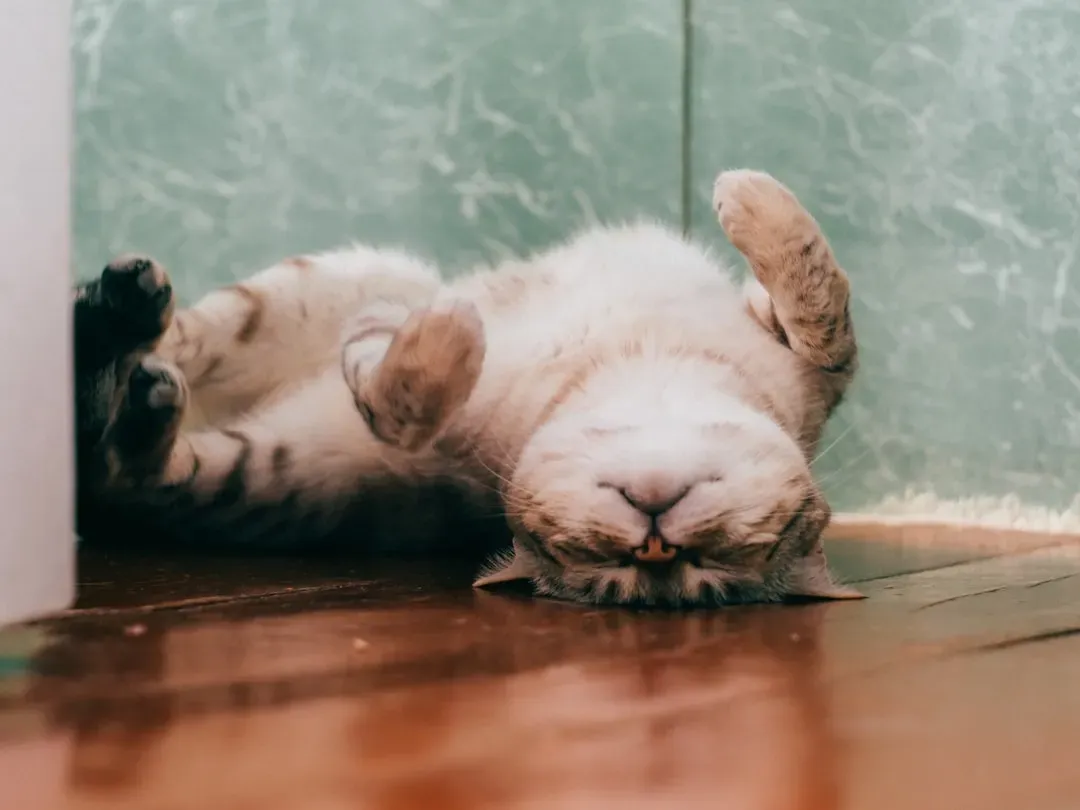
One of the clearest signs your cat has fully claimed your home as their sanctuary is how and where they choose to sleep. Cats that are nervous or afraid will often hide or seek out secure spots when it’s time to rest. In contrast, a cat that feels safe and comfortable in their home will confidently sleep in vulnerable positions, like lying in the middle of the living room with their belly fully exposed.
Content cats who feel safe in their environment are much less likely to hide or seek shelter. Instead, a happy cat will often relax out in the open, stretching out comfortably on their side rather than curling up tightly into a protective ball. This relaxed body language is a clear indicator that your cat feels secure, calm, and emotionally comfortable in your home.
They Knead You or Your Furniture with Pure Contentment
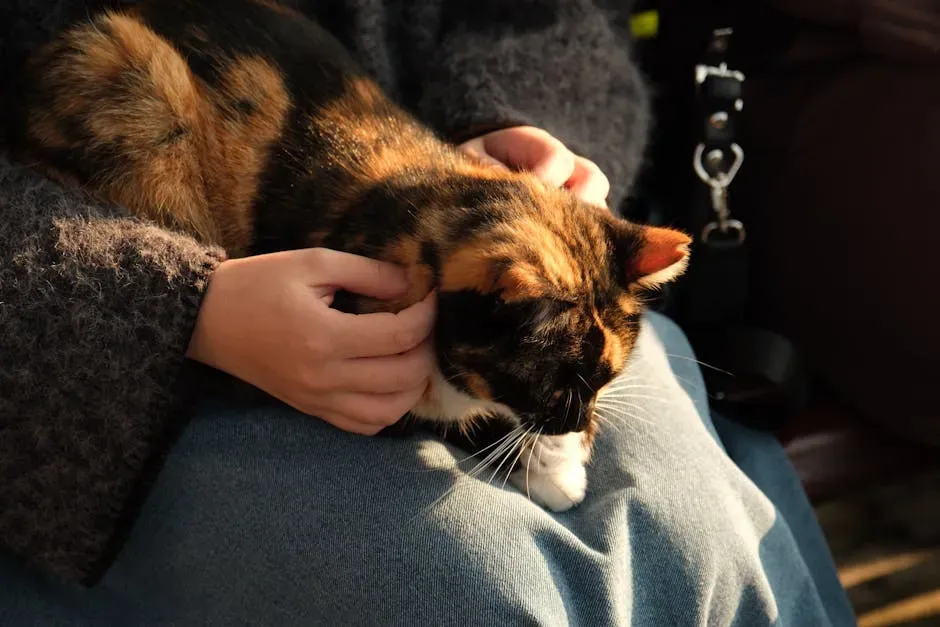
Kneading, often called “making biscuits,” is an instinctive behavior that starts in kittenhood. When your cat rhythmically presses their paws into your lap, a blanket, or even your chest, they’re showing deep comfort and trust. This action is soothing for them, and it’s a throwback to the nurturing bond with their mother.
Your cat may be doing this as a way of showing that they feel secure with you, just as they felt when they were with their feline mother and their litter. As they have scent glands on their paws, it could also be that they’re marking you as their territory, a sure sign of trust. In other words, when your cat kneads the sofa or your lap with that dreamy, half-closed expression, you’re watching a creature who considers this space entirely and completely theirs.
You Get the Slow Blink Treatment
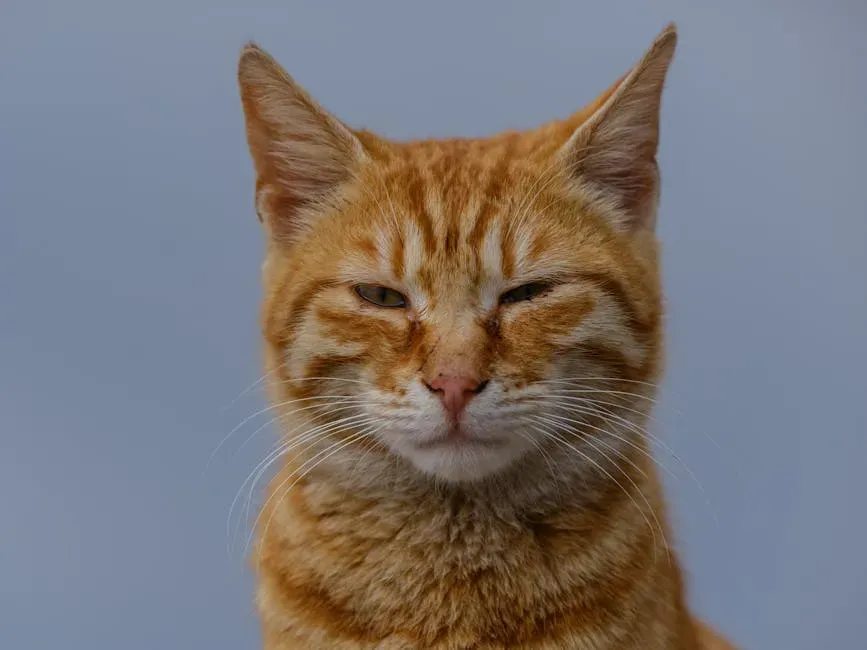
A slow, steady blink is one of the signs a cat trusts you. This adorable gesture is an affectionate way of saying your cat feels safe and loved when you’re around. It’s sometimes called the “cat kiss,” and it’s one of the most understated yet meaningful signals a feline can offer.
Have you ever seen your cat look at you and then slowly close their eyes and open them again? Perhaps they also turned their head away? This is a good sign that they like you a lot. It means they trust you enough that they don’t need to keep a watchful eye on you at all times. You can return the gesture with a slow blink of your own. Most cats respond warmly, and it genuinely deepens the connection between you.
They Headbutt and Rub Against You Regularly
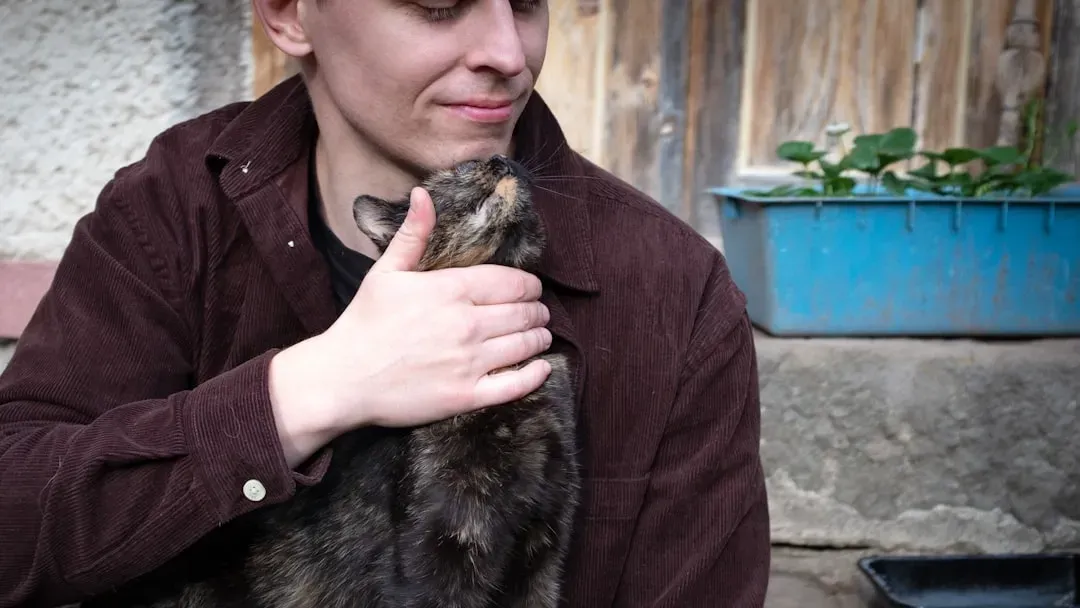
Headbutting, also known as “bunting,” is a loving gesture only offered to those a cat truly trusts. When your cat bumps their head against you or rubs their cheeks on your hand, they’re marking you with their scent and claiming you as family. This affectionate behavior is rooted in feline social bonding.
If your feline friend likes to headbutt you or rub their head against you, this is a sign that you’re familiar to them and they’re showing you their respect. Cats deposit pheromones on you when they headbutt. It’s a way for them to mark their territory and show that you’re safe to be around. Think of it as your cat stamping your home with their personal seal of approval, one gentle nose-bump at a time.
They Follow You from Room to Room
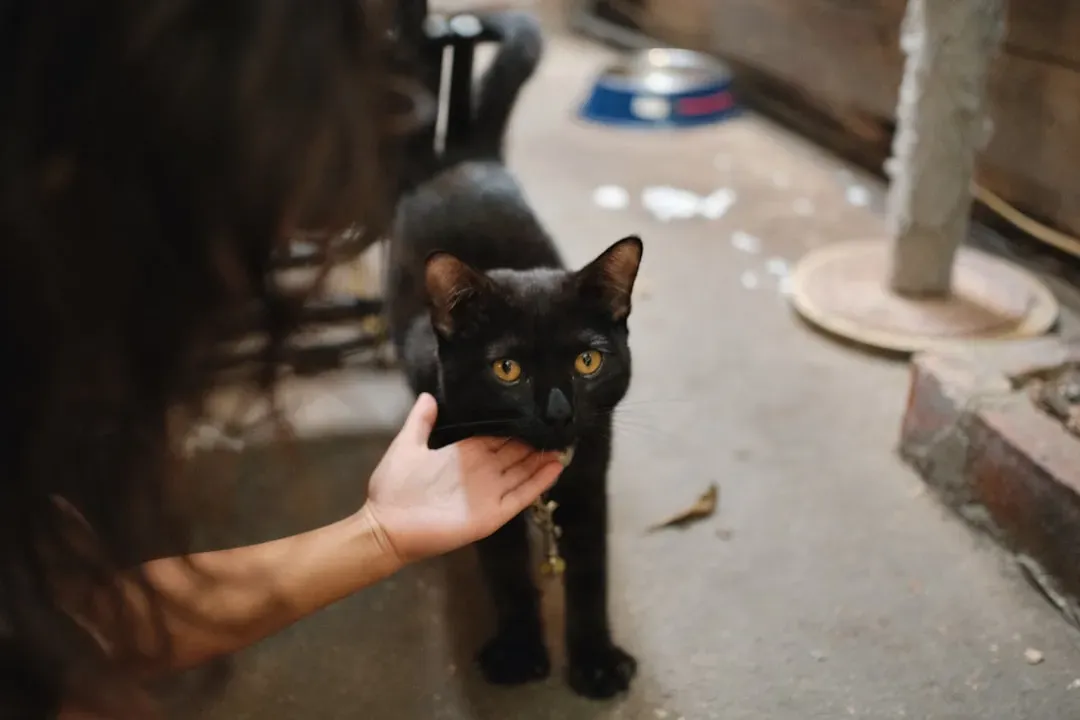
If your cat chooses to spend the majority of their time in the same room as you, that’s a good indicator that they feel safe. You may have noticed them trailing you to the kitchen, sitting outside the bathroom door, or simply relocating wherever you settle. It’s not random.
Your cat might settle on a windowsill while you work, perch on the bathroom mat while you shower, or sit quietly beside you during movie night. This behavior shows that your cat enjoys your company and feels secure enough to want to be part of your world. Given the option, a cat who feels safe with you will usually choose to at least be in the same room as you, rather than off on their own.
They Groom Themselves – or Even You – Right in Front of You
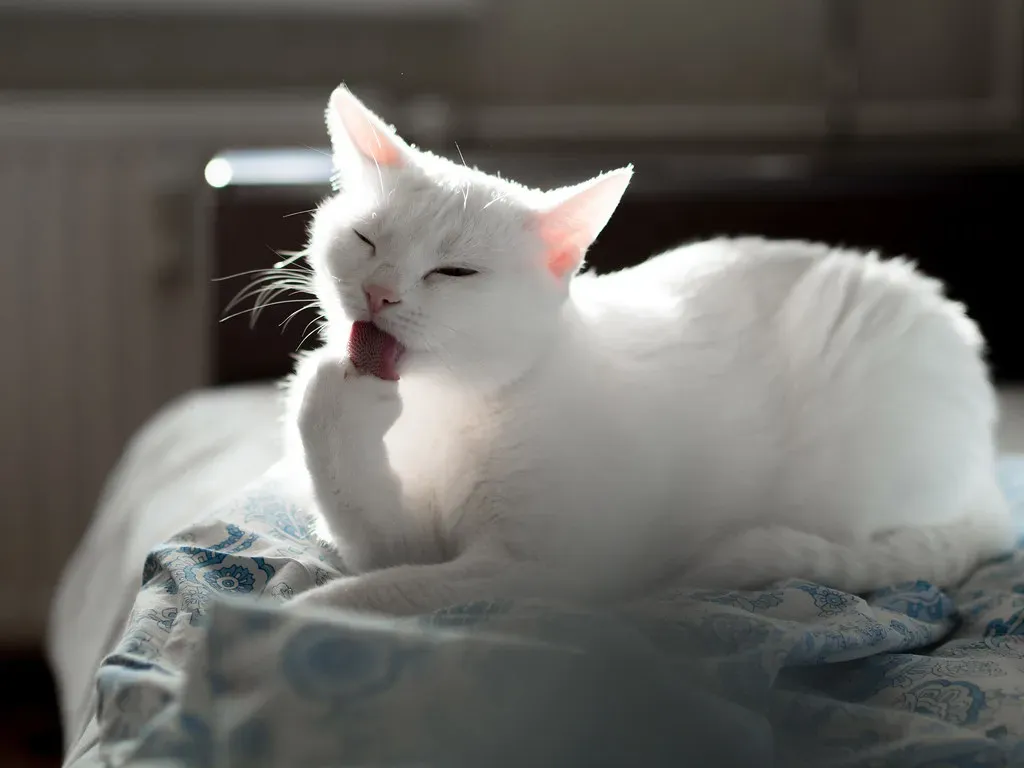
Cats are famously fastidious about their grooming, but they only do it openly when they feel secure. If your cat calmly licks their fur or even grooms you while you’re nearby, it’s a strong indicator of trust. An anxious cat simply won’t sit still long enough to groom themselves. The fact that yours does it comfortably in your presence speaks volumes.
Grooming is one of the most obvious signs of cat bonding. In multi-cat households, cats groom each other to establish social bonds and share scent. If your cat licks your hand or even your hair, it’s a sign of including you in their social circle. When that happens, you haven’t just been accepted. You’ve been officially inducted into the family.
They Vocalize Softly and Often in Your Direction
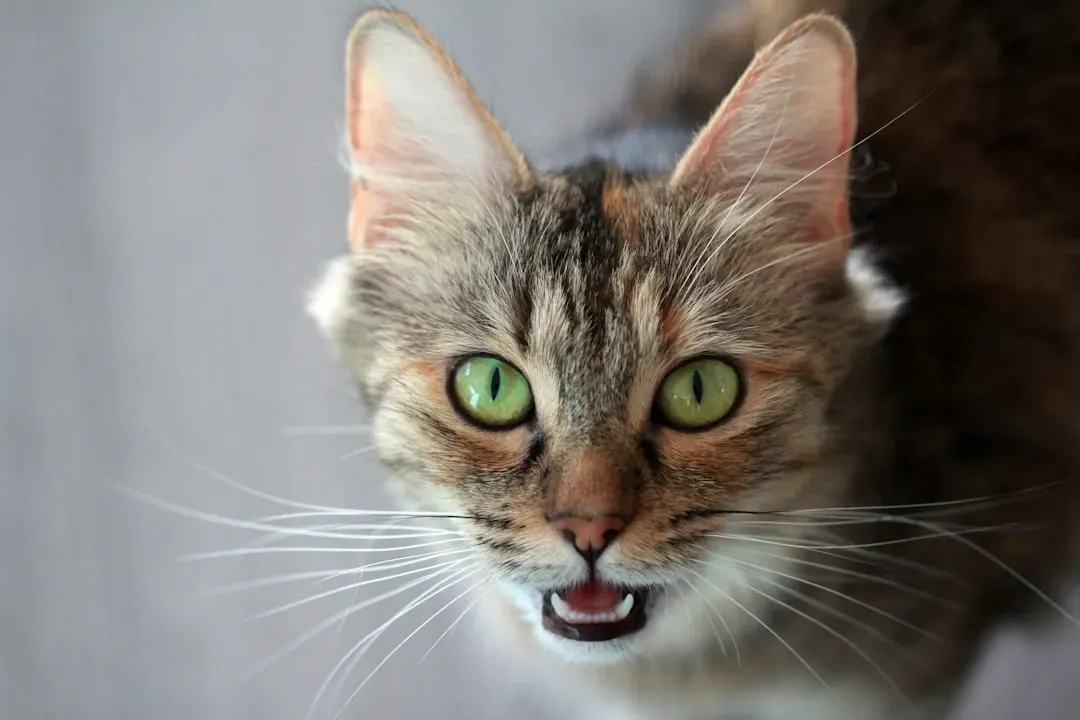
Safe and happy cats often express themselves with gentle sounds, like soft meows, trills, or chirps. These are friendly, conversational noises that invite interaction. If your cat greets you with a quiet “hello” or “talks” to you during daily routines, it’s a sign they feel comfortable and want to communicate. These soft vocalizations are far different from the loud yowls or hisses that signal distress or discomfort.
Cats tend to generally reserve meows for communicating with humans, and they are more likely to meow at you if they feel connected to you. If your cat consistently “talks” to you, it is a sign that the cat feels comfortable enough to interact with you and expects a response. That little chirp when you walk past, the trill when you open the fridge – these aren’t random noises. They’re your cat treating your home like a place worth talking about.
They Show Their Belly and Expose Vulnerable Positions Near You
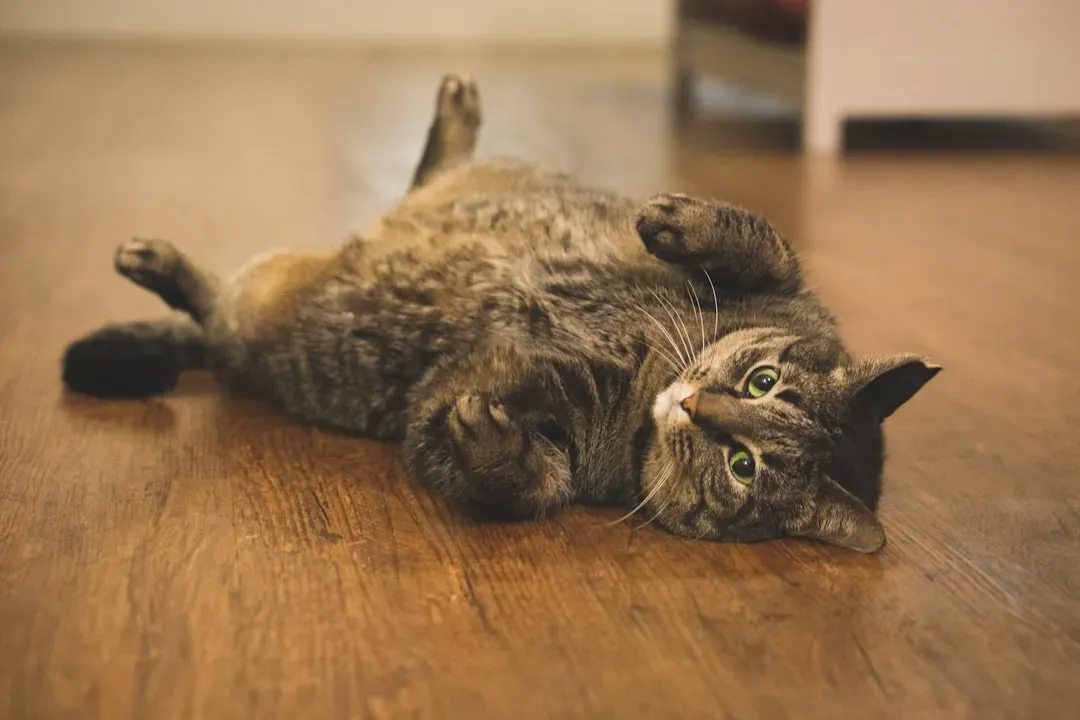
Cats who present their bottoms to you with their tails straight up, who roll around, or who lay on their backs are demonstrating that they are happy, comfortable, and feel safe being around you. The belly, in particular, is one of the most telling signals in the feline world. Exposing it is not an invitation for a rub. It’s a declaration of trust.
Cats show vulnerability in several ways, and each one is a powerful trust sign. Whether they expose their belly, eat comfortably in your presence, use the litterbox without hesitation, or simply relax beside you during an evening movie or reading session, these behaviors reveal that your cat feels safe and secure around you. These vulnerable gestures indicate that your feline doesn’t feel threatened, stressed, or on high alert. Instead, they signal a deep sense of emotional safety.
Your Home, Their Kingdom
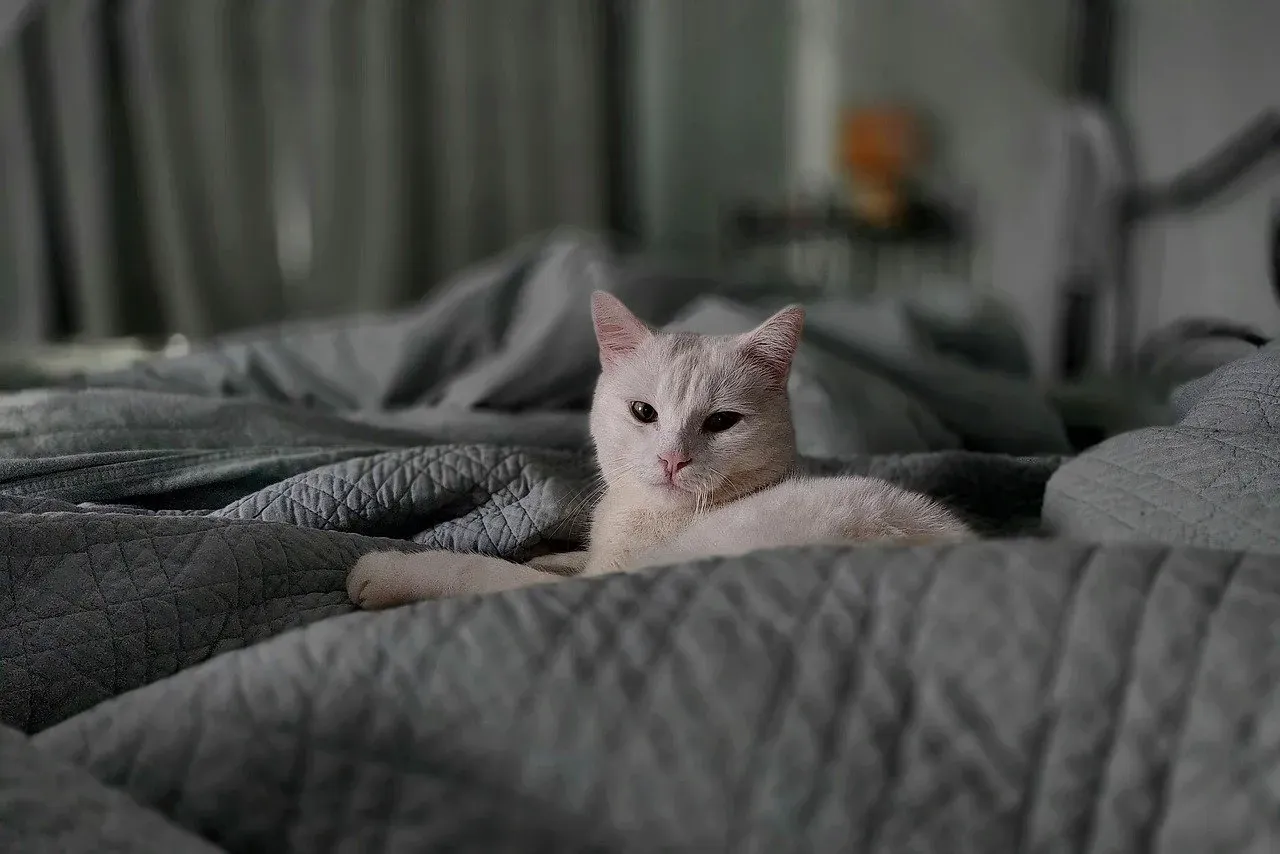
When you start noticing these behaviors together, a picture emerges. Your cat isn’t tolerating your home. They’re thriving in it. Behaviors such as purring, kneading, and grooming you signal trust and emotional comfort. Each small gesture, from a slow blink to a lazy belly flop on the living room floor, is your cat’s way of expressing that this place feels right to them.
When a cat feels secure, their body language changes in gentle but noticeable ways. Learning to recognize those signs strengthens your bond and helps you create an emotionally supportive environment. The more you understand what your cat is communicating, the better you can nurture that sense of security they’ve found in you and in your shared space.
Cats don’t give their trust cheaply. When yours does, the evidence shows up in the quietest, most everyday moments. That stretched-out nap on the sunny floor. That soft chirp from the other room. That forehead pressed gently against your hand. It turns out, a cozy sanctuary doesn’t have to be grand. Sometimes it’s just a warm apartment and someone they trust completely.
Kristina is a young writer from India. An arts graduate and an avid content creator, Kristina is passionate about animals and wildlife. She enjoys exploring topics related to pet care, animal behavior, conservation, and nature, combining thorough research with engaging storytelling.