Cats have a reputation for being unreadable. They walk into a room, look at you with absolute indifference, and walk back out. Yet, for the people who share a home with them, there are quiet, consistent moments that feel unmistakably meaningful. A long gaze that softens into a blink. A warm weight settling onto your lap at the exact moment you sit down.
The truth is, felines communicate trust in a language that is entirely their own. It doesn’t look like a dog’s tail-wagging enthusiasm, and it isn’t always obvious. What you’re about to read will help you recognize the specific, behaviorally grounded signs that your cat doesn’t just tolerate you – they’ve chosen you as their safe person.
They Send You the Slow Blink
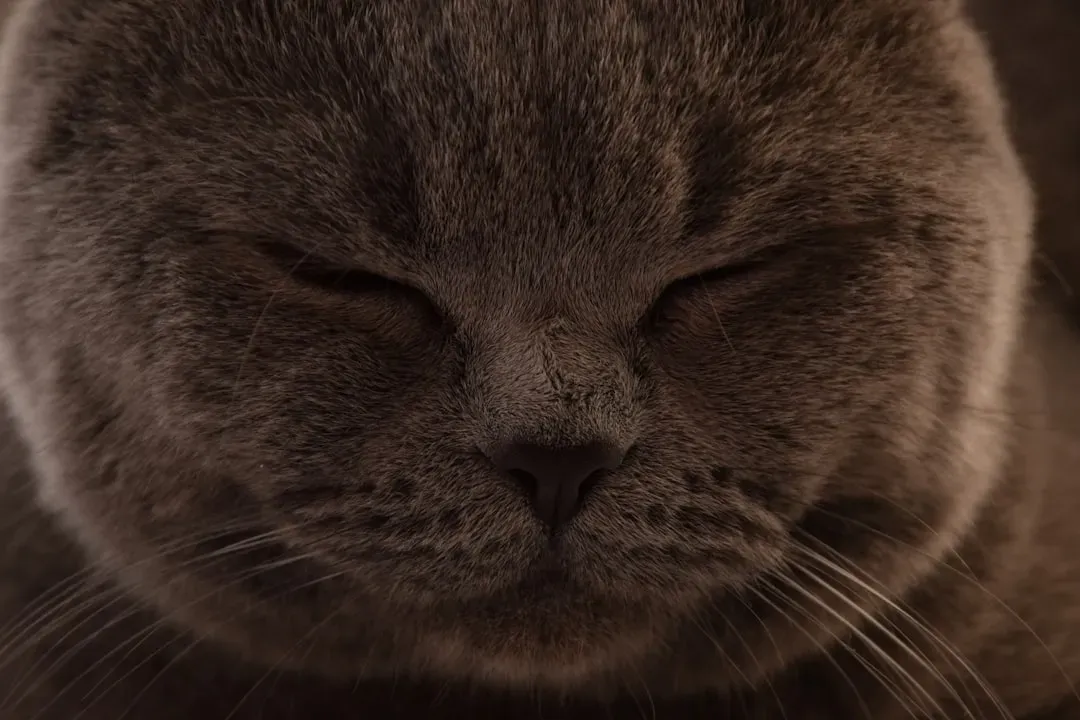
Few gestures in the animal world are as quietly eloquent as the feline slow blink. When a cat slow blinks at you, they are often expressing a sense of trust, contentment, and affection. In the feline world, closing their eyes in the presence of another creature makes them vulnerable, as they are unable to detect potential threats. By slow blinking at you, your cat is demonstrating their trust in you and signaling that they feel safe and relaxed in your company.
According to peer-reviewed research, it’s the feline equivalent of saying “I trust you.” In 2020, psychologists at the University of Sussex conducted the first scientific study on cat slow blink meaning. These findings support the idea that slow blinking serves as a form of positive emotional communication between cats and humans, helping to build trust and strengthen the bond between the two species. When your cat fixes their gaze on you from across the room and then slowly, deliberately closes their eyes, you can take it as a sincere compliment.
By slowly closing its eyes while looking at you, your cat is signaling, “I feel so safe with you that I am willing to let my guard down.” You can even return the gesture. Returning the slow blink is a way to communicate your love and trust in a language they instinctively understand. It reinforces the bond you share through mutual blinking and can help a shy or nervous cat feel more secure around you.
They Choose to Sleep on You or Beside You
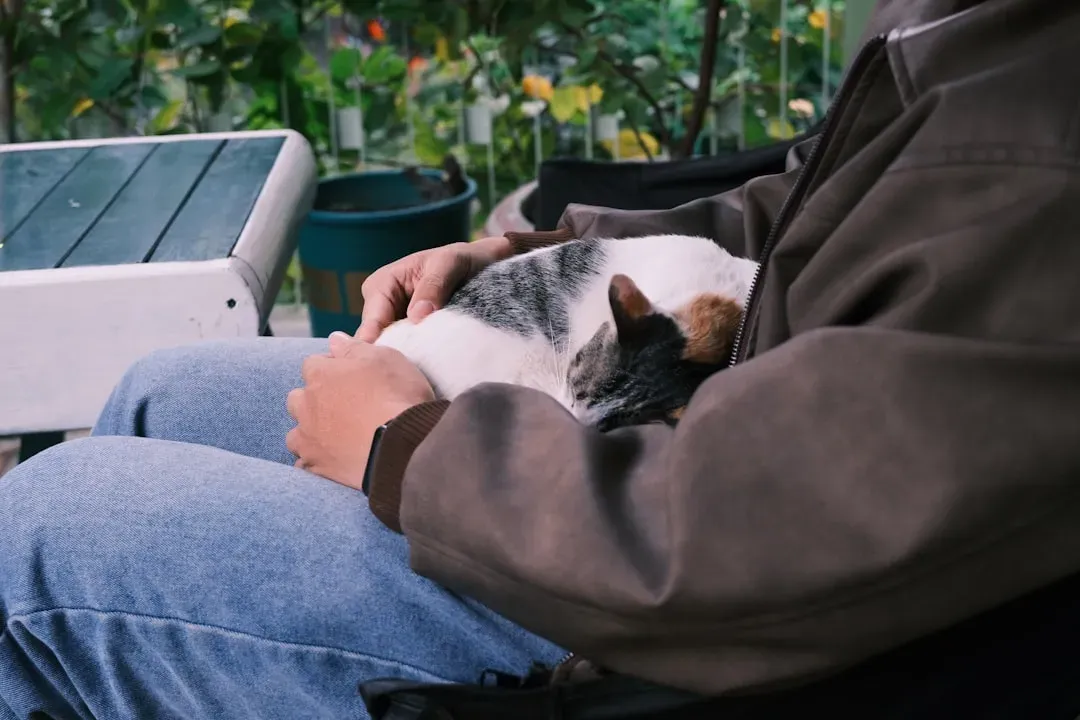
Your cat sleeps a lot. Like most animals, cats are most vulnerable when snoozing. As a result, they are only going to sleep where they feel most comfortable and secure. When that place is your lap, your chest, or the curve behind your knees, it says a great deal about how they see you.
Cats spend a large portion of their lives sleeping, and where they choose to nap can tell you a lot about how they feel. If your cat chooses to sleep near you, or better yet, directly on your lap, it’s a sign they feel secure and trust you enough to be vulnerable. Cats are very cautious about where they sleep, so if they’ve chosen you as their resting spot, take it as a sign of complete trust.
It’s a big sign of trust if your cat wants to sleep with you because this is a time when cats are very vulnerable. This behavior can be especially touching when a previously shy or distant cat starts seeking your company at bedtime. It’s almost as if your heartbeat becomes their lullaby. There is nothing accidental about where a cat chooses to rest.
They Headbutt and Rub Their Scent onto You
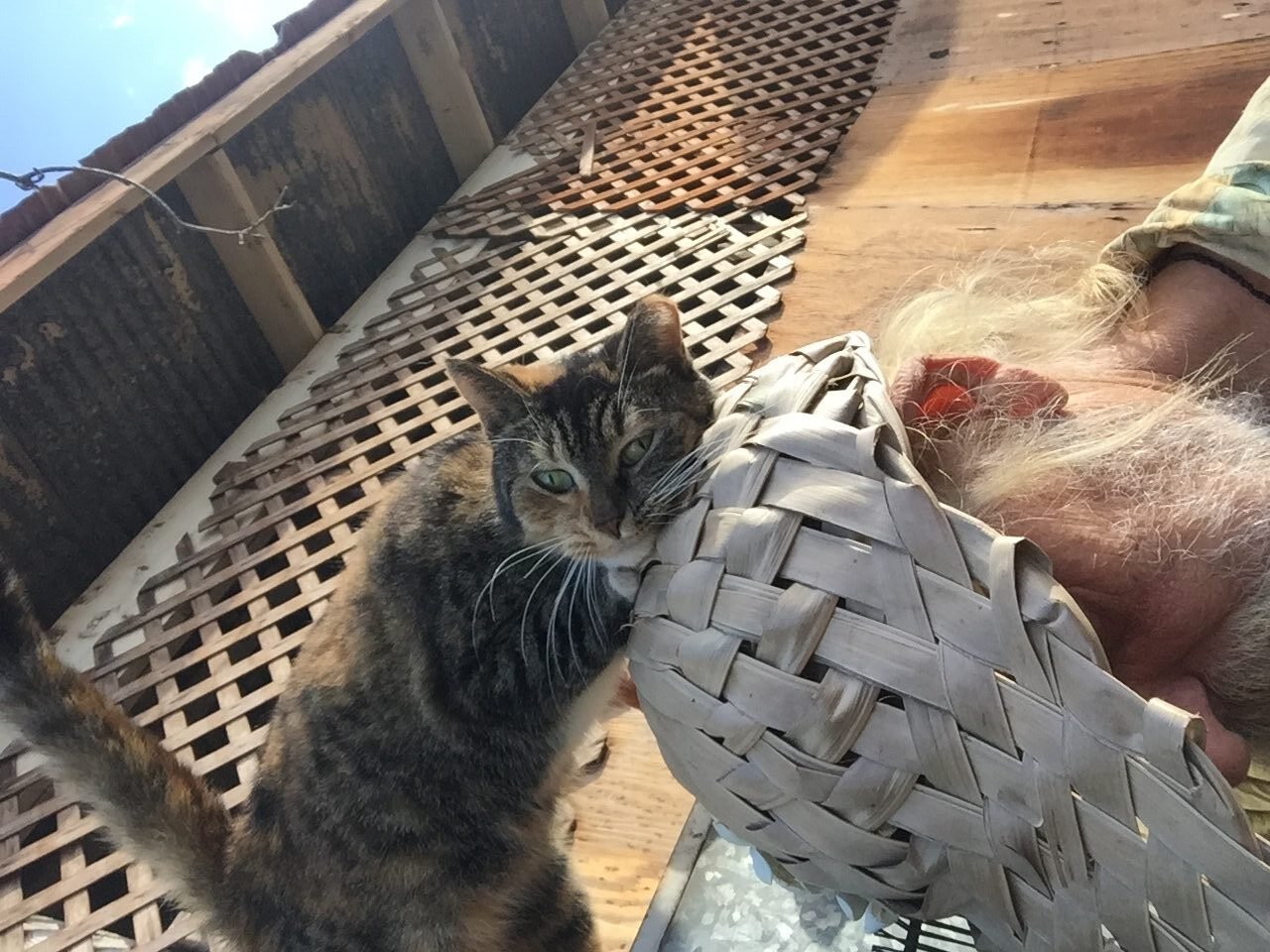
When your cat bumps their head or face against you, this is called “bunting.” It’s a behavior cats use to mark territory with the scent glands in their face. Head-butting is another affectionate gesture cats reserve for those they trust deeply. So, when your cat jumps up and gives you a push with their head, know they are telling you they love you.
When your cat gently bumps its head against you, it’s not just being playful – it’s marking you as family. Headbutting, also called bunting, is a way for cats to mix their scent with yours. This mingling of scents is how cats claim their favorite people and spaces, creating a shared “family smell.” It’s both an affectionate greeting and a sign of belonging.
Cats deposit pheromones on you when they headbutt. It’s a way for them to mark their territory and show that you’re safe to be around. The facial pheromones are the ones that express safety and familiarity. If your cat is constantly giving you head butts, they are indicating that they trust you – you are their comfort and safety.
They Knead You Like Dough
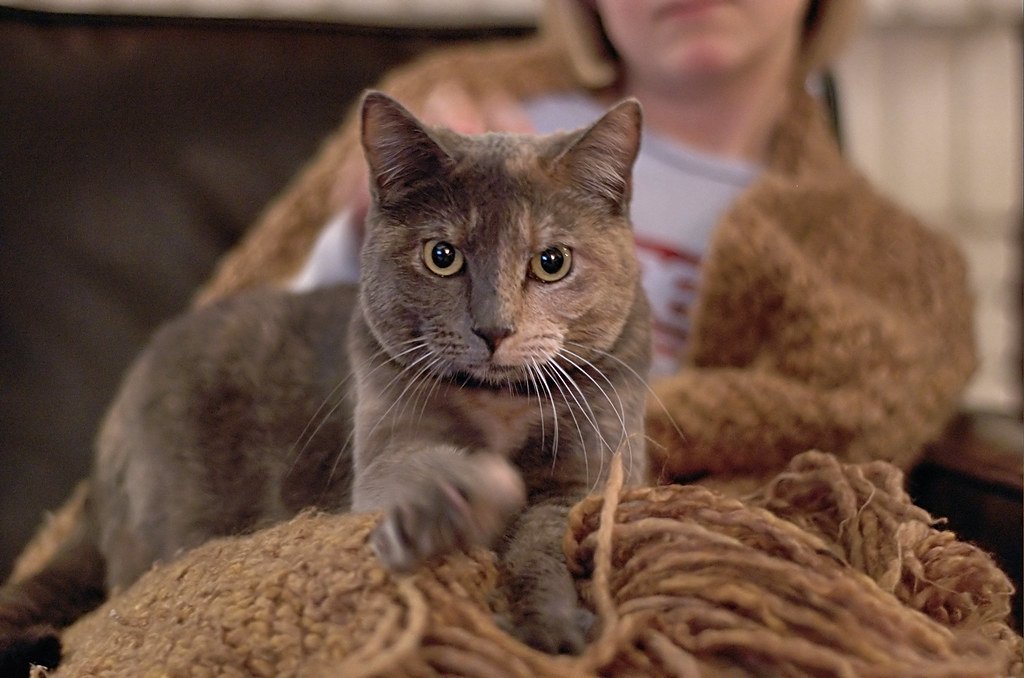
When your cat “makes biscuits” on you, it’s replaying kitten comfort behavior – rhythmic pressing that releases feel-good hormones and mixes their scent with yours. It can be a little painful when the claws come out, but the emotional significance of what’s happening is genuinely tender.
That adorable, rhythmic motion of your cat pressing its paws into your lap or chest is known as kneading. This behavior harks back to kittenhood, when kittens kneaded their mother’s belly to stimulate milk flow. When your cat kneads you, she remembers the safe, happy feeling she got while kneading as a baby, and now she wants to share that with you.
Cats knead for several reasons – they may be doing this as a way of showing that they feel secure with you, just as they felt when they were with their feline mother and their litter. As they have scent glands on their paws, it could also be that they’re marking you as their territory, a sure sign of trust. Either way, being chosen as your cat’s kneading surface is not a small thing.
They Expose Their Belly to You
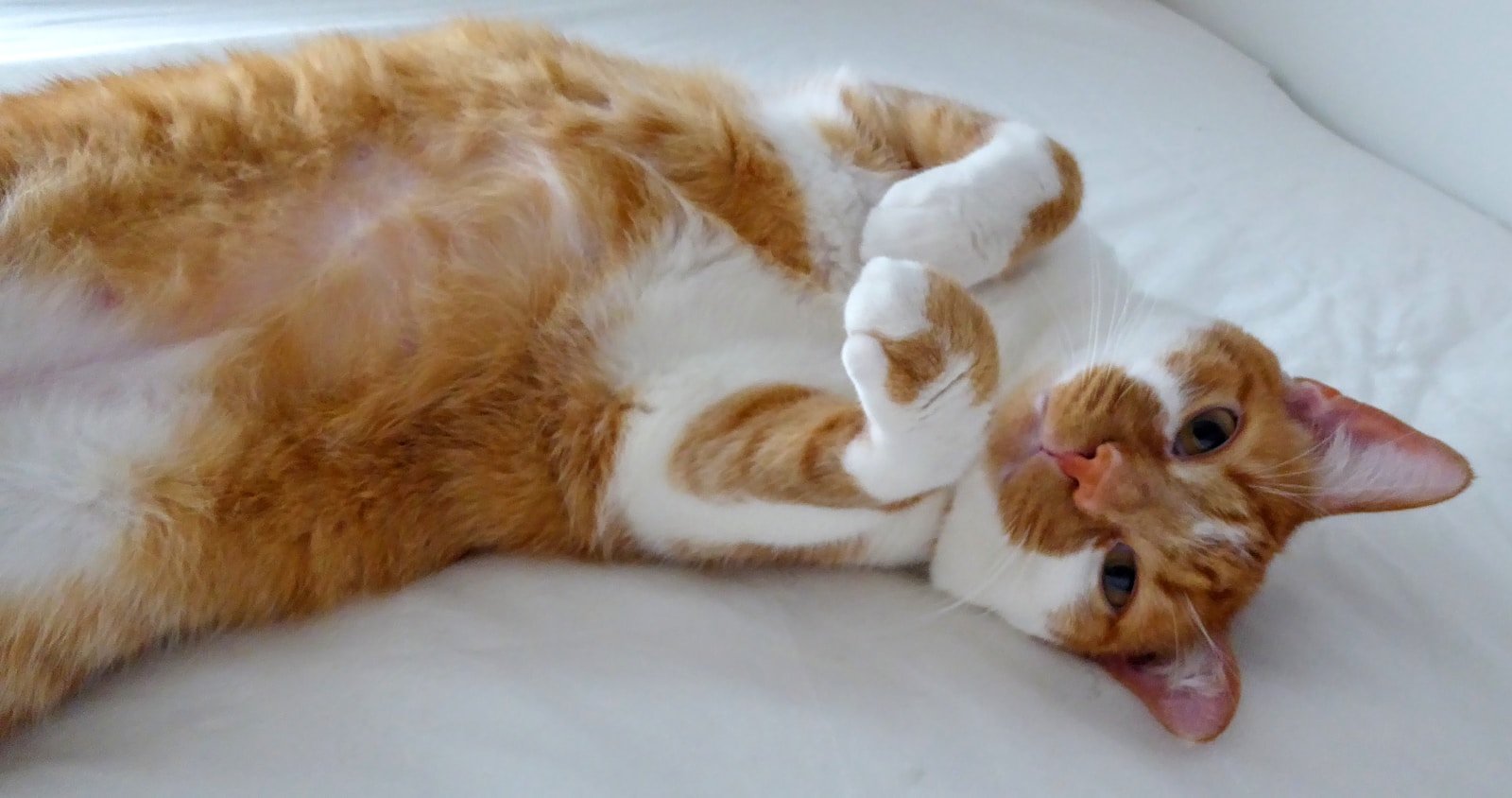
A cat’s belly is its most defenseless spot, and exposing it is a bold statement of trust. When your cat lounges on its back, stretching out luxuriously and showing you its soft tummy, it’s letting its guard down completely. This position leaves them vulnerable, so if your cat does this near you, it’s saying, “I trust you not to hurt me.”
If your cat rolls onto her back and exposes her belly, she’s telling you she’s comfortable being around you. This doesn’t necessarily mean your cat wants you to pet her belly, though; most cats don’t actually like that. It’s mainly a sign that she feels protected when you’re nearby, since being on her back is a defenseless position.
Contrary to popular belief, when cats show you their belly, it is not always an invitation to pet said belly. It can be an indication that they trust you enough to expose one of their most vulnerable parts to you. This interpretation is both context and cat dependent, though. Read it as a trust signal first, and let your cat guide what comes next.
They Groom You
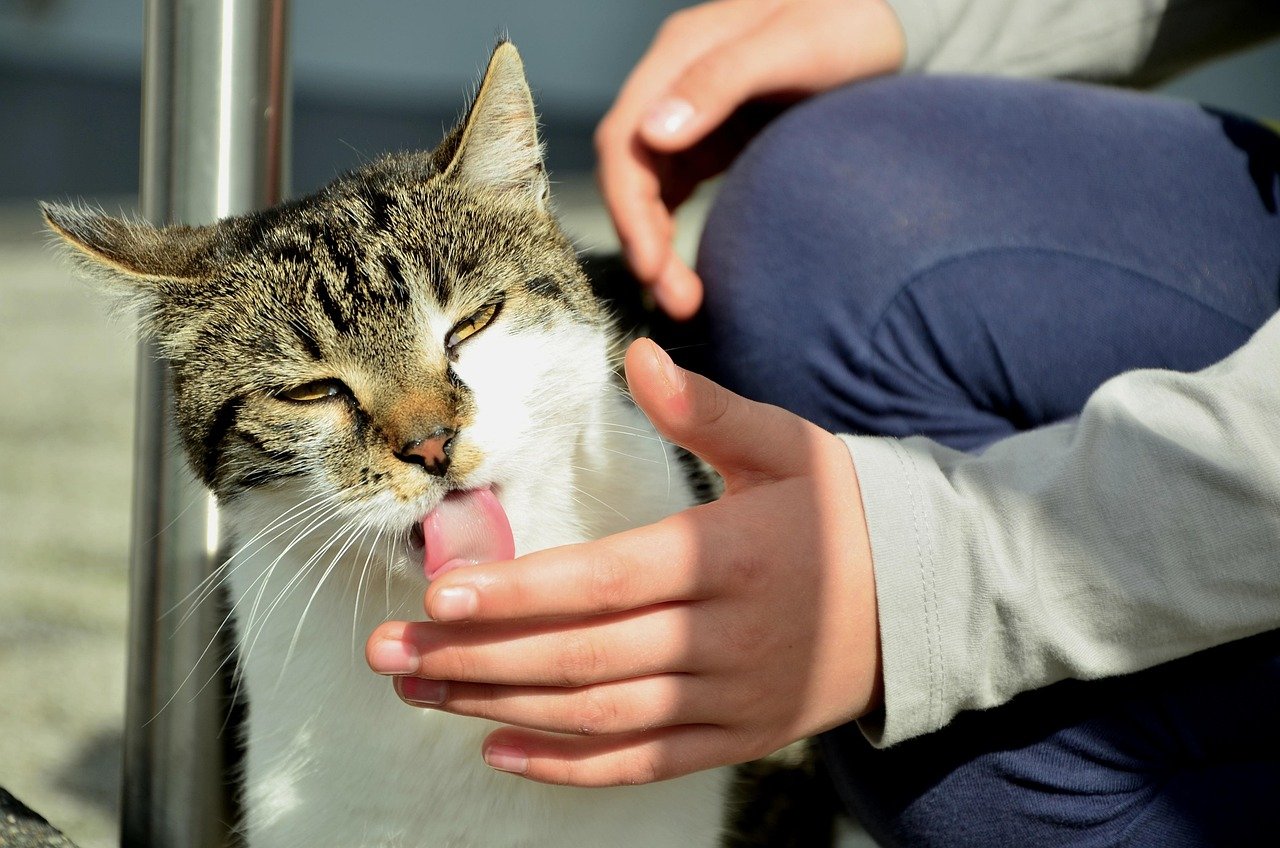
One of the cutest signs your cat trusts you is when they groom you. When your cat licks your hands, arms, or even your face, it’s not about giving you a “makeover.” Instead, this is a loving cat bonding behavior and a way for your pet cat to show affection.
Social grooming, also called allogrooming, is a sign of social bonding and is associated with security. Cats are often solitary animals, but if they live in a bonded pair or group, they will spend time grooming each other. If your cat licks you or grooms you, this is cat behavior indicating trust and love.
According to veterinary experts, cats only groom people they feel safe with. This gentle licking is a subtle body language signal that says, “I trust you, I feel secure with you, and you’re part of my family.” Reciprocate by engaging in regular brushing sessions and your cat’s affection for you will only grow. It’s a mutual exchange, one that both sides can actively participate in.
They Follow You and Seek You Out When Stressed
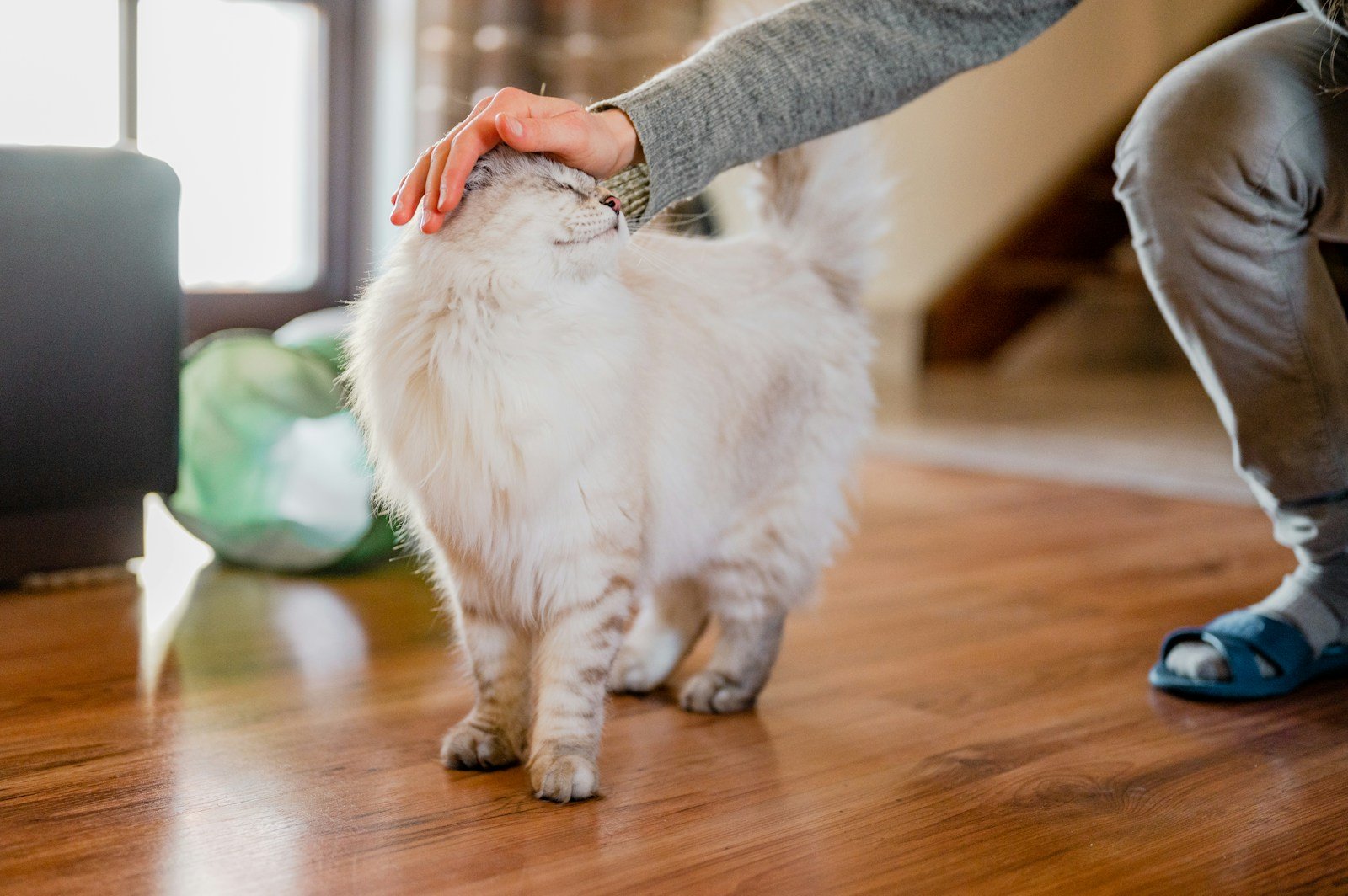
Not every cat will follow you around, but when they do, it’s a clear sign your cat trusts you. If your cat follows you from one room to another, it is a very good indication of trust. In the wild, cats do not follow other animals unless they feel secure and protected.
When you notice your cat following you around, you’re seeing one of the clearest signs your cat feels safe. They’re choosing your company, monitoring your movement, and staying within a comfortable distance because you’re a predictable, trusted part of their world. Your cat may hide behind you when there are new people in the house, keeping you between them and the strangers because they trust you to protect them. Or at the vet, when you hold them, they bury their face in your shoulder, trying to get as close to you as possible.
Cats care about physical comfort and safety, and their trust in you is about whether or not you provide those things in the ways and quantities that they need. While they can’t tell you whether or not you are doing a good job of this, they can and do show you through their behaviors. A study published in Current Biology found that cats form attachment bonds to their human caretakers in very much the same way that dogs and human children do. That’s not nothing.
Conclusion
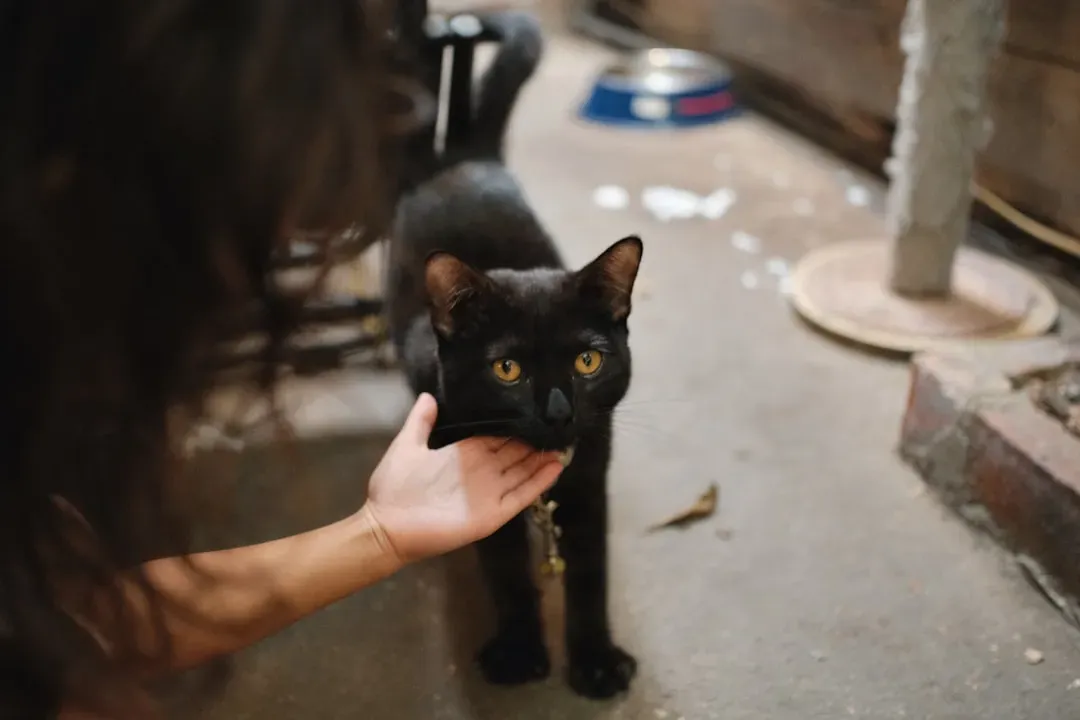
Cats don’t hand out trust freely. Their version of “I’m yours” isn’t a loud declaration – it’s a slow blink from across the room, a warm weight settling on your chest at midnight, or a small sandpaper tongue dragging across your hand. These signals are deliberate, rooted in feline biology, and backed by genuine behavioral science.
If you recognize several of the signs described here, your cat hasn’t just accepted you into their life. They’ve decided you’re safe. In a species hardwired for self-preservation, that quiet verdict is one of the most meaningful things an animal can offer. The bond you’ve built didn’t happen by accident – it happened because, one small gesture at a time, your cat decided you were worth trusting.
Kristina is a young writer from India. An arts graduate and an avid content creator, Kristina is passionate about animals and wildlife. She enjoys exploring topics related to pet care, animal behavior, conservation, and nature, combining thorough research with engaging storytelling.