You’re sitting quietly at your desk, or maybe just scrolling through your phone on the couch, and you feel it before you even look up. That unmistakable, steady, unblinking gaze locked right onto you. Your cat hasn’t moved. Hasn’t meowed. Just stares. It’s one of the most common things cat owners notice, yet one of the least understood.
Most people assume it’s about wanting food or demanding attention. Sometimes, that’s true. But cat staring is also one of the richest forms of nonverbal communication in the animal world, and once you learn to read it properly, the dynamic between you and your cat changes entirely.
Your Cat’s Eyes Are a Communication Tool, Not Just Sensory Organs
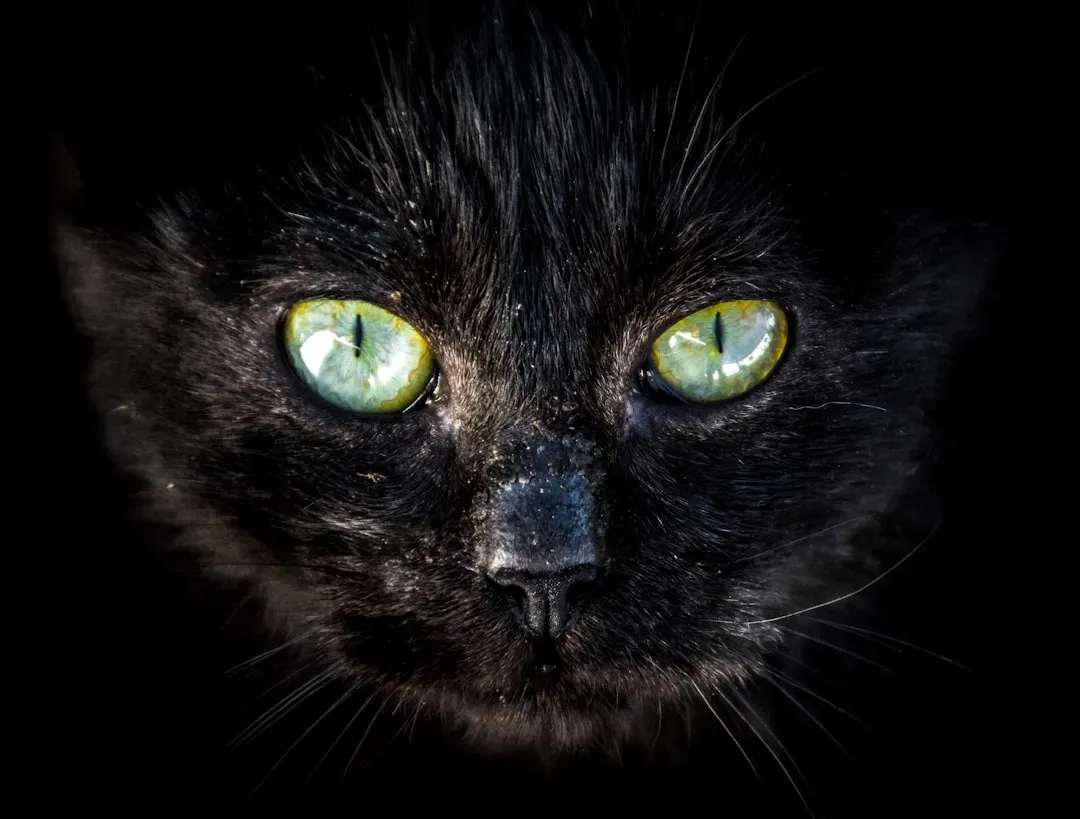
Staring is one of a cat’s primary ways of communicating with humans, observing their surroundings, and expressing themselves. That might sound surprising for an animal often labeled as aloof or indifferent, but it reflects something genuinely complex happening beneath the surface.
Unlike dogs that tend to bark, paw, or do acrobatics to get attention, cats are more subtle. Eye contact plays a significant role in the way they bond, communicate, express emotions, and even assert dominance. When your cat locks eyes with you, there’s usually a reason, even if it isn’t obvious at first glance.
The Stare as a Sign of Deep Trust and Affection
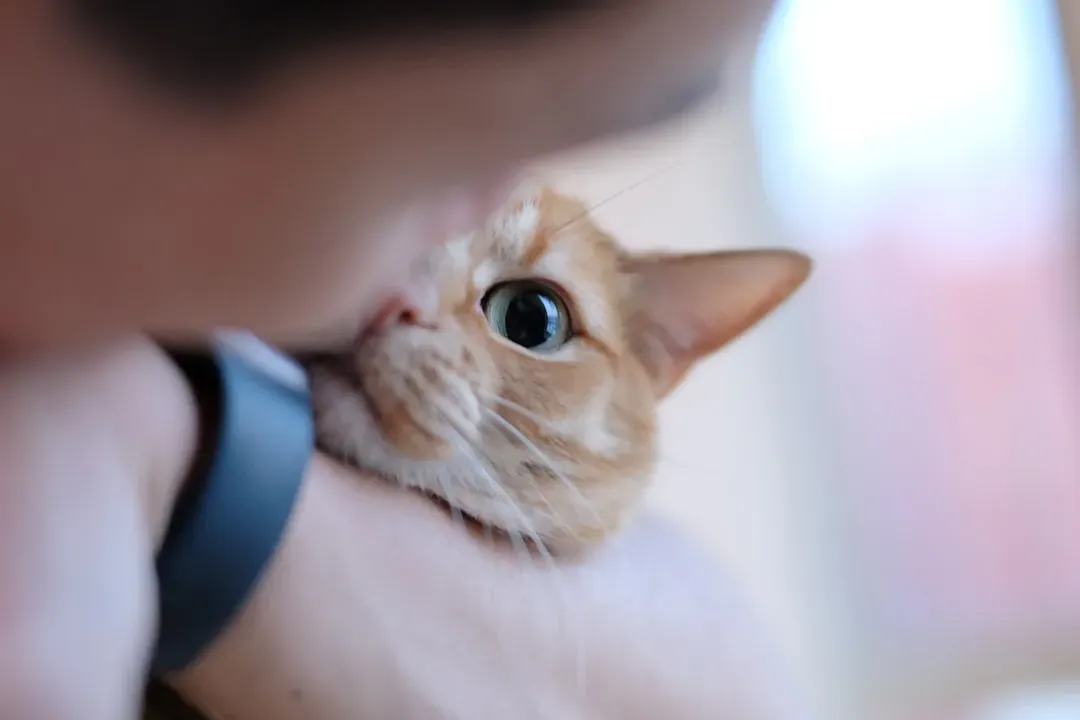
Cats experience a wide range of emotions, even if they express them differently than dogs or people. A stare can reflect affection, interest, or reassurance. Many cats look at their owners the same way they would observe another trusted companion. This is a genuinely meaningful distinction, because it means your cat is placing you in the same emotional category as a bonded feline companion.
Cats will often stare at their owners as a way of being affectionate. They may get really close to you or snuggle up while staring. Cats will also usually do some slow blinks when they are staring in this way. If this sounds familiar, it’s worth paying attention to, because it’s one of the warmest gestures a cat can offer you.
The Slow Blink: Science Has Actually Tested This
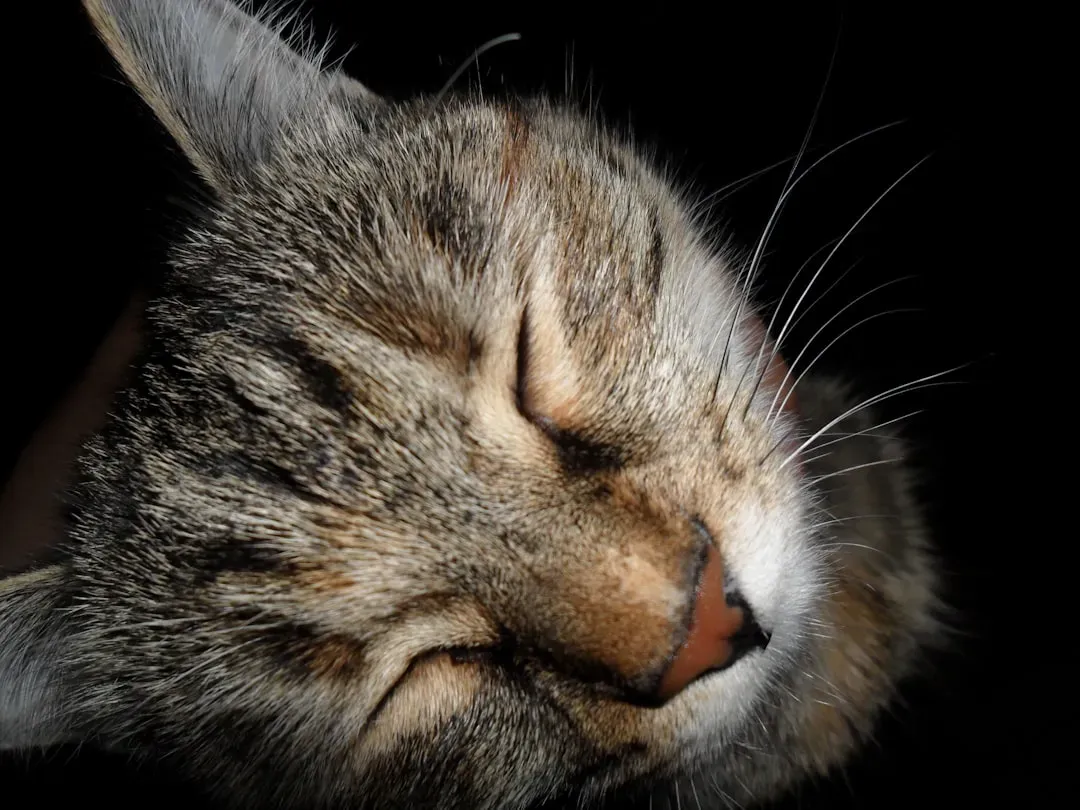
The slow blink isn’t just a charming cat habit. Researchers took it seriously. A study published online in the Nature journal Scientific Reports showed for the first time that it is possible to build rapport with a cat by using an eye narrowing technique with them. The findings were striking in their simplicity.
Researchers found that cat half-blinks and eye narrowing occurred more frequently in response to owners’ slow blink stimuli towards their cats. In a second experiment, cats had a higher propensity to approach the experimenter after a slow blink interaction than when the experimenter had adopted a neutral expression. You can actually start a wordless conversation with your cat just by softening your gaze and slowly closing your eyes.
Your Cat Is Reading You More Carefully Than You Realize
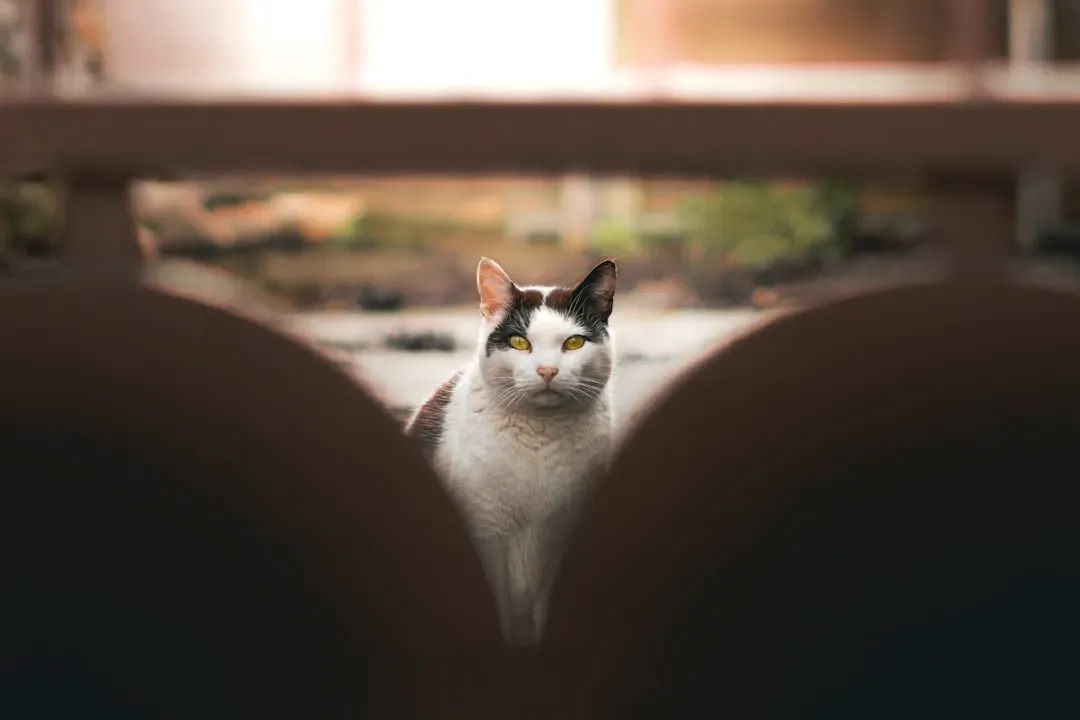
Cats evolved as observant hunters and cautious survivors. Their eyes help them track motion, judge distance, and evaluate safety. When a cat stares at a person, they often use that same instinctive focus to gather information. We may think they are simply watching us, but they are reading our movements, tone, and behavior.
A cat may watch closely when they sense changes in mood or routine. Cats often notice subtle differences in tone, posture, and movement. That awareness explains why they sometimes seem to know when something feels different in the household. It’s not intuition in a mystical sense. It’s careful, consistent observation over time.
When the Stare Is About Hunger and Learned Behavior
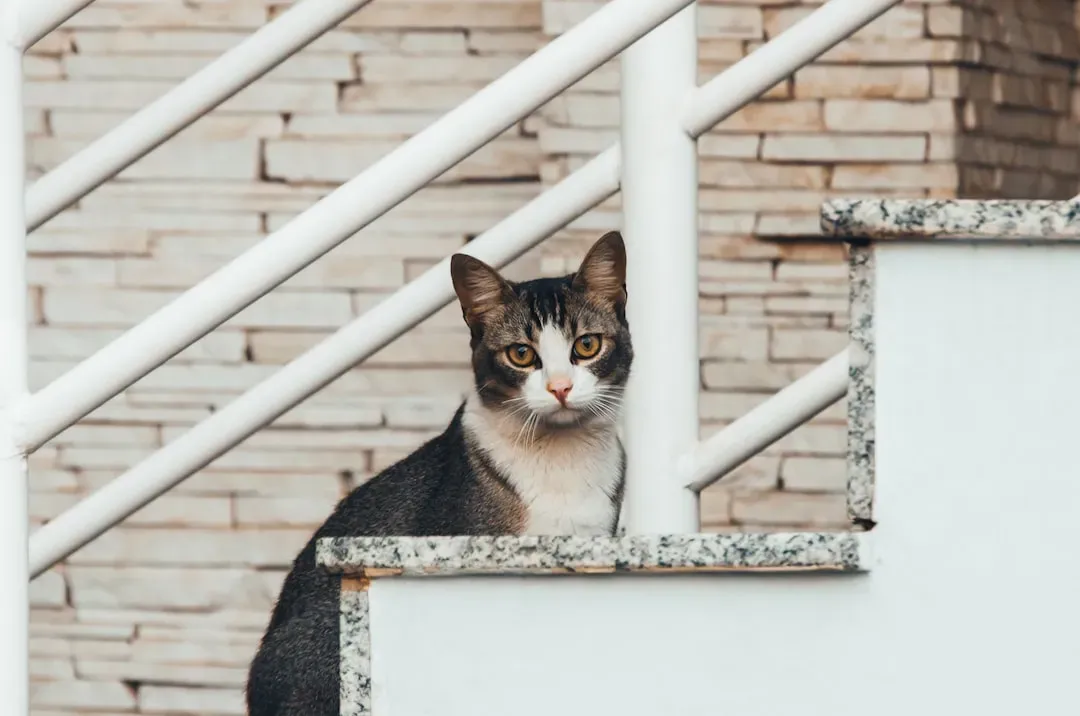
Cats are intelligent and observant animals. Over time, they learn what actions lead to results, and staring at their humans without blinking has proven to be remarkably effective. One study has shown that cats can manipulate humans using visual cues. If you’ve ever given in and filled the bowl after a particularly intense stare-down, you’ve likely reinforced the habit.
Cats are creatures of routine. If your cat stares at you around mealtime or near the treat cabinet, the message is straightforward: they are communicating a need and waiting for you to respond. Their internal sense of timing is sharper than most people expect, and they connect your movements and actions to predictable outcomes with impressive precision.
The Hunting Instinct Behind That Focused Gaze
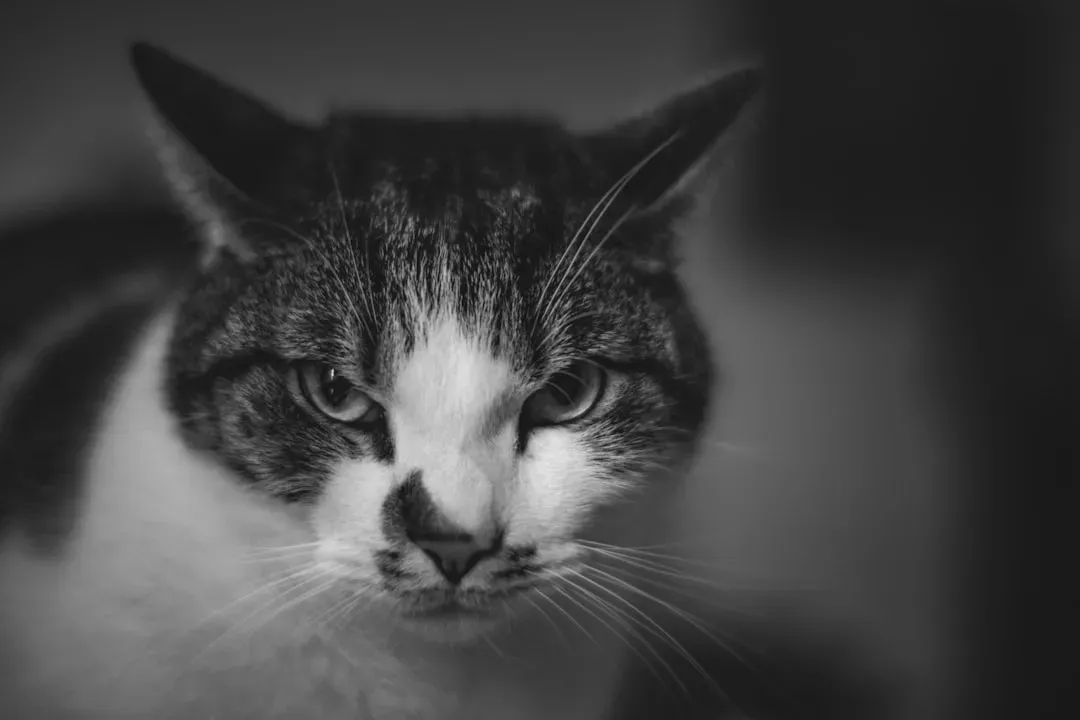
Staring is also part of your cat’s natural hunting behavior. They may fixate on a bug, toy, or even something invisible to you, tracking even the tiniest movement. This predatory focus is deeply embedded in feline biology and doesn’t disappear just because your cat has never had to hunt for a meal.
Staring is part of a cat’s natural predatory instinct. They lock onto a target before pouncing. If your cat crouches while staring, they may be gearing up for a playful attack on you, a toy, or even a moving sock. Reading the full body posture alongside the stare helps you tell playful focus apart from genuine agitation.
When a Stare Is Actually a Warning
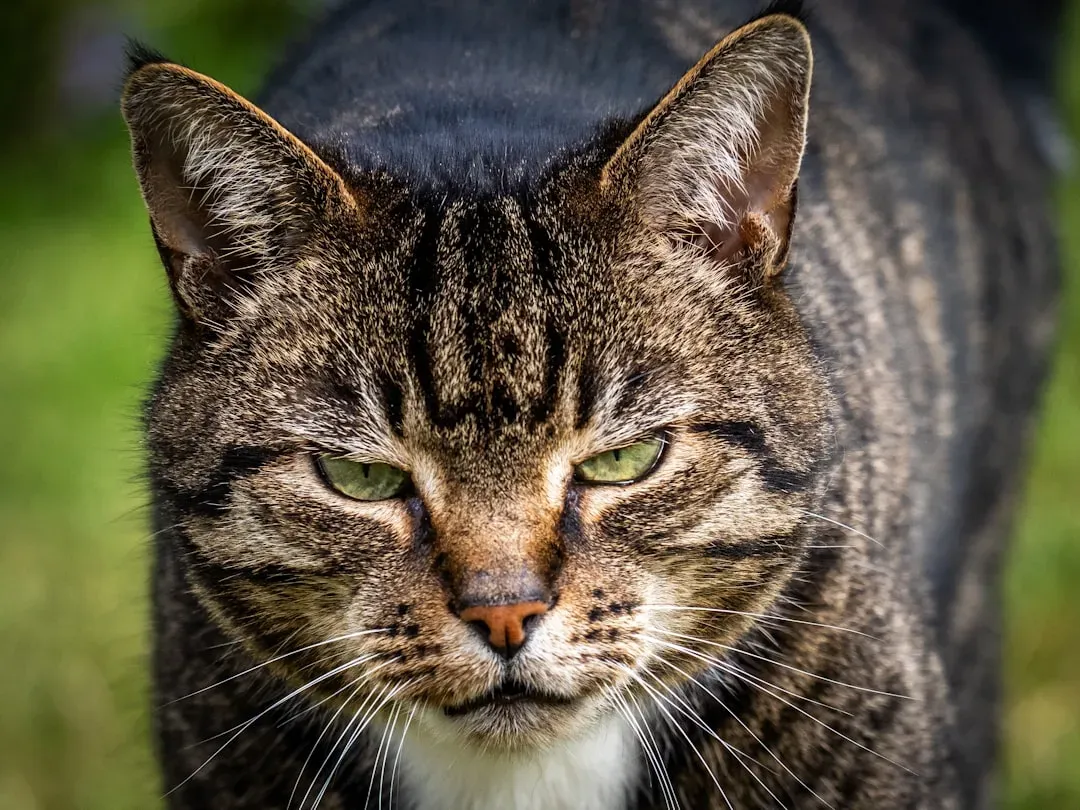
Not all staring from your cat means curiosity or affection, sometimes it’s a warning sign. If your cat’s stare is intense, paired with a stiff body posture, dilated pupils, an arched back, or even growling or hissing, they’re likely feeling fearful, threatened, or defensive. Unlike humans, who might express anger with facial expressions or words, cats use body language and eye contact to communicate discomfort or stress.
When a cat gives a hard, unblinking stare paired with stiff body language and piloerection along the back and tail, they are telling the other party that if they do not back off, there will be a confrontation. The wisest response in this moment is to break your own eye contact gently, move slowly, and give your cat space without making a fuss.
Why Your Cat Stares at You While You Sleep
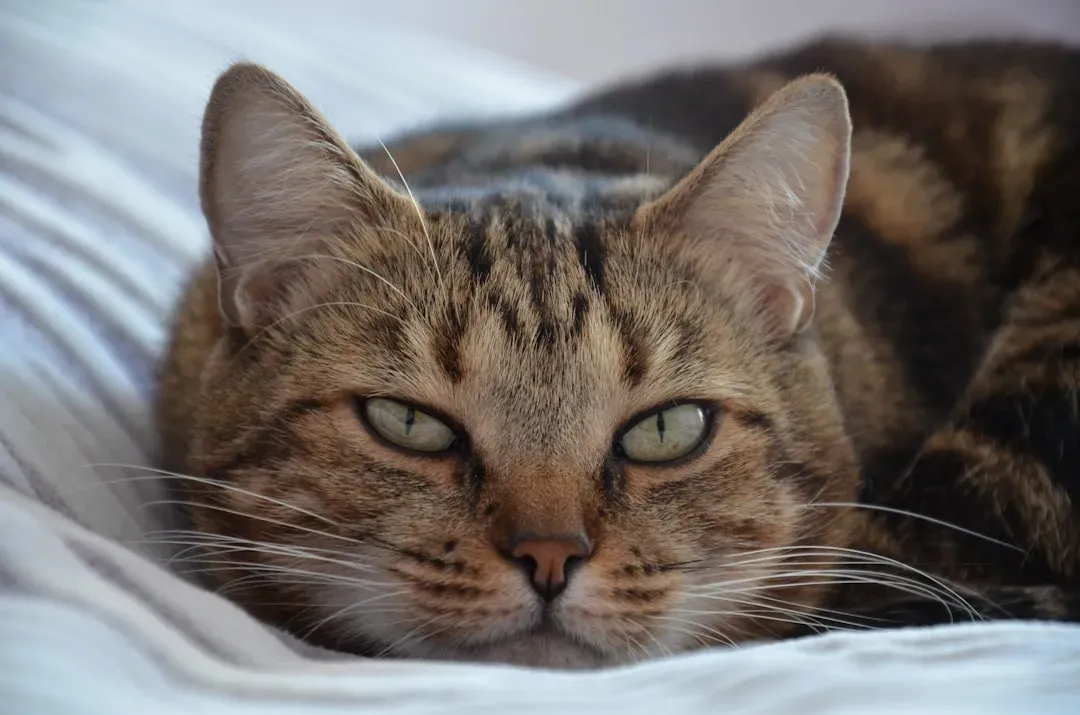
Waking up to find your cat watching you with unblinking eyes can feel unsettling. But cats see their owners as equals and someone with whom they can establish a close relationship. If you’re part of their group, it’s only natural that they’d feel protective, especially when you’re most vulnerable. That midnight vigil may be less creepy and more caring than it seems.
Cats are crepuscular, meaning they are most active during dawn and dusk. If they stare at you while you sleep, they might be waiting for you to wake up, especially if it’s near mealtime, or guarding you as cats often watch over their favorite humans. Either way, the presence of that steady gaze says something meaningful about how secure they feel with you.
What Happens When You Stare Back
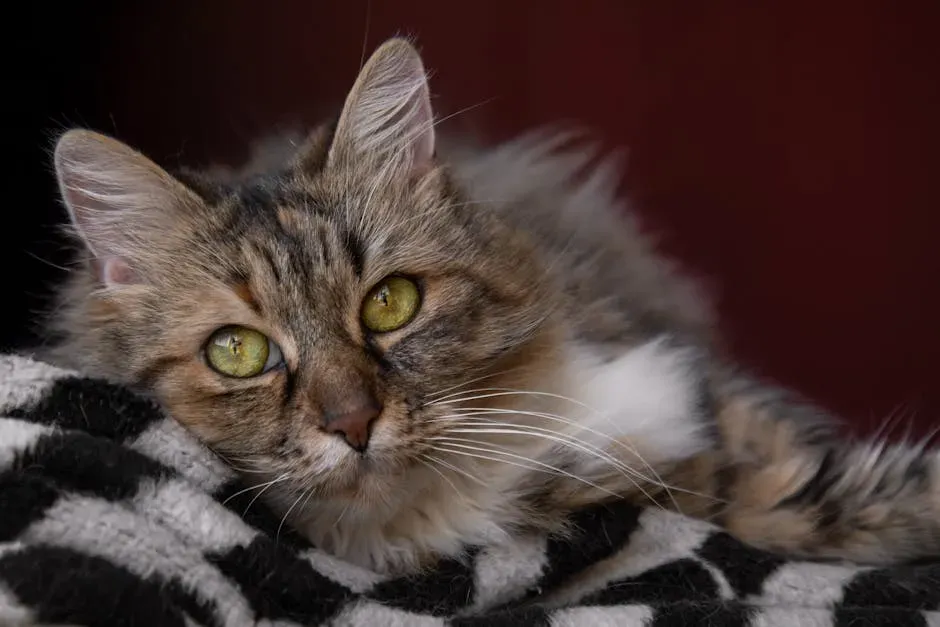
Cats may take a prolonged unblinking stare from you as a challenge. Cat behaviorists agree it’s best not to hold prolonged eye contact with a cat, as they may interpret it as a threat. This is a key distinction that separates how humans and cats interpret direct eye contact. For us, it often signals engagement. For cats, it can signal confrontation.
If your cat makes eye contact without meaning it as a threat, they may blink and narrow their eyes to reassure you they’re not intending to be aggressive. You can meet that gesture halfway. A soft, relaxed slow blink back is the most effective way to respond to a friendly stare, and it’s one of the few things you can do to genuinely communicate warmth in a language your cat understands.
When Staring Signals a Medical Concern Worth Checking
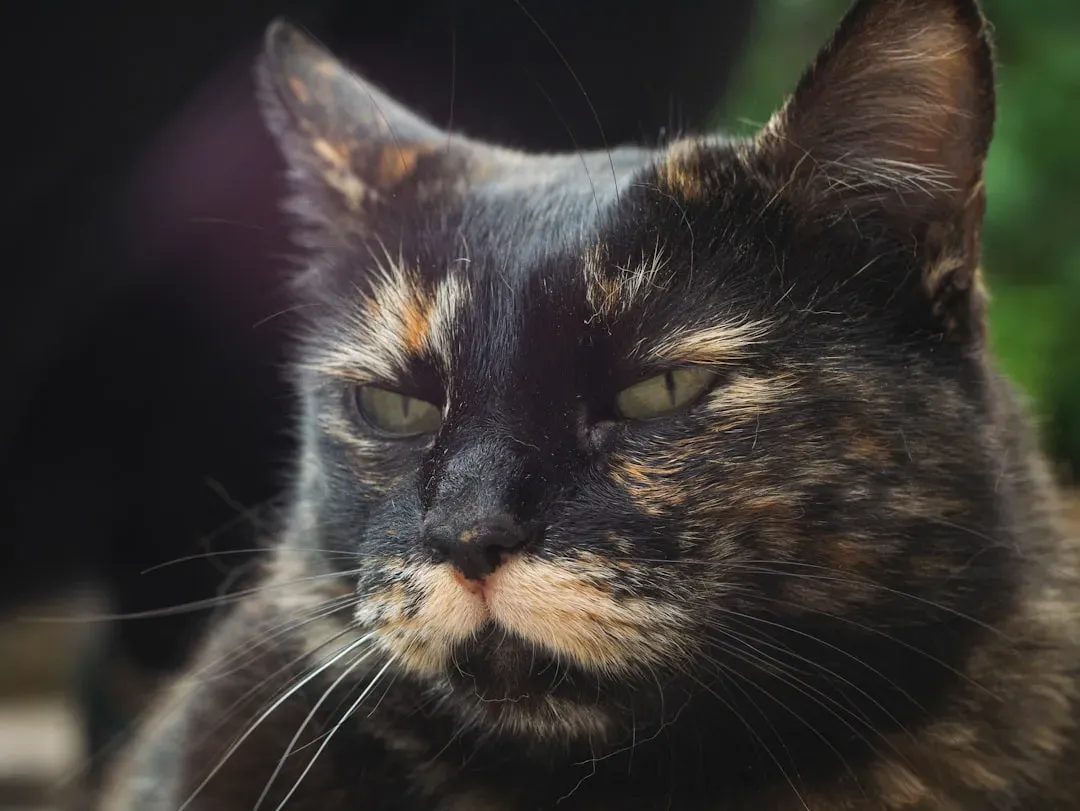
Older cats can develop feline cognitive dysfunction, similar to dementia in humans. Symptoms include disoriented staring, pacing, and changes in sleep patterns. If your senior cat stares more often and seems confused, a vet visit is warranted. The stare itself isn’t the problem. The accompanying signs are what matter most.
In rare cases, staring can signal pain or fear. If your cat’s eyes are wide, pupils dilated, and body tense, they may be hyper-alert. Watch for other unusual behaviors, such as hiding, limping, aggressive behavior, or avoiding touch, which could mean it’s time to call the vet. Knowing the difference between a relaxed observational stare and a tense, wide-eyed gaze is one of the most practical things any cat owner can learn.
Conclusion
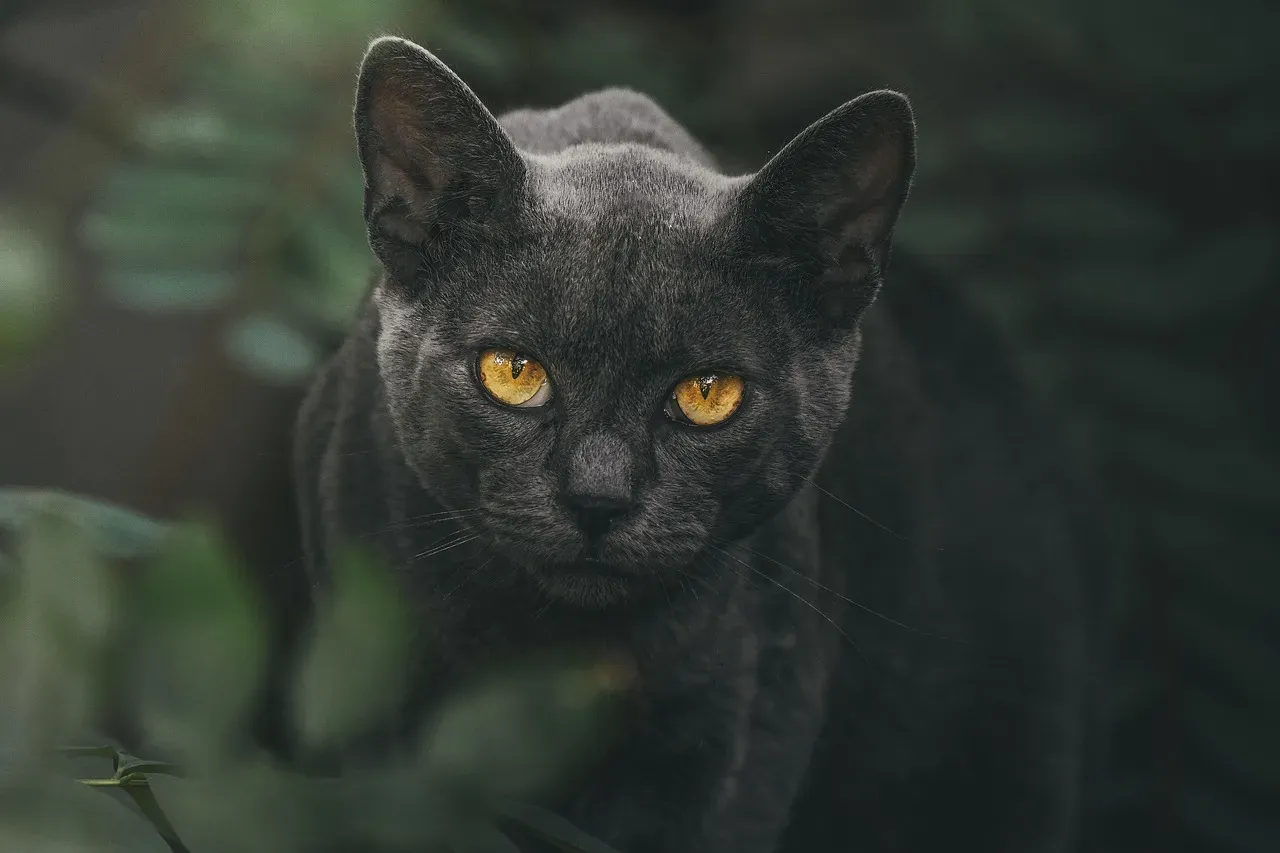
A cat’s stare is rarely just one thing. It can be affection, curiosity, hunger, territorial instinct, fear, or a quiet form of trust that’s taken years to build. Using gaze to share information the way people do is considered remarkable, and findings like these provide stronger proof that cats have evolved to be capable of complex communication with humans.
Once you start paying attention to the full picture, including tail position, ear angle, pupil size, and body posture alongside the gaze itself, cat communication stops feeling mysterious and starts feeling remarkably clear. The stare isn’t random. Your cat has something to say. Whether you understand it depends on how carefully you’re watching back.
Kristina is a young writer from India. An arts graduate and an avid content creator, Kristina is passionate about animals and wildlife. She enjoys exploring topics related to pet care, animal behavior, conservation, and nature, combining thorough research with engaging storytelling.