Most people think of their cat as a creature of convenience. It eats when it wants, sleeps where it chooses, and shows affection strictly on its own schedule. That reputation for aloofness has followed cats through centuries of cohabitation with humans, making them easy to dismiss as emotionally indifferent. The science, however, tells a very different story.
Research published over the last several years has steadily chipped away at that cold, indifferent image. What’s emerging in its place is a picture of an animal that picks up on your emotional state through scent, sound, body language, and even subtle physiological shifts. Your cat may not say a word, but there’s a reasonable chance it knows something is off long before you do.
Your Cat Can Literally Smell Your Fear
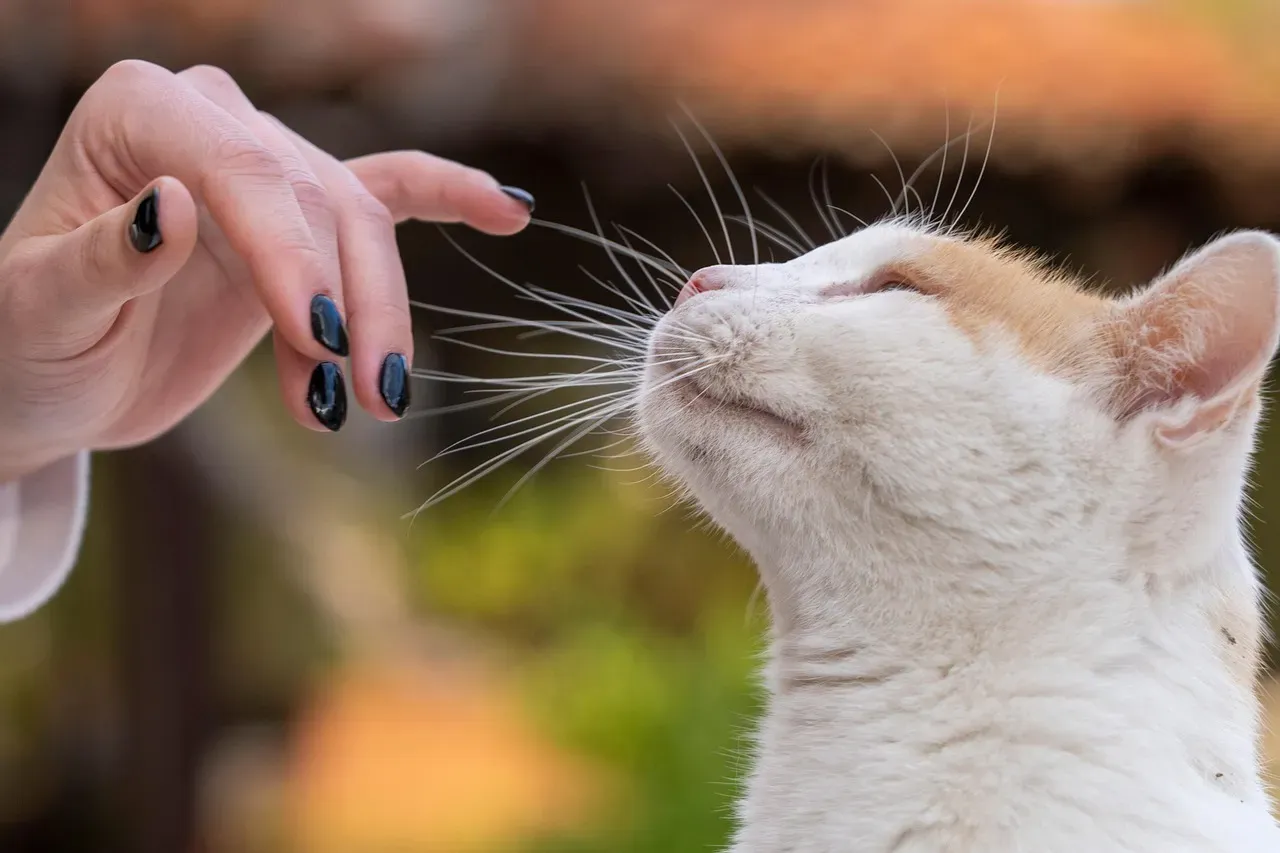
Recent research shows that cats can detect human emotions through scent, especially fear, suggesting your feline companion might understand you more than you realize. This isn’t metaphorical. The ability is grounded in biology, specifically in how cats process chemical signals from human sweat.
Researchers investigated whether cats can smell human emotions by using odor samples from men exposed to different emotional states, including fear, happiness, physical stress, and neutral. Sweat samples were collected after the men watched emotionally charged videos, after they ran for fifteen minutes, and after they showered. The study revealed that cats’ behaviors changed significantly based on the emotional odors presented, particularly fear-related scents. When exposed to the “fear” odor, cats exhibited more severe stress-related behaviors compared to when they were exposed to “physical stress” and “neutral” odors.
The Nostril You Never Thought Mattered
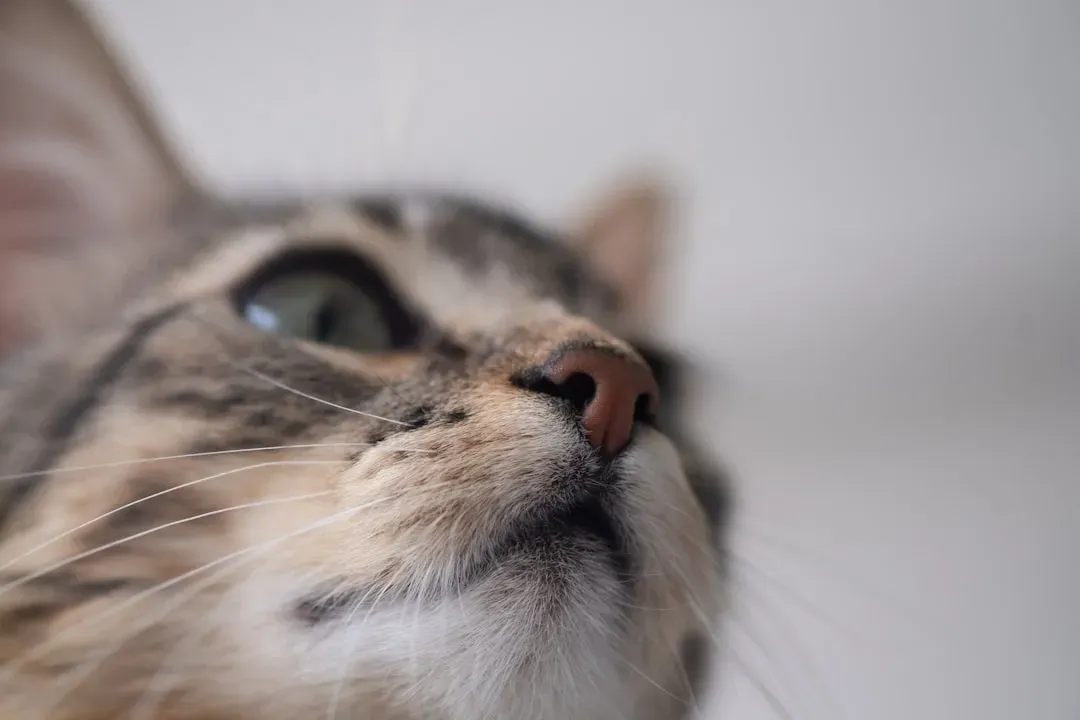
One of the more surprising findings from this research involves which nostril your cat uses when sniffing you. It turns out that detail reveals a lot about what’s happening inside your cat’s brain in that moment.
Cats relied on their right nostril more when displaying severe stress behaviors while smelling fear and physical stress odors. Since the right nostril connects to the right hemisphere of the brain, responsible for processing arousal and intense emotions such as anger and fear, this suggests that these odors trigger a higher emotional response in cats. Conversely, cats used their left nostril more frequently when displaying relaxed behaviors, activating the left hemisphere, which regulates positive and pro-social behaviors. So when your cat comes in for a slow, deliberate sniff after a difficult day, that nostril choice is anything but random.
Reading Your Face and Voice at the Same Time
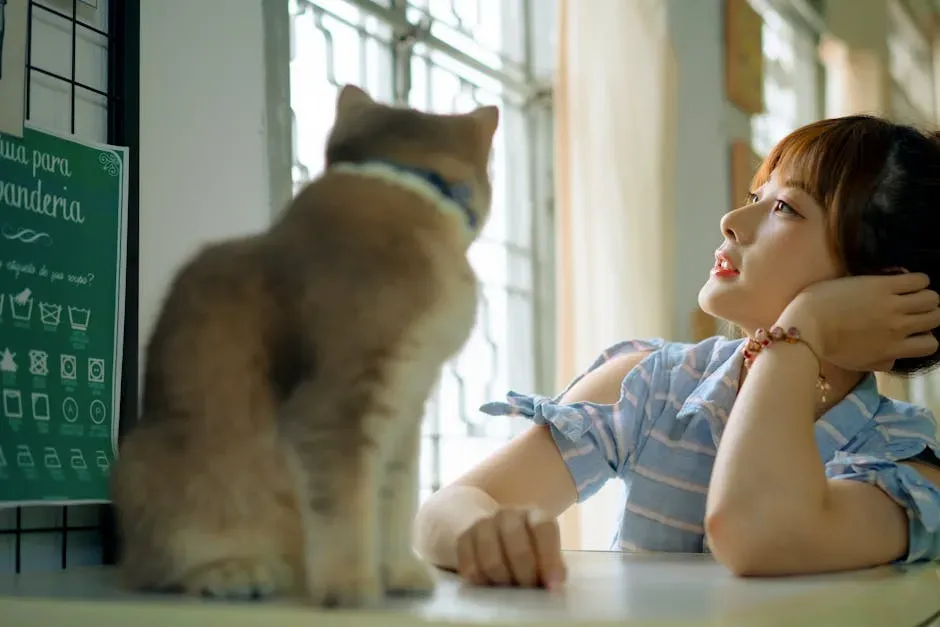
Cats don’t rely on scent alone. They’re also integrating what they see and hear from you into a coherent emotional picture. That combination of senses working together is more sophisticated than most people assume.
Research demonstrates that cats integrate visual and auditory signals to recognize human and conspecific emotions and they appear to modulate their behavior according to the valence of the emotion perceived. Your tone of voice gives away a lot about how you are feeling. When you’re happy, you tend to speak in a higher pitch. When you’re sad or upset, your voice may be lower. Cats can pick up on these subtle changes in vocal cues and may adjust their behavior accordingly. The animal listening from across the room isn’t just hearing noise. It’s decoding emotional content.
Social Referencing: Your Cat Watches You Before Deciding How to Act
There’s a behavior in cats that closely mirrors something researchers usually associate with human infants: looking to a trusted figure for emotional guidance before responding to something unfamiliar. It’s called social referencing, and your cat does it too.
In one study, researchers observed cats as their owners reacted to an unfamiliar object. The cats were split into two groups, with one group watching their owners display a positive emotion toward the object, while the other group saw a negative reaction in human facial expressions. Remarkably, nearly four out of five cats looked to their owners for guidance and adjusted their behavior based on the emotional cues they received. This finding suggests that cats are not only sensitive to their owner’s emotions but can also use them to make decisions. With anxiety, your cat is still looking at how you’re acting to figure out how you feel, but it’s also often mirroring that anxiety.
Mirroring Your Emotional State in Real Time
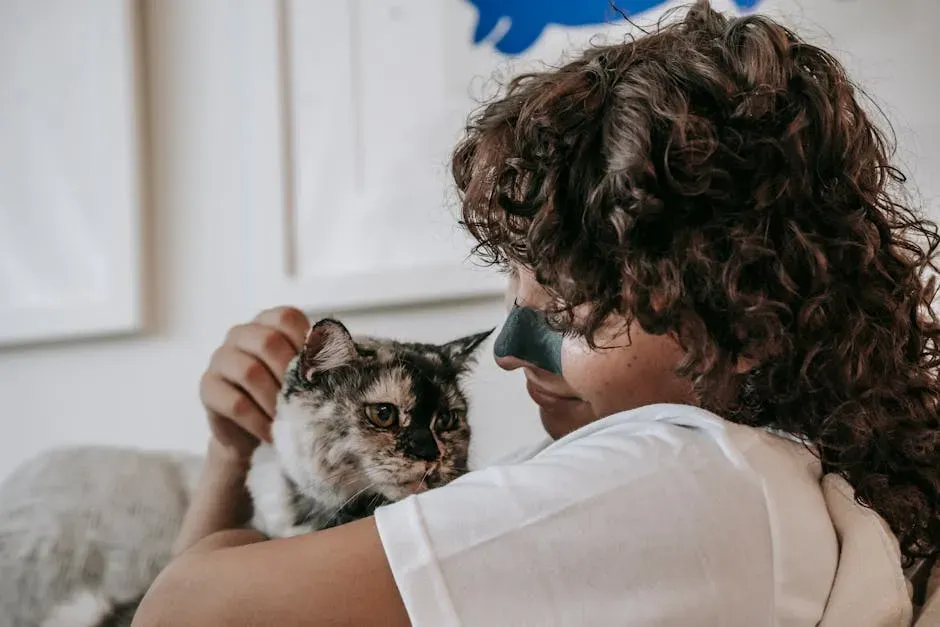
If you’ve ever noticed your cat becoming tense when you’re anxious, or unusually clingy when you’re sad, you weren’t imagining it. Cats appear to actively mirror the emotional states of the people they live with, and the research backs this up.
Cats can detect and mirror their owners’ emotional states. They may become more affectionate when their owner is sad, more energetic when their owner is happy, or anxious when their owner is stressed, showing their capacity for emotional attunement. A large study of more than 3,300 cats and their owners found that cats mirrored their owner’s wellbeing and behavior, and vice versa. Owners who were generally healthy and happy were more likely to report that their cats were healthy and happy. Owners who felt stressed and anxious were more likely to report that their cats were aggressive, anxious, or fearful, and had ongoing medical conditions. The emotional weather in your home quite literally shapes the emotional life of your cat.
The Attachment Bond That Rivals Your Relationship with Your Own Doctor
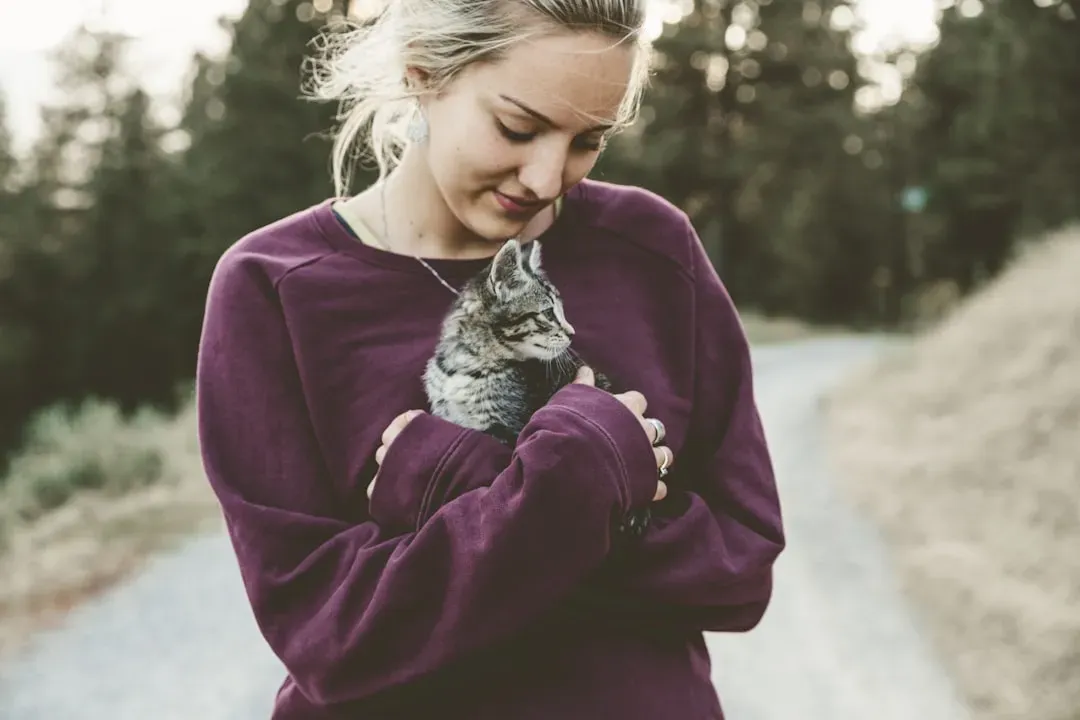
Cats have long been stereotyped as emotionally indifferent to their owners. Studies conducted at Oregon State University dismantled that assumption in a direct and measurable way, using the same testing methods applied to human infants.
A study from Oregon State University found that pet cats form attachments with their human owners that are similar to the bonds formed by children and dogs with their caretakers. It’s the first time researchers empirically demonstrated that cats display the same main attachment styles as babies and dogs. Perhaps surprisingly to those who think cats don’t care, roughly two thirds of felines were identified as securely attached. Roughly thirty percent were ambivalent, and the rest were mostly avoidant. That means the vast majority of cats actively use you as a source of comfort and emotional security, whether they show it dramatically or not.
How Cats Respond When You’re Depressed or Anxious
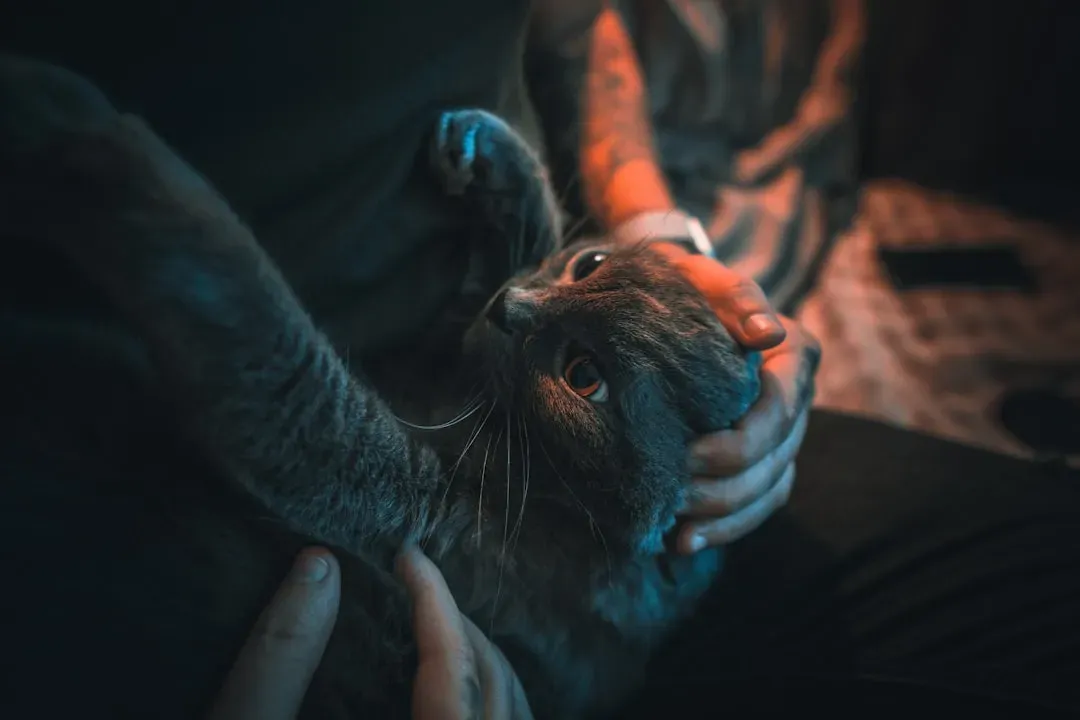
You might have noticed that on your worst days, your cat seems to show up more. That’s not coincidence or wishful thinking. Studies suggest cats genuinely respond differently when their owners are in emotional distress.
Studies indicate that cats can sense depression and spend more time with people who are depressed. They likely cannot understand that what you’re feeling is depression, but they do know that something is off. When cats sense their owners are experiencing emotional distress, they often display distinct behavioral changes. Many become more affectionate, increasing physical contact through purring, cuddling, or following their owner around. Some cats may bring toys or make gentle vocalizations in apparent attempts to offer comfort. Responses can vary significantly based on individual personality and past experiences.
The Purr Is More Than Comfort: It Has a Measurable Frequency
When your cat climbs onto your lap and purrs, something biologically interesting is happening beyond the simple warmth of companionship. The sound itself operates within a frequency range that has documented effects on the human body.
Cats purr during both inhalation and exhalation with a consistent pattern and frequency between 25 and 150 Hertz. Various investigators have shown that sound frequencies in this range can improve bone density and promote healing. The soothing vibrations of a cat’s purr can help regulate the autonomic nervous system, which controls involuntary bodily functions like heart rate and breathing. By lowering stress and triggering the body’s relaxation response, purring promotes a sense of calm, balance, and emotional well-being. That rhythmic sound isn’t just pleasant. It’s doing something.
What This All Means for the Way You Live With Your Cat
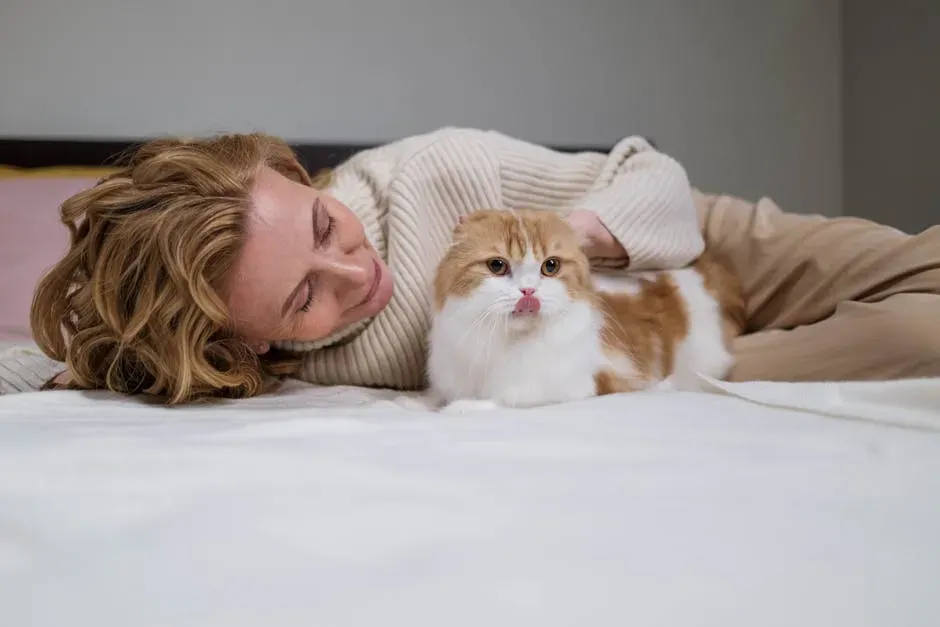
Understanding that your cat is genuinely attuned to your emotional life changes how you might approach the relationship. It’s not a one-way connection where you provide food and shelter and get low-maintenance company in return.
Scientific studies have proven that cat ownership has tangible health benefits. Cat ownership can help lower your blood pressure and heart rate, reduce stress all over your body, calm anxious or negative moods, and provide you with a companion that offers comfort and stability. Spending time with your cat or simply being in their presence may also release the hormone oxytocin, flooding your brain with improved mood and signals to relax. This growing body of research highlights the importance of understanding and respecting your feline companion’s sensitivity to your emotions. When you’re aware that your emotional state genuinely affects your cat, and that your cat is actively reading and responding to you, the relationship takes on a different kind of weight.
Conclusion
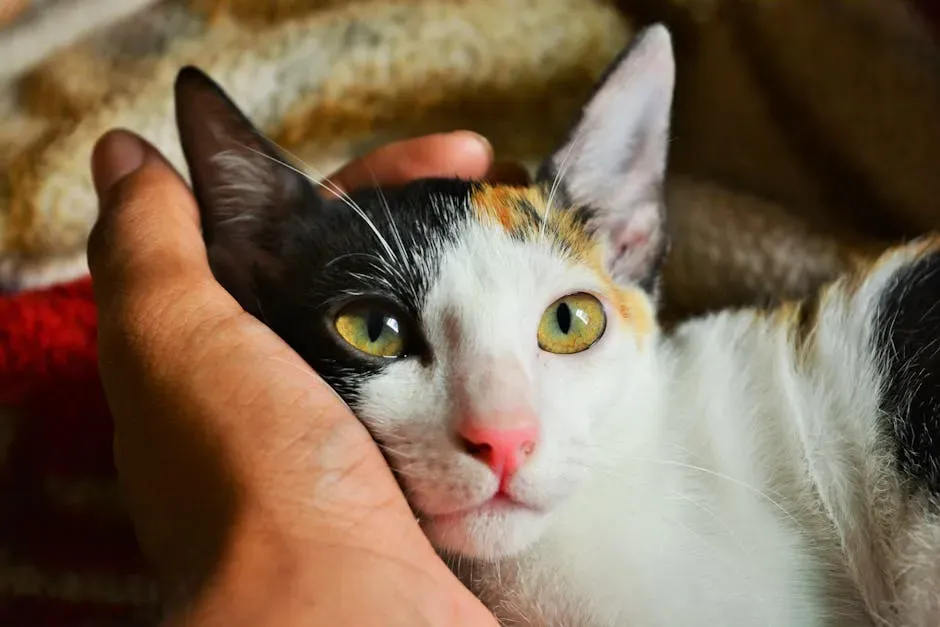
The old image of the indifferent cat, tolerating your presence but caring little about your inner life, doesn’t hold up well against the accumulated evidence. Your cat notices the shift in your voice when you’re anxious. It responds to the chemical signature of your fear. It looks to your face for cues before deciding how to feel about something unfamiliar. It forms secure attachment bonds that closely mirror those between human infants and their caregivers.
None of this makes your cat a therapist or a mind reader. The abilities are real but nuanced, shaped by individual personality and the strength of the bond you’ve built over time. Still, the picture that emerges from the research is clear enough: the next time your cat quietly settles beside you on a hard evening, it may be doing so with more awareness of your emotional state than you ever gave it credit for.
Kristina is a young writer from India. An arts graduate and an avid content creator, Kristina is passionate about animals and wildlife. She enjoys exploring topics related to pet care, animal behavior, conservation, and nature, combining thorough research with engaging storytelling.