There’s a moment most cat owners experience at some point, usually around 6 a.m., when a small, warm weight lands on their chest and a pair of unblinking eyes stares them into consciousness. It’s not a coincidence. It’s a schedule. Cats have quietly mapped your entire day, and they’ve been running their lives around yours for longer than you probably realize.
The idea that cats are detached, indifferent creatures is one of the more persistent myths in pet ownership. Research and decades of veterinary observation tell a different story. Your cat doesn’t just tolerate your routines. In many ways, your routines have become their routines, and the bond that forms around that shared rhythm is more layered than it might first appear.
They Wake You Up at Precisely the Same Time Every Morning
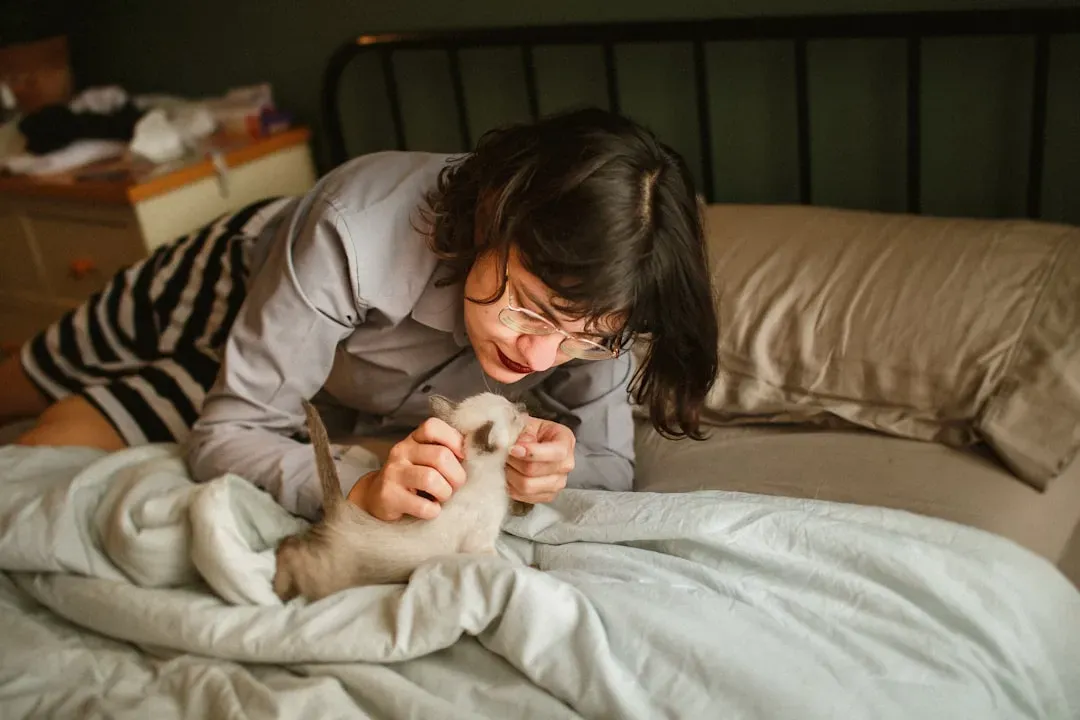
Felines will often wake their owners at the same time every day, accurate to the minute. That’s not a coincidence or stubbornness. It’s a combination of biological wiring and learned behavior working in perfect, slightly annoying harmony.
What your cat has is a finely tuned sense of patterns and a deeply ingrained internal clock that lines up with natural light cycles and predictable daily events. Your cat isn’t thinking about hours and minutes. Instead, it interprets time through changes in sunlight, your routines, and the rhythm of household life. So when the alarm goes off, your cat already knew it was coming.
They Know Exactly When You’re About to Leave for Work
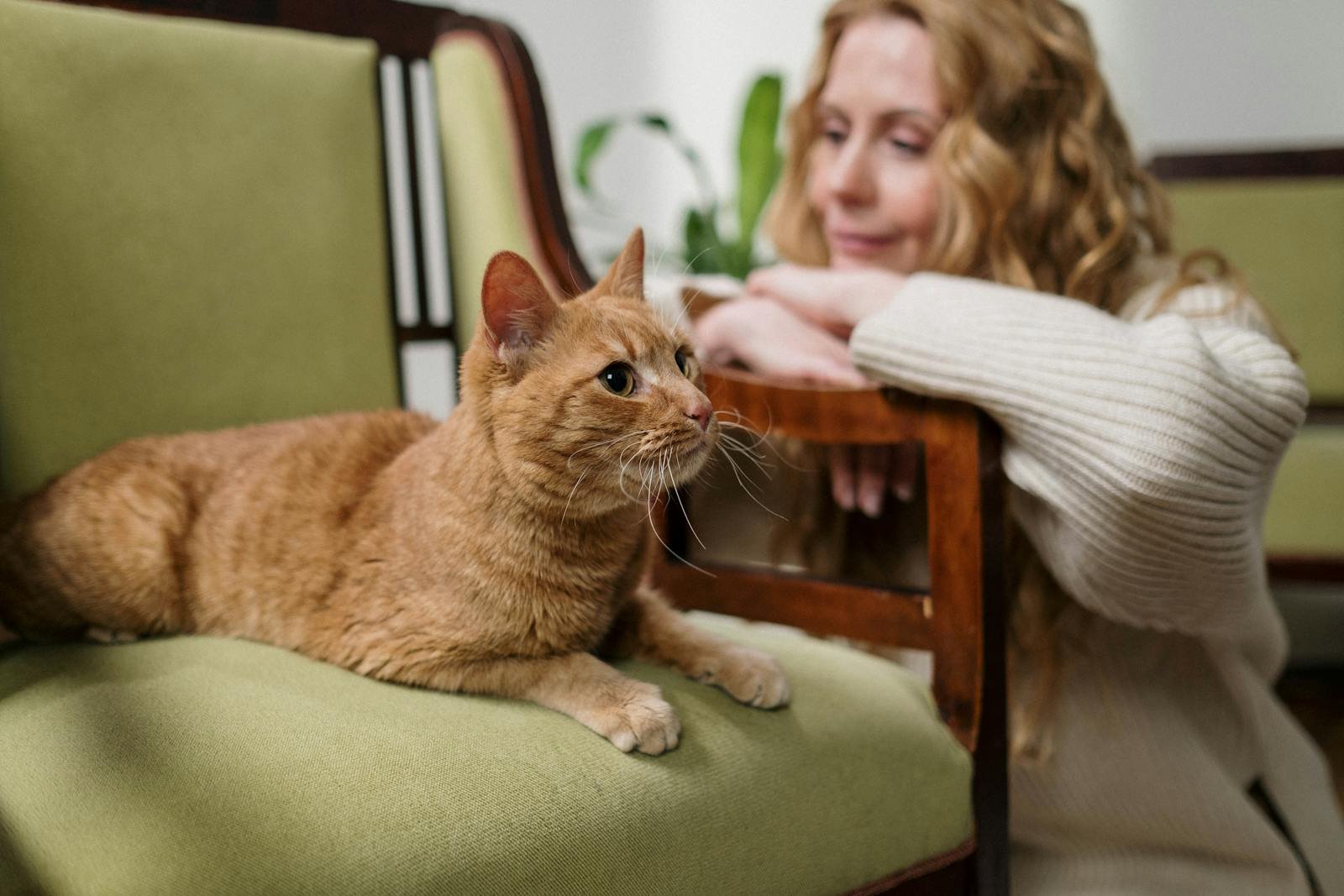
If specific actions like picking up your keys or putting on your shoes trigger anxiety in your cat, that’s because over time your cat has learned to associate those actions with your departure. Your cat has essentially decoded your pre-departure ritual into a reliable signal, and its response to it reveals just how closely it’s been watching you.
Cats have an internal clock that tells them when to sleep and wake, and they also recognize changes in daylight and outdoor sounds. Based on your daily routine, cats can tell what time you leave for work each day. Even without words or watches, your cat has filed away every cue you’ve ever given it before walking out that door.
They’re Waiting at the Door When You Come Home
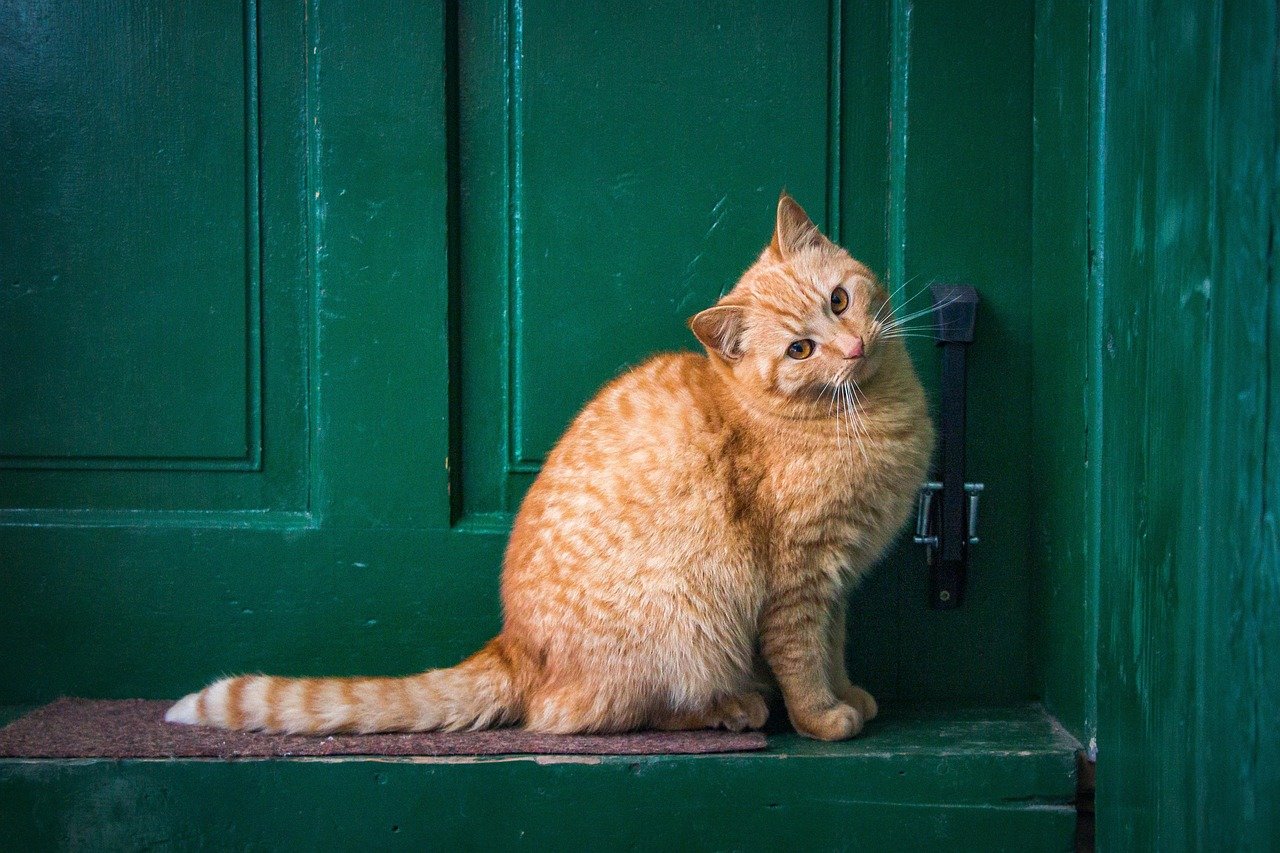
Cats seem to know when you’ll arrive home. It’s common for a cat to be waiting for an owner at the door, suggesting that the cat knows exactly what time to expect you. Your cat will have memorized certain cues that precede your arrival. That’s not luck. That’s pattern recognition at work.
Cats are creatures of habit. They tend to wake their owners up about the same time each morning because they want to be fed. Cats have a good internal clock and know when their owners are getting up, when they’re going to leave for work, and when they’re going to come home again. Your homecoming has been penciled into your cat’s internal calendar long before you turn the key.
Their Sleep Schedule Mirrors Yours
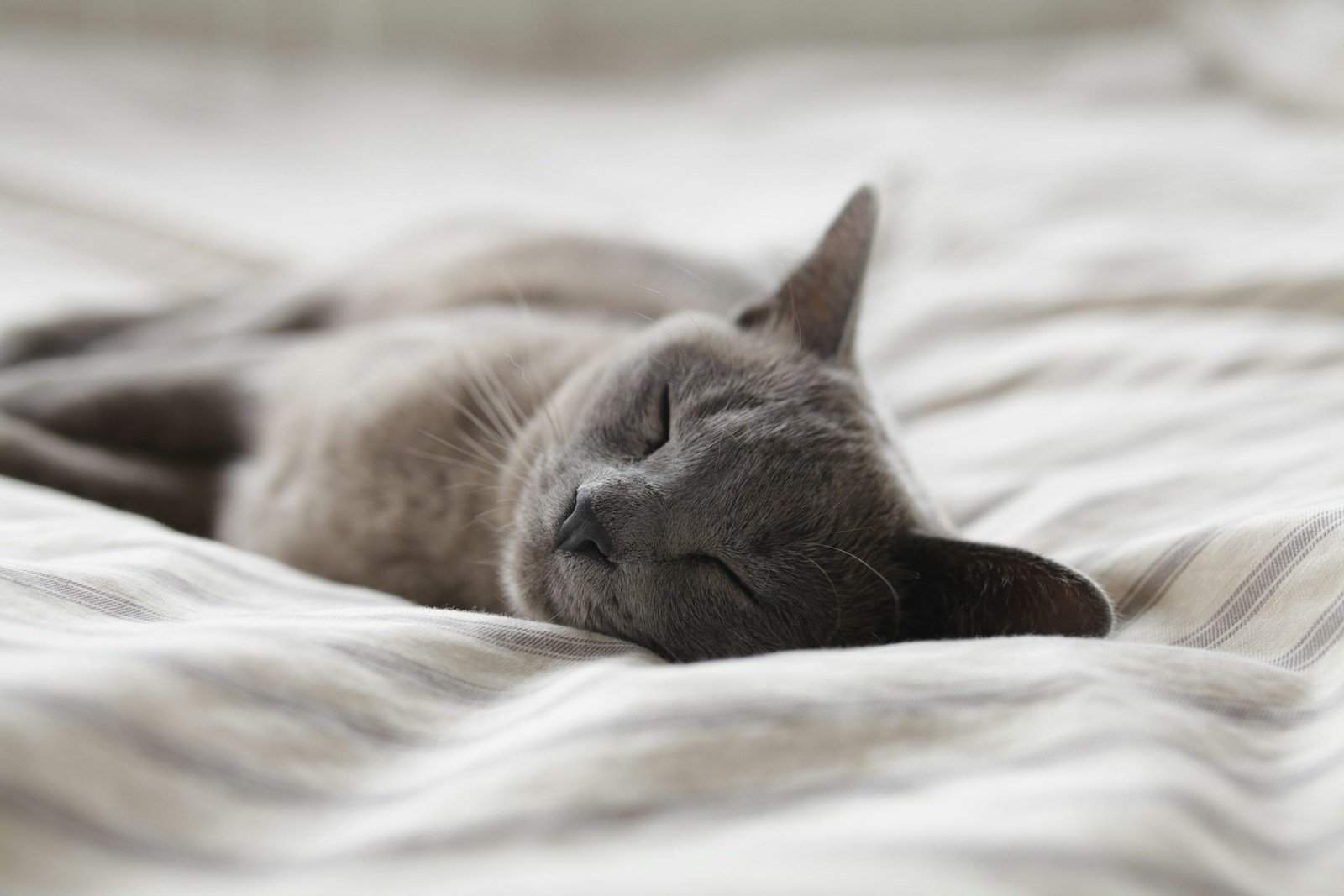
Over time, cats living with their owners mirror the lives of those owners. Their eating, activity, and sleeping patterns can become very similar. This isn’t just a charming coincidence. It reflects how powerfully your presence shapes every corner of a cat’s day.
You may find that your cat sleeps at night, partly because cats are natural imitators. Many domesticated felines, especially indoor cats, fall into step with an owner’s schedule. An indoor pet cat may easily adjust their timing to wake up and wind down at different hours, much like how we can adjust to night shifts if necessary. Your sleep is, effectively, your cat’s sleep.
They Mirror Your Moods and Emotional States
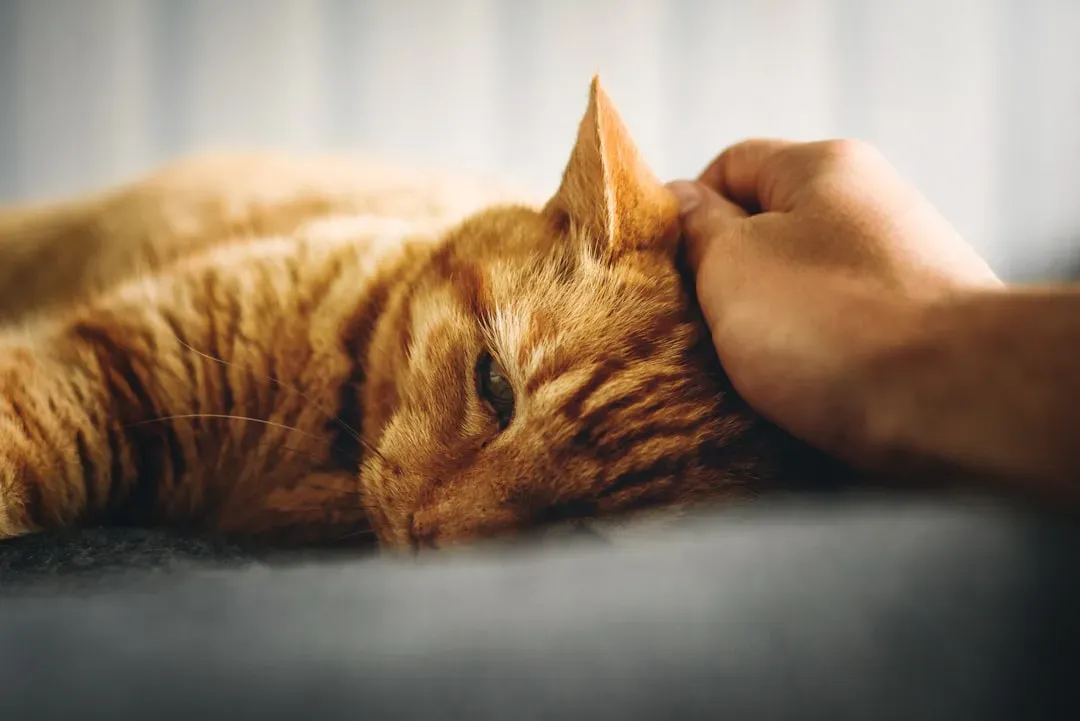
One of the most noticeable forms of cat mirroring occurs in daily routines. Cats may become more subdued when their owner is sad, more playful when their owner is happy, or even display signs of stress when their human companion is anxious. Your emotional weather forecast is something your cat reads more accurately than most people realize.
Research has also revealed that cats can develop personality traits similar to their owners through prolonged interaction and behavioral mirroring. This adaptation showcases their remarkable social plasticity and ability to form deep emotional connections. Over time, your cat doesn’t just react to your moods. It starts to absorb them.
They React Strongly When Your Routine Suddenly Changes
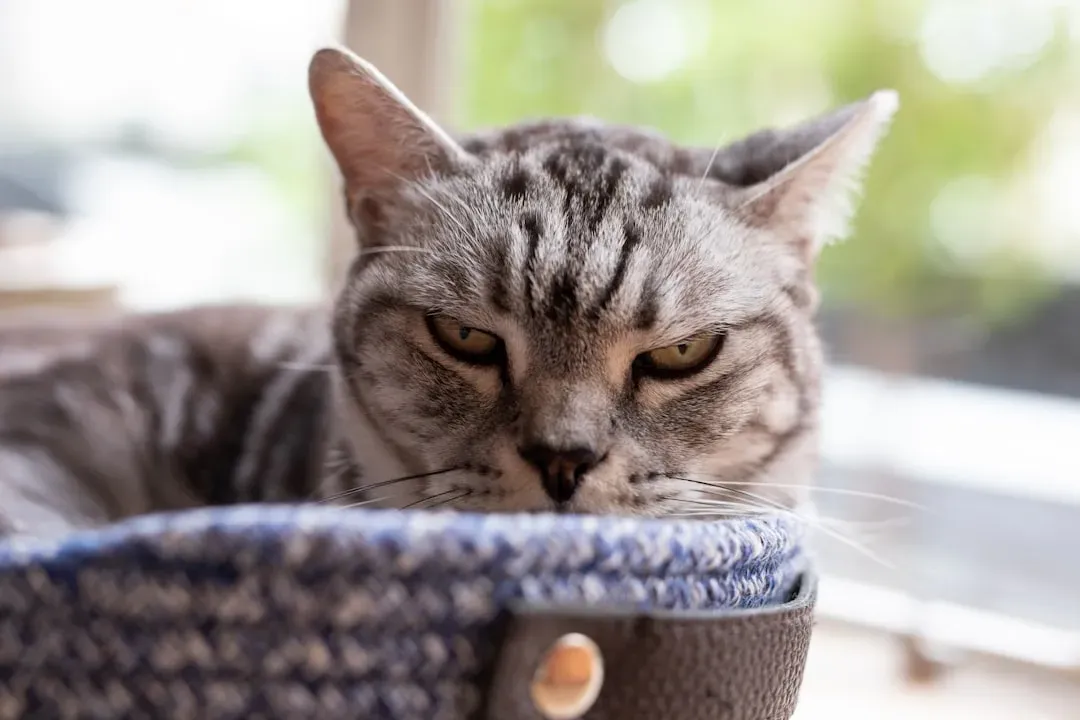
Cats are highly observant animals that rely on environmental cues to feel secure. Sudden changes in their routine can create stress and anxiety, leading to behaviors such as hiding, aggression, or loss of appetite. A disrupted routine isn’t just an inconvenience for your cat. It feels like a genuine threat to their sense of order.
Cats are creatures of habit and routine. If their routine suddenly changes, for example, if their owner starts leaving the house for long periods after having spent lots of time at home with them, they may experience separation-related frustration, similar to separation anxiety. Just like with humans, stress is hard on a cat. It can even make them physically sick. If their daily routine gets interrupted, they can easily get stressed out.
They Follow You from Room to Room Throughout the Day
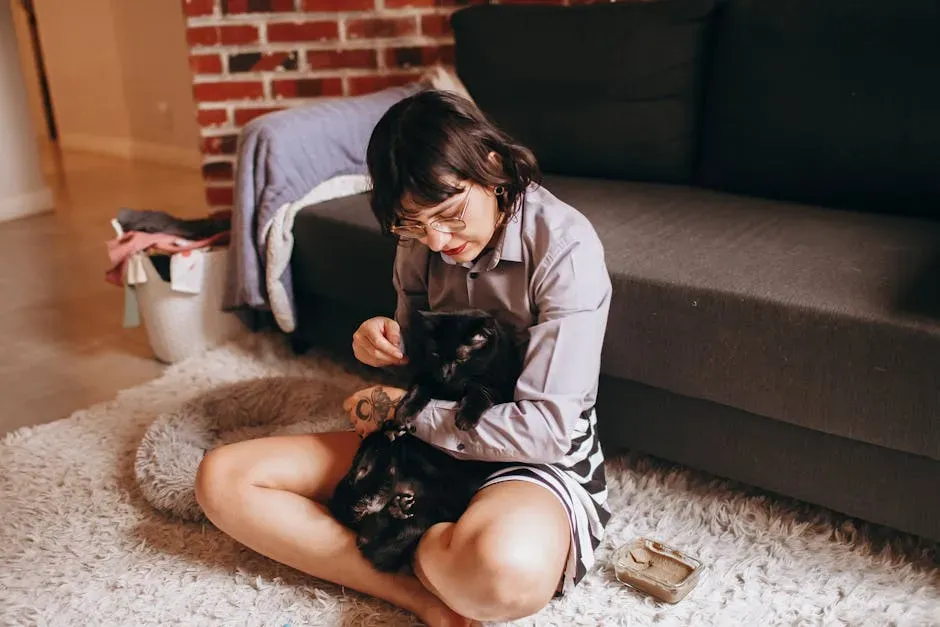
Your cat finds comfort in consistency, and much of their trust in you is built on reliable routines. Your daily movements, waking up, feeding them, opening curtains, turning on the TV, create a rhythm they instinctively follow. Every room you move into is a new data point in the map of your day they’ve been building in their mind.
Cats are excellent observers. Over time, they sync with your daily habits, waking when you wake, watching you prepare breakfast, or joining you in the living room at night. It’s a sign of bonded rhythm. Your cat’s life literally aligns with yours. That shadow trailing behind you isn’t neediness. It’s synchronization.
Their Eating Habits Align With Yours

Feline food consumption is associated with the eating habits of their owners. This may explain why human and cat obesity in the same household often occur together. It’s a striking parallel, and it suggests that your cat’s relationship with food isn’t entirely separate from your own.
Cats often form strong associations with their feeding routine. For example, the sound of a can opener or the crinkle of a treat bag can signal mealtime, reinforcing their sense of predictability. Cats are intelligent animals with a long memory. They watch and learn from us, noting the patterns of our actions, as evidenced by knowing where their food is kept and what time to expect to be fed. Your kitchen schedule has been memorized down to the sound of specific appliances.
They Adapt Their Personalities to Match Your Lifestyle

A study published in Applied Animal Behaviour Science indicated that many personality traits exhibited by cats, including arrogance, curiosity, excitability, timidness, and friendliness, often apply to the humans with whom they spend substantial amounts of time. The person you are shapes, in a very real way, the cat they become.
While it’s now known that owners greatly influence their cats, the reverse is true as well. Cats can influence the habits and lifestyle of their owners. We often adjust our schedules to fit theirs, such as getting up earlier and responding to their needs. The relationship is a two-way mirror. Your cat adapts to you, and quietly, you adapt to your cat.
The Takeaway: You’re More Central to Your Cat’s World Than You Think
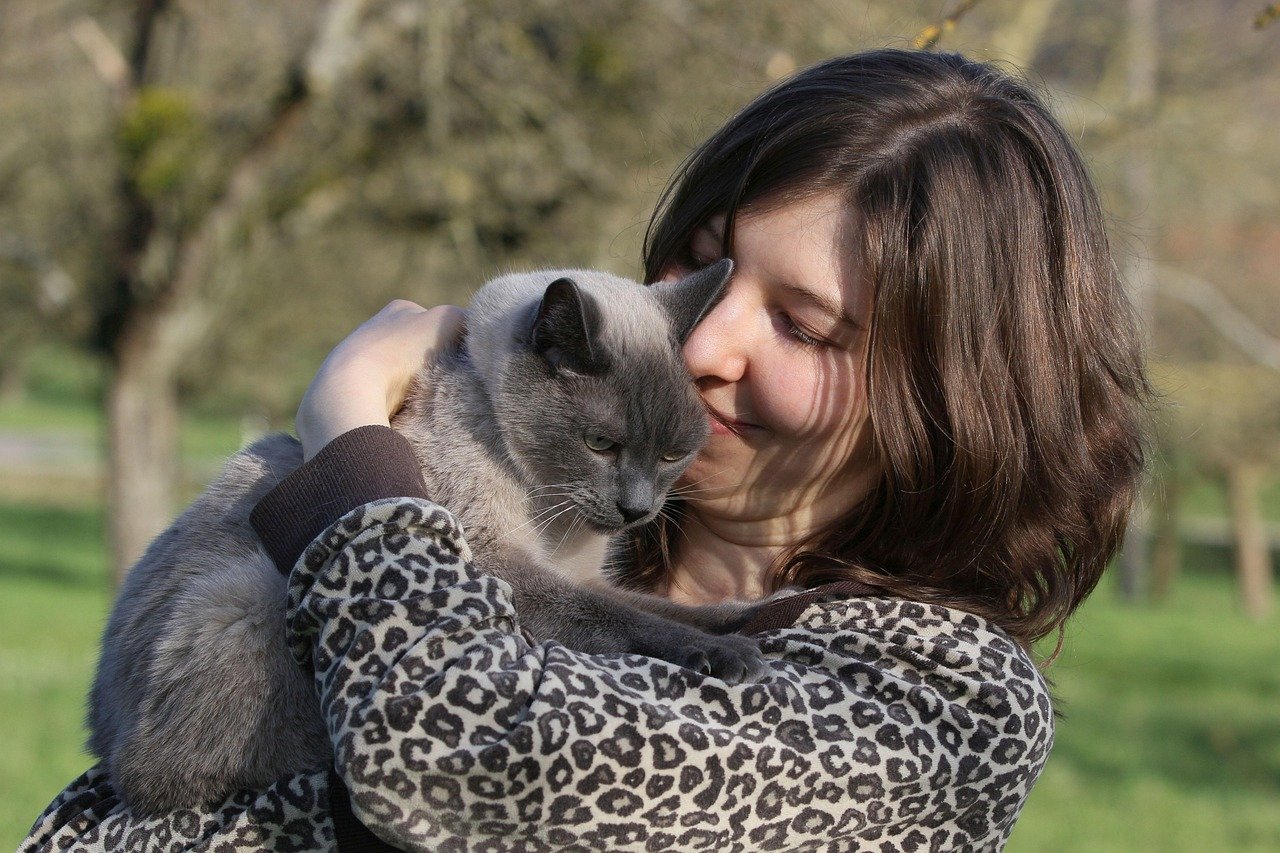
None of these behaviors are random. They all point to the same thing: your cat has built an entire internal model of your day and uses it to navigate their own. From an evolutionary perspective, routines help cats feel safe. Knowing when and where to expect food, rest, and interaction mimics their natural hunting and resting cycles, offering them a sense of control in their environment.
What seems like a boring existence to us is a routine that means safety and security for a cat. By setting up regular, unchanging timetables and procedures for daily events, pet owners provide an environment that’s dependable, predictable, and organized. Your predictability isn’t just convenient for your cat. It’s the foundation of their wellbeing.
The cat curled up in the same chair at the same hour each evening isn’t just comfortable. It’s exactly where it expected to be. That quiet, clockwork loyalty, so easy to overlook in a creature often described as indifferent, is one of the more underrated forms of devotion in the animal kingdom.
Kristina is a young writer from India. An arts graduate and an avid content creator, Kristina is passionate about animals and wildlife. She enjoys exploring topics related to pet care, animal behavior, conservation, and nature, combining thorough research with engaging storytelling.