You’ve probably caught yourself wondering whether your cat actually appreciates you or simply tolerates your presence. It’s a question that crosses the minds of almost every cat owner at some point, and the doubt is completely understandable. Cats don’t wag tails in wild, obvious excitement. They don’t barrel toward you at the front door the way a golden retriever might.
When it comes to cats and gratitude, they express it a little differently than dogs or humans do. Paying attention to your feline’s subtle cues can help you recognize the behaviors that signal appreciation, trust, and affection. Once you understand what you’re actually looking at, you’ll likely realize your cat has been saying thank you all along.
The Science of Feline Attachment: More Than Just Convenience
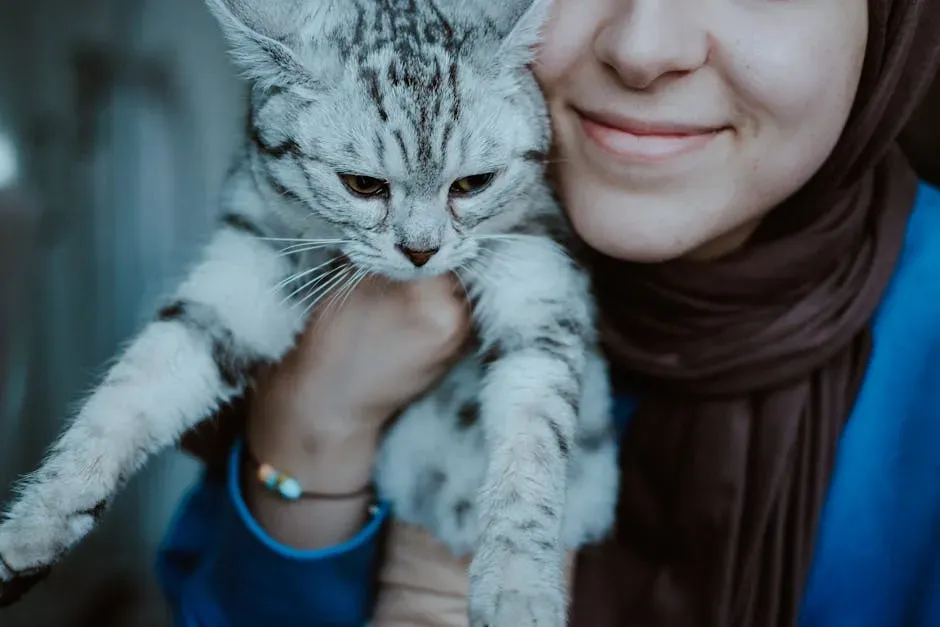
There’s a persistent belief that cats are simply opportunists, keeping you around for the food and the warmth. Research tells a different story. A study published in Current Biology found that cats form attachment bonds to their human caretakers in very much the same way that dogs and human children do. After observing key secure attachment behaviors in over 65% of cats and kittens involved in the study, researchers from Oregon State University concluded that they may be underestimating cats’ socio-cognitive abilities.
Research shows that cats’ reputation as cold and aloof pets is largely undeserved. Because of their evolutionary ancestry, domestic cats are, by their nature, more independent than dogs, which means their expressions of appreciation tend to be quieter and more deliberate. That independence isn’t indifference. It’s simply a different emotional language.
The Slow Blink: A Kiss Without Lips
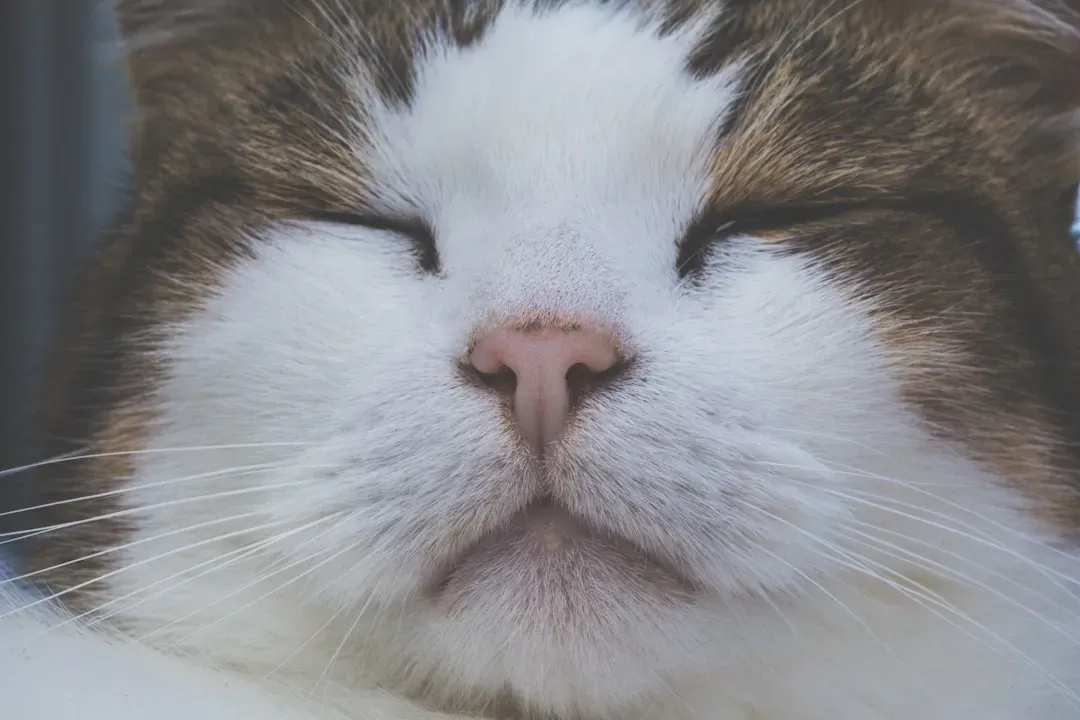
A cat’s slow blink is often referred to as a “kitty kiss.” When your cat looks at you and slowly closes and opens its eyes, it’s a sign of trust and affection. This gesture indicates that your cat feels safe and secure with you. You can return the gesture by slow blinking back at your cat, strengthening the bond between you.
When cats encounter strangers or other cats they don’t know, they usually greet them with an unblinking stare. They are more likely to slowly blink at cats they have a good relationship with. Research suggests slow blinks are associated with a positive emotional state and can be a sign of trust, contentment, and affection, similar to a human smile. So the next time your cat gazes at you with those half-closed, dreamy eyes, understand that you’re receiving something genuinely meaningful.
Head Bunting: You’ve Been Officially Claimed
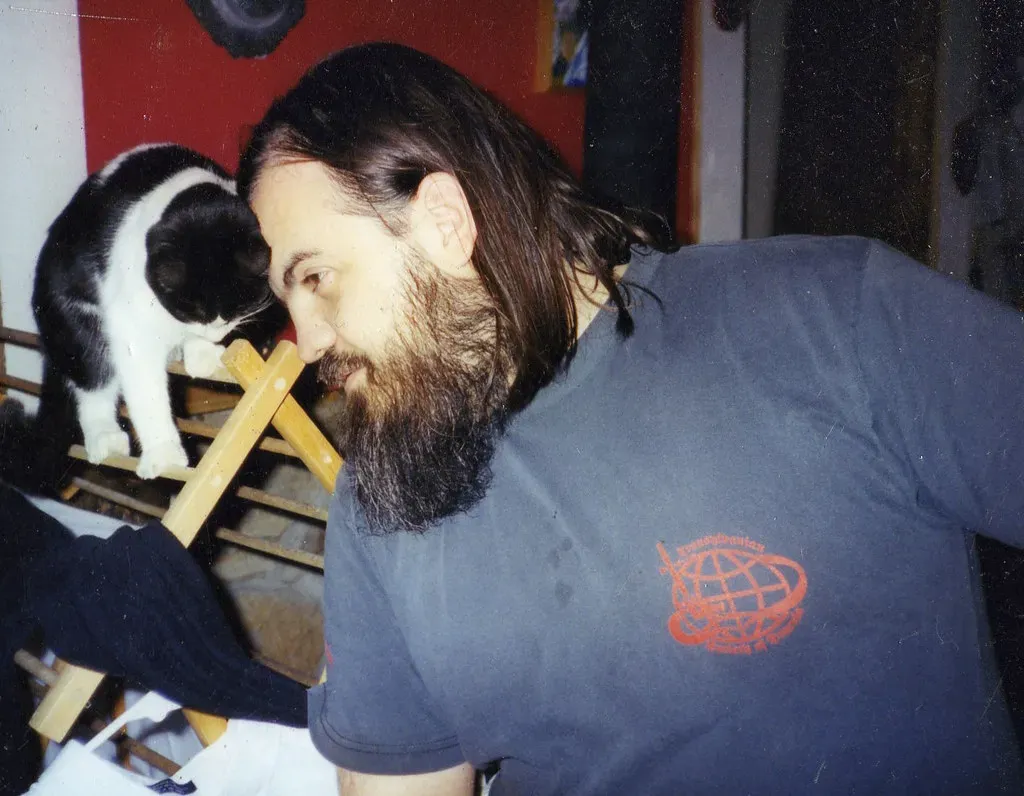
When your cat gently bumps their head against you, they’re not just being adorable. They’re marking you as their own. Cats have scent glands on their heads, and when they nuzzle you, they leave their scent behind. Think of it as your cat’s way of saying you’re part of their family. This sweet head bump, also called bunting, is one of the most affectionate ways cats express gratitude and love.
The head bump is usually saved for a cat’s closest feline friends and most trusted humans. When a cat bumps their head against you or rubs their cheeks on your hand or leg, they’re doing more than being cute. This behavior deposits scent from glands on their face, marking you as familiar and safe. In cat language, that’s a sign of social bonding. It’s an intimate gesture with real meaning behind it.
Kneading: The Biscuit-Making Ritual
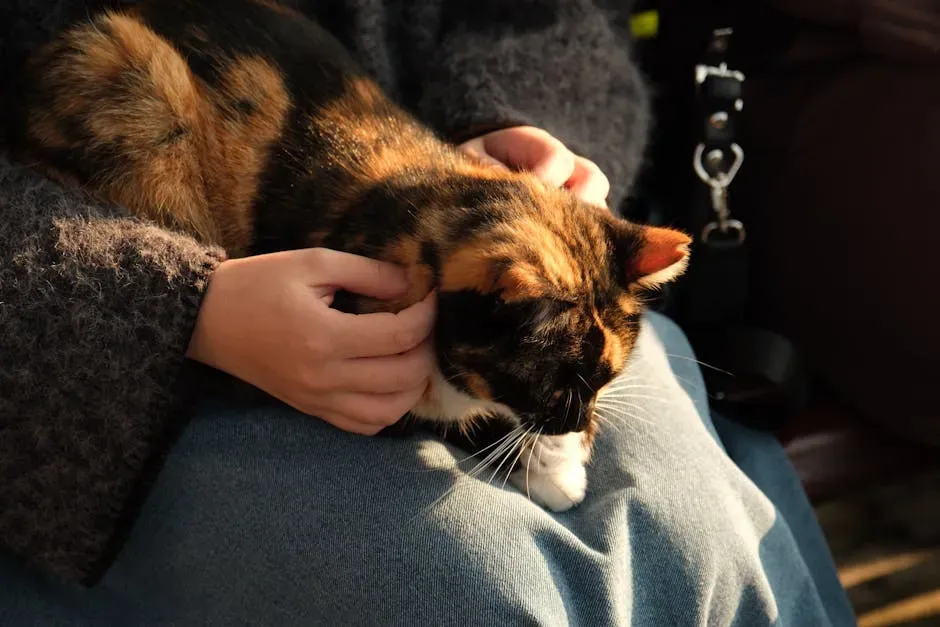
Kneading, or “making biscuits,” is an adorable quirk that shows your cat is content and comfortable. This rhythmic pressing of paws goes back to kittenhood, when kittens would knead their mother to stimulate milk flow. In adult life, it’s a soothing habit that signifies your cat feels safe and happy with you.
Kneading, characterized by the pushing of the cat’s paws against a surface, is a leftover behavior from kittenhood. In adult cats, kneading is a sign of comfort, security, and appreciation, often directed towards their owners as a way of saying thank you for the care and warmth provided. Yes, those tiny claws might occasionally require a blanket as a buffer, but the gesture itself is pure affection.
The Question Mark Tail: Reading the Signal at the Door
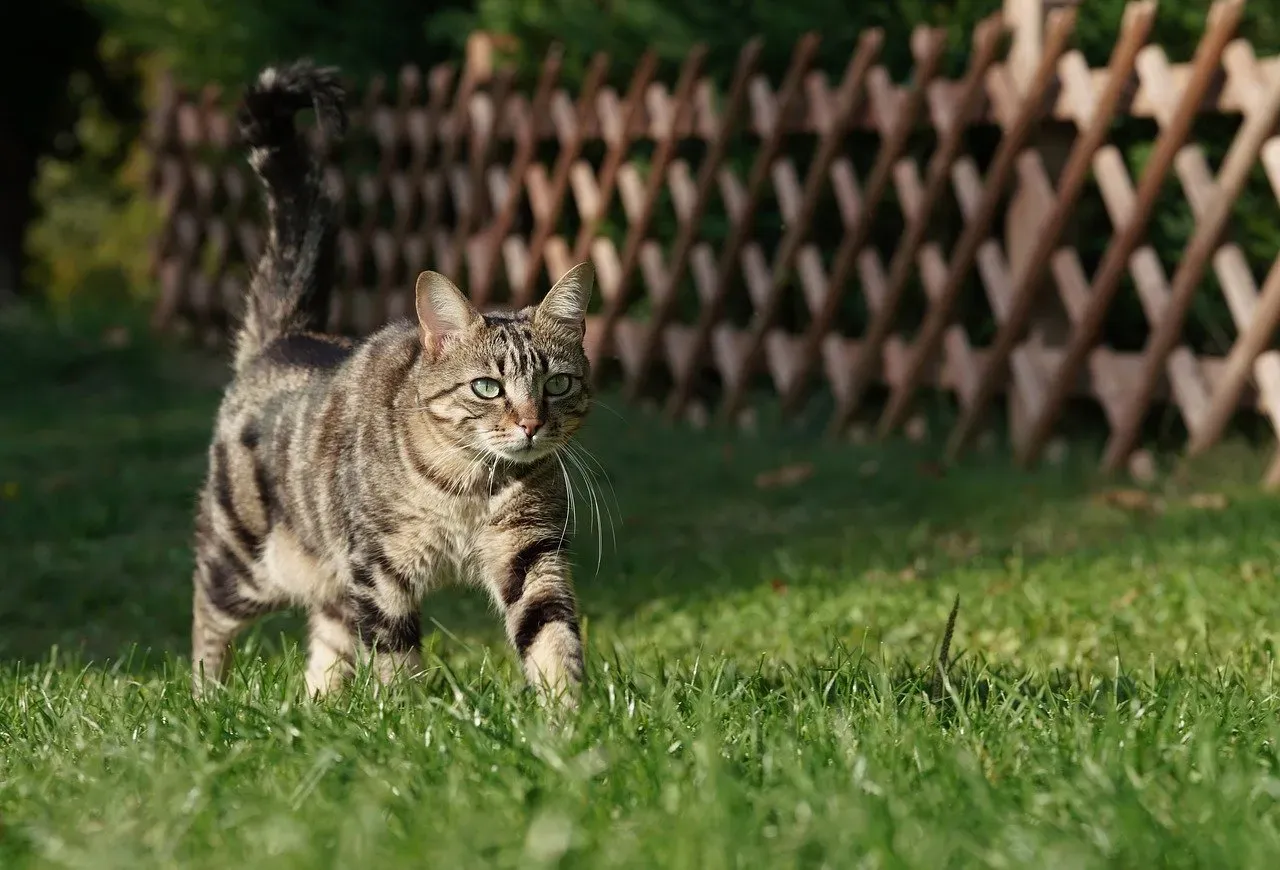
While a fast-wagging dog tail can be a surefire sign of happiness and appreciation, cats do things differently. Cats often approach you with an upright, softly hooked tail that looks like a question mark, which is a clear feline gratitude signal and a sign your cat loves you.
According to animal behaviorist and cat specialist Marilyn Krieger, felines often show affection through their tails. A curved tip is a friendly greeting and an invitation to interact with your cat, while a more expressive display of love is your cat wrapping their tail around your hands, ankles, arms, or really just any part of your body. That tail tells a whole story if you know how to read it.
The Gift Giving: Unpleasant Tokens, Genuine Intentions
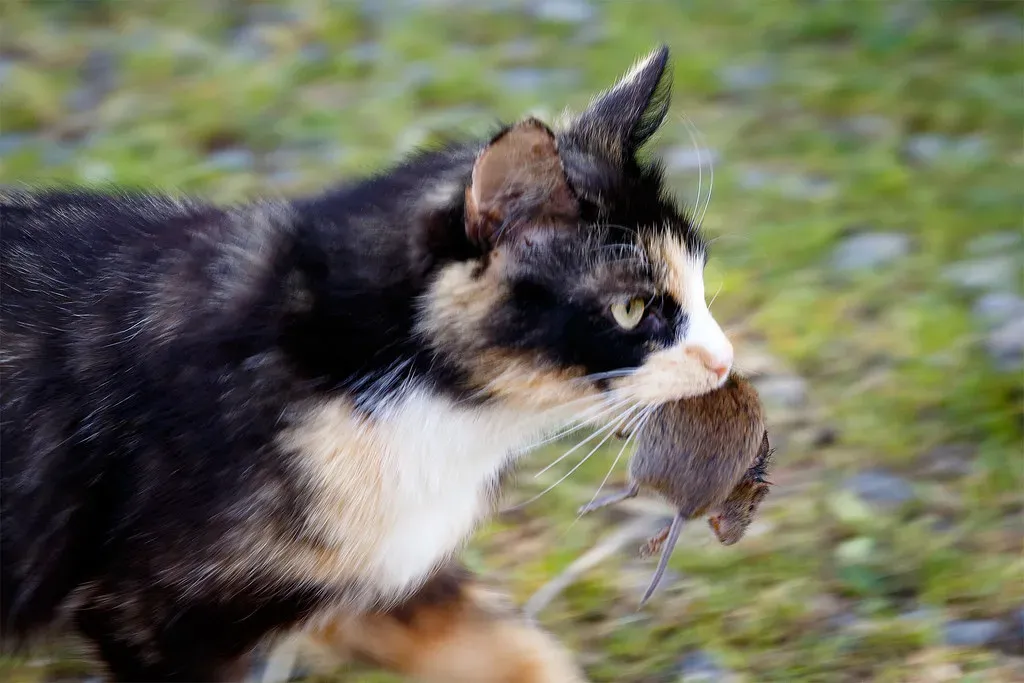
While it might be unpleasant to find a dead mouse or bird at your doorstep, this behavior is a sign of love and trust from your cat. In the wild, cats bring prey to their families. By bringing you gifts, your cat is sharing its hunt with you, showing that they consider you part of their family.
Bringing you a favorite toy or something they’ve discovered is a nod to your hard work as a pet parent. They’re letting you know you are part of their inner circle and want to share resources. If your cat brings you something unpleasant, like a dead rodent or bug, try not to react in disgust or anger. Not controlling your reaction may only leave your cat confused and may even cause negative feelings. Receive the gesture with grace, even if it tests you.
Grooming You: Welcome to the Social Group
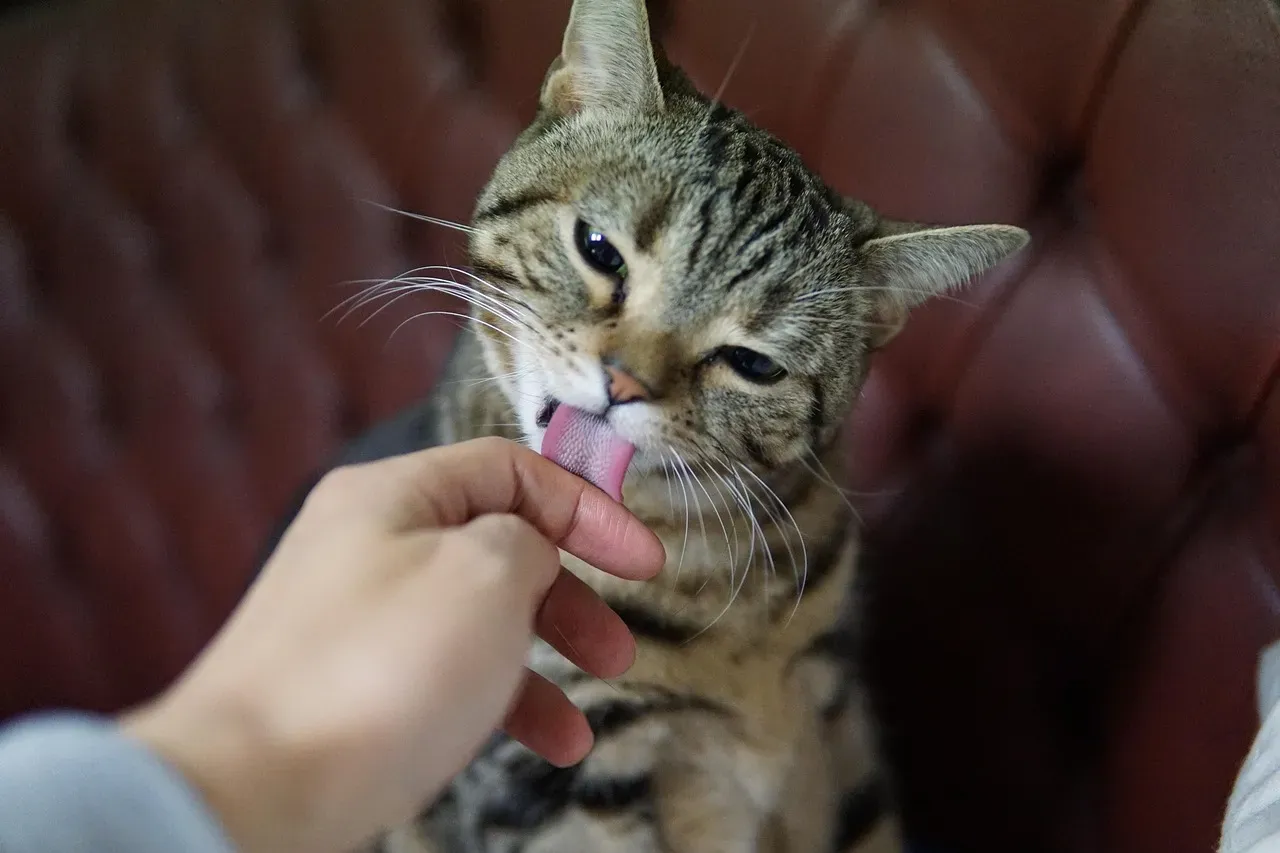
Grooming is another way cats show their affection. When a cat licks your skin or hair, it’s mimicking the grooming behavior they use with other cats. This action signifies that they see you as part of their social group and trust you enough to share this intimate behavior.
Grooming only happens between cats with a warm relationship, so licking your hand or face can be a show of endearment, even though those barbed tongues may not feel all that gentle. Just as mother cats groom their young, cats who are bonded with each other will often groom one another, showing comfort and familial acceptance. If you find your kitty licking you repetitively, they see you as a close family member.
Following You Around: The Four-Legged Shadow
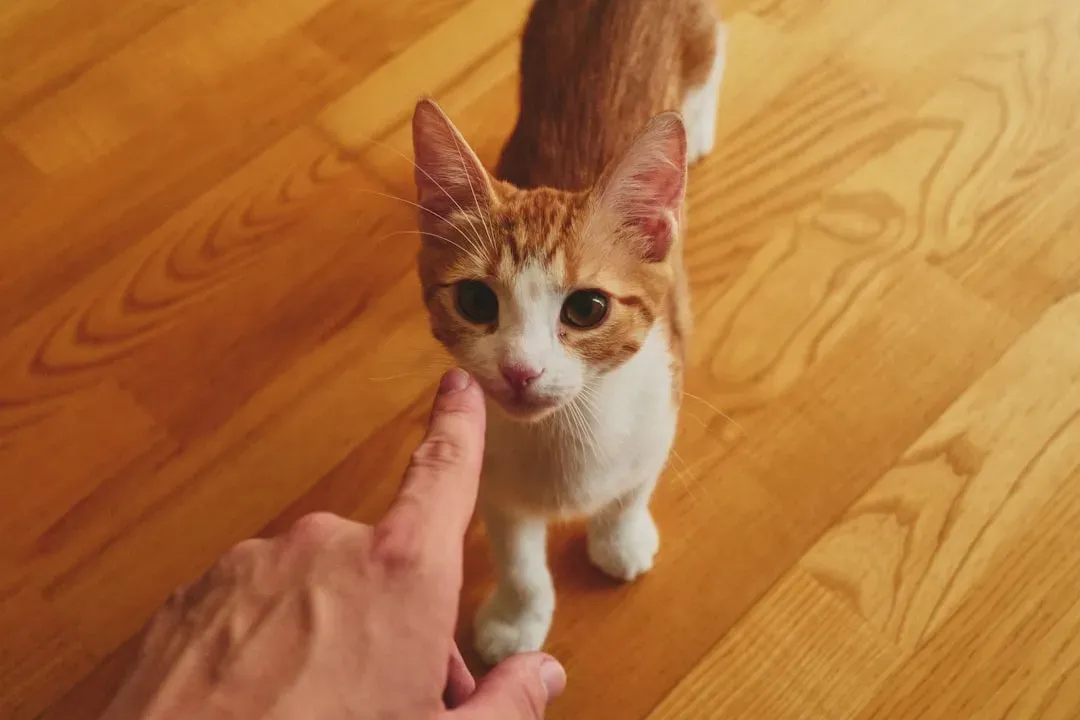
Another way cats show gratitude is by following you around. Suddenly, you might have a nine-pound, four-legged, furry shadow tagging along wherever you go. This behavior is a subtle way cats express love, affection, and appreciation for their humans. This cat behavior is usually a sign your furry friend wants more quality time with you.
Following you around the house isn’t clingy, it’s companionship. Cats like your presence, even if it’s just being with you while you’re folding laundry. Cats are selective about where they spend their time. In fact, their independence can be one of their most admired qualities. That makes choosing to share space with you a quiet but powerful sign of attachment.
Sleeping Near You: The Deepest Form of Trust
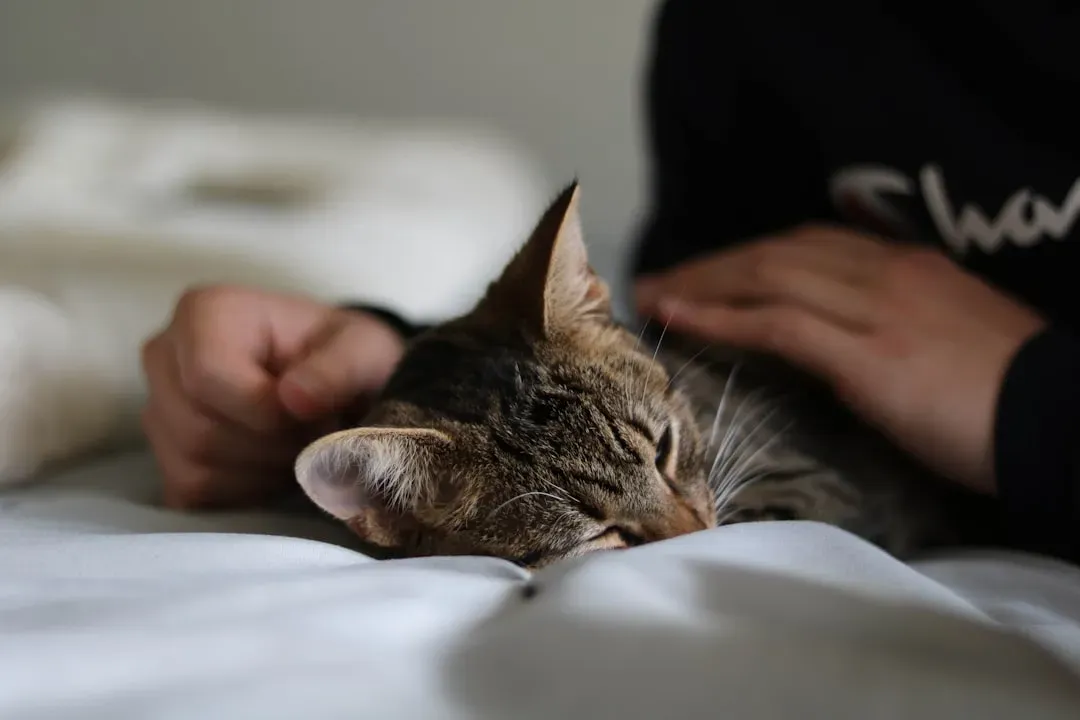
Sleep is a vulnerable state for cats. Choosing to nap next to you, or even in the same room, is a strong indicator of trust. Some cats may sleep at your feet or nearby rather than directly on you, but that close proximity still counts as a sign of love.
When your cat curls up beside your legs or on your chest at night and falls asleep, it’s more than a sweet sign that they’re grateful for you. Guarding behavior signifies attachment. If a cat wants to be near you while sleeping or resting, they go to spots where they can be close to you or watch you. This shows they feel safe and secure when you’re around.
Purring: Context Is Everything
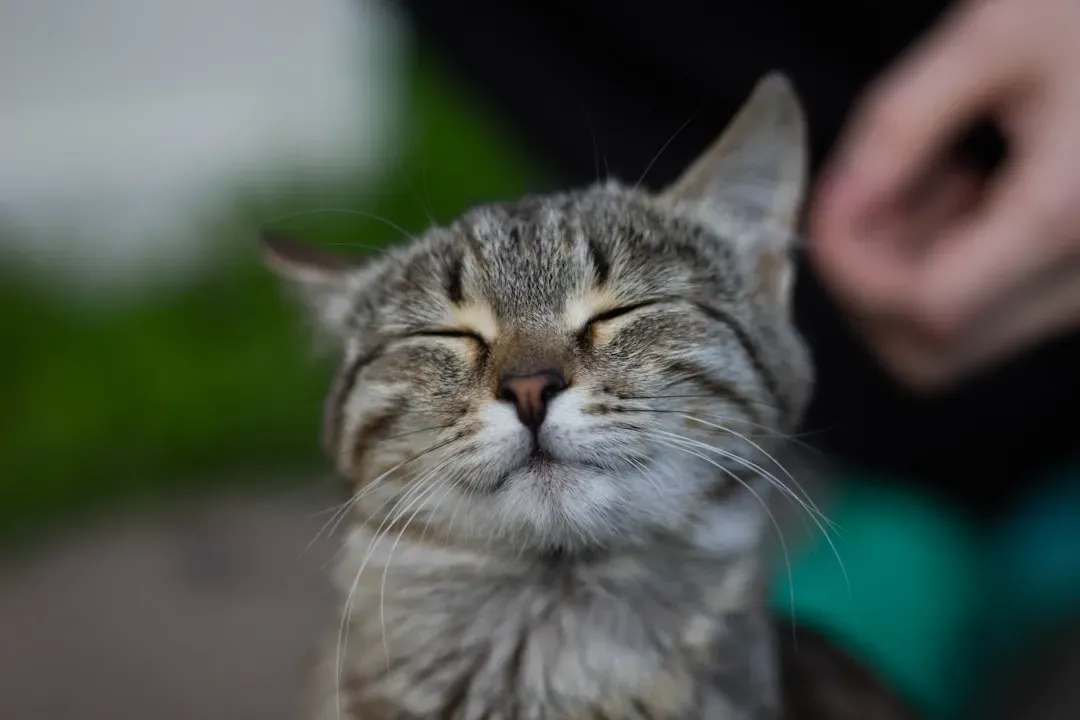
The rumbling, rhythmic sound of a cat purring is a quintessential sign of affection. Purring may occur when a cat feels safe and relaxed, often while being petted or enjoying your close presence. Feline behaviorists have found that cats purr for a variety of reasons, but believe that purring first starts as a form of communication and bonding mechanism between kittens and their mothers. It’s also a common indicator of comfort and ease.
Cats often purr to show contentment when they are resting near you or when you’re petting them. They may also purr when they’re nervous, but this is often paired with different body language such as holding their ears back, putting their head down, or fast tail-swishing. The sound itself doesn’t tell the whole story. The body that surrounds it does.
Conclusion
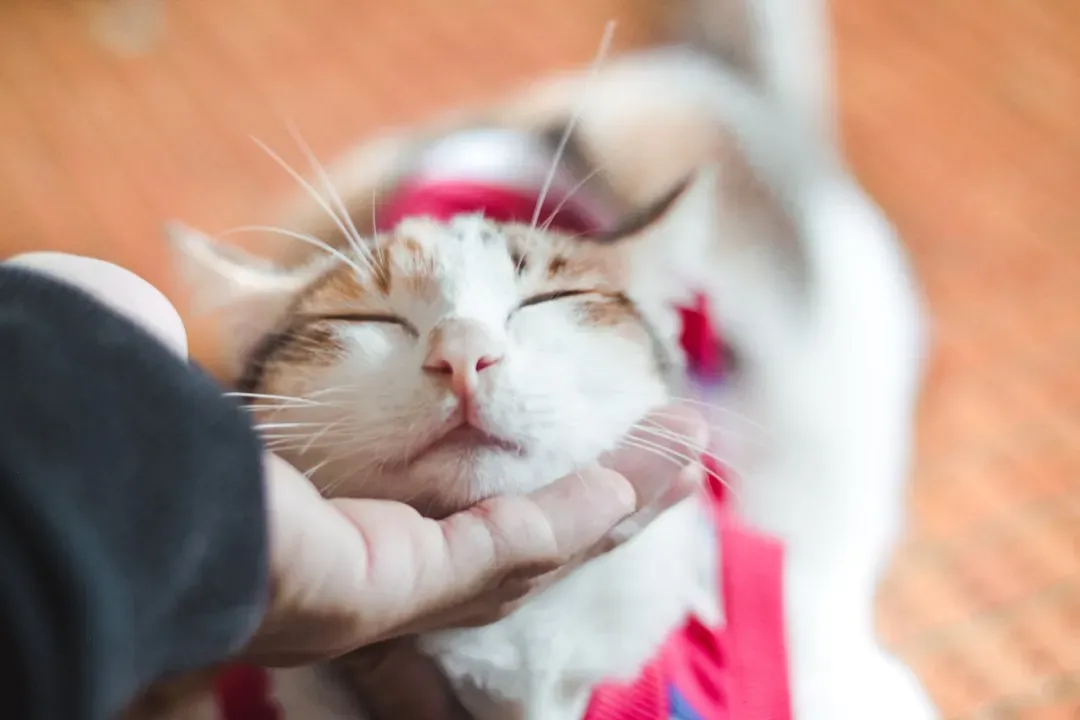
Cats are not emotionally absent. They’re emotionally specific. Their affection arrives on their own schedule, through a private vocabulary of tail positions, slow blinks, rhythmic paws, and deliberate closeness. Cats show love differently than humans do, often expressing affection through subtle behaviors. Slow blinking, headbutting, and following you around are all signs a cat loves you. Every cat expresses affection in their own way, so learning to read your cat’s body language cues matters.
Cats tend to form close bonds with a small number of individuals rather than spreading affection widely. If your cat shows you specific behaviors they don’t offer to others, that’s often a sign you are one of their chosen few. There’s something quietly remarkable about that. Being selected by a creature that carefully controls who gets in is, in its own understated way, one of the more sincere forms of trust you’ll ever receive.