There’s a persistent myth that cats simply don’t care. They tolerate you, the story goes, because you fill the bowl. Anyone who has lived with a cat knows that’s not quite right, but it can still feel that way on days when your cat sits across the room, staring at nothing in particular, appearing utterly indifferent to your existence.
Cats show love differently than humans do, often expressing affection through subtle behaviors, and they’re much more understated than dogs in showing their love. But that doesn’t mean the bond between cats and humans is any less real. Feline affection isn’t always overt or constant. Instead, it’s often built around trust, safety, and selective social connection, with cats tending to show love through behaviors that signal comfort and familiarity rather than attention-seeking. Learning to read those signals changes everything about how you experience your relationship with your cat.
The Science Behind Feline Bonding
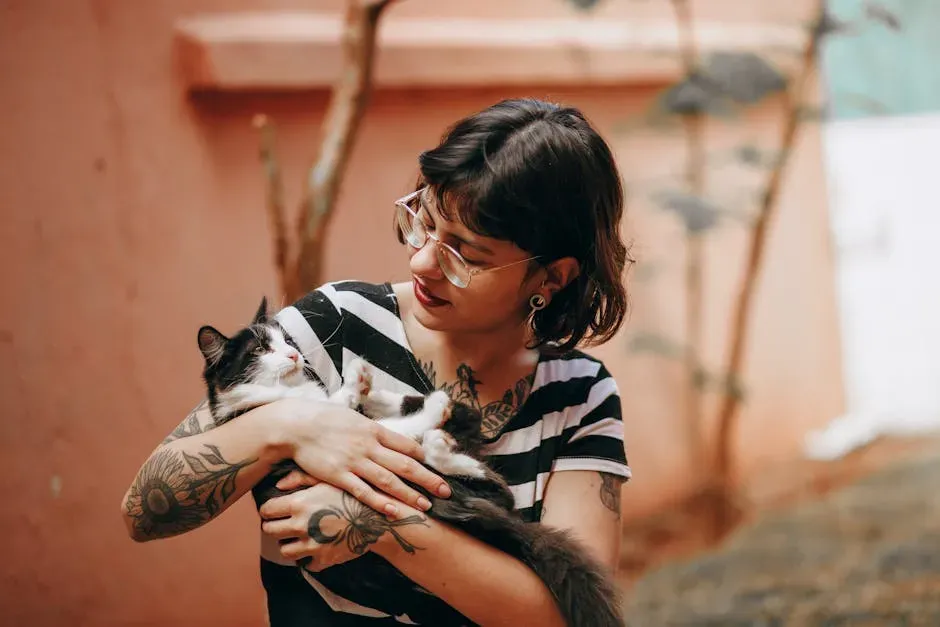
Research has shown that cats are capable of forming strong bonds with their human owners, similar to those formed between dogs and their owners. This bond is built on trust, affection, and mutual respect, and is important for the well-being of both cats and humans. It’s a finding that surprises people who have long assumed cats are purely solitary animals.
Research shows that many cats form attachment bonds with humans that resemble those between babies and caregivers, and feline affection is influenced by hormones such as oxytocin, also known as the “love hormone.” Studies suggest that cats with secure attachments to their humans are more likely to initiate cuddles and close contact, and that these interactions increase a cat’s oxytocin levels.
A 2017 study published in Behavioural Processes looked at what cats prefer to interact with, offering options of human interaction, food, toys, or scent. Most cats chose interaction with humans, with food as the runner-up. That result alone says quite a lot.
The Slow Blink: Your Cat’s Quiet Kiss
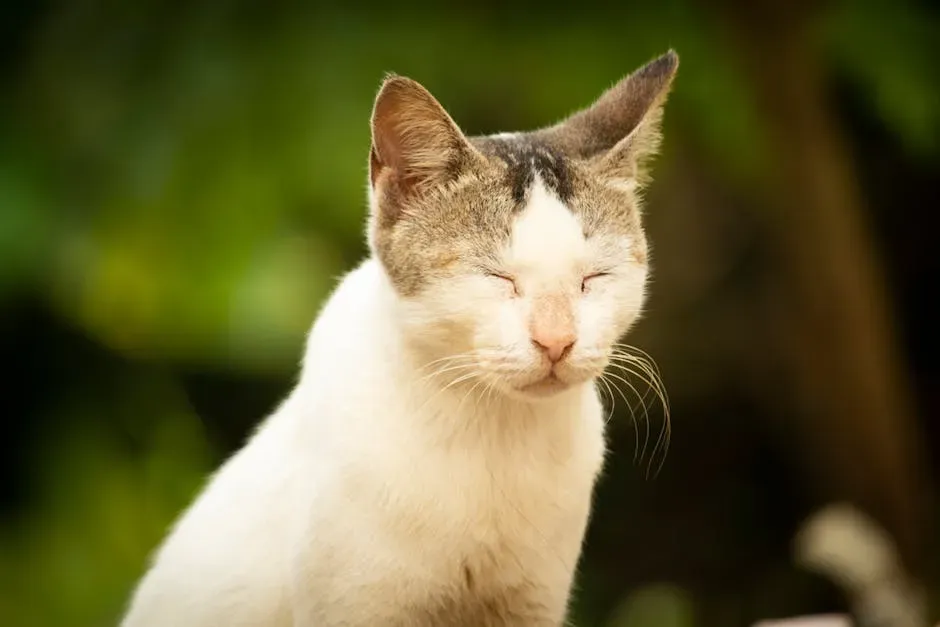
Cats will often make eye contact with lowered eyelids and steady, slow blinks. This is considered a feline version of a kiss, and you can even try slow blinking to show love back to cats. It’s one of the most intimate gestures a cat can offer, and it happens right in front of you every day.
Slow blinking is one of the clearest signs your cat feels relaxed and safe around you. When a cat slowly closes and opens their eyes in your presence, it’s a signal of trust. If you slow blink back and your cat returns the gesture, that’s a shared moment of affection. Think of it as a conversation that happens entirely without words, or even movement.
Headbutting and Bunting: Claiming You as Their Own
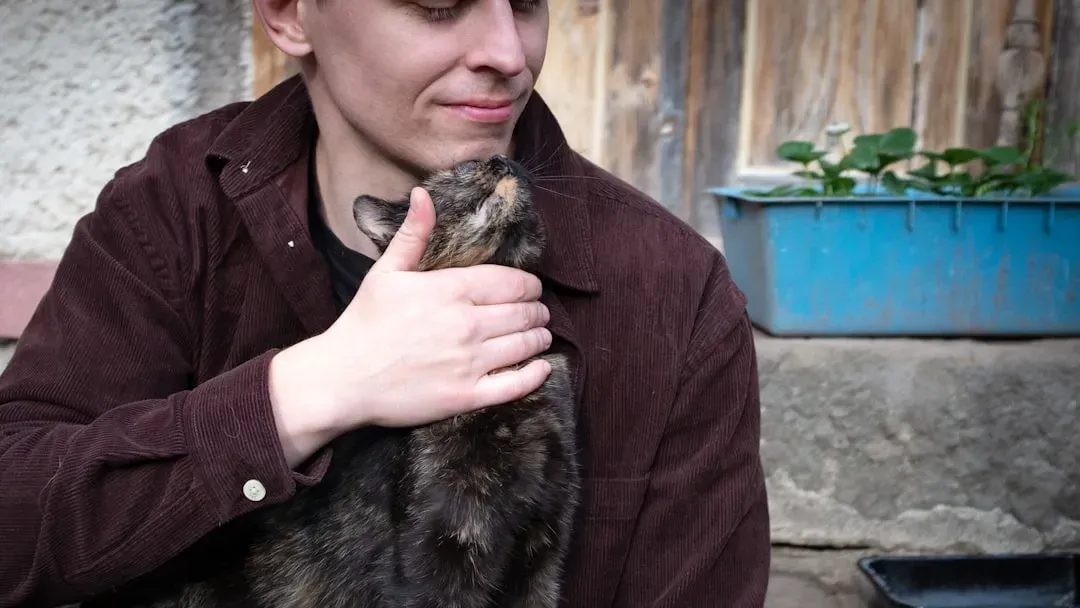
Your cat may bump their head against you or rub their cheeks against you to show affection. This is a social behavior formed in kittenhood through headbutting other kittens and their mother. Headbutting is often an attempt to mark you with their scent to claim you as one of their own, and it helps cats bond. It’s their way of saying you belong to them.
When a cat bumps their head against you or rubs their cheeks on your hand or leg, they’re doing more than being cute. This behavior deposits scent from glands on their face, marking you as familiar and safe. In cat language, that’s a sign of social bonding. Cats have an incredibly sophisticated sense of smell and when they love another creature, they attempt to both mark and mingle scents with them.
Kneading: A Comfort Behavior Rooted in Kittenhood
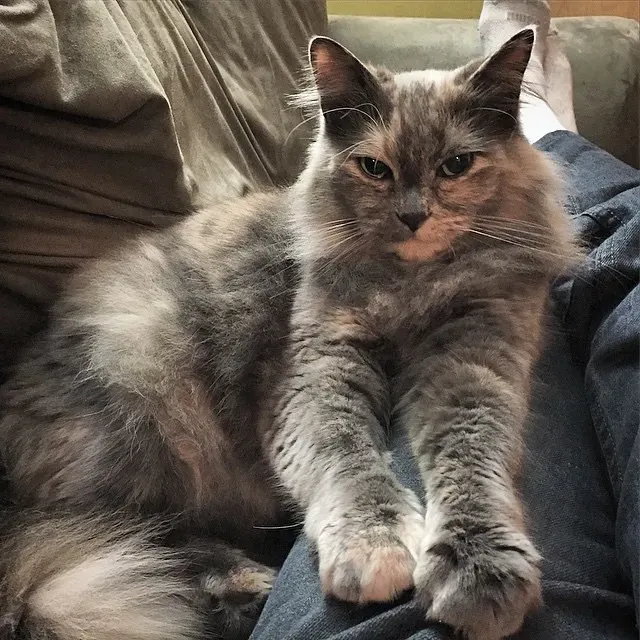
When your cat kneads you with their paws, they’re not just getting comfy – they’re showing you love and trust. This behavior stems from kittenhood when they kneaded their mother’s belly for comfort while nursing. So when they do this to you, it’s a sign they feel safe and cared for.
Kneading, often called “making biscuits,” happens when a cat rhythmically flexes and relaxes their front paws against a soft surface, or even their owner. This adorable behavior is more than just cute – it’s a sign your cat feels safe and bonded with you. Cats learn this behavior as kittens to stimulate milk flow from their mothers, and when an adult cat kneads on you, it shows they trust you and feel secure in your presence.
Proximity and Presence: Love Doesn’t Always Mean Contact
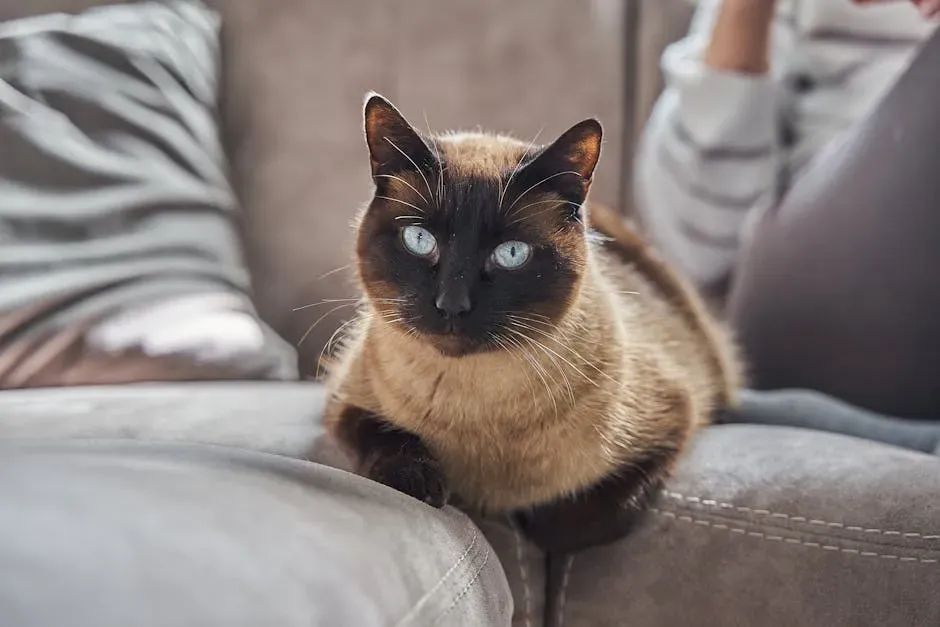
A cat doesn’t have to be in your lap to show love. Sitting near you is also a meaningful choice. Cats are selective about where they spend their time, and their independence can be one of their most admired qualities. That makes choosing to share space with you a quiet but powerful sign of attachment.
You might notice that your cat is more inclined to wander around when you’re at home, relaxing in a different part of the house or meandering from room to room. Some owners take this as a sign of disinterest, thinking their cat doesn’t care whether they’re together or alone. Nothing could be further from the truth – cats are more likely to explore and interact with their environment when they feel relaxed and comfortable in a person’s presence.
The Tail Up Greeting: A Small Signal With Big Meaning
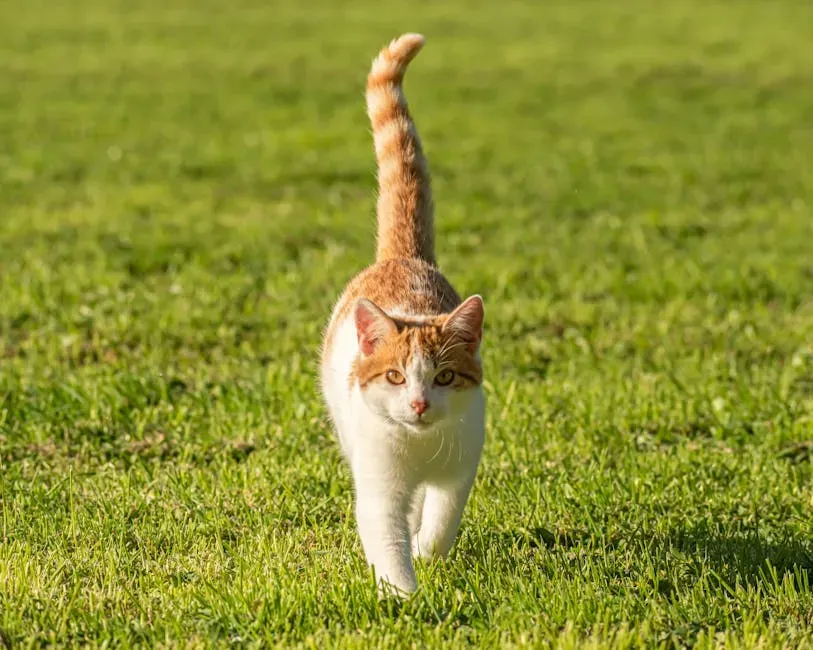
Your cat’s tail position can be a sign of their affection. Cats can’t wag their tails like dogs, but they can use their tails as a barometer of their positive feelings toward you. A tail pointing straight up that isn’t bushy or bristling and has a curled tip signals that they’re pleased to see you and want connection time with the person to whom they feel closest.
Happy cats appear confident and relaxed, often walking with their tails held high and their ears relaxed when feeling comfortable and at home. If your cat greets you at the door with their tail held high and the tip slightly bent, it’s a sign of them being pleased to see you. Kittens often assume this posture with their mothers, so it shows your cat thinks of you as a loving, protective presence.
Allogrooming: When Your Cat Licks You Like Family
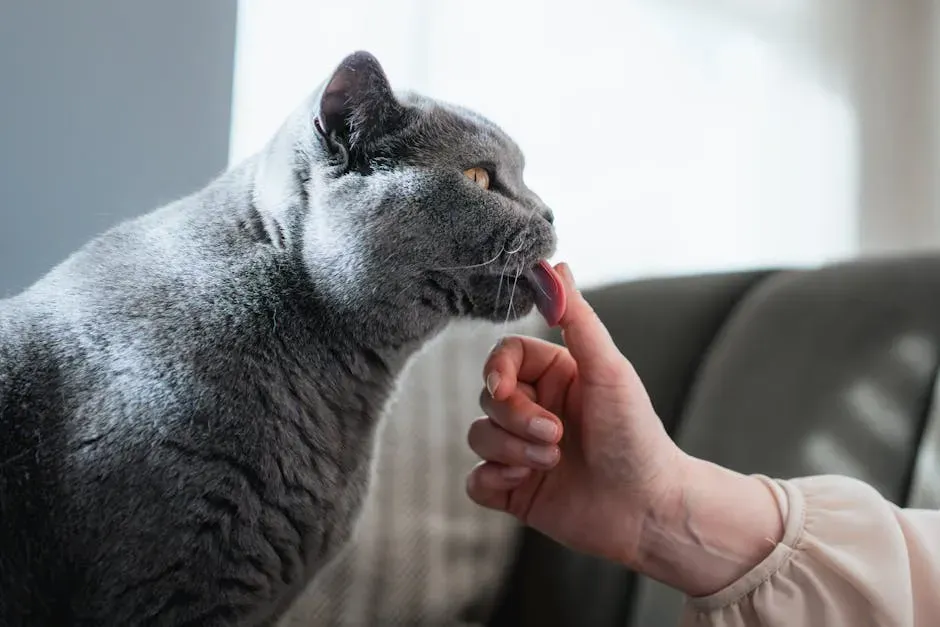
Cats groom each other as a bonding activity, so if your cat licks your hand, face, or hair, it’s a sign of love and affection. They’re treating you like a fellow member of their social group and trying to take care of you in the best way they know how. It’s one of the most instinctive forms of trust a cat can express.
Mother cats regularly groom their kittens, not only to keep them clean but also to stimulate them and bond with them. Cats sometimes show humans affection in the same way by gently licking their favorites while cuddling. Cats groom each other as a bonding ritual, so when they lick your hair, hands, or face, it means your cat considers you part of its tribe – a way cats show attachment to their owner.
Shared Routines: Affection Hidden in Habit
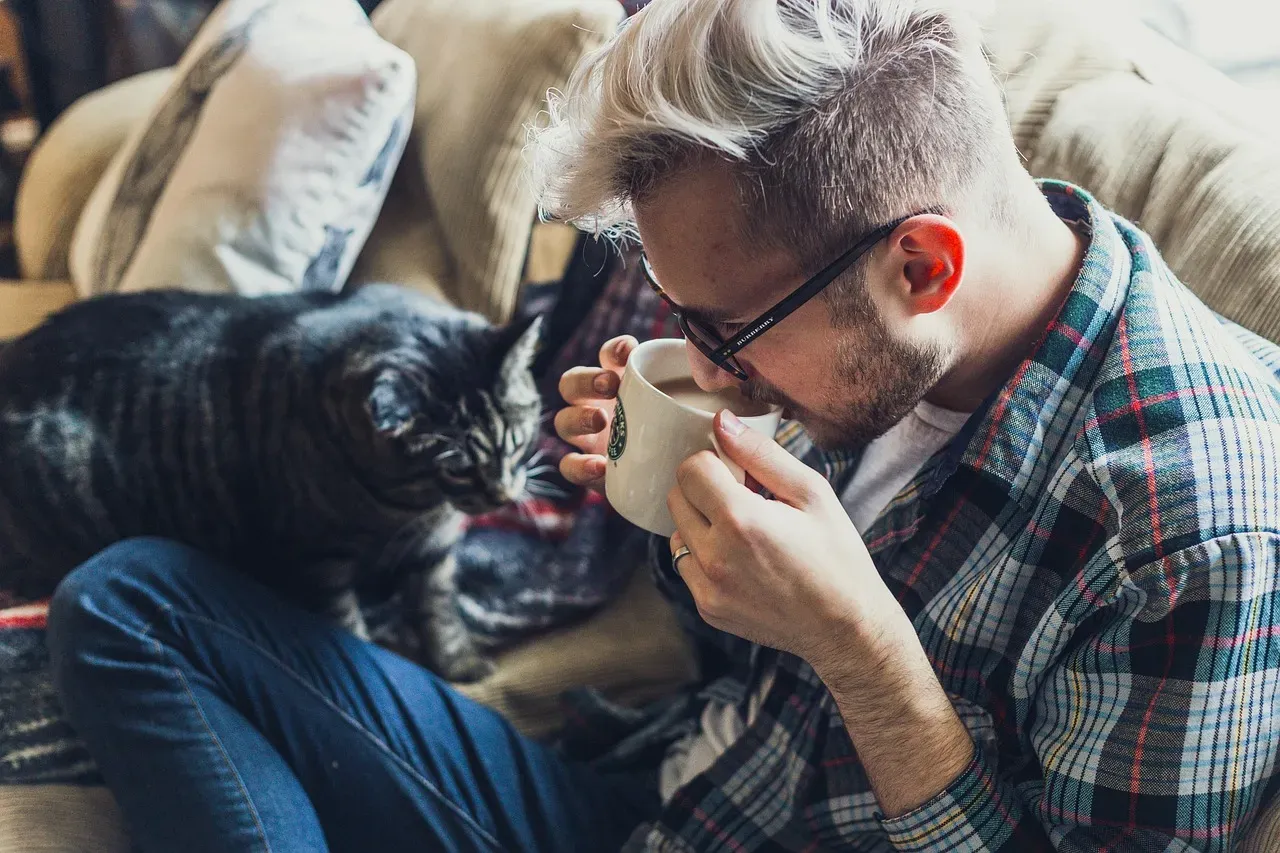
Cats are creatures of habit. If your cat consistently joins you for morning coffee or nighttime TV, that shared routine reflects a bond. These predictable moments help cats feel secure, and participating in them is a form of affection. You might not think twice about it, but your cat has chosen to be part of your daily rhythm.
Cats thrive on routine. Feeding your cat at the same times each day, maintaining a regular play schedule, and providing consistent care can strengthen your bond. A stable routine helps your cat feel secure, making them more likely to show affection. Consistency is a love language both of you can share without trying too hard.
The Belly Reveal: Trust at Its Most Vulnerable
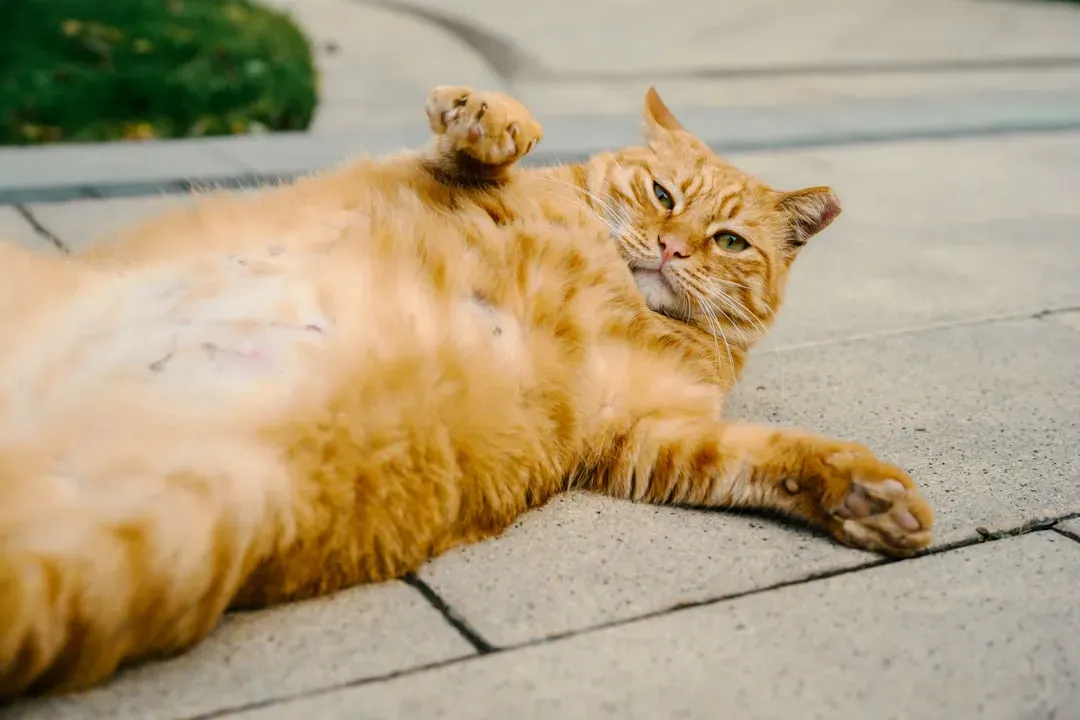
When a cat rolls over and exposes its belly, it’s showing a great deal of trust. The belly is a vulnerable area, and by exposing it, your cat is indicating that they feel safe and comfortable with you. While not all cats enjoy belly rubs, this gesture is still a positive sign of affection.
Rolling over is how cats show their affection on your return home and means “I’m so excited you’re back” in cat language. They are exposing the vulnerable area of their belly, and this is a sign that a cat both trusts and loves you. Some cats roll around on the ground excitedly around their favorite people, and it often happens when loved human companions first come home after being away. Cats are often protective of their vulnerable bellies, so it’s a major sign of trust and affection when a cat is so happy to see you that they roll around and invite you to pet their tummy.
Reading Your Individual Cat’s Love Language
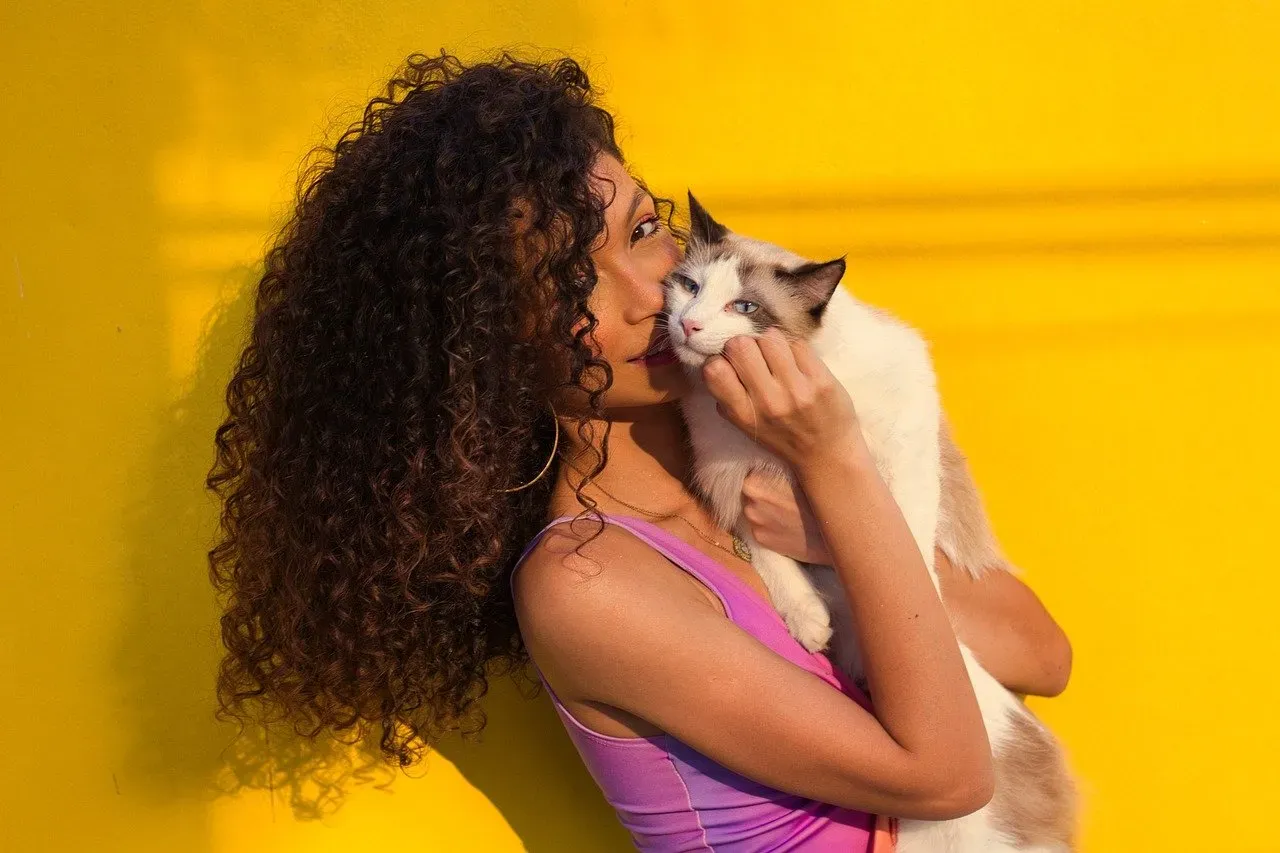
Every cat expresses affection in their own way, so learning to read your cat’s individual body language cues is key. Just like people, cats have unique personalities. Some are naturally more social and expressive, while others are reserved. Understanding how your individual cat shows affection matters more than comparing them to stereotypes.
The way a cat bonds with a person may also be context-dependent. A cat may be affectionate in quiet settings and withdrawn in busy environments, reflecting a sensitivity to stress and overstimulation. Research has shown that cats given the freedom to choose when and how they interact with their owners tend to form stronger bonds with them. By respecting your cat’s personal space, you build trust and strengthen the bond. This involves understanding your cat’s behavior and body language, and being sensitive to their needs and boundaries.
Conclusion
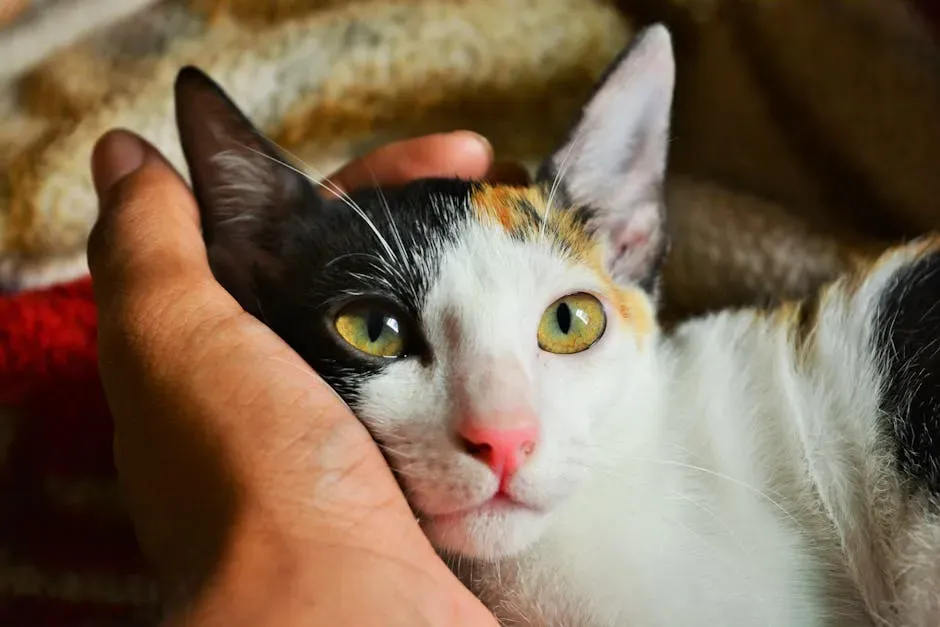
Once you start looking at your cat through this lens, something shifts. That steady gaze from across the room, the quiet choice to settle on the same couch cushion, the slow blink offered before they close their eyes for a nap – none of it is accidental. There’s no way to make an animal love you. Trust is built slowly over time, and if you give your cat lots of love, they’ll come to love you back – even if all pets show that love in different ways.
The cats who seem most aloof are often the most deliberate in how they connect. Their affection isn’t loud, but it is consistent, rooted, and real. You just have to know what you’re looking at. Once you do, you’ll realize they’ve been telling you all along.