You’ve probably bought your cat something expensive at some point, watched it sit untouched for a week, and then found your cat completely absorbed by an empty shoebox. It never gets old. What looks like random quirky behavior from the outside is actually a layered system of instincts, sensory responses, and social communication that’s been running in cats for thousands of years.
The truth is, your home is basically a fully equipped operational headquarters for your cat. Every corner, surface, and stray object tells them something, triggers something, or satisfies something deep-wired. Here’s a closer look at ten items in your everyday life that your cat has repurposed for their own very specific secret missions.
1. The Cardboard Box: A Tactical Command Center
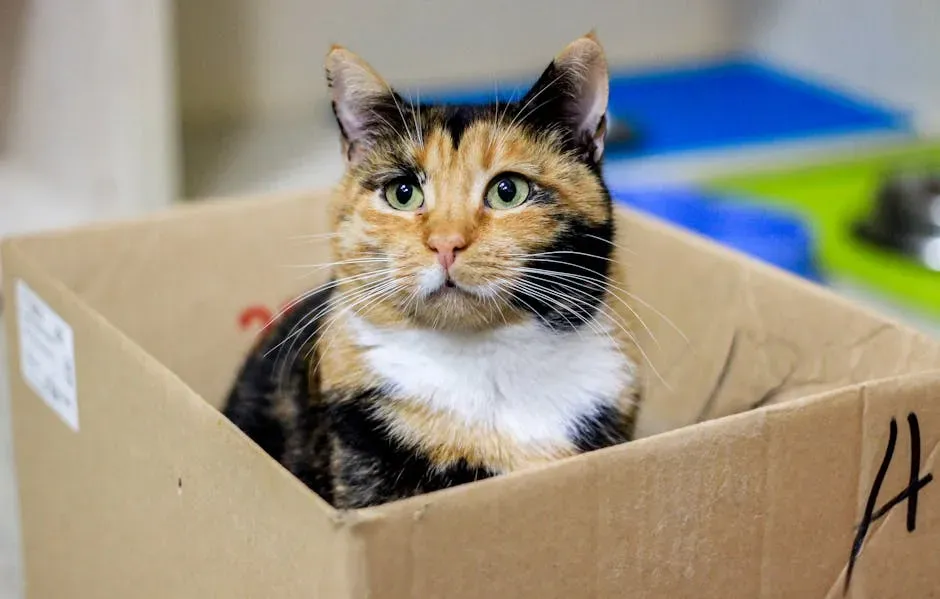
You see a box that held a delivery. Your cat sees a fortified outpost. Cats love concealed spaces, and boxes offer a tight enclosure that acts perfectly as a mini cave, helping them feel safe and secure. It’s not whimsy. It’s wiring. That urge to squeeze into something enclosed comes straight from an evolutionary playbook designed to protect small predators from being ambushed while they rest.
One possible explanation that’s often discussed is that cats like boxes because they are ambush predators. House cats love to use boxes, corners, and just about any elevated surface to conceal themselves before pouncing on an unsuspecting toy or human. As descendants of desert-dwelling cats, they naturally love warmth, and cardboard insulates well, creating a cozy, heat-retaining spot for long naps. The humble shipping box, in your cat’s mind, might as well be mission control.
2. Your Laptop or Keyboard: A Warm Attention Interception Device
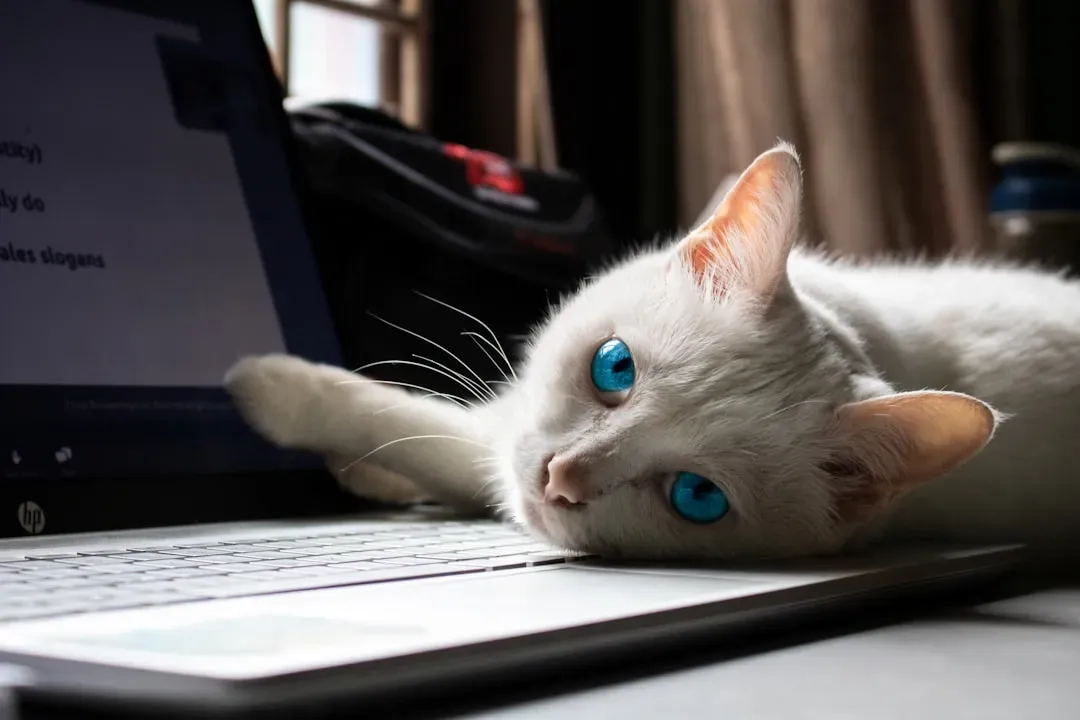
That annoying timing isn’t a coincidence. It’s a sophisticated blend of primal instinct and attachment behavior. To a cat, a laptop is a high-value piece of territory that just happens to be warm and smells like their favorite person. The moment you open it and focus on work, your cat files that as a direct challenge to their social standing in the household.
When your cat sits on your phone, your book, your knitting project, or whatever thing is monopolizing your attention at the moment, they’re trying to step into the spotlight. Attention-seeking is probably the number-one reason cats sit on your stuff. Your stuff smells like you. Notebooks, glasses, the dusting cloth – these things all carry your scent. Sitting on them is your cat’s way of feeling close to you and mixing their scent with yours. So the next time your cat walks across your keyboard mid-sentence, know that it’s equal parts warmth, territory, and love.
3. The Couch: A Scent Broadcasting Station
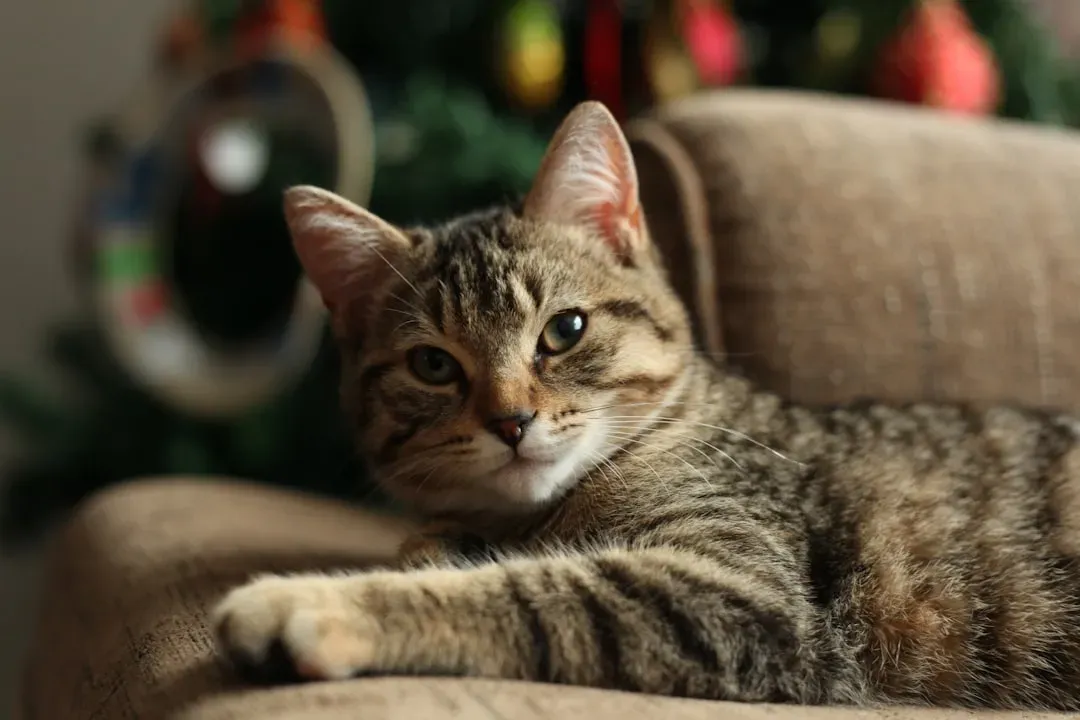
Your couch is where you relax. For your cat, it’s a prime real estate opportunity for scent communication. Cats that scratch your favorite sofa or expensive drapes are not on a mission to destroy your home, but rather wish to satisfy certain needs. Scratching is largely a marking behavior that deposits scent from special glands on the cat’s paws into their territory and removes the translucent covering, or sheath, from the claws. The scratch marks and claw sheaths left behind may also be displays of confidence.
The primary reason cats scratch is to announce themselves to other cats and to mark territory. Cats leave behind both visual and scent markings that state clearly to other cats, “I was here and this place is mine.” Scratching also provides a satisfying full-body stretch, boosting blood flow and loosening muscles after long naps, and is a natural way for cats to release tension, excitement, or boredom. The couch isn’t just being destroyed. It’s being managed.
4. A Crumpled Ball of Paper: A High-Priority Prey Simulation
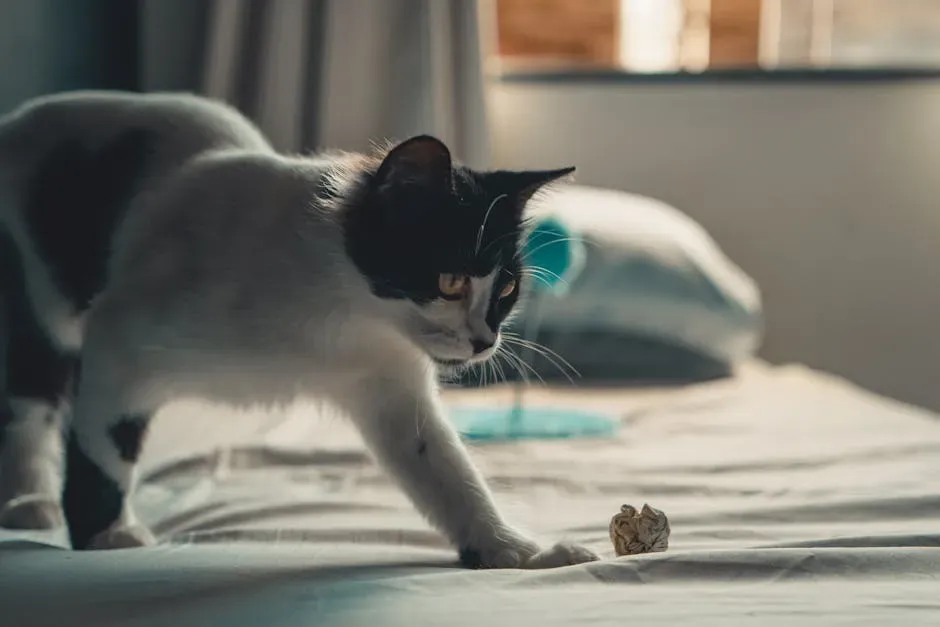
Spend a dollar on a crumpled receipt and watch what happens. Crumpled paper balls create a symphony of sounds that cats find absolutely mesmerizing. Each touch produces a satisfying crunch that mimics the sounds of small creatures rustling through leaves or underbrush. Your cat’s sensitive hearing picks up every subtle variation in the crinkling sound, making it an endless source of entertainment.
Cats have evolved a secondary ultrasonic hearing range tuned to the frequencies that mice and rats use to communicate. This adaptation helped their ancestors locate prey. The high-pitched crinkling of paper, while not identical to rodent vocalizations, falls into a frequency range that catches feline attention. The lightweight nature of paper means it moves easily when batted, triggering chase behaviors. Cheap, accessible, and neurologically irresistible.
5. The Bathroom Sink: A Personal Hydration and Surveillance Outpost
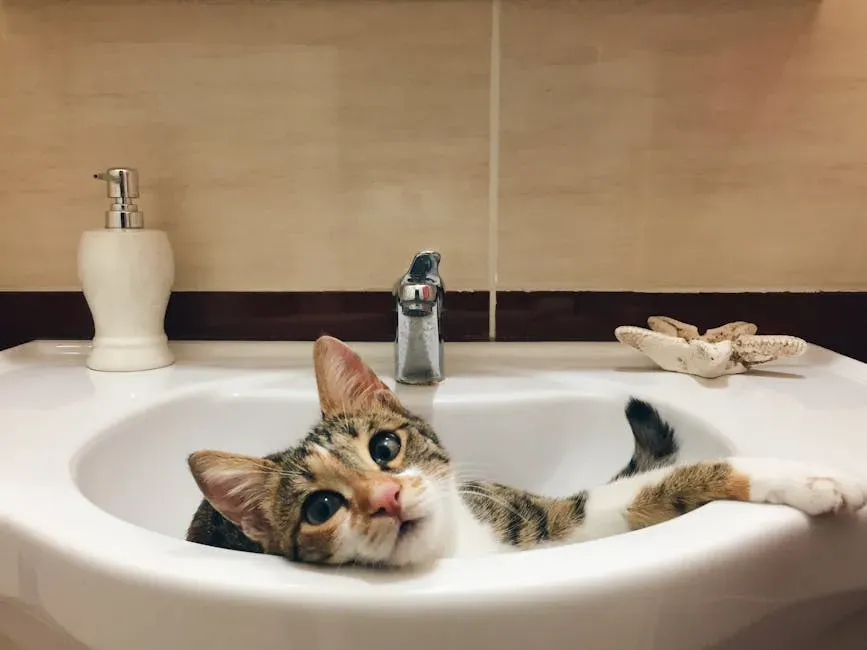
Your cat didn’t end up in the sink by accident. One reason cats may be obsessed with sinks is that they are seeking comfort and security. Sinks are often small, enclosed spaces, which can make cats feel safe and cozy. Additionally, the cool surface of the sink may feel refreshing to a cat, especially in warm weather. Pair that with the fact that sinks are typically located in quieter rooms of the home, and you’ve got the perfect retreat space.
Cats have a natural instinct to seek out sources of water, which can be traced back to their ancestors who lived in the wild and relied on hunting for survival. In the wild, cats would obtain most of their water from the prey they hunted, but they would also seek out natural sources of water such as streams and rivers. This instinctual need for water sources has carried over to domesticated cats. Elevated sinks also provide a safe vantage point for cats to observe their surroundings, satisfying their territorial and predatory instincts. It’s a hydration station, a hideout, and a lookout tower all in one.
6. Your Socks: Prized Trophies and Scent Collection Targets
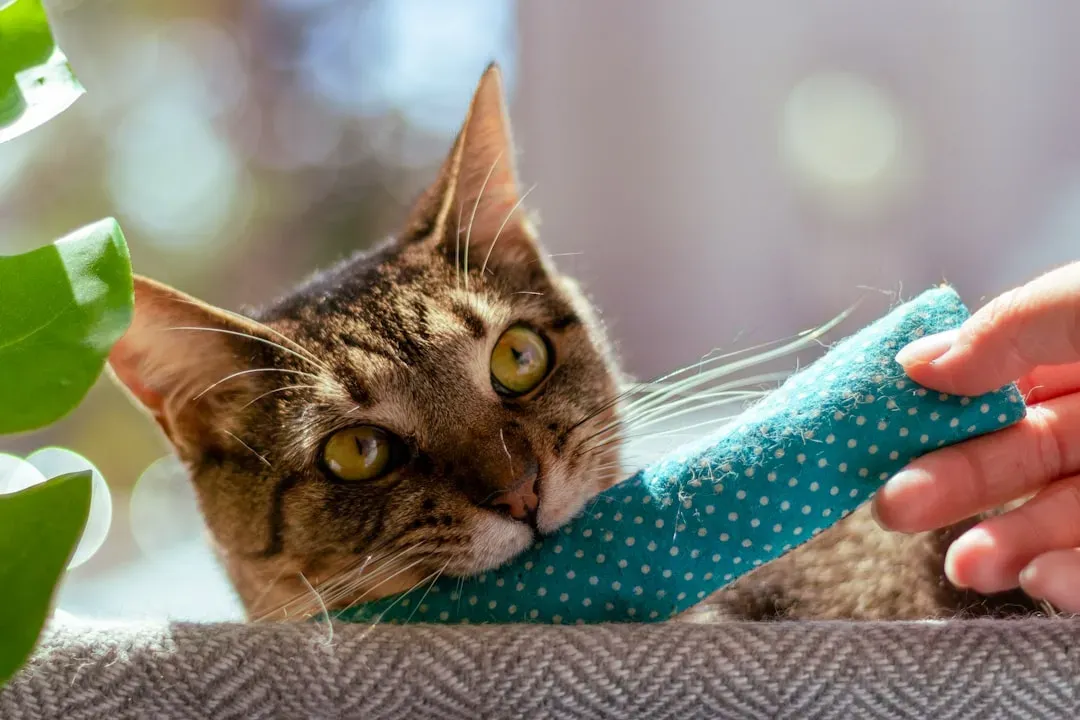
If you’ve ever found a sock stashed under the bed with no explanation, your cat has been running a very specific collection operation. Socks, in particular, hold a special place in many cats’ hearts because they carry your scent strongly and are easy to carry around. Many cat owners discover socks hidden in strange places, such as under furniture, in the cat’s bed, or arranged in a little collection. Your cat might grab a sock and carry it around like a trophy, meowing proudly with it in their mouth.
The soft texture is satisfying to bite and kick, making socks perfect for solo play sessions. This collecting behavior is completely normal and actually shows affection, as cats are often drawn to items that smell like their favorite humans. This behavior may also be connected to resource guarding, mothering instincts, or hunting instincts. Your missing socks aren’t lost. They’ve been archived.
7. Flat Sheets of Paper: Claimed Territory with a Side of Warmth
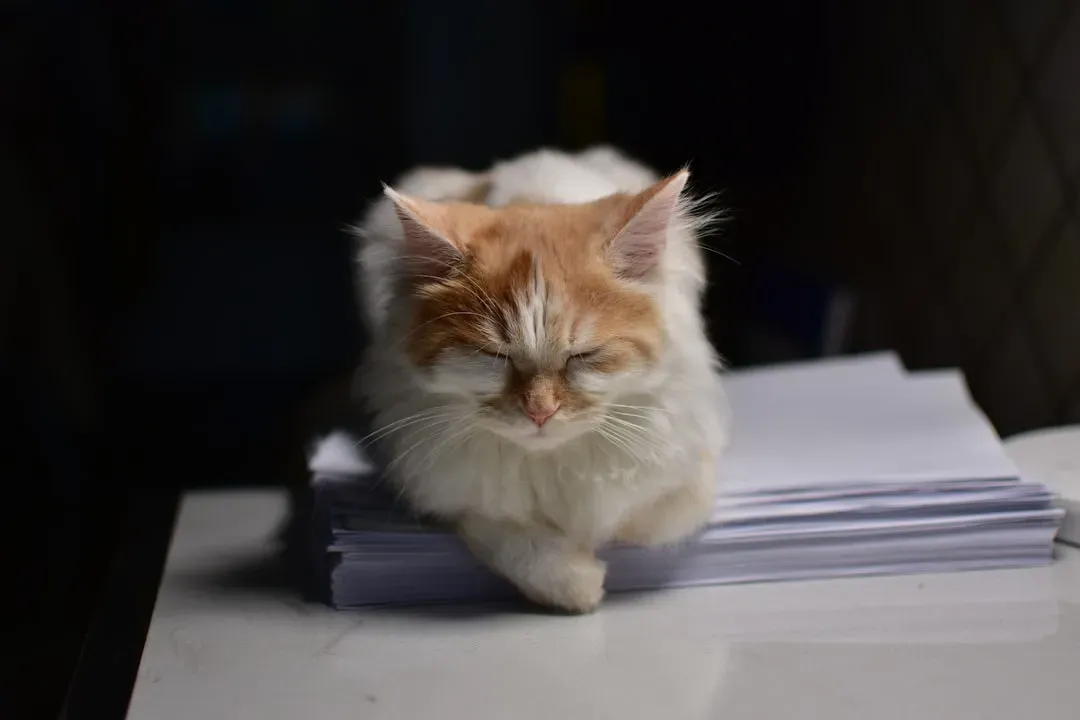
You lay a single sheet of paper on the floor and your cat materializes on top of it within minutes. It’s almost physically impossible for them not to. A healthy cat’s internal body temperature sits between 100.0°F and 102.5°F, and most homes are kept well below their comfort range, which is why cats gravitate toward sunny windowsills, laptop keyboards, and your lap. Even a single sheet of paper provides a thin layer of insulation between a cat’s body and a cooler surface like tile, hardwood, or laminate.
Cats have specialized glands around their face, tail, and paws that secrete chemical messages used to communicate with other felines and to reinforce their sense of familiarity and territoriality. One of the characteristics of paper is that it absorbs scents, and a cat likely gravitates toward it because it creates a sense of familiarity and security by allowing them to smell their own pheromones nearby. Cats will regularly scent mark around their home to mark their territory, especially if they notice a new object in the home. That piece of paper is now properly filed under “mine.”
8. The Laundry Basket: A Warm Scent-Layered Nesting Zone
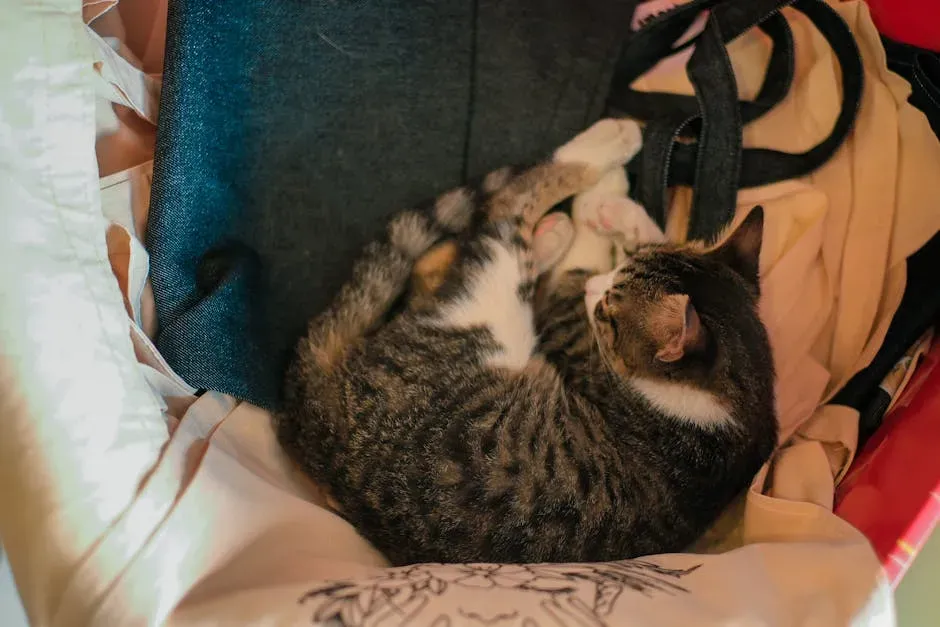
Fresh laundry is basically a five-star resort for your cat. Warm, soft, and covered in your scent, a laundry basket or pile of clean clothes checks every box on their comfort list. An object that’s being used or recently handled is likely to be warm. Phones, laptops, warm laundry, or a freshly handled towel are potentially warmer objects that can give off some cozy heat for them to rest on. Your cat isn’t being inconsiderate. They’re following thermal logic.
Cats love napping in your laundry basket because it’s about maintaining a scent-safe environment where your scent dominates the territory. Laundry baskets with their soft textures invite lounging or burrowing, and these items provide sensory input and satisfy instinctual urges related to hunting or nesting behaviors. It might look like a nap. Functionally, it’s a territorial declaration wrapped in fabric softener.
9. The Bathroom Faucet: An Interactive Hydration and Play System
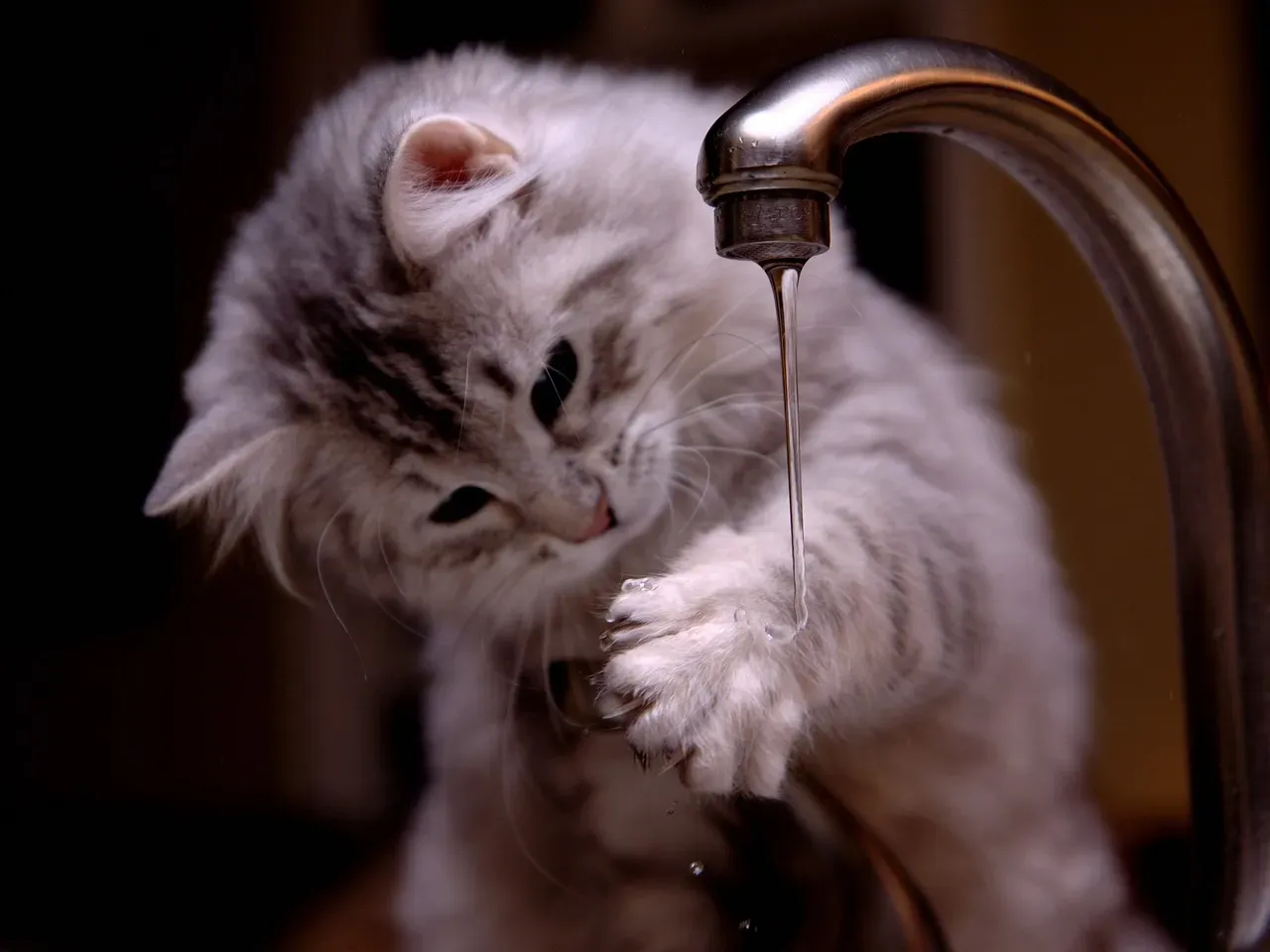
There’s a reason your cat shows up the second you turn on the tap. Sinks can provide sensory stimulation for cats in several ways. The sound of running water can be soothing and calming, and the movement of the water can be visually stimulating. The cool surface of the sink can also provide a different sensation for cats to explore. It’s not just about drinking. The whole sensory experience is the draw.
Cats love anything that moves, and water is very good at moving. Your cat might enjoy batting at running water from the faucet because it’s shiny and reflective and because it moves quickly, much like their favorite toys do. The feeling of running water against their paw might be surprising and interesting, prompting them to do it again and again. Historically, cats would have avoided stagnant water as it might be contaminated. Running water is considered safer as it is cleaner and fresher. What looks like a quirky habit is actually ancient water-safety logic in action.
10. Small Plastic Items and Bottle Caps: Portable Hunting Targets
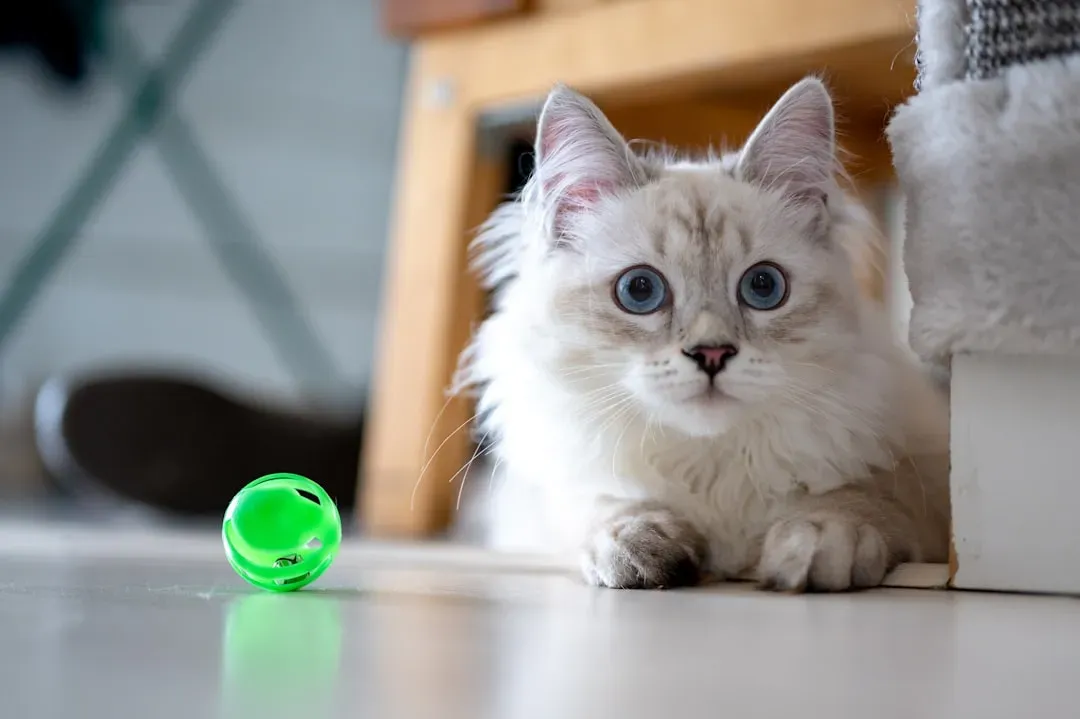
Pen caps, bottle tops, hair ties, floss picks. These tiny items have a way of vanishing in cat households, and there’s a straightforward reason why. Cats may develop a habit of collecting everyday household items, like floss picks, jar lids, and pen caps. They may enjoy playing with small pieces of plastic because they have a softer texture and can make some fun noises. To a cat, a bottle cap sliding across a hardwood floor is essentially a small, fast-moving creature fleeing for its life.
Bottle caps and ping pong balls are lightweight and easy to flick around the floor. Ping-pong balls are amusing because your cat can chase them faster than bottle caps. Cats are natural hunters. Even domestic cats retain strong predatory instincts that manifest in playful stalking and pouncing behaviors. When your cat knocks items off shelves or rummages through bags, it’s often mimicking hunting actions. The only caution worth noting: small items pose a choking and foreign body risk for cats, so whenever possible you shouldn’t allow your cat to freely collect very small items without supervision.
Conclusion: Your Home Is Their World
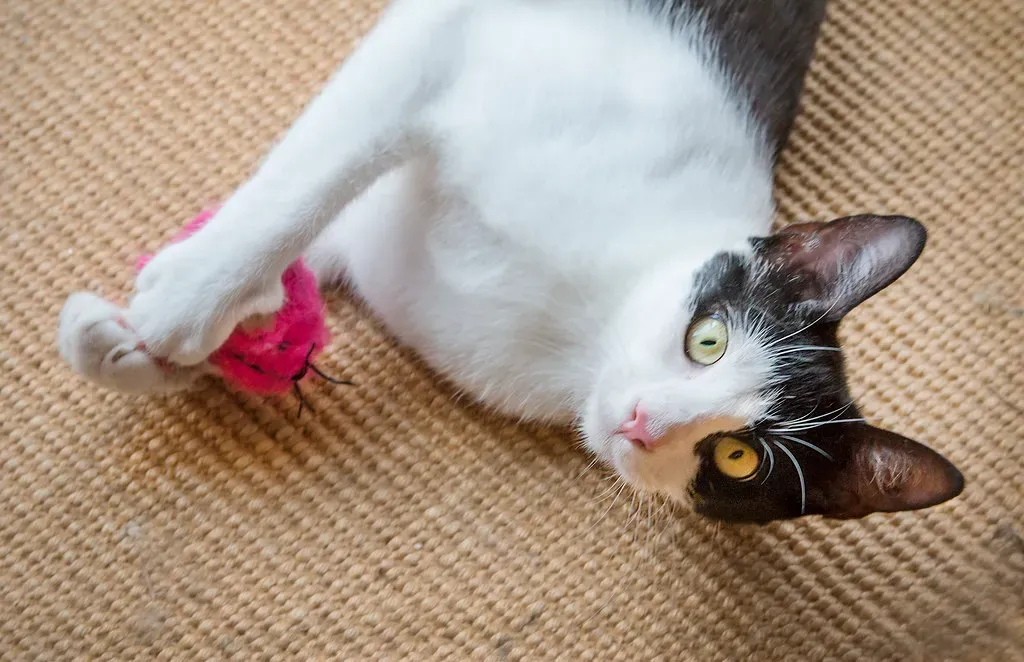
Your cat isn’t being difficult. They’re following instincts that have been hardwired into them for thousands of years. The objects they love often trigger something primal, whether it’s their hunting drive, their need for security, or just pure curiosity. Once you see the pattern, the behavior stops looking random and starts making a kind of quiet, ancient sense.
Most types of indoor play give cats an outlet to act instinctually, releasing dopamine, the brain’s pleasure chemical. Each item taps into ancient instincts – hunting, hiding, exploring, and claiming territory – that modern indoor cats still need to express. Understanding what draws your cat to these everyday objects helps you create a more enriching environment while keeping them safe. The cardboard box you were about to break down, the sock you haven’t found yet, the paper sitting on your desk – to your cat, each one is a small but purposeful part of the life they’re quietly living alongside you.
Kristina is a young writer from India. An arts graduate and an avid content creator, Kristina is passionate about animals and wildlife. She enjoys exploring topics related to pet care, animal behavior, conservation, and nature, combining thorough research with engaging storytelling.