You set your favorite mug on the counter. You turn around for literally five seconds. You come back to find it teetering on the edge while your cat stares you dead in the eyes – and then, with one deliberate swipe, sends it crashing to the floor. Sound familiar? If you share your home with a cat, you’ve almost certainly been there.
Here’s the thing: this isn’t random chaos. There’s actual science and instinct behind every single swipe. Your cat isn’t broken, evil, or plotting your downfall (probably). There are real, fascinating reasons they do this – and once you understand them, you might even find yourself a little impressed. Let’s dive in.
It All Starts With the Hunting Instinct
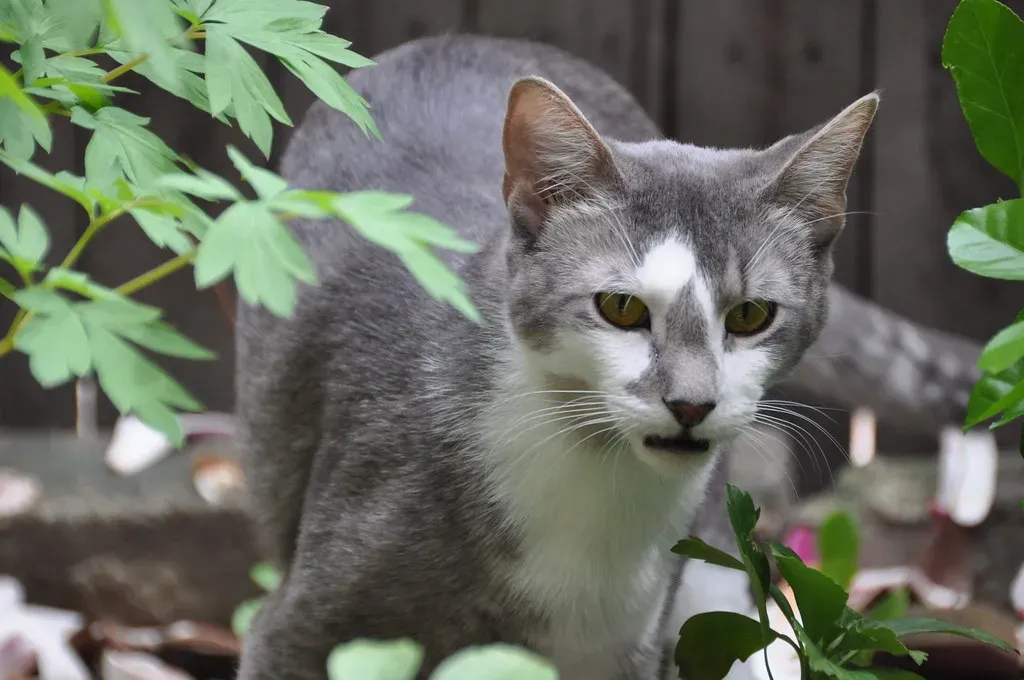
At the core of this table-clearing behavior lies something primal: the hunting instinct. Even though your indoor cat has never had to catch a mouse for dinner, those predatory drives are still hardwired into their DNA. Think about that for a moment. Your pampered, kibble-fed fluffball is, deep down, still a wild predator.
When your cat bats at that pen on your desk, they’re essentially practicing their hunting skills. In the wild, cats use their paws to test if prey is alive, to stun small animals, or to manipulate objects to better understand them. That gentle tap-tap-tap before the final push? It’s the same motion they’d use to test if a mouse is still moving.
In the wild, cats often bat at their prey to see if it is alive or to weaken it before going in for the catch. When your cat nudges an object off the counter, it could be acting on that same instinct to paw, swipe, and stalk. Your coffee mug, in your cat’s mind, is basically a very boring mouse.
Your Cat Is Conducting a Science Experiment
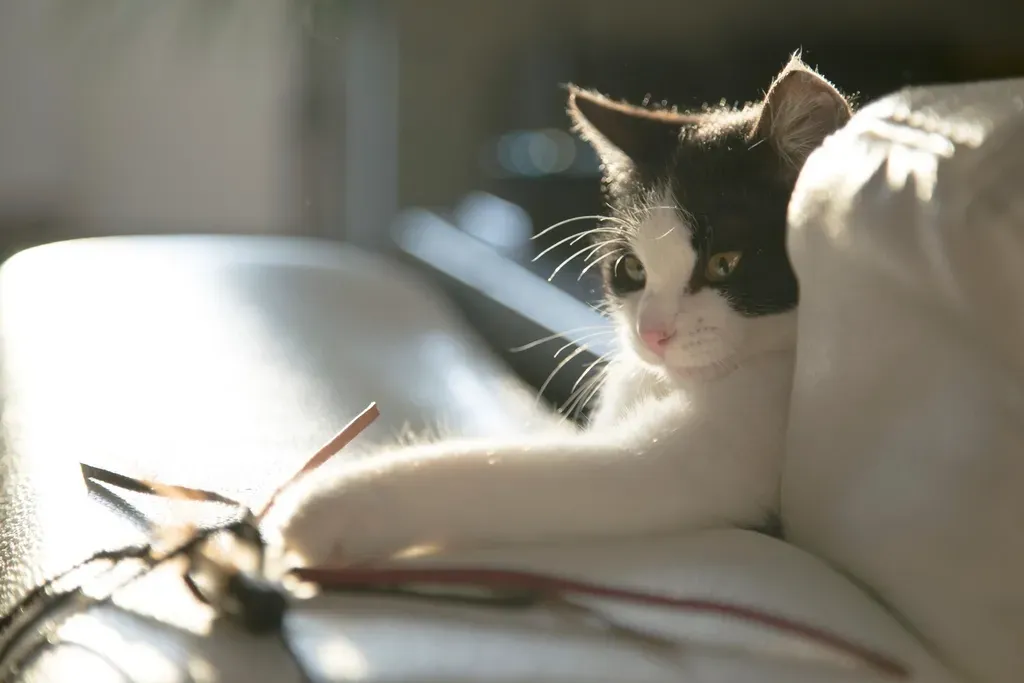
Cats experience the world primarily through their paws and whiskers. When they encounter objects on elevated surfaces, they’re conducting important research about their environment. Honestly, when you think of it that way, it’s almost endearing. Almost.
Cats are natural scientists, filled with curiosity, and some cats knock things over just to see what happens. The clattering sound, the unpredictable path of an object falling, and the reactions they get from you are endlessly fascinating to them. If they swat at a pen and it rolls off the table, they might do it again to see if it will happen the same way – it’s their way of learning and exploring.
The act of pushing objects with their paws provides crucial sensory information. Hard objects feel different from soft ones, light items move differently than heavy ones, and the various sounds created by different materials all contribute to their understanding of their surroundings. Your cat isn’t destroying your home – they’re building a mental map of physics. Still annoying, though.
You Might Be Accidentally Training Them to Do It
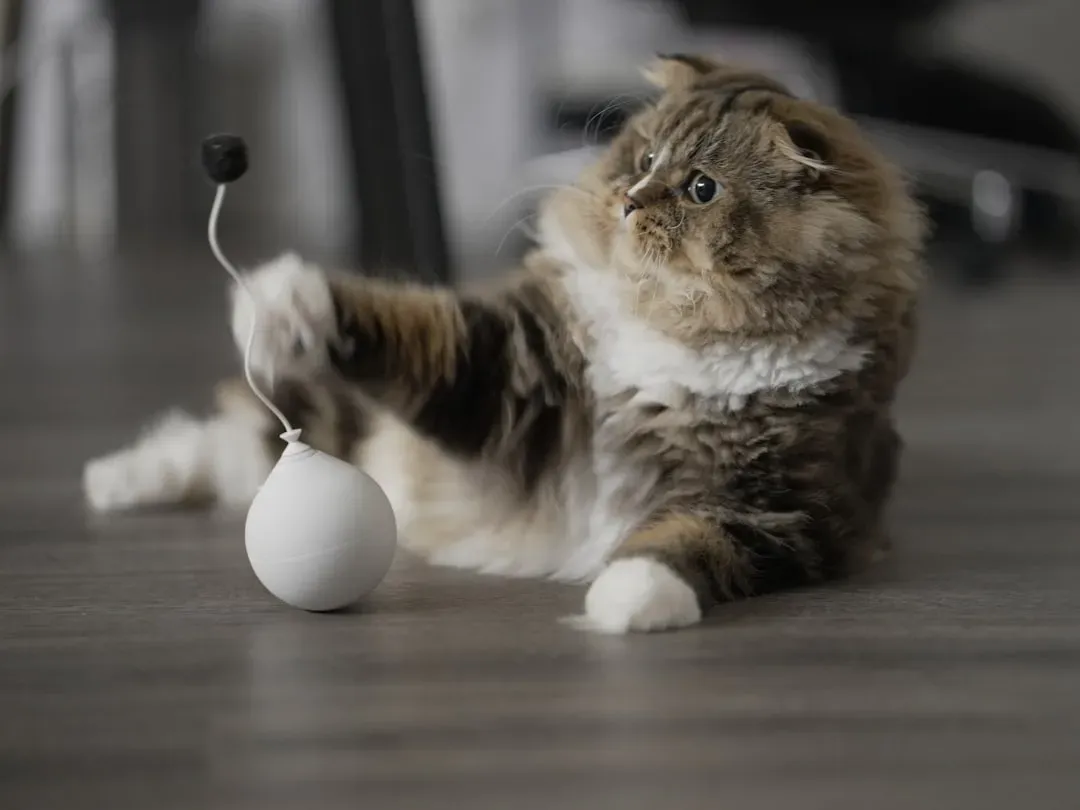
Pet parents might be unknowingly reinforcing that behavior by talking to their cat or picking them up when they go up to bat. Cats are quick learners; it doesn’t take long for them to figure out that when they begin pushing a glass closer to the table’s edge, their favorite people respond and give them attention. Let’s be real – we’ve all done it. We gasp, we lunge, we say “NO!” in that dramatic voice. And the cat? The cat files that information away immediately.
If pushing an object results in immediate human reaction – talking, approaching, or chasing – the behavior is reinforced. From the cat’s perspective, the action worked, which explains why cat knocking things off tables becomes more frequent over time. It’s a feedback loop, and you’re the one closing the circuit every time you react.
Importantly, cats do not differentiate between positive and negative attention the way dogs do. A loud response, even scolding, can strengthen the behavior or lead to the stealthy continuation of the said behavior. So yes, yelling “Stop that!” may actually be telling your cat to keep going. Wild, right?
Boredom Is a Bigger Culprit Than You Think
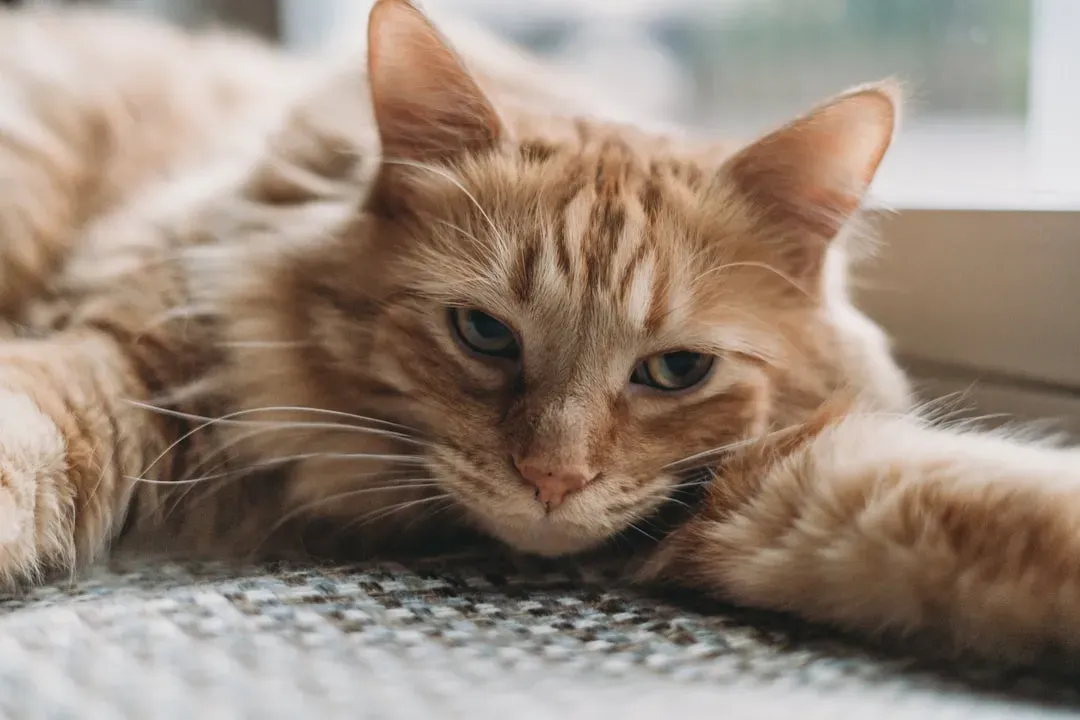
Bored cats who have little stimulation in their environment may find ways to entertain themselves. When kitties are left alone for hours with nothing to do and no one to interact with, your trinkets will end up on the floor. It’s kind of like leaving a toddler alone in a room full of fragile things and being shocked when chaos ensues.
Boredom can also manifest as increased mischievous behavior. Indoor cats, particularly those without adequate mental and physical stimulation, may turn to table-clearing as a way to create their own entertainment and release pent-up energy. Your cat isn’t being defiant – they’re desperate for something to do. That’s a genuinely sad thought, if you stop and sit with it for a second.
Cats prefer short bursts of interactive play. When toys are static or unavailable, household objects become substitutes, explaining why cats knock stuff off tables or counters during quiet moments. A toy that hasn’t moved in three days is basically invisible to your cat. Your phone charger cable? Extremely interesting. Go figure.
High Places Are Territory – and Your Stuff Is in the Way
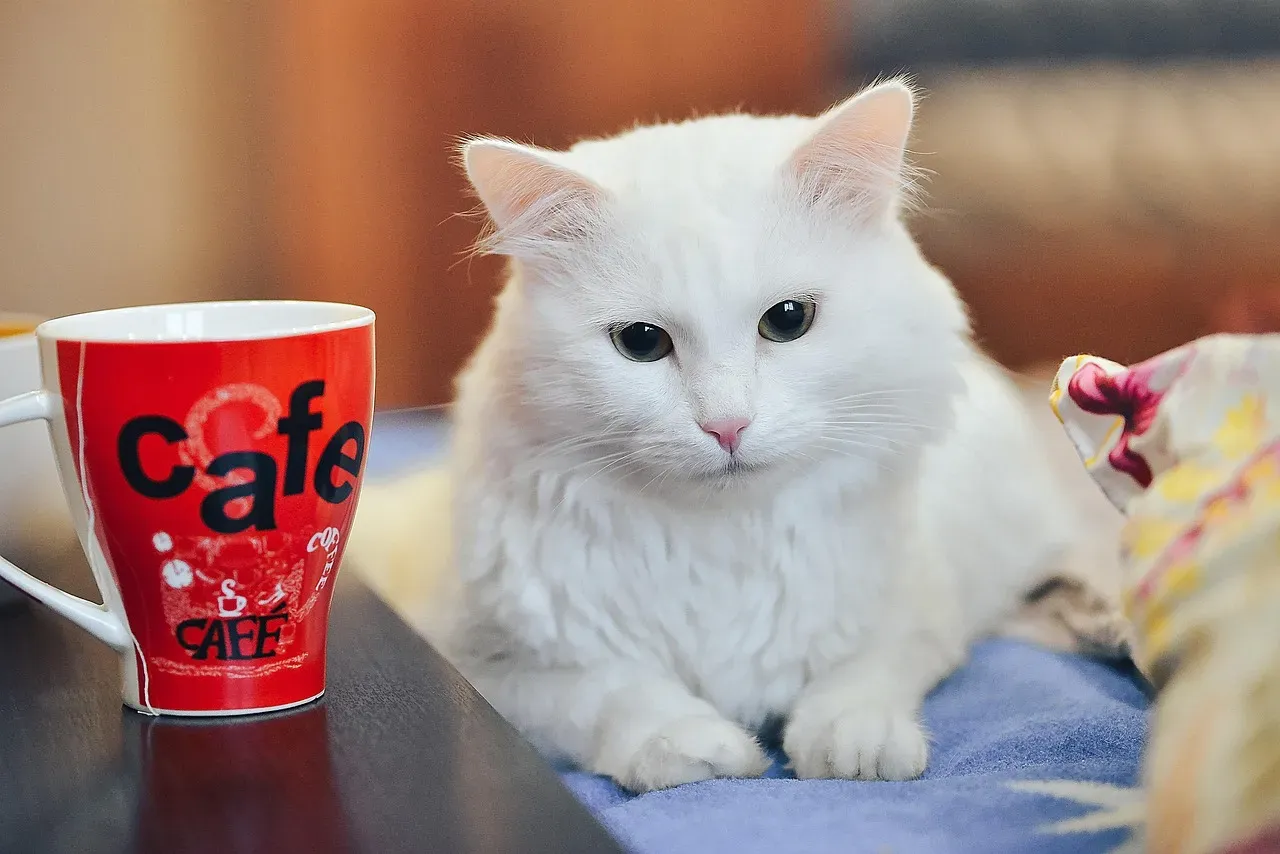
Being up high gives cats several advantages. They can survey their domain, escape from perceived threats, and feel more secure. When your cat is on a table or counter, they’re in their element. This isn’t just a fun quirk – it goes all the way back to survival behavior coded into their ancestors over thousands of years.
Elevated surfaces are considered high-value resting or observation spots. Cats often knock objects off tables and counters because they perceive items in their close-range blind spot as obstructions. By pushing objects away, cats clear areas they consider part of their territory. Your decorative candle holder? An unauthorized guest in their domain.
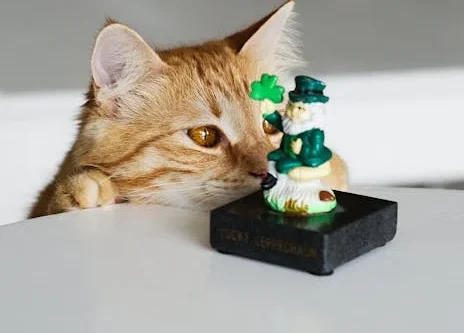
This behavior is particularly common when new objects appear in familiar spaces. Your cat might knock over a new decoration, book, or houseplant as a way of saying, “I didn’t approve this addition to my territory.” I think that’s both hilarious and deeply characteristic of cats as a species. They have opinions about interior design, and they enforce them.
Some Breeds Are Wired to Cause More Chaos Than Others
Certain high-energy breeds, like the overly curious Siamese, might be more curious than others and seek mental stimulation through knocking things over. If you’ve got a Siamese, a Bengal, or an Abyssinian, you might have already noticed that the level of counter chaos in your home is distinctly… elevated.
The exotic-looking Bengal cat is very intelligent. If they get bored, they’ll let you know by getting into cabinets and toilets, destroying tissues, and hiding things that belong to you. They need stimulation for most of the day to prevent destructive behaviors, including knocking things off your shelves. They enjoy interactions with their pet parents, and even though they can entertain themselves, they want you to spend time playing with them.
Cat breeds with long or fluffy tails might be more prone to sweeping things off counters, such as Norwegian Forest Cats. Sometimes it’s not even intentional – it’s just architecture. A majestic, sweeping tail does not fit neatly between a coffee mug and a candle. Physics wins again.
They Might Simply Be Asking for Something
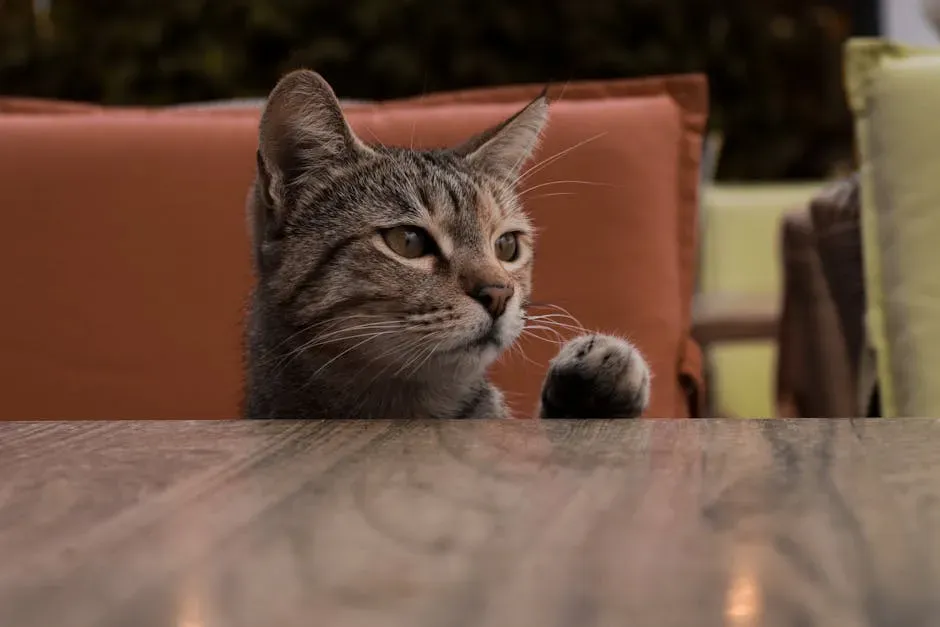
Sometimes your cat may knock things over to let you know they are hungry. This may be their own quirky way of communicating their needs with you; however, it is not as common as the other reasons listed in this article. It’s hard to say for sure in any specific case, but the timing is often telling. If it happens right before mealtimes, there’s your answer.
If your cat is knocking items off the table or pawing at something on your desk, they may be trying to initiate play. It may be their way of asking you to get them their favorite toy and have fun with them. They may want to knock things off the table until you understand they want to play. It’s basically a cat’s version of pulling on your sleeve. Except the sleeve is your water glass.
Some cats will knock things over to get your attention if a need isn’t being met, such as food or water. Like a toddler, highly social cat breeds knock things over just to remind you that they are there. And honestly, it works. Every. Single. Time.
How to Actually Redirect the Behavior

Give your cat stuff to do that’s more fun than knocking things onto the floor. All cats need horizontal scratchers, scratching posts, and lots of toys that are more fun to box and chase than the stuff on your desk. Tall cat condos and high-up cat shelves encourage cats to climb and exercise, and they’re also ideal places for a catnap. The key is giving them a better option – one that feeds the same instinct, just without destroying your belongings.
According to feline behavior research from the American Association of Feline Practitioners (AAFP), lack of environmental enrichment increases repetitive and attention-directed behaviors. So this isn’t just about your sanity – it’s genuinely about your cat’s wellbeing. Interactive toys, play sessions, cat trees, puzzle feeders, and more can help keep their big brains busy. Enrichment is incredibly important to a cat’s well-being.
A good rule of thumb for cat parents is to participate in exercising play with your cat for at least 15 minutes per day, whether with feather wands, laser pointers, or a toy mouse dragged along the floor. If she’s properly stimulated every day, she might lose the desire to make play things out of your breakable knick-knacks. Fifteen minutes a day is a genuinely small investment compared to replacing everything on your countertop.
Conclusion
So the next time your cat locks eyes with you, raises one deliberate paw, and sends your pen sailing off the counter – breathe. They’re not evil. They’re hunters without a hunt, explorers without a jungle, and communicators without words. Every swipe is a message, a curiosity, or a deeply ancient instinct finding its only available outlet.
Understanding why your cat does this doesn’t just protect your belongings – it helps you genuinely connect with what your cat actually needs. More play, more enrichment, a perch by the window, and maybe fewer fragile things left on the edge of surfaces. Simple changes, real results.
The relationship you have with your cat is a negotiation – and honestly, they’re better at it than you are. What does your cat knock off most, and have you ever figured out exactly why? Share your experience in the comments – because I guarantee you’re not alone in this.
Kristina is a young writer from India. An arts graduate and an avid content creator, Kristina is passionate about animals and wildlife. She enjoys exploring topics related to pet care, animal behavior, conservation, and nature, combining thorough research with engaging storytelling.