You share your home with a creature that has never stopped talking. Every stretch, every blink, every rumbling vibration from deep in their chest is a sentence. The challenge? You were never handed the dictionary. Most of us go through years of living with cats and still catch ourselves staring at them mid-meow, thinking, “What on earth do you want from me?”
Here’s the thing: cats are not distant or indifferent. They are communicating almost constantly, using a layered system of sounds, body movements, scent, and subtle gestures that scientists are still unraveling in 2026. Once you start to decode it, the relationship shifts in ways that feel almost magical. So let’s dive in, because your cat has been trying to tell you something all along.
The Purr: Far More Complex Than You Think
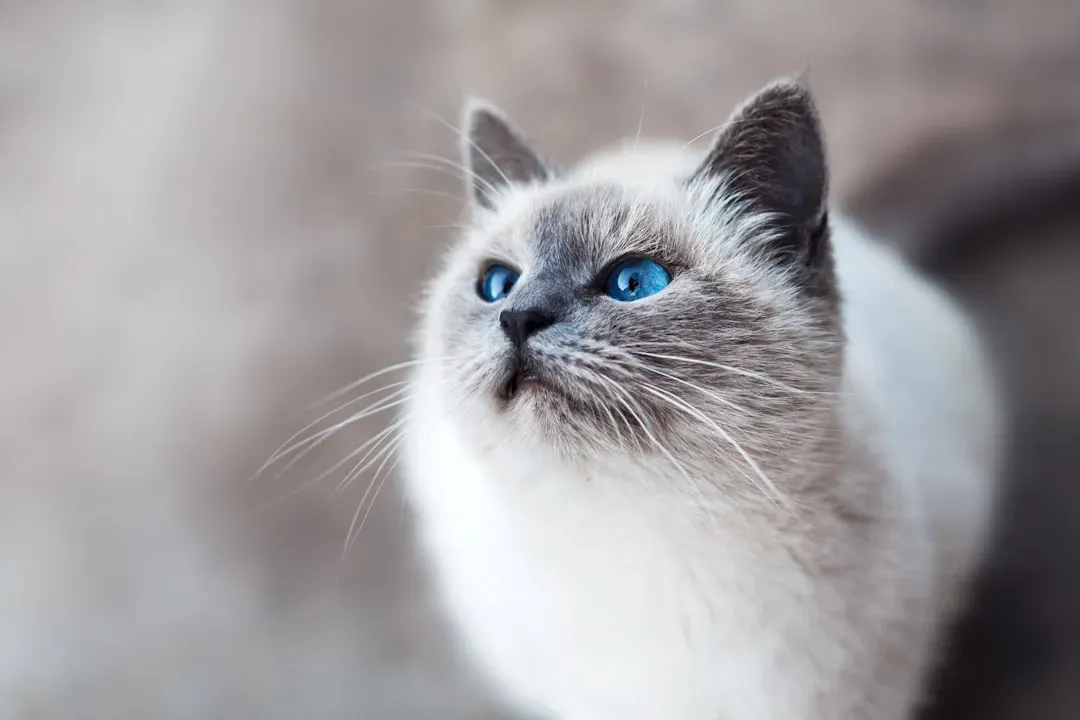
Cat purring is a complex vocalization that can mean many different things. It has mostly been associated with contentment, excitement, or other positive emotional states. Honestly, most people stop right there. They hear that low, rhythmic hum and think, “happy cat.” But you would be selling your feline friend short if that’s where your understanding ends.
Cats can purr when they are healthy and feeling good, but cats can also purr when they are sick or in pain. By purring, the cat may be asking for care. Think of it like this: a purr is not a single emotional channel. It is more like a radio with multiple stations all running at once. Your job is to learn which frequency is playing.
The Science Behind the Sound
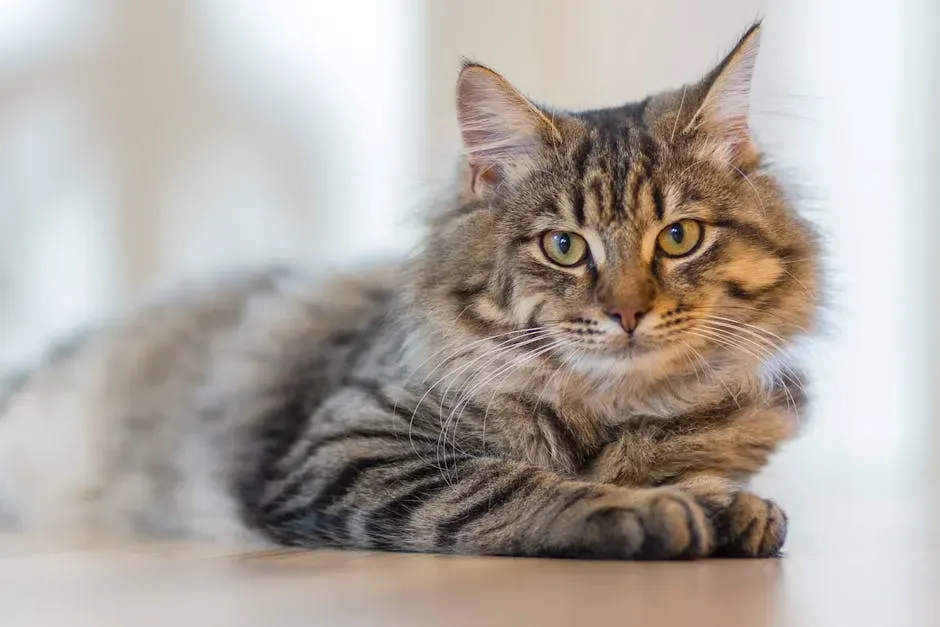
A repetitive neural oscillator sends messages to the laryngeal muscles, causing them to twitch at a rate of 25 to 150 vibrations per second. This movement controls the glottis, which creates a purring sound during inhalation and exhalation. It sounds almost mechanical, and in a way, it is. Your cat’s brain is literally firing signals to produce that vibration continuously, both on the inhale and the exhale.
The vibrations produced during purring occur at a frequency of 25 to 150 Hertz, which has been shown to promote healing and tissue regeneration and is known to positively affect bone density and tendon and muscle repair. I know it sounds crazy, but your cat’s purr may actually be a built-in healing mechanism. The same low frequency that soothes you on a lazy Sunday afternoon may be actively repairing your cat’s body from the inside out.
The Solicitation Purr: When Your Cat Is Asking for Something
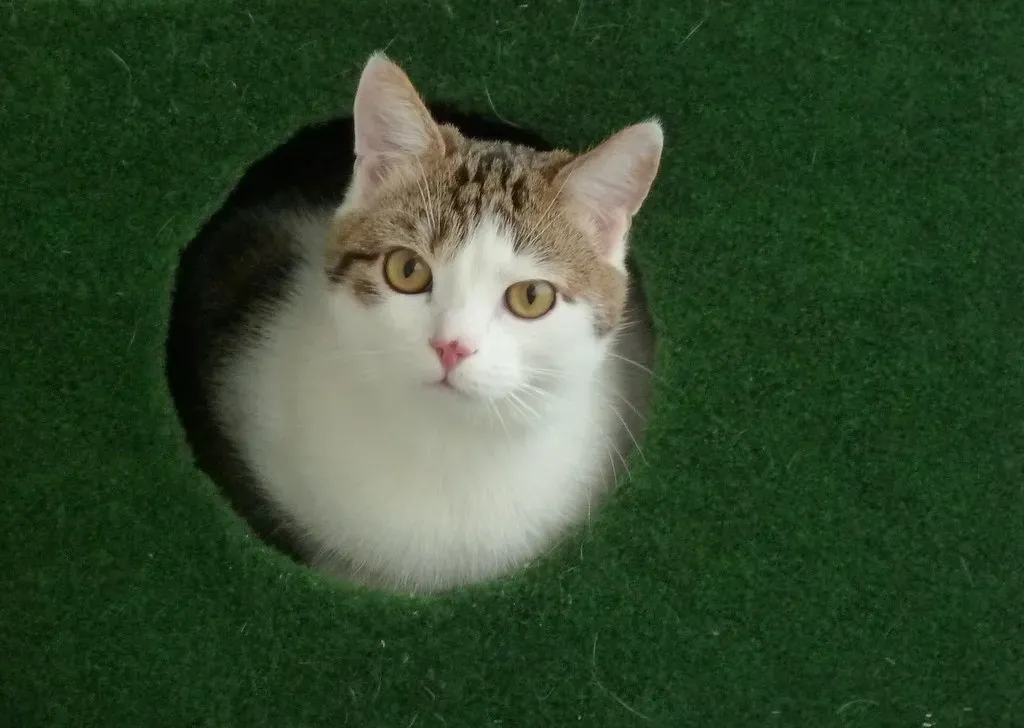
Not all purrs are created equal. Researchers have identified various types that cats use in different contexts. For example, a “solicitation purr” is a specific type that includes a high-frequency element, similar to a baby’s cry, designed to grab the attention of people and elicit a response, such as feeding. If you have ever felt strangely compelled to get up and feed your cat even though you were not planning to, you were likely being hit with this very specific purr.
Cats that are engaging in this type of communication usually act expectant and demanding and may head butt you or actively rub their body on you. They may also actively glance toward what it is that they want. If you get up and move in the direction of what they want, the meow-purrs may get more frequent and insistent. Let’s be real: your cat has not just learned to communicate with you. Your cat has learned to train you. There is a difference, and your cat knows it.
“Making Biscuits”: The Truth Behind the Knead
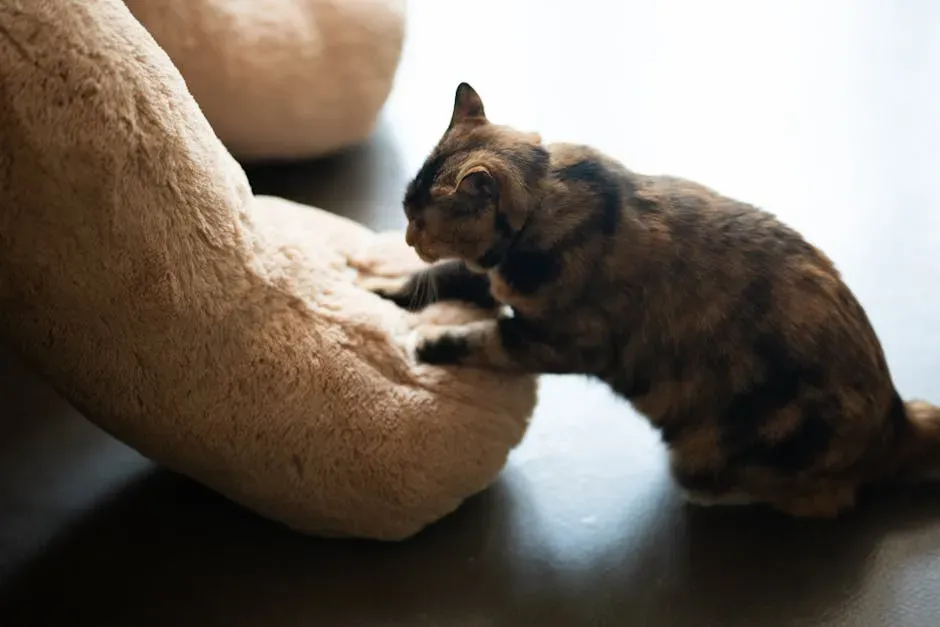
Kneading, often referred to as “making biscuits,” is one of the behaviors domestic cats are best known for. It is an instinctual behavior where the cat alternates pushing their paws into a soft surface, similar to how a person would knead dough. It looks adorable. Sometimes it feels like tiny, needle-tipped massage therapy. Either way, your lap has clearly been chosen as a five-star biscuit-making station.
Kittens use a kneading action to stimulate milk production from their mother cat when nursing. Because nursing and being around a mother cat’s calming pheromones encourages a sense of contentment in young kittens, many cats will continue to knead into adulthood to create a similar sense of calm and relaxation. When your adult cat kneads on you, they are essentially telling you that you feel like home to them. You are their safe place. Honestly, it doesn’t get much more touching than that.
Kneading as Territory, Dopamine, and Deep Affection
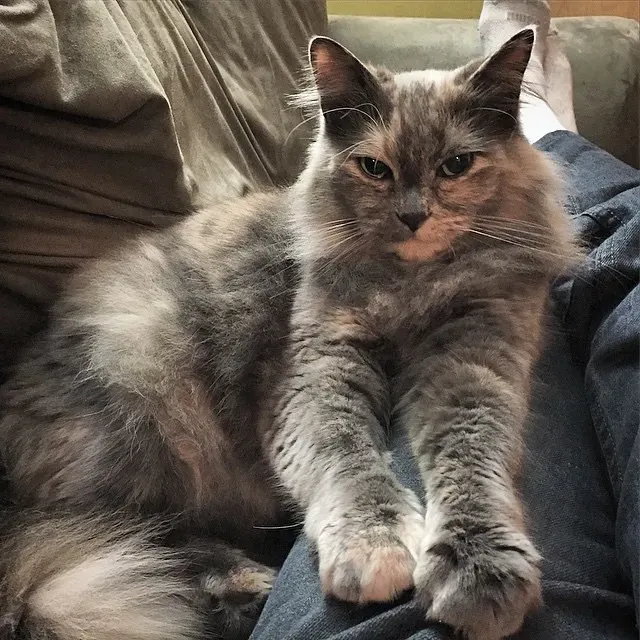
The action of kneading in cats causes the release of the pain-relieving, feel-good chemical dopamine in the brain. As such, increased or excessive kneading can be a sign that your cat is uncomfortable or anxious, and their kneading could be an attempt to soothe themselves. So kneading is not always pure joy. Just like humans who nervously tap their foot or bite their nails for comfort, a cat kneading intensely and frequently may be managing stress rather than expressing bliss.
A possible answer to why cats knead is that they are trying to mark their territory, because there are scent glands that release pheromones in their paws. By pushing their paws in and out they activate these scent glands, so they could be doing this on your lap to mark you as their own and warning other cats to back off. Think of it as a love note, written in invisible ink, delivered directly to your thighs. A little possessive? Sure. But deeply affectionate at its core.
The Tail: Your Cat’s Emotional Flag
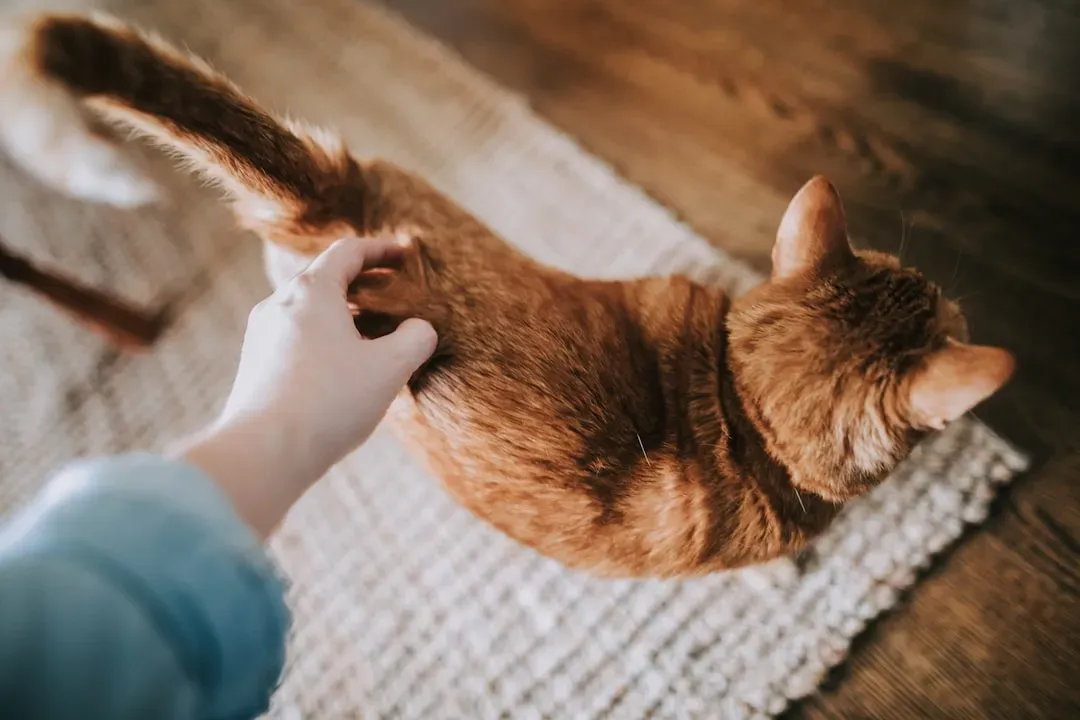
Although you should look at more than just their tail movements to fully understand your cat’s emotional state, the tail may be the most expressive part of a cat’s body language. It is essentially your cat’s mood board, updated in real time. The challenge is that different positions can look very similar to untrained eyes, and the meaning changes with context.
When a cat’s tail is upright, they are feeling social and confident, and are approaching in a friendly manner. This cat tail language indicates a friendly greeting between cats, and it is how kittens greet their mothers. So when your cat strolls toward you with their tail held high like a flagpole, you are receiving the feline equivalent of a warm, enthusiastic hello. When your cat thrashes their tail or is thumping it on the ground, they are irritated, annoyed, or angry. This tells you that something is bothering your cat. Pay attention, because this is your warning sign before things escalate.
The Slow Blink: Your Cat’s “I Love You”
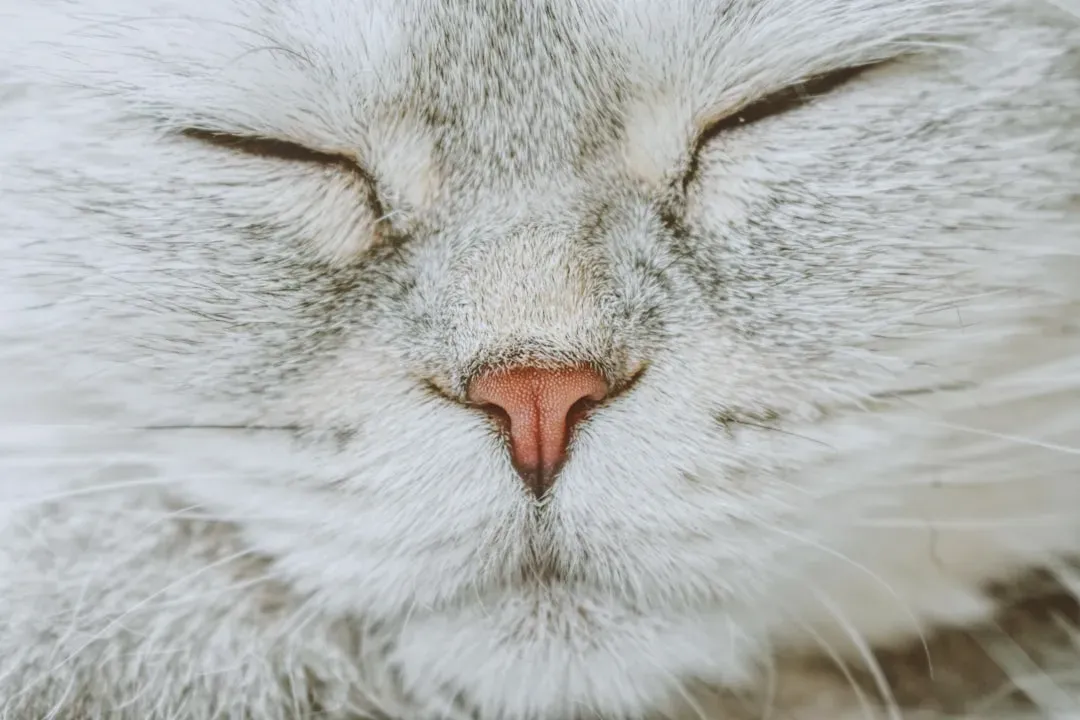
For the most part, slow blinking is your cat’s way of telling you that they trust and are comfortable around you. It is one of the gentlest, most quietly powerful things a cat can do. No meowing. No kneading. Just a half-lidded, dreamy blink that says more than words ever could.
When your cat looks at you and slow blinks, they are relaxing their guard. Your cat knows this, so just like when they roll onto their backs and show their bellies in your presence, they are making themselves vulnerable, knowing that they are safe with you. Here is what makes this extra special: in a 2020 study, researchers found that cats were more likely to slow blink after their owners slow blinked at them. The researcher slow blinked at the cat, which led to the cat approaching the researcher’s outstretched hand. When humans initiate the slow blink, we are telling the cat that we trust them. Try it tonight. You just might start a conversation.
Head Bunting: The Gesture That Says “You’re Mine”
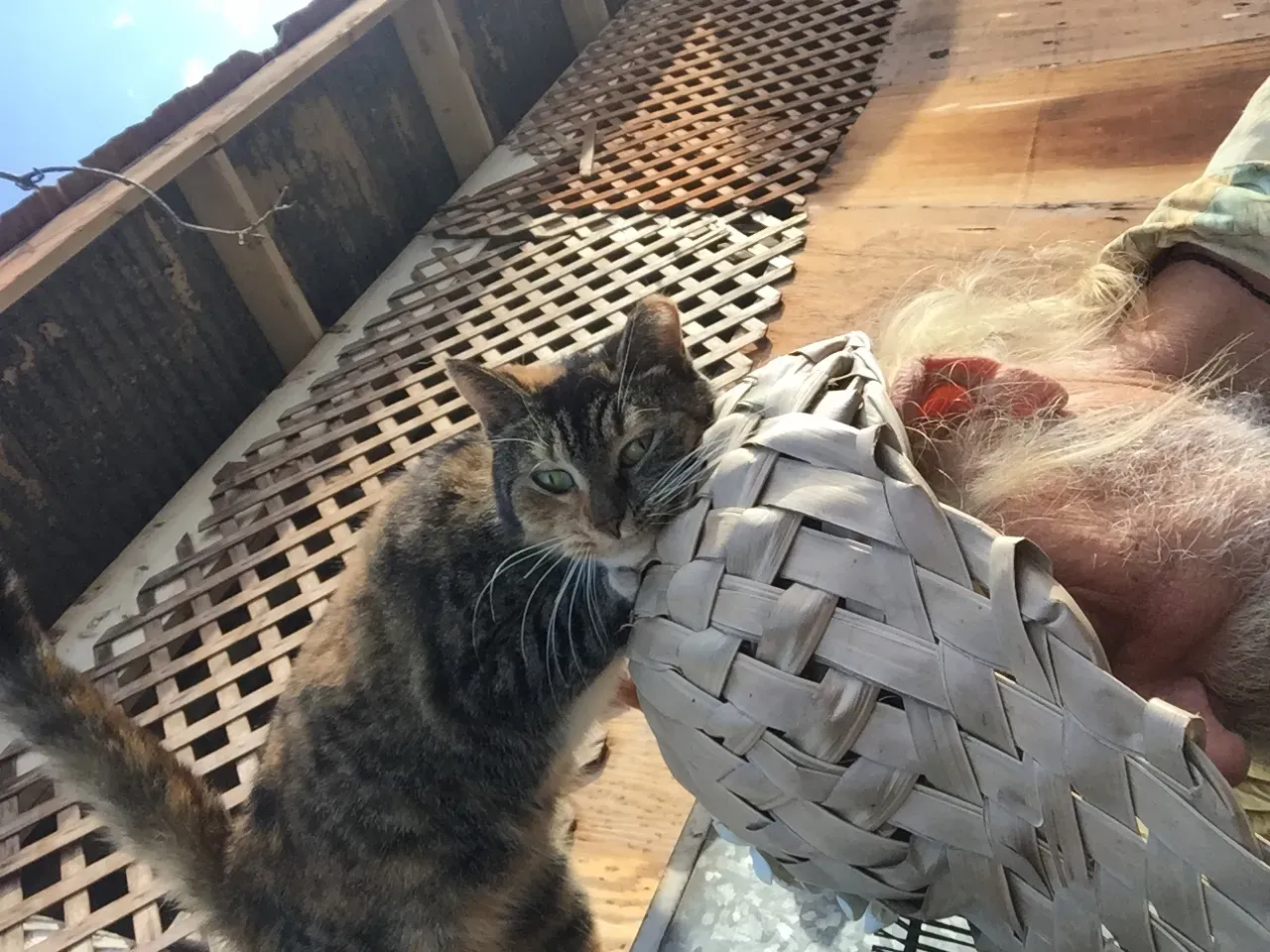
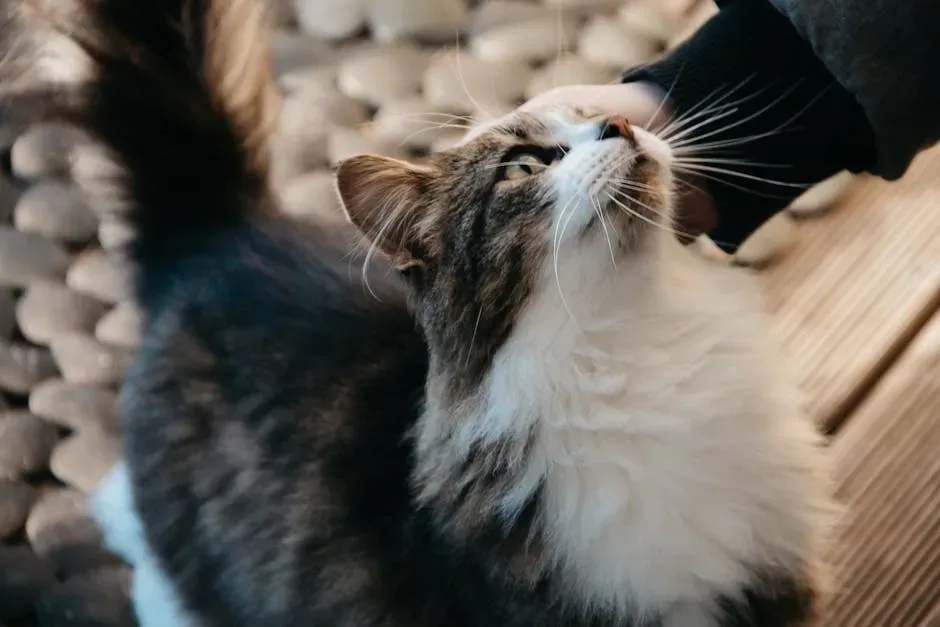
The behavior called head bunting is when cats rub or nudge their head, specifically the forehead or side of the face, against you, furniture, or other animals. Head bunting is deliberate, gentle, and often followed by purring, rubbing, or a slow blink. It is one of those behaviors that looks casual but carries enormous emotional weight in the feline world.
Cats have scent glands in their cheeks, forehead, chin, and even paws. When a cat presses their head against you, it activates these scent glands to leave behind pheromones. This is how scent marking in cats works. They are saying, “You belong in my territory, and I feel safe with you.” If your cat headbutts you regularly, take that as an honor. Cats are naturally cautious animals, so they do not put their face close to just anyone. The head is a vulnerable area, and offering it to you is a form of trust.
Meowing, Trilling, and All the Things They Say Out Loud
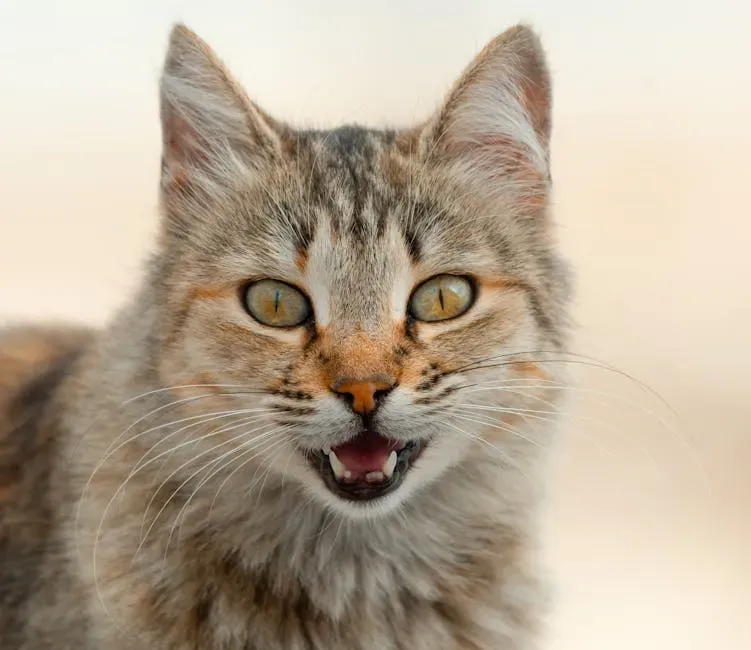
Meowing is one of the most ambiguous types of cat vocalizations because a cat meows for many reasons. Meowing could mean almost anything, from hunger to simple chattiness. Like most other body language signs and behaviors that cats exhibit, meowing should be analyzed as part of the cat’s larger context. This is where many cat owners get tripped up. You want meowing to mean one thing. It rarely does.
A short meow is often a greeting, such as when you come home or when your cat wants attention. A long, drawn-out meow can indicate a request or demand, like when your cat wants food or wants to go outside. Repeated meows may indicate excitement or insistence, especially around mealtime. Meanwhile, trilling sounds a bit like purring but has a much higher pitch. Mother cats trill to communicate with their kittens. When a cat trills, it is probably feeling friendly and familial. Cats often trill to their owners to greet them. If your cat trills at you, consider yourself thoroughly welcomed home.
Conclusion: Listening to a Language Without Words
There is something remarkable about learning to truly listen to your cat. You begin to see that every behavior, every posture, and every little vibration from their chest is a piece of a conversation that has been happening all along. You were just missing half of it.
Understanding your cat’s communication adds another layer to the relationship and helps you respond in ways that support your cat’s comfort, trust, and well-being. Whether your cat is basking in a sunny spot or seeking comfort during a vet visit, the purr is always telling you something. The same goes for every knead, every slow blink, every tail position, and every headbutt to your shin at 6 in the morning. The more we try to understand feline behavior and communication, the more rewarding a life with a cat can be.
Your cat has been speaking to you from the very first day. Now that you know what to look for, which part of their language surprised you the most? Drop your thoughts in the comments, because this is one conversation worth continuing.
Kristina is a young writer from India. An arts graduate and an avid content creator, Kristina is passionate about animals and wildlife. She enjoys exploring topics related to pet care, animal behavior, conservation, and nature, combining thorough research with engaging storytelling.