You’ve probably been there. It’s 2 a.m., the house is perfectly quiet, and then – crash. Something hits the floor. Frantic little paws thunder down the hallway. Your cat is, apparently, having the time of its life while you’re trying to sleep.
Most people chalk it up to “cats being cats.” The truth, though, is a lot more fascinating than that. Your cat’s nighttime world is layered, driven by ancient instincts, biology, emotional needs, and even health signals you may have never noticed. There’s a whole universe of activity happening right under your roof after dark. Let’s dive in.
Your Cat Is Not Actually a Night Owl – It’s Something More Interesting
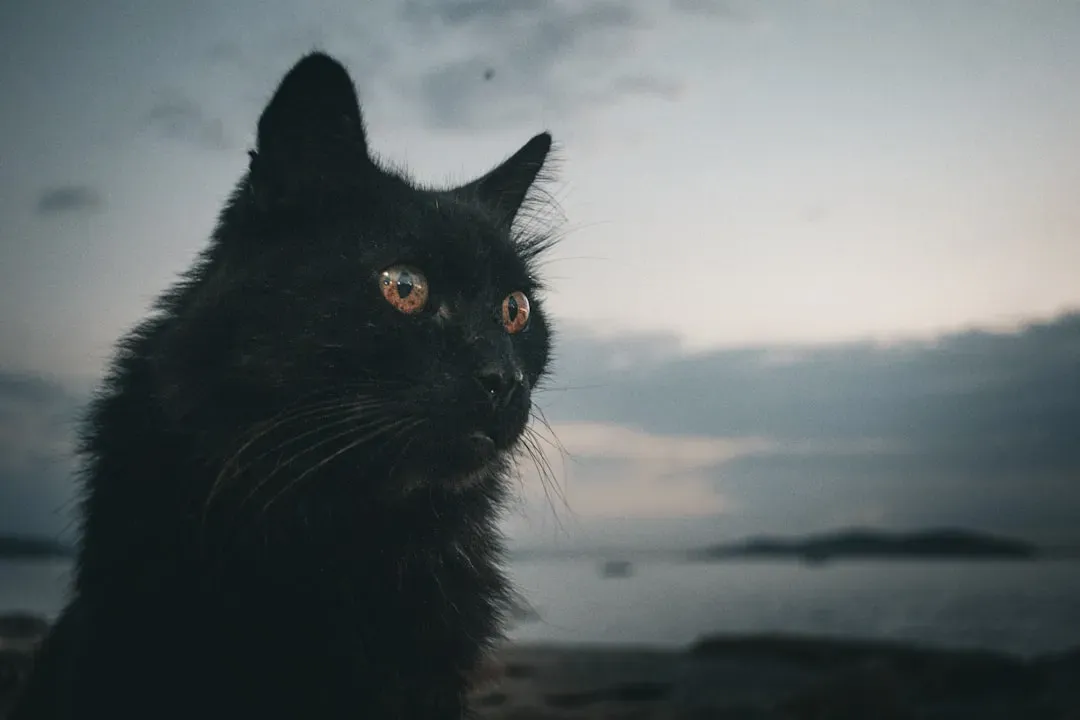
Here’s a fact that surprises almost everyone: your cat isn’t technically nocturnal. Cats are crepuscular, which means they’re most active at dawn and dusk – the best times for hunting in the wild. This is a genuinely different category from nocturnal animals like bats or raccoons, and it changes everything about how you understand their nighttime behavior.
Crepuscular animals are in between nocturnal and diurnal animals, meaning they’re most active in the hours around dawn and dusk when light levels are low. Think of it as twilight mode. Your cat is biologically tuned to peak performance precisely when the world is shifting between light and dark. That eerie glow-hour when the sun slips away? That’s your cat’s prime time.
The Ancient Hunter Still Lives Inside Your Domestic Cat
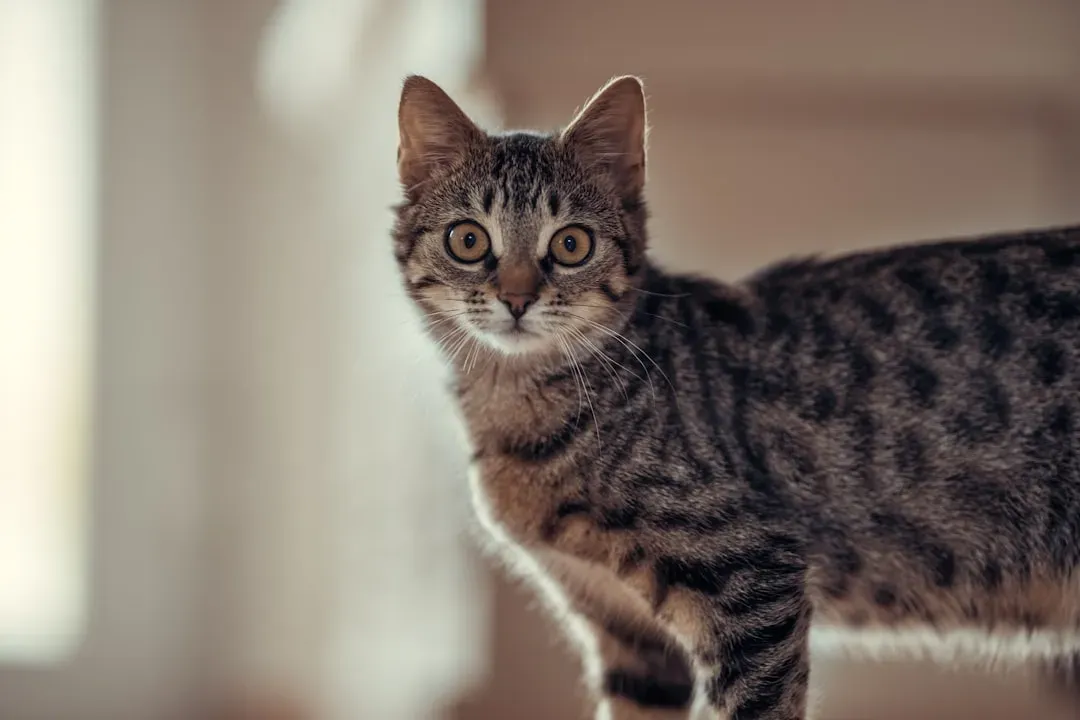
It would be a mistake to look at your pampered house cat lounging on a heated blanket and think those wild instincts have faded away. They haven’t. Cats are naturally crepuscular, and this behavior stems from their wild ancestors who hunted during dawn and dusk to avoid larger predators and capitalize on the behavior of their prey. Domestic cats still retain this instinct, even though they no longer need to hunt for food.
Twilight activity in cats is an ingrained behavior from their feline predecessors, who relied on catching food during the dawn and dusk hours. It’s basically evolutionary memory. Your cat may be three generations removed from any wild environment, but its brain still lights up when the light fades. Honestly, that’s remarkable when you think about it.
Your Cat’s Eyes Are Built for the Dark
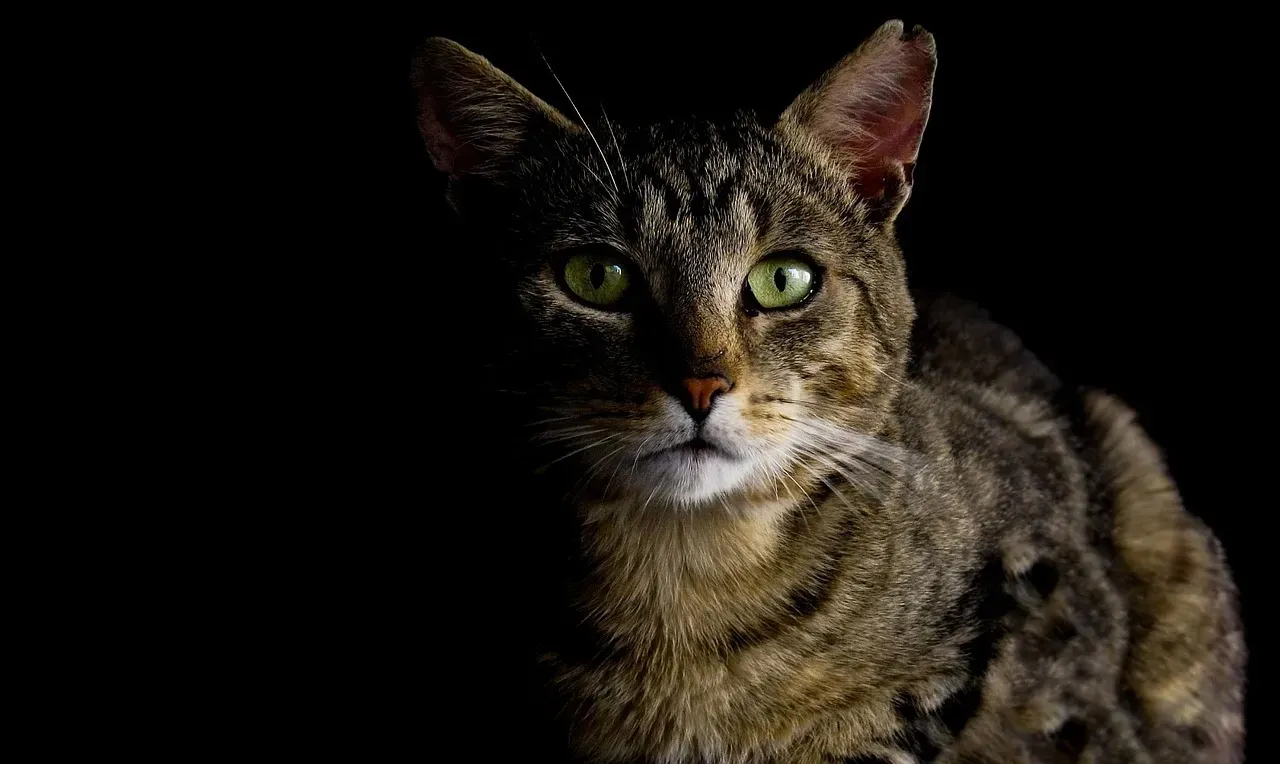
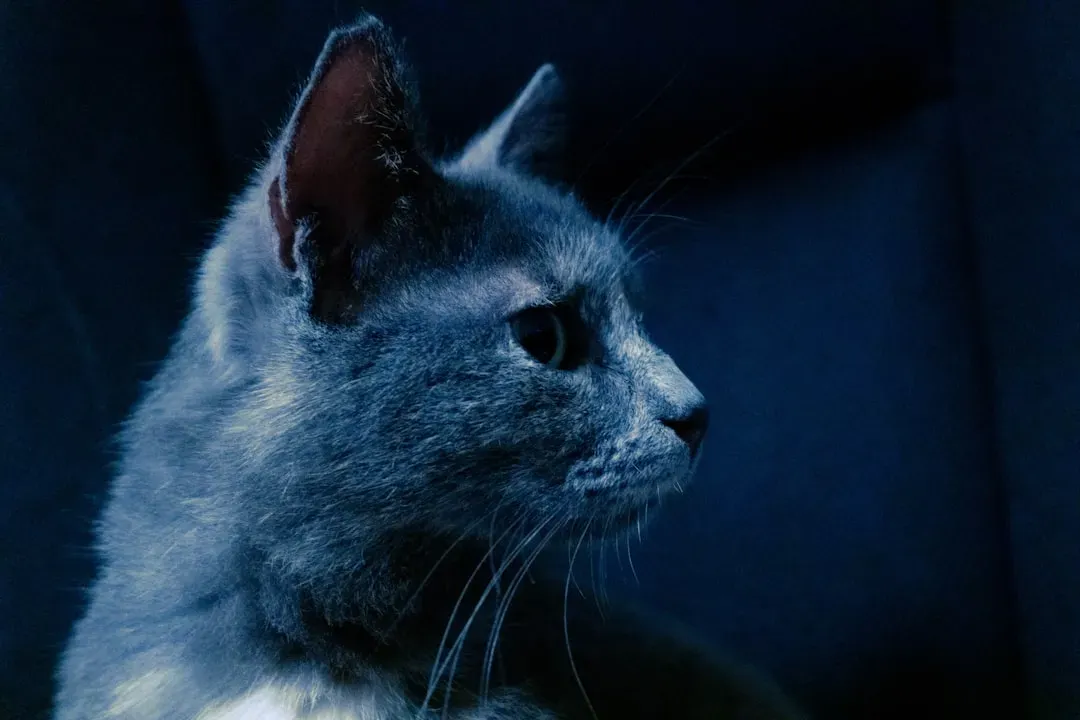
One of the most jaw-dropping aspects of your cat’s nighttime behavior is its vision. You might stumble over a chair on the way to the bathroom, but your cat is navigating the house with ease. Strictly speaking, cats cannot see in total darkness. They have incredible nighttime vision and only need a very small amount of light to be able to see clearly. You might stumble from your room in the middle of the night, stubbing your toe in the darkness, but your cat can likely see everything going on around you.
Cats have evolved to hunt in low-light conditions. Their eyes can adjust to various light levels better than humans, allowing them to see relatively well in darkness. This makes nighttime ideal for them to explore and simulate hunting activities. It’s like they’re wearing built-in night-vision goggles. No wonder they seem so confident in the dark while you’re the one walking into the furniture.
The Daytime Sleep Marathon That Fuels Nighttime Energy
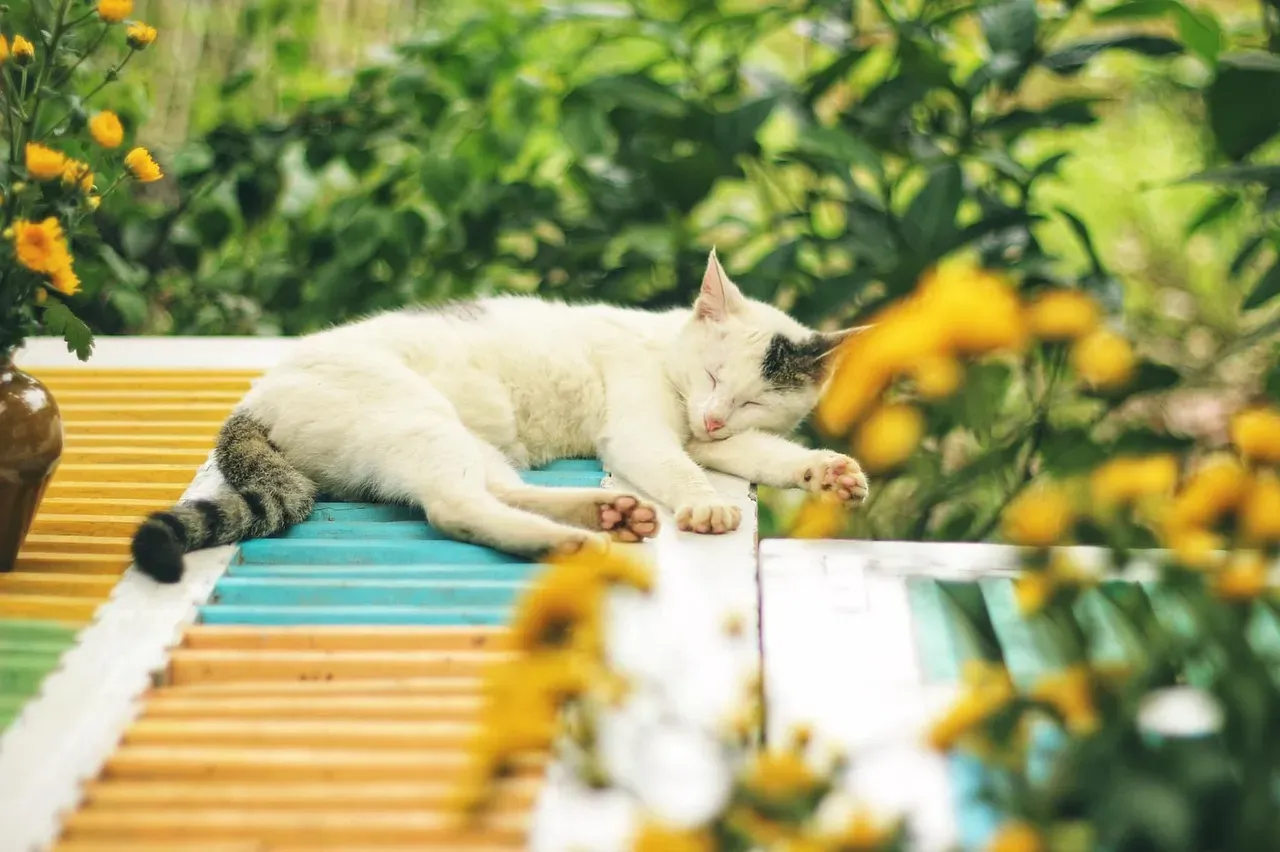
Here’s the thing: your cat’s wild nighttime energy doesn’t appear from nowhere. It’s fueled by hours of strategic rest during the day. Cats sleep around 12 to 18 hours a day, typically in bursts. Much of this occurs during the day, and overnight your cat may nap, eat, play, and otherwise entertain themselves while you’re asleep.
Some cats are active at night or are awake and “raring to go” very early in the morning. Since many owners are out at work or school during the day, the cat may spend the daytime hours in rest and relaxation. The cat’s day then begins when the owner arrives home to provide feeding, play, and social interaction. It’s a bit like working the night shift while your employer keeps banker’s hours. The timing mismatch between you and your cat is almost architectural.
Boredom, Hunger, and the Attention-Seeking Midnight Campaign
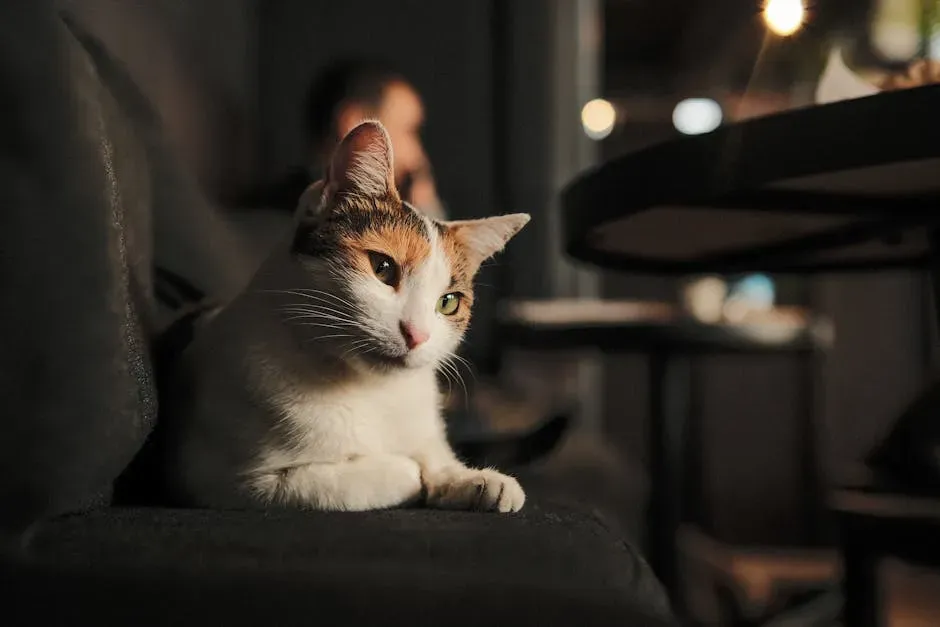
Let’s be real – your cat is also a strategic creature. If a particular behavior gets a reaction from you, even a frustrated one, it will try that behavior again. Many people reinforce boisterous nighttime activity without meaning to. They might get up to feed, play with, or simply chase the cat out of the room. All of these responses teach the cat that disturbing you gets attention.
Cats that don’t get enough stimulation during the day may channel their pent-up energy into nighttime activity. Providing interactive toys or play sessions during the day can help reduce this. Cats are opportunistic eaters. If their feeding schedule doesn’t align with their natural activity patterns, they may seek food at night. In other words, your cat at 3 a.m. isn’t being spiteful. It’s just very efficiently solving a problem it has: boredom, hunger, or loneliness.
The Science of Your Cat’s Internal Clock and Seasonal Shifts
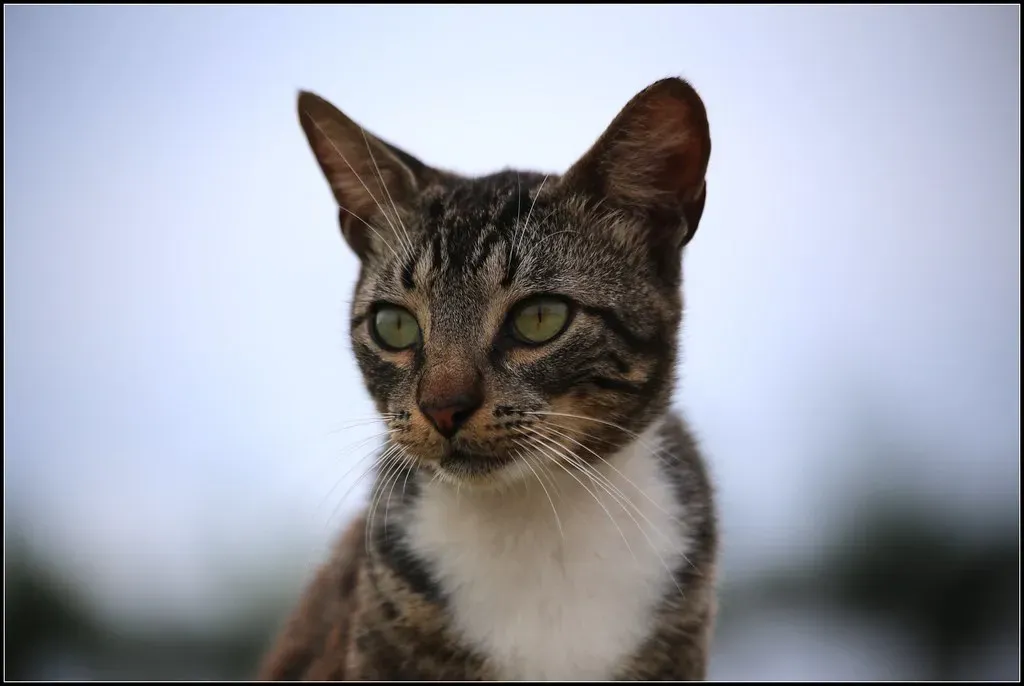
Your cat doesn’t just operate on a daily cycle. Research shows its activity patterns are influenced by bigger forces in nature. The activity of domestic cats shows a certain chronobiological dynamic which is influenced, at least to some extent, by circadian, lunar, and seasonal cycles. Yes, you read that right. The moon may actually play a role in your cat’s midnight zoomies.
Circadian activity of domestic cats was found to be nocturnal and crepuscular, with two peaks of activity: one in the late evening and another in the early morning. Cats were most frequently observed active in spring and summer, totaling roughly seven out of ten observations. Cats with prey were mostly observed in summer and never in winter. So if your cat seems more restless in warmer months, that’s not coincidence. That’s biology at work on a seasonal scale.
When Your Cat’s Nighttime Behavior Is a Health Warning Sign
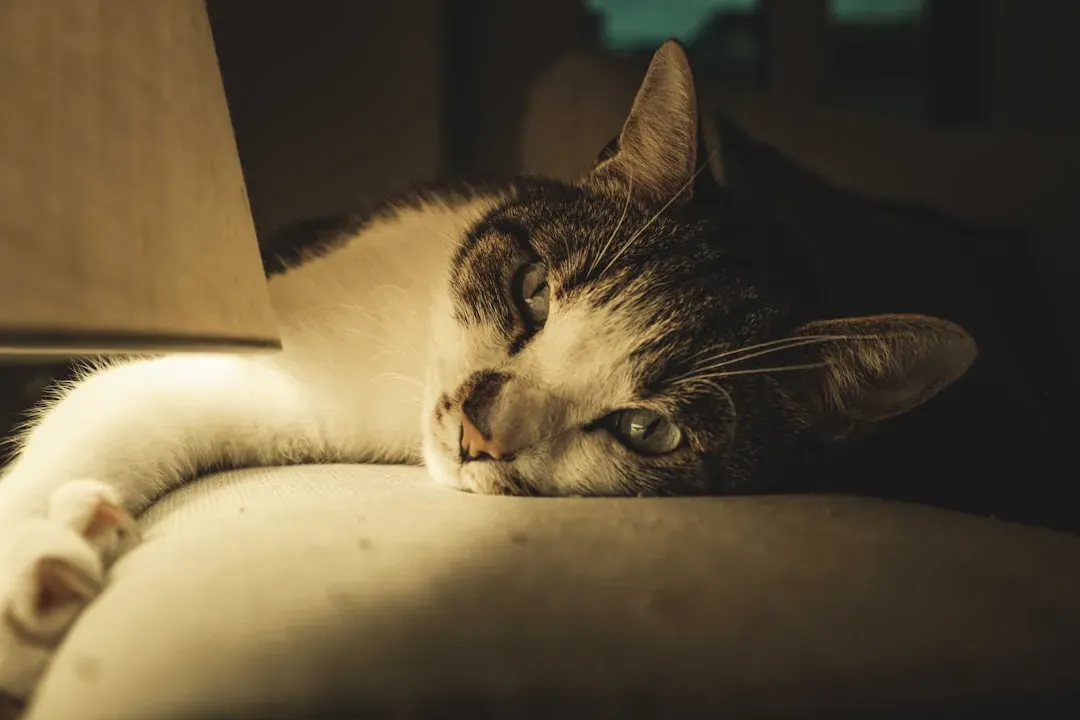
This is the part that deserves your full attention. Not every nighttime disturbance is just quirky cat behavior. Sometimes, it’s your pet trying to tell you something is wrong. If your cat is spending more time awake at night than it used to, mention this to your veterinarian. Some health conditions can disrupt a cat’s sleep schedule and keep them up at night, including hyperthyroidism, hypertension, anxiety, and pain. If a senior cat is experiencing cognitive dysfunction, that can also create a disrupted sleep cycle.
Before attempting to adjust your cat’s sleep schedule with behavioral modifications, make sure they don’t have an underlying medical problem that causes them to stay awake at night. Painful conditions, hormonal imbalances, flea infestations, eye conditions, and deafness can make it difficult for your tired cat to sleep peacefully. When in doubt, see a vet first. Your instinct to dismiss it as “just cat behavior” could delay a real diagnosis.
Senior Cats and the Nighttime Confusion of Cognitive Decline
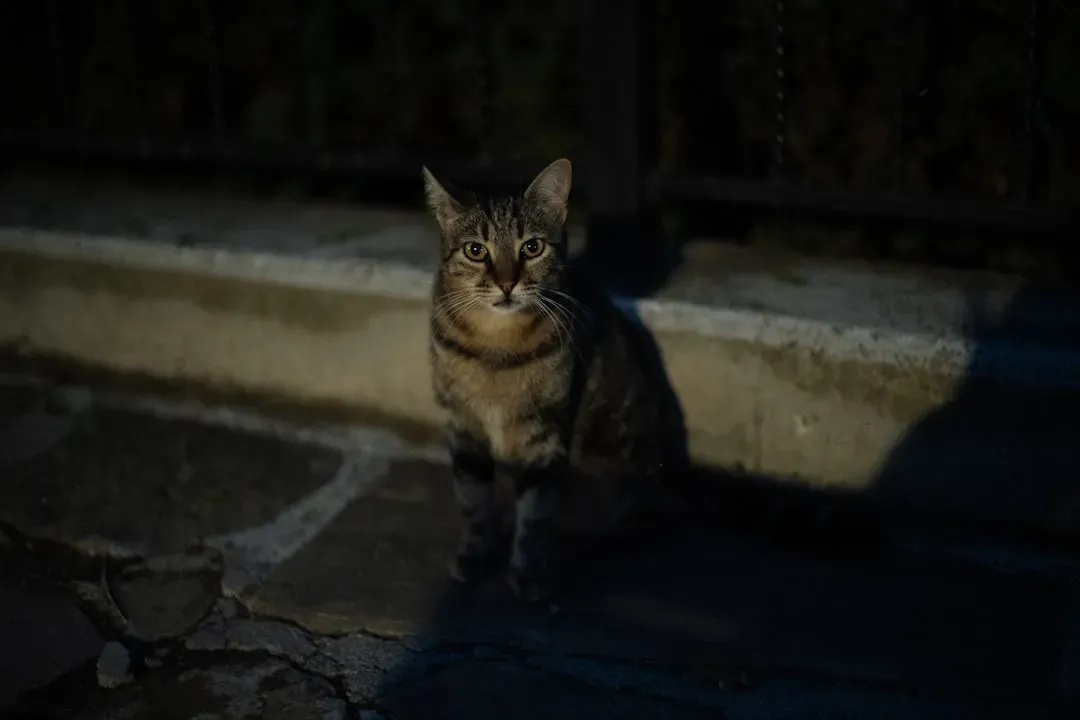
If you share your home with an older cat, nighttime changes carry extra weight. As they age, cats often suffer a decline in functioning, including cognitive functioning. It’s estimated that cognitive decline, referred to as feline cognitive dysfunction, affects more than 55% of cats aged 11 to 15 years and more than 80% of cats aged 16 to 20 years. That is a genuinely startling statistic.
Because circadian rhythms are controlled by the brain, sleep patterns are often disrupted by dementia. Your cat may often be awake at night, vocal and confused about why everyone is sleeping. They may sleep more during the day to make up for restless nights. Cats can even suffer from sundowning, a period of confusion that begins in late afternoon and lasts into the night, just like humans and dogs. If your older cat is suddenly pacing the hallway or yowling at nothing, please don’t assume it’s just “being weird.” It deserves a thorough checkup.
How You Can Work With Your Cat’s Nighttime Routine, Not Against It
The good news? You’re not powerless here. With some intentional adjustments, you can actually reshape how your cat’s nighttime energy plays out. A rousing play session followed by a snack is the right combination, in the right order, that will make your cat sleepy. Cats naturally discharge a lot of energy and then take a nap to recharge. Arranging their tendencies to match yours will put you both in the same mood.
Extending play sessions later in the day allows you to influence your cat’s internal clock toward a better timetable that suits both of you. Providing your cat with meals at regular intervals, including a light snack right before you sleep, can help stabilize their sleeping habits and minimize nighttime activity. Think of it like setting the stage for a perfect ending to the day – for both of you. Cats thrive on consistency. Try to align their routine with yours by scheduling an evening play session before bed and feeding them their largest meal right after that session.
Conclusion
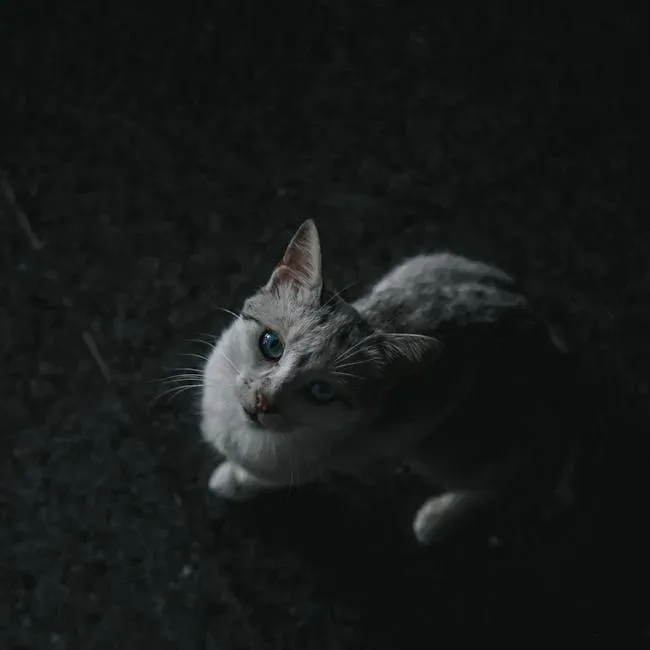
Your cat’s nighttime world isn’t random chaos. It’s a layered, biologically rich experience driven by millions of years of evolution, a finely tuned internal clock, emotional needs, and sometimes, whispers of health concerns you shouldn’t ignore. Once you understand that your cat isn’t being disruptive out of spite but is simply living out deeply wired instincts, everything shifts. You stop being frustrated and start being curious.
The real question isn’t “why won’t my cat sleep at night?” It’s “what is my cat actually experiencing in the dark?” That shift in perspective might be the most important thing you take from this. So the next time those little paws thunder down the hallway at midnight, maybe pause before pulling the pillow over your head. Your cat’s nighttime story is far more extraordinary than you ever imagined. What do you think – did any of this change how you see your cat’s after-dark adventures? Share your thoughts in the comments!
Kristina is a young writer from India. An arts graduate and an avid content creator, Kristina is passionate about animals and wildlife. She enjoys exploring topics related to pet care, animal behavior, conservation, and nature, combining thorough research with engaging storytelling.