You have probably caught your cat mid-nap for what felt like the tenth time today and wondered – is this creature doing anything at all? It seems almost theatrical. The sun shifts a few inches across the floor, and your cat simply rotates and resumes sleeping. No shame, no alarm, no meetings to attend.
Here’s the thing: what looks like pure laziness is actually one of nature’s most finely tuned survival strategies. Cats sleep with purpose, precision, and an almost architectural sense of timing. The more you understand about how and why they do it, the more impressive the whole operation becomes. Let’s dive in.
The Biology Behind All That Beautiful Snoozing
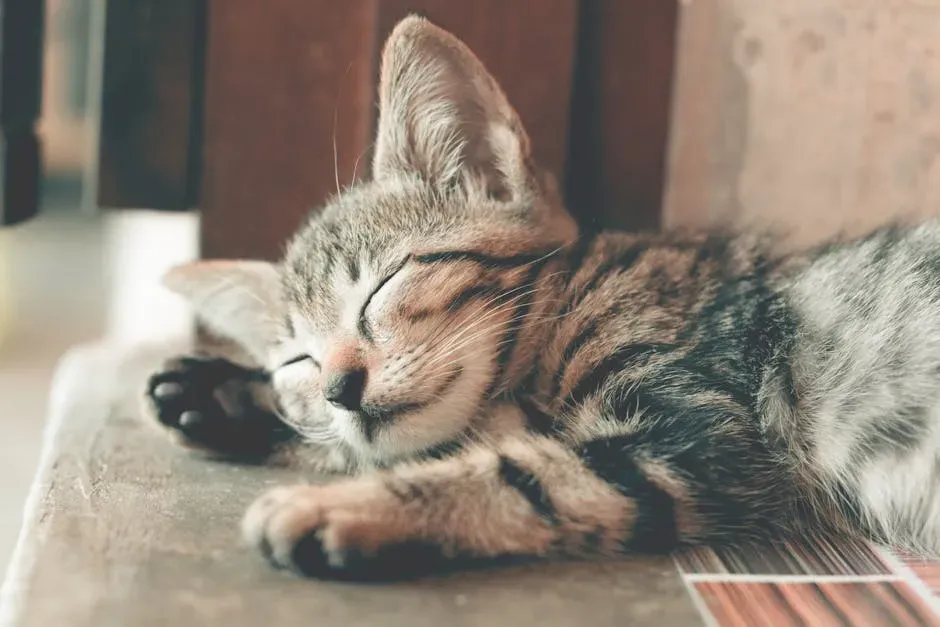
If you have ever felt judged by your cat simply for being awake, it might comfort you to know that they are biologically wired to sleep far more than you ever will. More than half of cats sleep between 12 and 18 hours a day, and nearly 40% of cats sleep more than 18 hours per day. That is not laziness on a cosmic scale. That is biology doing exactly what it was designed to do.
Cats sleep so much because it is a natural part of their biology and helps them conserve energy, regulate their body temperature, and maintain good mental health. Think of it like recharging a high-performance engine. You would not run a Ferrari at full throttle 24 hours a day and expect it to last. Your cat operates the same way.
Cats are obligate carnivores, meaning they need to get most of their nutrients from high-protein meats. As a result, cats are some of the most skilled predators in the animal kingdom, a role they have perfected over millennia. All that evolutionary engineering burns enormous reserves of energy, and sleep is how those reserves get restored.
Polyphasic Sleep: The Science of the Cat Nap
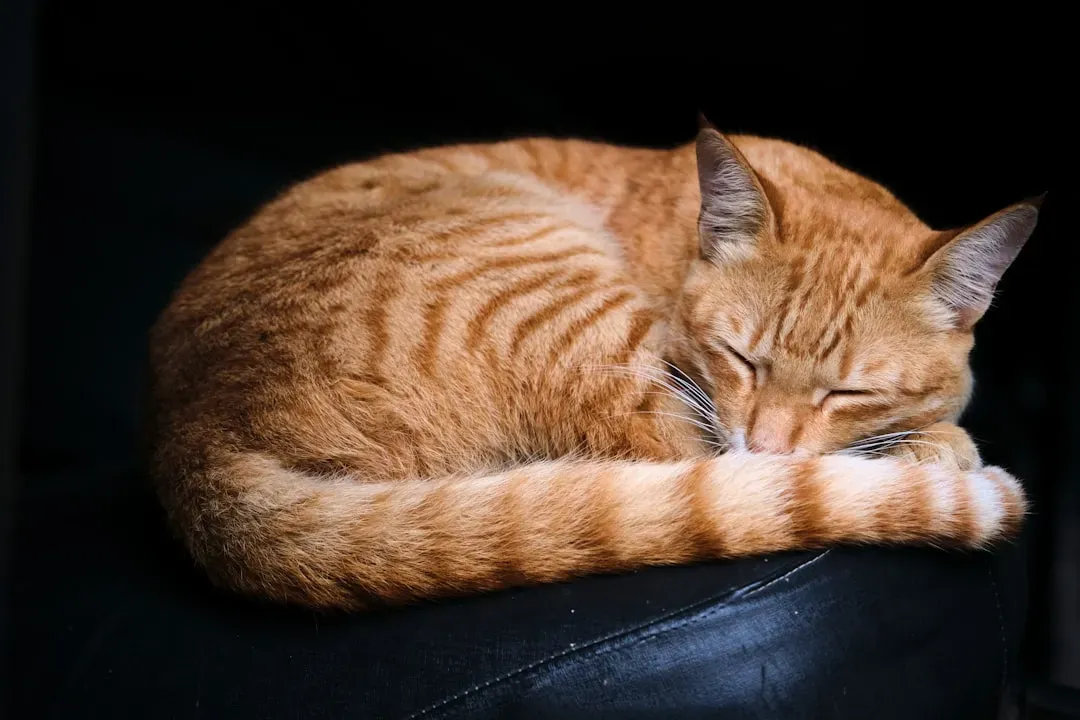
You sleep once a night. Your cat, honestly, sleeps whenever the mood strikes. Cats have a polyphasic sleep pattern, which means they sleep multiple times each day rather than in one long period, like humans generally sleep. It is less like a single restful night and more like a series of strategic power-downs spread across the day.
Their naps last an average of 78 minutes, but often range between 50 and 113 minutes. That is a surprisingly precise window when you think about it. It is almost as if your cat has an internal scheduler running quietly in the background, booking nap sessions with the efficiency of a very relaxed but very organized executive.
Cats do not have the same daily sleep-wake cycle that we and many other animals do. Rather, they sleep and wake frequently throughout the day and night. This is because cats in the wild need to hunt as many as 20 small prey each day; they must be able to rest between each hunt so they are ready to pounce quickly when prey approaches. Even your pampered indoor cat carries that ancient rhythm in its DNA.
Crepuscular Creatures: Why Your Cat Is Wildly Active at Dawn and Dusk
A common misconception is that cats are nocturnal. They are not, and this matters a lot for understanding their sleep patterns. Research on feline circadian rhythms, activity tracking, and light-driven behavior shows that domestic cats are not truly nocturnal, as is often believed. They actually follow a crepuscular pattern, meaning they are most active around dawn and dusk. This is exactly why your cat is doing laps around your living room at 5:30 in the morning.
This means they are most active during dawn, the first appearance of light in the sky in the morning, and dusk, right after the sun sets but before nightfall. Evolutionarily, this is when their natural prey is most active, so they want to be awake to try to catch it. To save energy for their hunts, cats sleep most often outside of these times. So all that mid-afternoon sprawling? Strategic rest between twilight hunting windows.
Artificial lighting can blur natural day-night cues, shifting feline activity later into the evening. Light is one of the strongest signals controlling circadian rhythms in mammals, and cats are no exception. If your cat seems oddly nocturnal, it might just be because your home is too brightly lit late at night.
The Two Stages of Cat Sleep: Light Dozing Versus Deep Rest
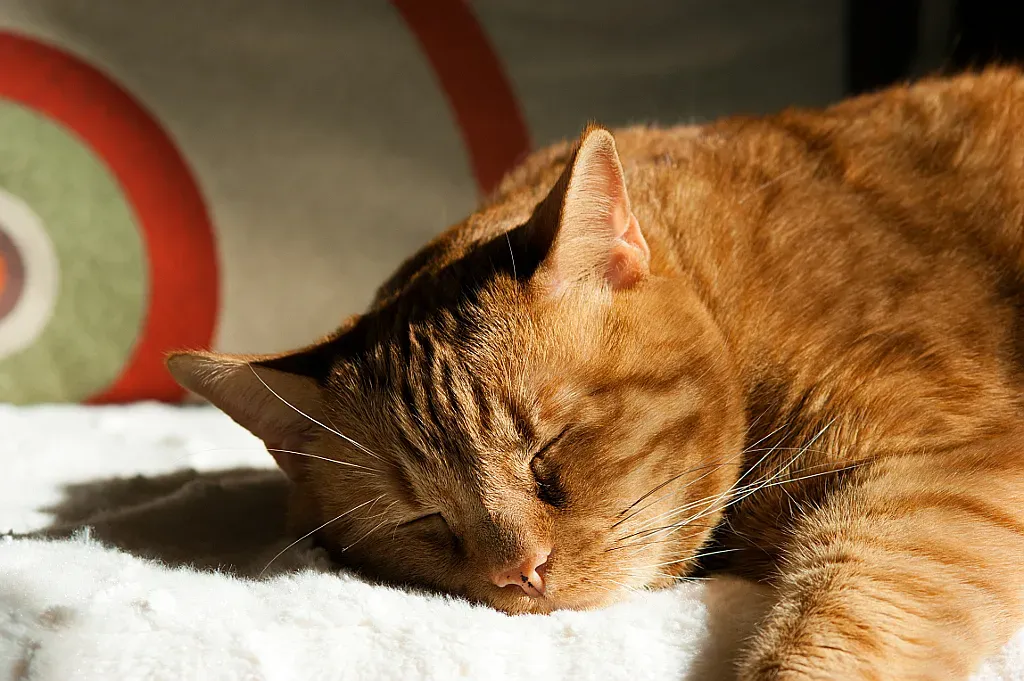
Not all cat sleep is created equal. When you see your cat resting but their ears twitch at every sound, that is light sleep doing its job. During the NREM, or non-rapid eye movement phase, cats are in a light sleep and can wake up easily. Their brain waves are slower and more irregular compared to REM sleep. This is the functional equivalent of sleeping with one eye open, because in feline terms, that is actually a real thing.
About three-fourths of their sleep is a shallow, almost-waking rest called slow-wave sleep. The other one-fourth of the time, cats really are out of it, sleeping deeply, often reaching REM sleep. The deeper phase is where real restoration happens. That is also where dreaming occurs, which brings us to something truly wild.
According to the Jouvet study, cats actually dream about 30 to 40% of the time they are sleeping. You have probably watched your cat’s paws twitch and wondered what on earth they were chasing. Science suggests they probably were chasing something. Cats appear to replay hunting scenarios during REM sleep, rehearsing survival skills even in dreamland.
What Your Cat’s Sleeping Position Is Actually Telling You
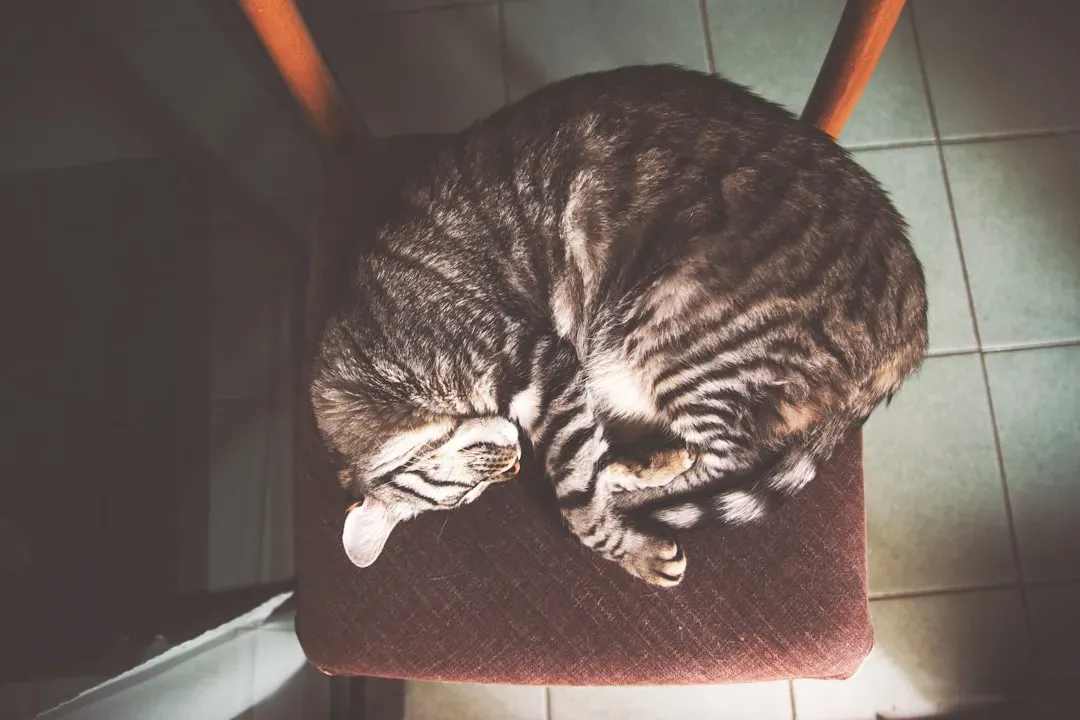
If you think your cat’s choice of sleeping position is random, think again. Every curl, sprawl, and tucked-paw loaf communicates something specific. Cats often sleep curled up in a ball, with nose to tail. Cats like to be warm, and this shape helps them retain body heat. This position also protects vital organs in their abdomen by surrounding them with less essential and more resilient muscle and bone. It is self-defense and temperature regulation rolled into one adorable little ball of fur.
You have probably seen your cat sleep on their back, with their front legs either resting on their belly or outstretched over their head, and their belly fully exposed. Cats instinctively protect their vulnerable organs, so if a cat is sleeping with their belly exposed, it means they feel very safe and confident. In other words, a belly-up cat is giving you the greatest compliment in feline body language.
The cat remains upright with its paws tucked beneath its body and eyes partially closed, resembling a loaf of bread. This indicates a relaxed but alert state. The loaf position is basically the cat version of sitting in a meeting while secretly staying ready to bolt. Comfortable, but not fully committed to the situation.
How Age Changes Everything About Cat Sleep
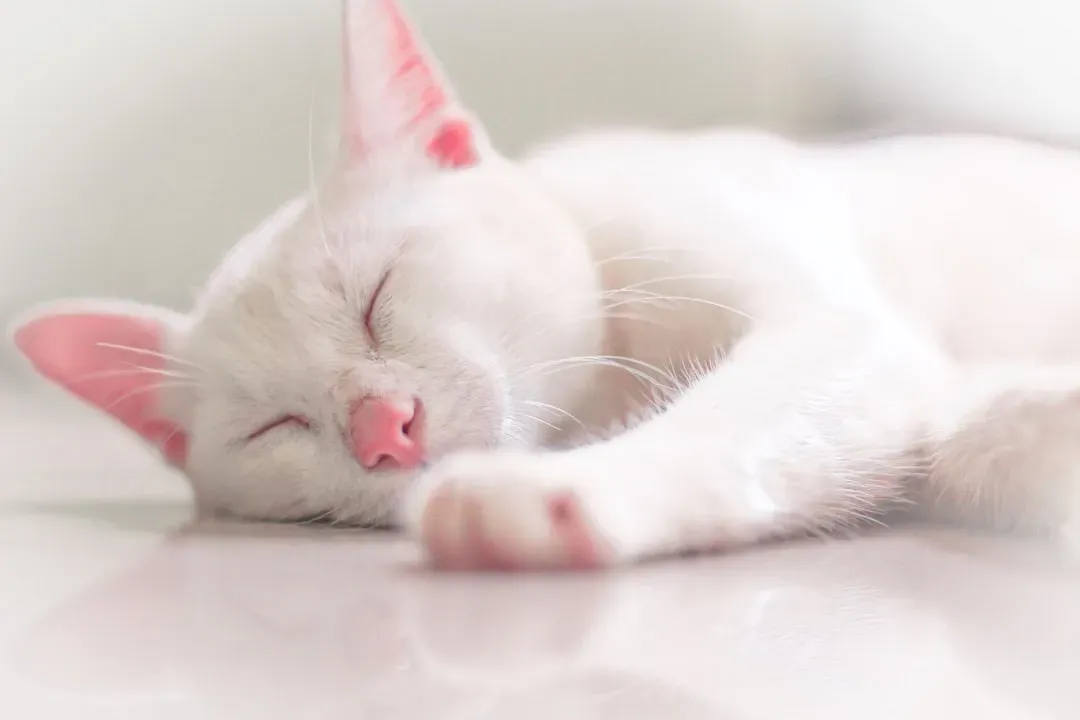
The amount your cat sleeps is not fixed across a lifetime. It shifts, sometimes dramatically, and age is the single biggest driver of that change. Kittens sleep 18 to 20 hours. Growth takes energy. New kittens nap between feeds. Think of it like building a skyscraper. You cannot cut corners on the foundational work, and kitten brains and bodies are laying serious groundwork during all that sleep.
Sleep is crucial for a cat’s physical health on multiple levels. Especially in kittens, sleep is prime time for growth and development. It is primarily during the deep sleep phases that the body releases growth hormones. So a sleeping kitten is not slacking. It is literally growing itself into a cat.
Kittens require more sleep for their growth and development, often snoozing for up to 20 hours a day. Similarly, as cats age, they tend to sleep more, often ranging between 16 to 20 hours a day, partly due to a decrease in energy and possibly due to health-related issues. Senior cats essentially come full circle, needing sleep on both ends of the age spectrum for entirely different but equally legitimate reasons.
Environmental and Emotional Factors That Shape Cat Sleep
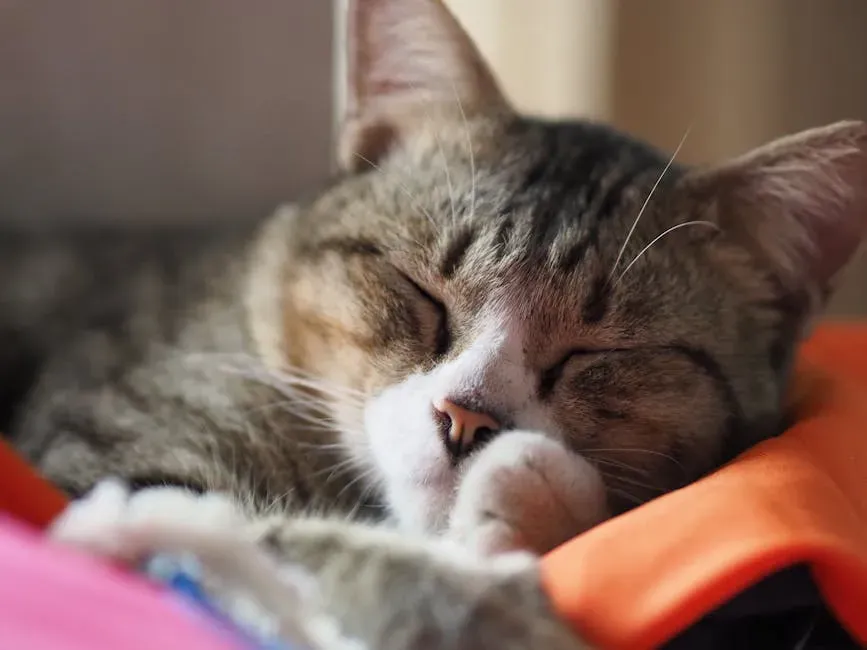
Your cat does not exist in a vacuum, and neither does their sleep. The world around them has a direct and measurable effect on how, when, and where they rest. As with humans, cats are affected by stress. One way cats express stress or anxiety is by changing their sleep patterns. If they are suddenly sleeping more than usual, it could be a sign they are feeling overwhelmed or anxious about something in their environment. A new couch, a new pet, a renovation next door – all of these can quietly rearrange a cat’s sleep schedule.
Just like pet parents, cats love to nap on wet and dreary days. Whether you have an indoor or outdoor cat, do not be surprised if they are yawning more and sleeping longer when the forecast calls for rain. Honestly, cats and humans are not so different in this respect. We all want to stay in bed when it is grey outside.
There is some evidence suggesting humans may impact when their cats sleep. Most notably, one study from Italy’s University of Messina gained insights into this issue after attaching trackers to 10 domestic felines. It was found that the cats in the small home somewhat mirrored their owners’ sleeping patterns and were more likely to be awake at times their owners frequently interacted with them. Your cat may be far more socially attuned to your rhythm than you realize.
Sleep as Medicine: The Deep Health Benefits of Feline Rest
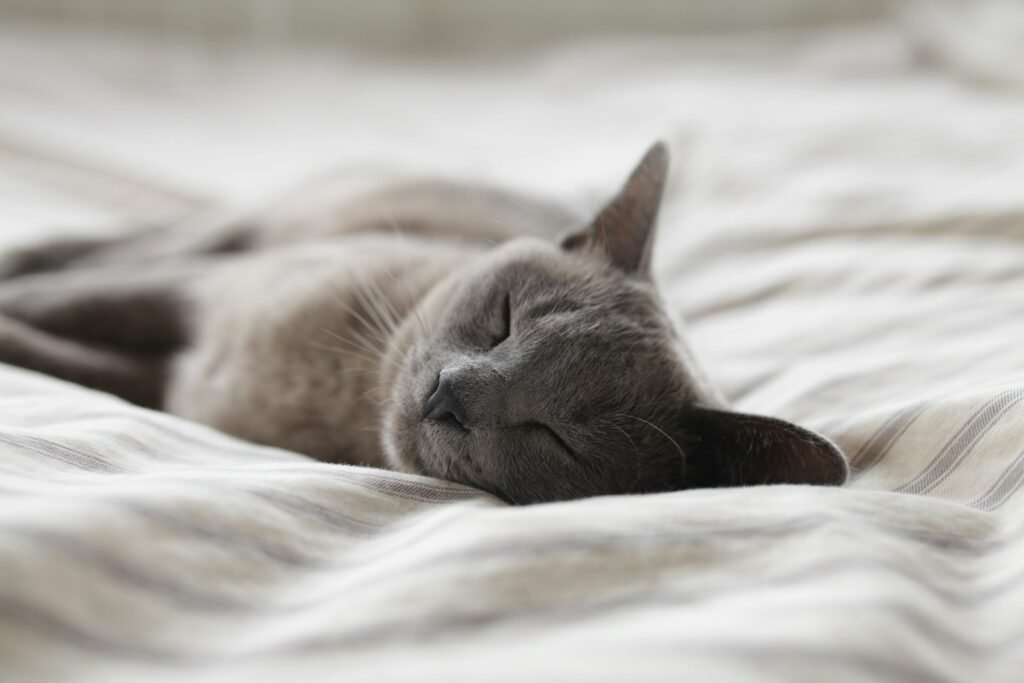
Here is where cat sleep transcends the idea of simple rest and enters genuinely fascinating biological territory. Maintaining a robust immune system is one of the many benefits of good sleep. A well-rested cat is better positioned to fend off illnesses, contributing to a longer, healthier life. Sleep, for a cat, is essentially medicine taken in cozy, involuntary doses throughout the day.
NREM sleep may help the body recharge and conserve energy, while REM sleep can help regulate emotions and other recovery processes. These two sleep stages function together like a two-part maintenance crew, one handling the physical repairs while the other manages the emotional and neurological side of things.
Quality sleep is essential for a cat’s overall health. During sleep, their body undergoes vital processes like tissue repair, immune system support, and memory consolidation. Chronic sleep deprivation can lead to a range of health issues, including obesity, weakened immune function, and behavioral problems. A sleep-deprived cat is not simply tired. It is a cat whose entire system is quietly struggling.
When Sleep Becomes a Warning Sign: Reading the Red Flags
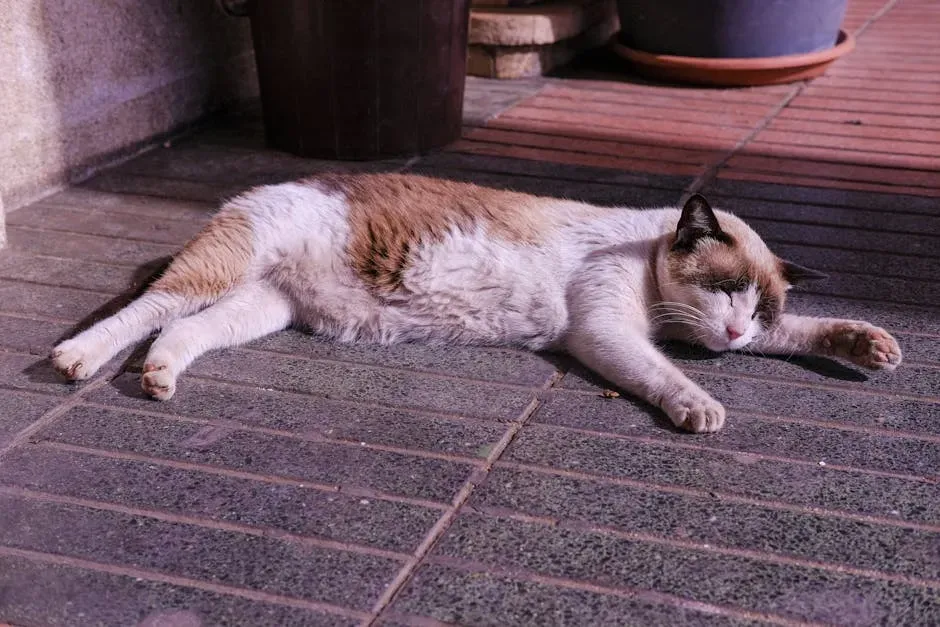
For all the beauty of natural cat sleep, there are moments when too much sleep stops being charming and starts being concerning. It is hard to say for sure exactly where the line is, but there are clear signals worth knowing. Excessive sleep, beyond the typical 12 to 16 hours, especially if paired with changes in appetite, weight, or behavior, may signal illness. Conditions such as arthritis, kidney disease, or thyroid imbalances can alter sleep needs. The extra hours themselves are not always the problem. It is the combination with other changes that matters.
Cats with hyperthyroidism may experience increased sleepiness as a result of their condition. Additionally, cats with diabetes or kidney disease may experience fatigue and sleep more than usual. Other health issues that can impact a cat’s sleep include dental problems, respiratory infections, and cancer. Honestly, that list is sobering. It is a reminder that sleep is one of the most sensitive indicators of internal health your cat has.
Oversleeping can be a sign of a medical issue, especially if there is a sudden change in sleep patterns or if the cat cannot be easily engaged in a pleasurable activity, like playtime, feeding, and petting. If your previously enthusiastic cat now sleeps through activities that used to excite them, that shift deserves a veterinary conversation sooner rather than later.
Creating the Perfect Sleep Environment for Your Cat
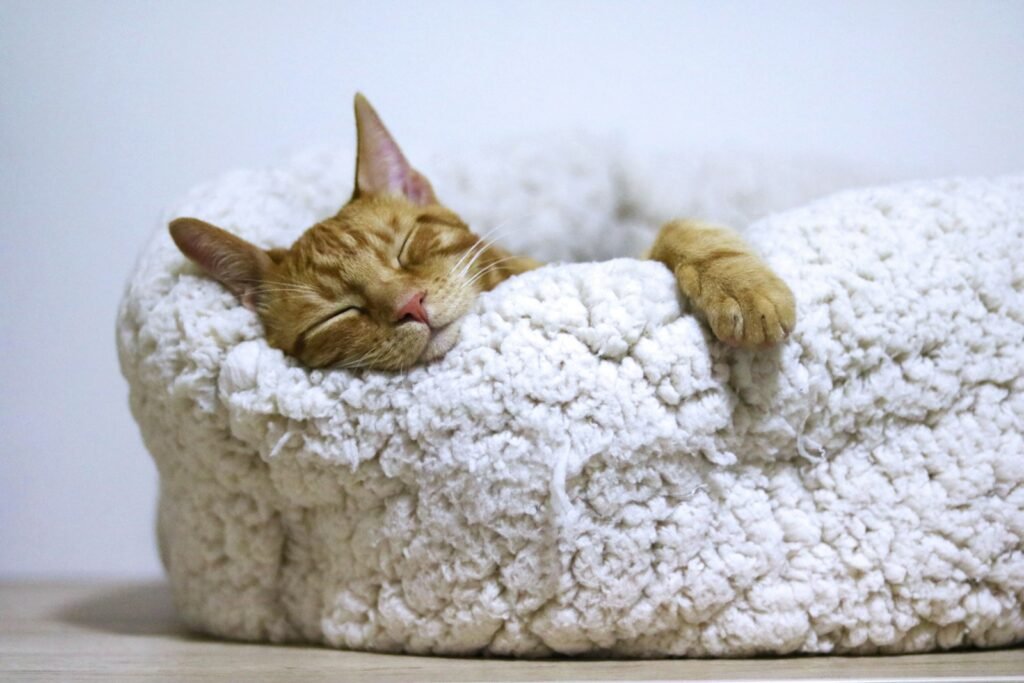
Now that you know how seriously cats take sleep, it follows that the environment they sleep in actually matters. A lot. To reduce predation risks, cats prefer to rest in elevated positions so that predators are more visible to them and the cats, in turn, are more visually concealed from predators. In such a spot, predators can access cats only from below. Thus, their preference for resting in an elevated position can provide comfort, safety, and a clear vantage point for monitoring their environments. This is why your cat chooses the top of the bookshelf over the plush cat bed you bought them. Height equals safety in their ancient wiring.
Provide cozy beds in quiet areas. Use toys for daytime fun. Keep lights low at night. Avoid big changes in the home. These small adjustments can make a significant difference to the quality of your cat’s rest, which in turn affects their mood, health, and overall behavior toward you.
A rigorous play session is especially important in the evening, when your cat is hardwired to begin the hunt. Provide them with some fun toys that they can chase and catch, and a durable scratching post to shred. By working with your cat’s natural cycle instead of against it, both of you can get a good night’s sleep. That is the real secret. Work with the rhythm, not against it, and everyone in the household rests better.
Conclusion: The Nap Is Never Just a Nap
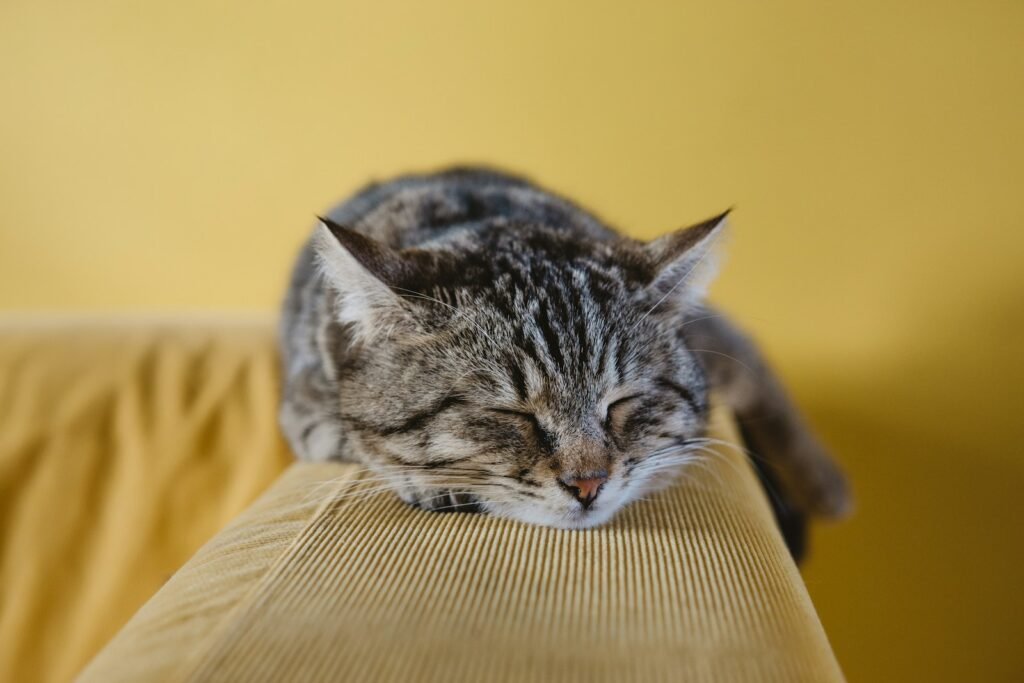
There is something quietly profound about a creature that has turned rest into an art form. What looks like an effortless life of napping is actually a sophisticated, evolved, and deeply purposeful biological system working in real time. Every curl of the tail, every twitching paw, every sleepy blink in a sunbeam tells a story rooted in millions of years of predator strategy and survival instinct.
The next time you watch your cat sink into a nap with that regal, unhurried confidence, know that you are not watching laziness. You are watching one of nature’s most perfectly calibrated rest-and-recharge systems doing exactly what it was built to do. Understanding it does not just make you a more informed cat owner. It deepens the relationship between you and an animal that has been doing this masterfully long before anyone thought to write an article about it.
So here is a thought worth sitting with: in a world that rewards constant productivity, maybe your cat has quietly figured out something we are all still struggling to learn. What do you think – could we stand to take a few lessons from the master napper? Tell us in the comments.
Kristina is a young writer from India. An arts graduate and an avid content creator, Kristina is passionate about animals and wildlife. She enjoys exploring topics related to pet care, animal behavior, conservation, and nature, combining thorough research with engaging storytelling.