Your cat stares at you from across the room, whiskers fanned out like tiny antennae picking up signals from another dimension. You’ve probably admired those long, delicate hairs without ever truly understanding what they’re doing. Spoiler: they’re doing a lot more than making your cat look adorable.
Most people think whiskers are just part of the feline aesthetic, like the pointy ears or the judgmental gaze. But the reality is that your cat’s whiskers are among the most sophisticated sensory tools in the entire animal kingdom. What’s hidden inside those fine, stiff hairs would genuinely surprise you. Let’s dive in.
1. Your Cat’s Whiskers Are Called Vibrissae – and the Name Tells You Everything
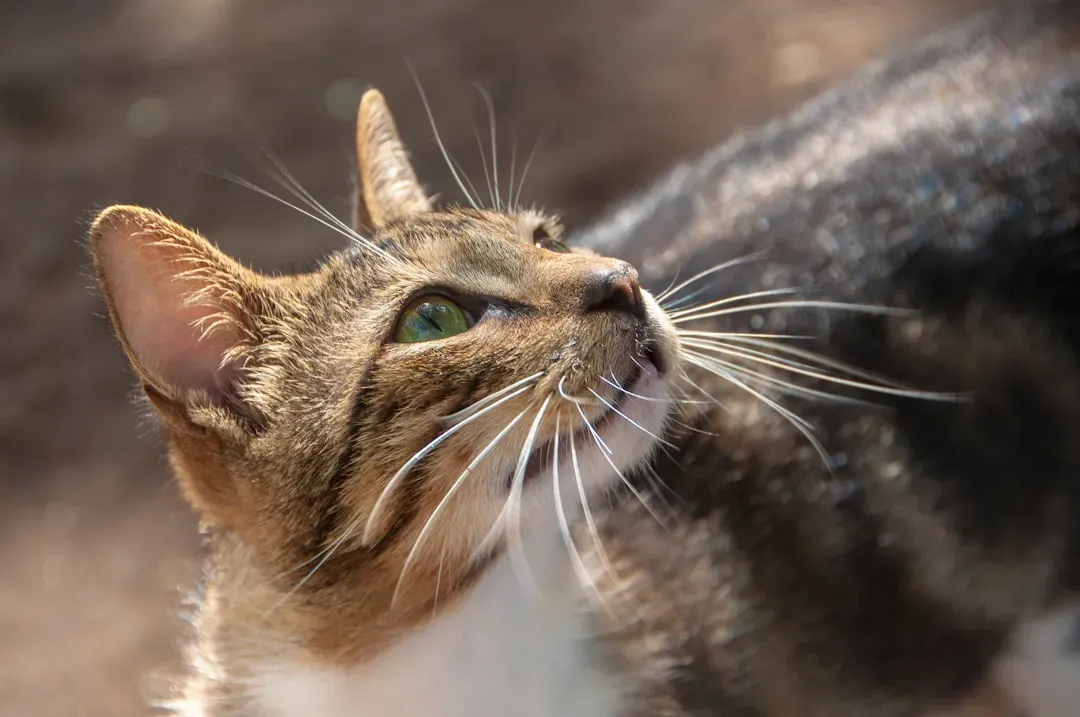
The scientific name for whiskers is vibrissae, which comes from the Latin word “vibrio,” meaning “to vibrate.” That name alone gives you a clue about what these hairs actually do. They’re not passive features sitting on your cat’s face; they are active, vibrating sensors that never stop working.
Whiskers are thicker, more rigid, and deeply embedded in your cat’s skin. These specialized hairs are connected to sensitive nerve endings that send important information directly to your cat’s brain. Think of them less like hair and more like a live wire transmitting a constant stream of data to the most sophisticated processor in the room – your cat’s brain.
2. Each Whisker Is Basically a High-Tech Sensory Organ
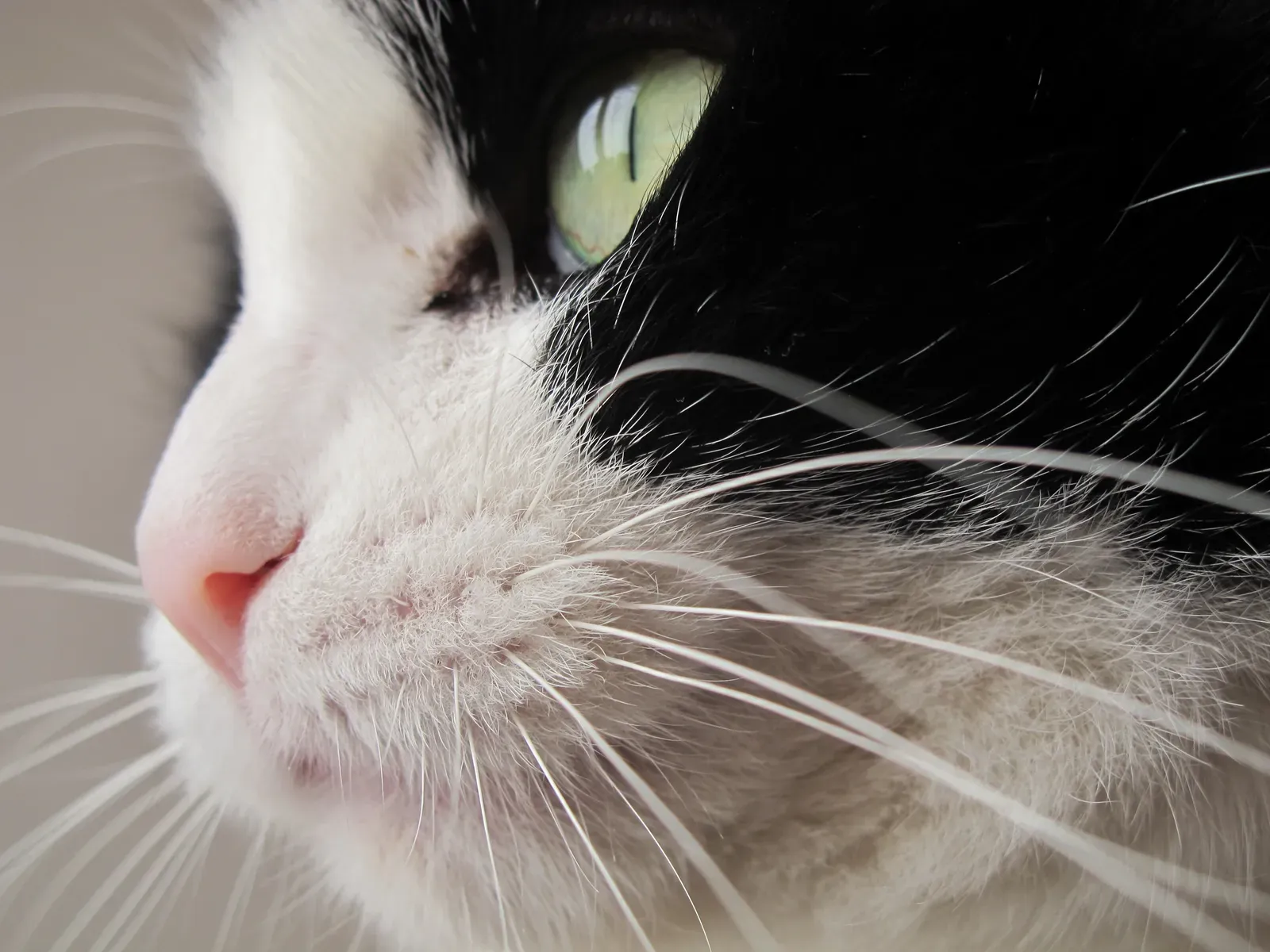
The hair follicle of your cat’s whiskers is loaded with nerves, and the whisker tip features a sensory organ known as a proprioceptor. Together, this makes them incredibly sensitive to vibrations and changes in their environment, so cats use them like an additional sense to understand the world. Honestly, calling them “hair” feels like an understatement at this point.
Whiskers are three times thicker than regular fur and embedded three times deeper, with between 100 and 200 nerve connections each. When you consider that your fingertips hold a dense concentration of nerve endings, your cat’s whiskers operate at a comparable level of sensitivity. A cat’s whiskers are as sensitive as a human’s fingertips. So, while a human’s sense of touch is in the fingers, a cat touches the world with its face.
3. Your Cat Can Literally Feel the Air Around It
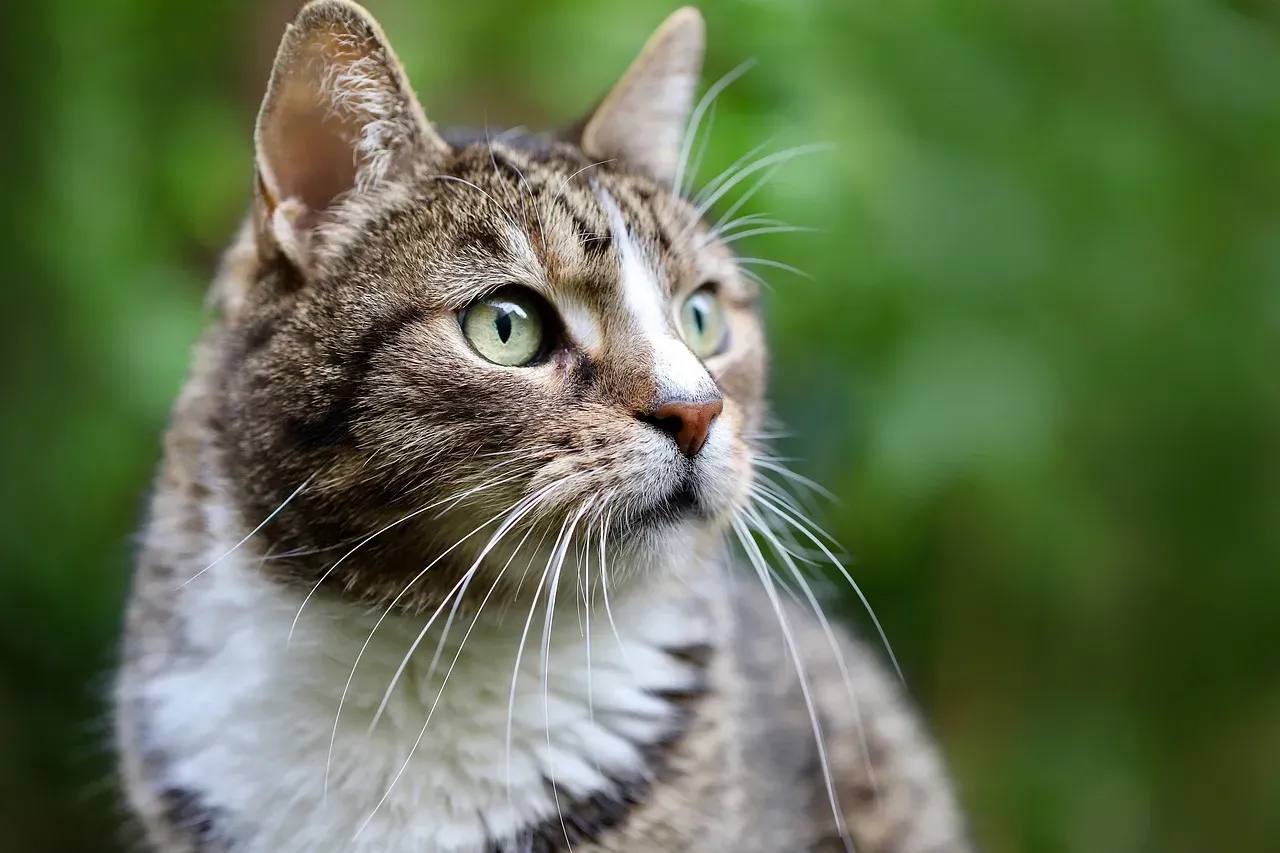
When something brushes against a whisker, it sends signals directly to your cat’s brain. These hairs can detect even the tiniest changes in air currents, which means cats can “feel” things before they even touch them. That’s part of what makes cats such graceful hunters, even in complete darkness. It’s like having sonar built right into your face.
Whiskers are sensitive to vibrations in air currents. As the air moves, the whiskers vibrate, and cats use messages in these vibrations to sense the presence, size, and shape of nearby objects without seeing or touching them. So when your cat seems to know something is behind the door before the door even opens, those whiskers deserve the credit.
4. Whiskers Grow in More Places Than You Think
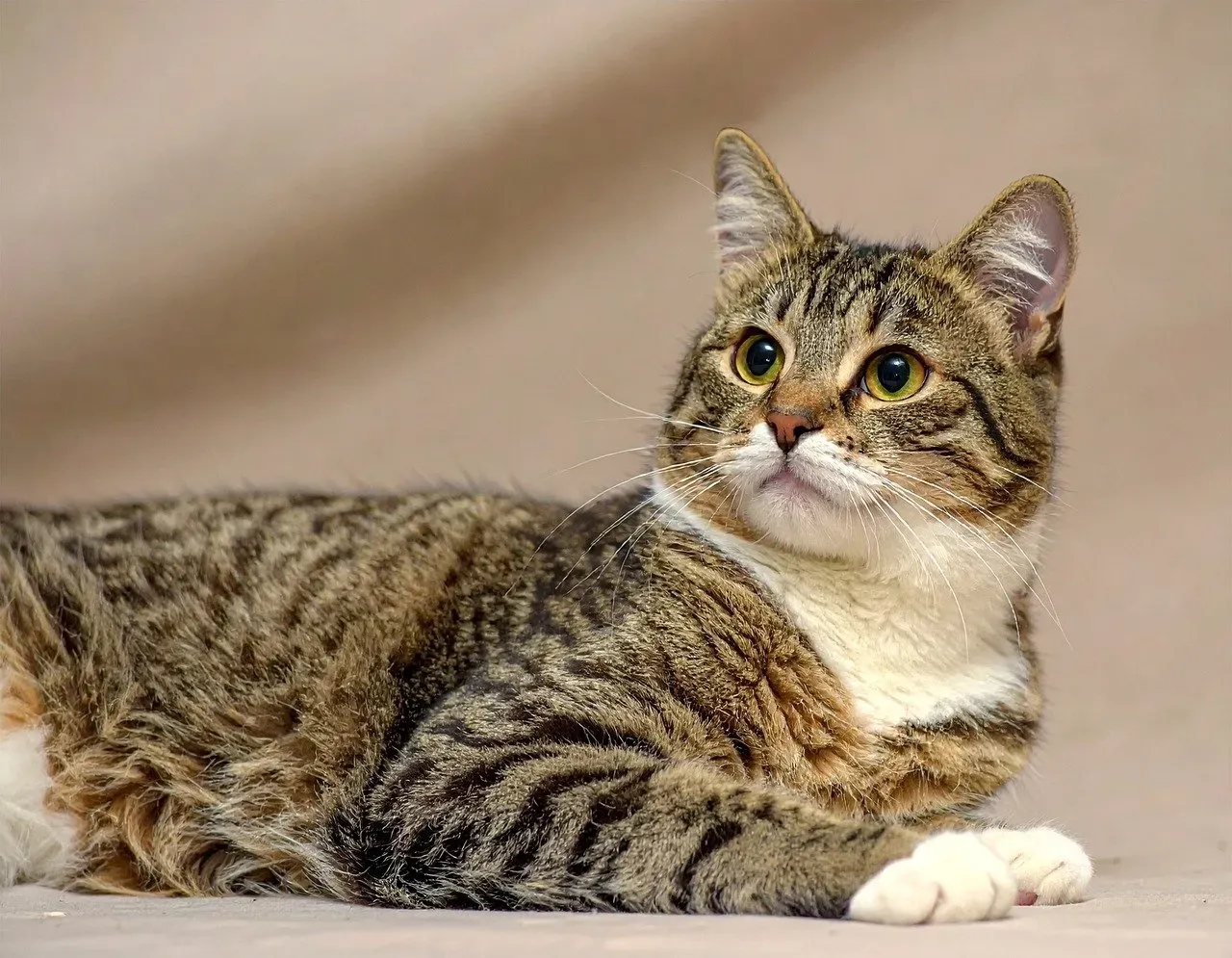
Cats have whiskers on their faces, but they also have them on the back of their front legs. The mystacial whiskers are the most prominent, and the ones you most likely picture right away. There are 24 of them – 12 on each side of the face. Cats also have whiskers on their upper lip, chin, above their eyes, near their ears, and behind the lower part of their front legs. That’s basically a full-body sensory network.
The whiskers on your cat’s body are symmetrical. This helps them measure their surroundings accurately. Symmetry here isn’t about aesthetics. It’s precision engineering. Having an equal number of whiskers on each side of the face means your cat gets a perfectly balanced spatial read on the world at all times.
5. Your Cat Uses Whiskers as a Built-In Measuring Tape
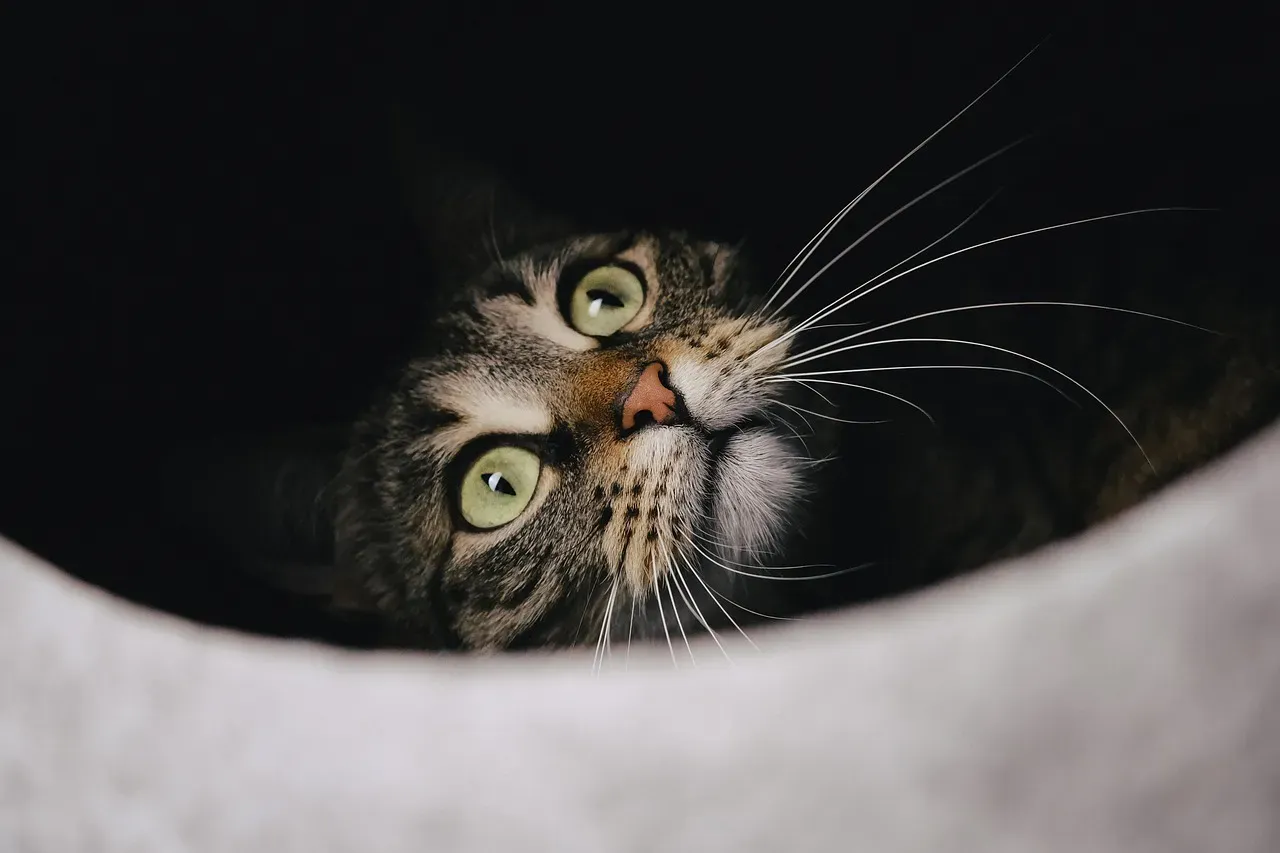
The size of a cat’s whiskers isn’t random; they’re usually about the same width as the cat’s body. Their size helps cats judge whether they can fit through tight spaces, like under furniture or through a gap in a fence. If the whiskers touch both sides of a space, it tells the cat they may get stuck. Genius, when you think about it.
Since the whisker length usually equals the width of a cat’s body, they act like natural measuring sticks. Before squeezing into a box or hole, whiskers sweep forward to test whether the opening is large enough. This prevents cats from getting trapped and allows them to move with seemingly magical precision. It’s the equivalent of checking if a sofa fits through the door before trying to carry it in – except your cat does it automatically, in real time.
6. Whiskers Are Your Cat’s Secret Weapon During Hunting
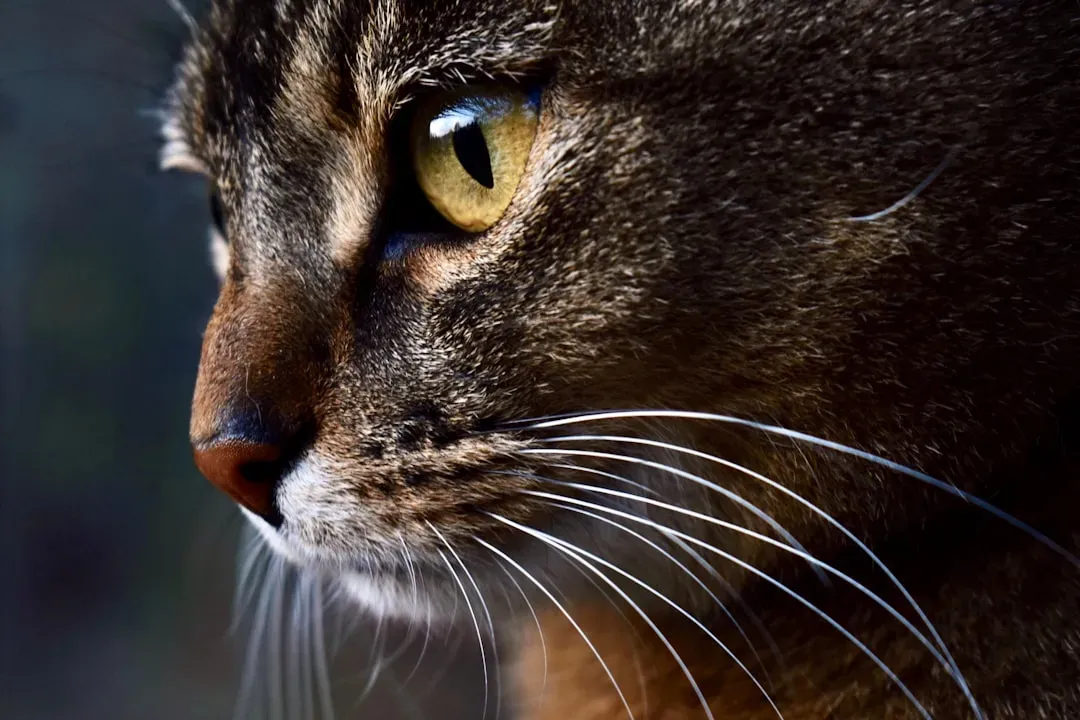
The leg whiskers are hunting tools. They’re called carpal whiskers, and cats use them when holding prey to sense how much it’s moving. The thing is, cats don’t see very well up close, so those leg whiskers are a big help. When your cat pounces on a toy and grips it between those front paws, it’s getting a detailed sensory report that its eyes simply cannot provide.
Whiskers enhance a cat’s ability to detect prey movements in near darkness. When a cat captures a mouse, whiskers around the muzzle help sense even the faintest twitch, allowing the cat to deliver a precise killing bite. This hunting aid is why feral and wild cats are equally dependent on whiskers as domestic cats, proving their evolutionary importance. Your living room predator is operating on ancient, perfectly tuned survival software.
7. Nearly Half of Your Cat’s Brain Is Wired to Process Whisker Data
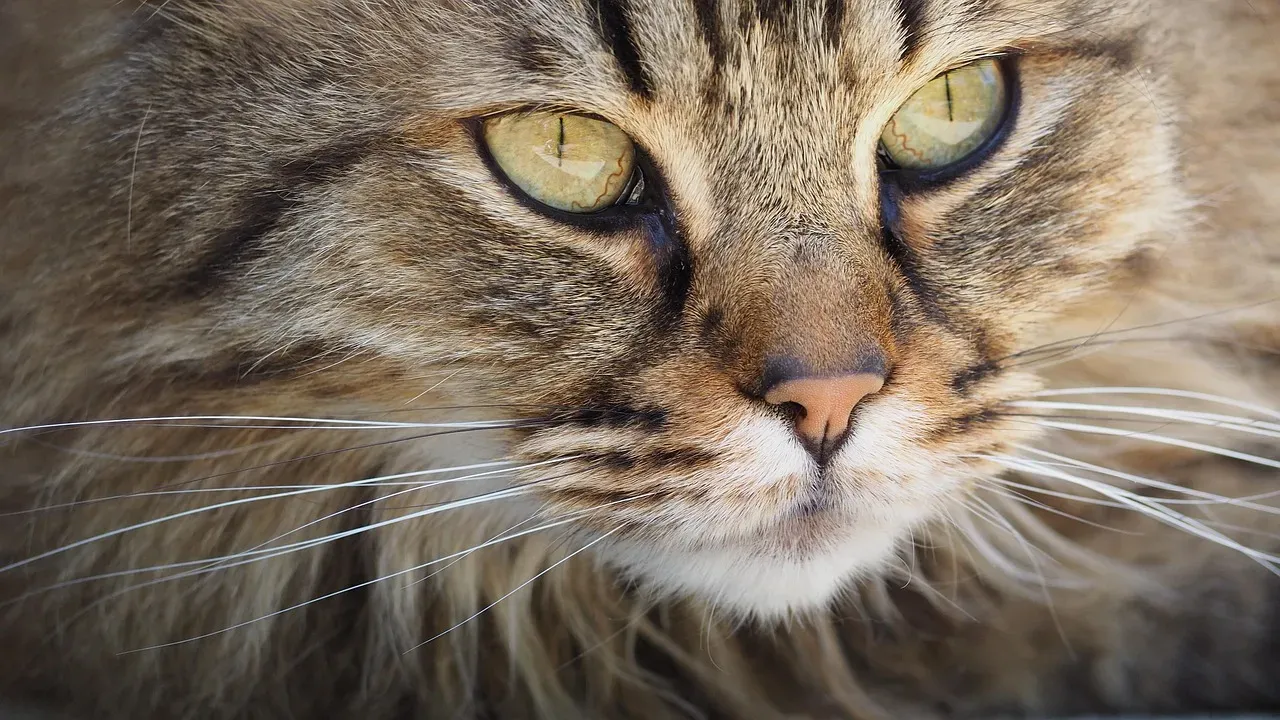
A good portion of your cat’s brain is devoted to processing data from touch sensors. Whiskers are reliable touch sensors, and almost 40 percent of the brain’s sensory area aligns with body parts that have whiskers. Each individual whisker can be traced back to a specific spot in the brain, which means that whiskers occupy valuable neurological real estate in a cat’s body. That is a staggering amount of brainpower dedicated to those little hairs.
Whiskers are linked directly to a part of the cat’s brain called the somatosensory cortex, the same area that processes touch. Every whisker acts like a tiny antenna, picking up signals and sending them straight to the nervous system. Interestingly, whiskers don’t just respond to touch but also detect minute shifts in air currents, which can warn cats about nearby movement or obstacles. The sheer scale of this neural investment tells you just how vital whiskers are to feline life.
8. Whisker Position Reveals Exactly How Your Cat Is Feeling
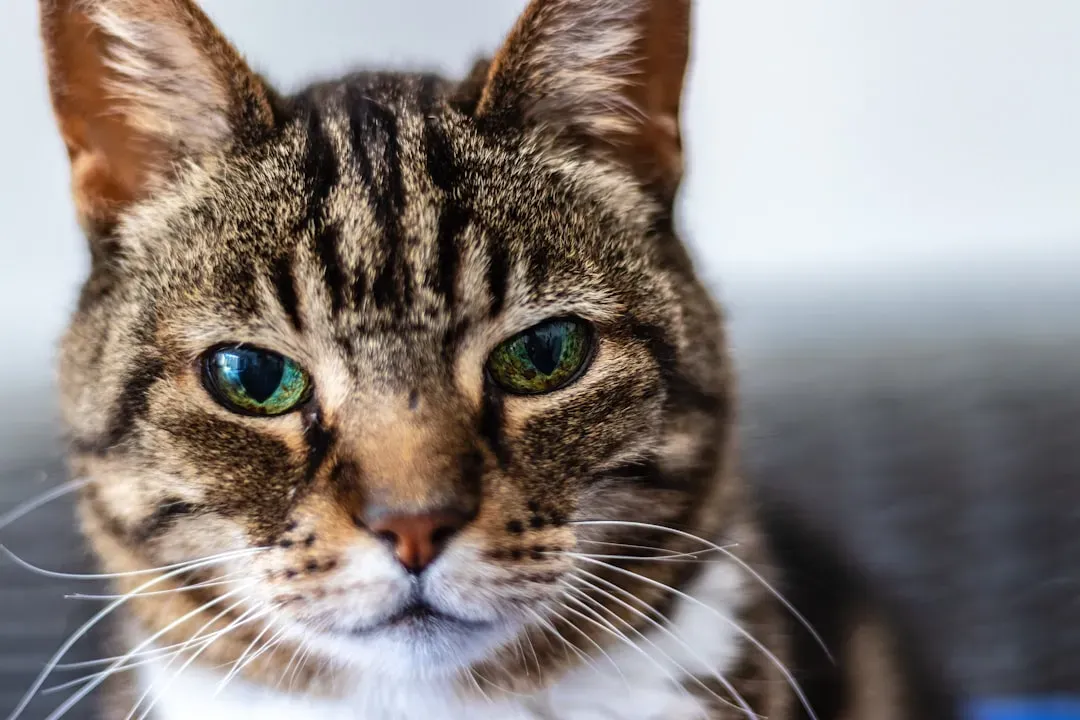
When a cat is relaxed, their whiskers are loose and out to the side. If they’re alert or curious, the whiskers point forward. When they are scared or angry, the whiskers pull back tightly against the face. It’s like reading cat body language. You’ve basically had a live emotional dashboard on your cat’s face this whole time and didn’t even know it.
Cat whiskers can also be involved in communicating with other cats and even observant owners. Tiny muscles around the base of the whiskers allow stressed cats to point their whiskers toward potential threats and relax them when they are content. Let’s be real – once you know this, you’ll never stop reading your cat’s whiskers like a morning newspaper.
9. Whisker Fatigue Is a Real Condition That Affects Your Cat’s Wellbeing
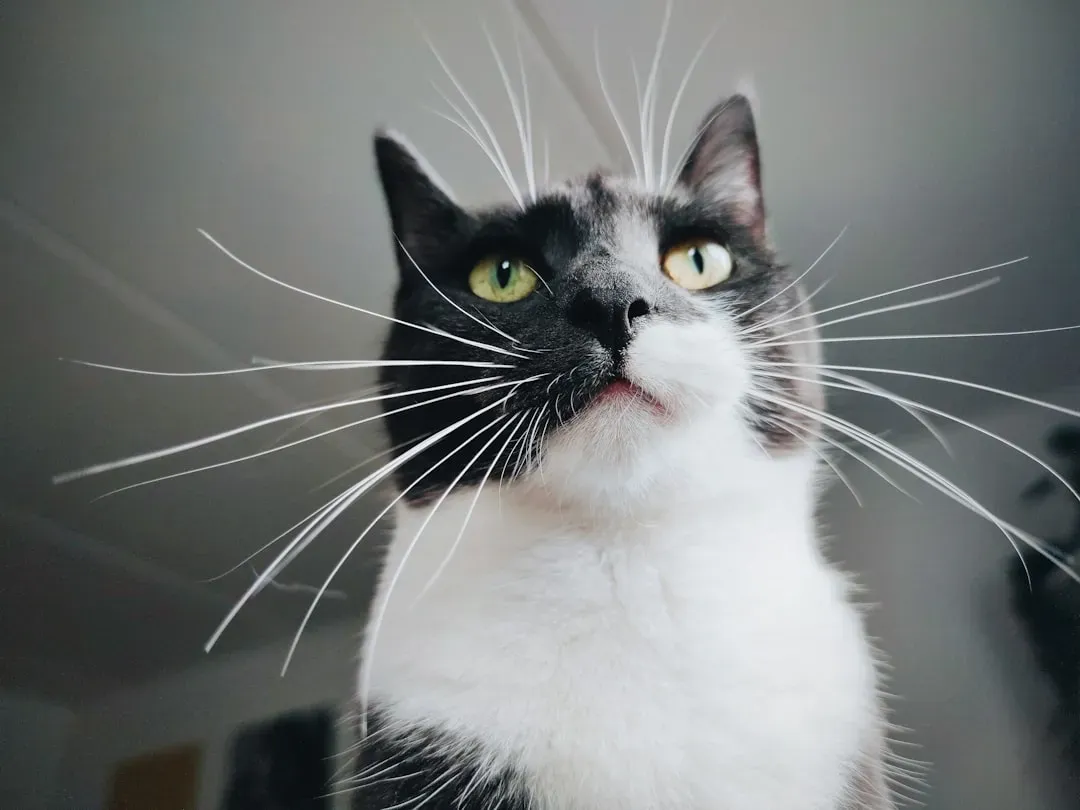
Whisker fatigue is a lesser-known phenomenon that can affect cats. It occurs when a cat’s whiskers become overstimulated by constant contact with objects, such as the sides of a food bowl. This overstimulation can lead to discomfort or stress, causing cats to refuse to eat from certain bowls or become irritable. Providing wide, shallow dishes can help mitigate this issue, ensuring that their whiskers don’t constantly touch the sides while eating or drinking.
Each cat whisker follicle can be associated with as many as 100 to 200 neurons, and overstimulation of the whisker – or “whisker fatigue” – is a real issue. Whisker fatigue is usually caused by chronic, recurrent pressure on the whisker and firing of the neurons in a way that overstimulates your cat. It is often associated with inappropriately sized food and water dishes. If your cat has ever pawed food out of a bowl and eaten it off the floor, there’s a good chance whisker fatigue was the reason.
10. Your Cat’s Whisker Pattern Is as Unique as a Fingerprint
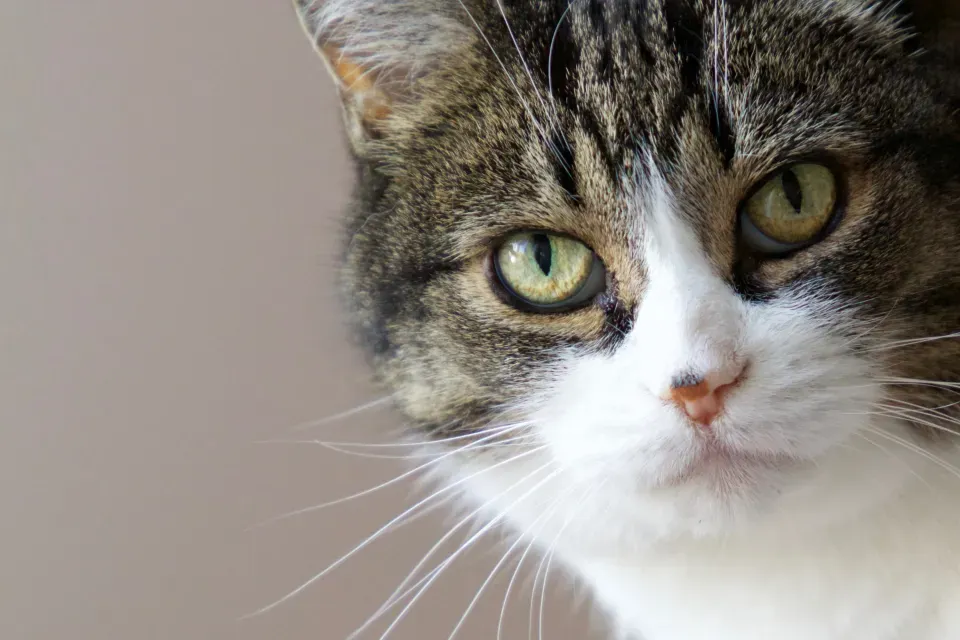
Just like human fingerprints, a cat’s whisker pattern is unique; no two cats have exactly the same spacing or number of whiskers. That’s genuinely remarkable when you think about it. You could technically identify your cat by its whisker layout, the way a forensic expert would match fingerprints at a crime scene.
Cats have about 24 moveable whiskers, twelve on either side of the nose, arranged in four rows in a pattern as individual as our fingerprints. Those four rows aren’t random either. They are connected to muscle, which allows them to be moved backwards and forwards, and the bottom two rows can move independently of the top two. That’s a level of motor control most people never imagine a cat’s face is capable of.
11. Never, Ever Cut Your Cat’s Whiskers
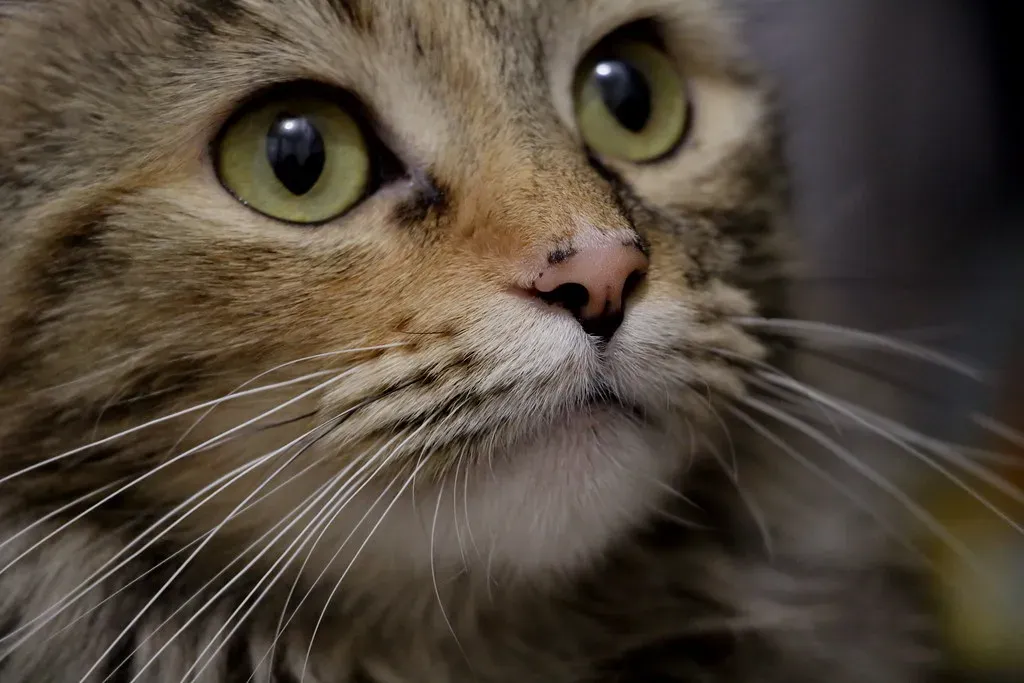
Cutting cat whiskers is never recommended and can cause significant distress to your cat, even though the whiskers themselves don’t contain nerve endings. The trauma comes from suddenly losing critical sensory input that cats rely on for navigation, hunting, and spatial awareness. Cats with cut whiskers often become disoriented, anxious, and may develop behavioral changes like reluctance to jump or navigate in dim lighting.
Cats do shed whiskers occasionally, but you should never attempt to cut or trim them yourself. If you do, you’re removing crucial sensory information that your cat needs, and they could experience dizziness, confusion, and disorientation. It would be like suddenly removing your sense of touch or sight – you wouldn’t like it, either. I think this one fact alone should be required reading for every cat owner on the planet. The whiskers are not decorative. Leave them alone.
12. Whiskers Shed Naturally – and Grow Back Over Time
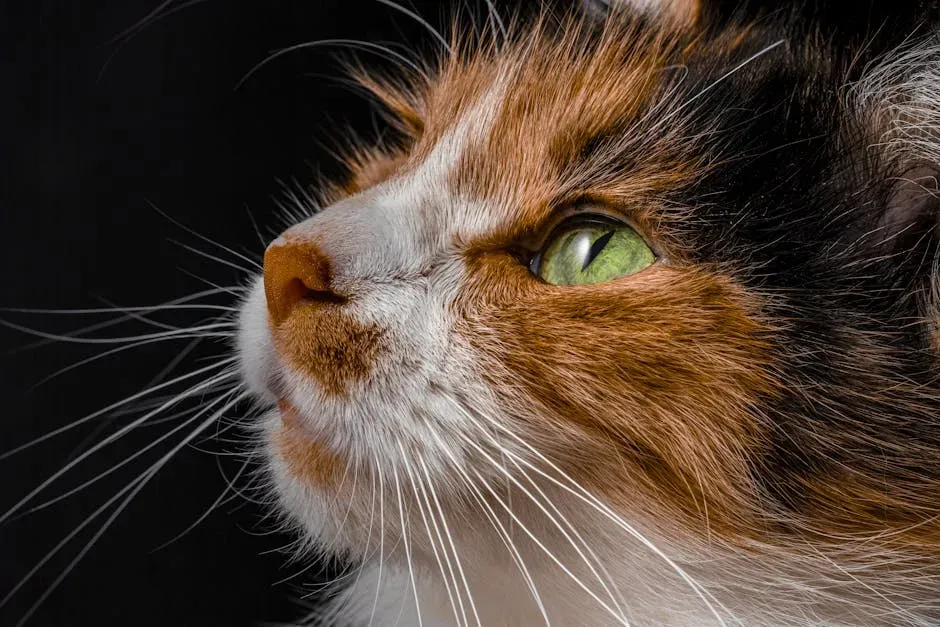
Cats regularly shed whiskers and grow them back. It doesn’t happen often, and it’s only one or two at a time (unless there’s a health issue). If you find one of your cat’s whiskers, it’s no big deal that they lost it. They grow back in about two to three months. Finding a lone whisker on the sofa is actually a perfectly normal thing, and there’s a strange little charm to discovering one.
It is very normal with some coat colors for white whiskers to grow back as black, or vice versa. The color change will not affect their function. However, diseases that can affect the haircoat, such as infection, mange, and vasculitis, can also affect cat whisker follicles and make them fall out or delay their growth. In addition, some medications, like chemotherapy drugs, can make a cat lose their whiskers. If you notice unusual amounts of shedding, a vet visit is always a smart move.
A Final Thought Worth Keeping
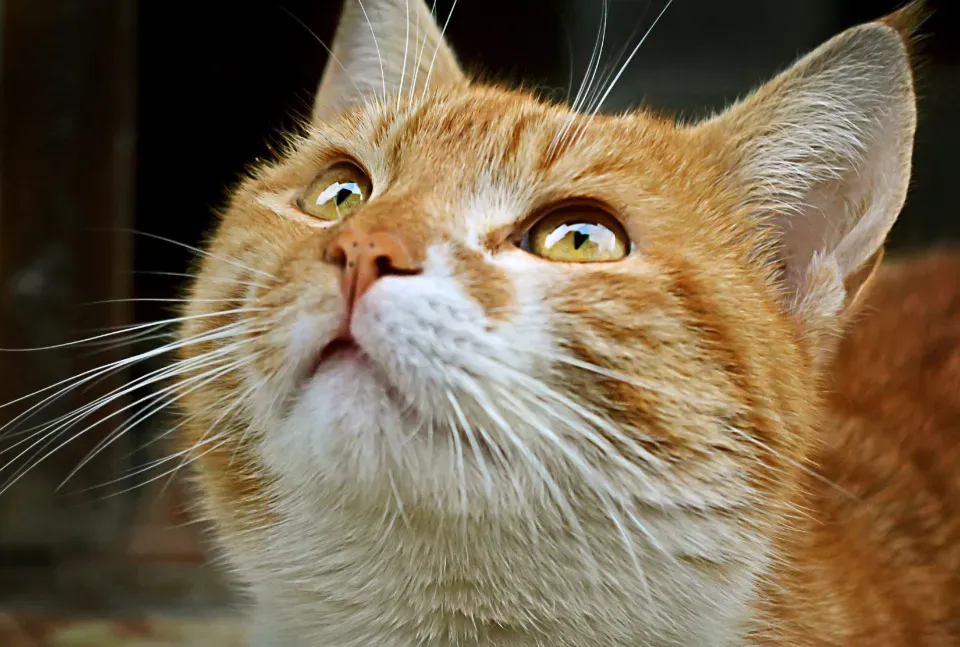
Your cat’s whiskers are, without exaggeration, one of nature’s most elegant pieces of sensory engineering. What looks like a simple tuft of long hairs is actually a precision navigation system, a hunting tool, an emotional barometer, and a spatial awareness device all rolled into one elegant package. From an evolutionary perspective, whiskers have given cats a distinct survival advantage. Wild cats, like their domestic counterparts, rely heavily on their whiskers for hunting and avoiding predators. This evolutionary trait has been preserved and refined over millions of years, contributing to the success of felines as both solitary hunters and adaptive creatures capable of thriving in diverse environments.
Next time your cat presses those whiskers gently against your hand, know that something remarkable just happened. They scanned you, processed you, and chose to stay close anyway. That’s worth something. So here’s a question to sit with: how many other things about your cat have you been seeing every day without truly seeing them at all? Drop your thoughts in the comments – we’d love to know.
Kristina is a young writer from India. An arts graduate and an avid content creator, Kristina is passionate about animals and wildlife. She enjoys exploring topics related to pet care, animal behavior, conservation, and nature, combining thorough research with engaging storytelling.