Cats have a reputation. Aloof. Independent. Mysteriously indifferent. You’ve probably heard it a thousand times – “Cats just don’t care the way dogs do.” Honestly, nothing could be further from the truth. The reality is that your cat might be telling you “I love you” in a dozen different ways every single day, and you’re simply not fluent in the language yet.
It’s a common misconception that cats are not affectionate, mainly because dogs have more explicit ways of demonstrating affection, whereas cats are much more subtle. Think of it like this: your cat is that quietly devoted friend who never makes a scene but always shows up when it counts. Once you learn to read those signals, you’ll never look at your feline companion the same way again. Let’s dive in.
The Slow Blink That Says Everything
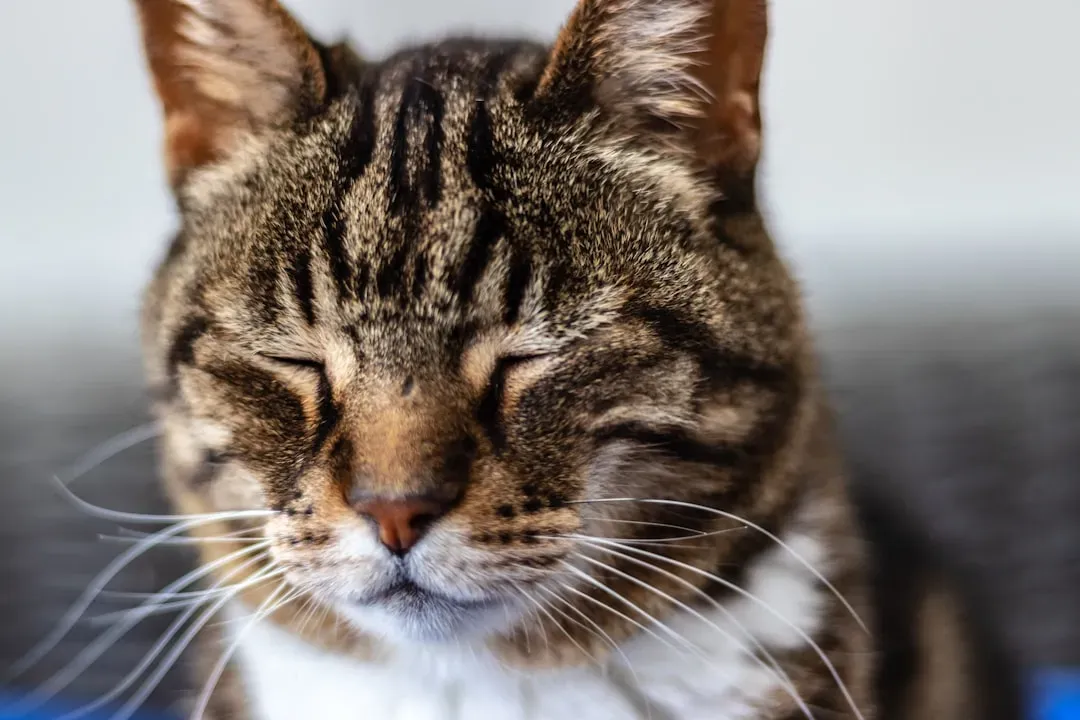
You’re sitting on the couch, minding your business, and you glance over to find your cat staring at you – then slowly, almost lazily, closing their eyes. It seems like nothing. It is, in fact, everything.
The slow blink is a sure sign that your cat loves you; it shows your buddy feels relaxed, content, and safe. It’s an invitation to respond with similar openness and love. Think of it as a sort of gentle feline kiss. So the next time your cat does this, try slowly blinking back. You’re essentially having a whole conversation in the most peaceful language imaginable.
Cats will often make eye contact with lowered eyelids and steady, slow blinks. This is considered a feline version of a kiss, and you can even try slow blinking to show love back to cats. I think this might be one of the most underrated moments in the entire human-pet relationship. Don’t rush past it.
Head Butting and Face Rubbing (Yes, That’s a Compliment)
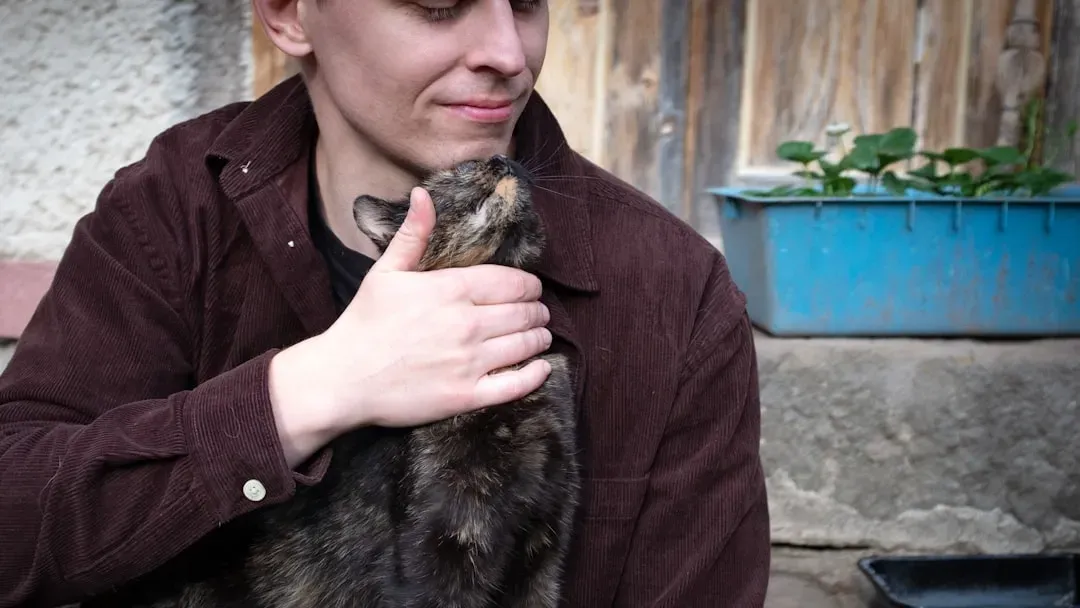
Your cat walks straight up to you, lowers their head, and bumps it firmly into your forehead or cheek. Weird? A little. Loving? Absolutely. Head-butting, also known as bunting, may seem like an odd way of showing affection, but this nuzzling action is essentially a kitty kiss. Your cat has glands in their cheeks and heads that release “happy messages.” When your cat nuzzles their face against you, they are marking you with their scent. This scent is a source of both comfort and familiarity for them.
When a cat bumps their head against you or rubs their cheeks on your hand or leg, they’re doing more than being cute. This behavior deposits scent from glands on their face, marking you as familiar and safe. In cat language, that’s a sign of social bonding. In other words, your cat is essentially stamping you with a “this is mine and I love it” label. You should feel flattered.
The Notorious “Biscuit Making” – Kneading on You
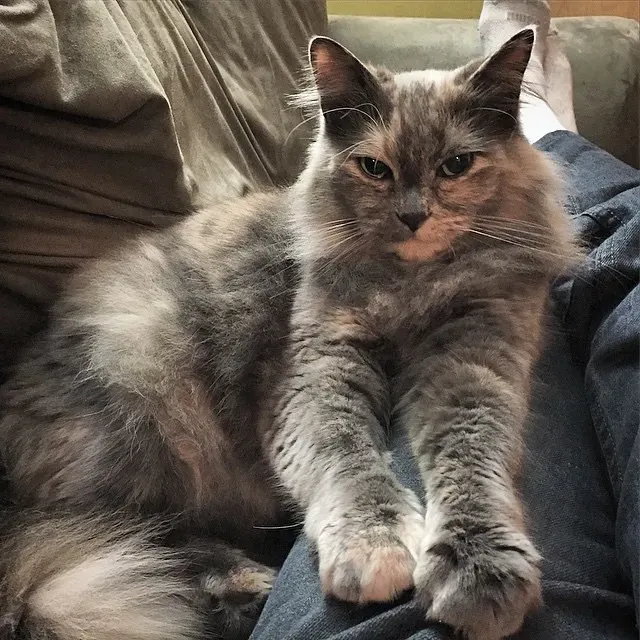
You’ve felt it. That rhythmic, almost hypnotic pressing of paws into your leg, stomach, or arm. It can be a little painful if their claws are out, but here’s the thing – it means your cat thinks the world of you.
Cats usually knead with their front paws. This is a behavior that begins in kittenhood and is associated with nursing on their mother. Kneading is believed to bring comfort by releasing endorphins to reduce stress and promote relaxation. Relaxed cats that knead are showing contentment. So when your cat does their little bread-making routine directly on your lap, they’re not just getting comfortable – they’re being very clear that you make them feel loved and comfortable.
Grooming You With That Sandpaper Tongue
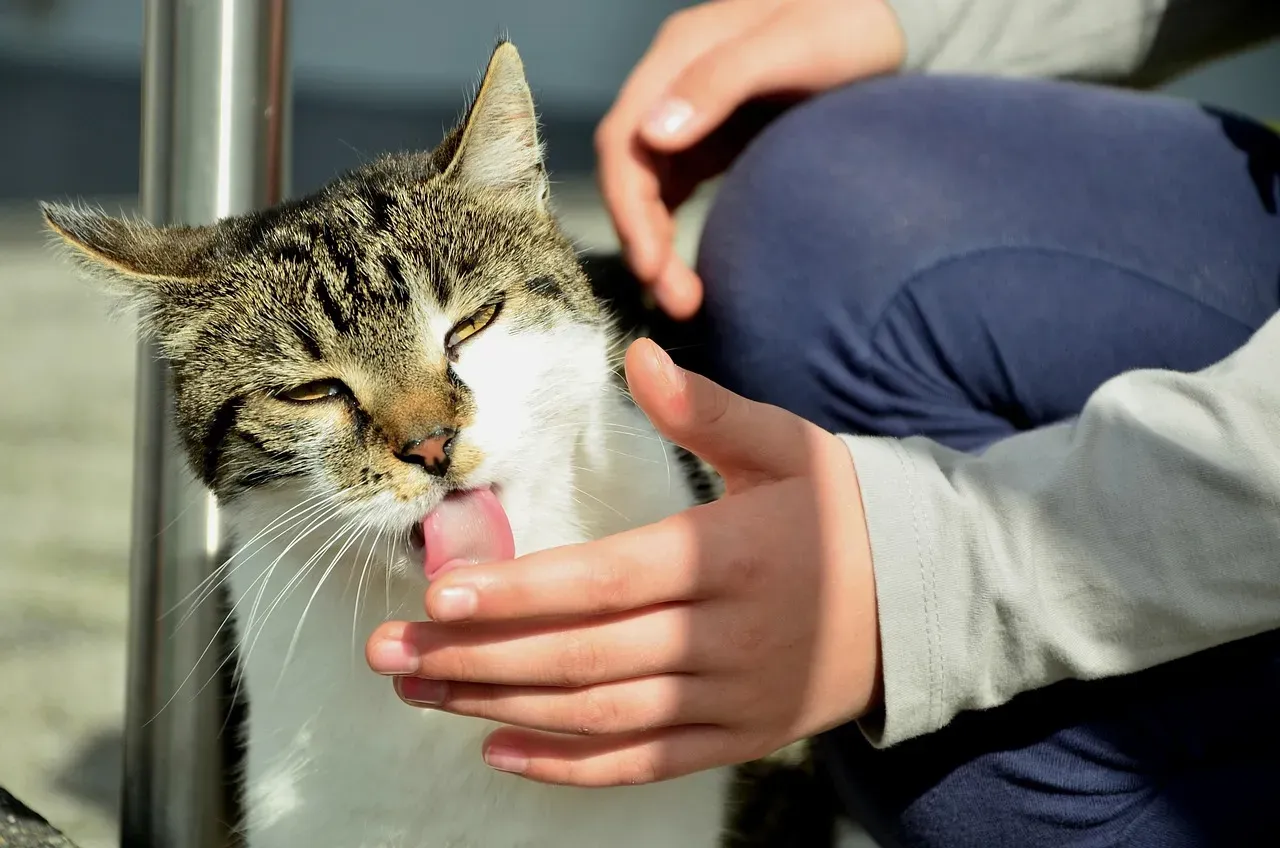
Getting licked by a cat is not exactly the spa experience you’d choose, but pay attention to what that rough little tongue is really saying. Social grooming, also called allogrooming, is a sign of social bonding and is associated with security. Cats are often solitary animals, but if they live in a bonded pair or group, they will spend time grooming each other. If your cat licks you or grooms you, this is cat behavior indicating trust and love.
When your cat licks your hair or skin, they’re extending their social behaviors toward humans they’re bonded to. Your cat is treating you as family, caring for you the way a mother cat grooms her kittens or the way kittens groom their mom back. Honestly, it’s the feline equivalent of someone reaching over and fixing your collar. Rough around the edges, but full of heart.
Following You From Room to Room
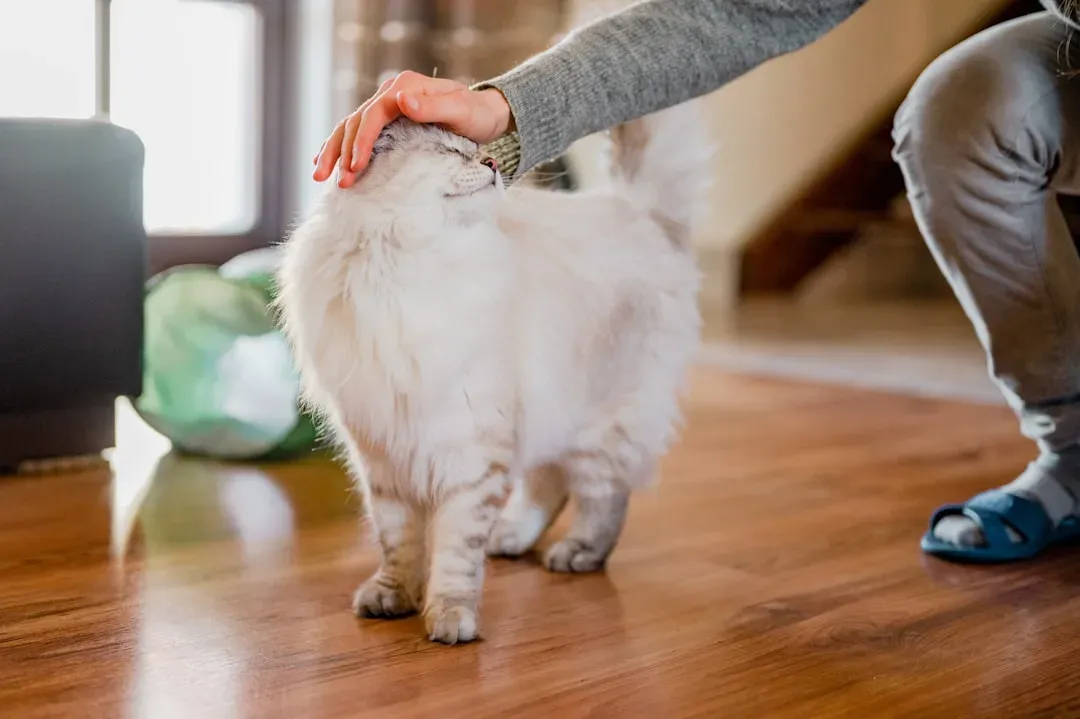
If you’ve ever tried to have a quiet moment in the bathroom, only to find two little paws sliding under the door, you already know this one well. Some cats don’t really enjoy physical contact but that doesn’t mean they don’t want your companionship. If your cat follows you from room to room, and it’s not feeding time, they want to be close to you. Kind of like your own fluffy little shadow.
Ever notice that your kitty likes to trail you around the house? There can be many reasons for this – from wanting food to being anxious – but there are many cases in which your cat simply enjoys your company and wants to be with you. If it’s not close to feeding time, and your cat isn’t acting like they want anything, chances are they are just trying to bask in your presence. It’s clingy in the most endearing way possible.
Sleeping Near You – or Right on Top of You
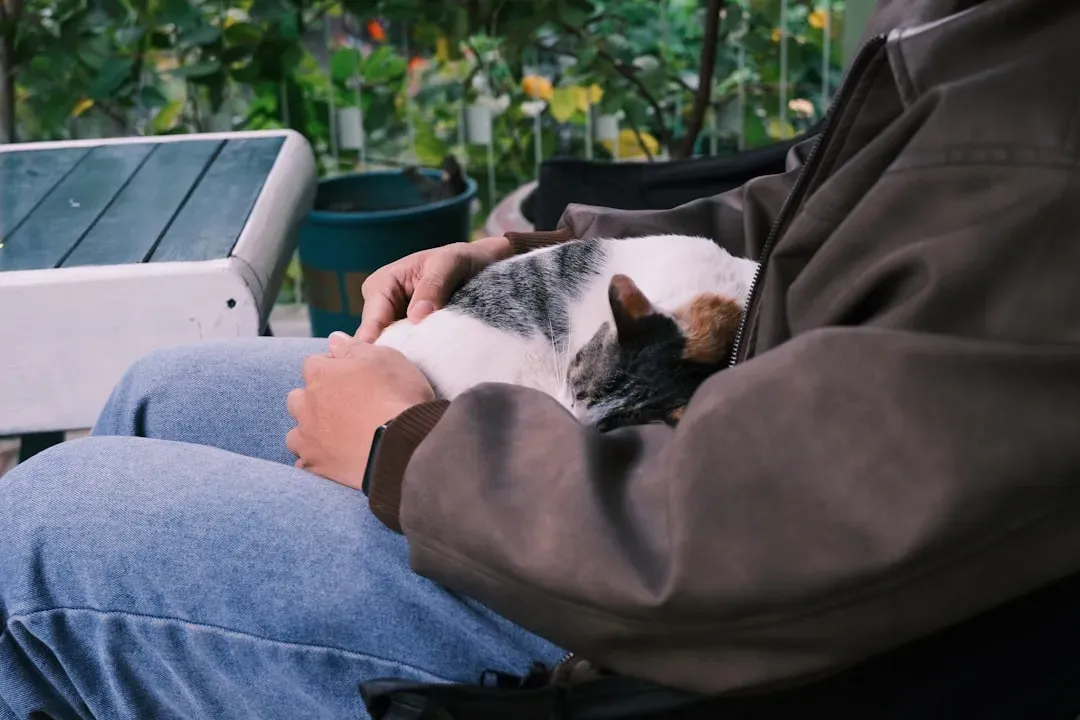
Sleep is serious business for cats. They spend a huge portion of their lives doing it, and where they choose to sleep is no accident. Sleep is a vulnerable state for cats. Choosing to nap next to you – or even in the same room – is a strong indicator of trust. Some cats may sleep at your feet or nearby rather than directly on you, but that close proximity still counts as a sign of love.
A cat who chooses to sleep on or close to you is showing their love and trust in you. Even if they choose to lie just out of reach for petting, this means that they feel safe and trust that you will protect them, or that they will protect you if danger appears. Think of it like a tiny, furry bodyguard who also needs seventeen naps a day. They chose you. That matters.
Talking to You With Soft Meows and Trills
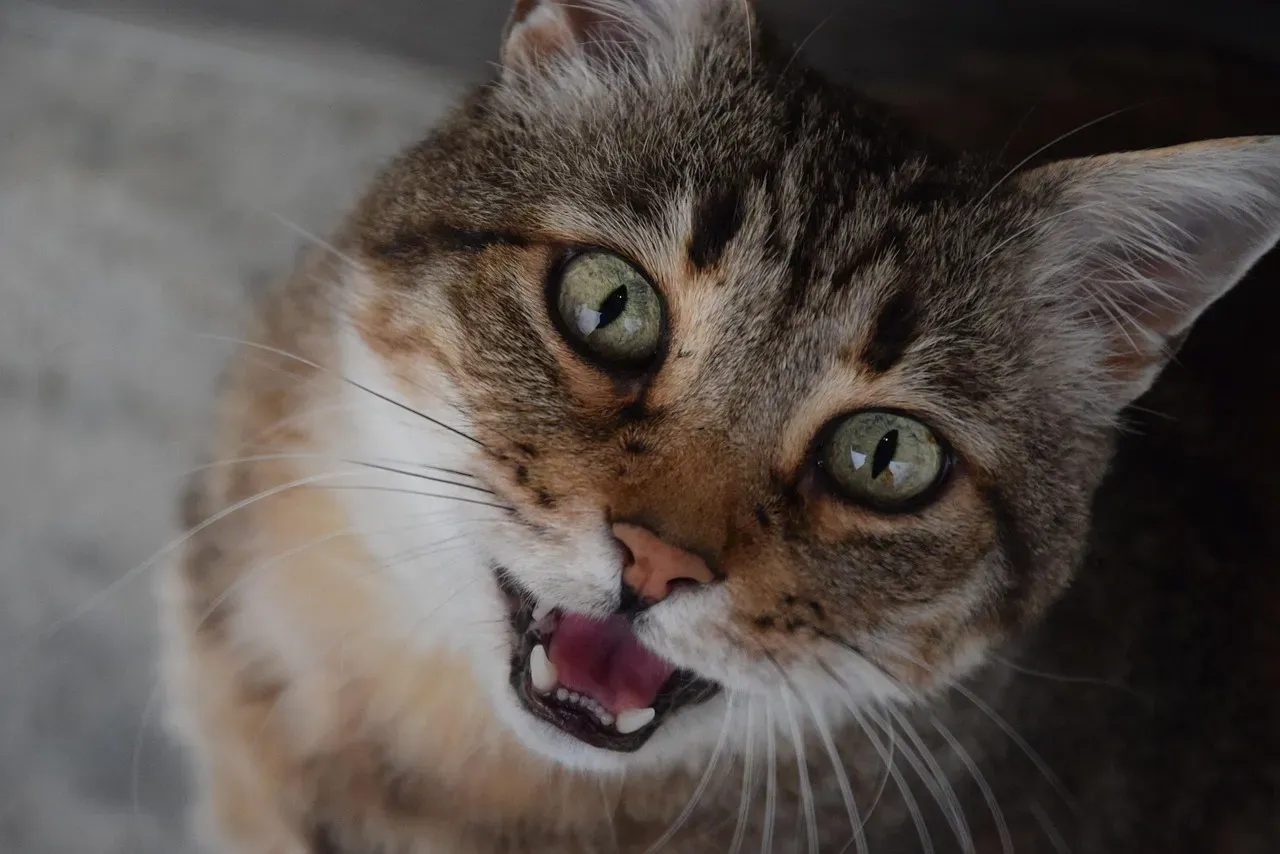
Let’s be real – a cat going full volume meow at 3 a.m. is not a love declaration. But those soft, chirpy little vocalizations throughout the day? Completely different story. Cats don’t typically meow to communicate with other cats; they reserve this behavior for interacting with humans. If your cat frequently meows at you, especially with a soft, gentle tone, it’s their way of getting your attention and showing affection.
Not all cats are chatty, but many reserve certain sounds just for their favorite humans. Soft trills, chirps, or conversational meows can be signs of affection. It’s like your cat developed a private language just for you. The least you can do is talk back – even if you have absolutely no idea what you’re saying to each other.
Exposing Their Belly – But Don’t Always Touch It
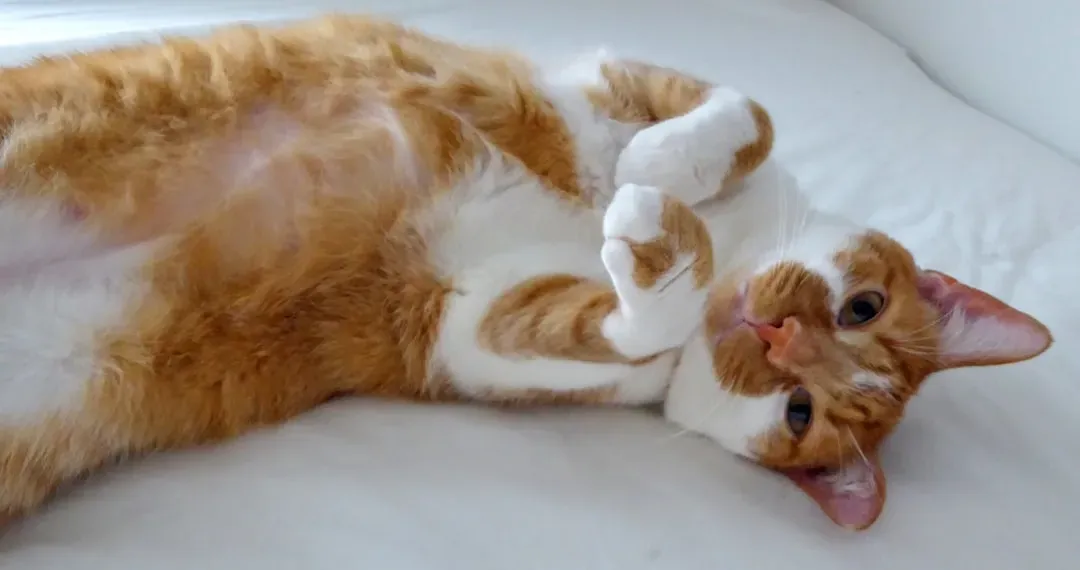
You walk through the door after a long day and your cat immediately flops onto their back, belly fully exposed, paws in the air. It looks ridiculous. It is also one of the most vulnerable and trusting positions a cat can put itself in. Rolling over to expose their belly is a sign of ultimate trust, as this position exposes vital organs to a predator. So if your feline does this around you, it’s a major sign of love and comfort.
Rolling over is how cats show their affection on your return home and means “I’m so excited you’re back” in cat language. They are exposing the vulnerable area of their belly, and this is a sign that a cat both trusts and loves you. This sociable gesture may not always be a green light for a tummy rub though, as it’s not an area cats generally enjoy being stroked, so proceed with caution! Consider it an honor – not an invitation. There’s a difference.
Bringing You “Gifts” (However Unpleasant They May Be)
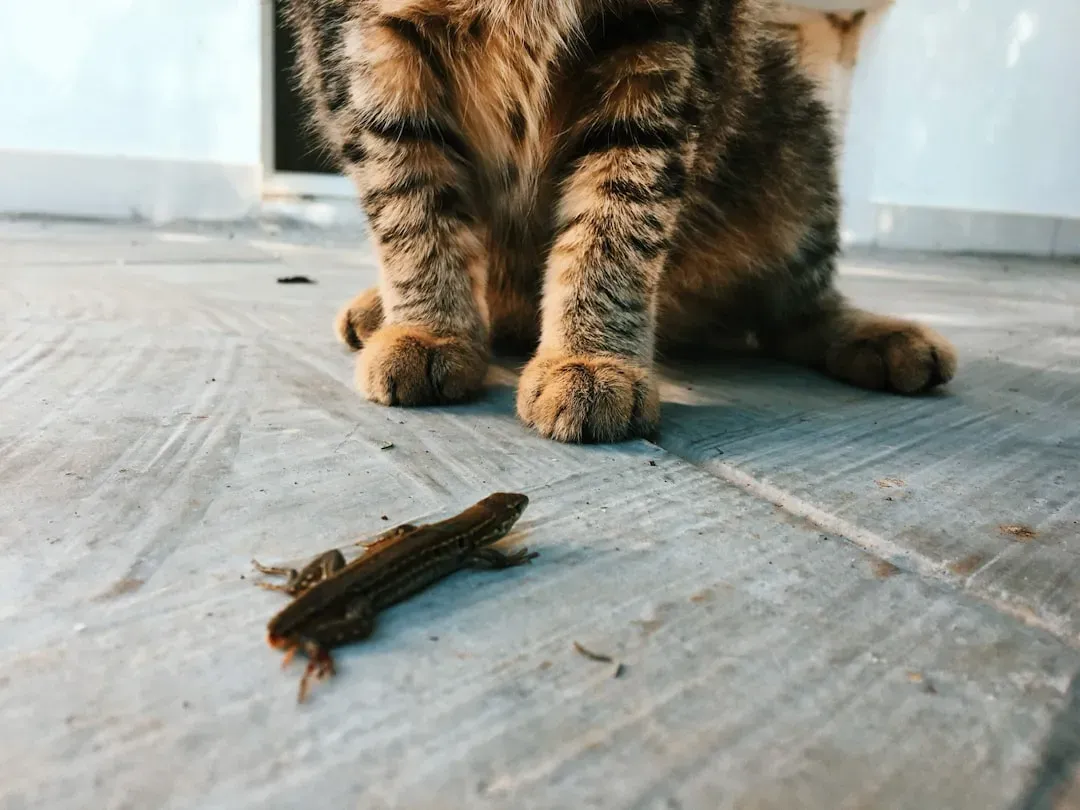
Nothing says “I adore you” quite like a dead mouse on your kitchen floor at 6 a.m. I know, I know – it’s horrifying. But before you recoil in disgust, consider what’s actually happening here. While it might be unpleasant to find a dead mouse or bird at your doorstep, this behavior is a sign of love and trust from your cat. In the wild, cats bring prey to their families. By bringing you gifts, your cat is sharing its “hunt” with you, showing that they consider you part of their family.
Cats are hunters at heart, and sometimes a cat that catches a mouse or insect will bring the remains back to their humans as a gift. Though this may turn your stomach, it truly is a sign of love and pride. Your cat wants to reward you for your love. Cats will also do this with their favorite toys if they don’t have the option to hunt live prey. So if your indoor cat drops a crinkle ball at your feet, know it carries exactly the same emotional weight as that unfortunate outdoor offering. Cherish it – then discretely dispose of it.
Conclusion: Your Cat Loves You More Than You Think
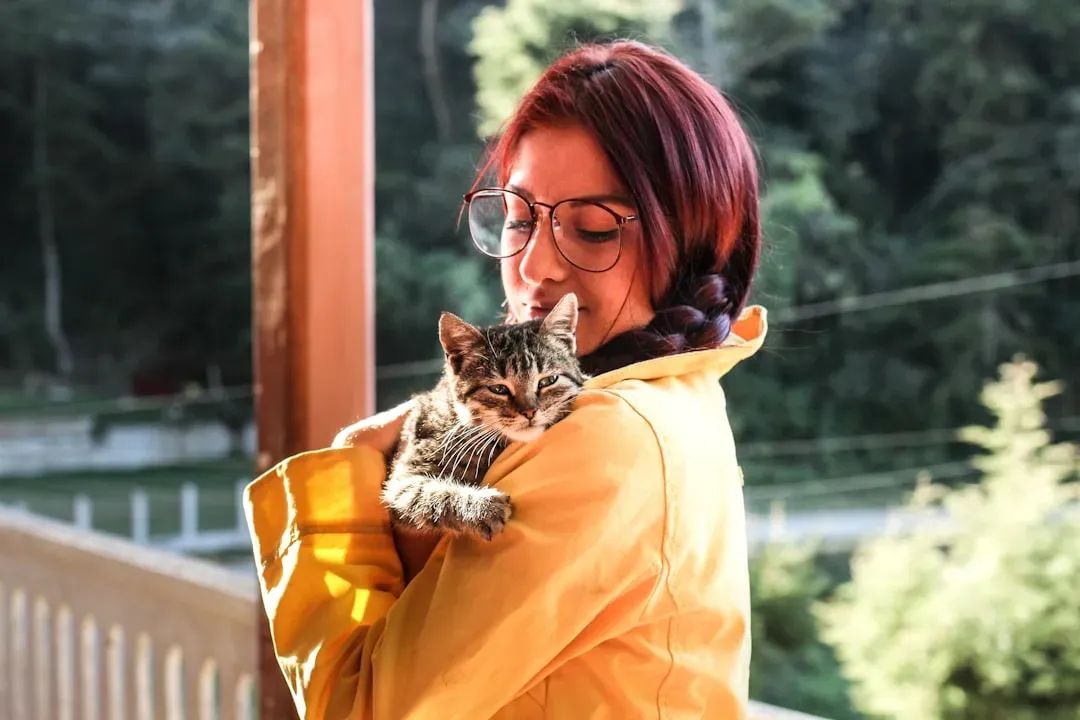
Here’s the thing about cats – they didn’t evolve to be demonstrative. Cats didn’t evolve to rely on social groups in the same way dogs did, and that history still shapes how they express affection today. Domestic cats descend from largely solitary hunters. While they can form strong social bonds, they don’t depend on constant interaction. As a result, feline affection is often more selective and understated.
That’s what makes it so meaningful. When a cat chooses to slow-blink at you, follow you around, or fall asleep curled against your legs, it’s not accidental. Cats tend to form close bonds with a small number of individuals rather than spreading affection widely. If your cat shows you specific behaviors they don’t offer to others, that’s often a sign you are one of their chosen few.
You’ve been chosen. And honestly, for a creature as discerning as a cat, that might be the highest compliment in existence. So the next time your cat stares at you across the room and slowly blinks, blink right back. You’ve earned it. Did you already recognize some of these signs in your own cat? Tell us in the comments – we’d love to know which ones surprised you most.
Kristina is a young writer from India. An arts graduate and an avid content creator, Kristina is passionate about animals and wildlife. She enjoys exploring topics related to pet care, animal behavior, conservation, and nature, combining thorough research with engaging storytelling.