Cats have lived alongside humans for thousands of years. You’d think by now we’d have them figured out. Honestly, though, the opposite seems true. Despite being one of the world’s most popular pets, cats remain shrouded in misconceptions so persistent that even experienced owners repeat them without blinking.
Some of these myths are harmless. Others, however, can seriously compromise your cat’s health, happiness, and quality of life. Whether you’re a first-time owner or a seasoned cat lover, there’s a good chance at least one of these beliefs has crossed your mind. Let’s set the record straight once and for all.
Myth 1: Cats Are Aloof and Don’t Bond With People

Here’s one that frustrates cat lovers everywhere. You’ve probably heard someone say, “Dogs have owners, cats have staff.” Cute joke. Wrong science. While cats may have a reputation for being indifferent and standoffish, cats bond with their people, often just as much as dogs do. Studies show that most cats create strong attachments to their guardians and experience feelings of comfort and safety by being around them.
Cats show their love in many ways, like purring, kneading, slow blinking, rubbing up against your legs, and following you from room to room. Each cat is unique, so even if your feline friend isn’t a lap cat, they may show you affection in a different way. Think of it like the introverted friend who doesn’t hug at every hello but shows up consistently when it matters. That’s your cat, basically.
Myth 2: Purring Always Means Your Cat Is Happy
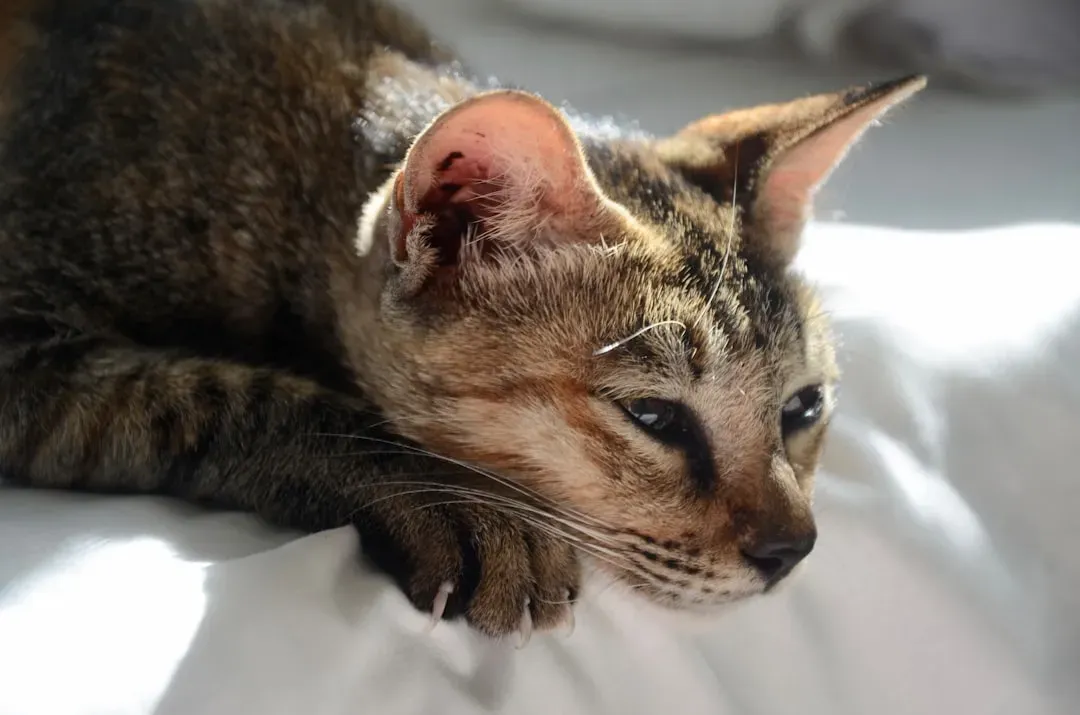
This is probably the most misunderstood thing about cat communication, and getting it wrong can actually cost you. Yes, a cat curled up next to you purring while you scratch their ears is almost certainly in bliss. It’s common knowledge that purring indicates a happy, content kitty. However, the truth is more complex. While cats do purr when they’re relaxed and comfortable, they also purr to self-soothe when stressed, sick, or in pain.
While cats definitely purr when they are happy, they also purr when they feel sick, are in pain, or are afraid. While we don’t know entirely why this happens, one theory is that the frequencies that cats purr are healing and help the cat feel less pain. So if your cat is purring but also hiding, not eating, or breathing oddly, don’t assume they’re just content. Take a closer look, and if in doubt, call your vet.
Myth 3: Cats Are Nocturnal
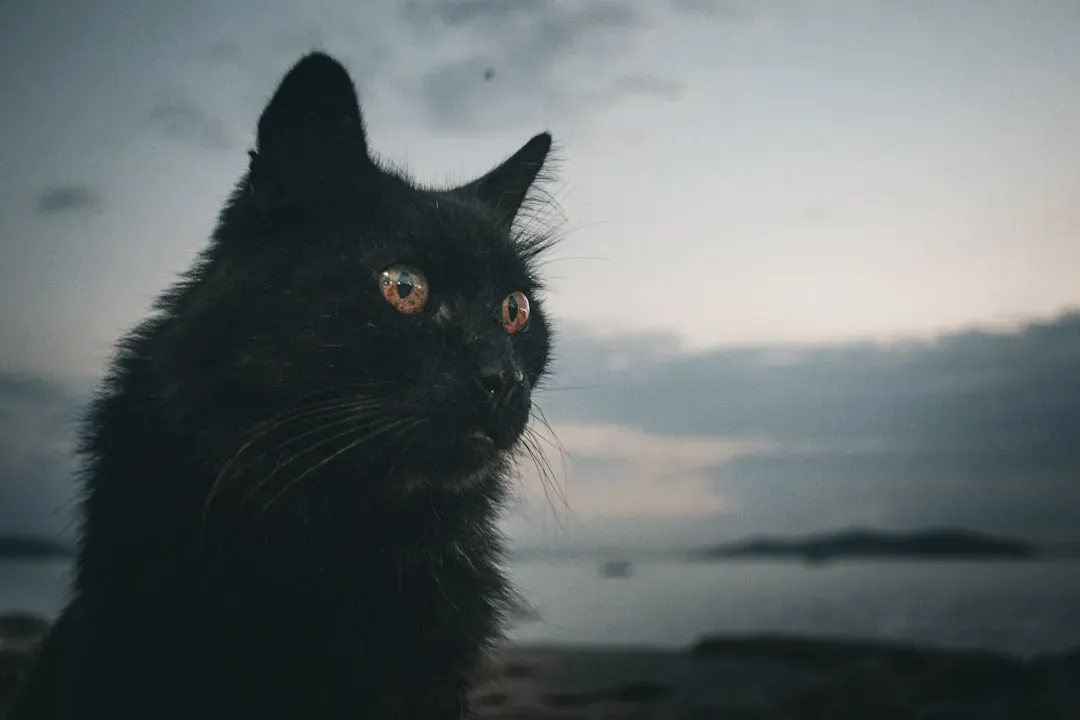
You’ve probably blamed your cat for waking you up at 3 AM and decided they must be nocturnal night creatures. It feels logical, right? The pouncing at midnight, the racing through the hallway. Cats are not nocturnal. Cats are actually crepuscular, which means they are most awake at dusk and dawn. The difference matters more than you’d think.
The truth is cats are crepuscular, which is just a fancy way of saying they are most active at dusk and dawn. If your cat is keeping you up at night, try increasing play time with your cat at these times and see if that doesn’t help reset your cat’s circadian rhythms. A solid play session at dusk can be the difference between a full night’s sleep and feeling like you share a home with a tiny stampede.
Myth 4: Cats Always Land on Their Feet

Let’s be real, this myth has probably given some owners a false sense of security. Yes, cats are extraordinary acrobats with something called a righting reflex. The misconception that cats always land on their feet may be thanks to a cat’s righting reflex, an internal balancing system, combined with very flexible backbones, which allows them to twist their body the right way midfall. However, these systems are not foolproof, and during a short fall, a cat may not have enough time to react, resulting in a clumsy fall.
Cats are very agile creatures, but the truth is they can really hurt themselves if they fall the wrong way. As the Animal Medical Center notes, veterinarians use the term “high-rise syndrome” to describe cat injuries sustained from falls, including sprains, bone fractures, and even respiratory issues. Contrary to popular belief, cats are more apt to be injured from low heights than high because they don’t have time to turn or twist their bodies into the necessary position for a safe landing. So no, you can’t just leave every window open and assume your cat will be fine.
Myth 5: Cats Love Drinking Milk

Ah, the classic image of a fluffy cat lapping milk from a little saucer. It’s in cartoons, children’s books, old paintings. It’s also a terrible idea in reality. This myth originated from feeding orphaned kittens cow’s milk. While kittens can digest cow’s milk, cats lose the enzyme necessary to digest milk as they age and become naturally lactose intolerant. Feeding a cat milk does not provide the right nutrients and may cause diarrhea or vomiting.
Think of it this way: you wouldn’t feed an adult with lactose intolerance a big glass of milk just because babies drink it, right? Same logic applies here. Some cats do love milk, but many don’t. That also doesn’t mean they should. A lot of cats happen to be lactose intolerant. When cats wean off their mother’s milk, they typically lose the ability to digest milk. Fresh water is always the best option, every single time.
Myth 6: Cats Can See Perfectly in Complete Darkness

You’ve seen those glowing eyes in the dark and naturally assumed your cat has superhero night vision. It’s one of those myths that feels true because it’s partially true. There’s no doubt that cats have incredibly sharp vision and can see well in low-light situations. But low light doesn’t mean no light. When things are completely dark, cats can’t see. This is why outdoor cats typically hunt at dusk and dawn. There’s not as much light, which helps them stay hidden, but there’s enough light that still allows them to see well.
The construction of cats’ eyes allows them to see well in low light. Cats only need 1/6 of the light humans do to decipher shapes. However, they cannot see in absolute darkness. So your cat’s gift is extraordinary low-light sensitivity, not total darkness superpower. There’s a meaningful difference, and understanding it helps you appreciate just how remarkable their eyes actually are.
Myth 7: Declawing Is Like Trimming Fingernails
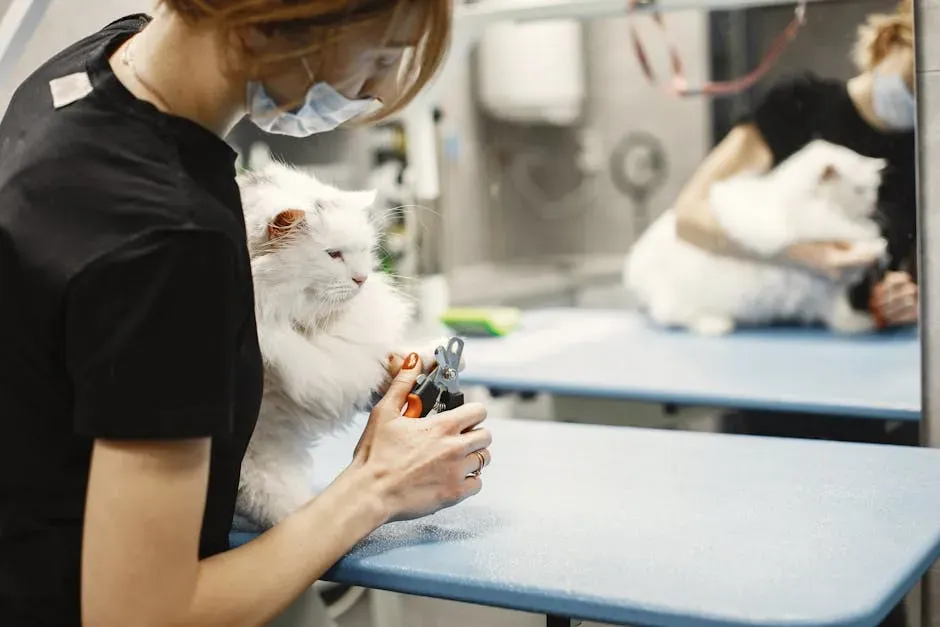
This might be the most genuinely harmful myth on this entire list. The number of cats who have suffered because of this misconception is heartbreaking, and I think it’s worth being blunt about it. Some people are under the impression that declawing a cat doesn’t hurt any more than trimming fingernails, but this is a grave misconception. Declawing is a surgical procedure done under anesthesia, and involves amputating the third digit, which contains the nail. Many cats go on to develop chronic pain from arthritis, and many cats develop aggression because of this pain.
Declawing is a surgical procedure that would be the equivalent of amputating your fingers at the knuckles closest to the fingertips. Unless a vet recommends the procedure for a medical reason, you should never declaw your cat, as it leads to long-term pain that your cat will have to deal with for the rest of their life, as well as potentially long-term behavioral issues. There are humane alternatives including scratching posts, nail caps, and regular trimming that protect both your furniture and your cat’s wellbeing.
Myth 8: Cats Are Not Trainable
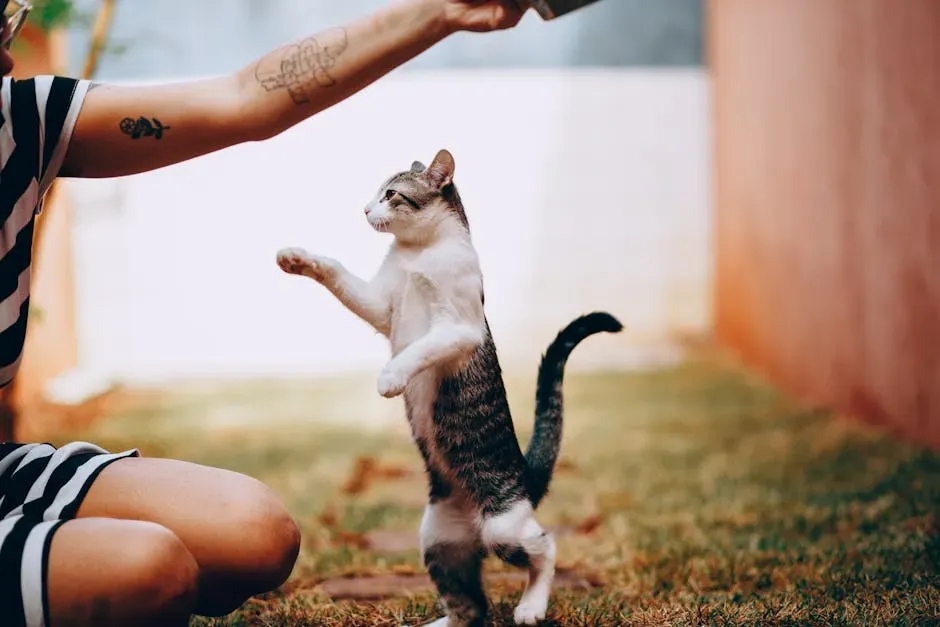
Dogs sit, shake paws, roll over. Cats, supposedly, just ignore you. This outdated thinking has kept generations of owners from engaging their cats in meaningful ways, and it’s simply not backed by science. Think only dogs can be trained? Think again. With some patience and positive reinforcement, your kitty can learn all sorts of tricks and good manners. Just like with dogs, short, fun training sessions work best. When your cat displays the behavior you ask for, reward them with a treat or toy, and be sure to end your training session on a high note.
Greater recognition that cats are trainable and have the capacity to learn and problem solve within their environments can lead to increased opportunities for positive human-cat interactions such as bonding, low-stress handling, and cooperative care, and can facilitate greater access to space through leash training or the ability to visit environments outside the home. Cats aren’t stubborn. They just need the right motivation. Honestly, doesn’t that sound familiar?
Myth 9: Cats and Dogs Can Never Get Along
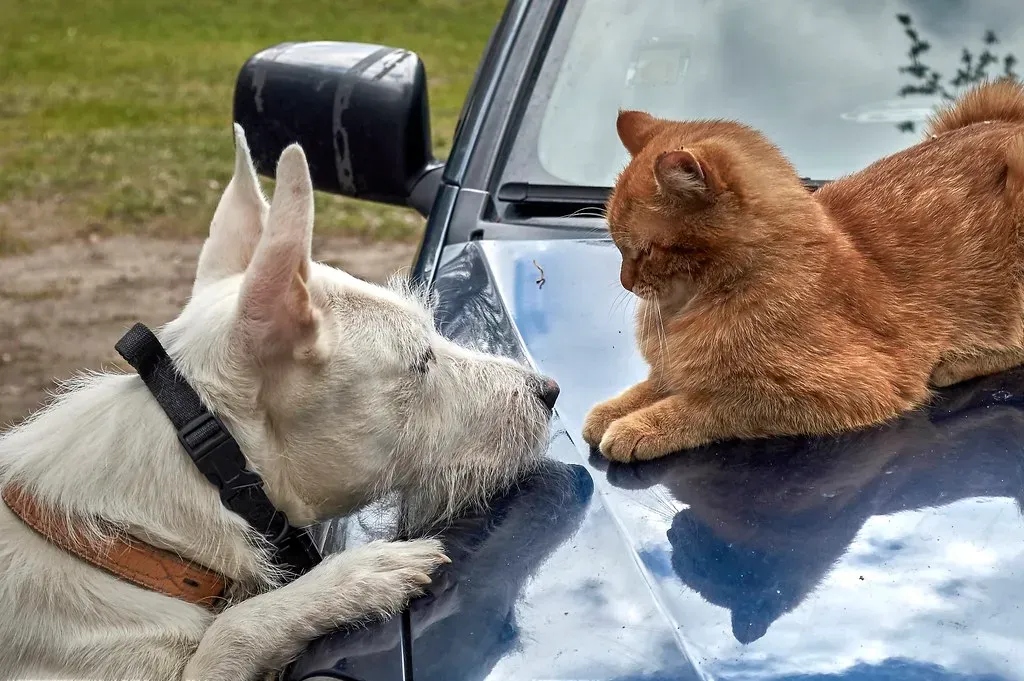
You’ve seen the cartoons. The dog chases the cat, chaos ensues, everyone laughs. Reality is a lot less dramatic. One of the big myths about caring for cats is that they can’t live with dogs. Sometimes cats and dogs don’t get along, but it’s the same as two humans not getting along. It’s all about knowing how to communicate with one another. Cats and dogs can easily get along as long as we help them communicate and co-exist safely.
Think of bringing a cat and dog together like introducing two strangers with very different communication styles. One might wag their tail to say hello while the other sees a raised tail as a warning. Slow, supervised introductions, separate feeding zones, and patience go a very long way. Most of the time, with their extreme agility, cats are quite crafty at maneuvering from point A to point B. Many cats crave connection; some may prefer their favorite people while others are excited to meet everyone. Multi-pet households can absolutely thrive.
Myth 10: Black Cats Bring Bad Luck
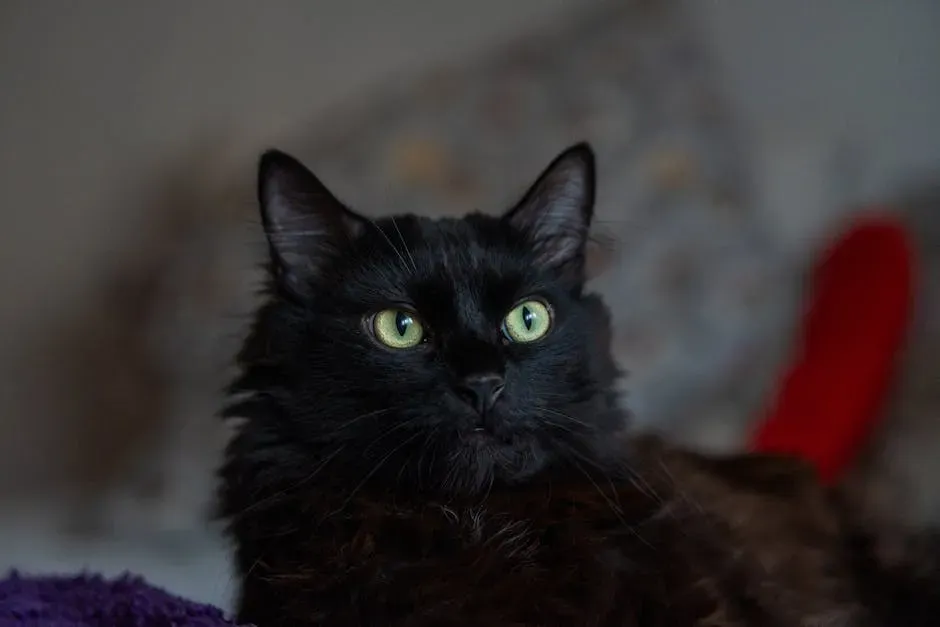
Few myths have caused as much real-world harm as this one. Black cats have been the subject of myth and folklore for centuries. Their long history with people remained mostly positive until the hysteria surrounding witches began. Cats were cared for by single women who were then accused of witchcraft. People believed that these cats were helping witches with their evil deeds. They also believed that black cats were witches in disguise.
Sadly, unwanted and abandoned black cats are notoriously difficult to rehome thanks to superstition and myth. In reality, the only supernatural powers that black cats possess are ones of unconditional love and affection, just like any other cat. It’s worth noting that black cats are unfairly portrayed in stories and movies as being bad luck, but in places including Britain, Japan, Ireland, and Germany, encountering a black cat on your travels can be considered a good thing. Their coat color has zero influence on their luck, their temperament, or your fate.
Myth 11: Pregnant Women Must Get Rid of Their Cats
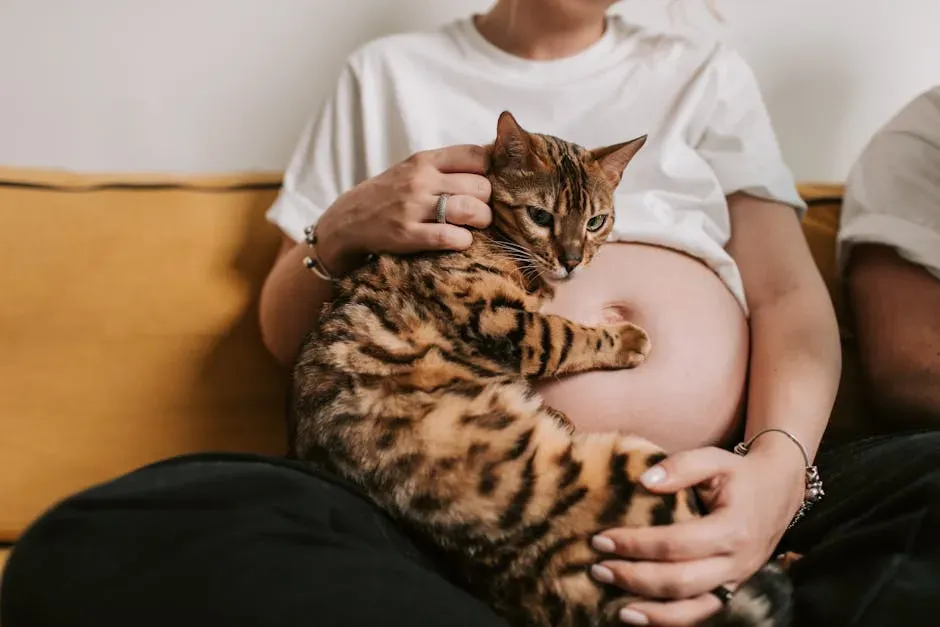
This one causes real anxiety for expecting cat owners, and while there is a kernel of truth underneath it, the full picture is far less alarming than the myth suggests. Pregnancy and cats aren’t entirely in the green, as toxoplasmosis is a risk for fetuses, though a woman is more likely to catch it from handling raw meat or digging in the garden than from her cats. Yes, read that again.
Cat guardians can protect themselves from cat-related exposure by emptying the litter box daily, having someone else clean the litter box, or wearing rubber gloves and a mask if the litter box task can’t be given to anyone else. The litter box should also be changed daily, as toxoplasma isn’t infectious until one to five days after the feces is shed. With simple precautions, there’s no reason to separate a mother from her beloved cat. Always consult your doctor for personal medical guidance, of course.
Myth 12: Cats Are Completely Low-Maintenance Pets

This myth might be the reason so many cats end up understimulated, overweight, and lonely. Compared to dogs, cats might seem effortless. No daily walks, no barking at the mailman. But the idea that they need almost nothing from you is flat-out wrong. Cats need regular veterinary care, mental stimulation, proper diet, dental health, and emotional security. They may be independent, but they are far from “maintenance-free.”
There is a critical need for more research on best practices in cat care, welfare, behavior, and health outcomes. While overcoming long-held public misperceptions about the needs, health, and behavior of a species may not be an easy task, supporting cat welfare requires that we face this challenge head-on. Your cat needs play, enrichment, social interaction, and regular vet checkups just as much as any dog does. The “low maintenance” label has probably done more damage to feline welfare than any other myth on this list.
Conclusion: Your Cat Deserves Better Than Old Myths

Understanding your cat isn’t just an interesting exercise. It genuinely changes how you care for them, and by extension, changes their quality of life. Myths that seem harmless on the surface, like thinking a purring cat is always happy or that declawing is no big deal, can lead to missed warning signs and real suffering.
The good news is that the truth about cats is far more fascinating than any myth. They bond deeply, communicate richly, and can learn, adapt, and thrive when given the right environment and attention. You don’t need to believe old folklore to appreciate just how remarkable these animals are.
So the next time someone tells you black cats are bad luck or that cats don’t really care about their owners, you’ll know exactly what to say. Which of these myths surprised you the most? Drop your thoughts in the comments below.
Kristina is a young writer from India. An arts graduate and an avid content creator, Kristina is passionate about animals and wildlife. She enjoys exploring topics related to pet care, animal behavior, conservation, and nature, combining thorough research with engaging storytelling.