Picture this: you’re walking barefoot to the kitchen at seven in the morning, still half asleep, when your foot lands on something cold, soft, and very, very dead. Your cat is sitting nearby, tail curled, looking genuinely pleased with itself. Sound familiar? If you share a home with a cat, there’s a solid chance you’ve been on the receiving end of one of these mysterious “presents.”
It turns out, your cat isn’t being morbid or weird. Far from it. This quirky little ritual is packed with meaning, and once you understand what’s really going on behind those amber eyes, you’ll see your cat in a completely different light. From ancient survival instincts to deeply felt emotional bonds, there’s a whole world of fascinating feline psychology wrapped up in that slightly horrifying delivery. Let’s dive in.
Your Cat Is Wired to Hunt – Even on a Full Stomach
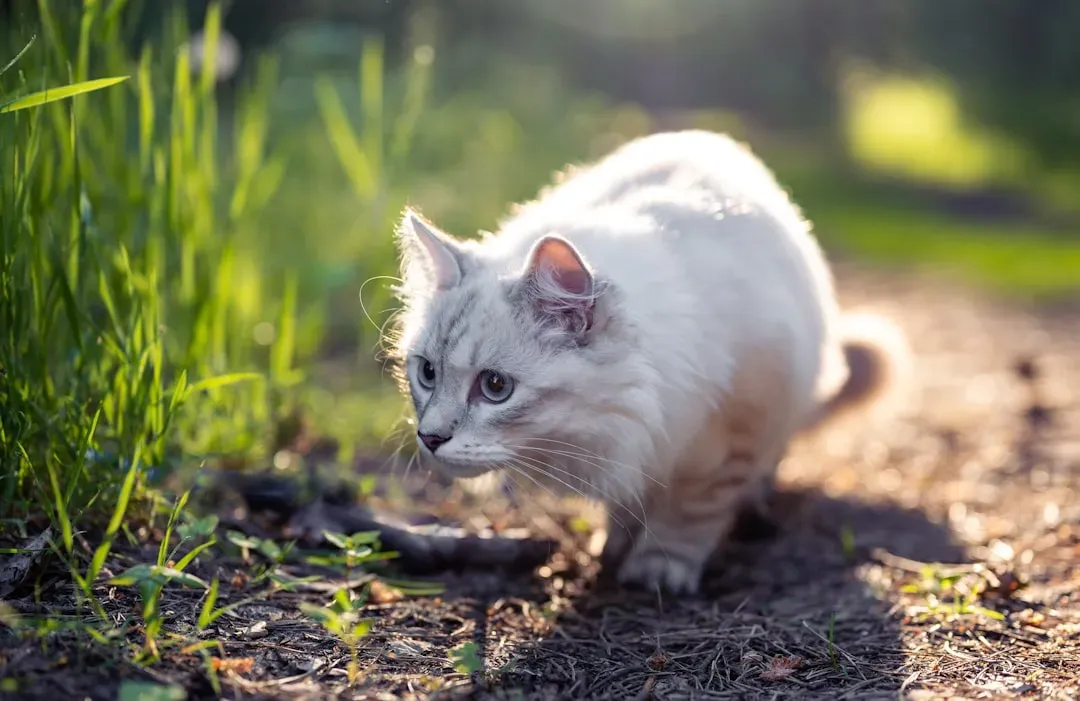
Here’s the thing that surprises most people: your cat doesn’t bring you dead mice because it’s hungry. This hunting behavior is usually not driven by hunger at all. Domestic cats are, by nature, among the most proficient hunters on the planet, and even when they no longer rely on hunting for survival, they retain a powerful prey drive inherited from their wild ancestors.
Cats have evolved to be opportunistic feeders, meaning they change their activity patterns depending on food availability. If the opportunity to hunt presents itself, they’ll go for it regardless of whether they’re hungry or not. Think of it like a seasoned chef who still cooks elaborate meals even on their day off – the impulse runs deeper than necessity.
Along with the urge to procreate and defend their territory, the hunting instinct is one of the most distinctive behavioral patterns in cats. The desire to hunt is not governed by hormones and therefore does not diminish even after neutering. So yes, your spayed indoor cat who has never missed a meal is still very much a hunter at heart.
It’s a Sign of Deep Trust and Affection
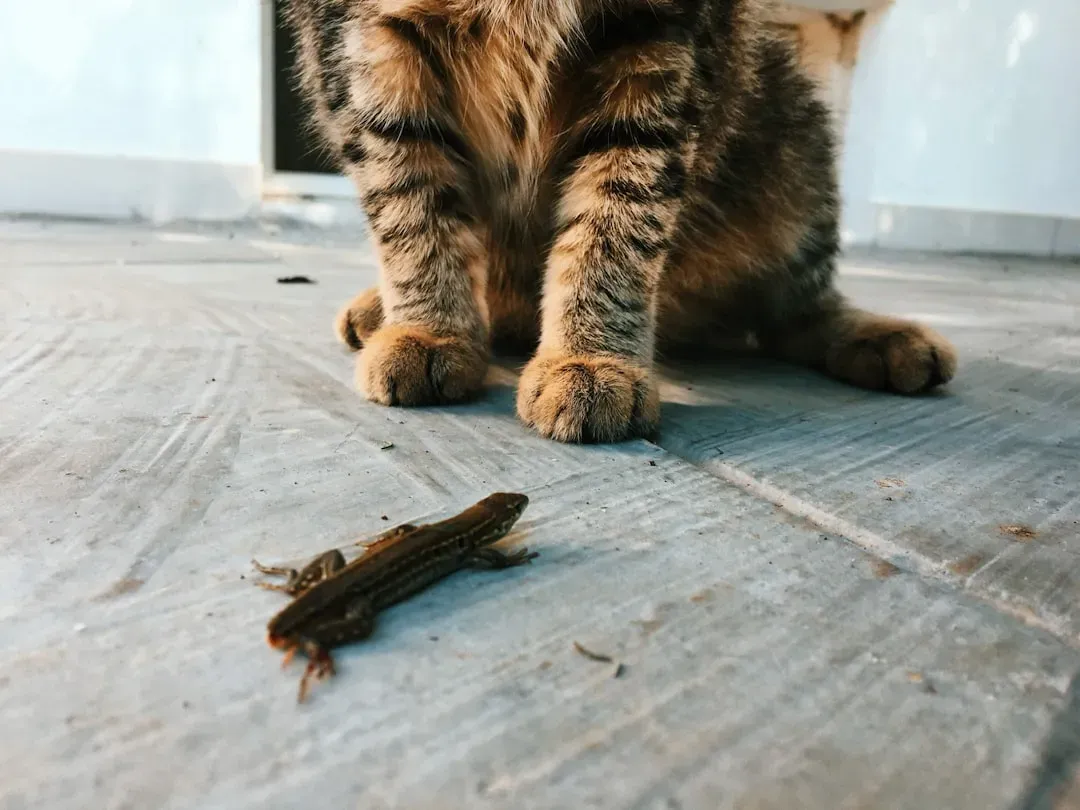
You might find it hard to feel touched when confronted with a disemboweled sparrow on your doorstep, but honestly – try. When your cat brings you a gift, it signifies affection and trust. Cats are social animals and form strong bonds with their owners. Your cat is showing that it loves and trusts you by bringing you a gift, and it also signals that your cat sees you as part of its family and wants to provide for you, just as it would for its young in the wild.
In human terms, giving gifts often reflects love, gratitude, or appreciation. For cats, presenting a toy or prey to you may have similar meaning. They’re showing you belong to their inner circle – that they trust you, and they feel safe with you. By offering something prized, they’re saying you matter. It’s a love language. Just a very unconventional one.
Your Cat May Be Trying to Teach You How to Survive
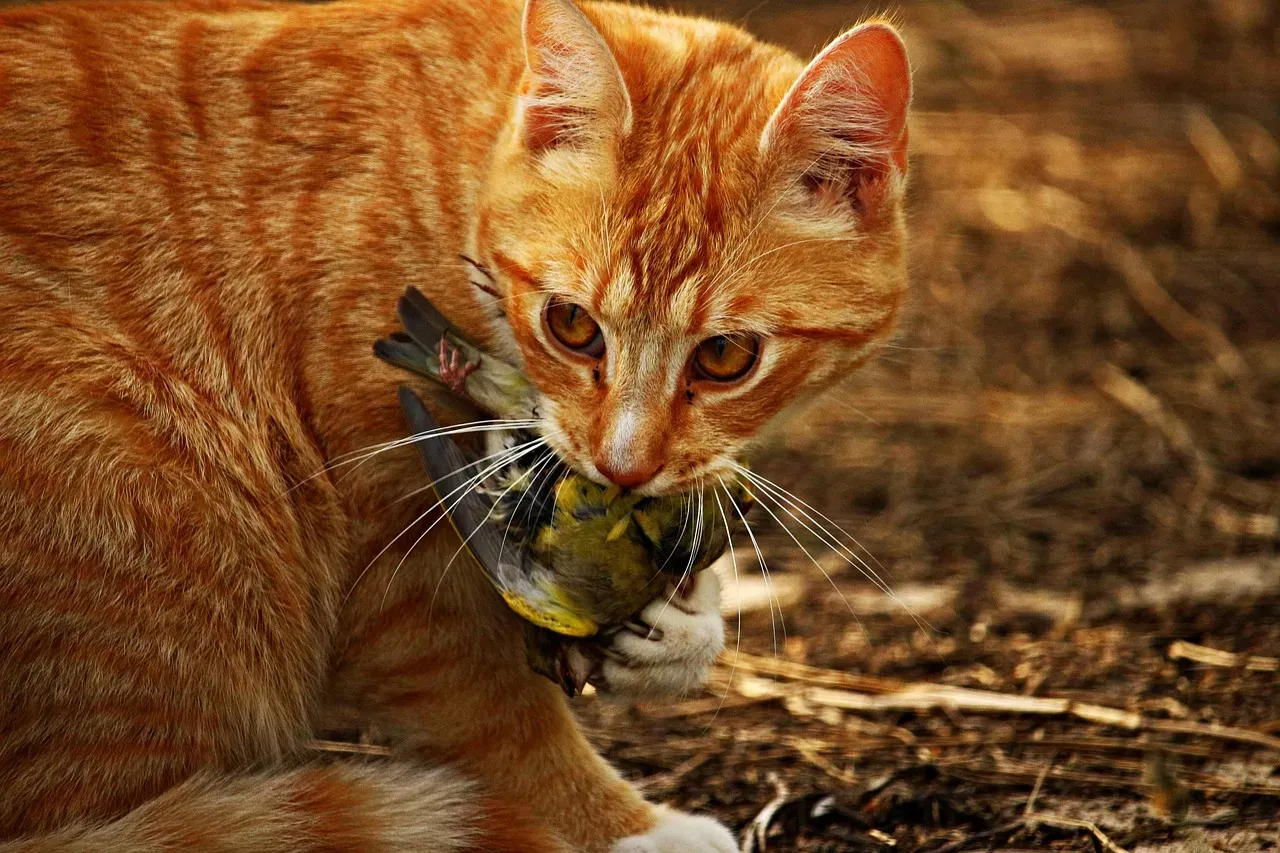
I know it sounds crazy, but your cat might genuinely think you’re hopeless at feeding yourself. When cat cubs are small, the mother brings prey to her offspring. As the young cats get older and gain skills, they hunt with their mother, learning as they go. One theory suggests that cats with no young still naturally want to pass on their hunting skills. Since you are their family and clearly a very poor hunter from their perspective, they may be trying to help train you.
In the wild, mother cats would teach their kittens how to survive, which included finding food and eating it. Even in a litter of tiny kittens, you can see them practicing their stalking, pouncing, and killing behaviors. With spaying and neutering becoming the norm, pets often have no offspring to pass their hunting knowledge down to, but the natural inbuilt instinct to teach remains strong. So the next time a dead bird appears on your pillow, remember: your cat is just being a very dedicated professor.
Your Home Is Considered a Safe Zone
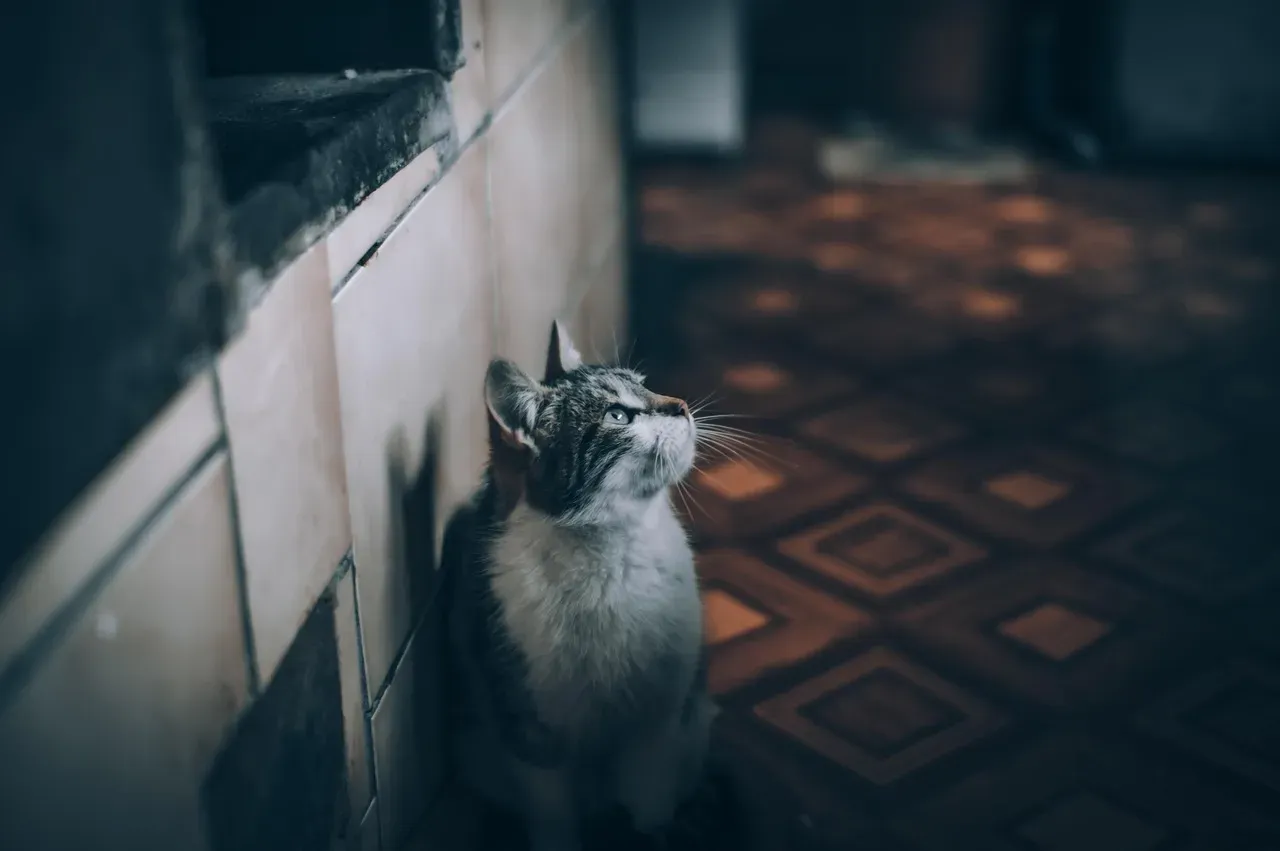
There are a few theories about why cats bring their prey back home. One is that your cat has an instinct to bring prey back to a safe environment to guard it from other predators that may want to steal it. Take it as a compliment – your cat feels safe and secure in the home you’ve made for them.
It is now thought that cats quite simply prefer to bring their prey back to their core territory where it is safer to eat it – or store it for a bit later. Your living room, in your cat’s mind, is essentially a private fortress with excellent security. This instinct to secure prey in a safe spot also explains why stray cats sometimes bring dead animals to the doorway of a trusted human, as they often drag their kill to a temporary, safe shelter. Your cat isn’t just showing love. It’s also being strategically smart.
Female Cats Do This More Often – Here’s Why
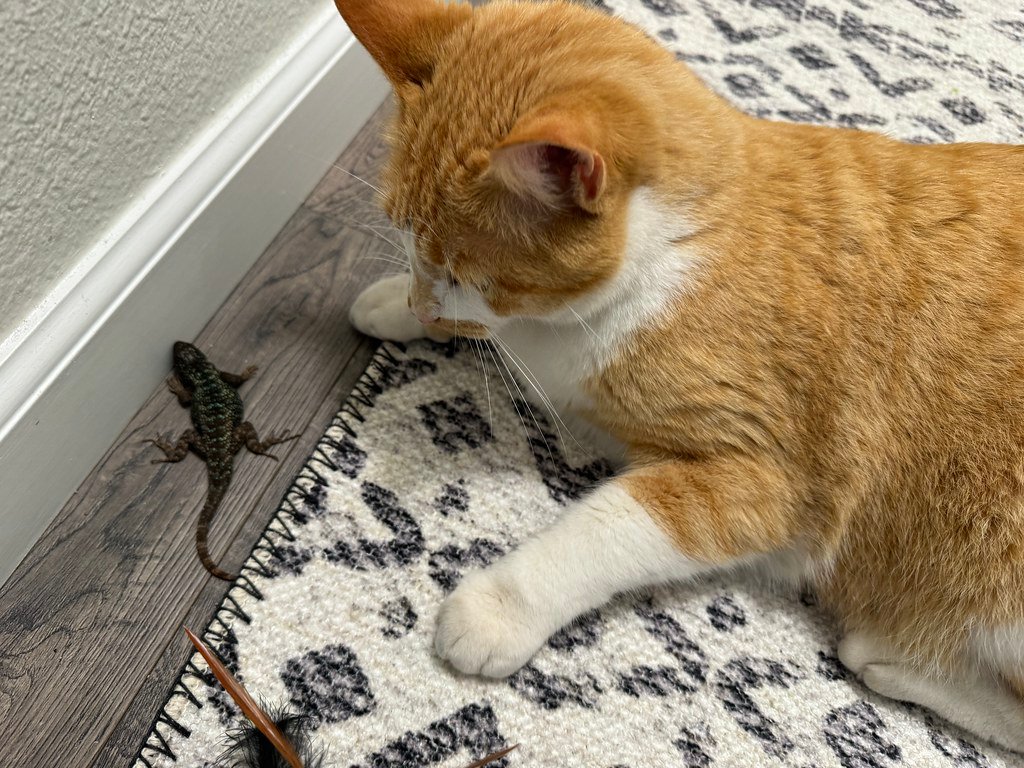
Female cats typically bring gifts more frequently due to their stronger maternal instincts. This behavior mirrors how mother cats teach their kittens hunting skills in the wild. It’s an extension of nurturing behavior, even when there are no kittens present to nurture.
Female cats in particular may display maternal instincts by bringing toys or prey to their human caregivers. This behavior is an extension of their nurturing nature and is often seen as a way to care for and protect their “kittens” – which, in a domestic setting, is you. It’s actually quite touching when you strip away the mess. Your cat has mentally cast you in the role of her precious offspring, and she is not going to let you go hungry on her watch.
It’s Not Always a Dead Animal – Toys Count Too
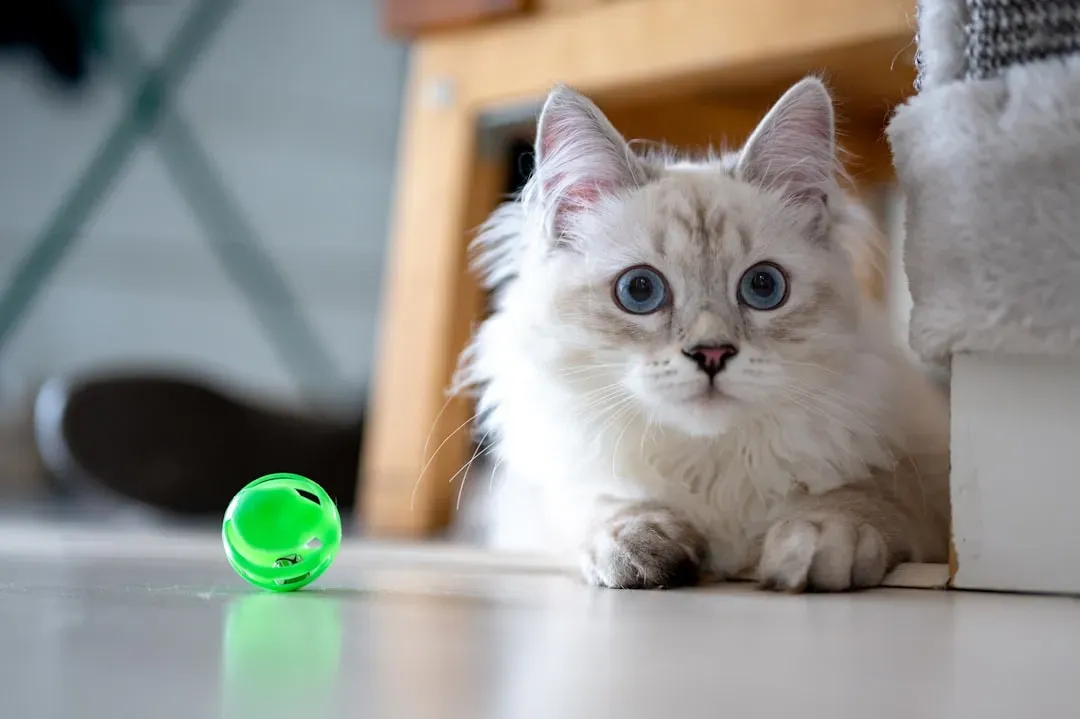
Not every gift is grisly. Not all cats bring dead animals to their owners. Some cats may bring toys, leaves, or other objects as gifts. This behavior is not limited to cats that hunt, as even indoor cats can exhibit it. If your indoor cat regularly drops a stuffed mouse at your feet, she’s expressing the exact same emotional impulse as her outdoor counterpart dragging home a real one.
When your cat picks up a toy and brings it to you, they may be reenacting the ancient hunting ritual: catch, capture, deliver. By treating that toy as “prey” and presenting it to you, your cat could be offering a symbolic trophy, a sign of success and skill shared with someone they trust. This behavior echoes how mother cats in the wild bring prey to their kittens, and by doing so, domesticated cats may be inviting you into their inner circle. Sweet, right? Even if the “prey” is a crinkle ball covered in drool.
Sometimes Your Cat Is Simply Bored or Seeking Attention
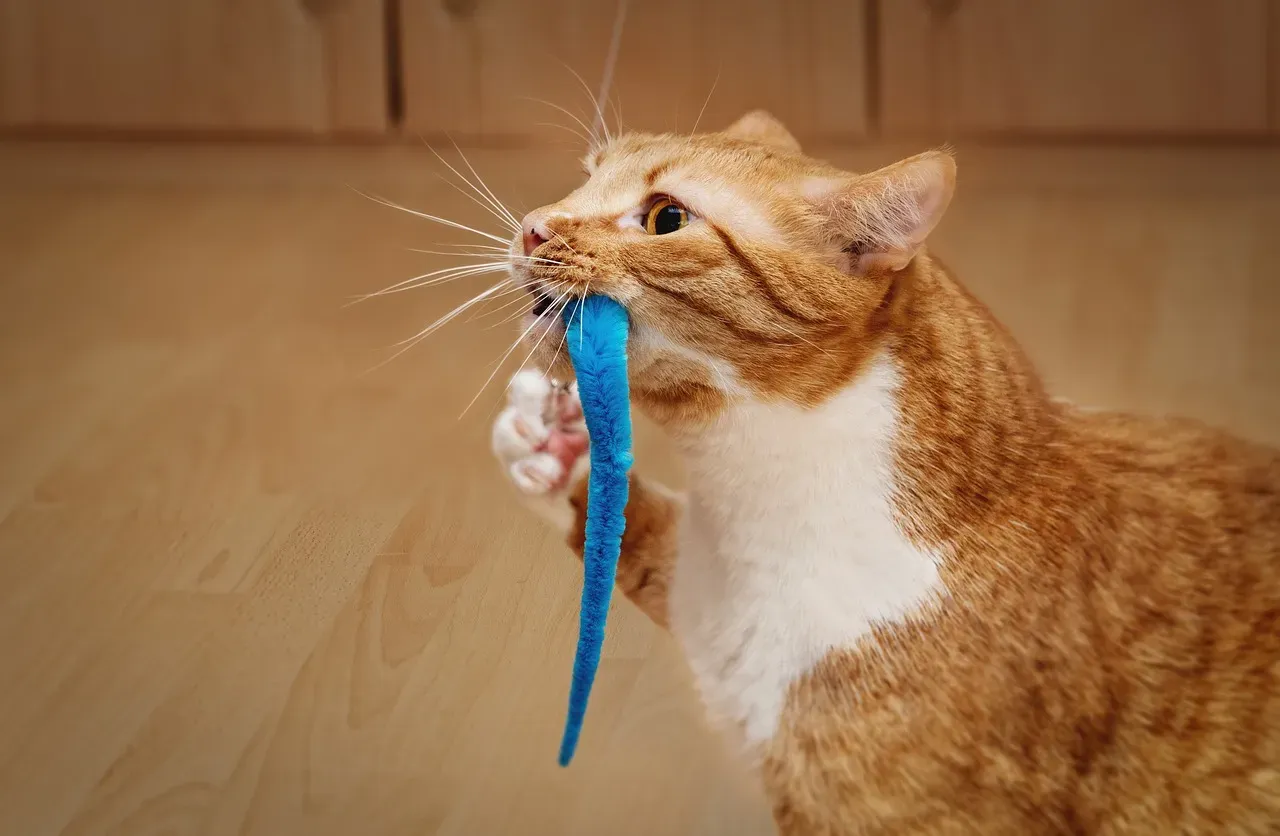
Let’s be real – not every gift delivery is a profound emotional statement. Sometimes your cat is just restless. Cats are natural predators even when living indoors, and without a wild environment to roam and hunt, their energy and instincts still seek an outlet. If a cat doesn’t get enough stimulation, it might bring you toys to express restlessness or boredom. They’re not being cheeky – they’re trying to meet a psychological need. By offering up a toy and vocalizing, they might be saying, “It’s time for action.”
Bringing toys to their owners is one way that cats communicate their desire for attention and affection. By bringing toys, cats are seeking interaction and playtime with their owners. This behavior is especially common in cats that do not receive enough attention or playtime. Think of it as your cat sending you a very direct calendar invite for a play date. Declining is not really an option.
How You Should Respond When the ‘Gift’ Arrives
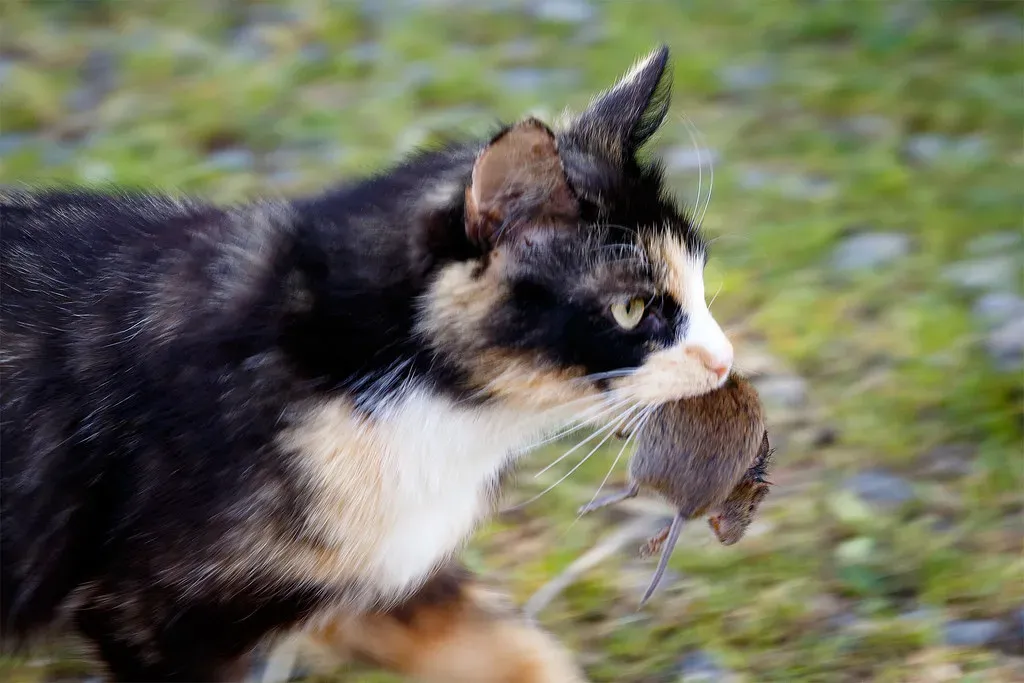
Your first instinct might be to scream, recoil, or lecture your cat. Resist all of that. While the sight of a dead mouse or bird may be unsettling, it’s important to remember that your cat is showing affection and trust by bringing you a gift. You should never punish your cat for this behavior, as it’s a natural instinct and a sign of love.
The most important rule is to never punish or yell at your cat. Hunting is a natural, instinctive behavior. Scolding them will not stop the hunting – it will only cause stress and confusion, potentially leading to other undesirable behaviors. Your cat will not understand what they did wrong; they only understand that their valued family member reacted negatively to a natural act. Instead, stay calm, acknowledge them with a gentle word or a soft stroke, and quietly take care of the situation. Try responding with gentle praise, a few loving pets, or a short play session. That simple recognition can reinforce your bond and honor your cat’s intentions.
How to Redirect the Behavior Without Hurting Your Bond

You can’t train the instinct out of your cat, but you can work with it. Redirecting your cat’s hunting instincts through frequent play is one of the most effective methods in helping to reduce or eliminate hunting behaviors. Play provides mental stimulation for your cat and helps to satisfy their hunting desires. Think of it as giving the hunter a new mission – one that doesn’t involve the local wildlife population.
Keeping cats indoors not only protects local wildlife but also redirects their hunting instincts toward toys and safer alternatives. Providing interactive toys and regular play sessions can help satisfy their hunting drive while strengthening your bond in a more controlled way. Meanwhile, putting a bell on your cat’s collar is one of the easiest ways to prevent many successful hunts. A bell will signal your cat’s approach to wildlife and give animals time to escape. Always make sure it’s a quick-release collar, though, so your cat won’t get stuck. Small adjustments, big difference.
Conclusion
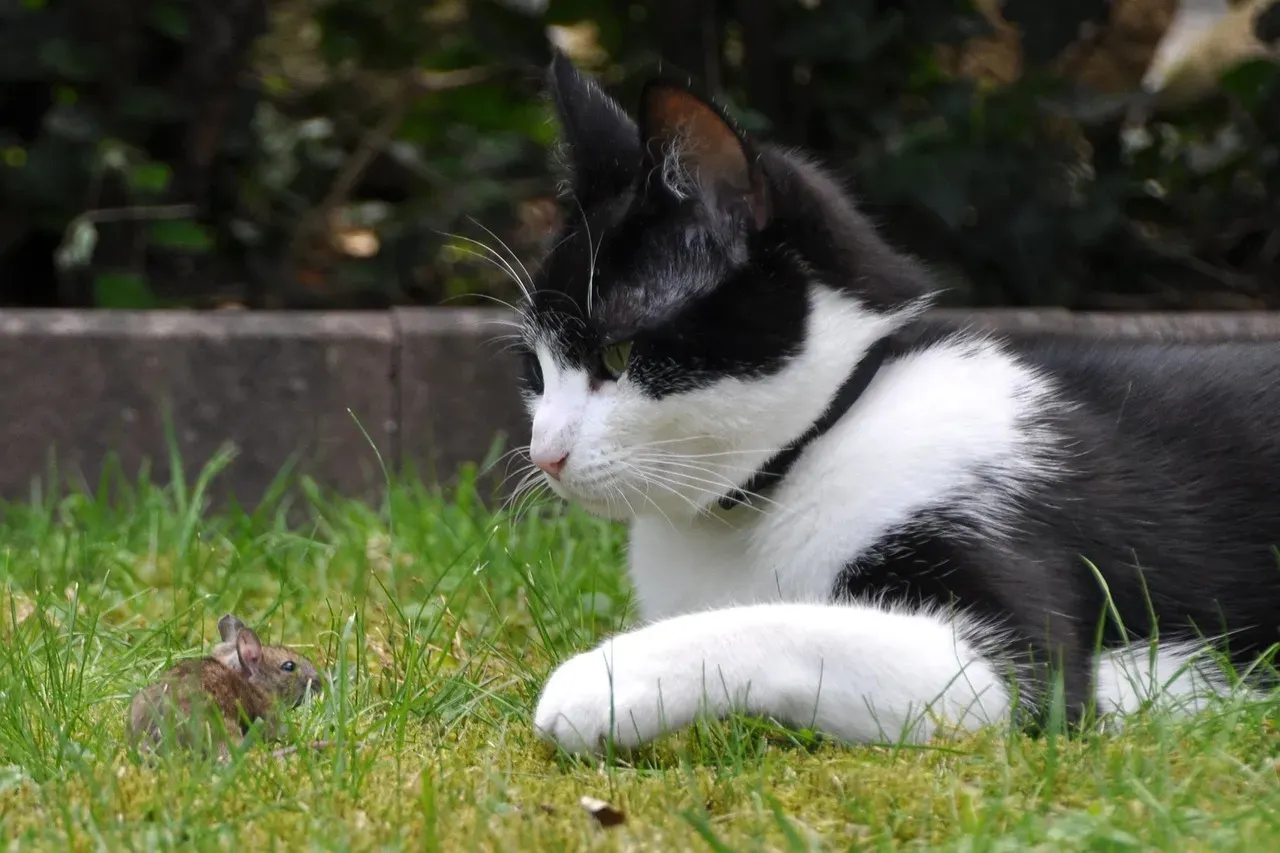
Your cat’s gift-giving ritual, strange and sometimes stomach-turning as it is, is one of the most honest expressions of love and belonging in the animal world. It speaks to a bond that stretches back thousands of years, to wild ancestors who hunted in groups and shared their catches with the ones they trusted most. When your cat drops something at your feet, it’s not random and it’s certainly not malicious. It’s a declaration – you are family, you are trusted, and you are worth providing for.
So the next time you find a slightly chewed toy mouse on your pillow at six in the morning, take a breath, suppress the shriek, and maybe appreciate the gesture. Your cat is, in the only way it knows how, telling you something pretty profound. Would you have ever guessed that one of the greatest compliments a cat can pay you looks exactly like that?
Kristina is a young writer from India. An arts graduate and an avid content creator, Kristina is passionate about animals and wildlife. She enjoys exploring topics related to pet care, animal behavior, conservation, and nature, combining thorough research with engaging storytelling.