There’s something undeniably magical about living with a cat who has opinions. You walk through the door after a long day, and before you’ve even taken off your shoes, there’s a sound – a chirp, a trill, a full-on dramatic yowl – waiting for you. Some cats are positively chatty. Others are more like the strong, silent type. Either way, your cat is communicating with you constantly, whether you realize it or not.
Honestly, most people think they know what their cat is saying. “She’s hungry.” “He wants out.” But cat communication is layers deeper than that. There’s an entire vocal world happening right in your living room, full of subtle pitches, emotional nuances, and sounds that scientists are still working to fully decode. Get ready to listen differently. Let’s dive in.
The Astonishing Range of Cat Vocalizations
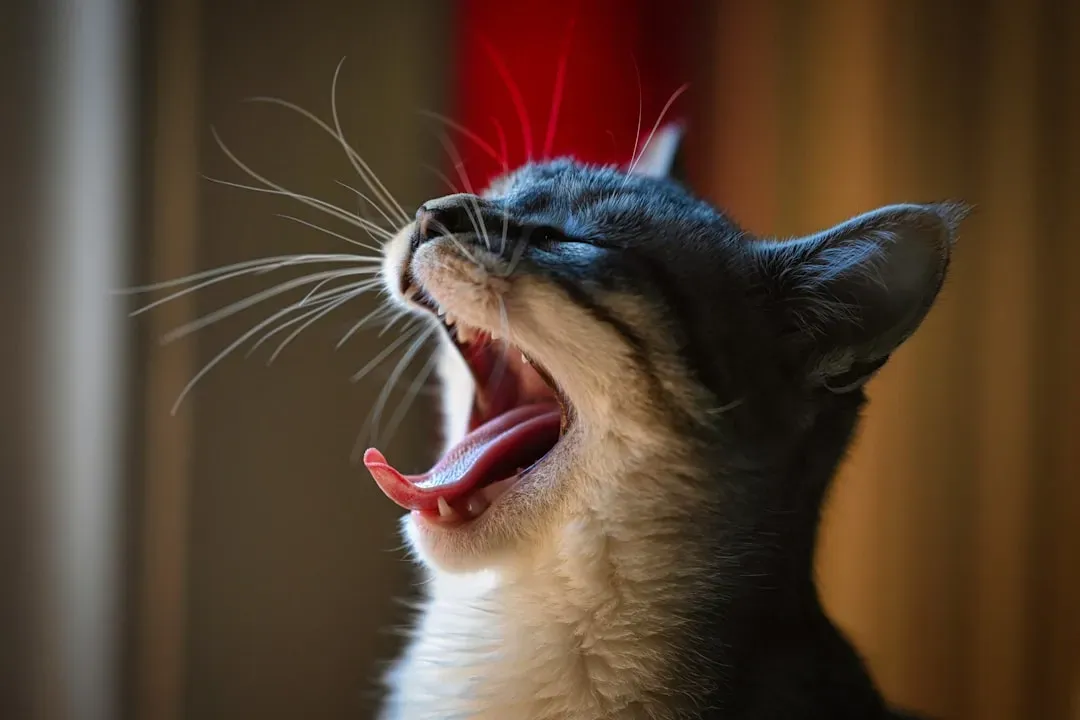
Here’s a fact that genuinely stunned me when I first came across it: like humans, cats have a vast vocabulary, and up to 21 different feline vocalizations have been described in scientific research – though their vocal repertoire probably contains even more. When you consider that most people can only name three or four cat sounds off the top of their head, that number is startling.
Next to birds, cats possess the widest range of vocalizations of any domestic pet. Though best known for their meows, purrs, hisses, and growls, the list of sounds they regularly make is more comprehensive than this – depending on the situation, your cat is capable of making many distinct utterances, with multiple nuanced variations of each. Think of it like a human language with dialects. Your cat isn’t just talking. Your cat is speaking a whole dialect designed specifically for you.
The Meow: A Sound Reserved Just for You
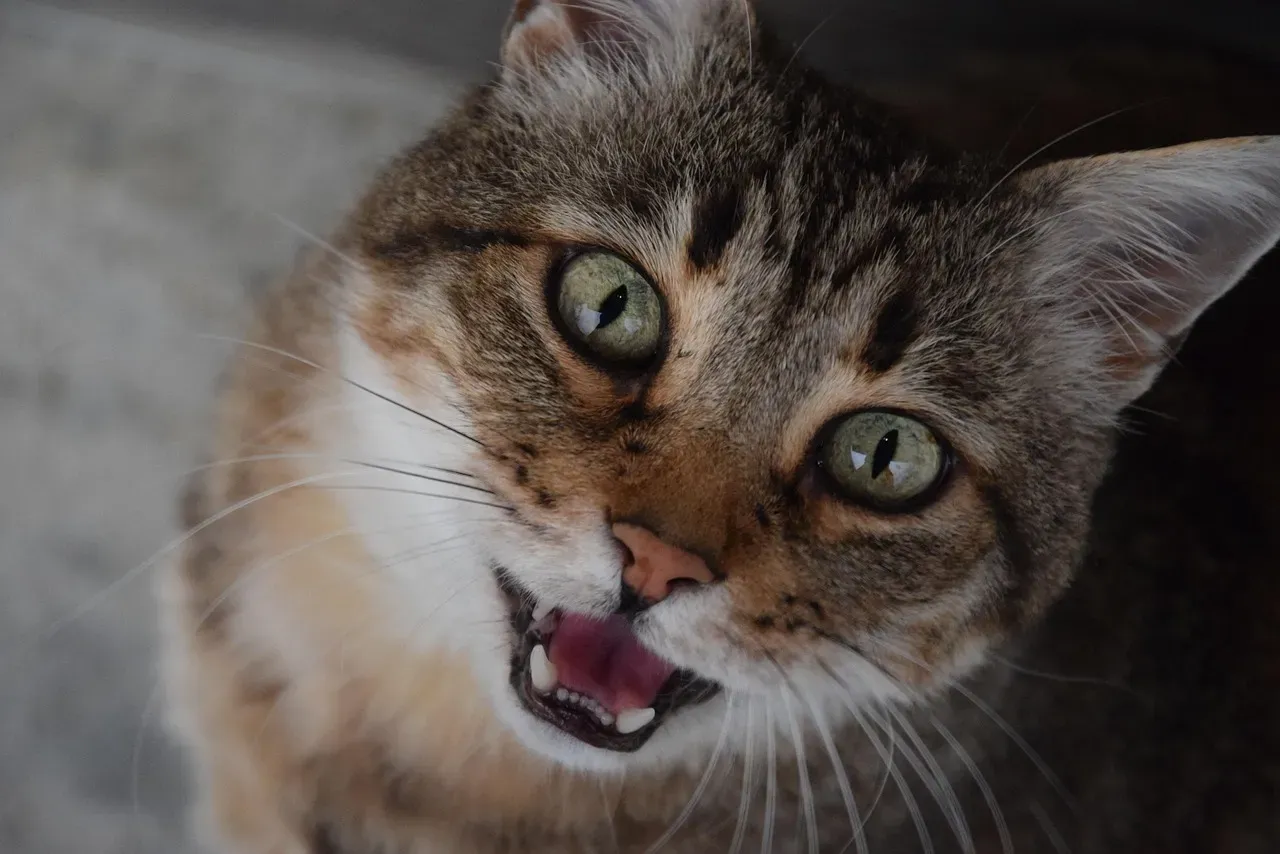
Here’s something that surprises nearly every cat owner when they first hear it: meowing is an interesting vocalization in that adult cats don’t actually meow at each other, just at people. Kittens meow to let their mother know they’re cold or hungry, but once they get a bit older, cats no longer meow to other cats – they continue to meow to people throughout their lives, probably because meowing gets people to do what they want. That’s right. The meow is basically a language invented just for human ears.
Cats have a broad range of vocabulary to communicate directly with their owners in different situations, shown by varying the volume, length, and pitch of the meow. They may do a short meow as a hello or thank you, or they might do a louder meow to attract your attention. This meow can get louder and more urgent the more desperately they want your attention, such as if they’re hungry, thirsty, or need to go to the toilet. It’s essentially a demand meter built into a sound.
How Cats Evolved to Talk Specifically to Humans
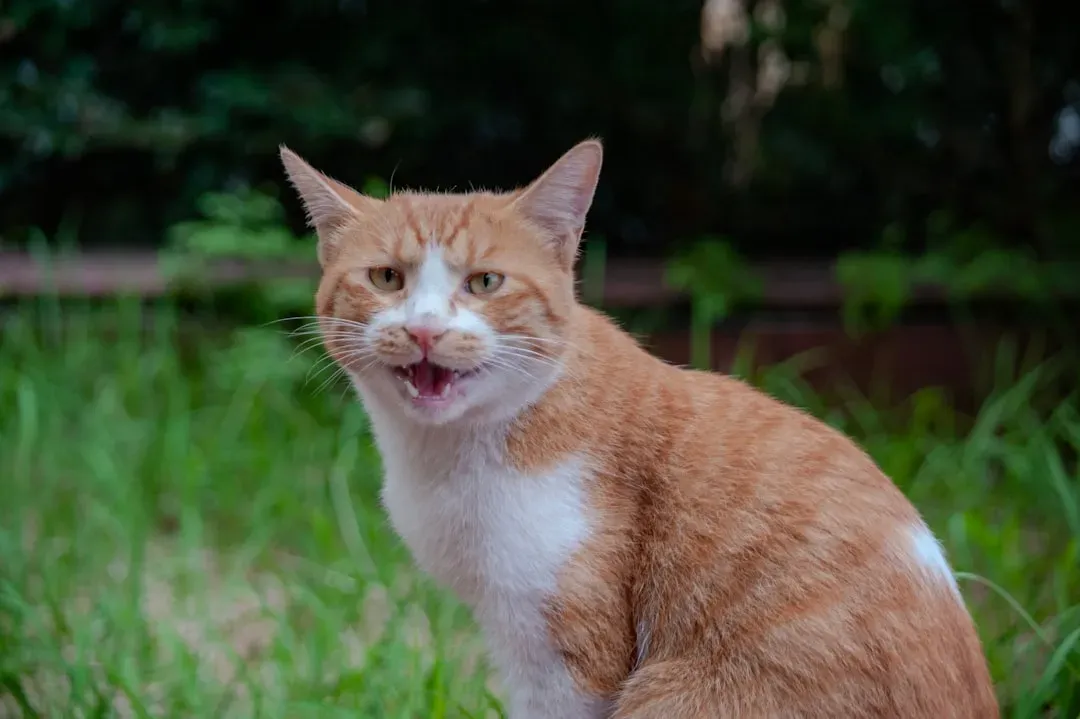
This is where things get genuinely fascinating. Your cat didn’t just accidentally start meowing at you. There’s deep evolutionary strategy at work. researchers have compared the vocalizations of the domestic cat to those of its closest relative, the African wildcat, and have discovered that the vocalizations of the domestic cat have changed to become more pleasant to the human ear. Your cat has essentially been fine-tuning its voice for thousands of years to be harder for you to ignore.
Cats have developed their meow for humans over time, modelling it on a child’s cry – the idea being that people are more likely to respond to them just as they might a crying child. By the same token, the way people speak to their cats has a lot in common with the way people speak to children, as opposed to the way adults speak to each other. It’s a masterclass in psychological manipulation, and we fall for it every single time. I know I do.
Purring: More Complex Than You Think
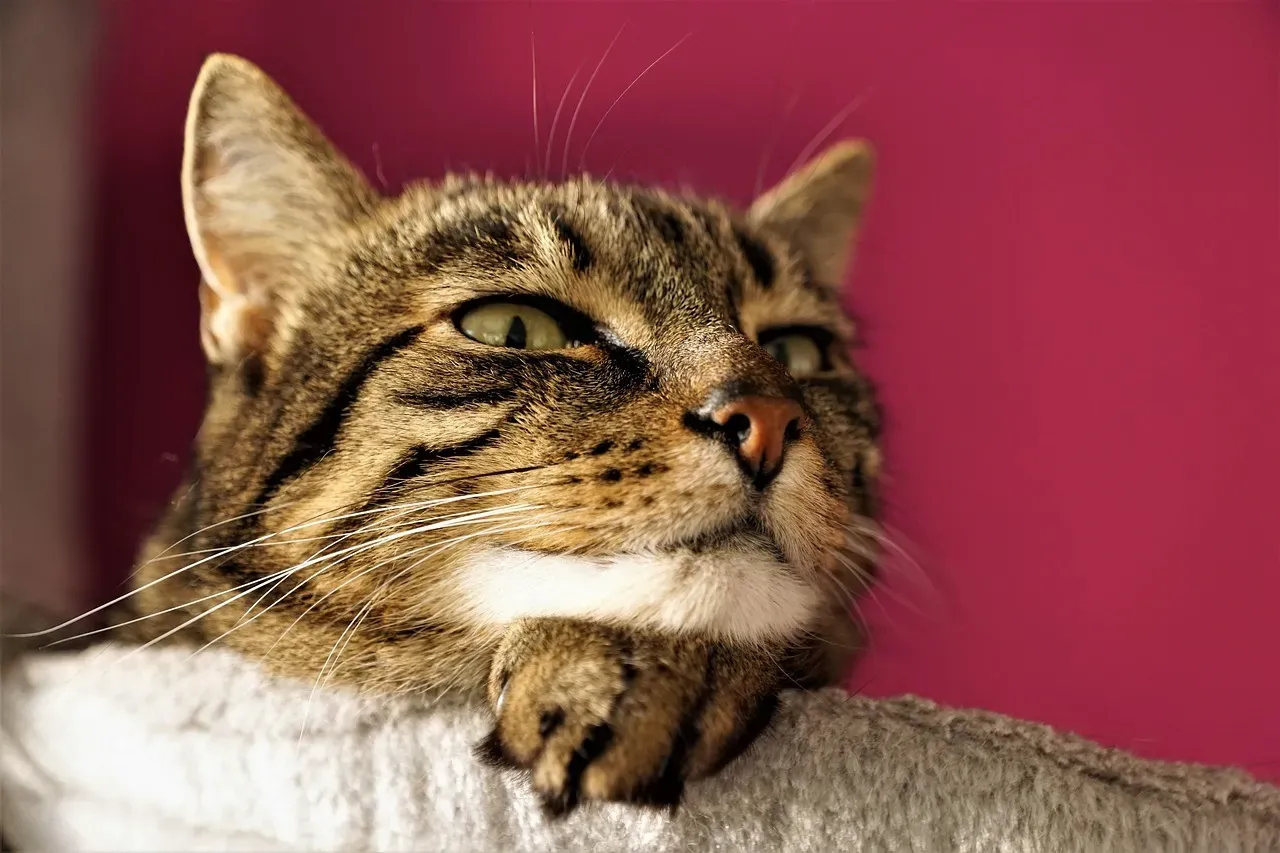
The purr is probably the most universally recognized cat sound. You hear it and you think: happy cat. Simple, right? Not quite. a purr is a low, continuous, rhythmic tone produced during breathing, and while most people recognize purring as a sign of contentment and pleasure, purrs can also mean that a cat is scared, sick, or in pain – like all feline communication, purring must be evaluated in context with the cat’s body language. Context, as always, is everything.
purring is also used as a form of self-soothing, which is why cats often purr when injured or in scary situations. There’s even research to suggest that the vibrations of purring have a healing effect on the body, which could also explain why injured cats purr. Think of it like a cat’s personal meditation soundtrack, playing on loop to keep them calm during tough moments. Nature is genuinely brilliant sometimes.
Trilling, Chirping, and Chattering: The Sounds You Might Miss
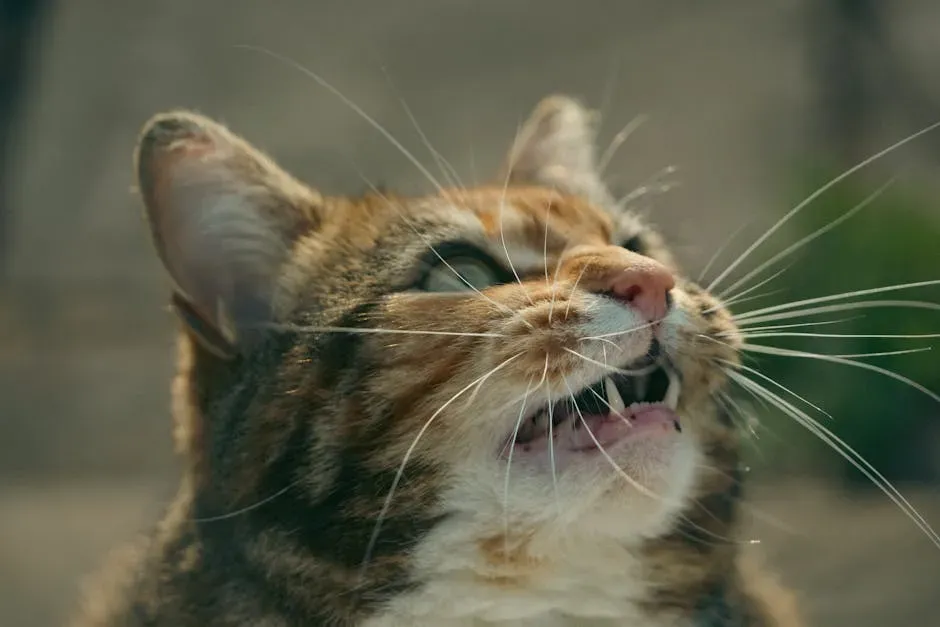
If you’ve never heard your cat trill, you’re either living with a very quiet breed or simply not paying close enough attention. cat trilling is a vocal form of communication that cats use to talk to other cats, to humans, and even to other animals within their household – it is a high-pitched, repetitive noise that comes out in short bursts, produced with the mouth closed. It’s one of the warmest sounds a cat makes, like a gentle “hey, I see you, and I like you.”
Chattering is a whole different creature, and if you’ve seen it, you’ll never forget it. the chatter vocalization refers to teeth chattering produced by the cat in a vicinity of prey – the sound is the result of a quick stuttering or clicking sound with the jaw and a tensely open mouth, often produced in sequences, and the phrases could include other types of vocalization or chatters of varying intonation. Picture your indoor cat glued to the window, watching a bird on the branch outside, jaw clicking like a tiny machine. That’s ancient hunting instinct firing in real time – trapped inside a cozy apartment.
Yowling, Howling, and the Sounds of Distress
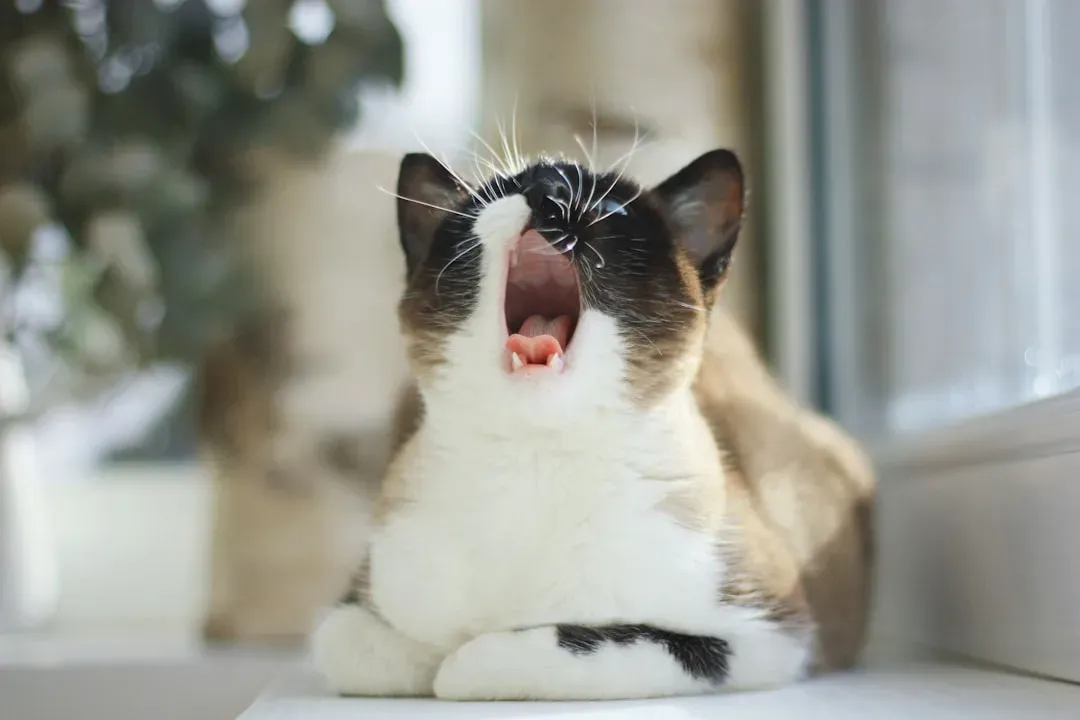
Nobody who has ever heard a cat yowl at 3 a.m. forgets it easily. It’s visceral. Alarming. yowling and howling are signs that a cat is in distress – this may be physical distress from pain or illness, or emotional distress from worry, frustration, boredom, or confinement – and elderly cats may yowl if they suffer cognitive dysfunction syndrome, or dementia. When your senior cat starts making that sound at night, it’s not just dramatic. It may be a genuine cry for help.
growling is an indication that a cat feels threatened, frightened, or is about to become aggressive, and this sound often increases as the cat’s fear grows. The hiss works alongside it as a first warning shot. a hiss is a low, drawn-out sound produced by rapid exhalation of air from the mouth, and a hissing cat will have their mouth open and teeth exposed – it’s often an involuntary reaction that occurs when a cat is surprised by a perceived threat or enemy. Give that cat some space. Immediately.
The Chattiest Breeds: Some Cats Are Just Born Talkers
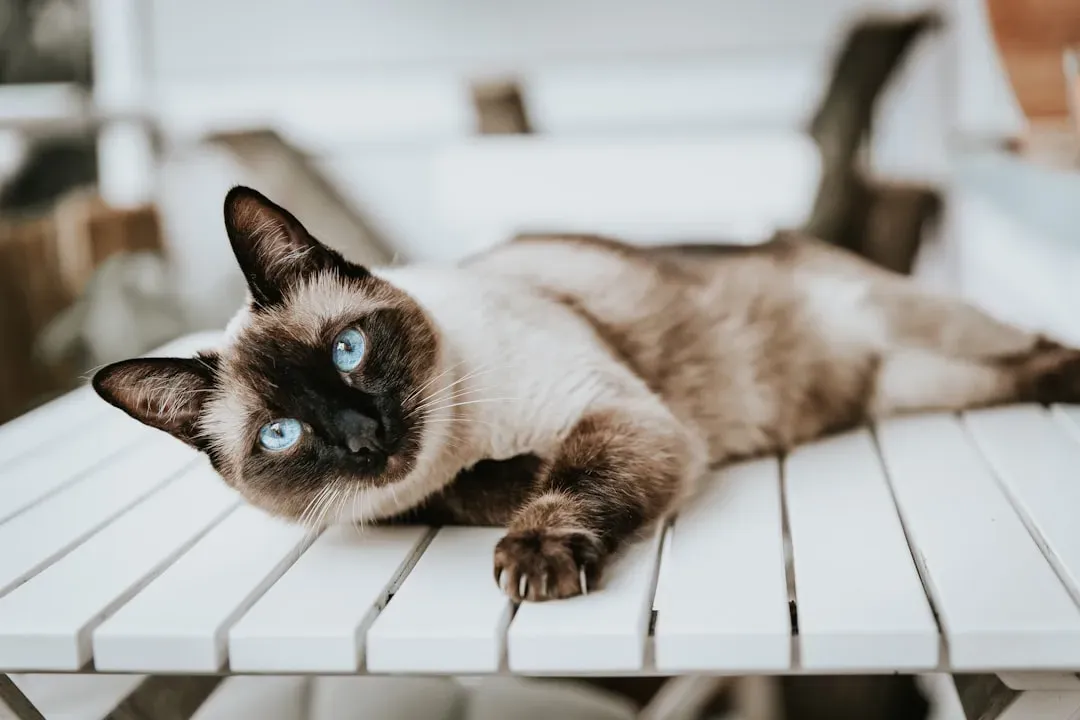
Let’s be real – not all cats are equally vocal. Some breeds are practically opinionated philosophers with fur. the number one spot for most vocal cat breed goes to the Siamese, which is unparalleled in its ability to communicate with humans through loud meows, yowls, chirps, and trills. Siamese are extremely social cats, and their intense desire to bond with their humans is part of the reason for their chatty ways – and this trait seems to be genetically linked, as almost all Siamese are big talkers.
Beyond the Siamese, there’s plenty of company in the talkative club. certain cat breeds are naturally more vocal due to their genetic disposition and social nature, and breeds like Siamese, Oriental Shorthairs, and Bengals have been bred for their communicative traits. On the flip side, if you’d prefer a less vocal cat, consider a Persian, Russian Blue, Chartreux, Norwegian Forest Cat, or Maine Coon – these breeds tend to be on the quieter side, though breed-specific guidelines are not failsafe, and you could end up with a noisy Persian or a silent Siamese. Genetics are a suggestion, not a guarantee.
When Talking Becomes Too Much: Vocal Changes and Health Signals
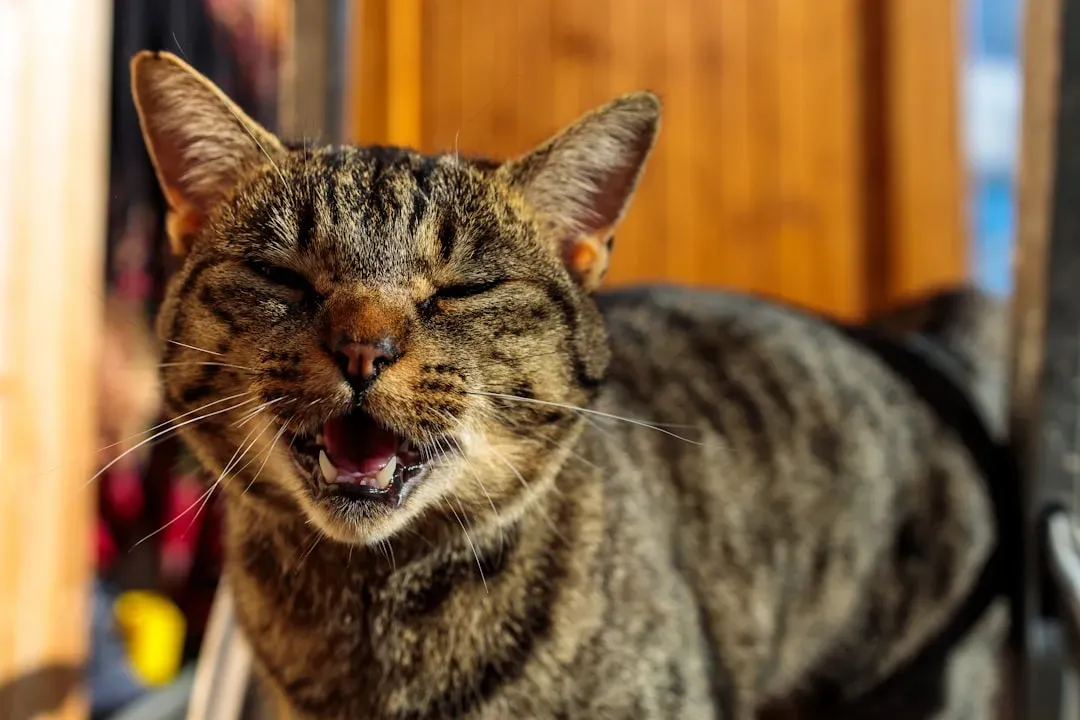
Your cat’s voice is one of the most powerful health indicators you have. because cats instinctively hide discomfort, sound changes are often one of the earliest signs that something is wrong, and a comprehensive physical exam and in-house diagnostic testing can help determine whether the cause is medical, behavioral, or both. Pay close attention when your normally quiet cat suddenly becomes chatty, or vice versa.
hyperthyroidism causes restlessness and loud, frequent meowing in cats, cognitive dysfunction in older cats may lead to disorientation especially at night and loud vocalization, and pain or discomfort from dental disease, arthritis, or urinary tract problems can cause cats to vocalize more than usual. If your cat’s vocalizations are paired with other changes like weight loss or shifts in appetite, that’s your cue to get them to a veterinarian without delay. Don’t wait and wonder.
How to Truly Understand Your Cat’s Unique Voice
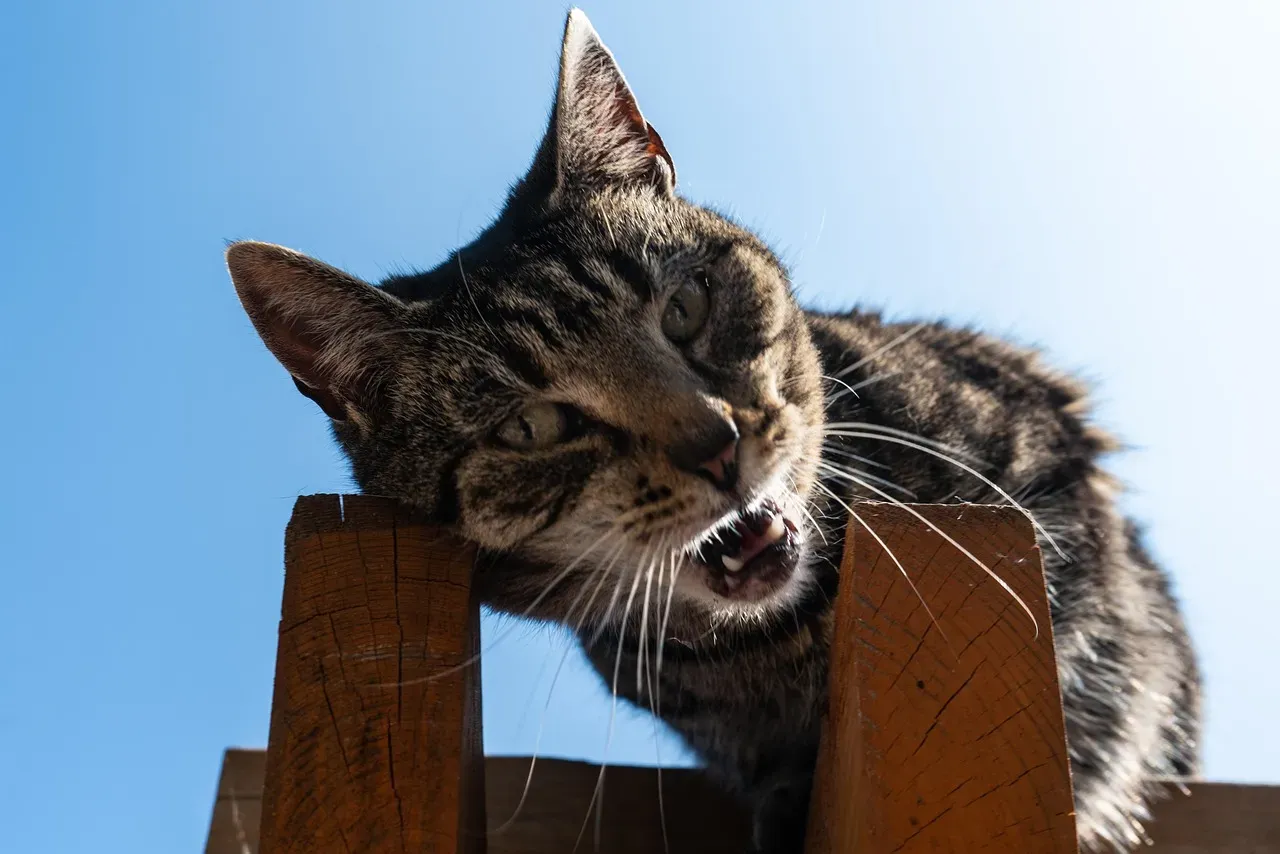
Here’s the most practical thing you can do: stop treating all meows as the same sound. some cats will develop different-sounding meows for different situations – if you listen closely, you might hear one kind of meow for food and a different meow to ask to go outside. Your cat is already speaking a personalized language. You just need to start learning it.
by knowing what your cat is trying to say, you’ll be better able to predict her mood, intentions, and needs – whether she is hungry, sick, happy, lonely, playful, or mad, you’ll understand and be better equipped to give her what she needs. It’s a relationship built on patience, observation, and genuine curiosity. engaging with your cat by talking back can encourage positive communication, making your cat feel heard and understood. Sounds almost too simple. Yet it works.
Conclusion
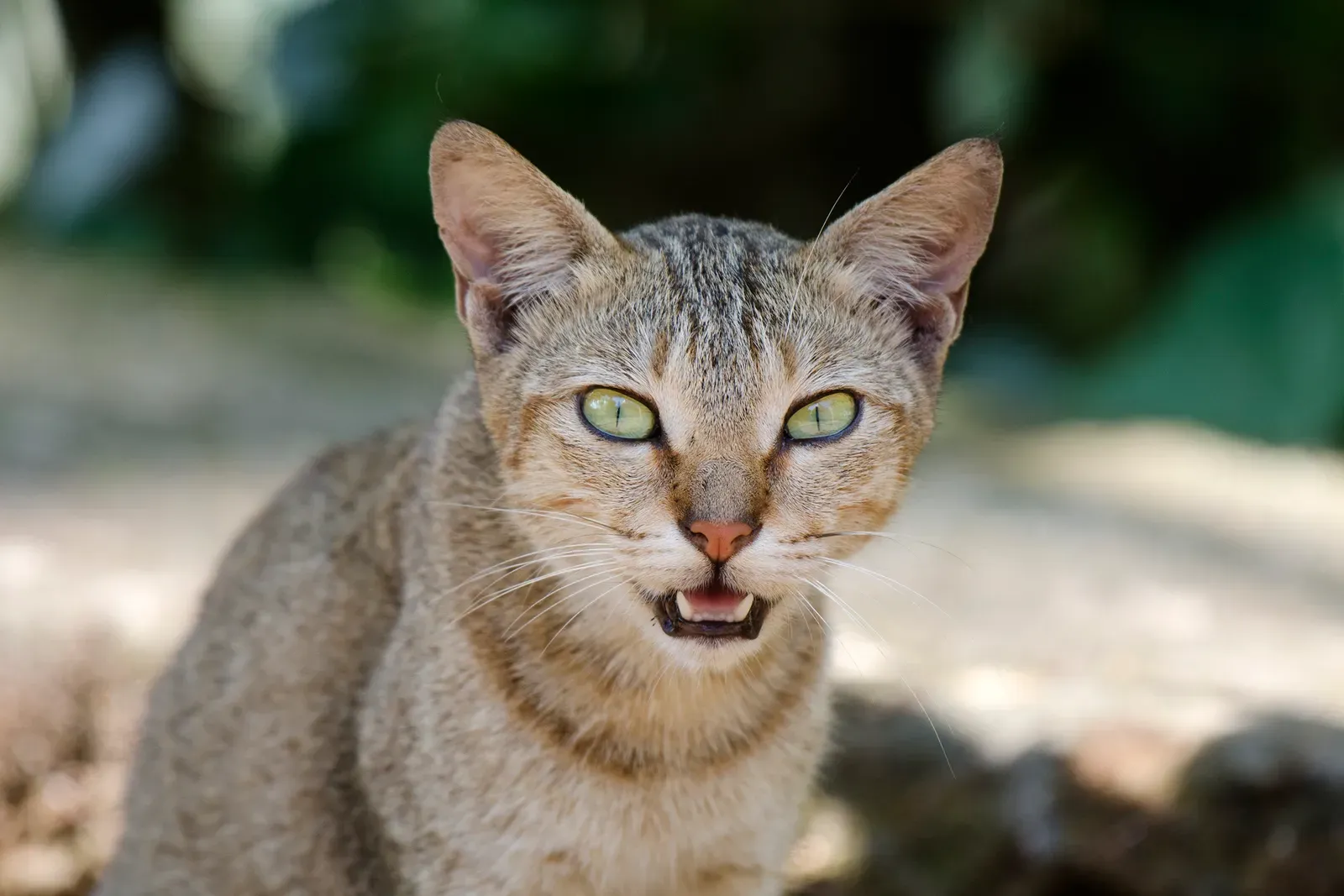
Your cat’s voice is not background noise. It’s a sophisticated, evolving form of communication that took thousands of years of shared history between cats and humans to develop. From the gentle trill of a greeting to the urgent yowl of distress, every sound carries weight. The more you listen, the richer that conversation becomes.
Learning to decode your cat’s vocal repertoire is one of the most rewarding things you can do as a cat owner. It deepens your bond, keeps you alert to health changes, and honestly – it’s just endlessly interesting. Think of it less like owning a pet and more like learning a new language. One that’s been spoken quietly in your home all along, just waiting for you to start really paying attention. So, does your cat have a lot to say – and have you been truly listening?
Kristina is a young writer from India. An arts graduate and an avid content creator, Kristina is passionate about animals and wildlife. She enjoys exploring topics related to pet care, animal behavior, conservation, and nature, combining thorough research with engaging storytelling.