Ocean temperatures continue to rise amid climate change, placing unusual pressure on some of the sea’s most formidable hunters. Researchers at Trinity College Dublin recently detailed how partially warm-blooded species, including great white sharks, grapple with heightened metabolic demands in warmer waters.[1][2] This work underscores a growing vulnerability for these predators, whose adaptations for speed and power now amplify risks from environmental shifts.
Mesothermic Fishes: Rare Predators with Unique Physiology
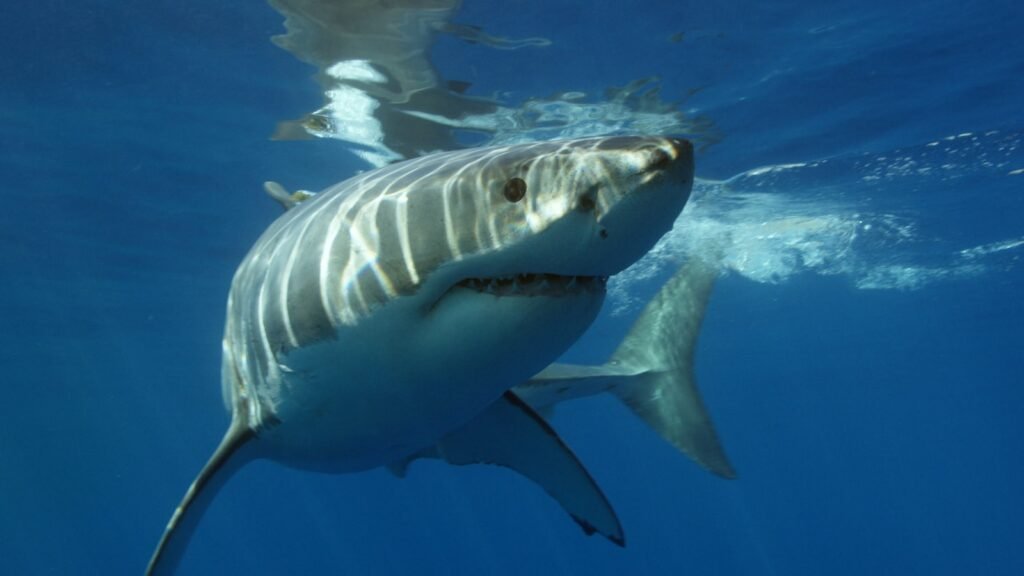
Great white sharks belong to a select group known as mesotherms, which maintain elevated temperatures in key body parts like muscles and brains through retained metabolic heat. These species represent fewer than 0.1 percent of all fish, yet they dominate as apex predators alongside tunas, makos, and basking sharks.[1] Their regional endothermy enables faster swimming, extended migrations, and sharper hunting prowess compared to fully cold-blooded counterparts.
Scientists quantified this edge by analyzing biologging data from sensors attached to free-swimming fish, including massive basking sharks exceeding three tonnes. Laboratory measurements complemented these field observations, revealing patterns in heat production and loss that had eluded prior studies.[3] Such traits evolved for competitive advantages in vast oceans, but they carry inherent costs exposed by current warming trends.
Fourfold Energy Demands Fuel High-Performance Lifestyles
Mesotherms burn approximately 3.8 times more energy than similarly sized ectothermic fish, after adjustments for body size and temperature. Lead author Dr. Nicholas Payne noted that a 10°C rise in body temperature more than doubles routine metabolic rates, compelling these predators to seek substantially more prey.[1] Great whites, for instance, rely on this vigor for ambushes and long pursuits.
This disparity stems from constant heat generation to power muscles, a boon in cooler seas but burdensome elsewhere. As Payne explained, “warm-bodied predators must consume far more food to fuel their lifestyle.”[2] Larger individuals amplify the challenge, as their bulk retains heat more efficiently while metabolic output scales upward.
Overheating Thresholds Test Physiological Resilience
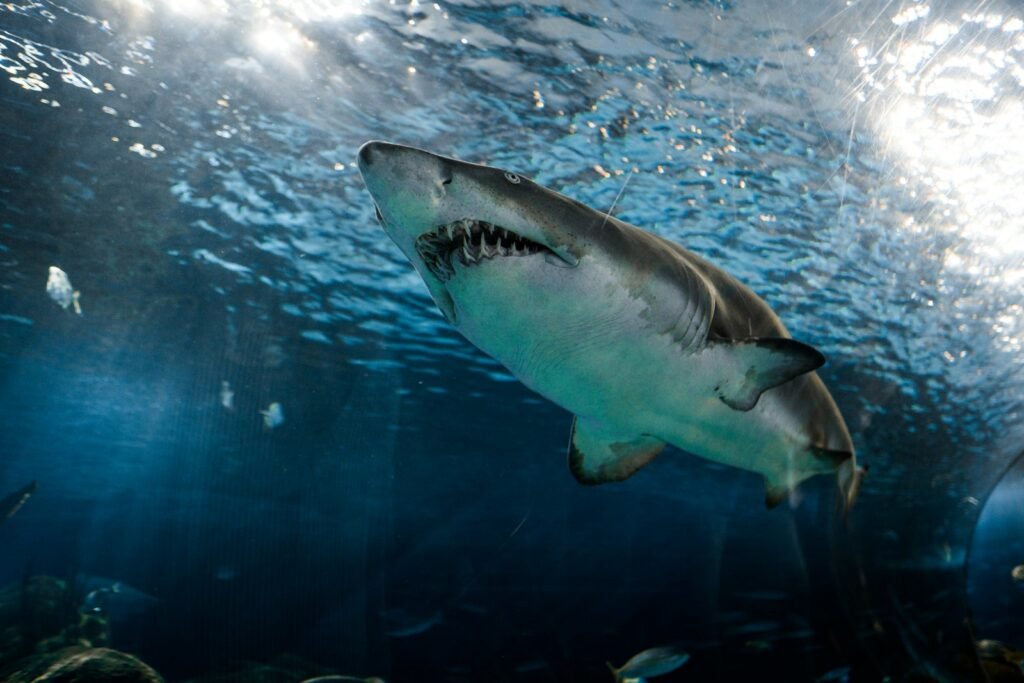
The study introduced “heat-balance thresholds,” water temperatures beyond which large mesotherms struggle to dissipate excess heat without behavioral tweaks. A one-tonne warm-bodied shark, akin to mature great whites, falters above roughly 17°C, or 62.6°F.[1] Responses include reduced speed, redirected blood flow, or dives to cooler depths – each trade-off hampers foraging.
Senior author Professor Andrew Jackson highlighted these limits: “Above such thresholds, fish must slow down… but that comes at a cost too.”[2] Co-author Dr. Edward Snelling added that high-performance predation exacts a steeper toll in warming conditions, pushing species toward physiological edges.[4]
Shrinking Habitats and Compounded Vulnerabilities
Suitable ranges for these giants already favor cooler latitudes, depths, or seasonal migrations, patterns now strained by ocean heating. Projections indicate further contraction, particularly during summer peaks, forcing poleward shifts or deeper haunts where prey thins.[3] Overfishing compounds the issue, depleting stocks of both predators and quarry in a scenario researchers term “double jeopardy.”
Fossil records offer sobering precedent: ancient warm-bodied leviathans like Megalodon declined sharply during climatic upheavals. Today’s pace of change outstrips those eras, narrowing options for survivors. Mesotherms cluster in temperate zones for a reason, yet those refuges warm relentlessly.
What Matters Now
Large mesotherms like great whites inhabit cooler waters and migrate seasonally, but warming accelerates habitat loss. Overfishing tightens energy budgets further, echoing past extinctions.
These findings, published in Science, signal broader marine disruptions if unchecked. Apex regulators like great whites stabilize food webs; their retreat could cascade through ecosystems. Conservation demands targeted protections amid fishing pressures and thermal squeezes, preserving ocean balance before limits prove insurmountable.[1]
Kristina is a young writer from India. An arts graduate and an avid content creator, Kristina is passionate about animals and wildlife. She enjoys exploring topics related to pet care, animal behavior, conservation, and nature, combining thorough research with engaging storytelling.