Mara Conservancies, Kenya — Lions in this vital wildlife region have begun avoiding rangelands frequented by Maasai livestock, a new study shows. The big cats steer clear even after herders and their animals move on, indicating a deeper wariness than simple reactions to current threats. Researchers point to accumulated effects from past grazing as a key driver, reshaping how these predators navigate shared landscapes.
Revealing Patterns in Lion Movement
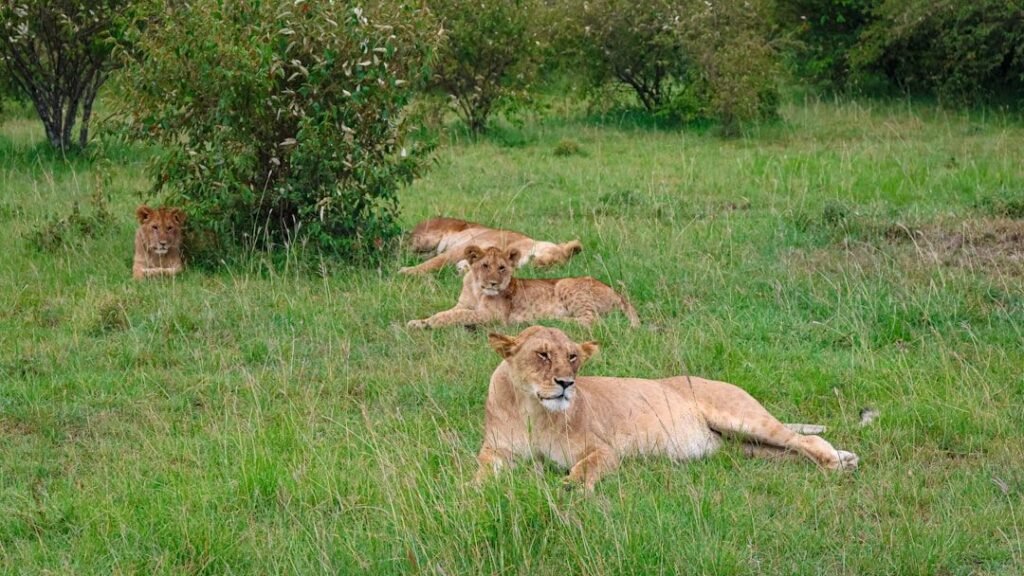
The study tracked lion behavior across Kenya’s Mara conservancies, where pastoralist communities and wildlife overlap. Data revealed consistent avoidance of areas grazed by livestock, persisting well beyond the herders’ presence. This pattern emerged not from direct clashes but from broader environmental cues left behind.
Scientists analyzed movement data to map these shifts precisely. Lions altered their ranges to bypass zones with heavy prior use by cattle and other stock. Such responses highlight how wildlife adapts to human activity in subtle, enduring ways.
Roots of the Avoidance: Beyond Immediate Risks
Traditional views held that lions react mainly to on-the-spot encounters with herders or livestock. Yet this research challenges that notion. The cats seem to register long-term grazing pressure, treating those areas as ongoing hazards.
Perceived risk plays a central role, according to the findings. Repeated exposure to livestock trails and associated human activity imprints caution in lion decision-making. Even empty rangelands carry the weight of history, prompting predators to seek safer grounds elsewhere.
- Lions bypass grazed zones days or weeks after livestock leave.
- Avoidance ties to cumulative grazing impacts, not just herder sightings.
- Behavioral changes reflect risk assessment over time.
Implications for Shared Rangelands
These conservancies represent a model for human-wildlife coexistence, blending Maasai traditions with predator protection. However, expanding livestock use strains this balance. Lions’ retreat could fragment their territories, affecting prey dynamics and overall ecosystem health.
Conservation efforts already promote livestock corrals and herder training to reduce conflicts. The study underscores the need to address indirect effects like grazing legacies. Managers may need to rethink zoning to preserve lion access while supporting pastoral needs.
| Factor | Immediate Impact | Long-Term Effect |
|---|---|---|
| Livestock Presence | Direct avoidance during grazing | Persistent shunning post-departure |
| Human Activity | Herder encounters | Risk perception from past pressure |
Navigating Future Coexistence
As pressures mount from growing herds and tourism, understanding these dynamics grows essential. The findings call for strategies that mitigate both acute and chronic influences on wildlife. Researchers advocate monitoring to refine interventions, ensuring lions retain viable habitats amid shared spaces.
This work offers a clearer picture of how subtle human footprints alter predator behavior. It signals opportunities for targeted conservation, potentially easing tensions in one of Africa’s prime lion strongholds. With informed adjustments, the Mara can sustain its predators and people alike.
Kristina is a young writer from India. An arts graduate and an avid content creator, Kristina is passionate about animals and wildlife. She enjoys exploring topics related to pet care, animal behavior, conservation, and nature, combining thorough research with engaging storytelling.