You probably think you know your cat. You feed them, you play with them, and occasionally they grace you with their presence. Yet there’s one thing most cat owners overlook completely – how their cat sleeps, and what it quietly says about the bond you share.
Cat sleeping positions are more than random habits. Every posture reflects a mix of instinct, comfort, temperature regulation, and emotional state. Think of it like a secret language your cat speaks every single night, right there on your couch or pillow. The question is, have you been listening?
A cat’s wild ancestors had to protect vulnerable organs and stay ready to react to threats even while resting, and those instincts still shape how domestic cats sleep today. Paying attention to your cat’s preferred positions can give you real insight into their mood, health, and how secure they feel in your home. Let’s dive in – what you discover might just change the way you see those lazy naps forever.
The Belly-Up Position: The Ultimate Compliment
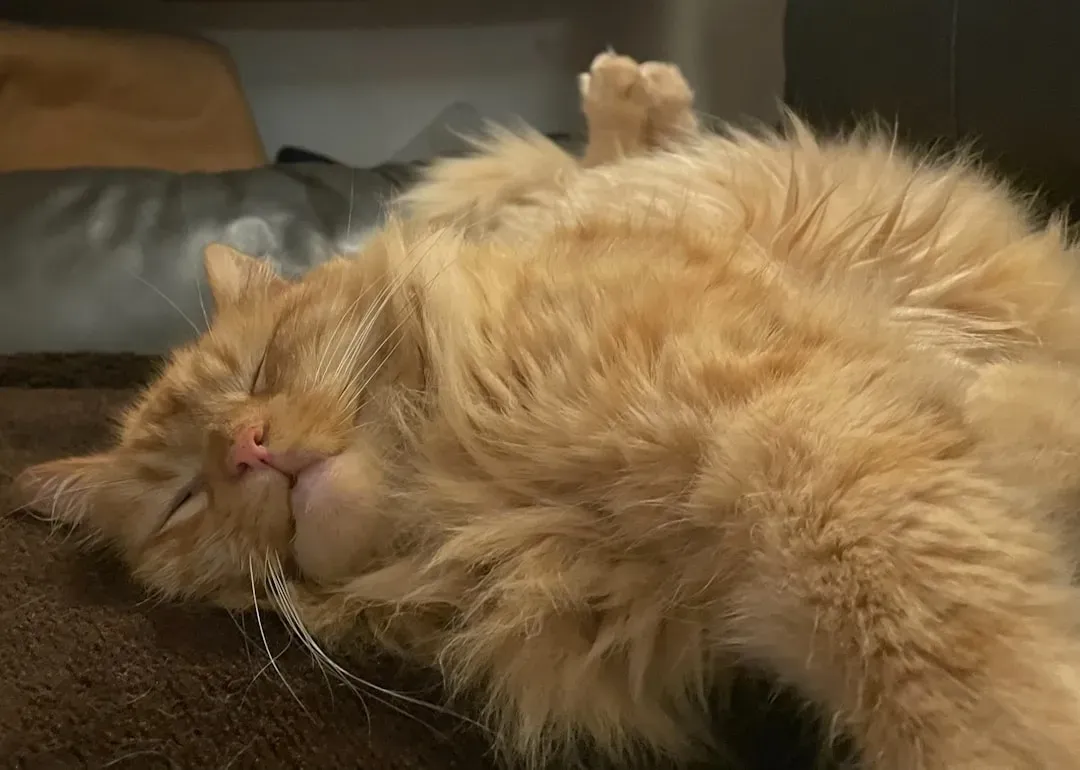
Here’s the thing – if your cat flops onto their back with their soft belly pointed straight at the ceiling, you should honestly feel honored. A cat sleeping on their back with its belly fully exposed is showing the highest level of trust. The stomach is a cat’s most vulnerable area, so choosing to sleep belly-up means your cat feels entirely safe. It doesn’t get more vulnerable than that in the feline world.
Cats will generally only do this when you’re near them. It’s their most vulnerable sleeping position so they’ll likely only roll over if they feel comfortable and safe. You are their protector in this instance. So the next time your cat sprawls out like a boneless rag doll, resist the urge to poke that fluffy belly – just appreciate the enormous compliment they’re paying you.
The Loaf Position: Comfortable but Cautious
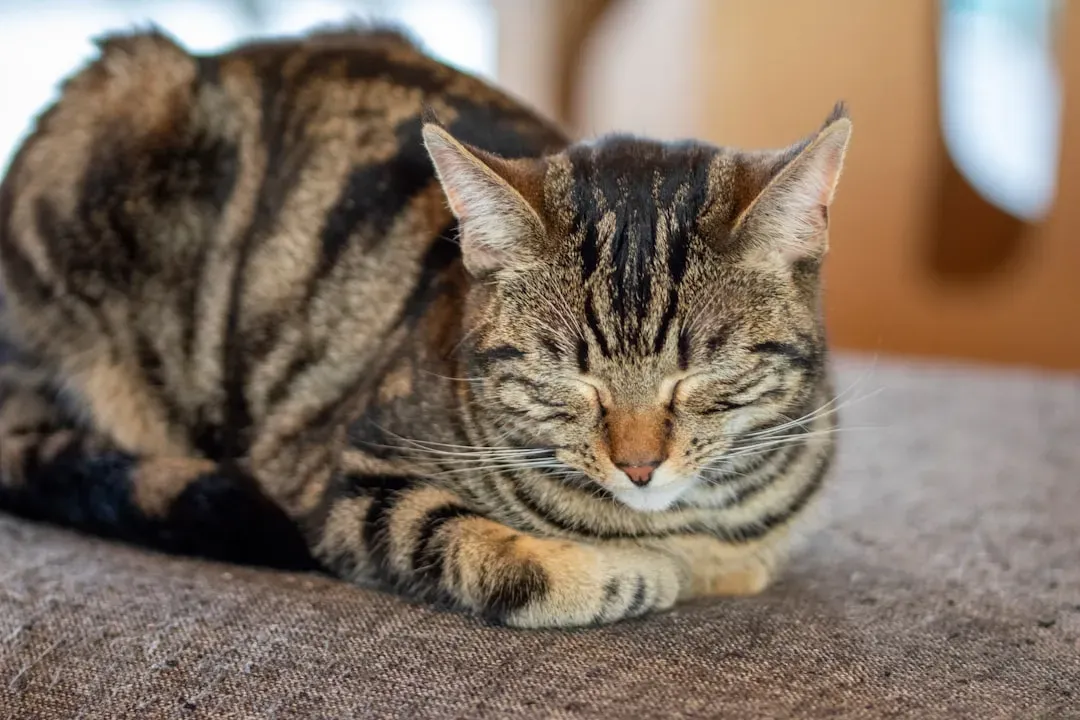
This position resembles the shape of a loaf of bread. Cats sleeping in this position keep their front paws curled underneath their body, with their head up. This position preserves a cat’s body heat and protects their vital organs. Cats sleeping in a loaf position may be relaxed, but they are also poised to spring into action and use their claws if they’re suddenly in danger. It’s basically the feline version of sitting in a waiting room – calm on the outside, alert on the inside.
Cats who sleep in a bread loaf are caring, but anxious. They are comfortable around their owner but stay prepared to spring into action if needed. Honestly, the loaf position is a good sign – your cat trusts you enough to relax in your presence, but their instincts haven’t fully switched off. Think of it as trust with a safety net attached.
The Side Stretch: Deep Trust, Deep Sleep
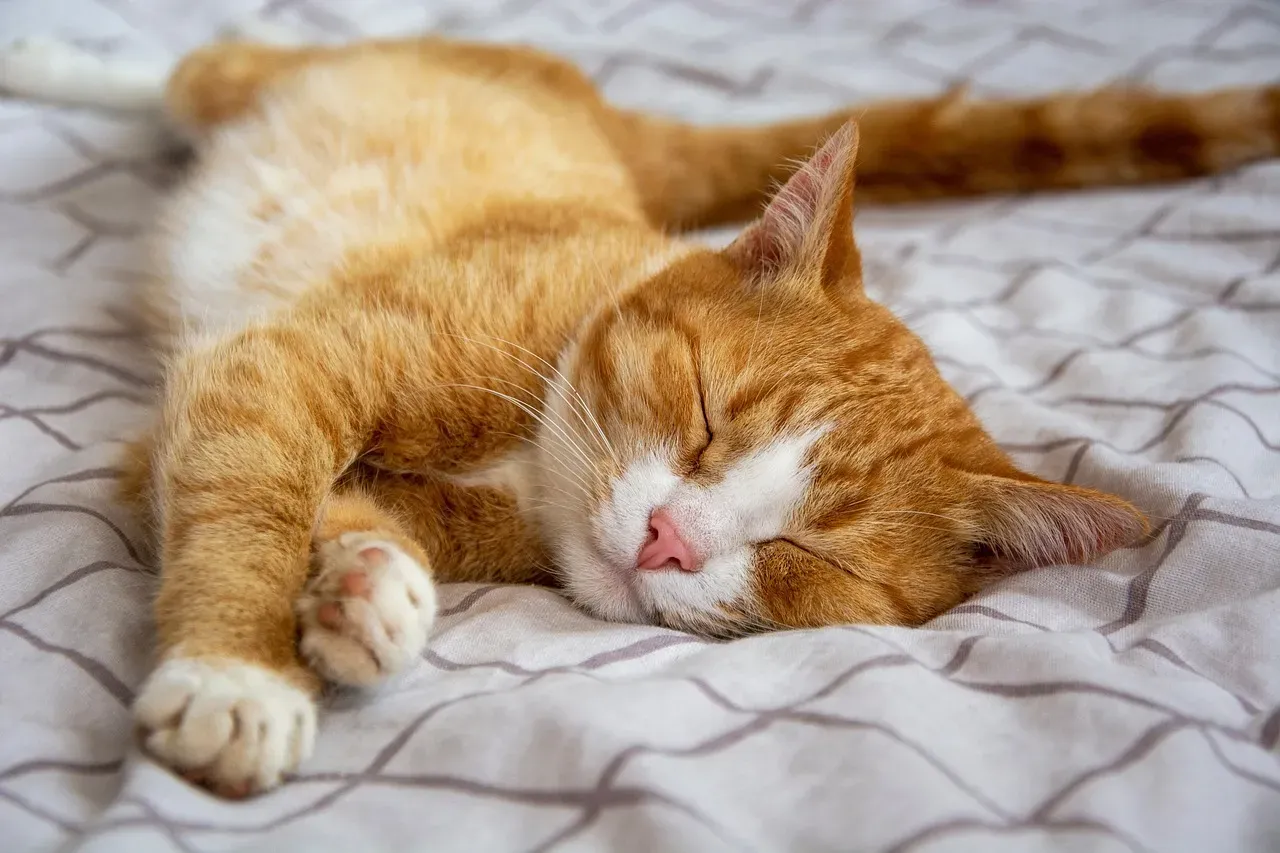
A cat lying on its side with limbs outstretched is in a deep, restful sleep. It means they’re feeling safe, stress-free, and completely at ease in their environment. This position is usually seen in well-adjusted, confident cats. If your cat regularly stretches out sideways near you, you’re doing something right as a cat parent.
The cat laying on its side with legs outstretched is one of the most common postures for deep sleep. Unlike the loaf position, which allows for instant movement, side sleeping indicates that the cat has switched off their alert mode. Their muscles are fully relaxed, and they may drift into REM sleep, where you’ll see paws twitching as they chase dream mice. This pose suggests your cat is content, comfortable, and feeling secure enough to let their guard down.
The Curled-Up Donut: Warmth and a Little Self-Protection
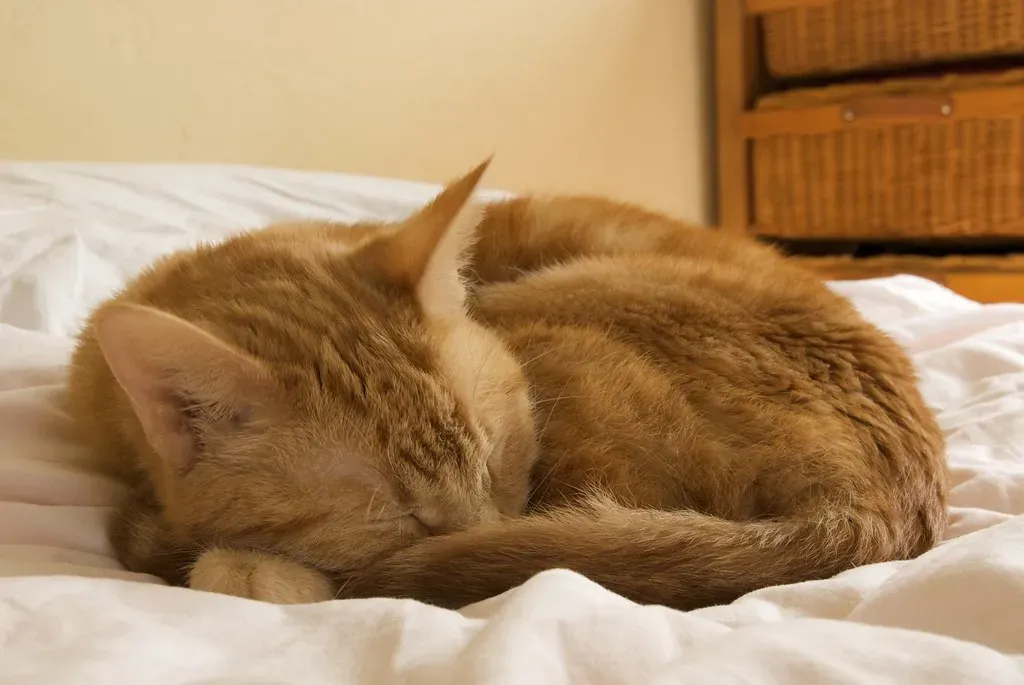
This cat sleeping position is the most common, and is also known as the crescent. The reason why most cats tend to sleep curled up is to protect themselves while maximising body warmth. If you notice your feline friend sleeping in this position, they may be feeling a bit chilly, or it may be a sign that they are feeling a little vulnerable, and sleeping in such a position helps them feel more secure and safe. It’s a self-soothing position more than a trust statement.
By curling into a tight circle, cats conserve a significant amount of body heat. Furthermore, this position protects their soft underbelly and vital organs. It is a defensive posture that makes them a smaller target. You will often see this position when a cat is in a new environment, feels slightly unsure, or is simply trying to stay warm on a chilly afternoon. So if a new cat curls up tightly near you, don’t overthink it – they’re still warming up, both literally and emotionally.
Sleeping on Your Chest: You Are Their Safe Place
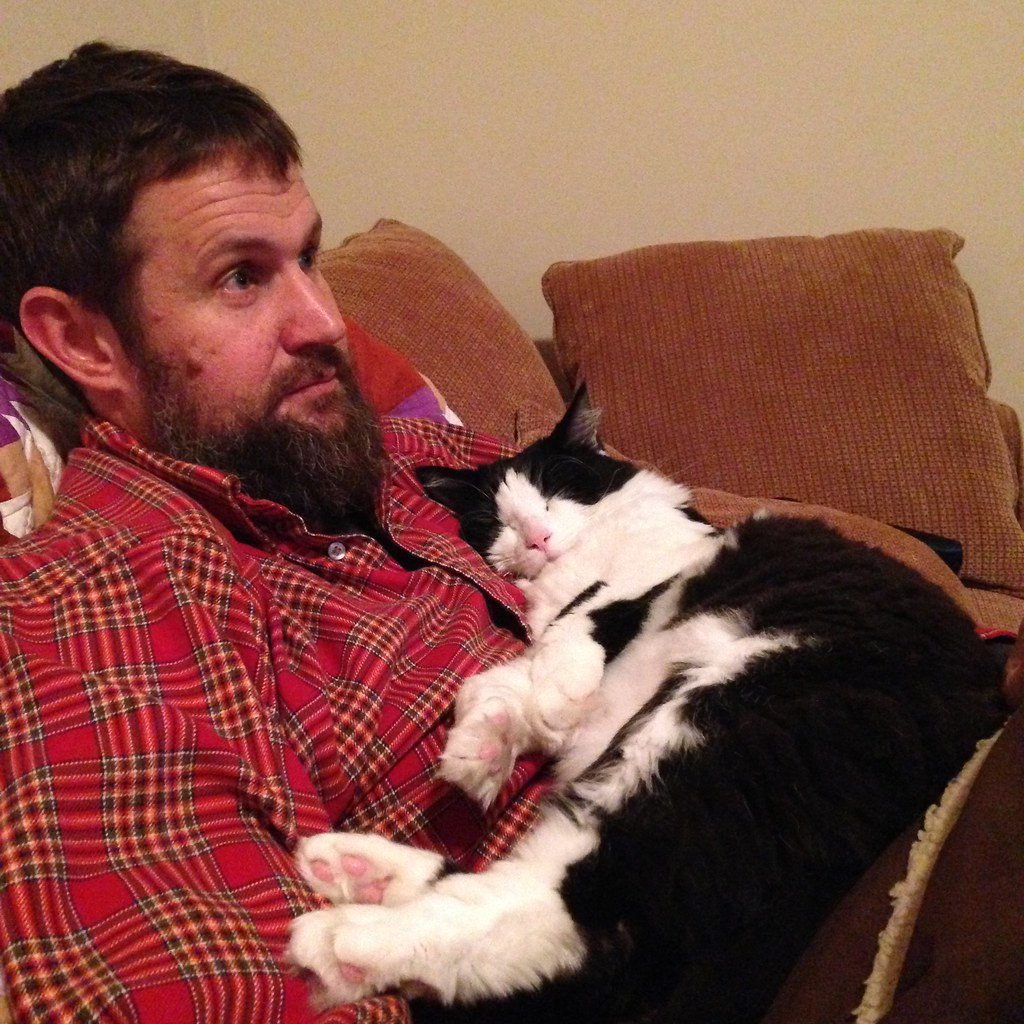
A cat that consistently sleeps on your chest has formed a strong bond with you. Your heartbeat, breathing rhythm, and body warmth mimic the comforting sensations kittens experience with their mother. Chest sleeping is one of the most affectionate cat sleeping positions and signals deep trust. It’s not just cuddling. It goes much deeper than that.
The rhythmic sound of your heartbeat and the rise and fall of your breathing mimic the sensations they felt when sleeping against their mother and littermates. This position is the ultimate sign of security. Your chest provides a steady, comforting vibration that lulls them to sleep, while your chin often acts as a protective “roof” over their head. It signals that your cat sees you as a parent figure and a source of absolute safety.
Sleeping at Your Feet: Affection with an Exit Strategy
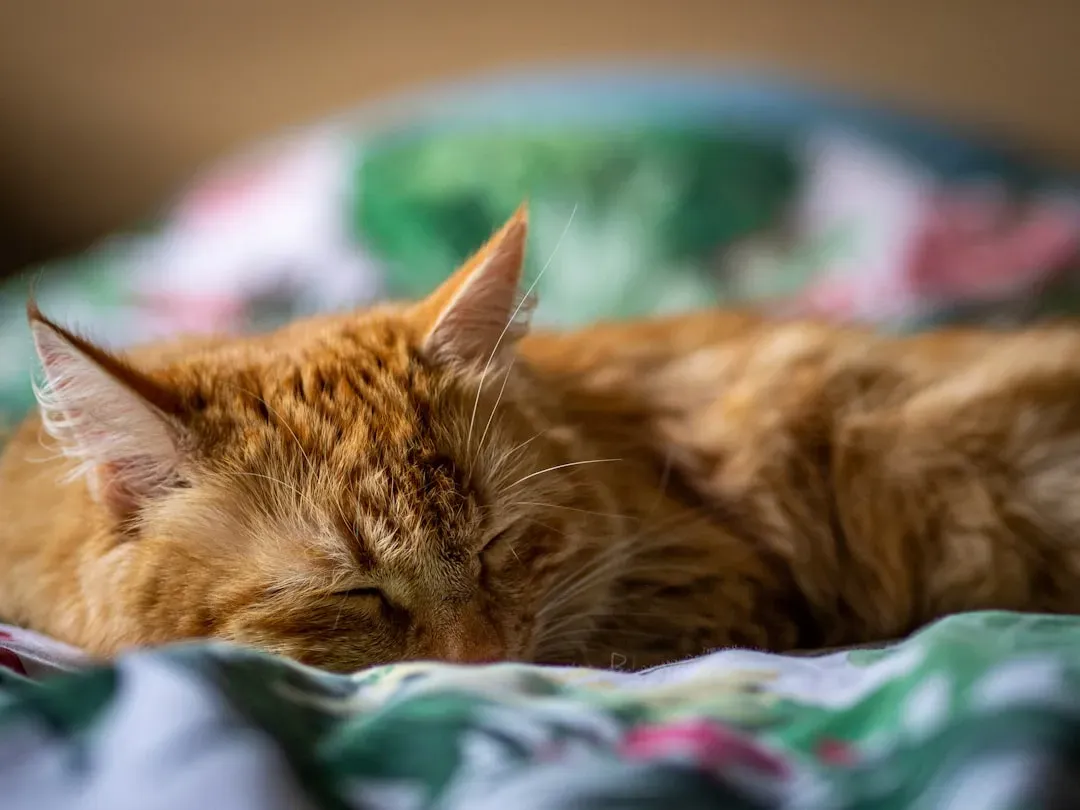
A cat sleeping at your feet is showing affection while keeping their independence. The foot of the bed offers warmth, proximity, and a clear view of the room with an easy exit route. Cats with a watchful personality often prefer this spot. Let’s be real – your cat loves you, but they also like to know where the door is. That’s just cats being cats.
A cat that sleeps at your feet might be doing so to keep both of you warm. This position allows closeness yet provides your cat with quick access to an escape route, often making them feel more secure when they’re at the end of the bed, couch, or chair. It’s a perfectly balanced trust position. Your cat is saying they want to be near you – just with a little breathing room, thank you very much.
Sleeping Next to You Without Touching: Proximity Is Trust Too
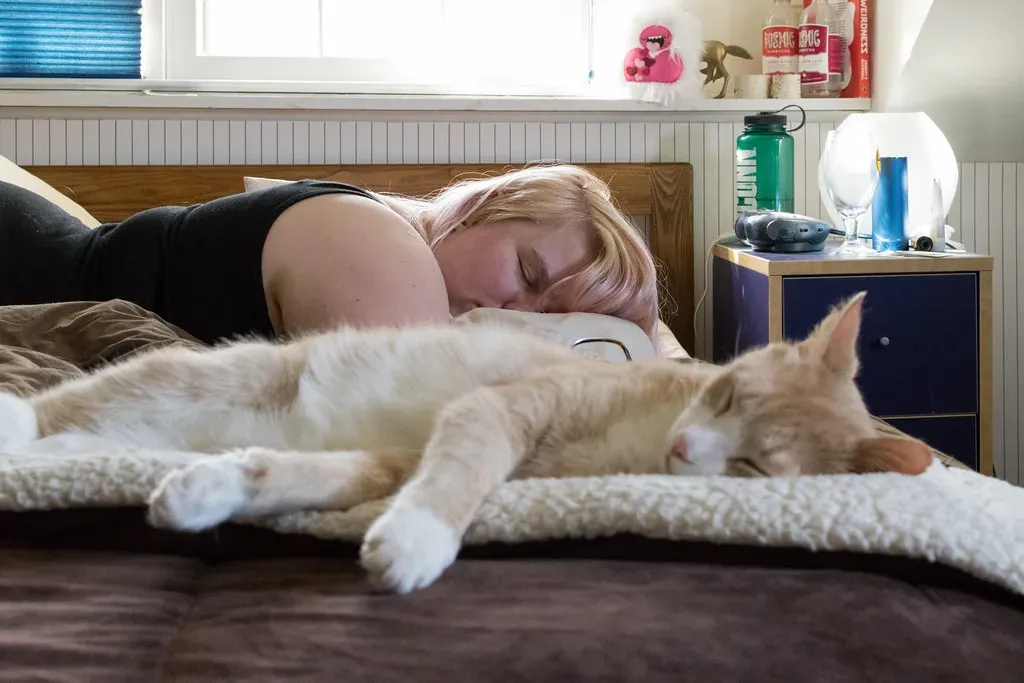
Not all cats express closeness through physical contact. A cat that sleeps next to you without touching still considers you a source of safety and comfort. Proximity alone is a meaningful trust signal for many cats. Don’t mistake distance for indifference – in cat language, nearby means a lot.
If your cat sleeps next to you but not directly on you, it doesn’t imply a lack of bonding. On the contrary, this sleeping position shows that your cat trusts you enough to sleep in a vulnerable position nearby. Cats that prefer not to sleep on their owners might opt for just a little separation, which provides them security while still maintaining closeness. This position shows they feel connected to you but appreciate some personal space. Think of it like a friend who sits right beside you on the couch but doesn’t lean on you. Still very much present. Still very much there for you.
The Superman Stretch: Fully Relaxed and Loving Life
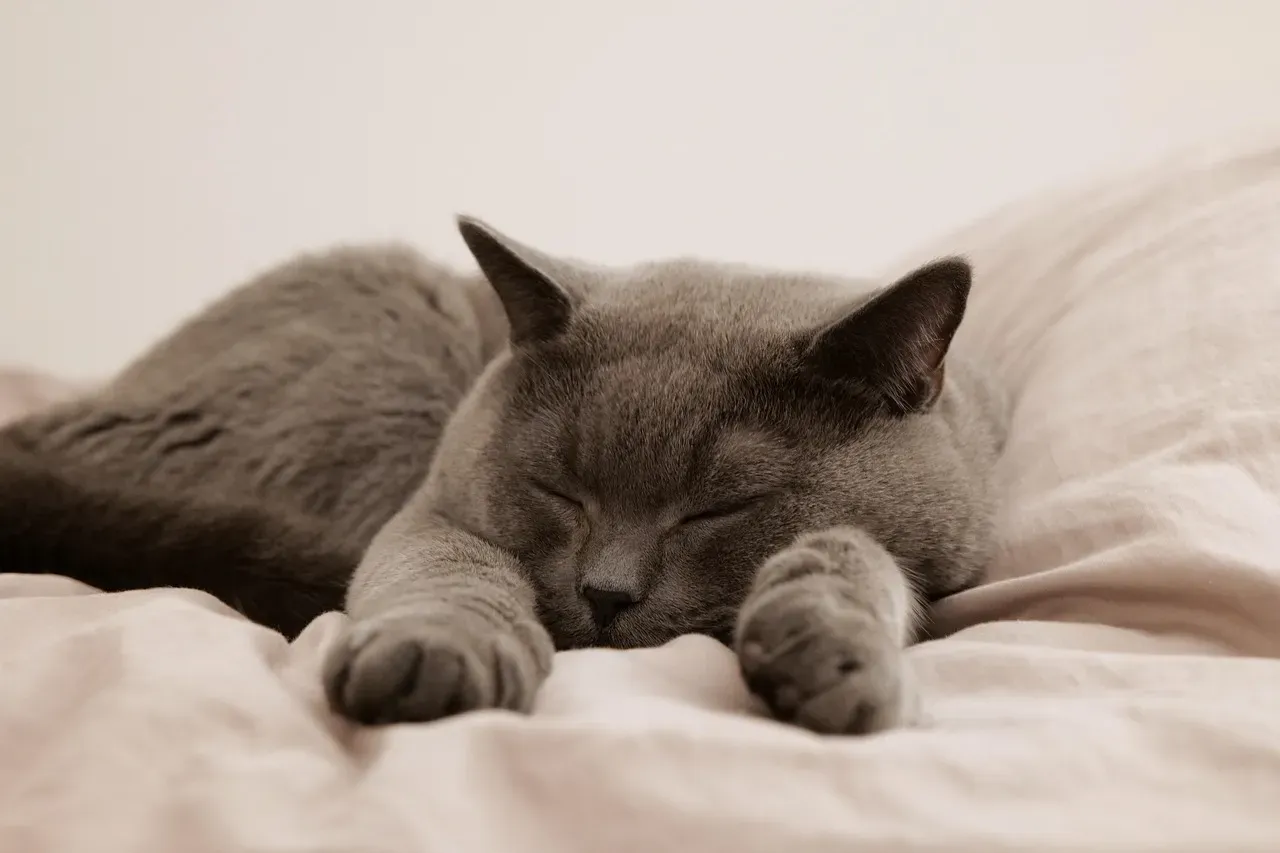
Stretched flat with limbs extended like a flying superhero, this position means your cat is in a relaxed, low-energy state and may be cooling their belly on a surface. It’s common in warm environments and often signals a cat that feels safe and slightly playful. You’ll spot this one most often in the summer, usually on cool tiles or a breezy windowsill.
If your cat’s sleeping position is stretched out like Superman, then it is in a deep sleep and feels safe and very comfortable. These felines are comfortable, content, and relaxed. They love their home and feel no threat to their surroundings. A Superman sleeper is basically a walking endorsement of your home environment – your cat is telling you everything in their world feels just right.
When Sleep Positions Signal Something Is Wrong
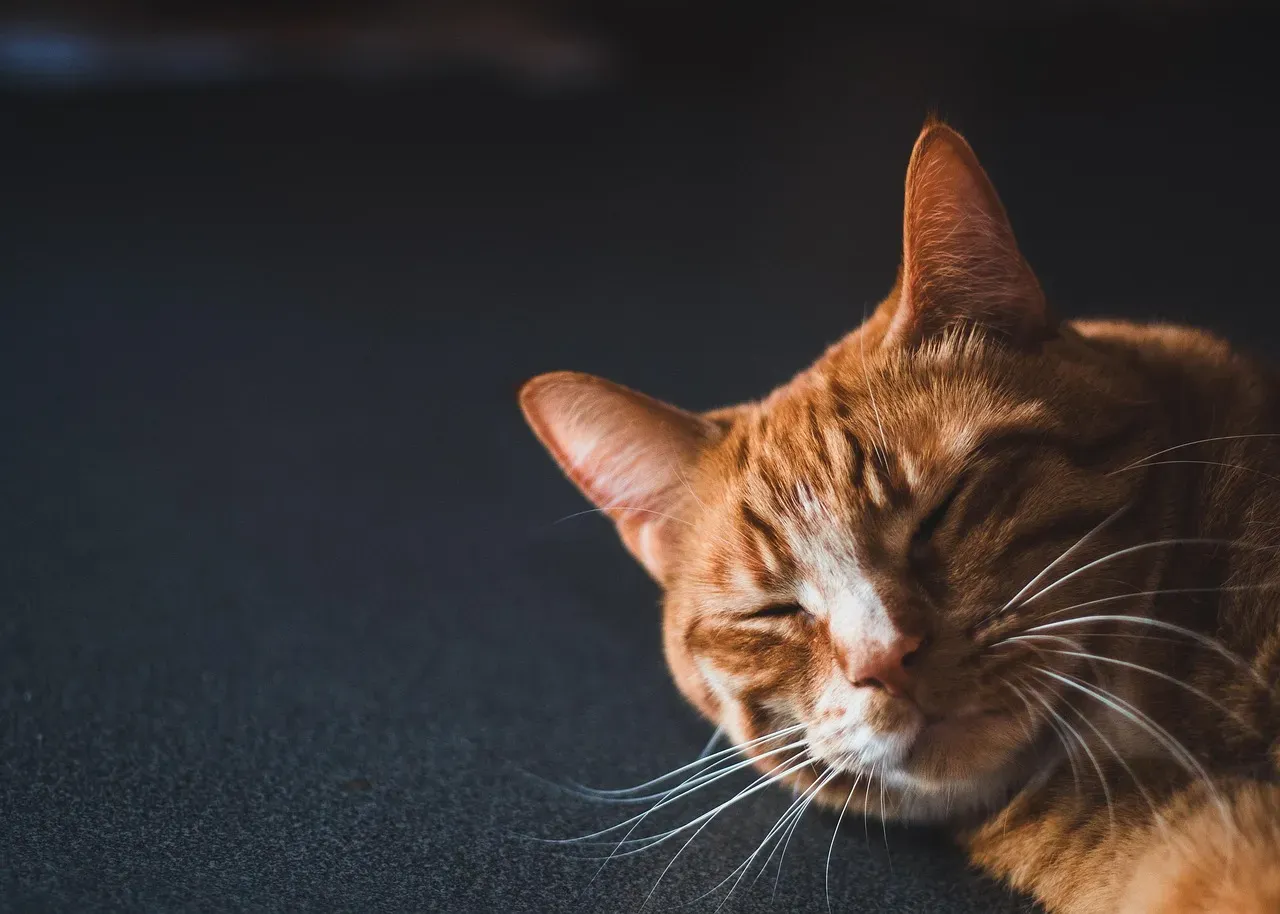
Certain patterns are worth watching. A cat that consistently sleeps in a tight, hunched loaf with eyes partially open may be experiencing pain. Cats who suddenly switch from relaxed, sprawling positions to tense curling in hidden locations could be signaling illness or stress. Excessive hiding, loss of appetite, or lethargy alongside a change in sleep posture warrants a veterinary visit. Not every position change is cause for panic, but repeated shifts in pattern deserve attention.
A hunched sleeping stance is most frequently seen in felines with Chronic Kidney Disease, those suffering from Osteoarthritis, Feline Distemper, Pancreatitis, Cancer, and Gastrointestinal problems. A cat who sleeps with their head and neck protracted out who also exhibits either sneezing, coughing, or breathing difficulties may be experiencing respiratory issues or heart conditions making it difficult to sleep in a normal posture, all requiring an immediate veterinary examination. Your cat can’t send you a text when something hurts – their body language is the message.
Conclusion: Your Cat’s Nap Is a Love Letter
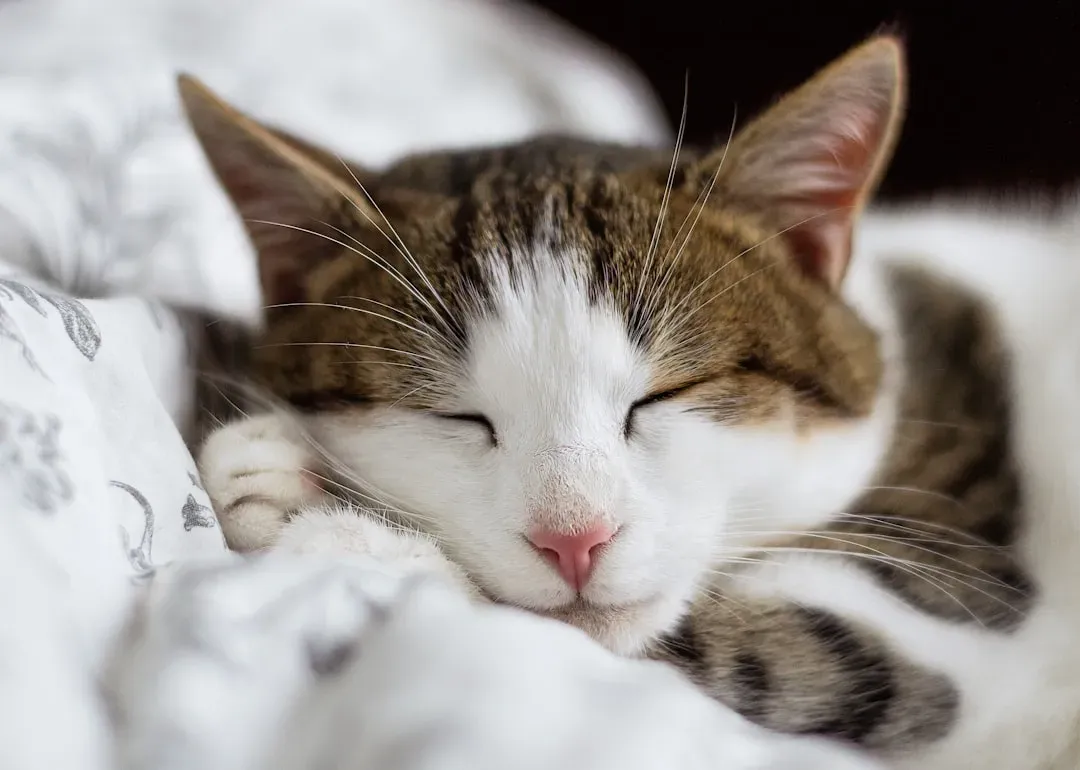
It’s easy to look at a sleeping cat and see nothing more than a warm, fluffy lump of contentment. The truth is far more layered. A cat’s preferred sleeping spot is not random; rather, it reflects their comfort level, trust in you, and even their emotional state. Every curl, every sprawl, every warm weight on your feet at midnight is a piece of communication you have the power to understand.
When your cat chooses to sleep on or near you, they are overriding a primal predator instinct that dictates they must stay alert to survive. It is the ultimate sign of trust. That’s a pretty profound thing, if you stop and think about it. An animal wired for survival is choosing vulnerability, specifically because of you.
So the next time your cat tucks themselves into the crook of your legs, stretches belly-up across your pillow, or curls like a donut on the couch beside you, take a moment to appreciate what they’re really saying. They’ve chosen you as their safe place in a world full of uncertainty. That’s not nothing. That’s everything. What sleeping position does your cat love most? Drop it in the comments – we’d love to know!
Kristina is a young writer from India. An arts graduate and an avid content creator, Kristina is passionate about animals and wildlife. She enjoys exploring topics related to pet care, animal behavior, conservation, and nature, combining thorough research with engaging storytelling.