Cats have long held a reputation as the ultimate independent creatures, but honestly, that narrative is only half the story. Some breeds really do prefer a quiet corner and their own company. Others will follow you to the bathroom, narrate your workday, and treat your lap as their permanent real estate. It’s a fascinating contrast, and choosing the wrong match can leave both you and your cat feeling a little misunderstood.
Whether you work long hours and need a low-maintenance companion, or you crave a furry shadow that lives for connection, the breed you choose genuinely matters more than most people realize. You might be surprised just how dramatically personality can vary across these twelve breeds. Let’s dive in.
1. Russian Blue: The Quiet Observer Who Keeps to Themselves
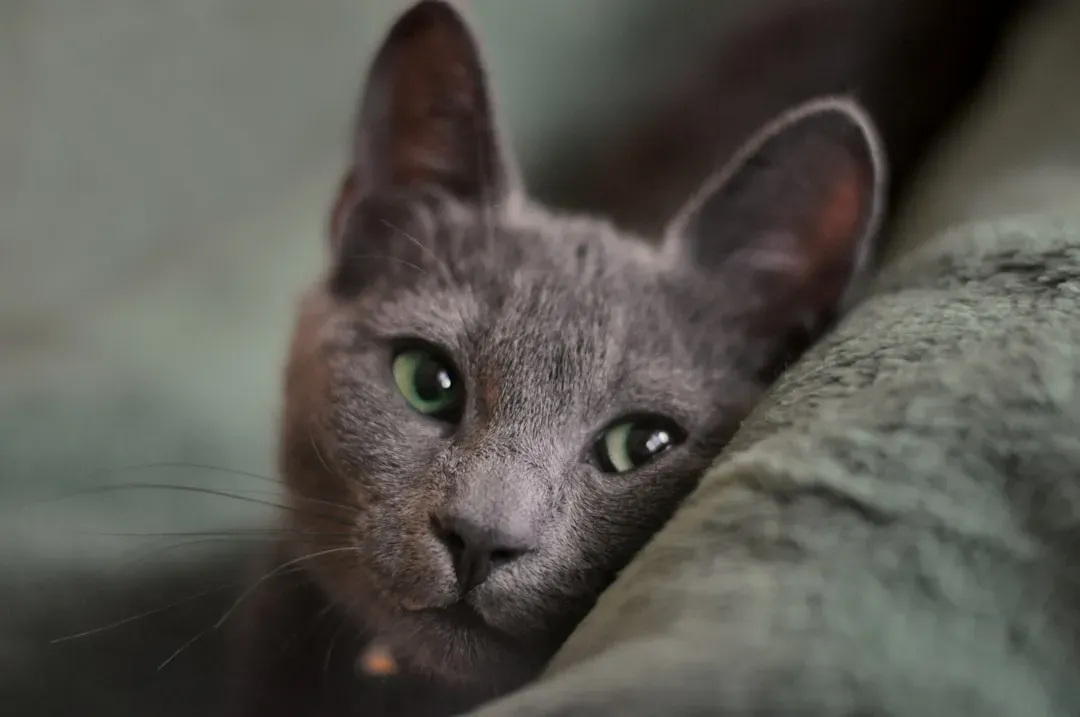
Here’s the thing about Russian Blues – they’re not cold, they’re just selective. The Russian Blue carries a gentle, graceful air that fills a room without a sound, with a soft blue-gray coat and piercing green eyes, often preferring to observe from a quiet spot rather than be in the middle of activity. Think of them like that one smart, introverted friend who only speaks when they actually have something worth saying.
Russian Blues are known for their elegant blue-gray coat and, as intelligent, curious, and independent cats, they are an excellent choice for owners who want a low-maintenance companion. They are typically reserved around new people but affectionate to their trusted humans. If you value calm coexistence and a cat that respects your personal space just as much as you respect theirs, a Russian Blue is hard to beat.
2. British Shorthair: Dignified, Composed, and Happily Self-Sufficient

If cats had aristocracy, the British Shorthair would be sitting in a velvet chair with absolutely no interest in impressing anyone. Their plush coat and rounded features make them look eternally calm, and that’s exactly how they act. They prefer lounging peacefully nearby rather than climbing on laps or chasing excitement. Low-energy and composed, British Shorthairs bring a cozy, grounded presence to any home, and their independent temperament doesn’t mean they’re detached – just dignified and content with their own company.
True to their reserved nature, British Shorthairs prefer companionship without constant handling. They enjoy being near their humans – sitting beside you or resting close by – rather than demanding to be held or cuddled for long periods. This breed shows affection subtly, choosing quiet observation over physical closeness. For anyone who values peaceful cohabitation over a clingy companion, this breed is a genuinely wonderful match.
3. Norwegian Forest Cat: The Majestic Loner With Forest Roots
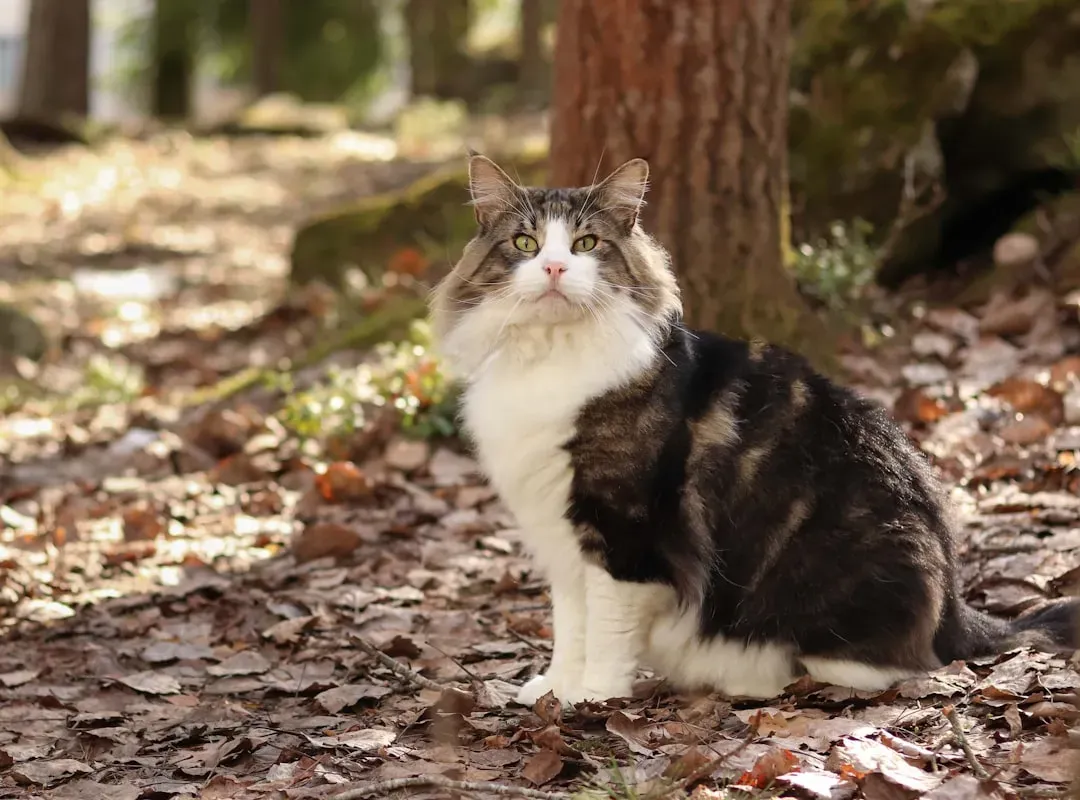
You might expect a cat rooted in Norse mythology to have a dramatic personality. Surprisingly, the Norwegian Forest Cat is the opposite of drama. Norwegian Forest Cats are gentle, calm, and quietly affectionate. They are independent yet social, forming strong but undemanding bonds, and they adapt well to families and multi-pet homes. It’s a balance that honestly sounds ideal.
These intelligent cats are social without being needy or demanding. While they enjoy being near their humans, Norwegian Forest Cats aren’t typically lap cats. They prefer to be close, but not on top of you. Known for their independent nature, they don’t require constant attention, making them ideal companions for those who appreciate a loving yet self-sufficient pet. It’s worth noting that this breed has ancient roots, with large forest cats appearing in Norse mythology dating back thousands of years, deeply woven into Norwegian culture and folklore.
4. Persian: The Serene Homebody With Royal Roots
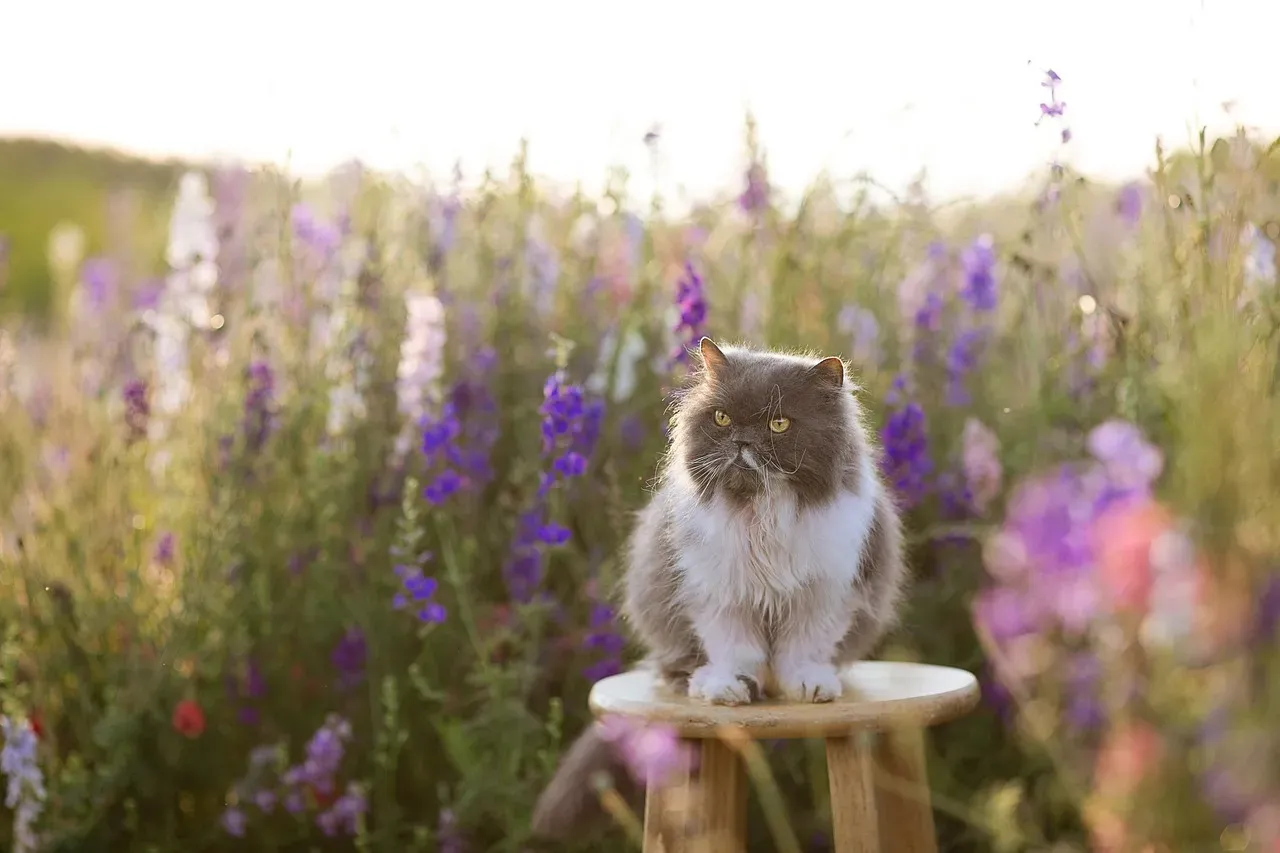
Persians are, without a doubt, one of the most visually striking breeds on the planet. But what truly sets them apart is their temperament. Persian cat behavior is defined by calmness, affection, and loyalty. They are gentle companions who bring peace and comfort to their homes. Unlike high-energy breeds that demand constant stimulation, Persians thrive on quiet companionship. They’re the feline equivalent of a Sunday morning – slow, soft, and wonderfully unbothered.
Despite their affectionate nature, Persians can also be independent, and most of them enjoy some alone time. Persian cats prefer quiet homes, which means they aren’t a fan of loud noises, unpredictable children, or boisterous pets. Keep in mind that owning one does come with grooming commitments – that gorgeous coat requires daily attention – but in exchange, you get one of the most serene companions imaginable.
5. Abyssinian: The Independent Explorer Who Doesn’t Need You (But Likes You)
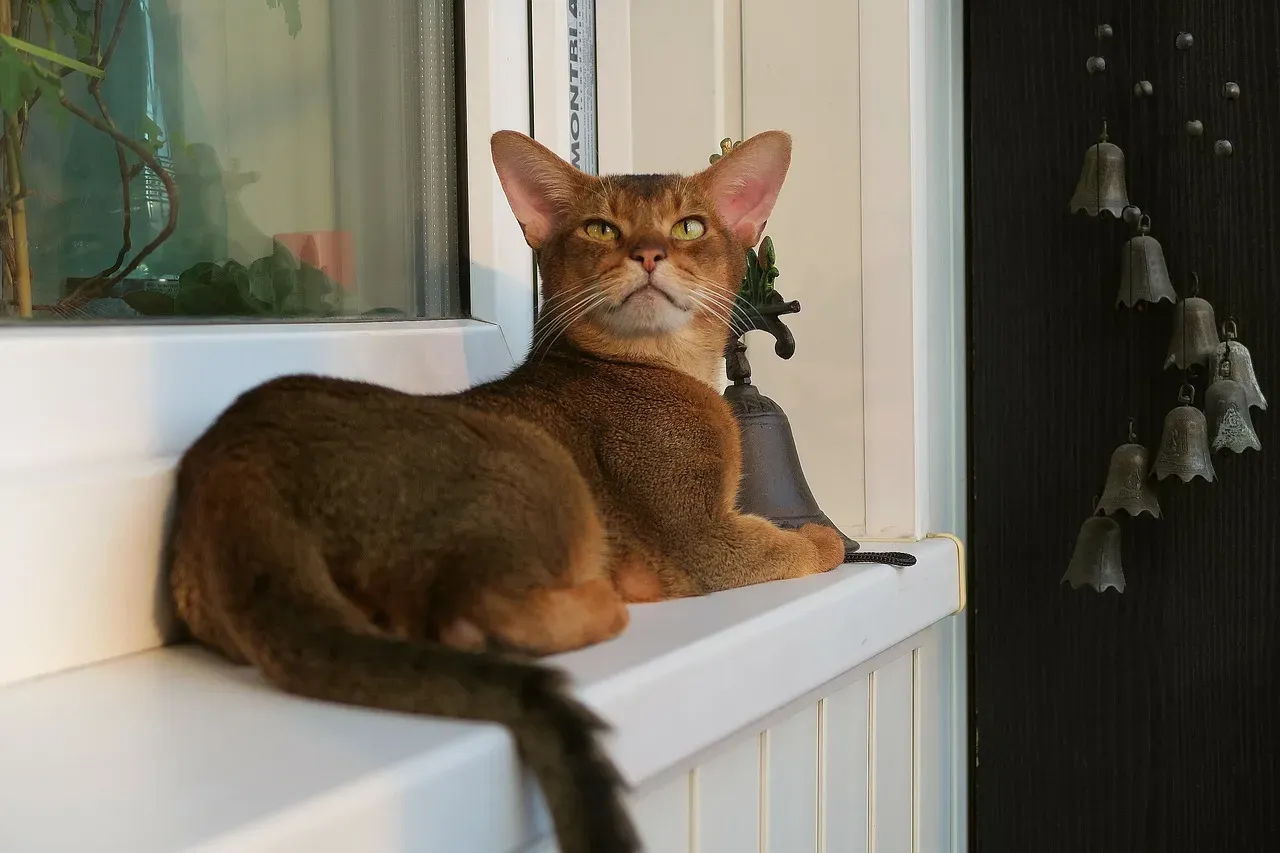
Abyssinians are fascinating because they break the usual mold. They’re not cold and they’re not clingy. They just have their own agenda, and honestly, you’re welcome to watch. Abyssinians are one of the oldest known cat breeds, with sleek muscular bodies and striking ticked coats. These cats are known for their intelligence, athleticism, and independent spirit. While they enjoy human interaction, they can entertain themselves for hours with their curiosity and natural hunting instincts.
The Abyssinian, often called the “cat of ancient Egypt,” is instantly recognizable by its ticked coat, sleek build, and oversized forward-tilted ears. Agile and elegant, this breed is alert, intelligent, and constantly aware of its surroundings. Naturally dominant and observant, Abyssinians like to patrol their territory, frequently choosing high vantage points to monitor household activity. They are deeply invested in their environment and quickly notice anything unfamiliar or out of place. Think of them as the cat equivalent of a curious detective who works alone.
6. Bengal: The Wild Spirit Who Plays Solo
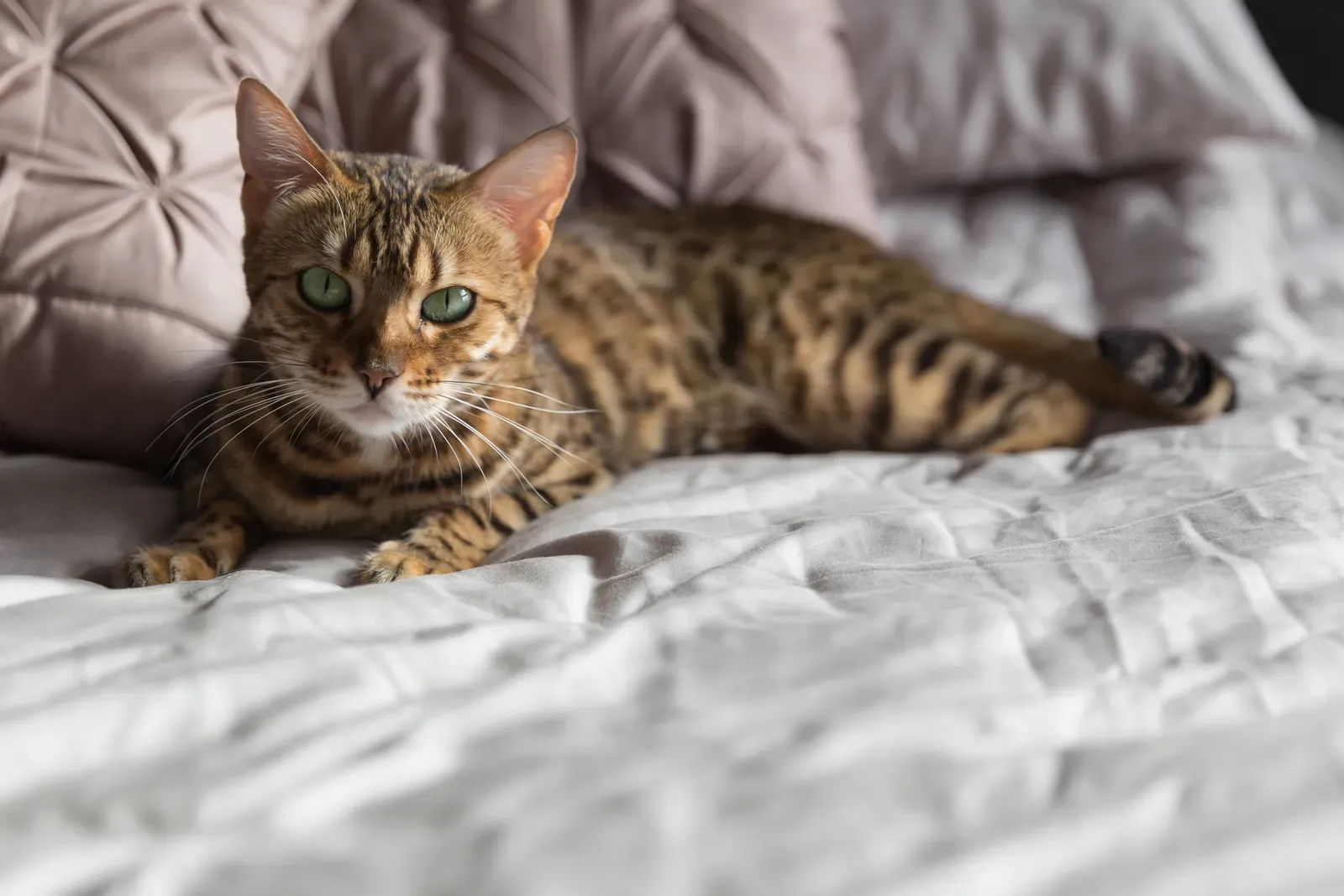
This photograph was taken by Medium69 (William Crochot) and released under the license stated below. You are free to use it for any purpose as long as you credit the author (William Crochot), the Source (Wikimedia Commons) and the license (CC-BY-SA 4.0) in close relation to the image.
Please do not upload an updated image here without consultation with the Author. The author would like to make corrections only at his own source RAW. This ensures that the changes are preserved.Please if you think that any changes should be required, please inform the author.Otherwise you can upload a new image with a new name. Please use one of the templates derivative or extract., CC BY-SA 4.0)
I’ll be honest – Bengals are a lot. In the best possible way. They’re one of those breeds that people either absolutely adore or find completely overwhelming. The Bengal, sometimes admired for its resemblance to the Asian Leopard Cat, is a striking hybrid breed known for its rosetted coat and muscular, athletic frame. Combining the elegance of a wild cat with the temperament of a domestic feline, Bengals are confident, curious, and highly alert.
Bengals are active and intelligent, often engaging in solitary play and exploration. Bengals were developed as a hybrid-style breed and are famous for that wild look, but it’s the brain that makes them a full-time experience. Bengals are hands-on problem solvers – they don’t just stare at a toy, they dismantle it. They don’t just want entertainment, they want challenges. Give them space, enrichment, and mental stimulation, and they’ll thrive on their own terms beautifully.
7. Siamese: The Social Butterfly Who Craves Your Constant Attention
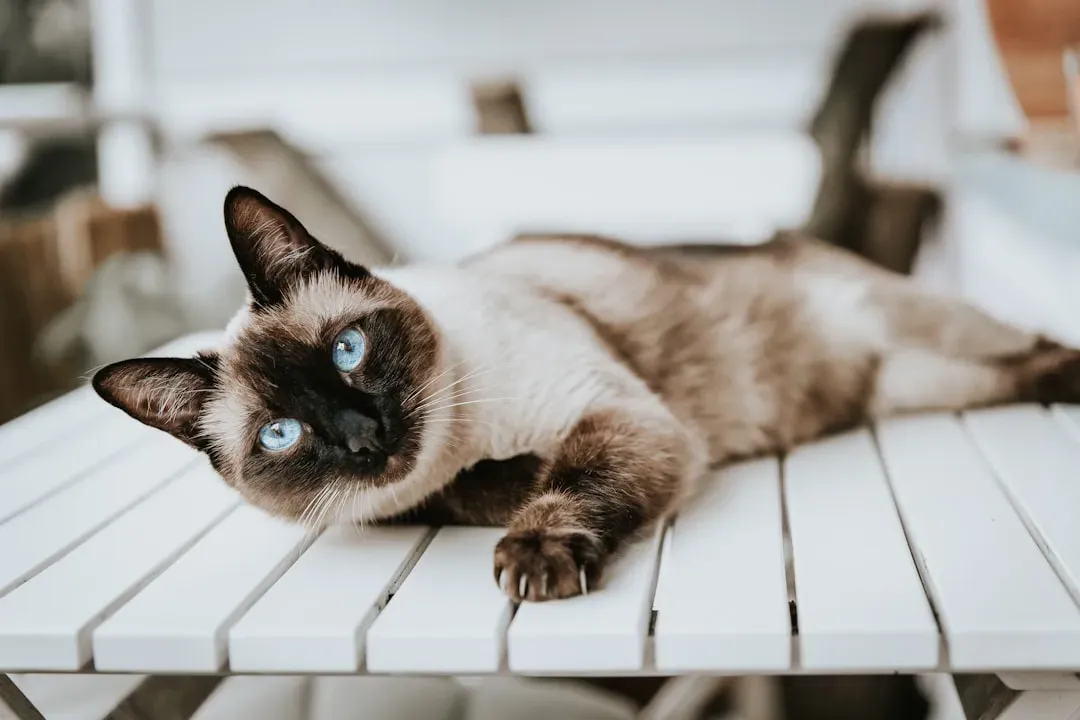
If you thought Siamese cats were reserved, prepare yourself. These cats are basically the social media influencers of the feline world – always on, always vocal, always wanting to be part of the conversation. Also known as the Thai cat, the Siamese is instantly recognizable for its slim build, short coat, and striking blue eyes. This medium-sized breed is intelligent, expressive, and deeply people-oriented, making it a standout choice for companionship.
Siamese cats are very affectionate, and some would see them as attention-seeking, but this behavior is really just a reflection of the strong bonds they form with their owners. They love interaction, play, and time spent together. Siamese cats crave attention and can be very vocal kitties, always seeking companionship. If you’re someone who works from home and wants a chatty companion by your side all day, the Siamese is basically your dream roommate.
8. Ragdoll: The Ultimate Companion Cat Who Goes Limp With Love
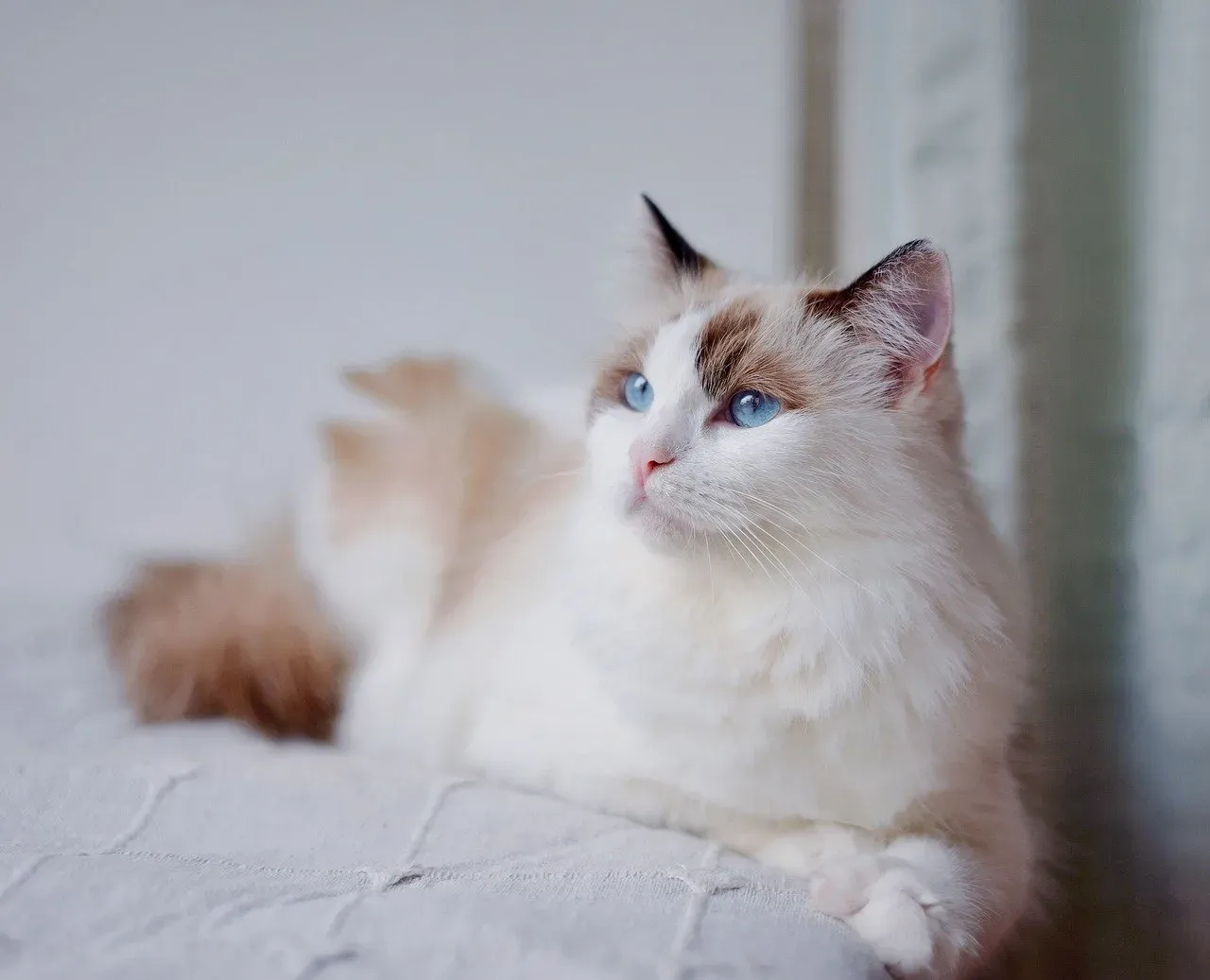
There’s a reason Ragdolls are one of the most beloved breeds in the world right now. They’re practically designed for human connection. Ragdolls are widely known for their relaxed nature and strong attachment to people, often choosing human company over solitude. They tend to stay close to their owners from room to room and enjoy being part of everyday routines rather than watching from afar.
Ragdolls are so easy-going and loving that they will allow a child to carry them around like a doll, going limp when they are picked up. While some cat breeds like to explore the house and get into mischief, Ragdolls like to stay close to their family at all times. They don’t like being left alone for long periods, which makes them an ideal companion for someone who works from home or has a flexible schedule. Honestly, if you want a cat that acts like a devoted life partner, this is probably the one.
9. Maine Coon: The Gentle Giant Who Loves but Doesn’t Smother
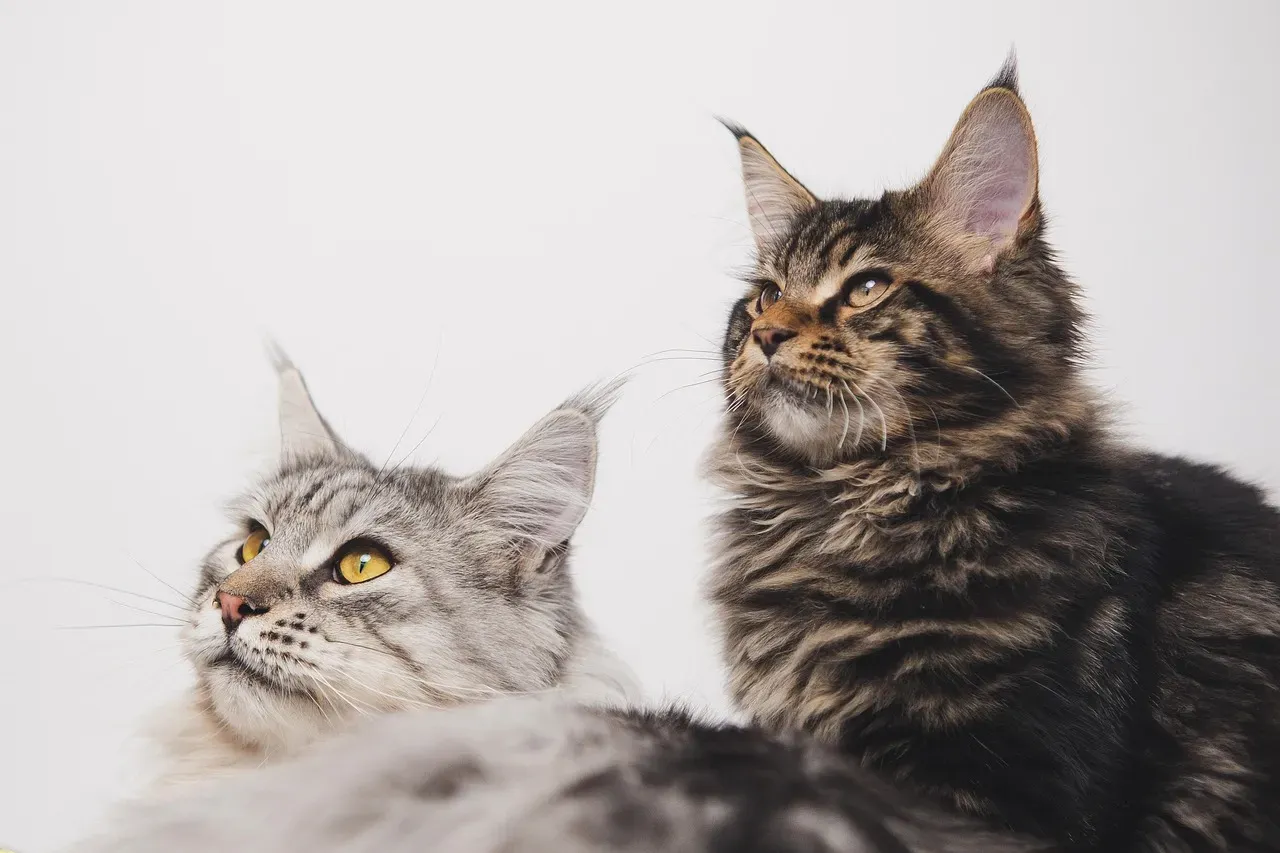
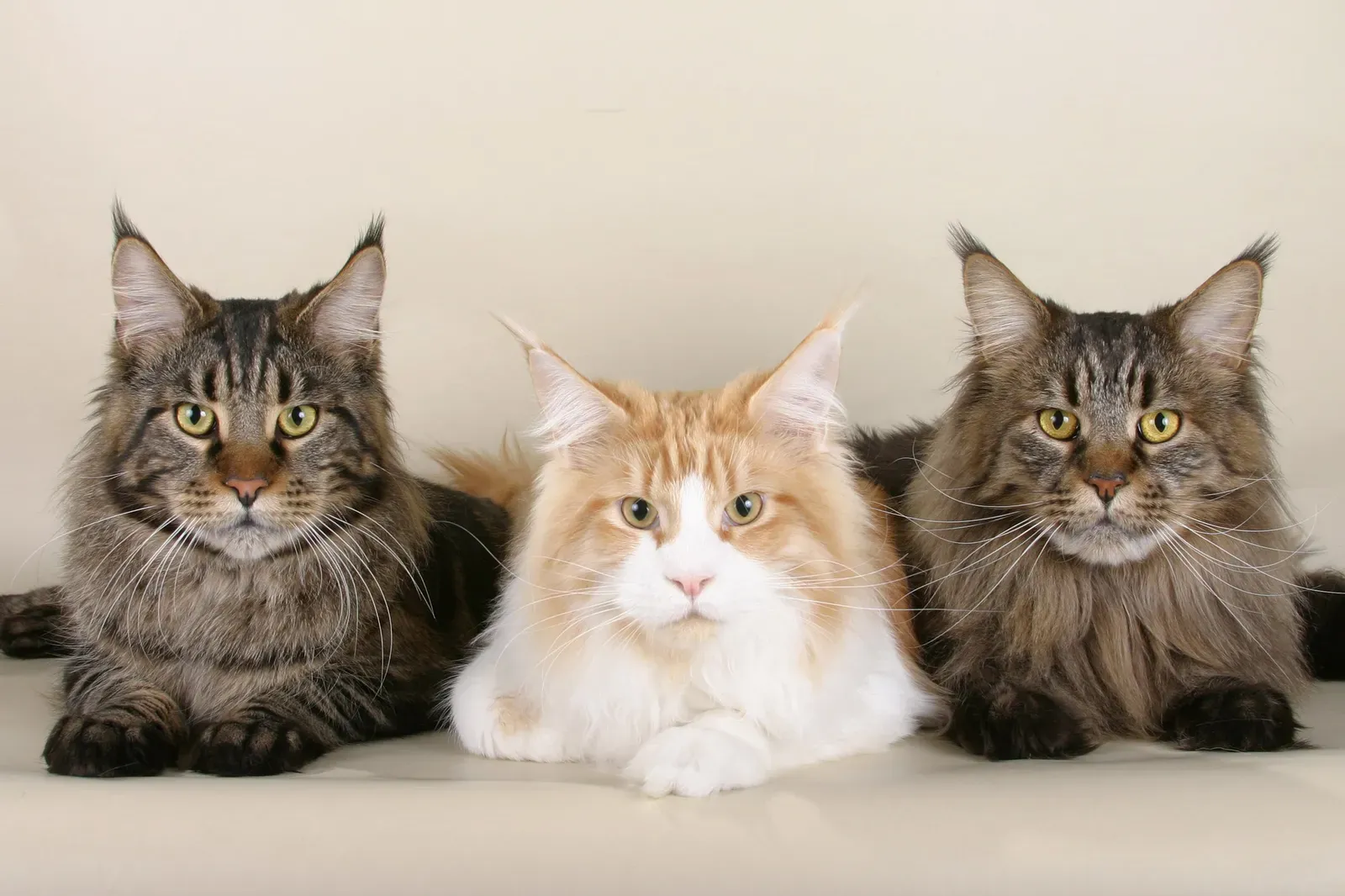
Maine Coons walk the line between independent and social so perfectly that they almost feel too good to be true. Often called the “gentle giant” of the cat world, the Maine Coon is one of the largest domesticated cat breeds, instantly recognizable by its long double-layered coat, tufted ears, and expressive eyes that give it a warm, friendly look. There’s something almost dog-like about their loyalty, without any of the separation anxiety.
Maine Coons are very affectionate and love receiving attention from their owners. It is not uncommon for them to greet their owner once they get home, and they are friendly towards guests. Their calm and laid-back nature means they are not too demanding, but they do enjoy following their owners from one room to another. They’re the kind of companion that makes you feel loved without ever feeling trapped – which is a genuinely rare quality in any living creature.
10. Burmese: The People-Obsessed Cat Who Shadows Your Every Step

Let’s be real – if you want space, a Burmese cat is not your match. These cats live for human contact and are completely unapologetic about it. When it comes to companionship, few breeds rival the Burmese. These cats thrive on attention and actively seek involvement in everyday life, often shadowing their humans from room to room and inserting themselves into conversations, screens, and activities. Their social nature makes them ideal for households that enjoy constant interaction.
Burmese are often considered to be the most affectionate cat breed. They love being with people at all times and crave close physical contact, making them the ultimate companion cat for a devoted family. Burmese cats have one of the longest histories with humans, and ancient history shows they were once worshipped in temples in Myanmar. So yes, they do carry an air of expecting to be treated as royalty – and they haven’t changed their opinion on that in thousands of years.
11. Sphynx: The Hairless Hugger Who Cannot Get Enough of You
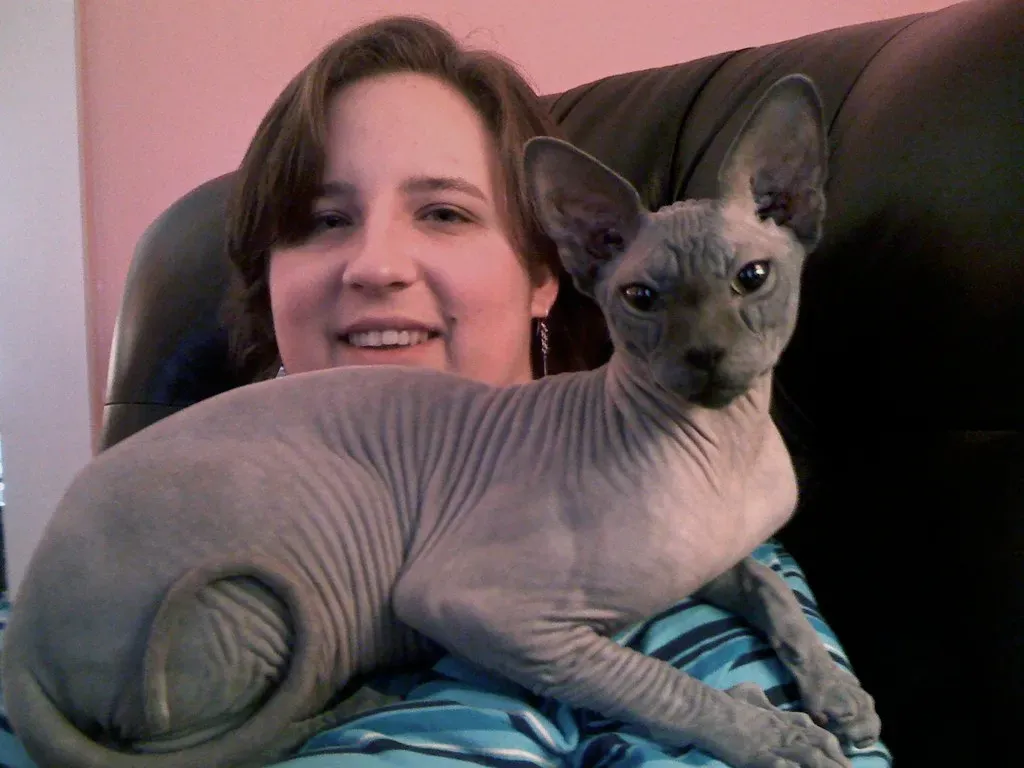
People take one look at a Sphynx and think “alien.” But spend five minutes with one and you’ll understand why their owners are completely obsessed. Sphynx cats may be hairless and appear too cool for school, but they’re warm, affectionate cats who crave human contact. They have a literal need for more warmth, so they naturally gravitate to warm spots, like a human’s lap.
Although this unique cat might not appeal to all families, they make loving, affectionate, and attention-seeking companions. They are generally considered to be one of the most dog-like breeds as they hate being alone and crave companionship, choosing to follow their family around the house and be involved in every activity. Their hairless coat means they seek the warmth of their owner’s lap and bed to stay cozy. It’s hard to say for sure, but I think owning a Sphynx is the closest you’ll come to owning a cat that genuinely thinks it’s a person.
12. Birman: The Sacred Companion Who Bonds Deeply Without Demanding Constantly
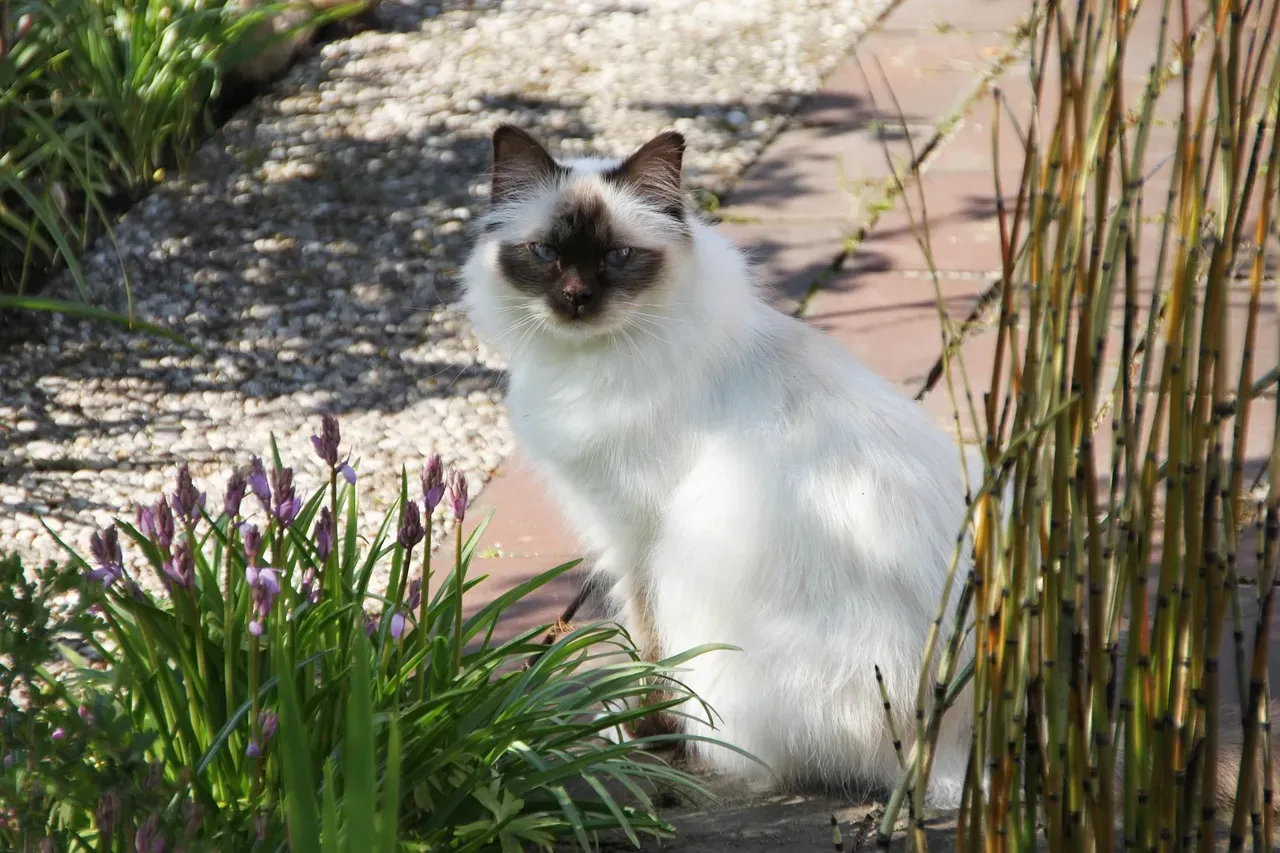
The Birman sits in a fascinating middle ground – social enough to fill your heart, calm enough not to overwhelm you. Also called the Sacred Cat of Burma, Birman cats are affectionate companions with a calm, loving demeanor. They have a silky coat and deep blue eyes, often forming strong connections with family members. Birmans are friendly with other pets and make excellent additions to multi-pet households.
Tolerant, trusting, and cuddly, Birmans are comfortable with being picked up and handled. They often seek out laps and arms on their own, settling in calmly and responding with gentle purring rather than resistance. Their even temperament makes them especially suitable for families with children or multiple pets. Birmans remain relaxed during handling, showing patience and confidence instead of stress. Think of the Birman as the friend who’s always genuinely glad to see you but never makes you feel guilty for needing an evening to yourself.
Conclusion: There Is No “Better” Type – Only the Right Fit for You
Whether you’re drawn to the quiet dignity of a British Shorthair or the full-volume affection of a Burmese, what matters most is honesty about your own lifestyle and needs. All cats show affection to their owners. Some breeds just match our human concept of affection more closely. There isn’t really such a thing as the “most lovable cat breed” – some breeds simply act closer to the way humans recognize love. That’s a thoughtful way to look at it.
The cats that prefer solitude aren’t broken or cold – they just speak a quieter language. The ones that crave company aren’t needy – they’re just built for connection. Both are beautiful in completely different ways. The question isn’t which type is better. The real question is: which type is better for you? Take that seriously, and you’ll end up with a companion that fits your life like a perfectly tailored glove – whether they sleep across the room or refuse to let you out of their sight.
Kristina is a young writer from India. An arts graduate and an avid content creator, Kristina is passionate about animals and wildlife. She enjoys exploring topics related to pet care, animal behavior, conservation, and nature, combining thorough research with engaging storytelling.