There is a good chance your cat has been watching you pack an umbrella, yawning at your confusion, and quietly keeping secrets about tomorrow’s forecast. You might think that checking your phone’s weather app is the smart move every morning. Honestly, though, your cat might have beaten you to the prediction hours before the algorithm even loaded.
Cats have fascinated humans since ancient times, and one of their most puzzling abilities is this uncanny knack for sensing atmospheric shifts that completely escape human perception. The science is real, the folklore is rich, and the stories shared by cat owners across the world are genuinely hard to dismiss. So let’s dive in, because what you discover might make you look at your cat in a completely different light.
The Ancient History of Cats as Weather Forecasters
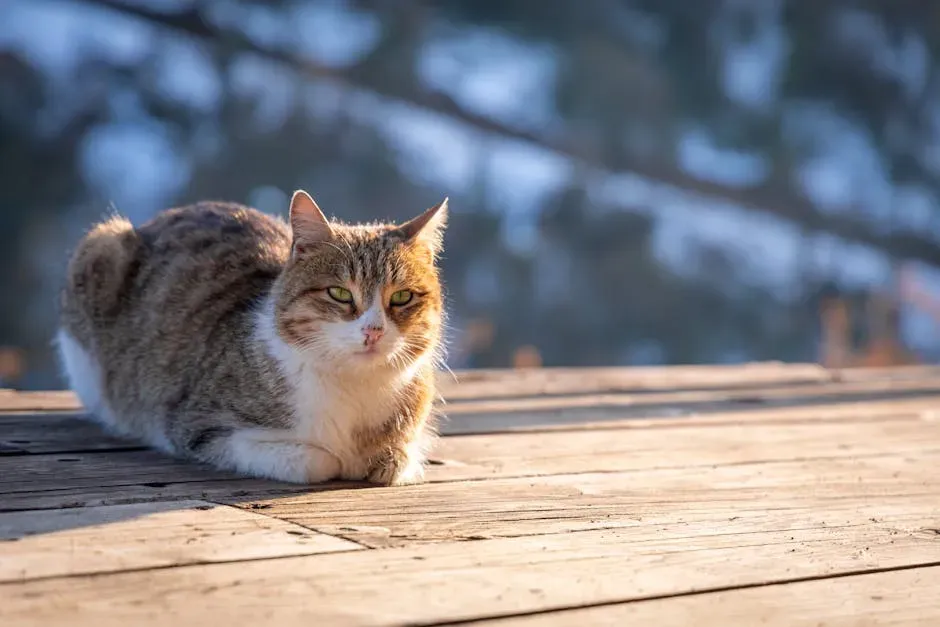
Using cat behavior to monitor the weather is a tradition steeped in history. For centuries, tales have been told of the supernatural power of felines to predict storms. Long before radar towers and satellite data, people looked to nature, and cats sat at the center of that observation. It is the kind of thing that sounds like superstition at first, but the sheer consistency across unconnected cultures is hard to ignore.
Associating a cat’s actions with weather predictions is nothing new. According to Almanac.com, some countries developed folklore connecting cat behavior with bad weather. In Welsh culture, rain was expected if a cat groomed their ears. Another predictor of rain was a cat scratching curtains, according to Dutch tradition. These weren’t just random stories. They were patterns passed down through generations of careful observation.
Sailors and Their Feline Forecasters at Sea
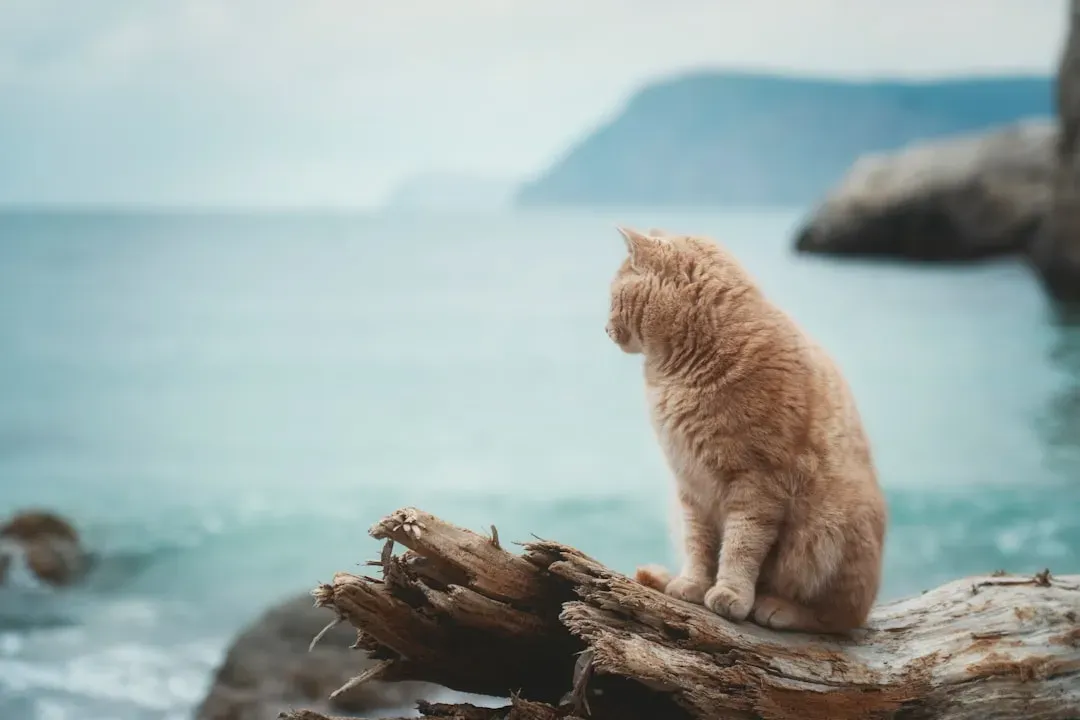
While cats can’t actually make weather predictions, their ability to sense impending weather changes served as a tool by fishermen and sailors from the 1700s until the early 20th century. Unusual behavior from the ship’s resident cats, such as attempting to jump ship, repeatedly pawing at their faces, or carrying their kittens off the ship before sailing, was interpreted by a ship’s crew as a warning, and the sailors would plan ahead accordingly, sometimes refusing to set sail at all. That is not superstition. That is survival strategy.
Many sailors believed cats had power to protect ships from bad weather. It was also believed that if a cat approached a sailor on deck that was good luck, but if they only approached halfway and then turned back that was unlucky. If a cat was seen to lick its fur against the grain a hail storm was imminent, and if it licked its fur with the grain then rain could be expected. A lively, frisky cat heralded wind. These sailors were essentially reading a living barometer every single day.
The Inner Ear: Your Cat’s Built-In Pressure Gauge

Here is the thing that genuinely surprised me when I first came across it. Cats are incredibly sensitive to changes in atmospheric pressure. Their inner ears are finely tuned to detect even the slightest fluctuations. When the air pressure drops, which often happens before a storm, cats can sense this change. Think of it like a built-in barometer that never needs batteries and never crashes.
Barometric pressure begins to change hours ahead of a storm, long before humans can tell that bad weather is approaching. Cats are able to distinguish the difference in air pressure because their ears and noses can actually feel the air getting heavier. Meteorologists also monitor barometric pressure to predict bad weather, although they have to rely on instruments rather than instinct. Your cat is essentially doing what meteorologists do, just without the expensive equipment.
A Nose That Smells the Storm Before It Arrives
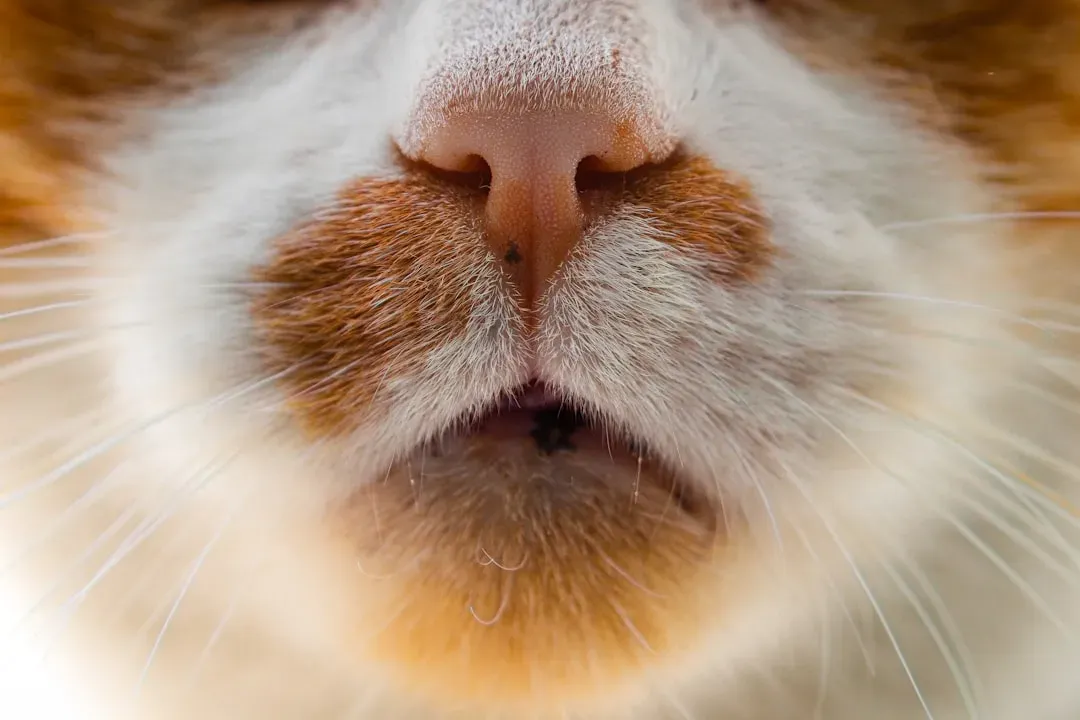
Let’s be real about something. Your sense of smell is, comparatively speaking, almost embarrassing next to your cat’s. While humans have only five million smell sensors in the nose, cats have over 200 million odor sensors. That is an almost incomprehensible difference. Imagine smelling the rain before it’s even a cloud.
A cat’s sense of smell is estimated to be 14 times stronger than that of humans. They can detect the scent of rain or the ozone produced by lightning, which signals an impending storm. By combining their sense of smell and hearing, cats create a mental map that helps them predict weather changes. It is less like a sixth sense and more like having five senses turned up to maximum volume while yours sit at a comfortable medium.
Whiskers, Fur, and the Physical Touch of Changing Weather
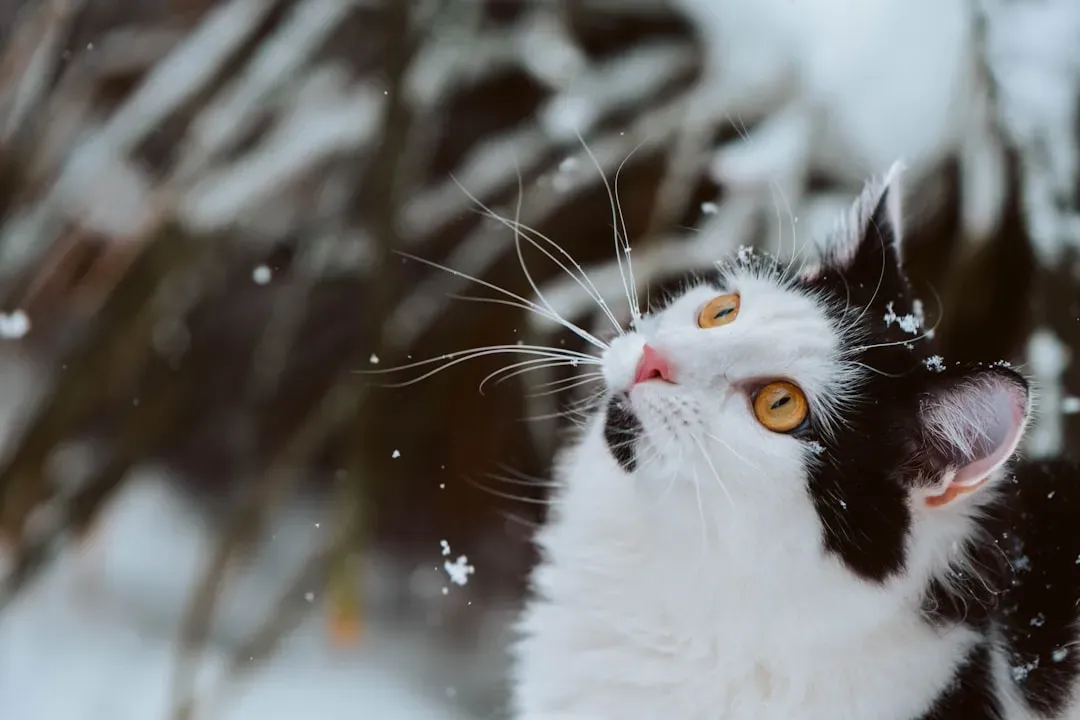
You might not have thought much about your cat’s whiskers beyond their obvious cuteness. Scientifically, though, they are extraordinary instruments. A cat’s whiskers are incredibly sensitive to even the slightest changes in air currents. As weather changes, particularly wind direction and speed, a cat can detect these shifts with its whiskers. Cats might become more alert or try to find shelter when they sense strong winds or atmospheric disturbances.
Cats are also highly sensitive to changes in humidity and temperature. Before a rainstorm, the air’s humidity often rises. Cats can feel this increase in moisture on their fur and skin, prompting them to seek drier, more comfortable environments. Sudden temperature drops can make cats look for warmer spots or become more active to prepare for the cold. Your cat is essentially wearing a full weather station on its body at all times.
Behavioral Signs Your Cat Is Predicting a Storm
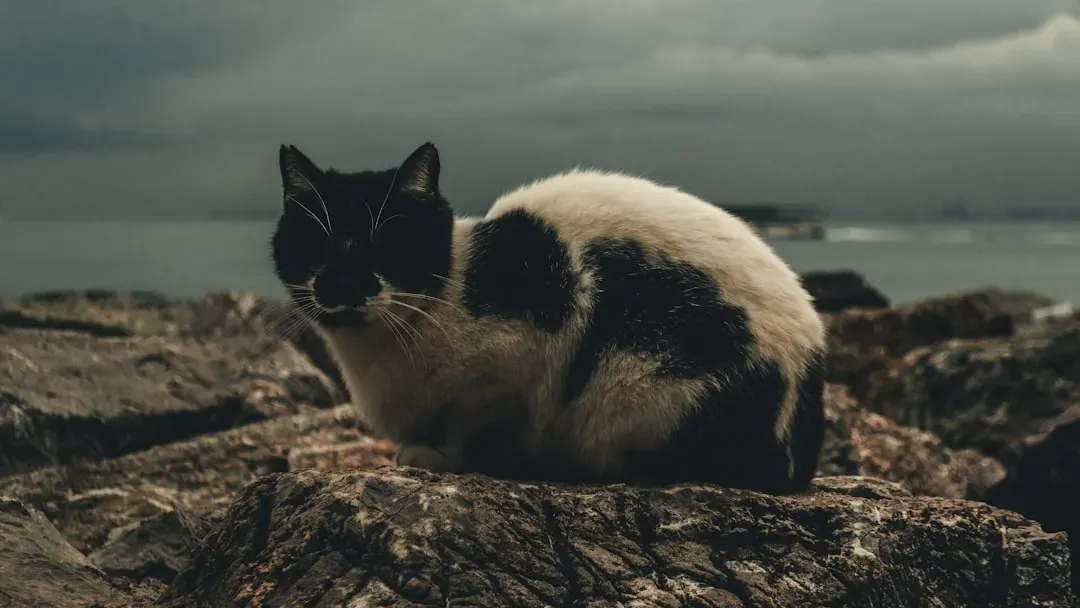
This is where it gets genuinely practical. If you know what to watch for, your cat can give you a heads-up that is arguably more reliable than a push notification. Cats may become restless, hide, or groom excessively because they feel pressure shifts and vibrations caused by approaching storms. Sound familiar? If your normally calm cat starts acting like it has had too much caffeine, that might be worth noting.
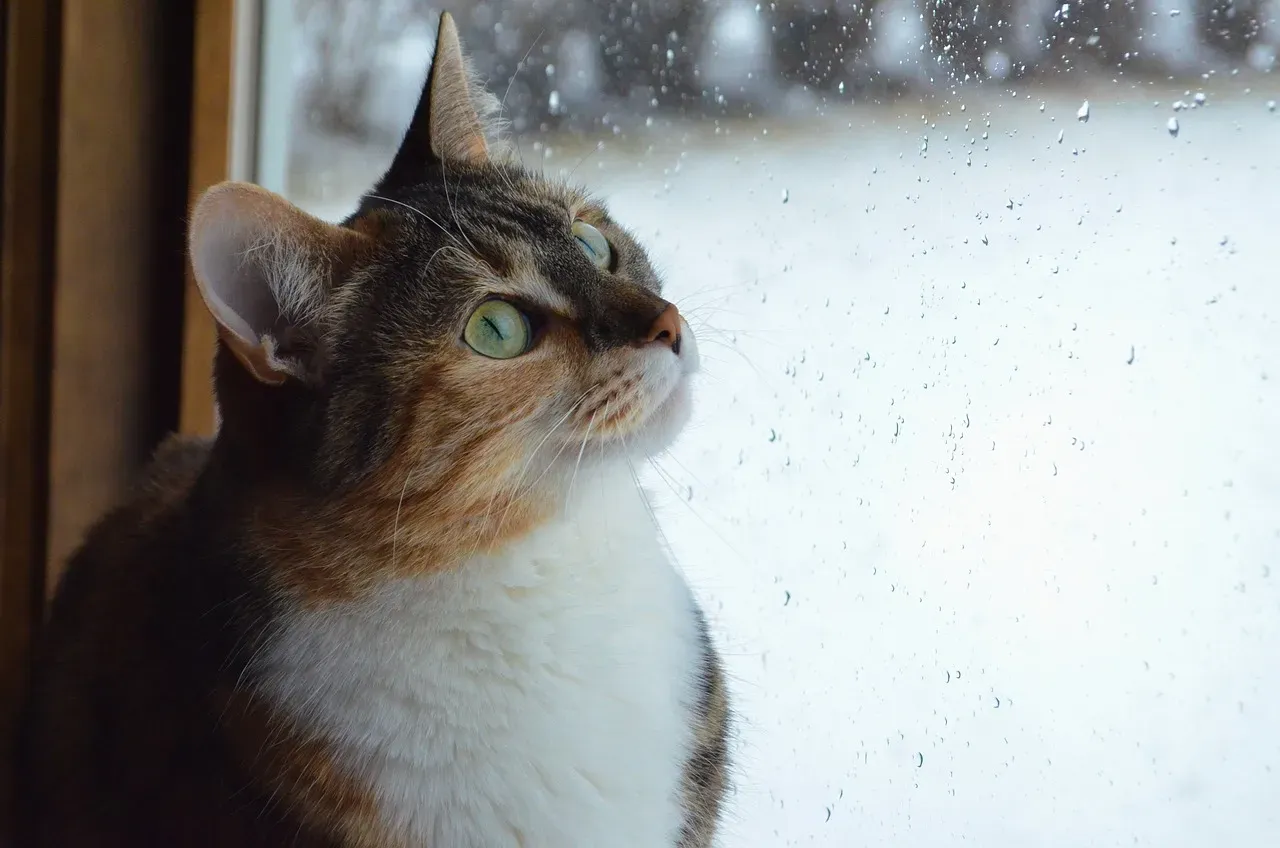
If your cat is breaking their usual routine, it’s possible they are reacting to signals that the weather is changing. Cat behaviorists at Catster note that your cat could be sensing bad weather if they are retreating to hiding spots at a time of day when they normally wouldn’t. Consider other behavioral cues too. A cat that yawns and stretches out is predicting fair weather. When a cat’s pupils widen suddenly, there could be a weather change. When a cat stares out of the window for a long time, it means rain.
Why Some Cats React More Strongly Than Others
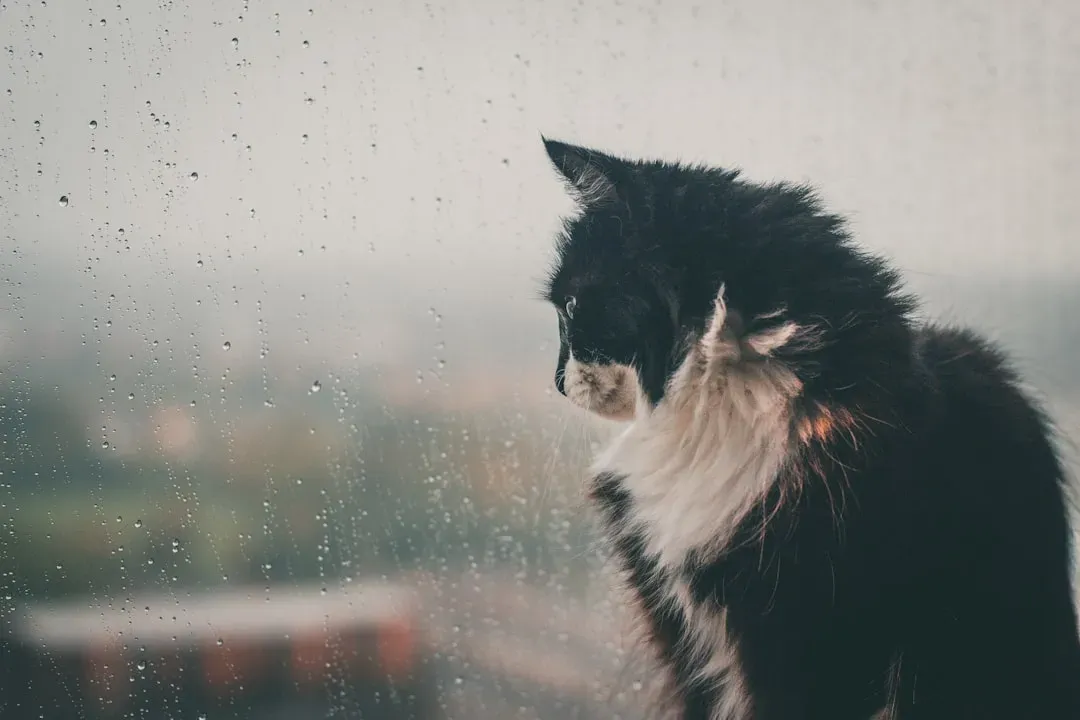
Not every cat will dramatically announce a coming storm. I know it sounds frustrating, but it is completely normal. Just because a cat picks up on bad weather heading your way doesn’t necessarily mean your cat will visibly react to those signals. Some cats are more perturbed by storms than others, so just because a cat senses inclement weather doesn’t mean they will feel bothered by it to the point of displaying anxious behavior.
Cats can sense changes in atmospheric pressure with their inner ears. This will affect how they act, feel, and behave in the following hours. While the cat may not explicitly know a storm is coming, it will know the air feels denser. This will give it a chance to react to the new information. Perhaps it will become antsy, or perhaps it will decide to bunker down for a while. Every cat is an individual. Some wear their weather anxiety on their sleeve, others file it away quietly.
How the Science Stacks Up Against Folklore
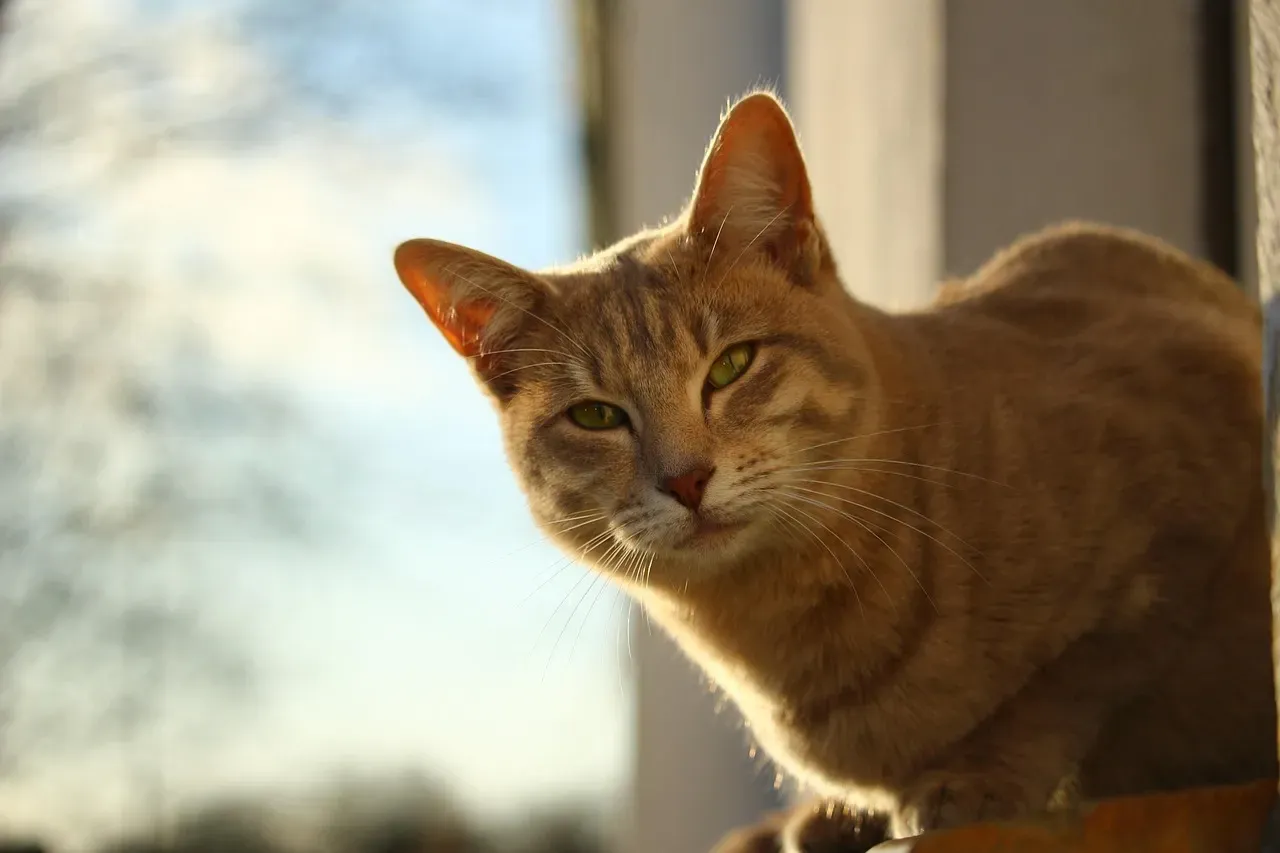
It’s hard to say for sure whether every piece of cat weather folklore has a solid scientific explanation, but the overlap is genuinely striking. According to Allen Moller of the National Weather Service, the action of a cat wiping her paws repeatedly over her face could be an indication that the low atmospheric pressure and electromagnetic changes caused by storms are causing her discomfort. By running her paws over her face and across her ears, she could be trying to relieve some of that unpleasant feeling. In other words, what ancient sailors interpreted as a mystical sign was actually a cat experiencing physical discomfort from pressure changes.
The theory is that cats and other animals use their superior senses to predict a weather change. They can smell incoming rain, feel trembles in the earth, hear thunder and wind, and sense pressure changes long before their human counterparts. What confuses scientists is how they can sense it before all that pricey technological equipment can. That last point is the one that really stays with you.
How to Help Your Cat Through Stormy Weather
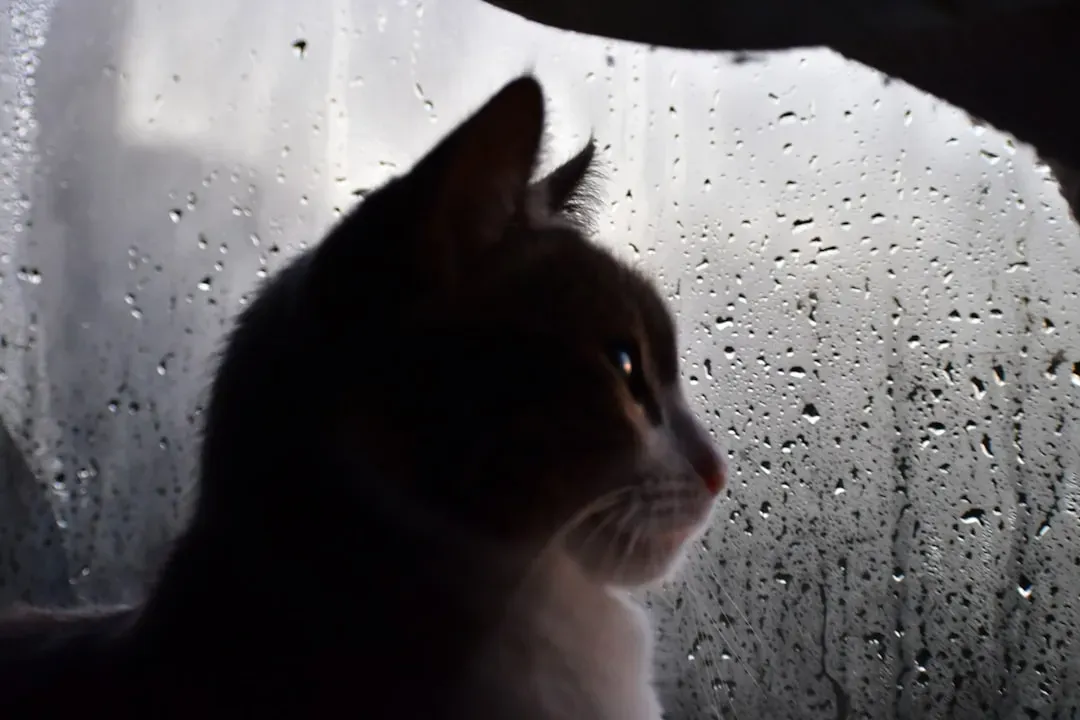
Even if your cat is a remarkable little meteorologist, it does not mean storm anxiety is easy for them to handle. Some cats seem more disturbed by bad weather than others. The changes in air pressure before a storm, the sudden loud noises of thunder, and the smell of ozone caused by lightning might all lead to anxiety in cats. Knowing this, you can actually take steps to make the experience better for them.
For cats that exhibit severe anxiety during storms, training and desensitization techniques can be beneficial. Gradual exposure to recorded storm sounds combined with positive reinforcement can help reduce fear and anxiety over time. Consulting with a veterinarian or a pet behaviorist can provide additional strategies tailored to individual cats. Also, your attitude is the key element when calming down your cat. These pets can pick up your energy. If you are anxious about the storm, they will get anxious too. By staying calm, you will help your feline friend feel safer.
Conclusion: Maybe It’s Time to Trust the Cat
There is something quietly humbling about realizing that the creature napping on your couch has been quietly outperforming sophisticated forecasting tools all along. The science is clear enough: cats detect barometric pressure shifts, smell ozone from lightning, hear distant thunder long before you do, and feel humidity changes through their fur. That is not magic. That is biology operating at a level humans simply cannot match.
What is genuinely exciting is that you don’t need a meteorology degree to benefit from this. You just need to pay closer attention to the animal already living with you. The next time your cat suddenly starts pacing, hides under the bed for no obvious reason, or obsessively grooms its ears, maybe put down your phone and grab an umbrella instead.
Nature gave your cat tools that took humans centuries of engineering to approximate. The real question is: how many storms has your cat already predicted that you never even noticed? What do you think? Share your own cat weather stories in the comments!
Kristina is a young writer from India. An arts graduate and an avid content creator, Kristina is passionate about animals and wildlife. She enjoys exploring topics related to pet care, animal behavior, conservation, and nature, combining thorough research with engaging storytelling.