Most people think their cat is simply happy when it starts to purr. You stroke its back, it closes its eyes, and that warm, rhythmic rumble fills the room. It feels good. But here is the thing – what if that sound is doing something far more profound than just making you smile?
Science has been quietly uncovering a remarkable truth about your cat’s purr. It is not just a signal of contentment. It is, in many ways, a low-frequency therapy session happening right there in your lap. From your bones to your blood pressure, your heart to your mental health, the purr your cat produces may be one of nature’s most underrated wellness tools. So let’s dive in.
The Science Behind the Sound: What a Purr Actually Is
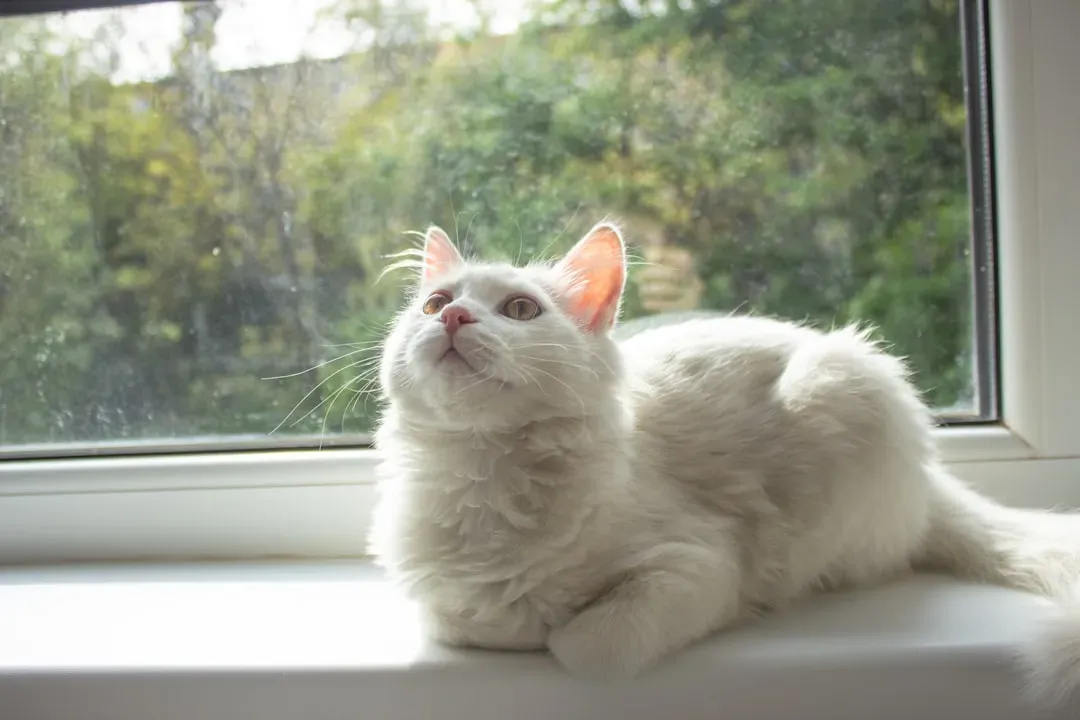
Before you can appreciate what a purr does for you, it helps to understand how it is made. Purring is generated by the rapid contraction and relaxation of the muscles within a cat’s larynx and diaphragm, occurring at a frequency of 25 to 150 vibrations per second. As a cat breathes in and out, air passes over these vibrating muscles, creating that distinctive purring sound. It is a bit like a tiny, living bass speaker sitting right on your chest.
How cats purr is still not entirely clear, and different theories have been proposed. It seems most likely that the noise is produced by the constriction of the glottis, the part of the larynx surrounding the vocal cords, due to the dilation of muscles in the cat’s larynx, causing air to vibrate every time the cat breathes in or out. Honestly, just the mechanics of it are impressive. Your cat is essentially running a built-in sound frequency machine every single time it settles down beside you.
The Frequency That Changes Everything
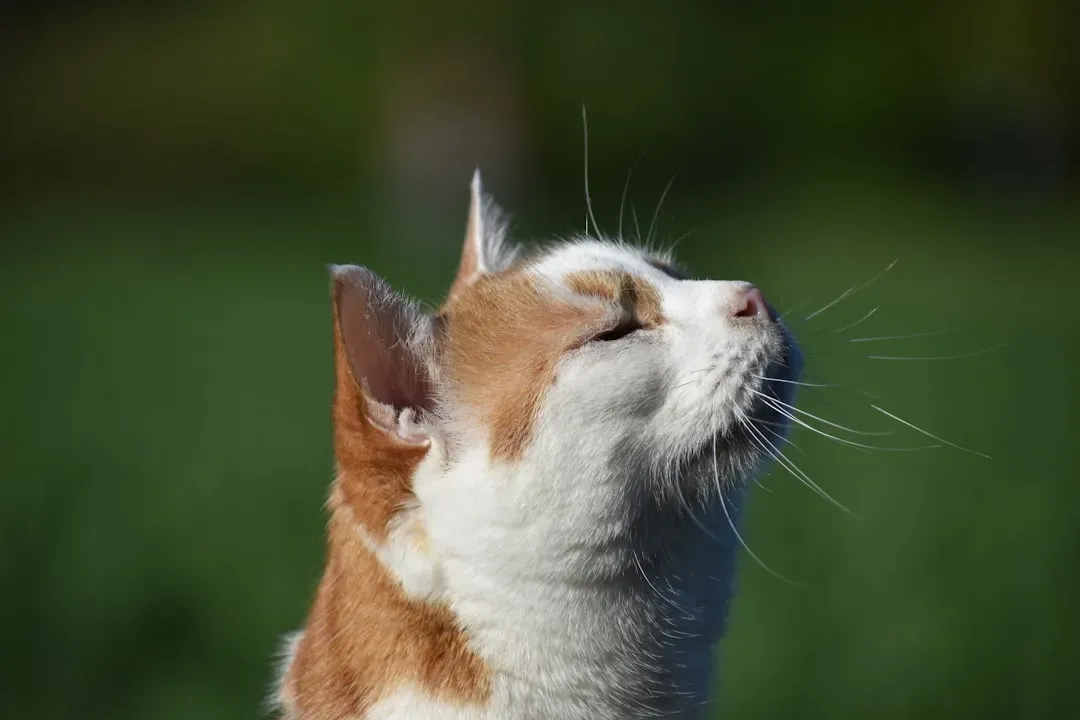
Research suggests that the frequency of a cat’s purring, typically between 25 and 150 hertz, could have therapeutic effects on the body and mind. That range is not arbitrary. It turns out this is precisely the range that human medicine has identified as biologically significant for physical repair and recovery.
Domestic cats, servals, ocelots, and pumas produce fundamental, dominant, or strong frequencies at exactly 25 Hz and 50 Hz, the two low frequencies that best promote bone growth and fracture healing. Think of it like tuning a radio to exactly the right station. Your cat’s body has naturally evolved to broadcast on the exact healing frequency that your body can receive and benefit from. That is not coincidence. That is biology being extraordinary.
Your Bones Are Listening: Purring and Skeletal Health

According to Leslie A. Lyons, an assistant professor at the School of Veterinary Medicine at the University of California, a low-frequency hum of purring at 25 to 50 hertz could even promote bone growth and fracture healing, as bones harden in response to the pressure. This is not fringe science. This is a credentialed researcher pointing to real biological potential sitting right in your living room.
Studies confirm that a frequency of 25 to 50 hertz, like that of a cat’s purr, can improve bone density, build bone strength, support wound and fracture healing, and stimulate bone fracture repair. It can also provide pain relief and help manage breathlessness and inflammation. A cat’s purr at a frequency of 18 to 35 hertz may also support tendon repair and joint mobility, while at 25 to 50 hertz, purring promotes the healing of injured muscles and tendons. Your cat, it turns out, may be quietly doing physical therapy on you.
A Natural Stress Reliever Sitting Right in Your Lap

One of the most immediate effects of cat purring on humans is its ability to reduce stress and anxiety. The soothing sound and vibration of a purr have been compared to the calming effects of meditation. Let’s be real – meditation requires effort, a quiet room, and about ten minutes of convincing yourself to actually sit still. A purring cat requires nothing from you except to let it climb onto your lap.
Purring not only releases endorphins in cats but can also induce the same thing in humans. Endorphins help decrease stress hormone levels. Lowered stress hormones are helpful for healing, lowering blood pressure, and helping people cope with illness. Petting a cat for just ten minutes can significantly reduce the amount of cortisol, a stress hormone, in your body. That is a measurable, biochemical response. Your cat is essentially a living, breathing cortisol management system.
Your Heart Will Thank You Too

The effects of cat purring include benefits like lowering blood pressure, promoting healing, and even reducing the risk of heart disease. Studies have shown that cat owners are less likely to suffer from heart disease compared to those without cats. The soothing effects of purring help reduce blood pressure, which can lower the risk of heart attacks and strokes. The calming presence of a cat, combined with the rhythmic vibrations of its purr, contributes to a healthier cardiovascular system.
Studies show that owning a cat could cut your risk of stroke or heart disease by as much as a third. That is a staggering statistic. To put it in perspective, many pharmaceutical interventions are developed and celebrated for offering far smaller reductions in cardiovascular risk. The soothing vibrations of a cat’s purr can also help regulate the autonomic nervous system, which controls involuntary bodily functions like heart rate and breathing. By lowering stress and triggering the body’s relaxation response, purring promotes a sense of calm, balance, and emotional well-being.
Better Sleep, One Purr at a Time
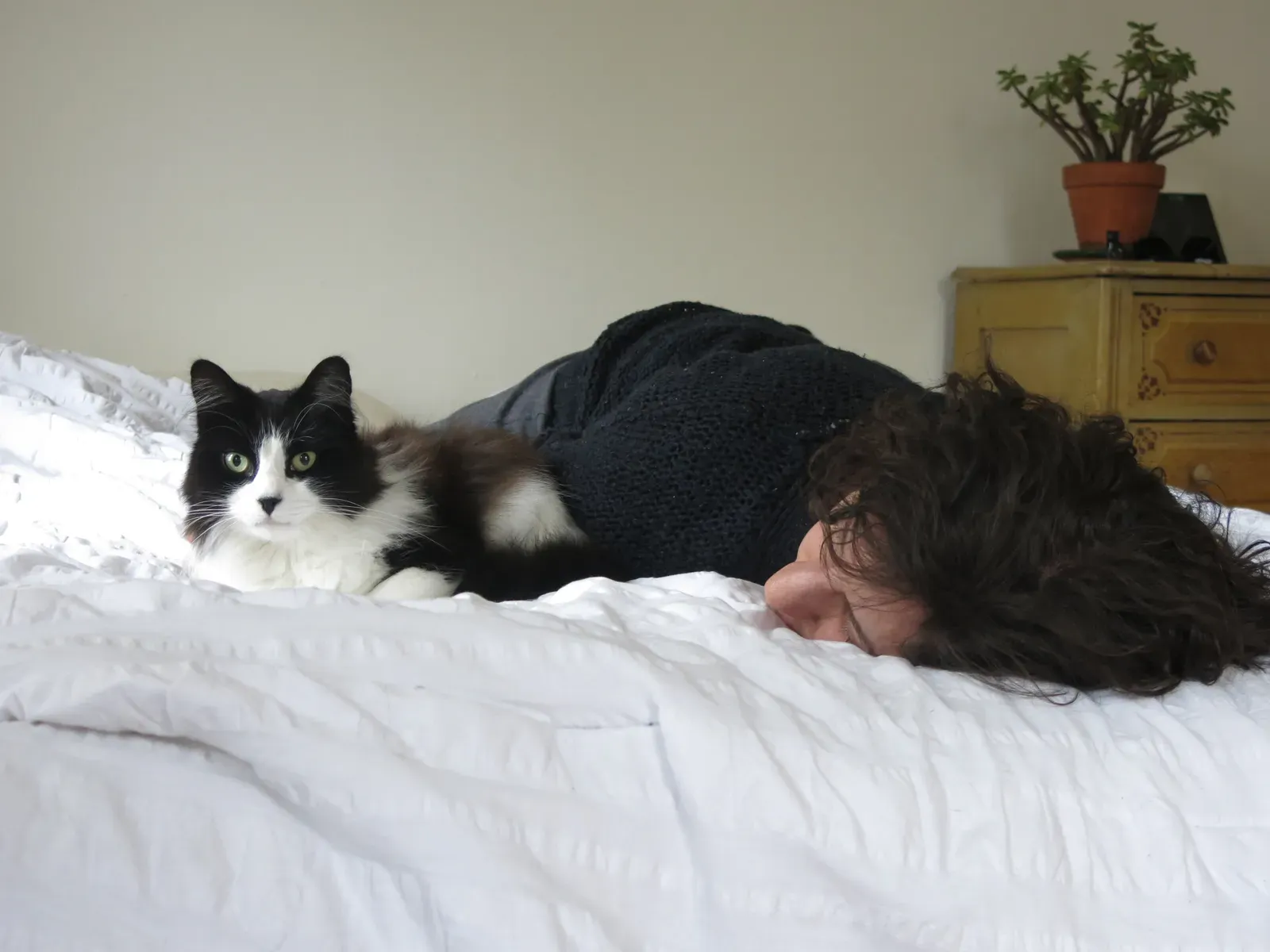
Many cat owners find that sleeping near a purring cat improves their sleep quality. The soft, rhythmic sound acts as a form of white noise, blocking out disruptive sounds and helping the brain enter a state of relaxation. It is like having a white noise machine, except yours is warm, furry, and occasionally judges you.
People who suffer from insomnia or frequent nighttime awakenings may experience better sleep when accompanied by a purring feline companion. The soothing vibrations of a cat’s purr can help regulate the autonomic nervous system, which controls involuntary bodily functions like heart rate and breathing, and by lowering stress and triggering the body’s relaxation response, purring promotes a sense of calm, balance, and emotional well-being. Honestly, your cat sleeping on your feet may be doing you more good than you ever realized.
The Mental Health Connection: More Than Just Comfort
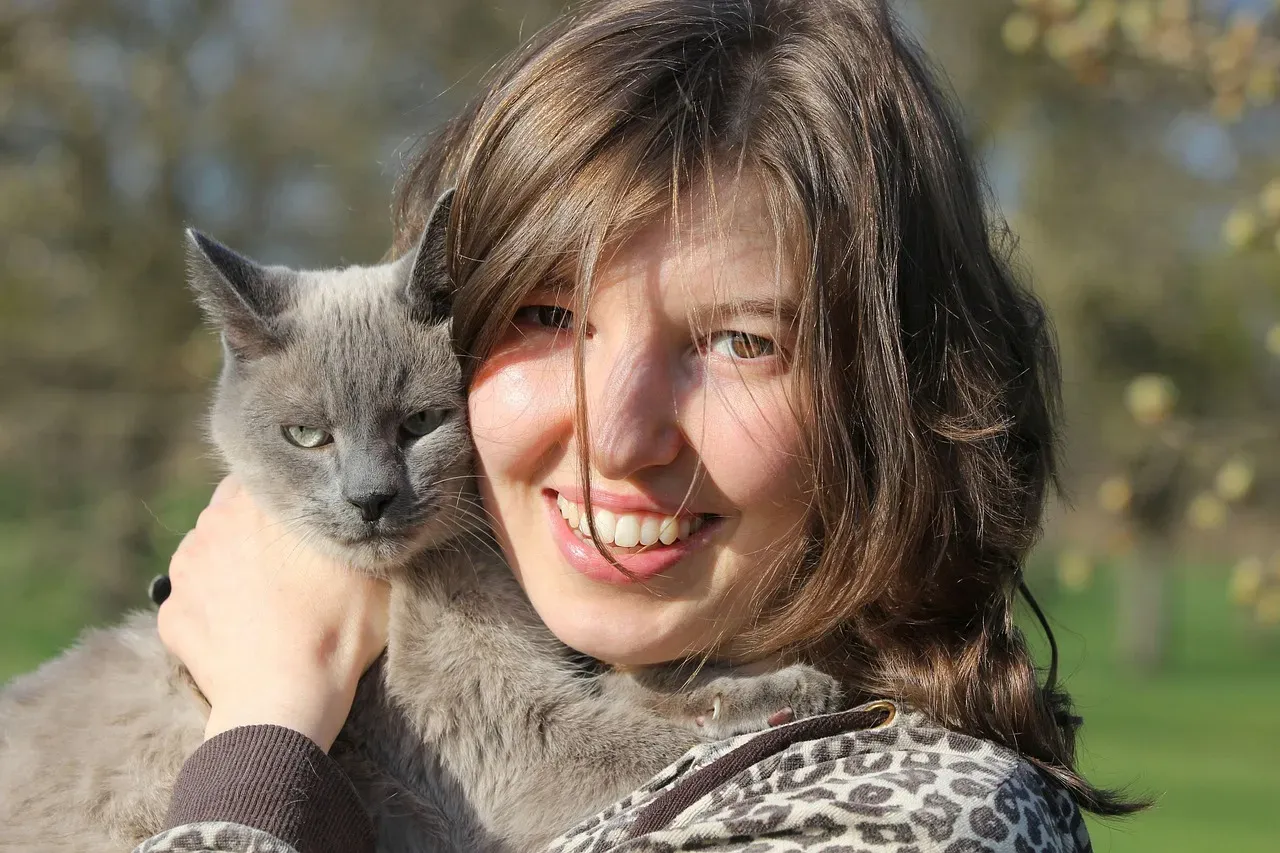
Emotional support animals, like cats, offer vital relief to those experiencing anxiety, depression, or other mental health conditions. Their presence fosters trust, security, and companionship, helping people cope with stress and emotional challenges. The bond with a cat provides a sense of comfort, making them valuable partners in managing mental health.
A purring cat provides companionship, which can help combat feelings of loneliness and depression. Studies have shown that petting a cat while listening to its purr can boost oxytocin levels, a hormone associated with trust and emotional bonding. For individuals who live alone or struggle with mental health challenges, a cat’s presence can offer consistent comfort. The predictability of a cat’s purring response reinforces feelings of security and emotional connection, making daily life feel less overwhelming. It is hard to say for sure exactly how much of this is the purr versus the companionship, but the two together form a powerful combination.
Cats Heal Themselves Too – And That Is Not a Coincidence

While purring is often associated with contentment, cats also purr in other situations, such as when they are injured, stressed, or giving birth. This has led researchers to hypothesize that purring may serve a self-healing function, helping cats recover from physical strain or trauma. Think about that for a moment. A cat in pain does not just lie there silently. It activates its own internal healing frequency. That is remarkably sophisticated biology.
Cats spend a large part of their day napping to conserve energy, and the purr may be a low-energy way for cats to keep their bones and tissues healthy while sedentary or at rest. Cats of course purr when being affectionate, but they also purr when giving birth to kittens and mending from physical trauma. Broken felid bones take significantly less time to heal than broken dog bones, and low frequency vibrations in the range of cat purrs are used to heal complex fractures in humans. Nature rarely does anything by accident.
Technology Is Starting to Catch Up
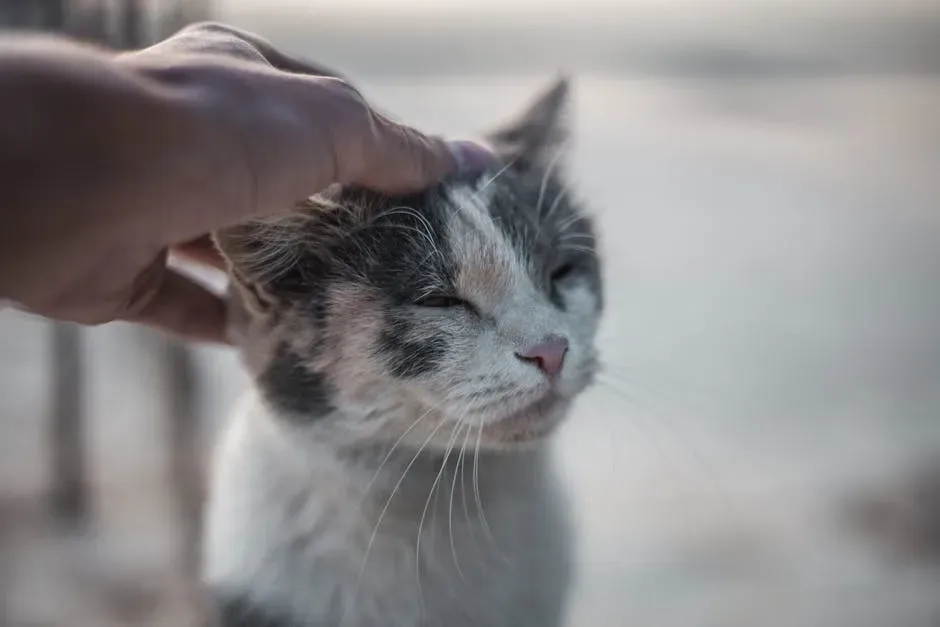
Advances in technology have opened doors to innovative approaches in harnessing the healing potential of a cat’s purr. By simulating the frequencies of a cat’s purr, researchers have explored its effects on human wellbeing. Recent studies have shown that technology mimicking a cat’s purr can induce a significant increase in parasympathetic activity, effectively reducing stress and anxiety levels. This promising outcome suggests that technology can replicate the calming effects of a cat’s purr, making it accessible to those who may not have direct access to a feline companion.
The cat purring effect on humans has been explored in therapeutic settings, including animal-assisted therapy, where cats play a role in providing emotional support. Therapy animals are increasingly recognized for their role in mental health treatment, and cats are no exception. Therapy cats visit hospitals, nursing homes, and schools to provide comfort to people experiencing stress or trauma. The gentle vibrations of purring can have a grounding effect, helping individuals manage symptoms of anxiety or PTSD. The science is catching up to what cat owners have always quietly suspected.
Conclusion
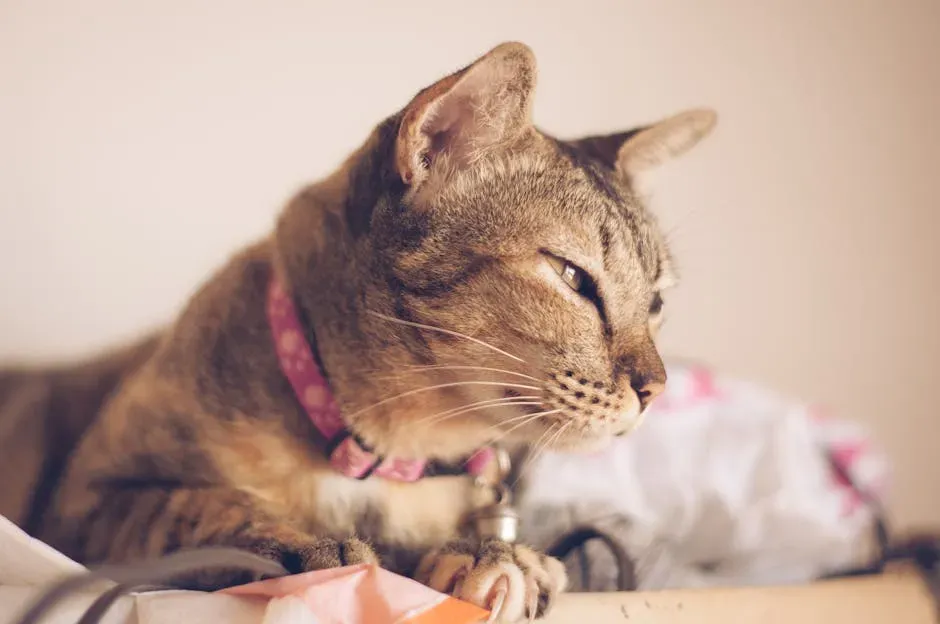
So the next time your cat climbs into your lap, closes its eyes, and starts that slow, rolling rumble, know that something genuinely remarkable is happening. You are receiving a low-frequency vibrational therapy session courtesy of millions of years of feline evolution. Research suggests that a cat’s purr may offer health benefits, including reducing anxiety, lowering blood pressure, and promoting physical healing. That little body on your lap is quietly working overtime for your benefit.
It is easy to chalk the whole thing up to the warm fuzziness of pet ownership. However, the science is clear enough to take seriously. From your skeletal health to your cardiovascular system, from your sleep quality to your emotional resilience, the purr is doing real, measurable work. A cat purring can be healing for humans in many ways, both for the body and for the soul. Perhaps the most underrated health device you own is the one currently napping on your sofa. Did you ever imagine something so simple could be so powerful?
Kristina is a young writer from India. An arts graduate and an avid content creator, Kristina is passionate about animals and wildlife. She enjoys exploring topics related to pet care, animal behavior, conservation, and nature, combining thorough research with engaging storytelling.