Cats are endlessly fascinating creatures. They nap for what feels like half their lives, then suddenly tear across the room at full speed chasing nothing at all. It’s easy to assume you understand them, but when it comes to playtime, most owners are working with some seriously outdated ideas.
The truth is that what you think you know about playing with your cat could actually be doing them a disservice. From ignoring senior cats’ need for activity to misreading “rough” behavior, these common beliefs deserve a proper fact-check. Let’s dive in.
Myth #1: Cats Don’t Really Need Playtime the Way Dogs Do
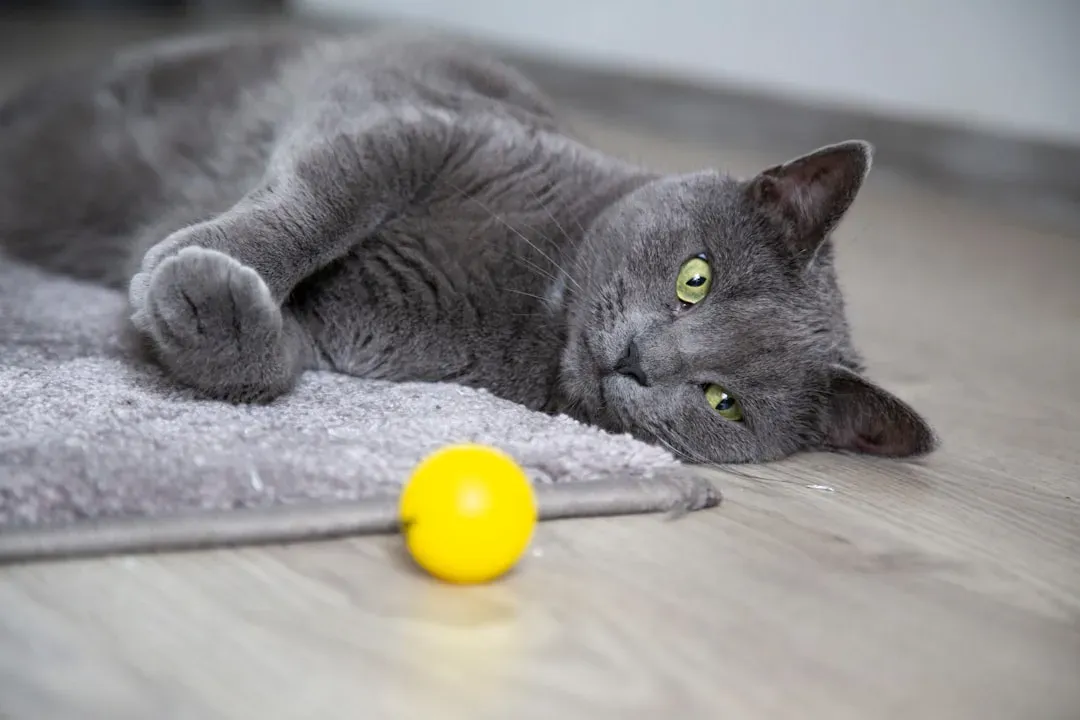
Here’s the thing that surprises a lot of people. Despite common misconceptions, cats need regular interactive play to stay physically healthy, mentally sharp, and emotionally fulfilled. It’s not optional, like a bonus treat. It’s a core requirement of a well-functioning feline life.
Play isn’t just about fun; it’s vital in allowing your cat to act on their natural instincts. Think about it this way: a cat deprived of play is like a runner who’s been forbidden from ever jogging. Something has to give. Cats that get enough play are less likely to engage in unwanted behaviors like excessive meowing, aggression, or scratching furniture.
Myth #2: Any Toy Will Do – Your Cat Isn’t Picky

Honestly, this one gets cat owners into trouble more often than you’d think. Some cat parents give up on playtime because the cat doesn’t seem interested in the purchases made. You may have to do a little toy testing to find the kind of toys your cat likes best. Some cats like soft toys that feel more life-like when they bite them, whereas other cats prefer hard toys that can more easily be rolled around.
Your cat’s “disinterest” isn’t laziness. It’s communication. Take the time to observe how your cat plays and the types of textures and sizes of objects she finds most appealing. You wouldn’t enjoy eating a meal you hate every single day. Neither does your cat want to play with a toy that doesn’t speak to their hunting instincts.
Myth #3: Senior Cats No Longer Need or Want to Play

This one is particularly damaging, because it results in older cats being quietly ignored during what could be a genuinely enriching chapter of their lives. Senior cats need interaction and play as much as younger cats. It keeps them mentally stimulated, physically active, and helps keep the bond with their humans strong.
Just like people, cats often suffer from cognitive decay as they grow older. Your cat may get confused or forgetful in their senior years, but playing can actually help mitigate that. You don’t need to replicate kitten-level chaos either. Senior cats often slow down, but that doesn’t mean they don’t want or need play. Choose softer, slower-paced games like gentle feather wand movements or food-based puzzles. Keep sessions short, watch for signs of fatigue, and prioritize joint-friendly activities.
Myth #4: Playtime Is Just Physical Exercise
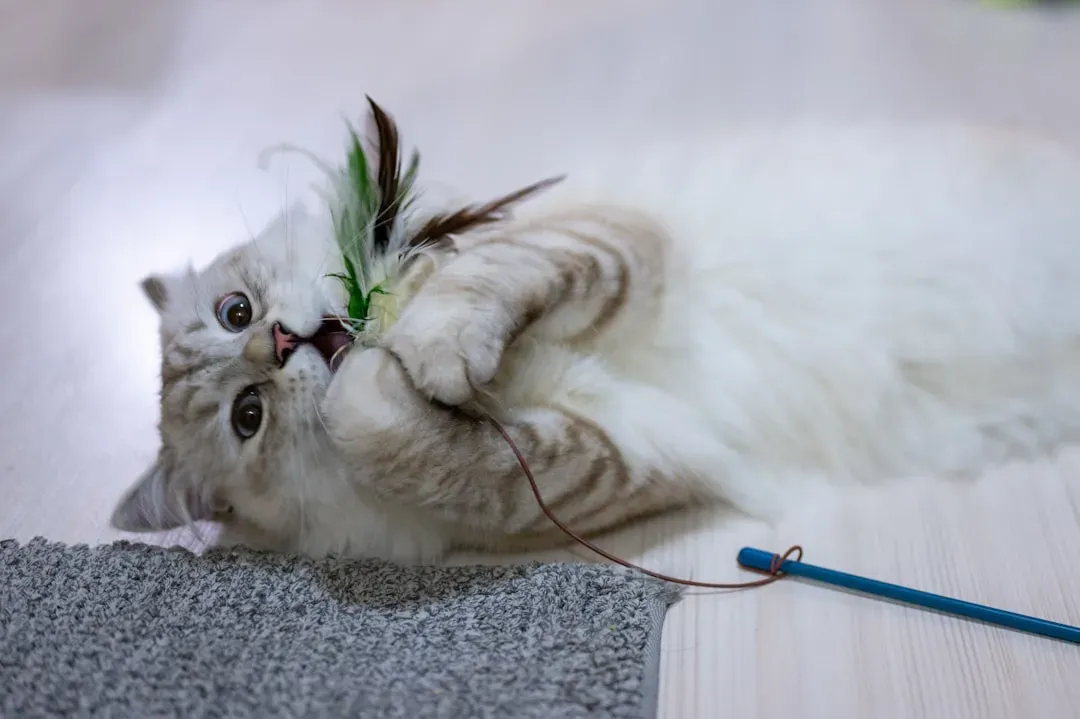
A lot of owners think of play as simply burning off calories. Shake a toy around for ten minutes, done. But that completely misses what’s happening in your cat’s brain during a session. From pouncing on invisible prey to batting at bottle caps, your cat’s play behavior is more than just entertainment – it’s instinct, exercise, and communication all rolled into one.
In the wild, cats spend a significant portion of their day hunting. For domestic cats, play serves as a substitute for this natural predatory behavior. Through structured play, they can stalk, chase, pounce, and “catch” their prey, satisfying deep-rooted instincts. If you only think about burning energy, you’re missing half of what makes play genuinely therapeutic for your cat’s wellbeing.
Myth #5: Using Your Hands to Play Is Harmless and Cute
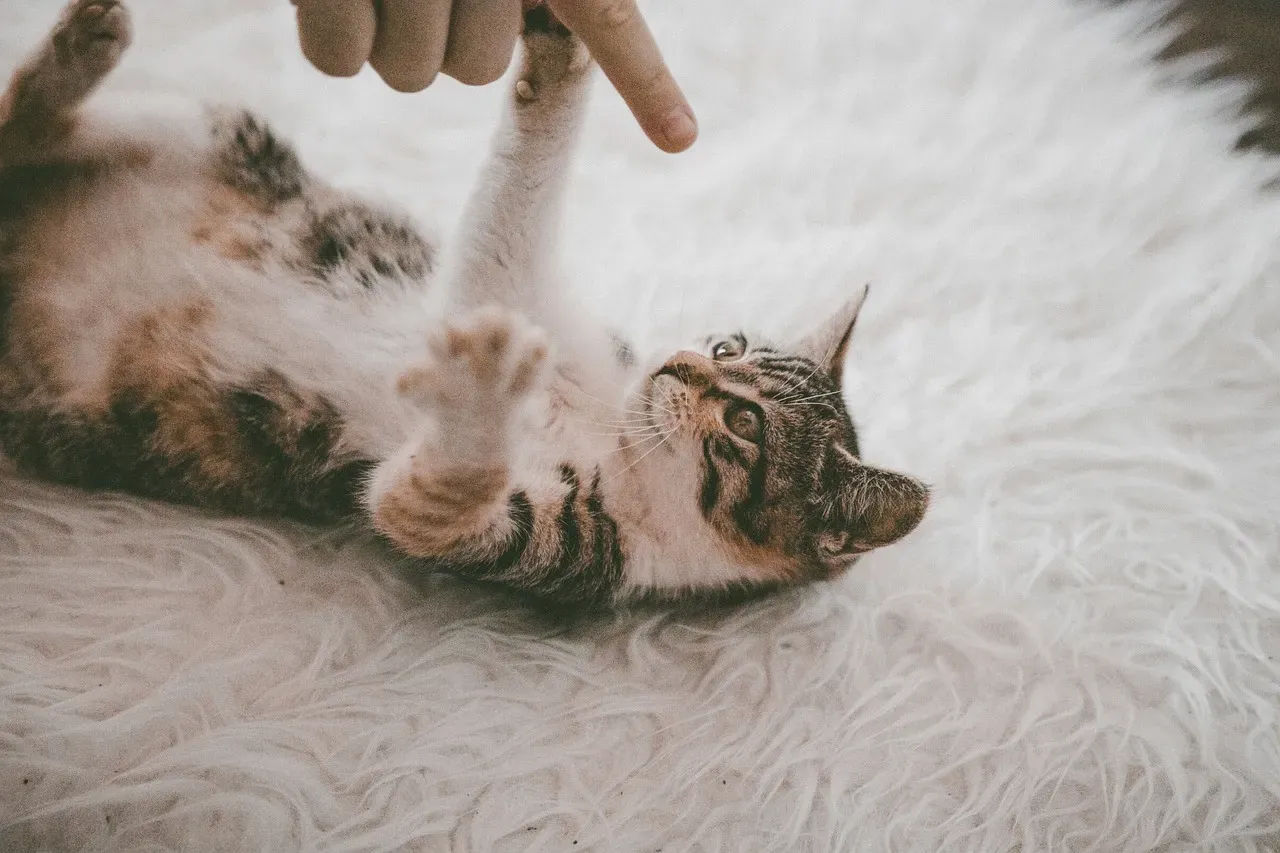
I know it sounds harmless, and yes, a tiny kitten gnawing on your finger is undeniably adorable. But this habit has consequences. Wiggling fingers are convenient when your cat is nearby and in play-mode, but what actually ends up happening is that you send the unintentional message that biting flesh is acceptable behavior. If the cat learns that biting during play is allowed, she’ll learn biting is an acceptable and effective form of communication whenever she wants to get a point across.
The real problem is that kittens grow into much more powerful adult cats. Avoid using your hands as you play with your cat. This can be dangerous and lead to human injury. The moving hand can become an appealing play object, and attempts at correction could aggravate the situation. Although a young kitten may not inflict damage, as it ages and continues to use the owner’s body for play, serious injuries can result.
Myth #6: Cats Are Nocturnal, So Nighttime Is Their Best Playtime
This is one of those myths that feels so intuitive because, let’s be real, cats do seem to love their midnight chaos routines. Cats are not nocturnal. Cats are actually crepuscular, which means they are most awake at dusk and dawn. That’s a meaningful distinction for timing your play sessions.
In general, cats are crepuscular animals, meaning they are most active at dawn and dusk, making mornings and evenings top candidates for ideal playtimes. A play session before bed is great too because it can help tire your cat out so they will be less likely to wake you in the middle of the night. Playing with your cat at the right biological window isn’t just smarter – it actually helps you sleep better too.
Myth #7: Playtime Doesn’t Need a Proper Ending
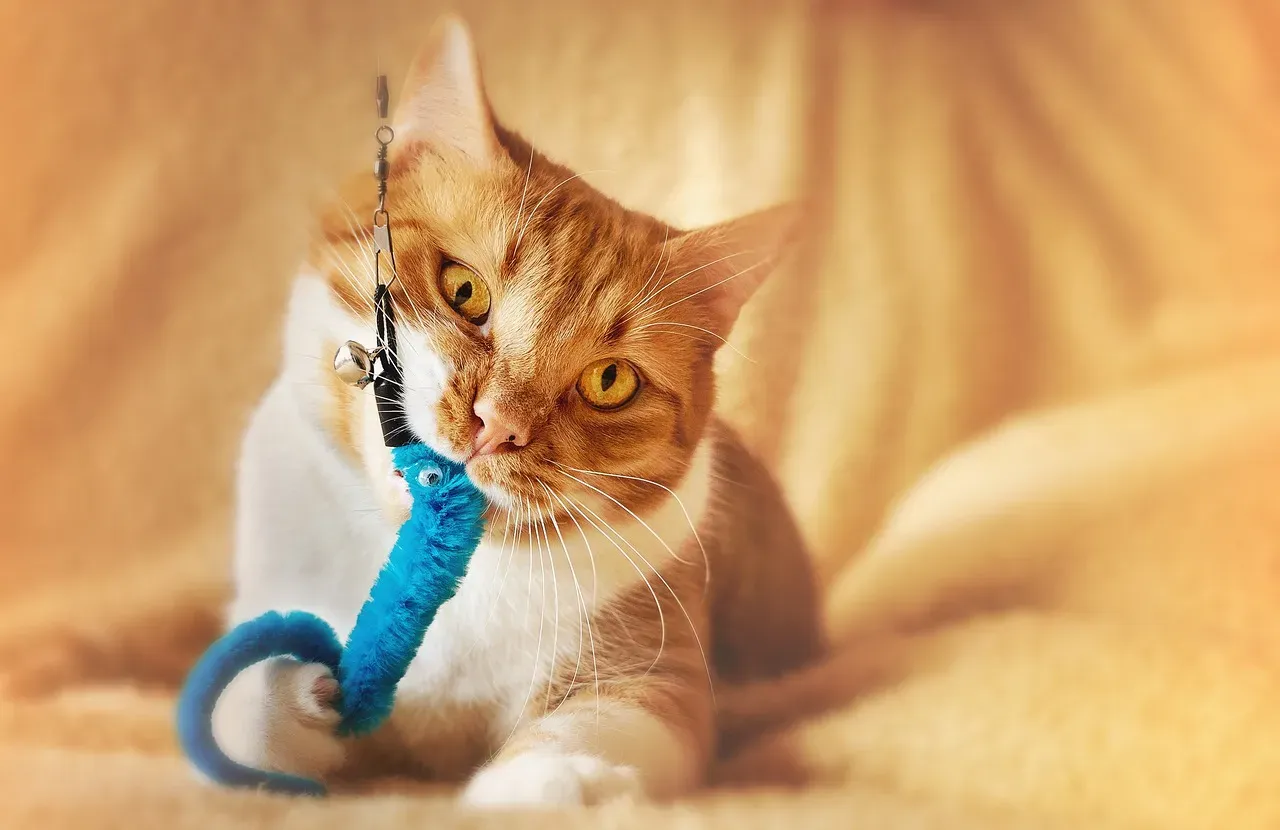
Most owners just stop playing when they get tired or distracted. They toss the toy aside and walk away. That might seem totally harmless, but it can leave your cat in a frustrated, unresolved state. Think of it like watching an action movie that cuts off before the final scene. Deeply unsatisfying.
The best play routines will have a sense of closure to them in order to fully satisfy your cat’s instincts. At the end of your playtime, start to slow things down and allow your cat to catch their “prey,” and give them a treat at the end to complete the full hunting sequence. This simple wind-down ritual mirrors the natural hunt-eat-rest cycle cats are wired for, and it makes a genuine difference in how satisfied your cat feels afterward.
Myth #8: If a Cat Bites or Scratches During Play, They’re Being Aggressive

This misconception causes a lot of unnecessary panic and even abandoned play sessions. The truth is more nuanced. If your cat suddenly bites or scratches during play, it may be overstimulation rather than aggression. When this happens, stop play immediately and give your cat time to settle.
Play aggression often occurs when a cat becomes overstimulated or frustrated during play, leading to behaviors that may seem more aggressive than fun. You can spot this coming before it happens. Keep an eye out for signs that your cat is becoming overstimulated, such as tail twitching or flattened ears. If you see these, take a break from play before things escalate. Reading your cat’s body language is truly a skill worth developing.
Myth #9: Indoor Cats Can Entertain Themselves – Owners Don’t Need to Be Involved
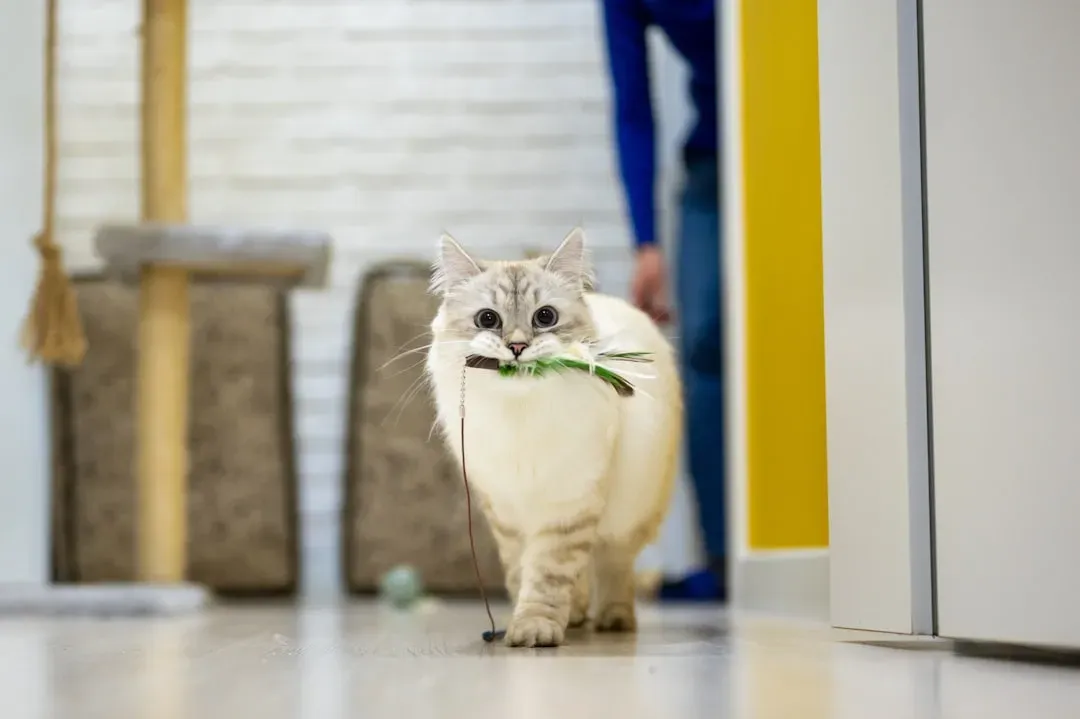
This might be the most widespread misconception of all, and honestly, it’s the most damaging. Leaving out a pile of toys and assuming your cat is sorted simply isn’t enough. To keep your cat happy, it is essential to limit their time alone and provide them with stimulation and interaction in the form of play, petting, food toys, and perches.
If your indoor cat won’t stop acting funny, make sure your cat is getting to play enough to beat boredom. Indoor cats can exhibit damaging behavior such as scratching furniture due to causes such as boredom or illness. Your active involvement isn’t just a nice bonus. Engaging in playtime, grooming sessions, or simply spending quality time with your cat stimulates their brain and fosters bonding. Studies have shown that cats that receive regular social interaction exhibit improved problem-solving skills and memory retention compared to those left alone for extended periods.
The Bottom Line on Cat Playtime
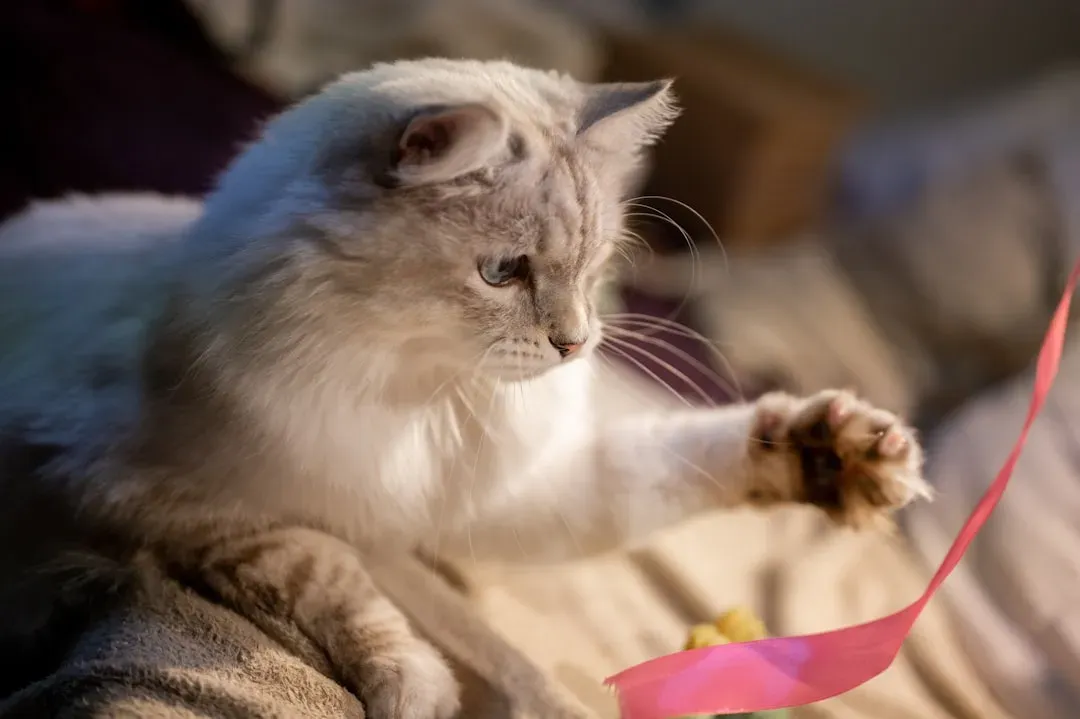
Cats are famously misunderstood animals, and nowhere is that more obvious than in how people approach play. Strip away the myths, and what you’re left with is a simple truth: your cat is a hunter at heart, and play is how that instinct stays alive and healthy inside your living room.
Whether you own a bouncy kitten, a settled adult, or a grey-muzzled senior, the fundamentals stay the same. Consistent, thoughtful, age-appropriate play isn’t a luxury. It’s the foundation of a happier, healthier cat. The investment you make in those daily sessions pays dividends in behavior, bonding, and overall wellbeing that might genuinely surprise you.
So here’s a question worth sitting with: when did you last truly play with your cat, rather than just tossing a toy in their direction? Drop your thoughts in the comments – your cat probably has opinions about it too.
Kristina is a young writer from India. An arts graduate and an avid content creator, Kristina is passionate about animals and wildlife. She enjoys exploring topics related to pet care, animal behavior, conservation, and nature, combining thorough research with engaging storytelling.