There’s something almost magical about watching a cat glide effortlessly through a pitch-dark room, never bumping into a single chair leg. You’ve probably noticed it. You’ve probably wondered how on earth they do it. The answer isn’t some mystical feline superpower – it’s written right there across their faces, in those long, elegant, impossibly precise strands we casually call whiskers.
Most people glance at a cat’s whiskers and think of them as decoration. Maybe a charming accessory, like nature’s version of a handlebar mustache. Honestly, that couldn’t be further from the truth. What looks like simple facial hair is actually one of the most sophisticated biological sensing systems in the animal kingdom – and once you understand what those whiskers are really doing, you’ll never look at your cat the same way again. Let’s dive in.
Not Just Hair: The Extraordinary Anatomy Behind Every Single Whisker

While cats are covered in hair, their whiskers are fundamentally different from their regular coat. Whiskers are coarser, thicker, and rooted three times deeper than normal hairs, making them incredibly sturdy and sensitive sensory instruments. Think of it like comparing a garden hose to a fiber-optic cable – both might look similar from the outside, but what they carry and how they work couldn’t be more different.
Scientists call them vibrissae – long, thick, flexible hairs packed with tiny, sensitive nerves that detect the slightest environmental changes. Each whisker embeds deeply into a specialized follicle, surrounded by 100 to 200 primary nerve cells that send vital information to the brain. That’s not hair. That’s a living antenna system. A highly calibrated one at that.
The Science of Mechanoreception: How Whiskers Actually “Feel” the World
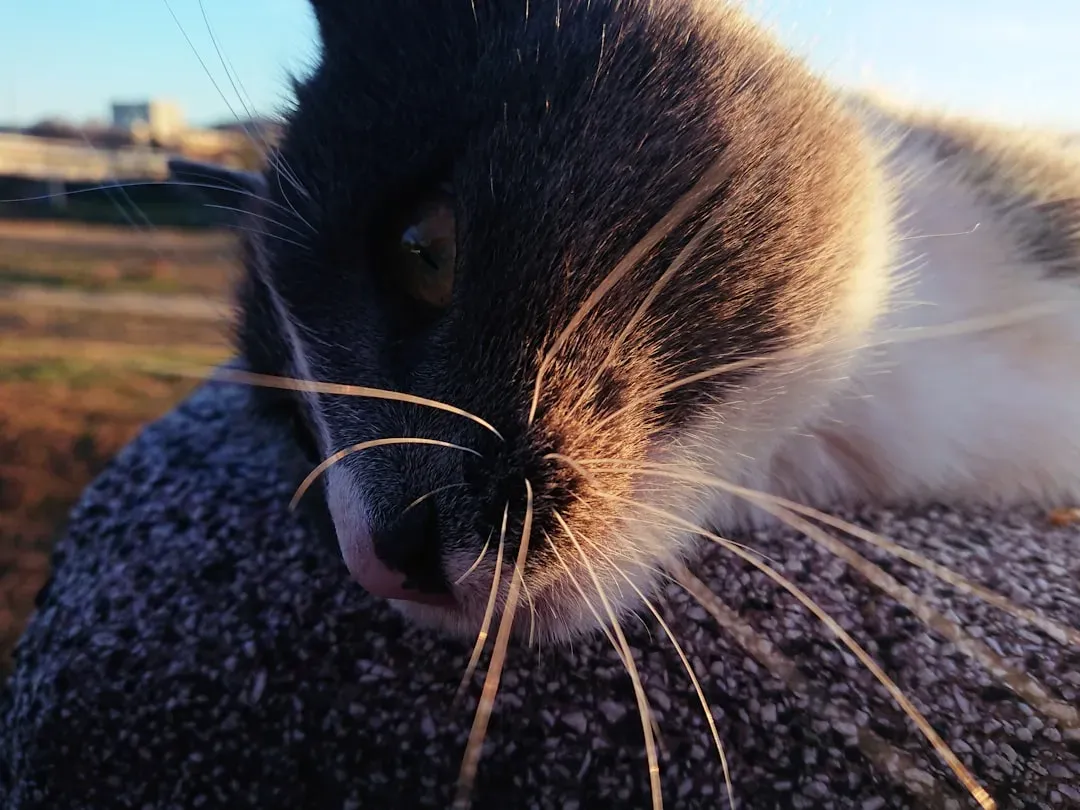
Cat whiskers operate through sophisticated mechanoreception – the biological process of converting mechanical stimuli into electrical nerve signals that the brain can interpret. This system rivals modern technological sensors in its sensitivity and response speed. Each whisker acts as a sensitive lever that amplifies even microscopic movements and transmits them to the nerve-rich follicle base. When air currents or objects contact the whisker, the movement triggers nerve firing that sends specific information about the stimulus’s location, intensity, and direction to the brain’s sensory processing centers.
A cat’s facial whiskers send signals directly to specialized regions of the brain – specifically the somatosensory cortex, which processes tactile input with remarkable speed and precision. This neural pathway is unusually direct, allowing sensory information to influence movement almost immediately. Neuroscientists have mapped how each whisker connects to hundreds of neurons, feeding into barrel-shaped clusters in the cortex that process direction, speed, and pressure with remarkable efficiency. If that doesn’t blow your mind a little, I’m not sure what will.
Whiskers as a Built-In GPS: Navigating Darkness Like a Pro
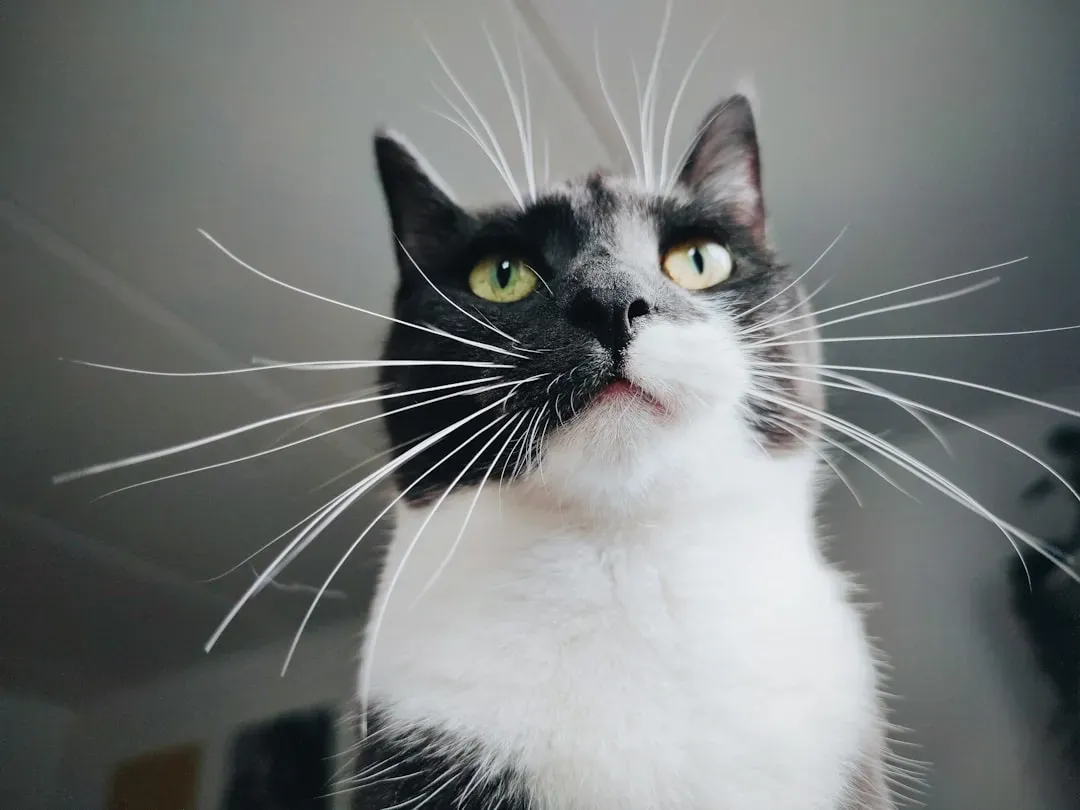
Whiskers contribute significantly to cats’ legendary ability to navigate in complete darkness. By sensing air currents and vibrations, these sensory organs alert cats to the presence of obstacles, prey, or potential dangers before visual confirmation is possible. It’s a bit like having sonar built into your face – permanently switched on, endlessly scanning.
Cats can detect changes in air currents with their whiskers. Imagine a cat moving through a dark alley or a cluttered room – its whiskers are sensing the air moving around objects, providing a “touch” map without actually touching anything. Your cat is essentially building a 3D map of its surroundings in real time, every single moment it moves. Navigation systems in your phone wish they were this responsive.
Your Cat’s Whiskers Are Actually a Body-Width Ruler

The size of a cat’s whiskers isn’t random – they’re usually about the same width as the cat’s body. Their size helps cats judge whether they can fit through tight spaces, like under furniture or through a gap in a fence. If the whiskers touch both sides of a space, it tells the cat they may get stuck. Nature engineered a measuring tape right into your cat’s face. Quietly brilliant, if you ask me.
The width of a cat’s whiskers generally corresponds to the width of their body, creating a natural gauge for opening assessment. When approaching narrow spaces, cats extend their whiskers forward to test the dimensions before committing to passage. This navigation system becomes critical in low-light conditions where visual information is limited. So the next time your cat pokes its head through a gap before its body follows, you’re watching a precision instrument doing its job.
Whiskers as Hunting Tools: The Secret Weapon of a Natural Predator
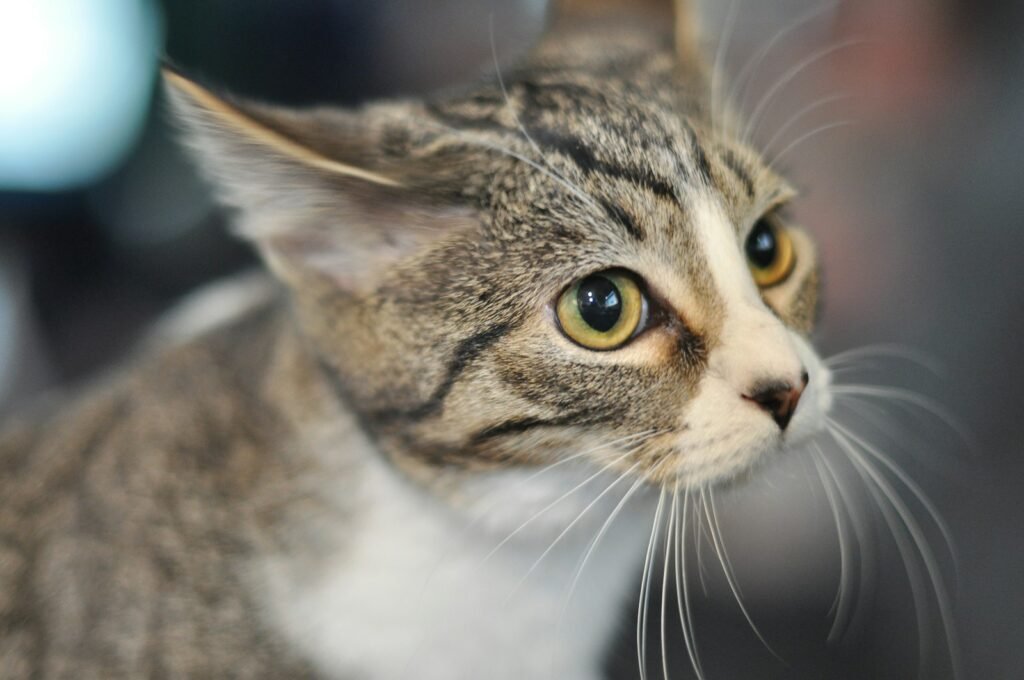
The leg whiskers, called carpal vibrissae, help detect movement from prey or obstacles below them, which is especially handy during hunting or climbing. Most people don’t even realize cats have whiskers on their legs. The whiskers on their forelegs are one of the reasons they’re such successful hunters, as they help to determine movement of prey. It’s a full-body sensing system – not just a face feature.
When prey – or a prey-like toy – is too close for a cat to see clearly, whiskers step in to help. The whiskers around the nose and on the front legs detect tiny movements, vibrations, and even body heat. These detection skills enable outdoor cats to hunt better at dawn or dusk. Ultra high-speed cameras have been used to capture how the muscles at the base of the whiskers move forward to detect the object of interest, almost moving in front of the cat’s mouth, helping them to attack when needed.
The Brain Connection: Just How Much Real Estate Do Whiskers Own?
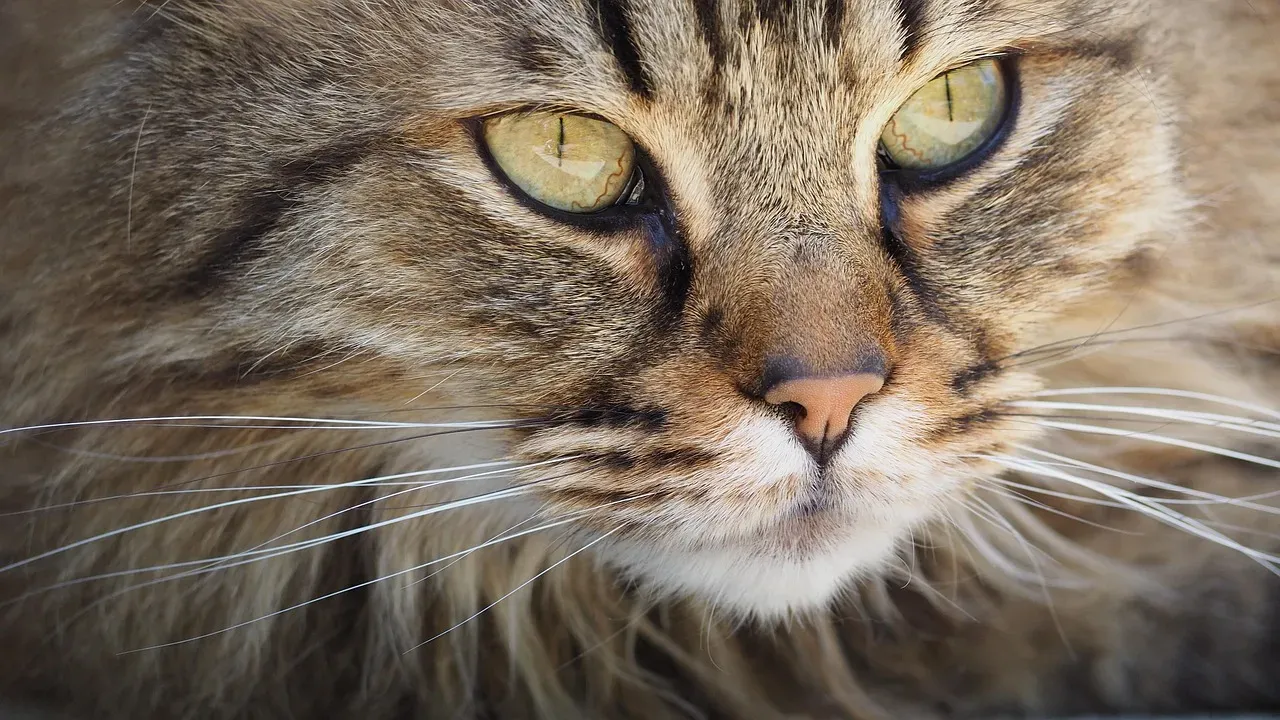
A good portion of a cat’s brain is devoted to processing data from touch sensors. Whiskers are reliable touch sensors and almost 40% of the brain’s sensory area aligns with body parts that have whiskers. Each individual whisker can be traced back to a specific spot in the brain, which means that whiskers occupy valuable neurological real estate in a cat’s body.
Let that sink in for a second. Roughly two-fifths of your cat’s entire sensory brain capacity is wired to whisker input. Each whisker root is packed with 100 to 200 nerve cells that communicate directly to the brain. When a whisker moves, even slightly, the brain receives information. It’s hard to say for sure whether anything in human biology compares in terms of sheer sensory density, but whiskers might genuinely be among the most information-rich structures in the entire animal kingdom.
Proprioception and Balance: Why Whiskers Help Cats Always Land on Their Feet

Cats have special sensory organs called proprioceptors located at the base of their whiskers. Proprioceptors send messages to the brain about the position of the body and limbs, keeping the cat aware of what every part of its body is doing. This is part of the reason why cats almost always land on their feet. Whiskers aren’t just about sensing the outside world – they help cats understand where their own body is in space.
Specialized cells at whisker bases respond to gravitational pull on the whiskers, providing information about head position and body orientation. This input helps cats maintain their famous ability to land on their feet during falls. So the next time you marvel at a cat twisting mid-air and sticking the landing, whiskers deserve some of that credit.
Whisker Language: Reading Your Cat’s Emotions Through Whisker Position
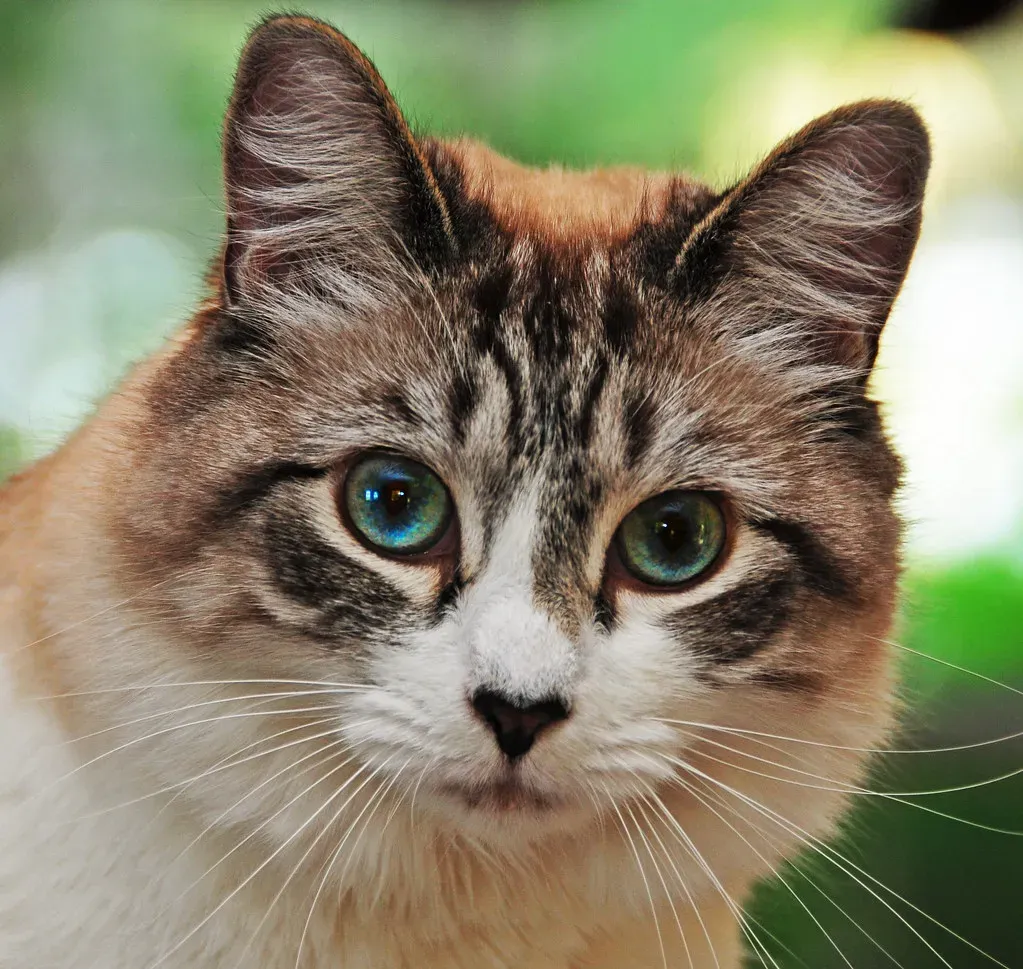
When a cat is relaxed, their whiskers are loose and out to the side. If they’re alert or curious, the whiskers point forward. When they are scared or angry, the whiskers pull back tightly against the face. You’ve essentially been missing an entire emotional language your cat has been speaking right in front of you this whole time.
When getting ready for battle or frightened, the whiskers are flattened against the face to prevent damage to them. When on the alert or hunting, the whiskers are forward-facing to aid in prey detection. If the cat has forward-facing whiskers but the ears are pinned back, it likely indicates aggression. Whisker position is one piece of a wider body-language puzzle, but it’s a surprisingly expressive and telling one.
Whisker Fatigue: The Overlooked Condition That Makes Mealtime Stressful

Whisker fatigue is a relatively newly recognized condition. It occurs when cats’ whiskers are over-stimulated, often by frequently touching against the sides of their food or water bowls. It sounds minor, but think about it from your cat’s perspective – imagine eating every meal with your fingertips constantly being pressed against the bowl’s edge. You’d be pretty miserable too.
While the whisker shaft itself has no feeling, the follicles are richly innervated with nerve endings. This means cats can feel pressure, movement, and manipulation at the whisker base, which is why rough handling or constant contact with bowl edges can cause discomfort. Choosing food and water dishes with a flatter design so the cat’s whiskers don’t touch the sides every time they try to eat or drink is one of the easiest and most impactful things you can do for your cat’s wellbeing.
Why You Should Never, Ever Trim Your Cat’s Whiskers
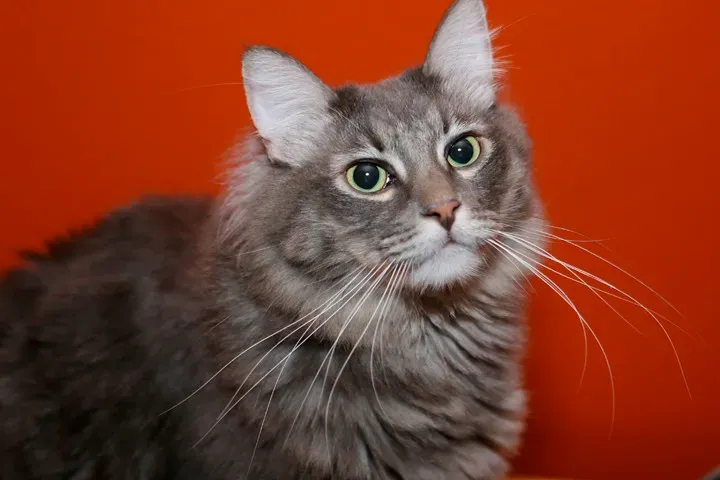
Because whiskers are so tied to a cat’s spatial awareness and balance, damage to them – whether from injury or trimming – can throw a cat off their game. Cats with broken or missing whiskers might misjudge jumps, bump into things, or seem hesitant in familiar spaces. While cat whiskers do grow back, they serve as a good reminder of how essential they are to a cat’s physical coordination and confidence.
You should never trim your cat’s whiskers because this disrupts their spatial awareness. The whisker itself has no nerves, so cutting doesn’t cause physical pain, but it substantially impairs your cat’s ability to guide themselves through their environment. Whisker regrowth typically takes between six weeks to three months. The exact timing varies based on the cat’s age, health, and individual growth patterns. Those weeks without full whisker function can be genuinely disorienting for your cat.
Conclusion: A New Respect for What Lives on Your Cat’s Face

Here’s the thing – most of us spend years living with cats and never fully appreciate just how extraordinary those long, elegant facial hairs really are. They’re not decorative. They’re not random. They’re a precision-engineered biological system, shaped by millions of years of evolution, responsible for navigation, hunting, balance, emotion, and survival.
Your cat is walking around with a living sensory supercomputer right on its face. A radar system, a GPS unit, an emotional barometer, and a spatial calculator – all in those slim, graceful strands you probably never thought twice about. Next time your cat brushes past you in the dark and navigates perfectly without a single stumble, take a moment to appreciate the tiny marvel doing all that work.
So here’s a thought to leave you with: if nature invested this much engineering into something as seemingly simple as a few hairs, what else might we be overlooking in the animals we share our lives with? What do you think – did you ever imagine your cat’s whiskers were this extraordinary? Tell us in the comments.
Kristina is a young writer from India. An arts graduate and an avid content creator, Kristina is passionate about animals and wildlife. She enjoys exploring topics related to pet care, animal behavior, conservation, and nature, combining thorough research with engaging storytelling.