You’ve probably been there. You’re sitting across the room, and your cat locks eyes with you. Then, slowly, those eyelids droop halfway and gently fall shut for just a moment before reopening. It looks like they’re drifting off to sleep in the middle of a staring contest. Sweet. A little funny. Mostly mysterious.
Here’s the thing though – that single gesture carries more emotional weight than most people realize. What your cat just did wasn’t random. It wasn’t boredom. It was a message, and it was meant for you.
Feline communication is one of the most underappreciated puzzles in the animal kingdom. Cats don’t bark, don’t wag tails with enthusiastic abandon, and certainly don’t come running to the door the way dogs do. Their language is quieter, subtler, and honestly, far more interesting once you start decoding it. The slow blink sits at the very heart of that language. So let’s dive in.
What Exactly Is a Slow Blink?
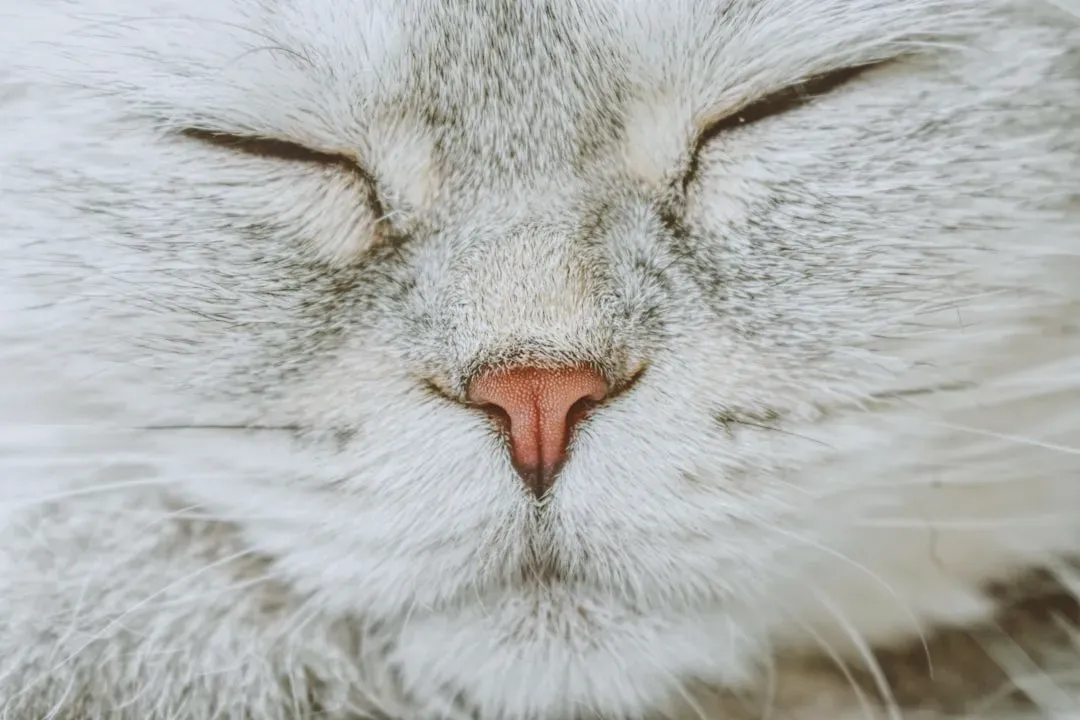
If you’ve never paid close attention, now is the time to start. The slow blink is a subtle feature observed in cats for some time, thought to indicate a sense of calm and positive emotional state. It involves the partial or complete closure of the eyelids, performed slowly and lasting for longer than half a second. That’s the technical definition, but in lived experience it looks like your cat simply melting their gaze at you with an almost dreamy quality.
Slow blink sequences typically involve a series of half-blinks followed by either a prolonged eye narrowing or an eye closure. Think of it like a sentence with punctuation. The half-blinks are the words. The final closure is the full stop – the definitive signal. It’s brief, deliberate, and once you notice it, you’ll start seeing it everywhere.
The Science Behind the Blink: What Research Actually Says
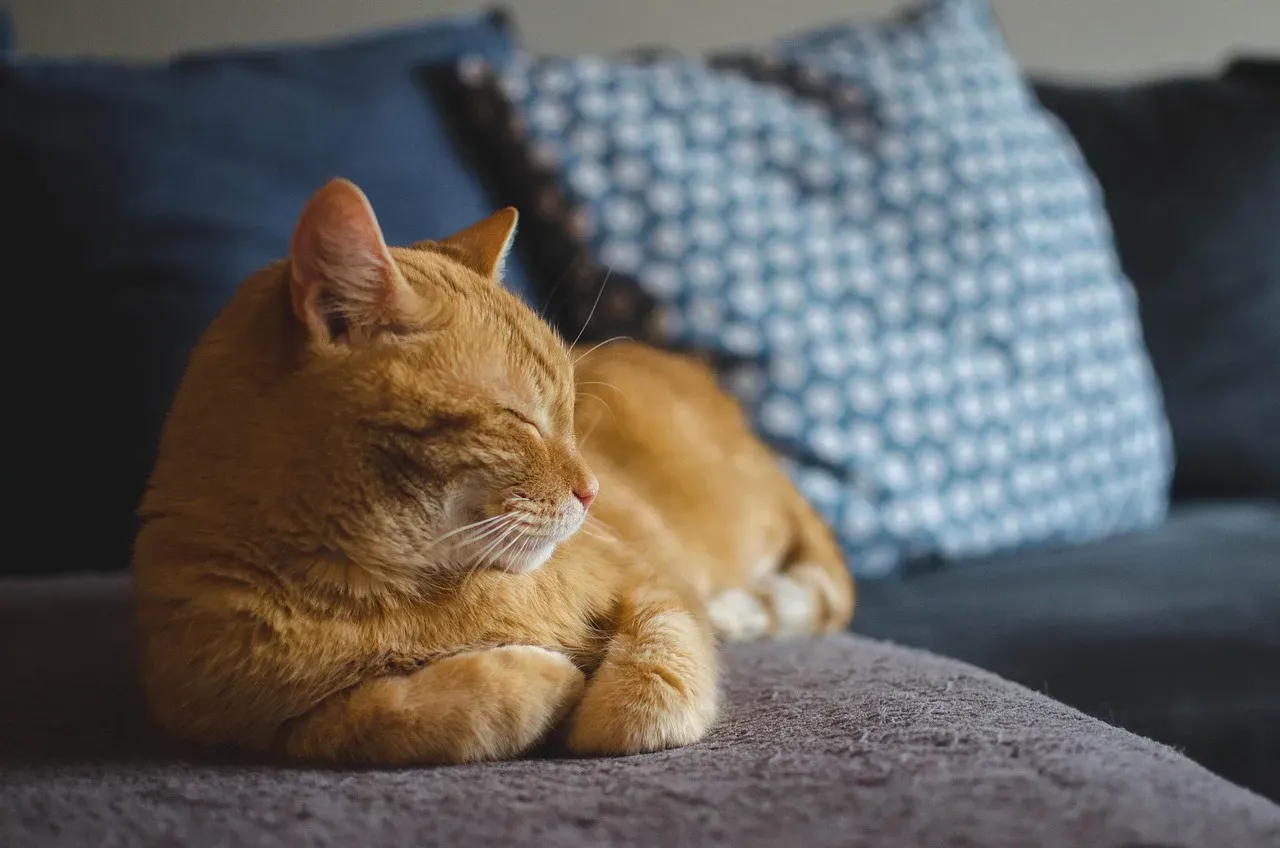
Research has shown that slow blinking is not just an anecdotal behavior observed by cat owners but a scientifically supported form of communication. A study conducted by the University of Sussex found that cats are more likely to slow blink at their owners when their owners slow blink at them. Furthermore, cats were more likely to approach an experimenter who had slowly blinked at them compared to an experimenter who maintained a neutral expression.
Scientists from the University of Sussex and University of Portsmouth confirmed the effect of the slow blink in a study published in Scientific Reports, titled “The role of cat eye narrowing movements in cat–human communication.” I think it’s genuinely exciting that such a small, quiet gesture became the subject of rigorous scientific inquiry. It tells you something about how seriously researchers are beginning to take feline emotional intelligence.
A Cat Smile? The Emotional Meaning Behind the Gesture
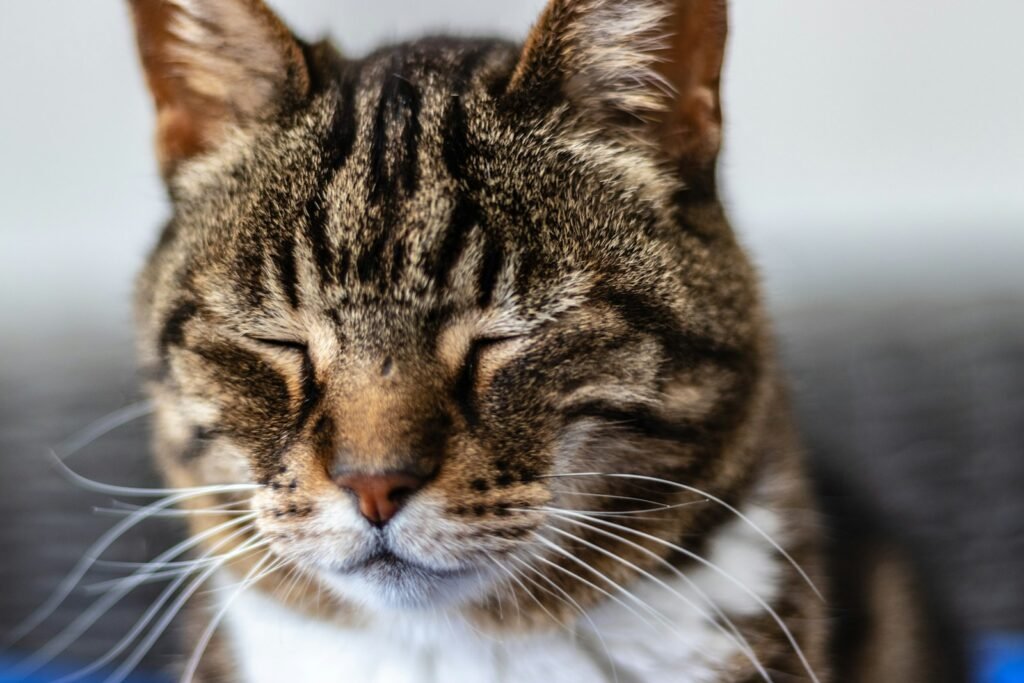
If you’ve spent any time around cats, you’ve probably seen their “partially closed eyes” facial expression, accompanied by slow blinking. It’s similar to how human eyes narrow when smiling, and usually occurs when the cat is relaxed and content. The expression is interpreted as a kind of cat smile. Let that sink in for a moment. Your cat has its own version of a smile, and it lives entirely within the movement of its eyelids.
Eye narrowing movements in cats have some parallels with the genuine smile in humans, known as the Duchenne smile, as well as eye narrowing movements given in positive situations in some other species. So when your cat drapes those eyelids halfway shut, they’re doing something remarkably similar to what you do when you grin broadly at someone you love. The biology is different, but the emotional intent overlaps in a way that feels genuinely touching.
Trust, Vulnerability, and What It Really Means When Your Cat Blinks at You
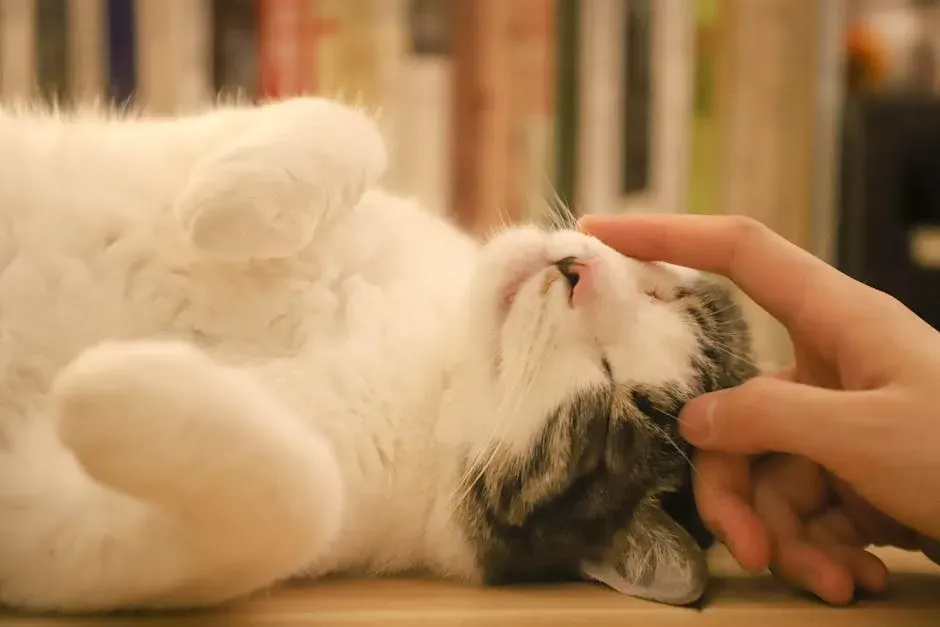
Slow blinking is one of the ultimate signs of trust a cat can give you. Consider when an animal locks their eyes on prey or a rival – an unblinking stare is typically seen as a threat and a challenge. When your cat looks at you and slow blinks, they are relaxing their guard; after all, a cat in the middle of a slow blink is vulnerable at that moment.
Slow blinking is a cat’s sign of trust, and is one of the most common ways a cat shows they love you. If a cat slow blinks around you, take it as a compliment. It means your feline trusts and loves you enough to close their eyes and drop their guard, even for just a second. That’s not a trivial thing for a creature whose survival instincts are still firmly intact, even after thousands of years of domestic life.
Can You Slow Blink Back? How to Start a “Conversation”
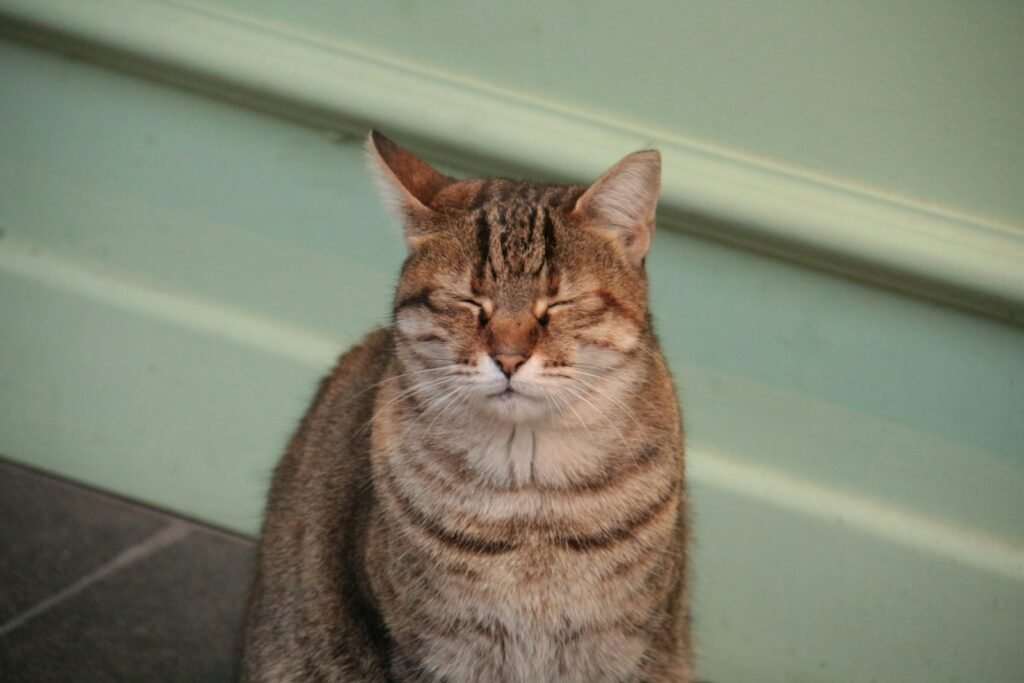
Research found that in their normal home environments, cats responded to slow blink movements of owners by expressing a higher rate of slow blink movement themselves. Additionally, even though cats can normally find visitors unsettling, a separate investigation found that cats were more likely to exhibit slow blinking behavior in response to an unfamiliar person who engaged in slow blinking, and were also more likely to approach the visitor when they held out their hand.
Squinty, half-shut eyes and slow blinks show that the cat is open to friendly interaction. Cats are observant creatures and often mimic the behavior of their human companions. If you frequently blink slowly at your cat, they may start to reciprocate this gesture, and this mutual exchange can strengthen the bond between you and your feline friend, creating a sense of understanding and companionship. Honestly, the idea that you can literally have a nonverbal eye conversation with your cat is one of the most delightful facts in all of pet ownership.
The Stare vs. the Blink: Why Context Changes Everything
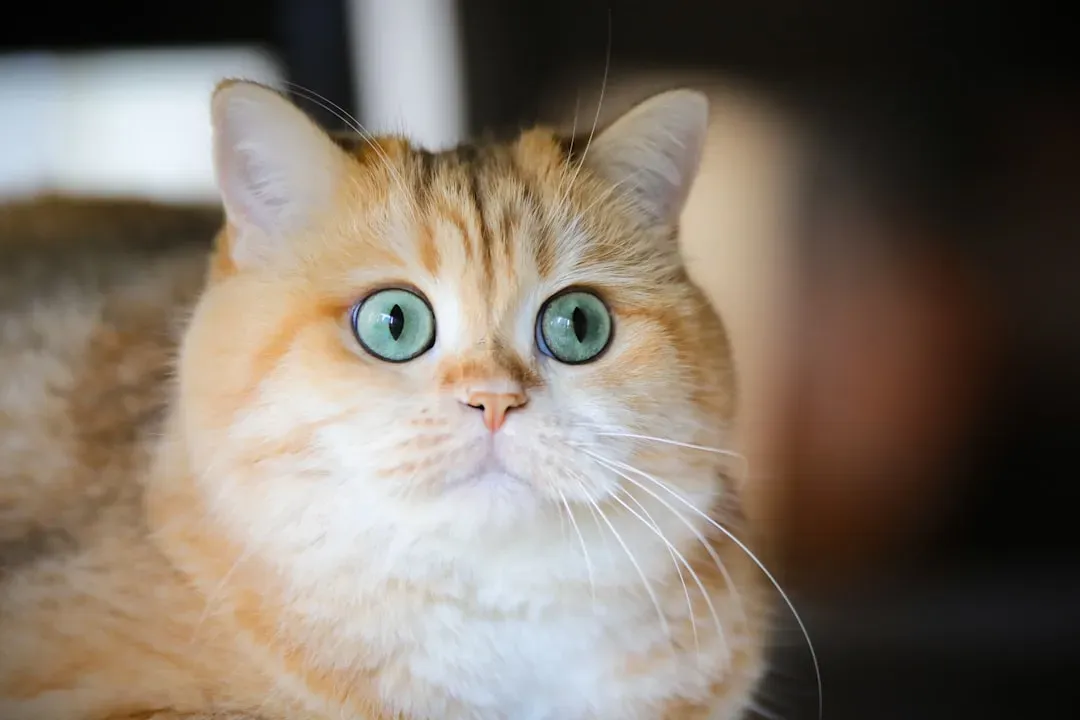
Cats use their eyes as powerful communication tools. A direct, unblinking stare might signal aggression or challenge, while slow blinking indicates peaceful intentions. This sophisticated eye communication system helps cats navigate social interactions with both other cats and humans. The difference between a stare and a slow blink is a bit like the difference between a human crossing their arms tightly versus opening their arms wide. Same eyes, completely different signals.
It should be noted that while communicating through slow blinking requires attention and eye contact between humans and cats, direct eye contact in the form of a prolonged stare can be perceived negatively and as a threatening behavior by cats, so slow blinking needs to be used in a subtle, non-confrontational way. So if you want to connect, don’t stare your cat down like you’re trying to win a contest. Soften your gaze, drop those eyelids halfway, and let the gesture do the talking.
Slow Blinks Between Cats: Not Just a Human Thing
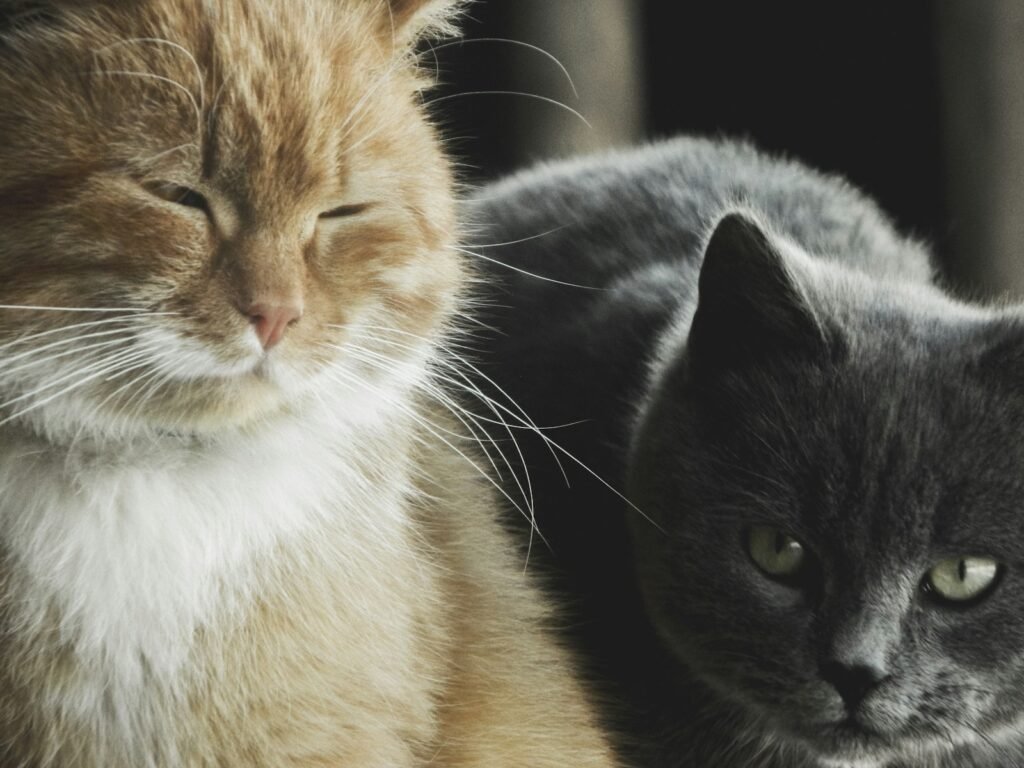
Just like with humans, when cats slow blink at each other, they are communicating that they are not a threat. However, if two cats lock eyes without any slow blinks, this might be a precursor to a fight. This is a fascinating window into how cats manage their social world. The slow blink isn’t a behavior invented specifically for us – it’s a fundamental piece of feline diplomacy.
When you see one cat slow blinking at another cat, it means they are communicating that they are friendly and not threatening to the other cat. On the other hand, a hard stare between cats is usually perceived as a threat or a challenge. If you have a multi-cat household, watching for slow blinks between your cats can tell you a great deal about who gets along with whom. It’s basically the feline equivalent of a handshake.
Slow Blinking in Shelters: How a Blink Can Change a Cat’s Life
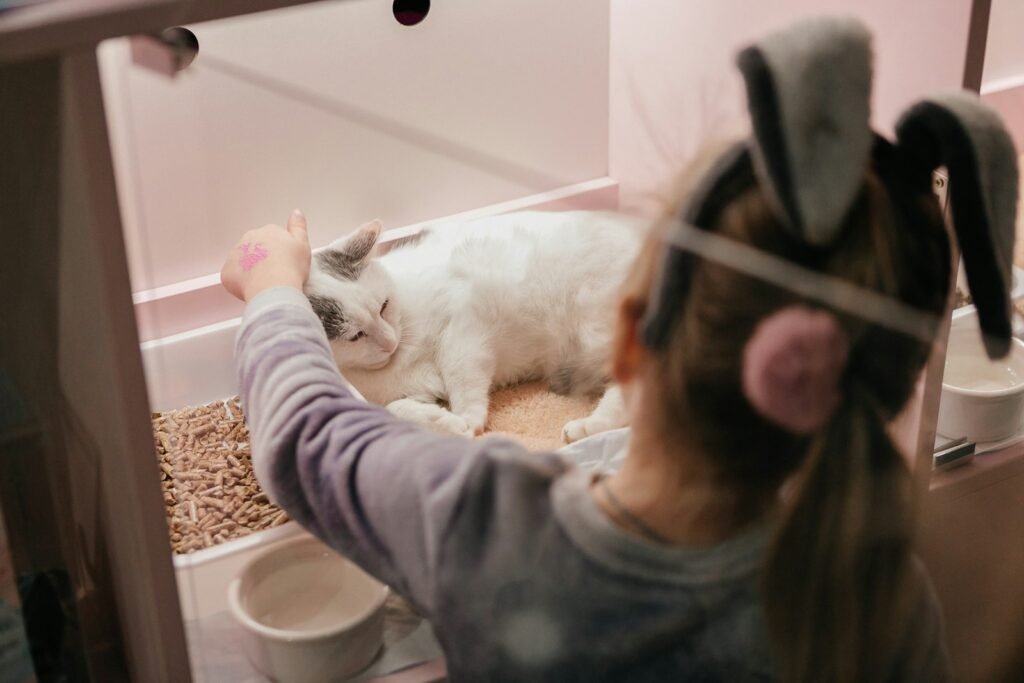
Research demonstrates for the first time that cats that responded to human slow blinking, specifically by using eye closures, were rehomed quicker than cats that closed their eyes less. This suggests that the use of slow blinking may have given cats a selective advantage during the domestication process. When you think about it, this is extraordinary. A tiny eye movement can apparently determine whether a cat finds a home – or doesn’t.
Research has already shown that initiating this behavior is a way to calm and connect with a cat. According to a study focused on cats in shelters, cultivating slow-blink behavior may also help cats find homes faster. Animal behavior researchers at the Universities of Sussex and Portsmouth gathered data from interactions with 18 cats at the UK’s largest cat rehoming center. If you ever visit a shelter, try slow blinking at the cats. You might be surprised how quickly a nervous animal begins to settle.
When a Slow Blink Isn’t a Blink: Telling Affection from Discomfort
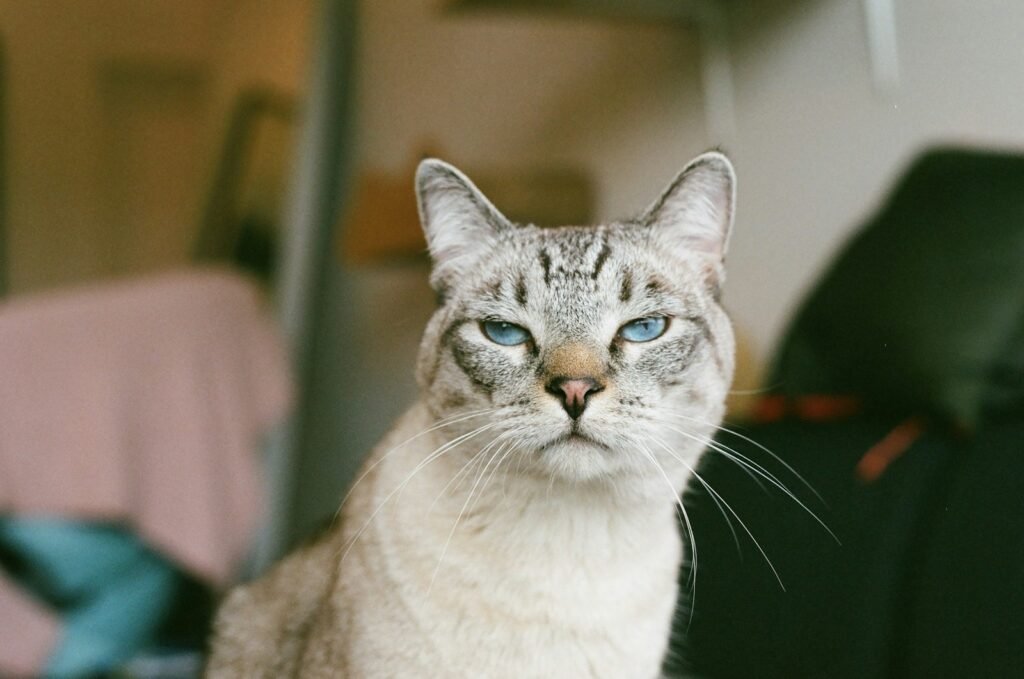
A cat’s slow blinking doesn’t always communicate trust or affection. That’s because what looks like a slow blink is actually sometimes a squint, which generally means your pet is experiencing pain, discomfort, or injury. This is a genuinely important distinction that most cat owners overlook. It’s easy to interpret any half-closed eye as a loving gesture when it might actually be your cat telling you something hurts.
Rapid blinking can indicate stress or irritation, particularly if accompanied by flattened ears or a twitching tail. Half-closed eyes due to illness or fatigue lack the rhythmic, deliberate quality of a true slow blink. The genuine version is calm, repeated, and often paired with other signs of friendliness like purring or head-butting. Always read your cat as a whole picture, not just the eyes in isolation. The rest of the body will usually confirm what those eyelids are trying to say.
Anxious Cats and the Dual Function of the Slow Blink
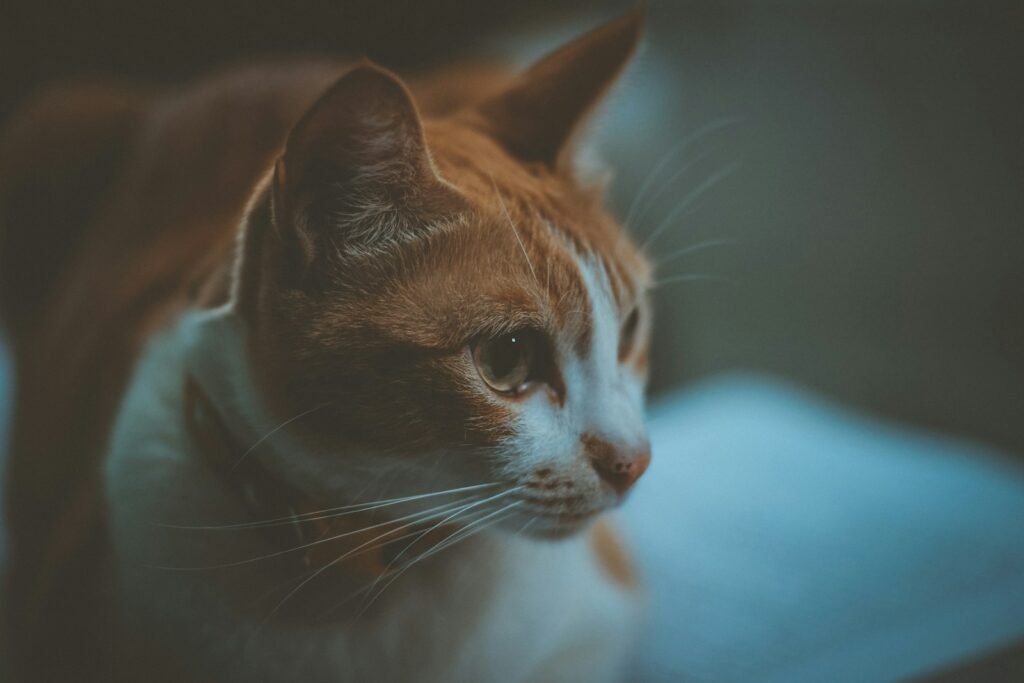
Slow blinking could share a similar social bonding function, and the trend towards an increased length of time spent slow blinking seen in anxious cats may have been used to mitigate their anxiety around humans. This is perhaps the most surprising finding in all the research. Anxious cats may actually slow blink more, using it as a kind of emotional self-regulation tool.
Shelter cats that showed an increased number of and longer eye closures in response to human slow blinks were rehomed faster. Nervous cats may spend more time slow blinking than relaxed cats, providing supporting evidence that this behavior may act as both a positive signal and a submissive display. In other words, the slow blink wears two hats. It is simultaneously a declaration of affection and a quiet white flag. Both interpretations are rooted in the same desire – safety, peace, and connection.
Conclusion: A Blink That Says Everything
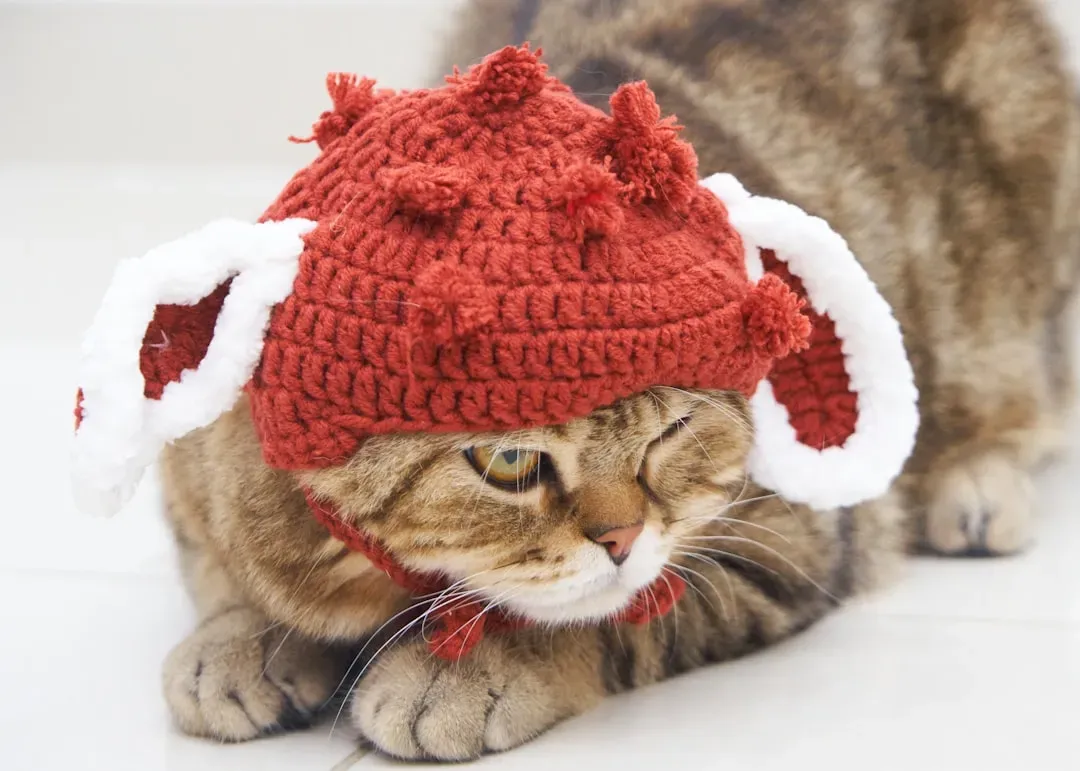
There’s something genuinely humbling about learning that one of the most profound forms of affection available to your cat takes less than a second to express. No wagging, no barking, no dramatic display. Just a pair of eyelids, dropping slowly and deliberately, carrying the weight of trust, peace, and an entire emotional vocabulary in a single quiet gesture.
Learning how to improve our relationships with these enigmatic animals could also be a way to improve their emotional health, not just in the home environment, but across a range of potentially stressful situations. The slow blink is, when you really sit with it, one of the most honest things a cat will ever offer you. It asks for nothing in return except that you notice.
So the next time your cat settles across the room and meets your gaze with those slowly sinking eyelids, don’t scroll past it on your phone. Pause. Blink back. You might just be having the best conversation of your day. Has your cat ever slow blinked at you at exactly the right moment? What would you have guessed it meant before reading this?
Kristina is a young writer from India. An arts graduate and an avid content creator, Kristina is passionate about animals and wildlife. She enjoys exploring topics related to pet care, animal behavior, conservation, and nature, combining thorough research with engaging storytelling.