Cats have a reputation. Mysterious. Aloof. Independent. People joke that they don’t care about anyone but themselves, and honestly, if you’ve ever watched a cat stare blankly at you while knocking your coffee off the table, you might be inclined to agree. Yet the science, the behavior research, and millions of cat owners around the world tell a very different story.
Your cat is paying attention to you more than you realize. Every slow blink, every headbutt, every time they pad softly into the room where you’re sitting, there’s a quiet language being spoken. You just need to know how to read it. Let’s dive in and see what your feline companion has actually been telling you all along.
1. The Slow Blink: Your Cat Is Sending You a Kiss
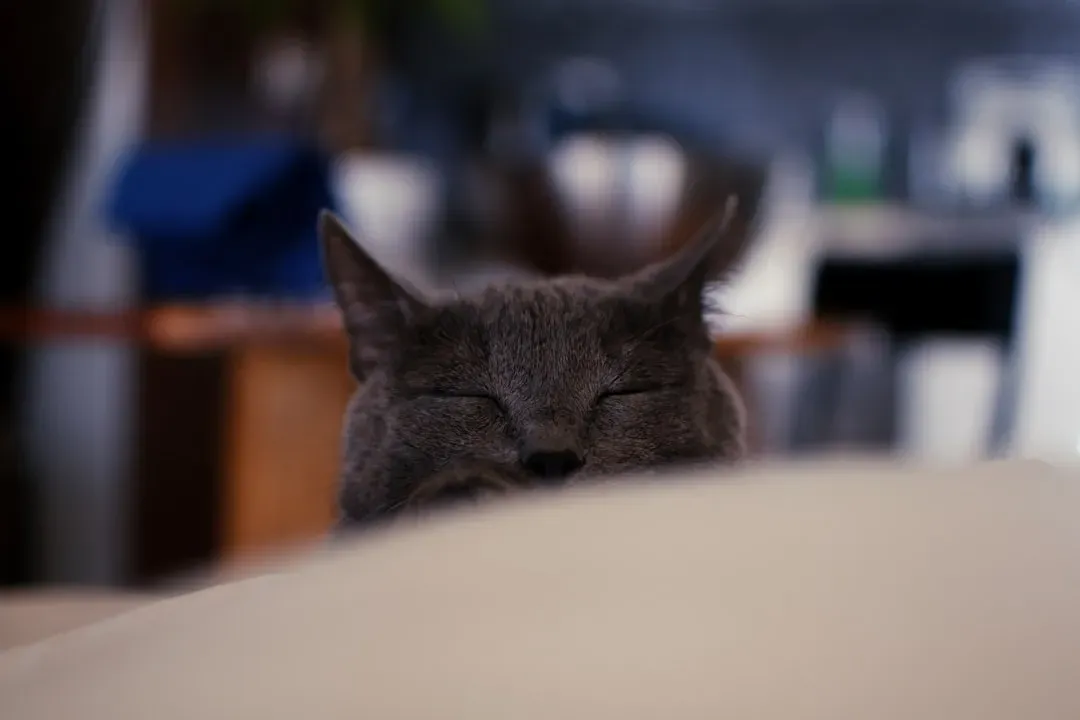
You’re sitting on the couch, your cat is across the room, and suddenly those eyes find yours and drift closed, long and slow. That’s not indifference. That’s the feline equivalent of a love letter. Research suggests slow blinks are associated with a positive emotional state and can be a sign of trust, contentment and affection, similar to a human smile.
In the feline world, direct eye contact can be seen as a challenge, but a slow blink signals that your cat feels safe and comfortable around you. So when your cat chooses to soften their gaze specifically at you, it’s a deeply intentional gesture. Think of it as the cat version of a warm handshake. The slow blink is a sure sign that your cat loves you; it shows your buddy feels relaxed, content, and safe. It’s an invitation to respond with similar openness and love.
Here’s something worth trying: slow blink right back at them. If you wish to return the compliment, blink and your cat might blink back. This is a nice way to bond with your cat if they aren’t keen on being touched. Honestly, few things feel as quietly magical as having a whole conversation with your cat using only your eyelids.
2. Head Butting and Cheek Rubbing: You’ve Been Claimed
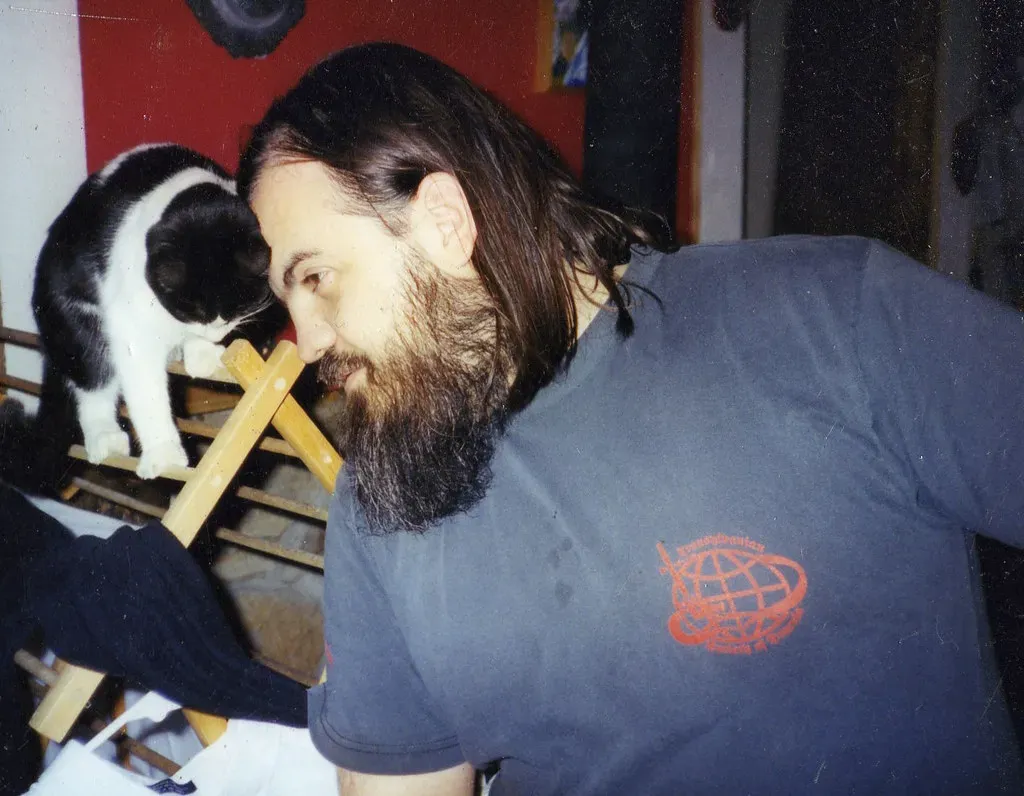
When your cat walks over and presses their forehead against yours or grinds their cheek along your shin, they’re doing something far more meaningful than being adorable. One of the most common ways cats show affection is through head-butting and nuzzling. This behavior, known as bunting, is a cat’s way of marking you with their scent. When a cat rubs its head against you, it’s not just seeking attention but also leaving its scent glands on you, claiming you as part of their territory.
When a cat bumps their head against you or rubs their cheeks on your hand or leg, they’re doing more than being cute. This behavior deposits scent from glands on their face, marking you as familiar and safe. In cat language, that’s a sign of social bonding. Let’s be real, being “claimed” by a cat is actually one of the highest honors available in the animal kingdom. Just as a cat would rub on furniture to leave its scent to mark territory, they are showing pride that you are theirs.
3. Kneading on You: The Deepest Form of Comfort
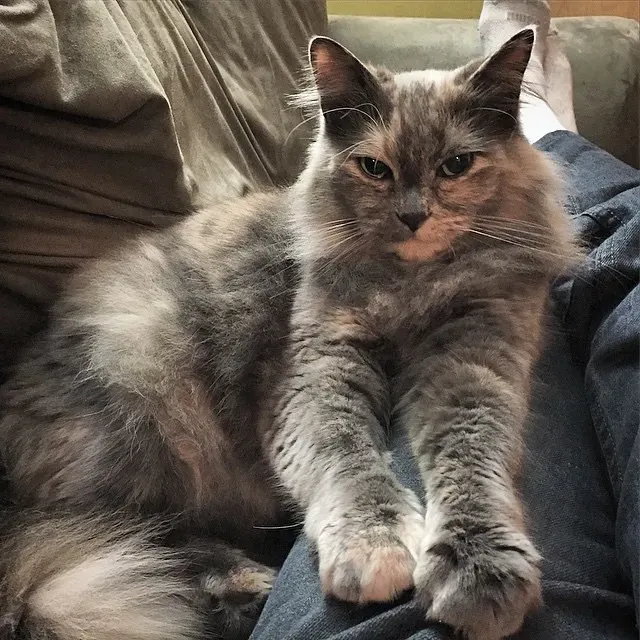
You know that rhythmic pushing motion your cat does with their front paws, the one that sometimes involves tiny little claws digging into your thighs? That’s called kneading, or as cat owners lovingly call it, “making biscuits.” It looks cute and slightly bizarre. It’s actually one of the most touching things your cat can do. Kneading is when your cat rhythmically pushes its paws against a soft surface, such as a blanket, cushion, or even your lap. This behavior originates in kittenhood when nursing kittens knead their mother’s belly to help with milk flow. Cats can also continue this behavior as a sign of comfort and affection.
Cats learn this behavior as kittens to stimulate milk flow from their mothers. When an adult cat kneads on you, it shows they trust you and feel secure in your presence. Think about what that means. Your cat is treating you with the same warmth they once associated with their mother. That’s not a small thing. When they do it on a favorite person or bed, it’s a self-soothing behavior. With humans, it’s almost like a sign of the bond: “You are someone who is important to me, and I’m comfortable.”
4. Grooming You: Welcome to the Inner Circle
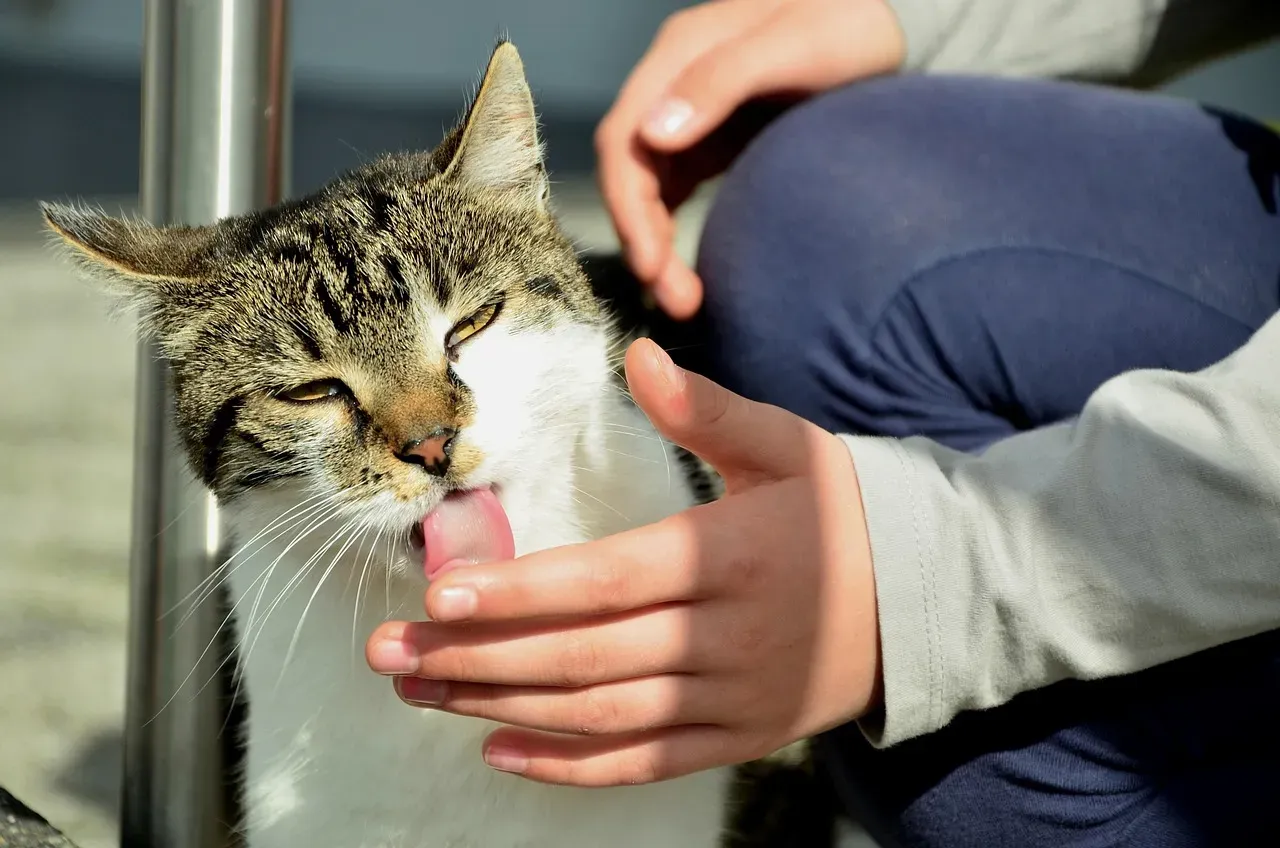
Getting licked by a cat is an odd sensation. That sandpaper tongue working its way across your hand or hair isn’t exactly what most people picture as a tender moment. Yet in the feline world, this is essentially the highest form of affection. Just as mother cats will groom their young, cats who are bonded with each other will often groom one another, showing comfort and familial acceptance. If you find your kitty licking you repetitively, you’ve either spilled something delicious on yourself or they see you as a close family member.
Cats groom each other as a bonding ritual, so when they lick your hair, hands or face, it means your cat considers you as part of its tribe. In short, it’s a way cats show attachment to their owner. There’s something genuinely moving about that, isn’t there? Grooming only happens between cats with a warm relationship, so licking your hand or face can be a show of endearment, even though those barbed tongues may not feel all that gentle.
5. Following You From Room to Room: You’re Their Favorite Human
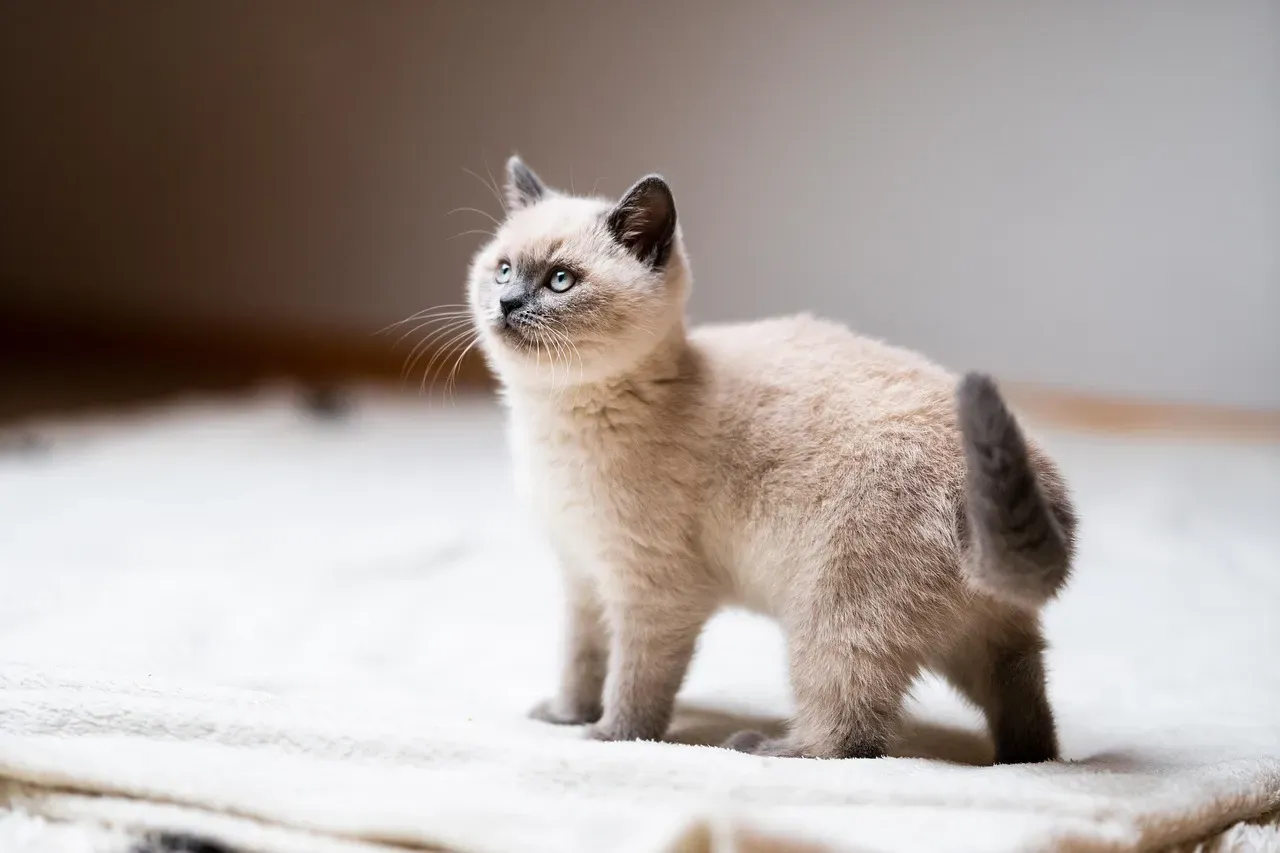
Your cat watches you get up. Then watches you walk to the kitchen. Then, a few moments later, appears silently in the kitchen doorway with that classic cat expression that says absolutely nothing but clearly means everything. This behavior is not random. Cats often show their love by simply being near you. If your cat chooses to sit on your lap, sleep beside you, or follow you around the house, it’s a clear indication that they enjoy your company.
Ever notice that kitty likes to trail you around the house? There can be many reasons for this, from wanting food to being anxious, but there are many cases in which your cat simply enjoys your company and wants to be with you. If it’s not close to feeding time, and your cat isn’t acting like they want anything, chances are they are just trying to bask in your presence. It’s hard to say for sure when your cat is doing it purely out of love versus curiosity, but when it happens consistently, consider it a quiet standing ovation in your honor.
6. Sleeping Near You or On You: Absolute Trust, Fully Expressed
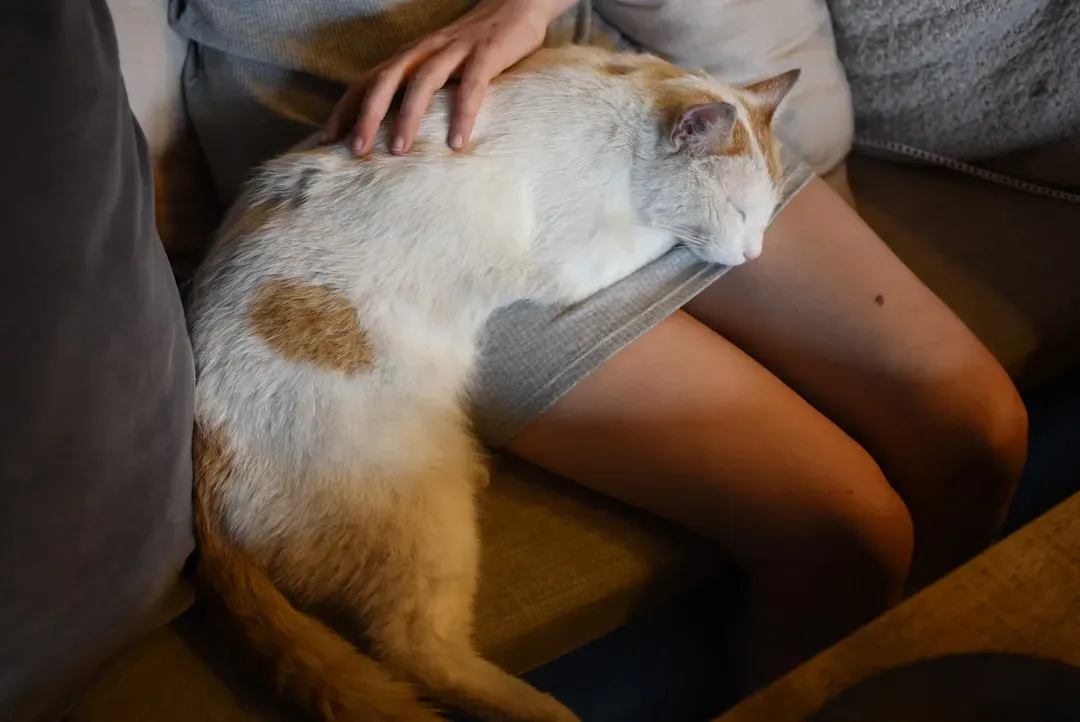
Sleep is a vulnerable state, for humans and cats alike. When a cat is asleep, their defenses are down completely. So who a cat chooses to sleep near says a great deal about how they feel. Sleep is a vulnerable state for cats. Choosing to nap next to you, or even in the same room, is a strong indicator of trust. Some cats may sleep at your feet or nearby rather than directly on you, but that close proximity still counts as a sign of love.
The ultimate compliment is if they want to sleep on you, as being close to you when they are at their most vulnerable is a definite sign that you have earned your cat’s trust. Consider the math here. Your cat could sleep absolutely anywhere. On the warm windowsill, on the soft chair, on literally every surface in the house. Curling up on your lap for a nap is a sign of deep trust. They chose you. That says everything.
7. The Upright Tail Greeting: Your Cat Is Genuinely Happy to See You
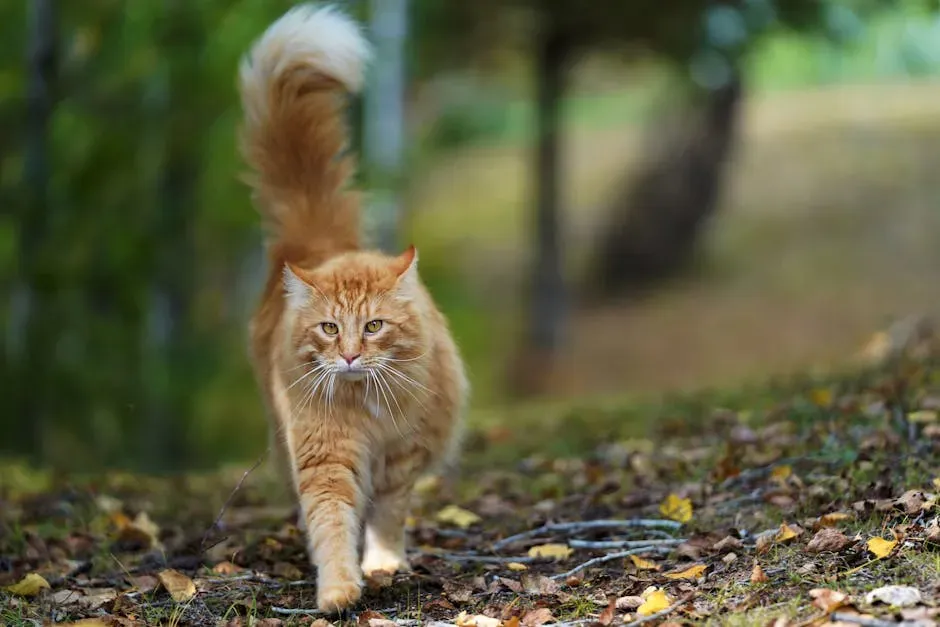
You walk through your front door after a long day, and your cat appears with their tail pointing straight up to the ceiling, sometimes with a little curl at the tip like a question mark. This is not accidental. This is a full-on celebratory greeting. A tail held in the upright flagpole position shows a friendly intention, the feline equivalent of a wave, indicating familiarity, trust and affection. Some cats also use an upright question mark shaped tail to greet someone they like, or to motion that they want to play.
Happy cats appear confident and relaxed, often walking with their tails held high and their ears relaxed when feeling comfortable and at home. If your cat greets you at the door with their tail held high and the tip slightly bent, it’s a sign of them being pleased to see you! Kittens often assume this posture with their mothers, so it shows your cat thinks of you as a loving, protective presence they’re happy to have around. Next time you come home and see that little tail shooting upward, feel free to take the compliment.
8. Bringing You Gifts: A Strange Act of Pure Love
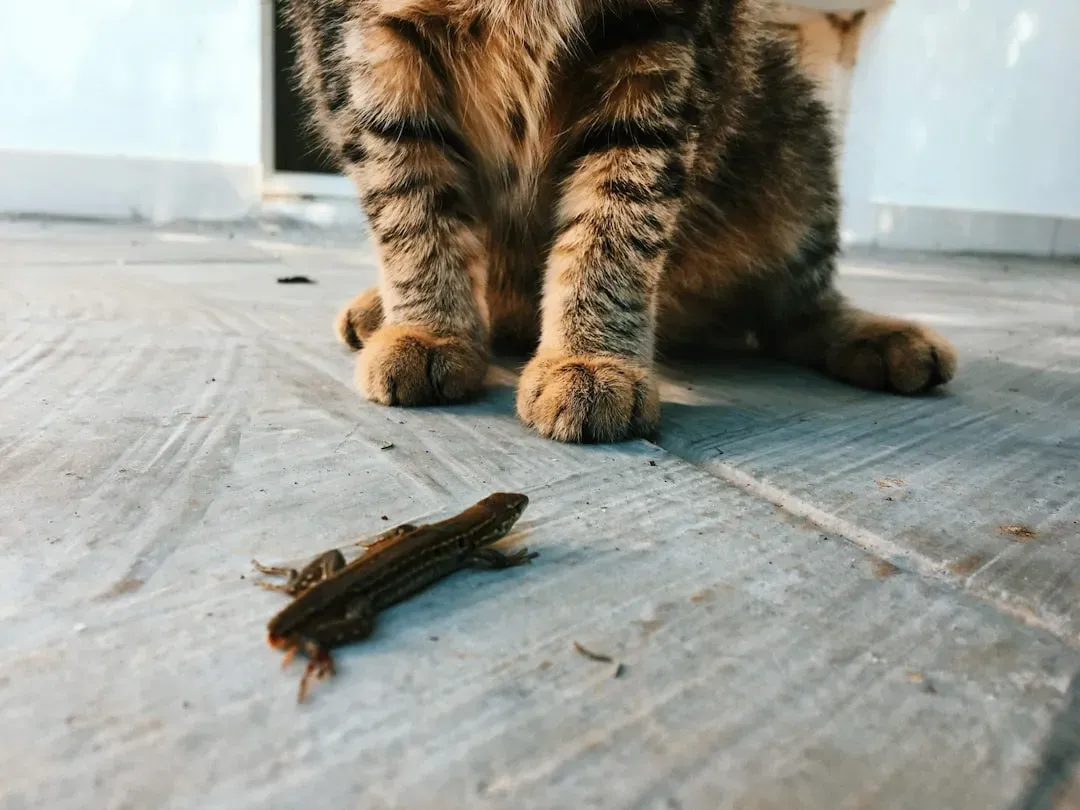
Okay, this one is tricky to appreciate in the moment. You wake up, shuffle to the kitchen, and find a dead bird or lizard lovingly placed in front of the coffee maker. Or a mouse. Or some mysterious creature you’d rather not identify before your first cup of coffee. I know it sounds crazy, but this is your cat being extraordinarily thoughtful. Cats have an innate hunting instinct, which can sometimes manifest in them bringing their humans dead birds, rodents, or bugs. This behavior is a way for cats to show their affection and regard their human family as part of their pack.
Cats are solitary hunters, but if they live in groups will tend to eat together. In feral cat colonies, some members of the group are hunters and bring back gifts of food to their bonded companions. Now, finding a mouse at your feet may not be the best present you’ve ever received, but if your kitty hunts and then presents you with the reward, this is a prime example of cat behavior that should be appreciated rather than deplored. It might be unpleasant to receive, but the intention behind it? Pure, unfiltered love and inclusion.
9. Purring in Your Presence: The Sound of Safety
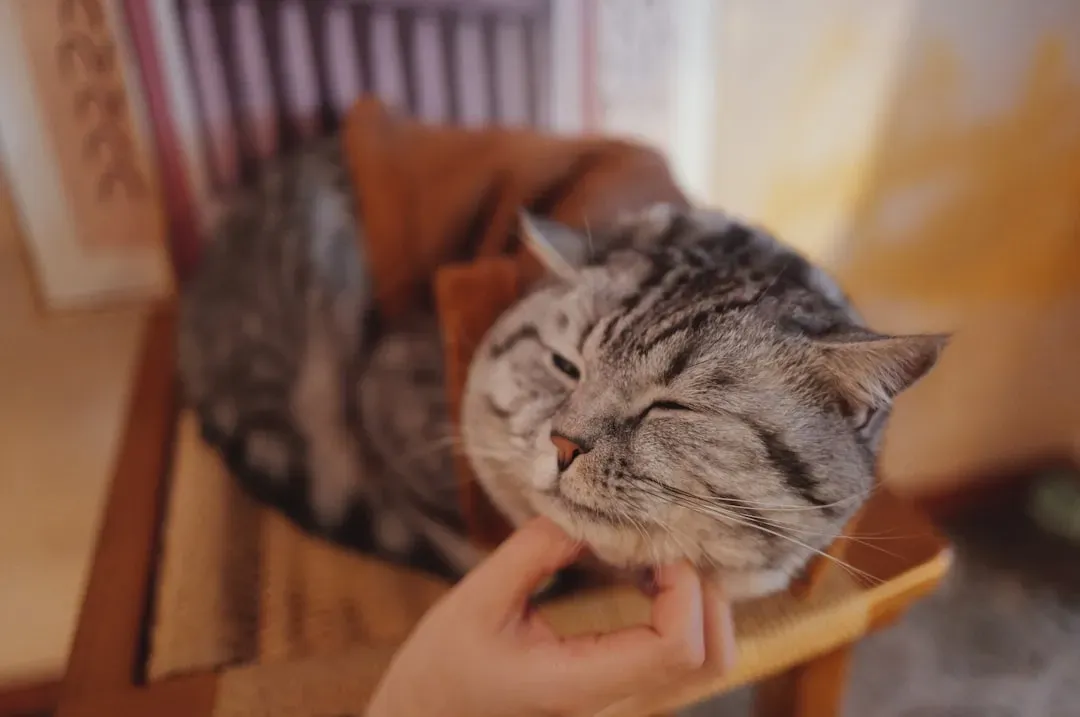
There are few sounds on earth as immediately comforting as a cat purring contentedly in your lap. That soft, rhythmic rumble feels like the world quieting down for just a moment. Feline behaviorists have found that cats purr for a variety of reasons, but they believe that purring first starts as a form of communication and bonding mechanism between kittens and their mothers. It’s also a common indicator of comfort and ease. If your cat purrs contentedly when they are around you, there’s a good chance they also feel bonded with you and are relaxed in your presence.
One of the most recognizable and common cat behaviors is purring, a soft, rhythmic sound that cats produce when they are content. While cat purring is almost always associated with happiness, there are times when it can have other meanings, such as anxiety and discomfort. So context matters. When your cat purrs while settled against you, though, with relaxed eyes and a still body, that purr is directed entirely at you. Studies have shown that cats provide many physiological and psychological benefits for their owners, and it’s hard not to believe that the purr is right at the center of all of that healing.
Conclusion: Your Cat Has Never Stopped Watching Out for You
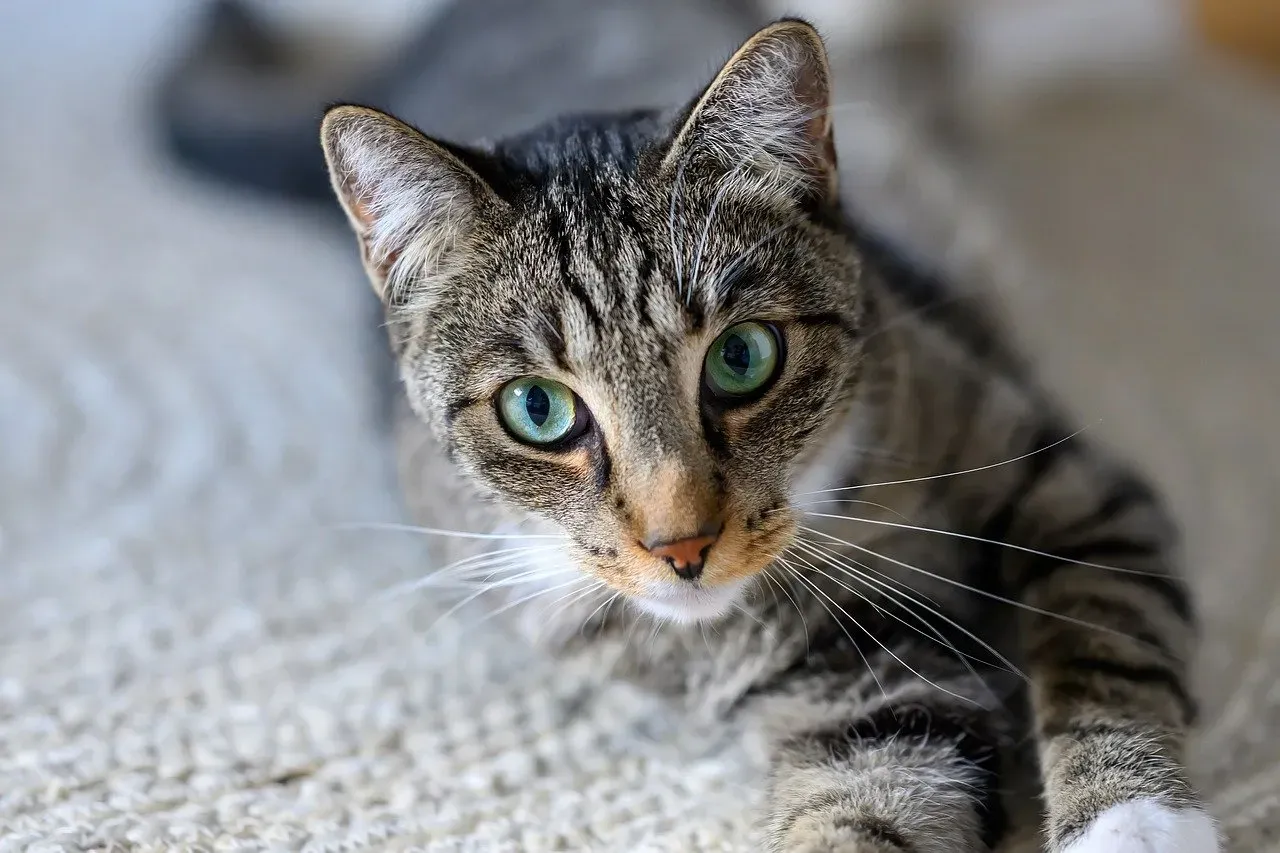
Here’s the thing about cats. They never evolved to be openly demonstrative the way dogs did. They didn’t develop wagging tails or bouncy greetings or an obvious need to please. Their love is quieter, more considered, and perhaps because of that, more intentional. When your cat slow blinks at you, or follows you to the bathroom at midnight, or kneads your lap until you wince, they’re choosing you, on their own terms.
Cats are highly capable of meeting their own needs. Because of this independence, affection isn’t about dependence, it’s about preference. When a cat interacts with you, it’s because they want to, not because they need to. That distinction matters enormously. A dog loves you partly because dogs love everyone. A cat loves you because you, specifically, made the cut.
So the next time your cat does something that seems small or strange or slightly inconvenient, take a second look. Chances are, it’s their version of “I’ve got you.” What behavior from your own cat surprised you the most? Drop it in the comments and let’s talk about it.
Kristina is a young writer from India. An arts graduate and an avid content creator, Kristina is passionate about animals and wildlife. She enjoys exploring topics related to pet care, animal behavior, conservation, and nature, combining thorough research with engaging storytelling.