There’s something undeniably special about the moment a cat chooses a person. Not a toy. Not a treat bowl. A person. You’ve probably seen it before, whether in a photo or in real life: a fluffy tabby curled up on the lap of an elderly woman in a rocking chair, or a grey-muzzled tomcat patiently following a white-haired man through a quiet house. It always looks so natural. So inevitable. Like they were simply meant to find each other.
The connection between cats and older adults is not a coincidence, and it’s not just about who sits still the longest. There’s actually a layered, fascinating science and emotional reality behind why so many cats gravitate toward seniors with such ease and loyalty. From the pace of life to the chemistry of the brain, the reasons run deeper than you might expect. So let’s dive in and explore every beautiful thread of this gentle, surprising bond.
The Pace of Life Matches Like Puzzle Pieces
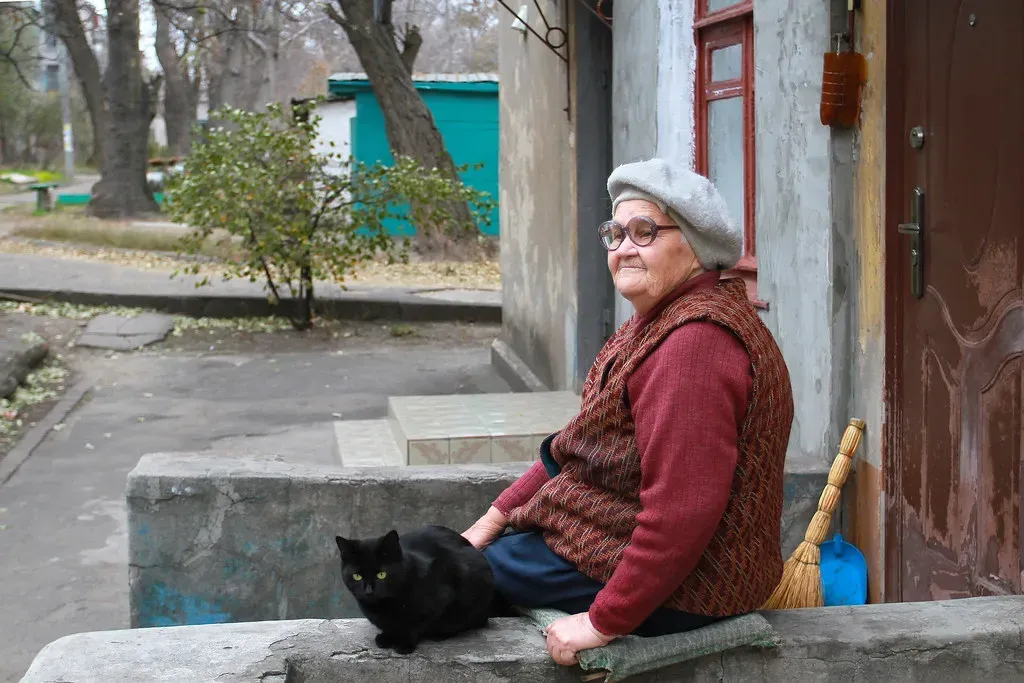
Here’s the thing about cats: they are remarkably tuned-in to their environment. They notice everything, from the rhythm of footsteps to the speed of movements around them. Age-related changes make older cats more sensitive to noise, movement, and unpredictability, and interestingly, cats in general tend to gravitate toward environments that mirror this same preference for calm and stillness. Seniors, who often move more slowly and maintain quieter households, naturally create that kind of space without even trying.
Older cats are considerably calmer, so they’re good for elderly and less active people as they won’t be running around their legs like kittens do. The same logic works beautifully in reverse: cats tend to relax more visibly, choose a lap more willingly, and settle into that long, slow purr when the human energy around them is gentle and unhurried. It’s like two rivers flowing at the same speed, finally merging into one quiet current.
Cats Are More Emotionally Perceptive Than You Think
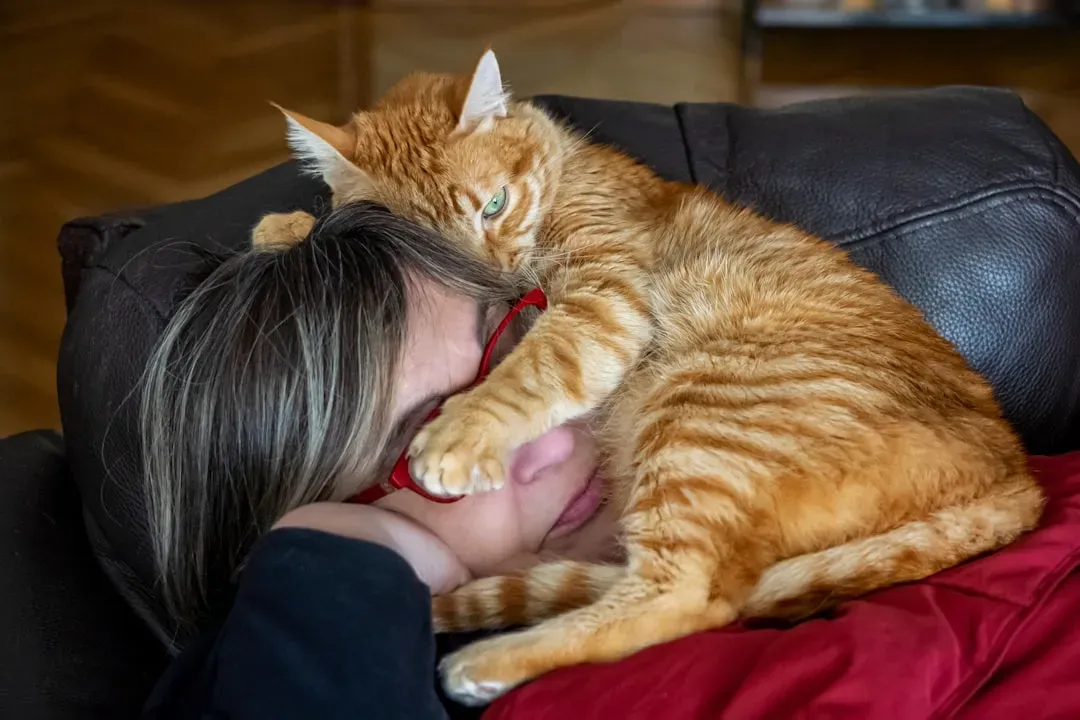
Let’s be real, cats get a bad reputation for being aloof. But the science tells a very different story. One particularly intriguing aspect of the cat-human relationship is cats’ apparent ability to sense depression and anxiety in humans, through a combination of keen observation skills, evolutionary adaptations, and strong emotional bonds. Seniors, who may carry the weight of loss, loneliness, or significant life transitions, often unknowingly emit emotional signals that attentive cats pick up on with surprising precision.
It has been found that cats are sensitive to human moods, and in particular, they engage more frequently in social interactions with depressed humans. This is not small news. That instinct to draw closer when a person is emotionally vulnerable means cats are essentially self-selecting the people who need them most. Seniors going through grief or isolation often become the quiet center of a cat’s world, and the cat becomes theirs in return.
The Comfort of a Predictable Routine
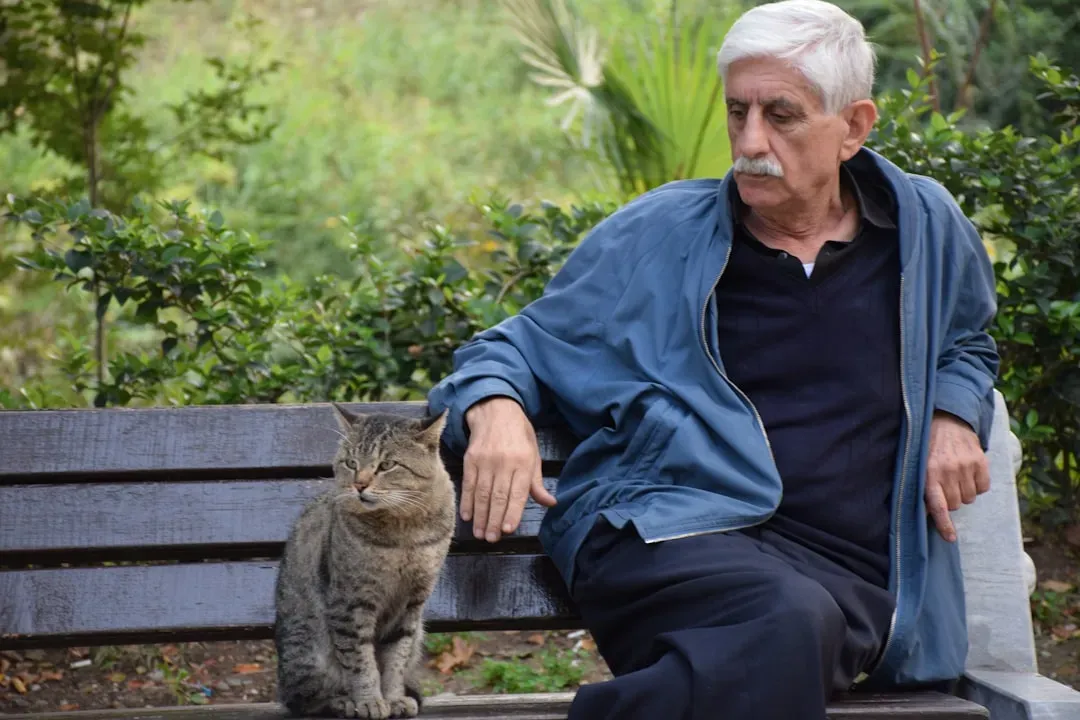
Cats are creatures of habit. Honestly, they thrive on routine more than almost any other domestic animal. Routine is one of the most powerful tools for keeping a senior cat calm. Older cats relax when life is consistent. Sudden disruptions create stress, confusion, and restlessness. Seniors often live by a reliable daily rhythm, with meals at consistent hours, quiet evenings, and a steady home environment. For a cat, this is basically paradise.
Caring for a cat establishes a daily routine that can give seniors a renewed sense of purpose. The responsibility of feeding, grooming, and interacting with a pet can help structure the day, making life feel more meaningful and reducing feelings of emptiness. So the benefit flows both ways. The senior provides the predictable routine the cat craves, and the cat, in turn, gives the senior a reason to maintain that very routine each day. It’s a loop of mutual reinforcement that quietly sustains both lives.
The Healing Power of the Purr
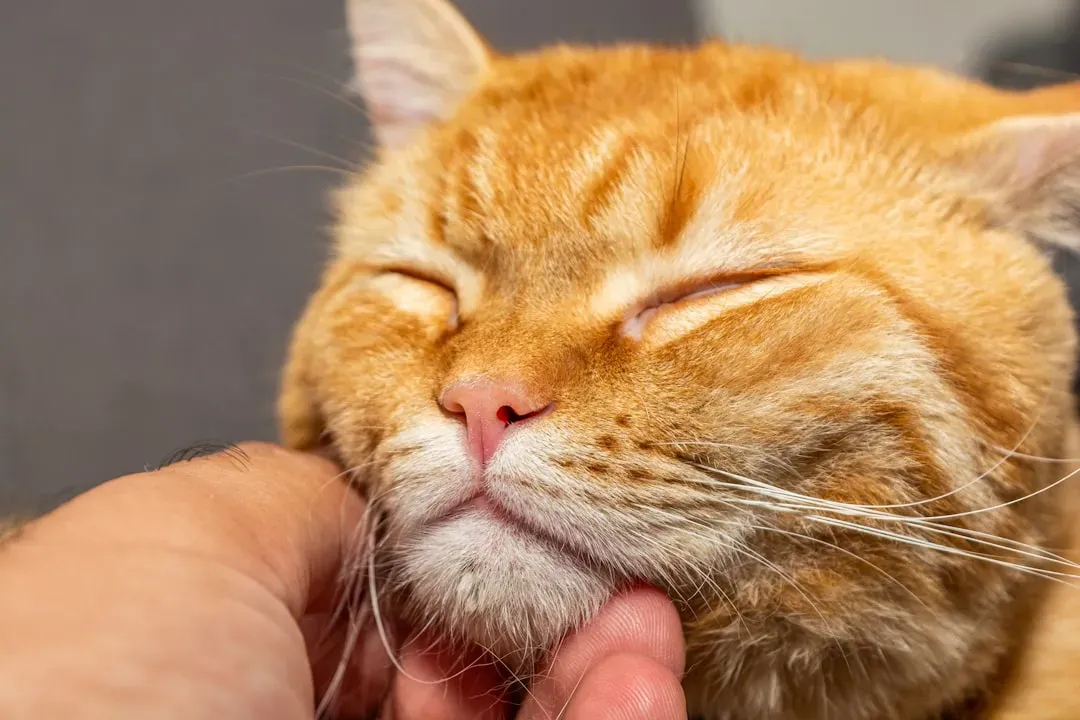
If you’ve ever sat quietly with a purring cat on your chest, you already know something the researchers are just now putting numbers to. A cat purrs within a range of 20-140 Hz, which is known to be medically therapeutic for illnesses in humans. A cat’s purr can not only lower stress, it can also help labored breathing, lower blood pressure, help heal infections, and even heal bones. That’s extraordinary, when you think about it. A sound that the cat makes for its own comfort turns out to be a gift to the human body as well.
When a cat purrs, it releases endorphins in the brain, but the truly magical part is that purring releases endorphins in humans, too. This can decrease stress levels, lower blood pressure and reduce the risk of heart attacks. For older adults already managing cardiovascular health or chronic stress, that steady vibration beneath a warm fur coat might be doing more therapeutic work than a lot of expensive wellness routines. I think that’s one of the most beautifully practical things about the cat-senior bond.
Shared Emotional Needs Create Deeper Bonds
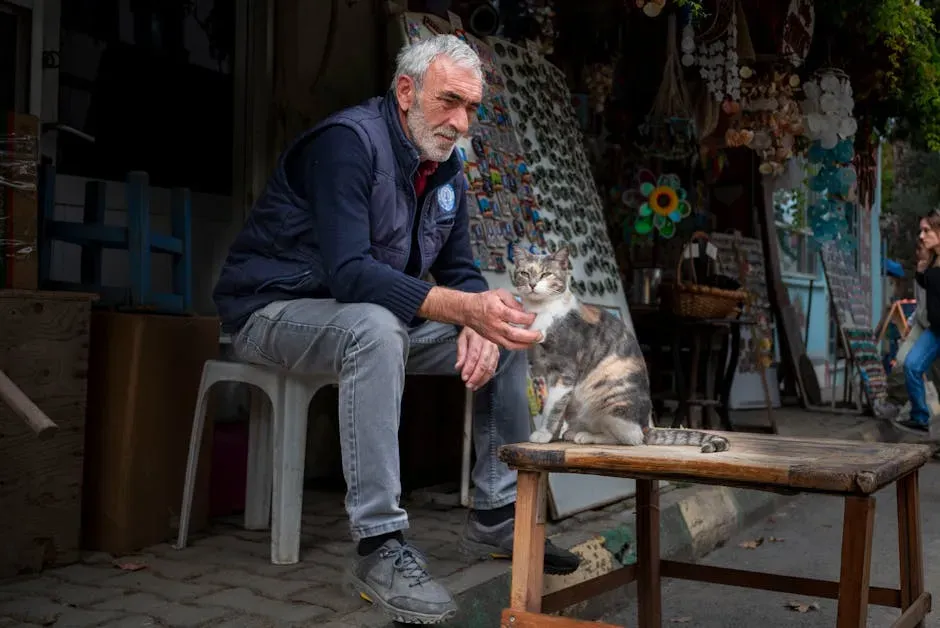
Cats are especially great company for senior citizens for a variety of reasons: seniors can become lonely, or even depressed, when they retire or lose their spouse, or when their children move away. That particular kind of quiet loneliness, the kind that settles into a house like dust, can be deeply corrosive over time. Cats seem to sense this emptiness and often fill it in ways that no human visitor quite can. They’re there in the morning. They’re there at night. They don’t leave.
A senior cat can provide constant companionship and emotional support, helping to alleviate feelings of loneliness and providing a sense of purpose. Studies show when people are no longer able to care for or nurture others, rates of depression go up and overall health declines. Cats are an outlet for people’s need to nurture another being. That exchange of need and nurture, so simple on the surface, turns out to be emotionally essential in the later chapters of life.
The Chemistry Behind the Bond
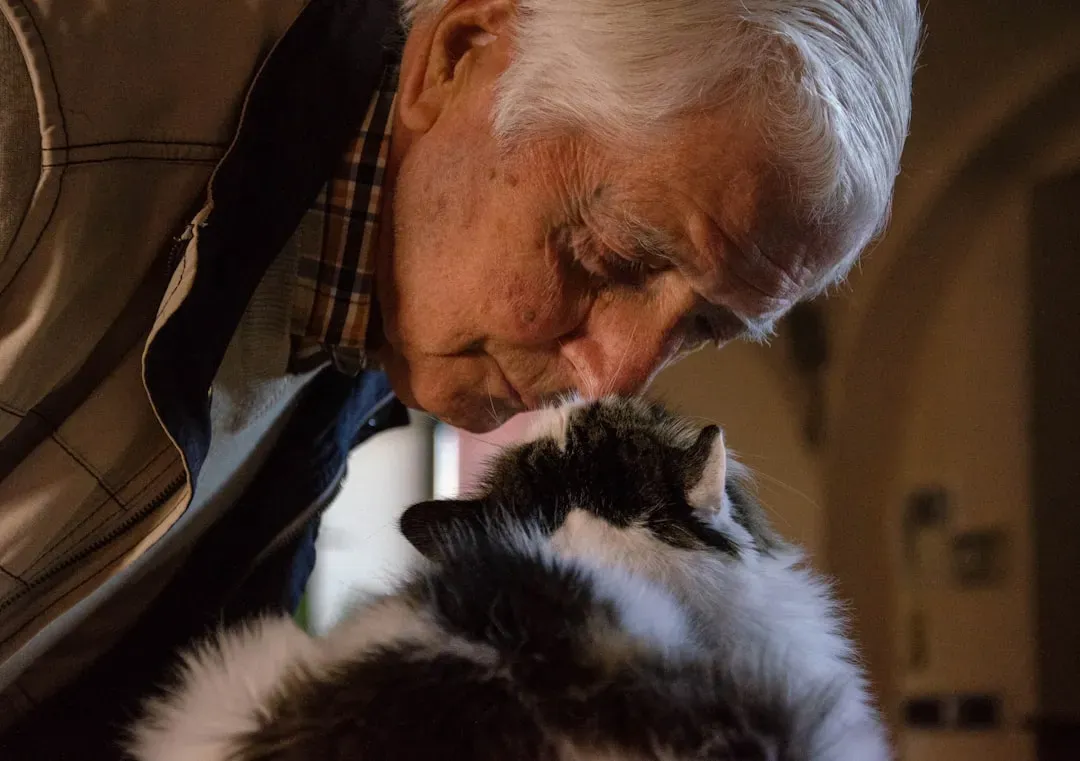
There’s actual biology happening when a senior reaches out and strokes a cat. Interacting with cats triggers the release of hormones in humans such as serotonin, dopamine, and oxytocin. These are often associated with good, positive feelings. Oxytocin in particular has been recognized for its role in bonding and stress relief, as well as its physiological effects such as decreased heart rate and slowed breathing. Think of it like the body’s own built-in “everything is okay” cocktail, delivered every single time you stroke a soft coat.
The simple act of petting a cat has been shown to release oxytocin, a hormone associated with bonding and affection. This can help reduce stress and anxiety, promoting a sense of calm and emotional stability. For seniors who may have reduced physical contact in their daily lives, especially those living alone or in care environments, the tactile comfort of a cat on the lap can literally rewire the body’s stress response. It’s a small act with enormous biological consequences.
Cats Read the Room Better Than People Realize
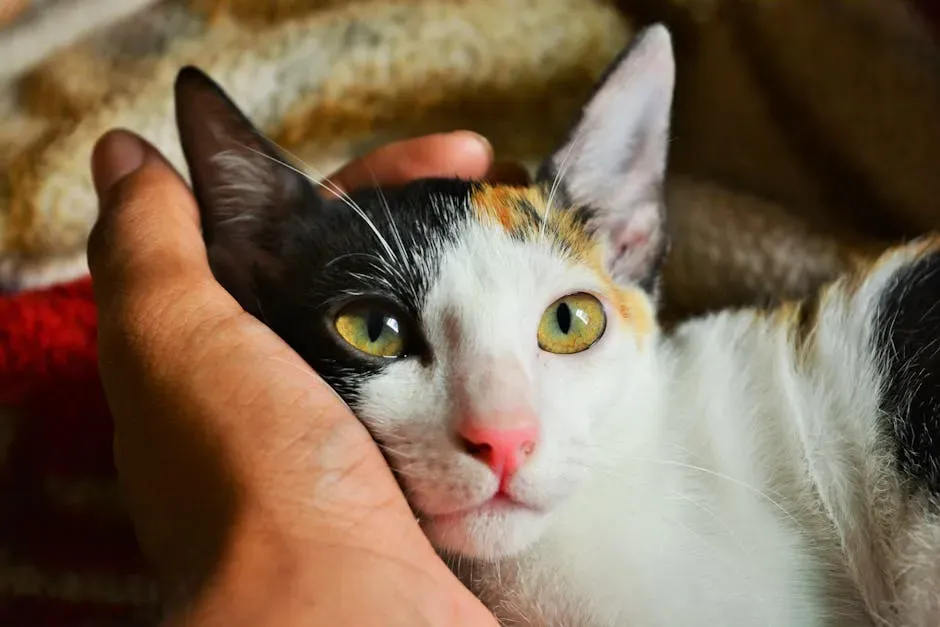
Ever notice how a cat seems to know exactly when to come over, not when you’re energetic and ready to play, but when you’re sitting quietly in a chair staring at nothing? That’s not random. Cats have an uncanny ability to sense human emotions, offering comfort and companionship when we need it most. Their keen observational skills help them detect changes in our behavior, body language, and tone, allowing them to respond in ways that ease stress and anxiety.
Cats are intuitive and can understand the moods and emotions of their humans. More specifically, they engage with their humans more often when they are sad or depressed, and they approach them more frequently when their humans are anxious or agitated. Seniors, who might be navigating grief or health anxiety, often find that their cat becomes an almost therapeutic presence. Not because the cat was trained for it, but because its instincts and the senior’s emotional state create a kind of invisible alignment. It’s hard to say for sure how deep that perception goes, but the pattern shows up consistently enough to be striking.
Cats Benefit Too: The Mutual Healing at Work
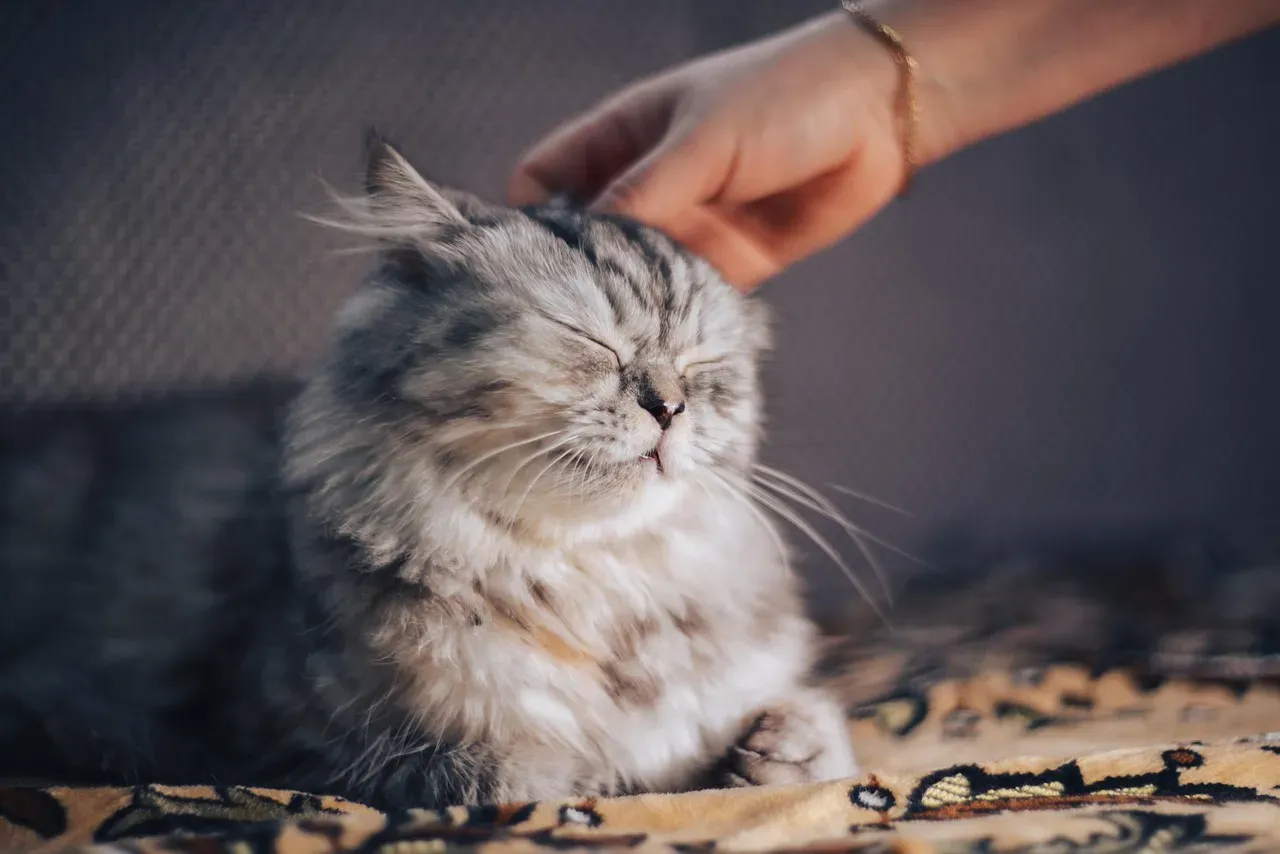
This story isn’t one-sided. Not at all. The bond between a senior person and a senior cat is often mutually healing. The cat gains stability and love in a home environment, while the person gains daily structure, emotional connection, and a sense of purpose. A cat that has experienced the loss of its previous home or owner, which happens more often than you might know, genuinely needs the kind of steady, devoted companionship that a retired senior can offer in abundance.
The bond between a senior cat and its human is incredibly strong and they absolutely know that you are their family. Senior cats often form deep, lasting connections with their new families. Having experienced loss, they are eager to settle into a loving home and show their appreciation. This is one of those rare cases where what a human gives and what a cat gives feel almost perfectly symmetrical. Two beings, at similar life stages, choosing each other with the kind of quiet certainty that only comes with experience.
The Cognitive and Social Gifts of Cat Ownership in Later Life
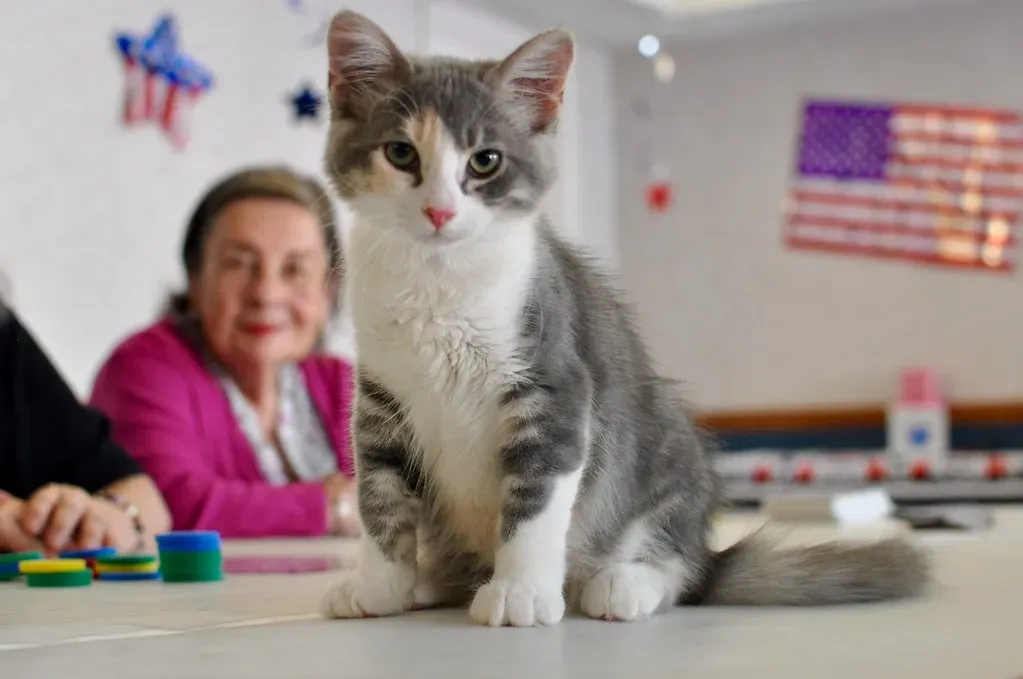
Cats provide opportunities for mental stimulation and cognitive engagement. Feeding schedules, grooming routines, and interactive play sessions with toys can help seniors exercise their cognitive abilities and keep their minds agile. That daily checklist of cat care, however light it may seem, actually keeps the brain active in ways that matter enormously in later years. Memory, routine, and sensory interaction all get a quiet workout every single day.
Owning a cat can also lead to increased social interactions. Seniors who own pets often find themselves engaging more with neighbors, friends, and even strangers, as pets serve as a natural conversation starter. This can help reduce the social isolation that often accompanies aging. You’d be surprised how often a cat’s name comes up in a hallway conversation, how it opens doors with a grandchild, or becomes the unexpected centerpiece of a family visit. Honestly, sometimes the cat does more for a senior’s social life than any well-meaning relative.
Conclusion: A Bond Built on Quiet Understanding
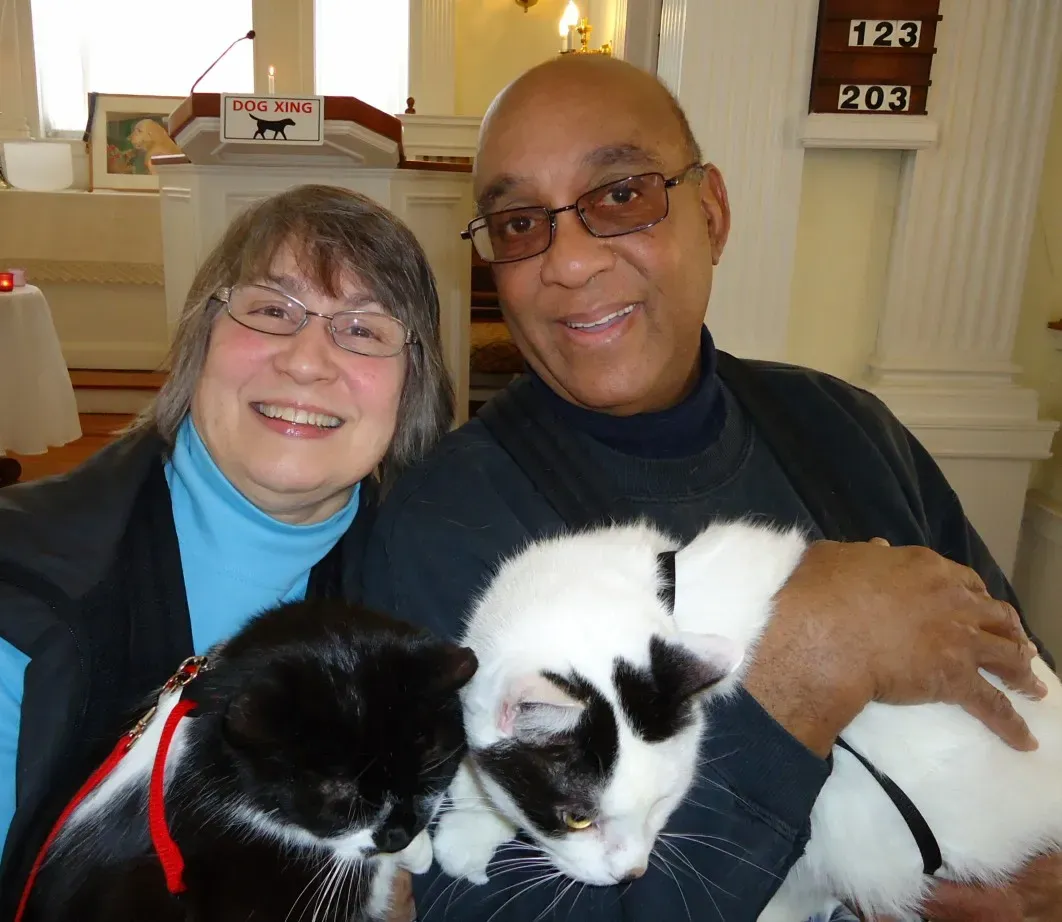
The connection between cats and seniors isn’t sentimental folklore. It’s rooted in biology, behavior, emotional intelligence, and the simple but profound truth that some beings recognize what they need in each other without a single word being spoken. Cats gravitate toward calm. Seniors often carry calm. Cats offer healing vibrations, steady presence, and emotional attunement. Seniors offer predictability, devotion, and time, the one thing younger households are always short of.
What makes this bond so moving is how mutual it is. The senior saves the cat from loneliness, and the cat saves the senior right back. It’s the kind of relationship that asks very little and gives back so much more than anyone expects. If you’ve ever watched a cat choose a grandparent’s lap over every other seat in the room, you already understand the quiet magic at work. And honestly, what more do you need to know?
Have you seen this kind of bond in your own family or with someone you love? Tell us your story in the comments below. We’d love to hear it.
Kristina is a young writer from India. An arts graduate and an avid content creator, Kristina is passionate about animals and wildlife. She enjoys exploring topics related to pet care, animal behavior, conservation, and nature, combining thorough research with engaging storytelling.