You’ve probably heard of wellness coaches, therapists, and mindfulness apps. You’ve heard about yoga at sunrise and journaling at dusk. But has anyone ever mentioned the soft, 10-pound creature currently stretched across your keyboard, radiating warmth and utter indifference to your schedule? Here’s the thing – your cat might be doing more for your mental and physical health than you ever gave credit for.
There is more emerging science that proves cats can boost your well-being, reduce stress, and even improve physical health. It is not just a warm and fuzzy feeling (though it often literally is). The signs are everywhere, from the moment you unlock your front door to the second you fall asleep at night. Let’s dive in.
Your Stress Melts Away the Moment You Pet Them
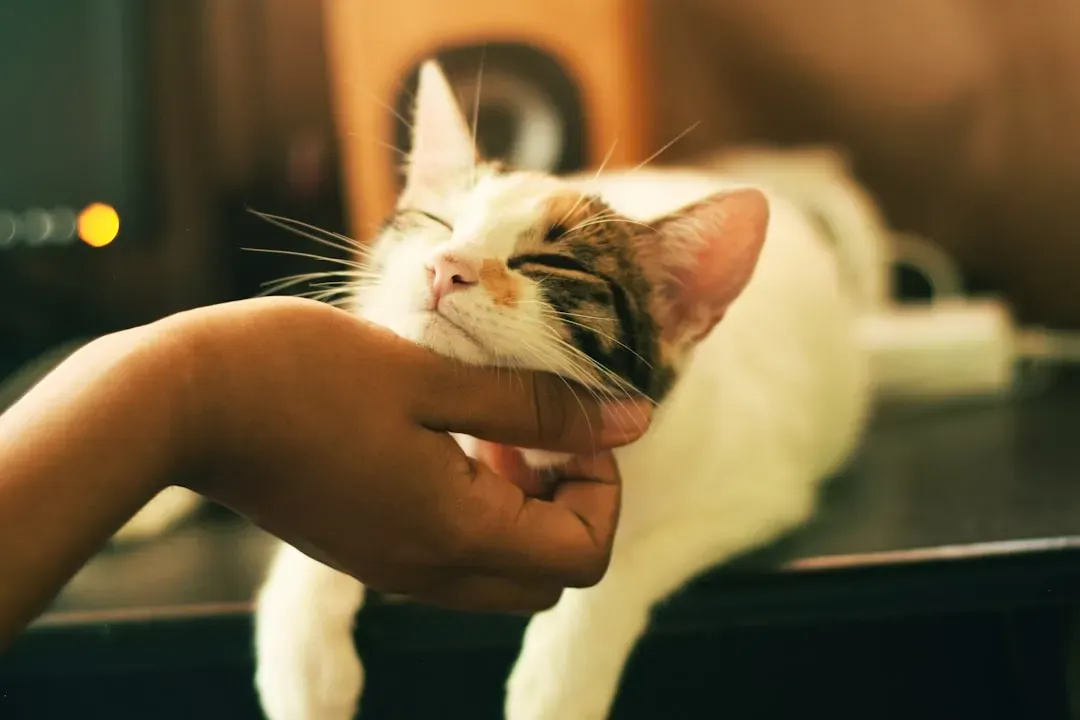
Just 10 minutes of interacting with cats produced a significant reduction in students’ cortisol, a major stress hormone. Think about that for a second. Ten minutes. That is less time than most people spend doomscrolling before bed, and the payoff is genuinely measurable in your body chemistry.
Interacting with cats triggers the release of hormones in humans such as serotonin, dopamine, and oxytocin, which are often associated with good, positive feelings. Oxytocin in particular has been recognized for its role in bonding and stress relief, as well as its physiological effects such as decreased heart rate and slowed breathing. So if you find yourself spontaneously calmer after five minutes of petting your cat, that is not your imagination at work. That is biology doing exactly what it is supposed to do.
Their Purring Acts Like a Built-In Sound Therapy Machine
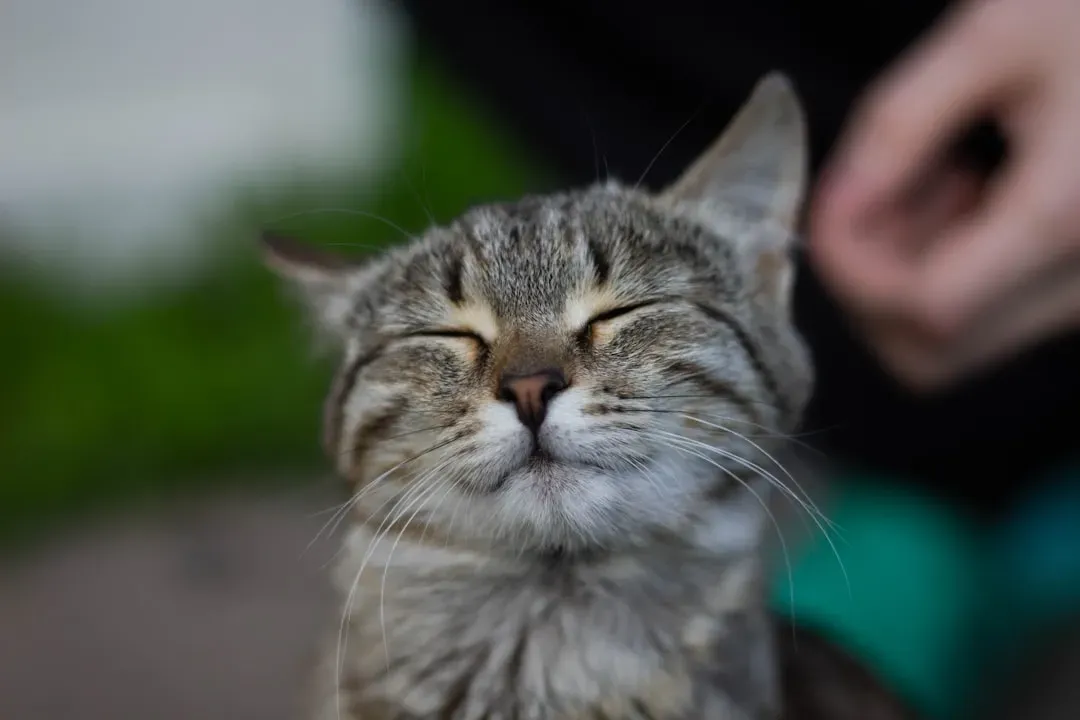
Research suggests that the frequency of a cat’s purring, typically between 25 and 150 hertz, could have therapeutic effects on the body and mind. That is a staggeringly specific piece of information, and honestly, it sounds almost too good to be true. Yet the science keeps showing up to defend it.
The low-frequency vibrations of a cat’s purring are often used in sound therapy, a form of vibrational healing that applies specific frequencies to the body. These vibrations can help reduce inflammation, improve circulation and stimulate the healing of damaged tissues. They have also been shown to promote the regeneration of bone cells and increase bone density. Your cat is not just sitting there looking smug. Your cat is, in its own very aloof way, running a sound healing session in your living room.
You Sleep Better When They Are Around
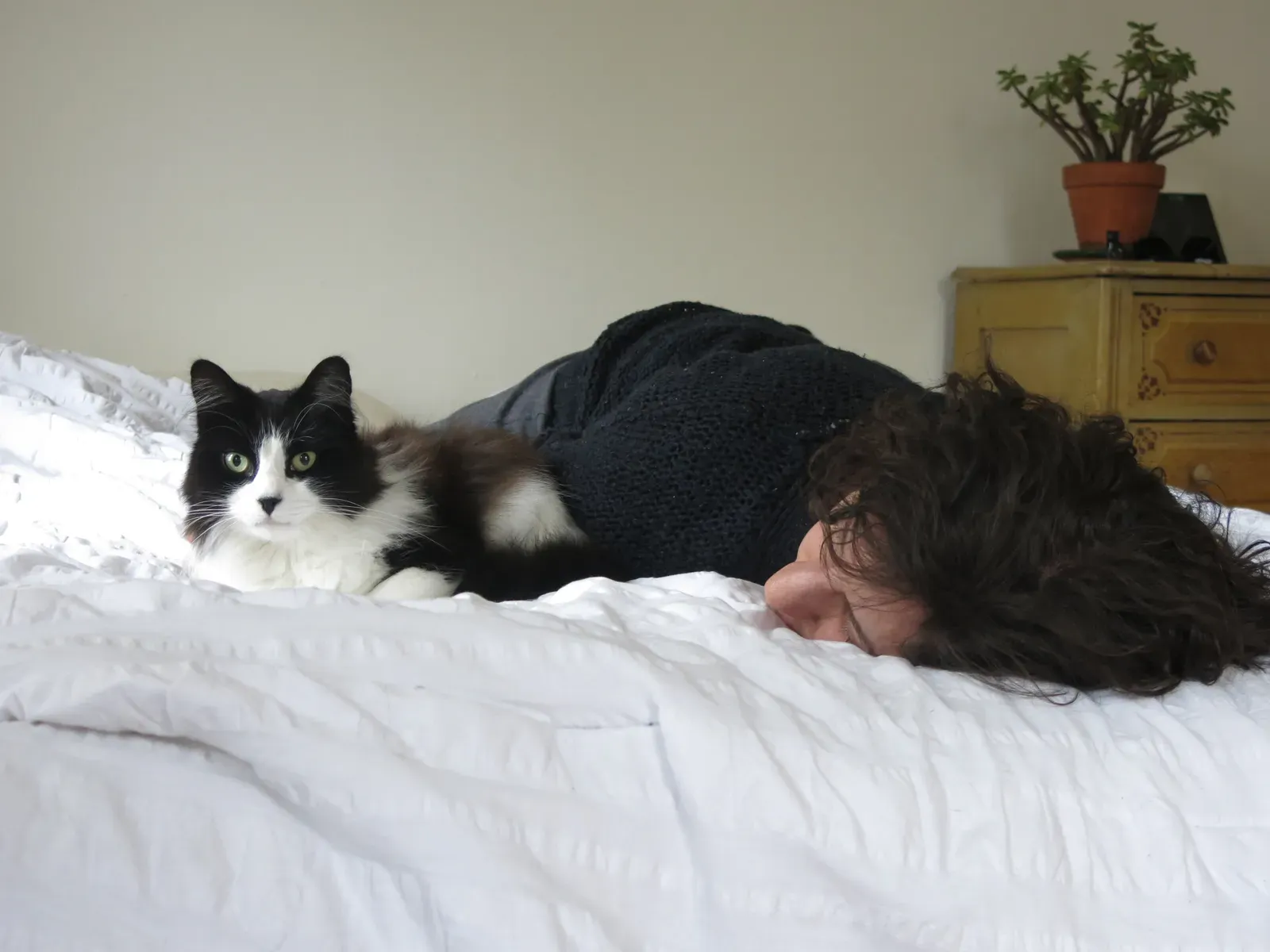
Sleep is the foundation of every other aspect of your health. We all know this, yet so many people still stare at the ceiling at 2 a.m., wondering when the brain will stop. Sleep is one of the most crucial factors in self-care, especially if you struggle with mental illness. A study done by the Mayo Clinic Center for Sleep Medicine shows that a large number of people stated they slept better because of their animal.
Emotional health is closely tied to physical health, and the presence of a purring cat can have a profound impact on mood and overall well-being. The effect goes beyond stress reduction and fosters a sense of connection, emotional stability, and even improved sleep quality. There is something grounding about a warm, breathing creature settling beside you at night. It signals safety to your nervous system in a way that no sleep podcast has quite managed to replicate.
They Give You a Reason to Build a Daily Routine
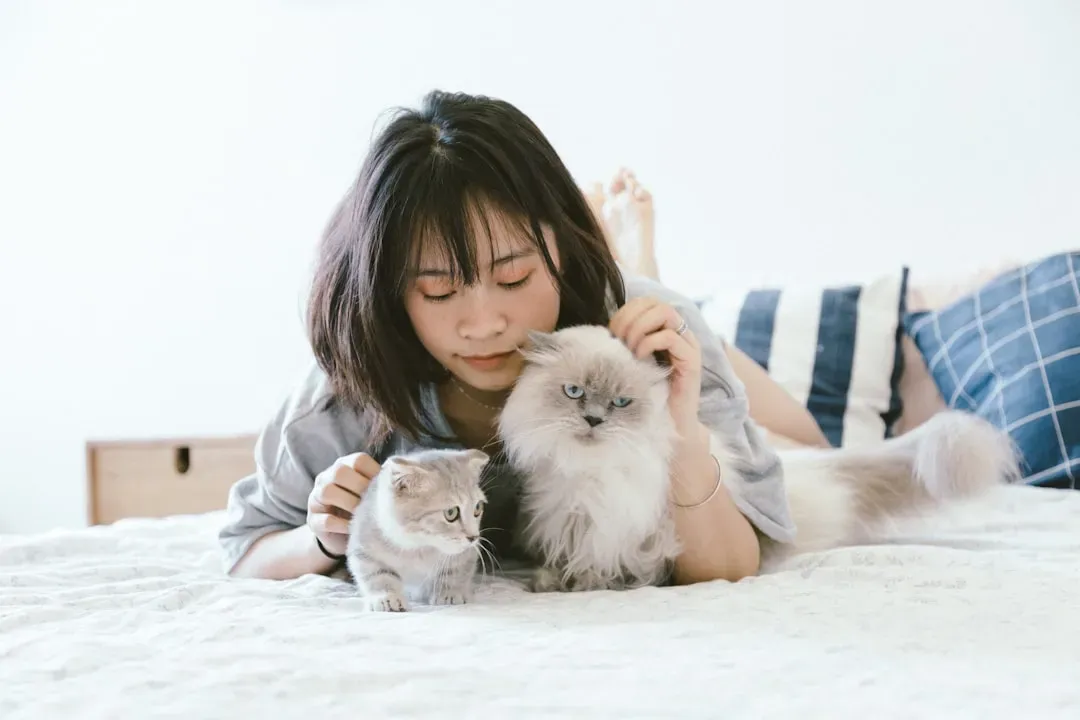
Let’s be real. Routine is one of those wellness buzzwords that sounds simple but is surprisingly hard to maintain when you are struggling. Cats add structure to your day since they truly love routine, like going to bed and waking up at the same time daily. Routine helps with anxiety and depression by offering predictability and a sense of control and stability, which helps you feel safer and calmer.
Having to feed and tend to your cat every day offers a clear purpose and set routine that is calming and reaffirming. It is beneficial for most people to have an established schedule and experience putting another’s needs before their own. Think of it this way. Your cat is the world’s most opinionated alarm clock, and ironically, that might be exactly what you need.
Your Brain Actually Changes When You Interact With Them
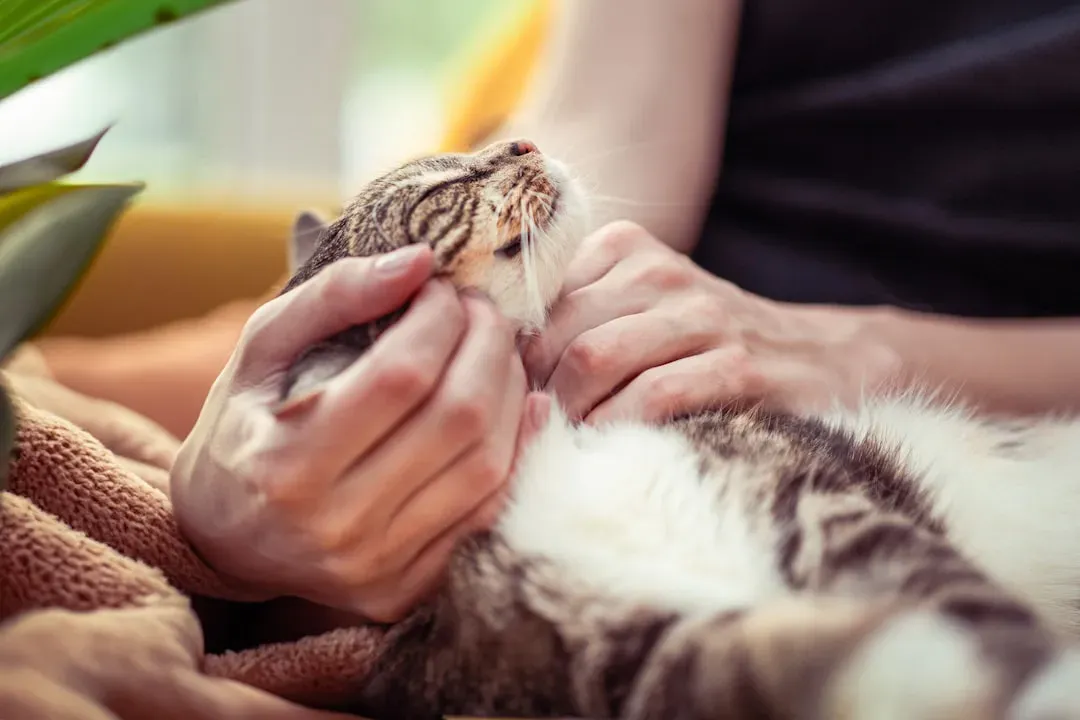
This one is genuinely surprising. It is not just about feeling warm inside. Cats have positive effects on their owners’ physiological and psychological health, including improved mood and activation of the human prefrontal cortex and inferior frontal gyrus in the brain. The prefrontal cortex, to put it simply, is the part of your brain responsible for decision-making, emotional regulation, and social behavior. Basically, all the things that take a hit when you are stressed or burned out.
Research showed that interactions with a cat significantly activated the prefrontal cortex, regardless of interaction type, and these interactions positively influenced the participants. So whether you are feeding your cat, playing with a wand toy, or just receiving a slow blink from across the room, your brain is quietly getting a workout. Not bad for someone who acts like they barely know you exist.
They Sense Your Emotions Without You Saying a Word
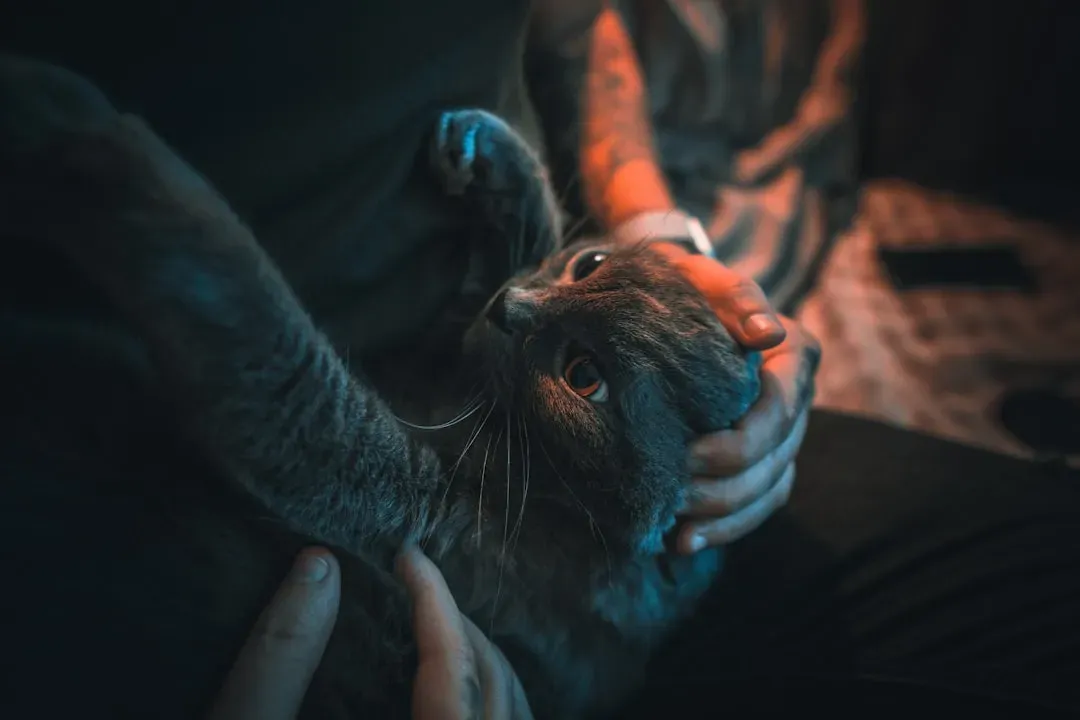
You know that moment when you come home exhausted, sit down on the couch, and your cat immediately materializes on your lap? That is not coincidence. Cats have a unique way of sensing your emotions and providing comfort when you need it most. This emotional connection can be incredibly therapeutic, helping to alleviate feelings of loneliness and depression.
A large review paper reported that pets and their owners develop strong connections, with pets offering emotional support particularly during moments of crisis. They might be able to offer extra support when your emotions are heightened, suggesting they understand when you are off. It is hard to say for sure exactly how deep this emotional perception goes, but cat owners around the world will tell you stories that are difficult to explain away as coincidence. Sometimes the most honest comfort comes without words.
They Combat Loneliness in a Way That Actually Works
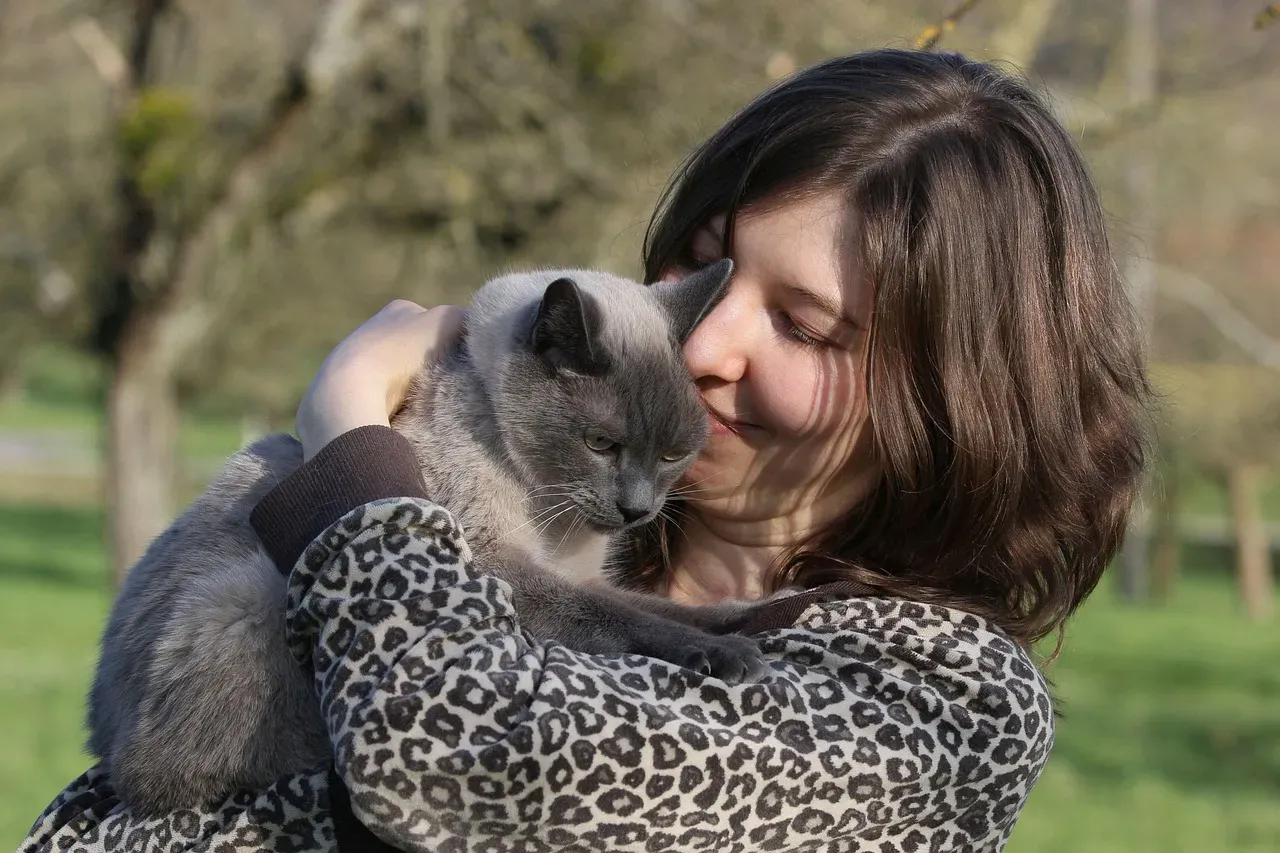
Loneliness is one of the most serious public health concerns of our time. It is not dramatic to say that. Many people turn to their pets for comfort when they feel isolated, and research links companion animals with lower feelings of social isolation. For people who live alone, work remotely, or simply find human connection exhausting, a cat’s presence fills a real and meaningful gap.
The mere presence of a cat provides consistent, non-judgmental companionship, especially for people who live alone or have limited social interactions during the day. There is something profoundly comforting about a relationship that expects nothing from you except warmth and the occasional meal. Unlike humans, who may unintentionally add to your stress through their responses or advice, cats are non-judgmental listeners. They offer unconditional companionship, which can help reduce feelings of loneliness and isolation. The presence of a cat allows you to feel less alone during difficult moments, giving you a sense of security and comfort.
They Motivate You to Stay Purposeful and Engaged
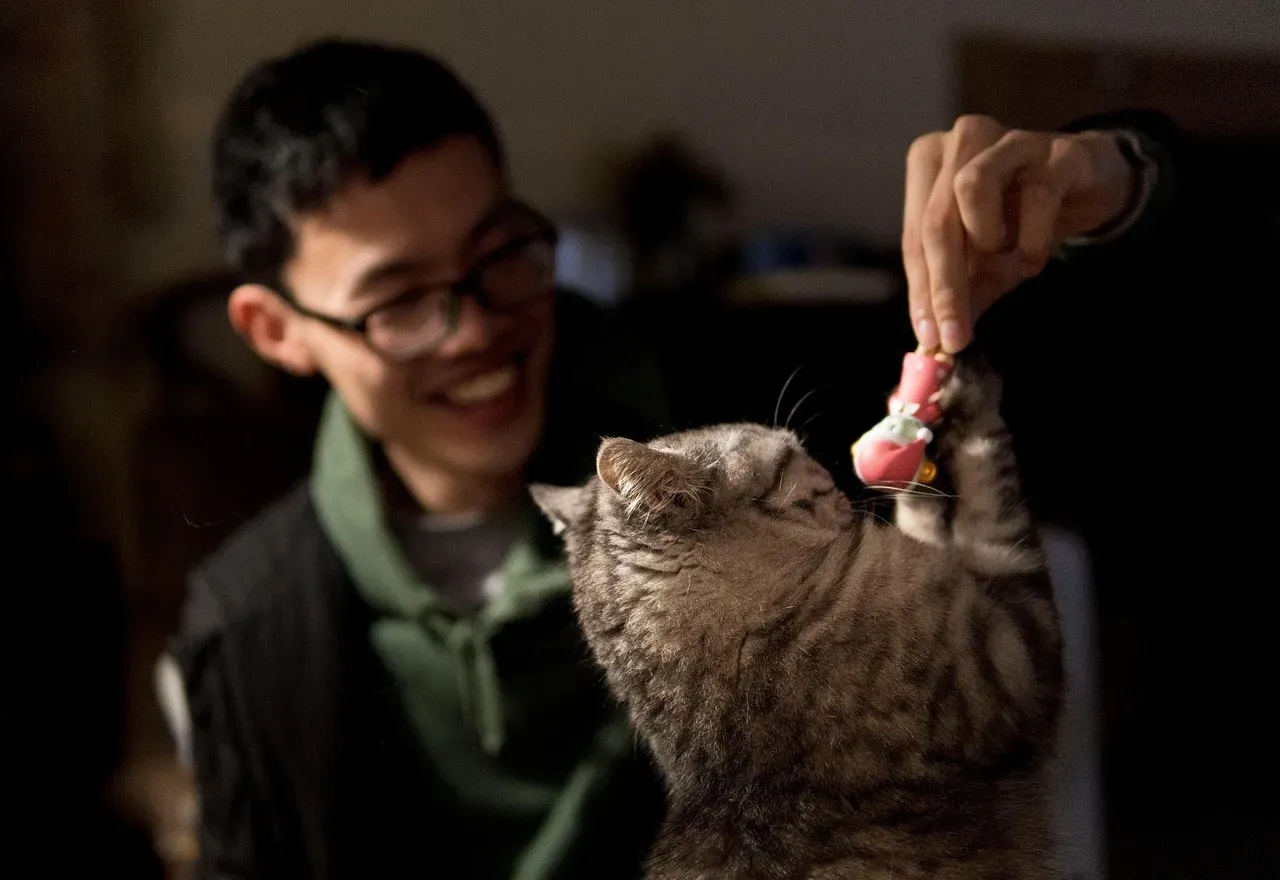
Depression has a sneaky habit of making even the smallest tasks feel insurmountable. Getting out of bed becomes a negotiation. Eating becomes optional. Individuals who struggle with mental illness often benefit from having an animal to care for. Cats can be especially low maintenance, but still rely on their humans for food, water, and attention. This responsibility can be motivating, encouraging individuals to get out of bed, start their day, and decrease the chances of isolation.
Research published in Aging and Mental Health found that pet ownership was linked to greater life satisfaction and a sense of purpose, especially among individuals coping with depression or anxiety. Honestly, when your cat is staring at you with that unblinking intensity because their bowl is empty, it is hard to stay curled up under a blanket. You get up. You feed them. You have already done something. Sometimes that tiny momentum is everything.
They May Even Be Good for Your Heart – Literally
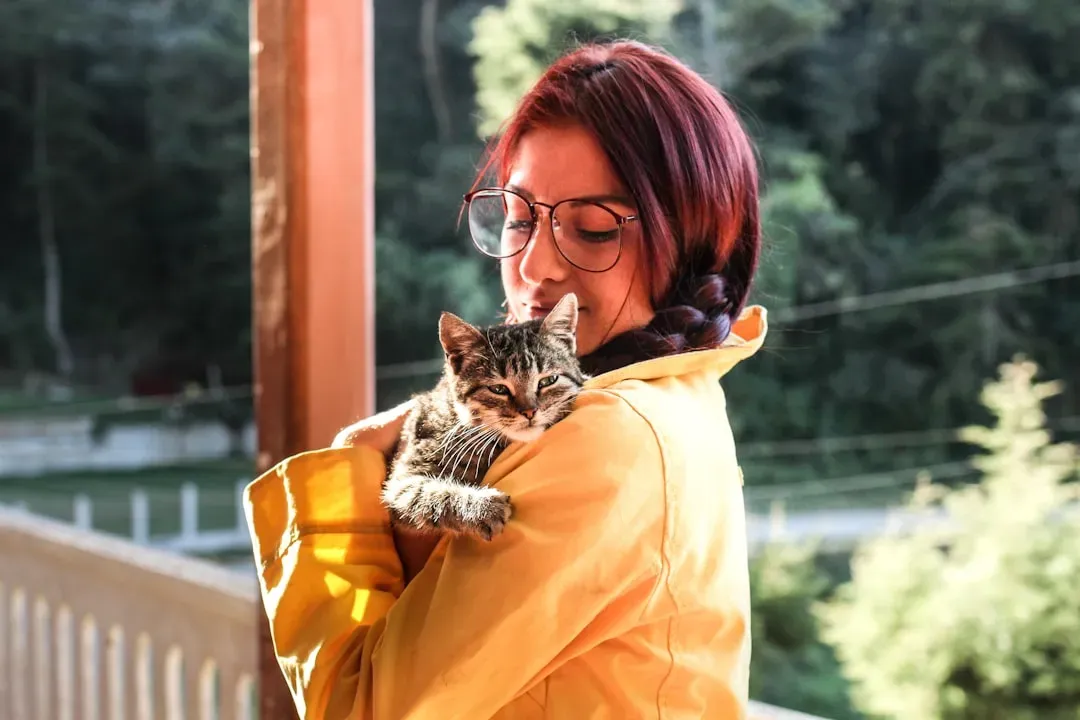
According to a study published in the Journal of Vascular and Interventional Neurology, your cat could reduce your risk of having a heart attack. Researchers discovered that cat owners have a notably lower risk of having a heart attack than people who do not own cats. That is a statistic worth pausing on. Not because you should rush out and adopt three cats as a cardiovascular strategy, but because it speaks to the depth of the connection between feline companionship and physical health.
The rhythmic vibrations of purring help regulate heart rate and blood pressure, creating a meditative state that reduces strain on the cardiovascular system. Cat owners have statistically lower rates of heart disease and stroke compared to non-pet owners. Think of your cat as a small, warm, occasionally judgmental cardiologist who charges in cuddles rather than co-pays. It sounds absurd, but the research keeps supporting it.
Conclusion: Your Cat Was Never Just a Pet
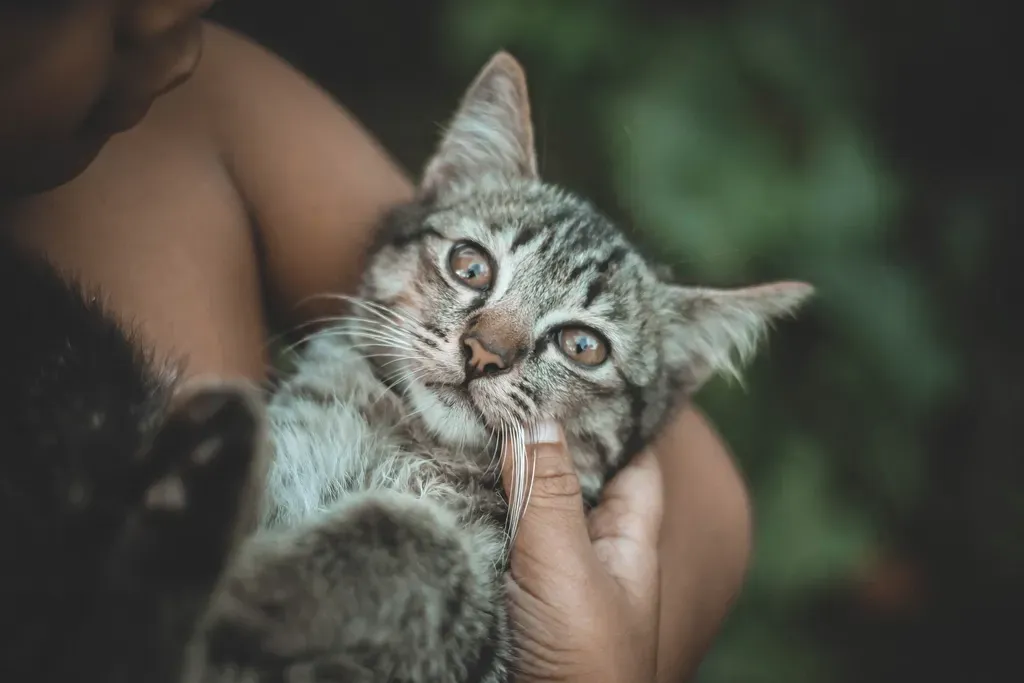
You might have adopted your cat thinking you were doing them a favor. Giving them a warm home, regular meals, a spot by the window. The reality, backed by a growing mountain of research, is that the favor has always run both ways. Cat owners are more likely than dog owners to say their pets offer companionship, provide a calming presence, and help reduce stress and anxiety.
The positive impact of the human-animal bond for mental well-being has been validated through decades of scientific research. From rewiring your brain chemistry to giving your lonely Monday morning a reason to get started, your cat is doing quiet, consistent, deeply important work. They are not following a wellness plan. They are not charging by the hour. They are just being exactly who they are. And somehow, remarkably, that is enough.
So next time your cat curls up beside you, take a breath. Notice how your shoulders drop. Consider that this small, mysterious creature might know something about your health that you are only just beginning to understand. What do you think – did you ever suspect your cat was looking after you all along? Share your thoughts in the comments.
Kristina is a young writer from India. An arts graduate and an avid content creator, Kristina is passionate about animals and wildlife. She enjoys exploring topics related to pet care, animal behavior, conservation, and nature, combining thorough research with engaging storytelling.