You’ve probably heard the age-old debate. Cat person or dog person? It sounds like a fun conversation starter at a party, but what if your preference for a purring, mysterious feline actually reveals something surprisingly deep about who you are? Science, it turns out, has a lot to say about this.
Researchers have been quietly digging into the personality profiles of cat lovers for years, and what they’ve uncovered is genuinely fascinating. You might think of yourself as simply someone who enjoys curling up with a furball on the couch. Honestly, you could be selling yourself way short. Let’s dive in.
You Score Higher on Intelligence Tests
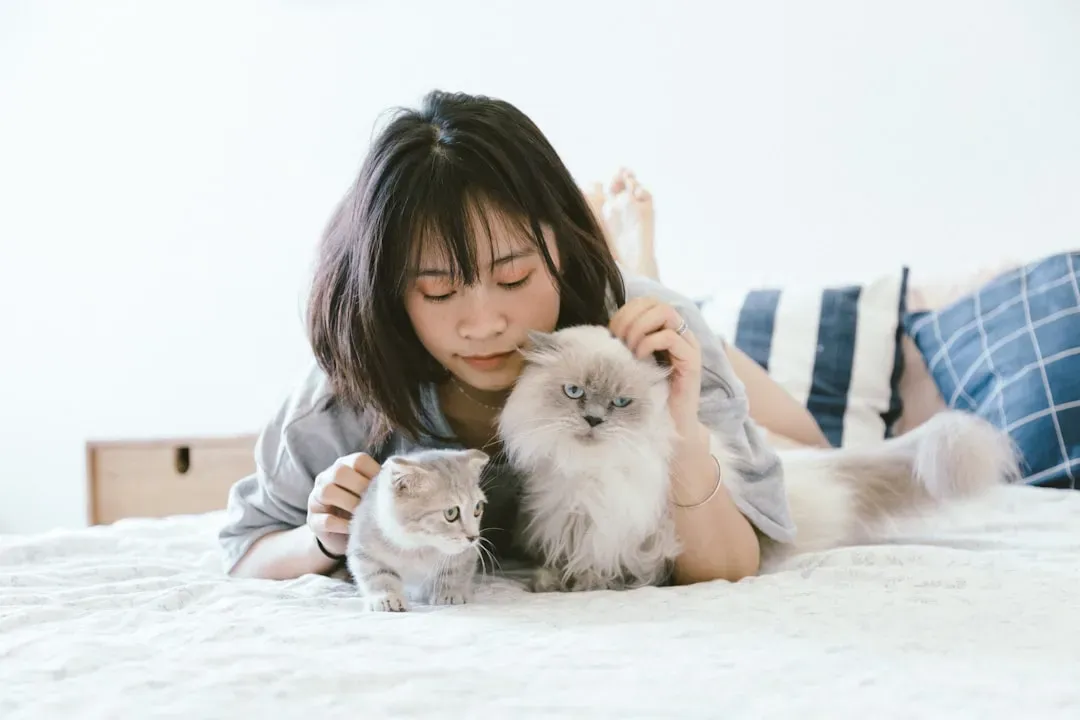
Here’s the thing that probably made the biggest headlines: if you’re a cat person, you may genuinely be sharper than average. A study led by Denise Guastello, associate professor of psychology at Carroll University in Wisconsin, discovered that cat owners scored higher on intelligence tests than dog owners. That’s not a small, throwaway finding – it came from a structured study with hundreds of participants.
Cat people scored higher on reasoning, which is a measure of general intelligence, by a margin of 0.42 standard deviations. A possible interpretation of the results is that dogs appeal to people across the entire reasoning continuum, while cats appeal mainly to people on the higher end of that scale. Think of it like a built-in filter. Cats are complex, and it takes a particular kind of mind to truly appreciate them.
You Think in Abstract, Creative Ways
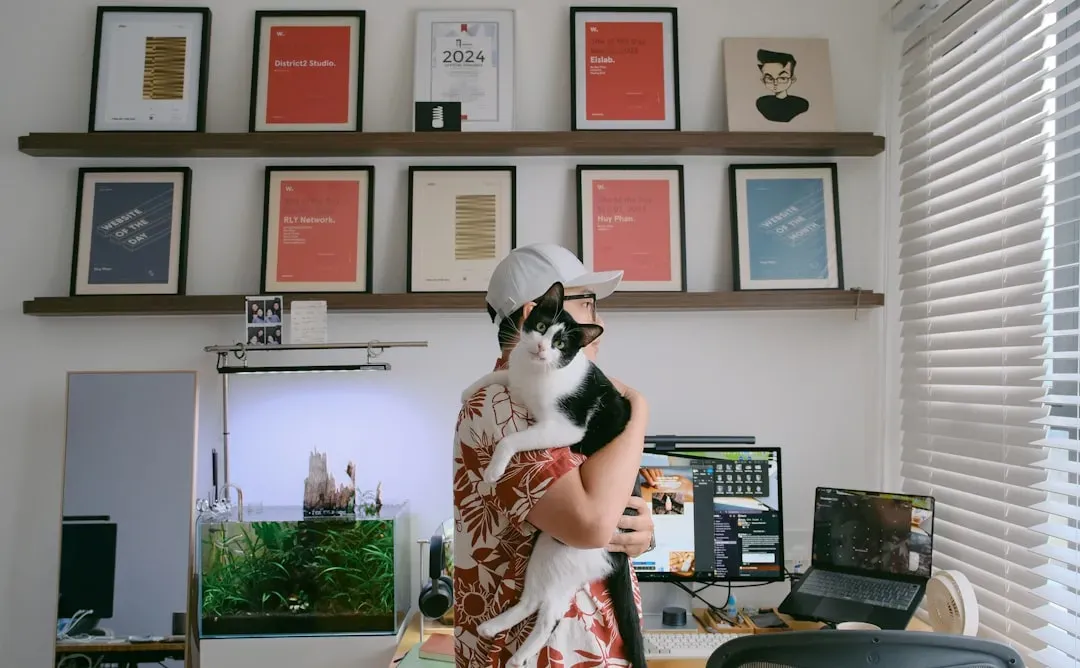
Cat people scored higher in reasoning and general intelligence, and also proved better at abstract thought, self-reliance, and open-mindedness. That’s a genuinely impressive combination of cognitive strengths that researchers keep finding, study after study. Abstract thinking, in plain terms, is the ability to connect dots that others don’t even see as related.
When reasoning results are combined with other primary trait results, the personality profile of cat people appears similar to the personality profile of creative people. The traits linked to creative people, such as open-mindedness and lower attention to rules, are shared by cat lovers, while traits that tend to inhibit creativity, such as conscientiousness, were more often possessed by dog lovers. So if you’ve ever been told you “think differently,” wear that as a badge of honour.
You Are Genuinely Open-Minded
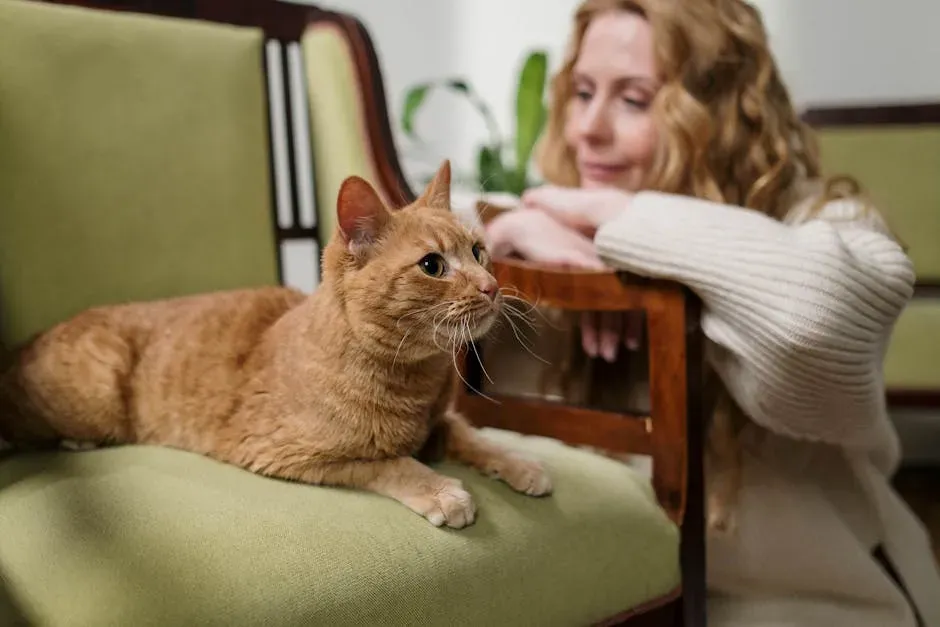
Research found that cat people tend to score higher in openness, a personality trait linked to curiosity and creativity, and a separate survey from the University of Texas at Austin supported this idea, finding that cat lovers had about an 11 percent higher likelihood of being open-minded. That’s not a marginal gap – it’s a real, measurable difference in how you approach the world and the people in it.
Cat people can see beyond the superficial. This makes sense because cats can be a little stand-offish or scared at first, but a true cat person can coax the fun-loving, affectionate part of the cat out. Dogs are a bit more straightforward than cats, so it takes a more open mind to be able to accept a cat and all of its eccentricities. In other words, your open-mindedness isn’t just a personality quirk. It’s something you practice every single day, right there in your own home.
You Are Deeply Curious and Love Exploring Ideas
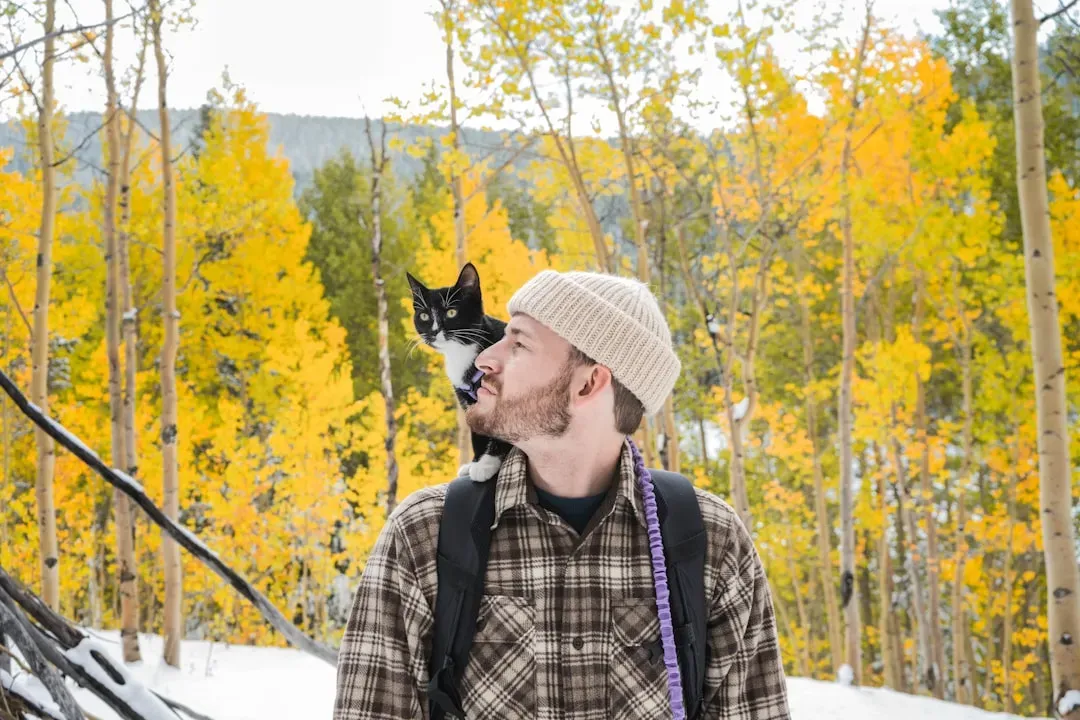
Cat people are pretty good sleuths. The University of Texas at Austin survey described them as “more curious” and “unconventional in thinking and actions,” and cat lovers are a bit more likely to really try to get to the root cause of a problem instead of just dismissing it as something they can’t understand. That drive to understand the “why” behind everything is a powerful intellectual engine.
Cats are unpredictable. One day they love a toy, the next day they ignore it completely. A curious owner might try to figure out what changed, whether it is a mood shift, a new smell, or simply feline mischief. That constant observation encourages problem-solving and creative thinking. Honestly, living with a cat is a little like running a daily science experiment – and you love every second of it.
You Are Highly Sensitive and Emotionally Perceptive
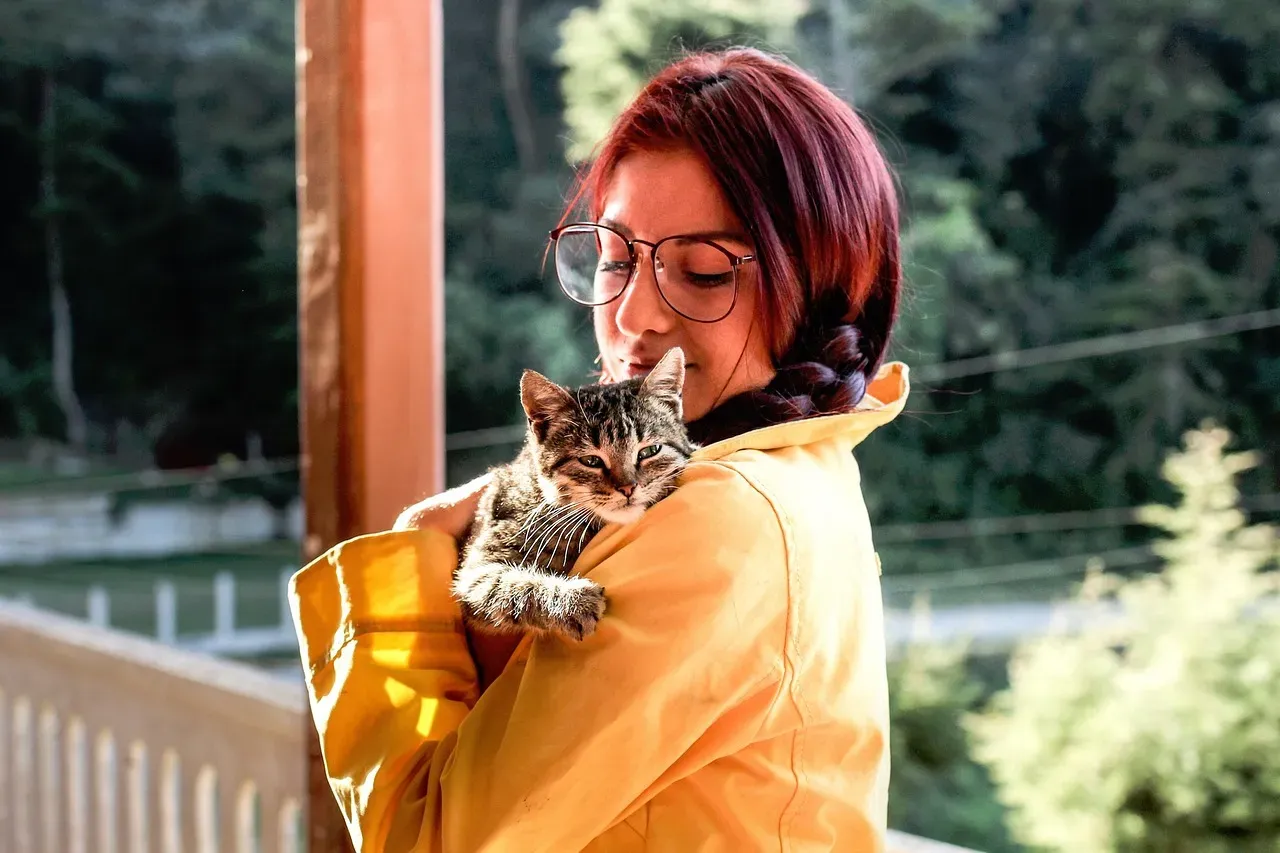
Research has shown that pet owners are more sensitive in general, particularly because they know how to pick up on and interpret the different noises their pet makes to communicate with them, and Guastello found that cat people may be a bit more prone to sensitivity than dog people. This sensitivity is not a weakness. Far from it. It’s emotional intelligence in action.
Cat people are often empathetic, understanding, and in tune with the emotions of others. They are sensitive to their surroundings and often have a deep appreciation for nature and the environment. They are also often more sensitive to their surroundings and are known for their ability to be observant and focused. Being wired this way means you pick up on things others miss – in conversations, in relationships, and in life.
You Are a Natural Non-Conformist
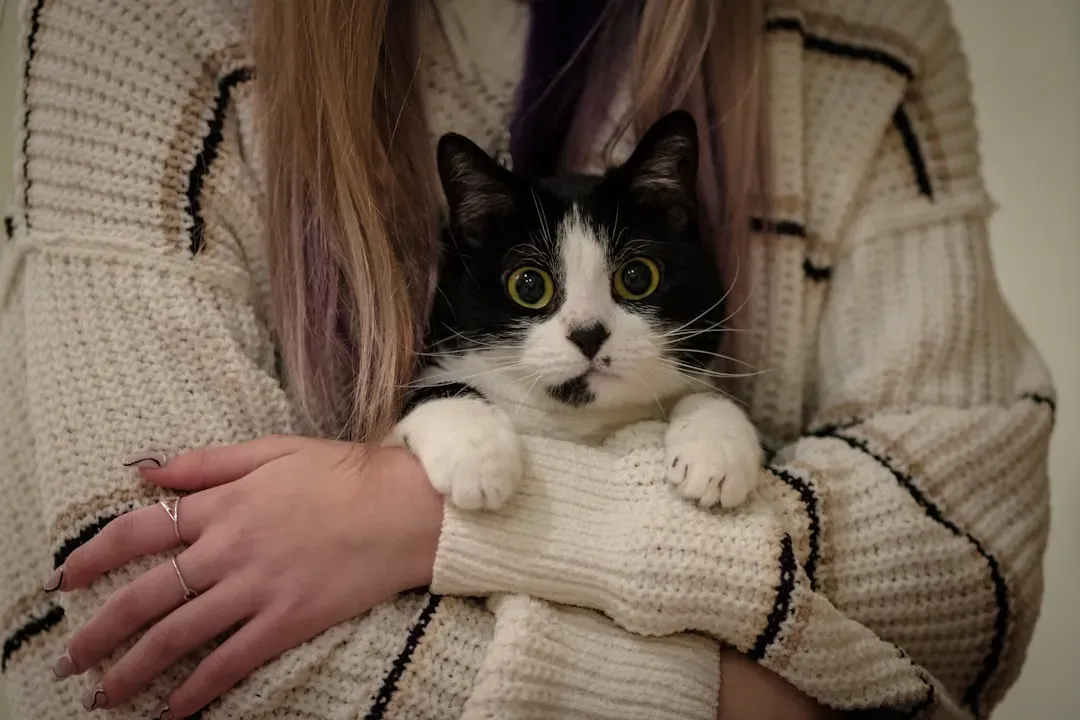
Dog lovers tended to be more lively, but cat owners were “non-conformists” who preferred expediency to following the rules. This isn’t about being rebellious for the sake of it. It’s about thinking for yourself, questioning assumptions, and not doing something just because everyone else is doing it. That’s a rare quality, and research consistently links it to cat ownership.
Cat lovers show far more diversity than groups of people who prefer dogs, or those who like both, and people who had no pet preference. This makes the “typical” personality traits for cat people hard to pin down, confirming that cat lovers are unconventional and don’t necessarily follow the rules. You’re not easily categorized, and you wouldn’t want to be. Your cat certainly isn’t, and neither are you.
You Are Strongly Self-Reliant and Independent
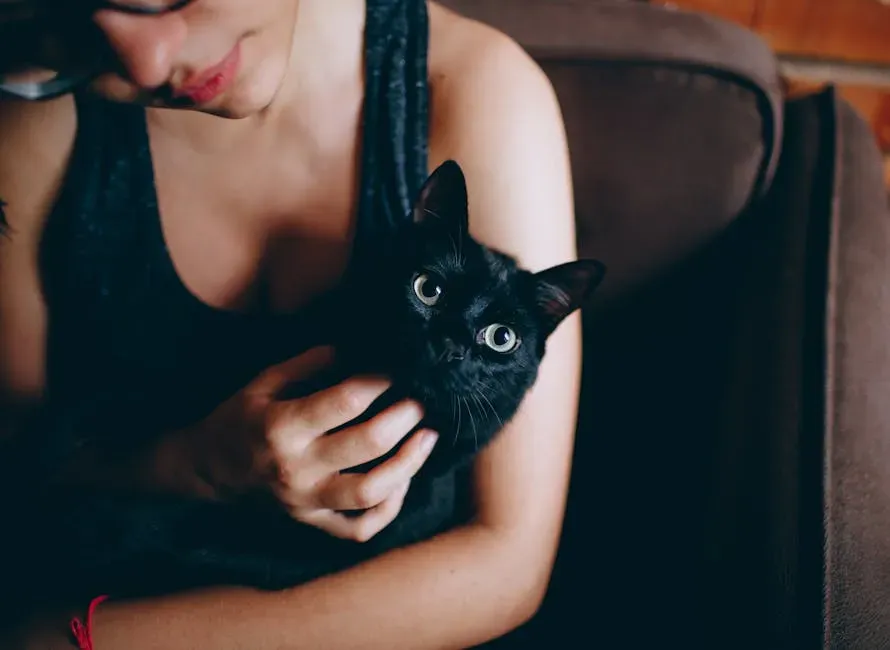
Personality differences have been observed with cat people scoring higher on general intelligence, abstractedness, and self-reliance. Self-reliance is one of those traits that quietly shapes everything else about you. It means you’re comfortable in your own company, confident in your own judgment, and you don’t need constant external validation to feel good about your choices.
In many ways, the independence of cats mirrors the personalities of the people who adore them. Cat lovers often have a strong desire to understand how things work. Introverted and independent personalities are more likely to be attracted to cats, which are seen as independent animals. There’s a beautiful symmetry in that. You chose a pet that reflects your own inner world back at you.
You Have Remarkable Patience and Adaptability
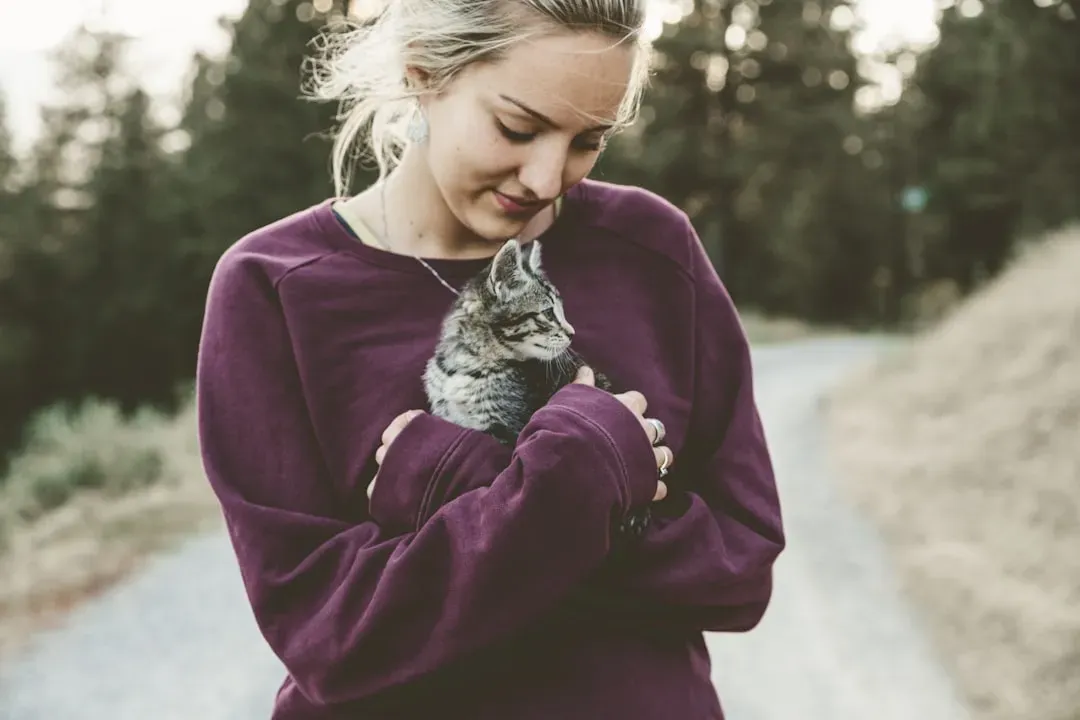
You have to be patient when dealing with a cat. Cats can pick up on stress in their owners, and they can often sense when you want them to do something unfamiliar and potentially unpleasant, like going to the vet. This will leave them hiding so far under the bed that there’s no way of reaching them. Sometimes you just have to wait it out. If that doesn’t build patience, nothing will.
A cat lover might remain perfectly still for twenty minutes because their pet has fallen asleep on their lap. They may keep an empty box in the living room because their cat has claimed it as a personal fortress. These moments may seem minor, but they reflect a deeper willingness to adapt. Cat lovers often shape their routines around their pets’ needs and quirks. In return, they gain companionship, comfort, and a bond that feels uniquely special. That adaptability isn’t just for your cat. It spills over into every area of your life.
Conclusion
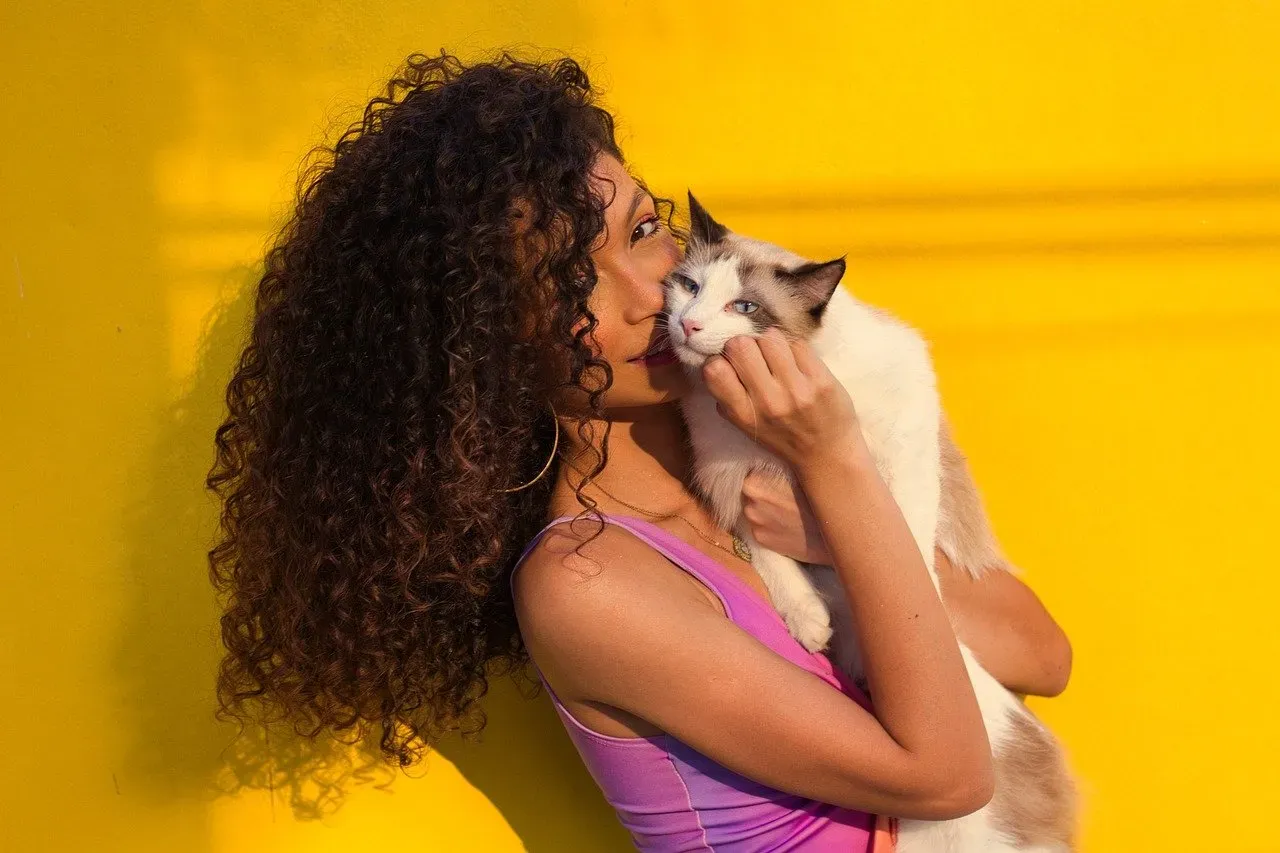
So there you have it. Being a cat person is, apparently, a window into a genuinely impressive set of intellectual and emotional strengths. From higher intelligence scores and abstract thinking, to emotional sensitivity, fierce independence, and a natural instinct to question the norm, the research paints a portrait of someone who is quietly remarkable.
None of this means dog lovers are somehow left behind. Every personality type has its strengths, and the science is clear that correlation is not causation. Owning a cat won’t wire your brain differently overnight. What it does suggest, though, is that the traits that draw you to cats in the first place likely say something real and meaningful about who you already are.
If you’ve always felt like you see the world a little differently from the crowd, maybe your cat figured that out long before you did. Does any of this sound exactly like you? Share your thoughts in the comments below.
Kristina is a young writer from India. An arts graduate and an avid content creator, Kristina is passionate about animals and wildlife. She enjoys exploring topics related to pet care, animal behavior, conservation, and nature, combining thorough research with engaging storytelling.