You’ve felt it before. Your cat climbs onto your lap, circles once or twice, and then starts rhythmically pressing their paws into you like they’re preparing a batch of homemade bread. It’s adorable, a little bizarre, and honestly, slightly painful if those claws are out. Most people just smile and accept it as one of those “weird cat things.”
Here’s the thing though – what’s actually happening in those little paws goes so much deeper than most owners ever stop to consider. There’s a whole world of emotion, instinct, memory, and communication packed into that simple rhythmic motion. So before you nudge your cat off your lap, let’s talk about what they’re really trying to tell you. Let’s dive in.
What Exactly Is Cat Kneading?
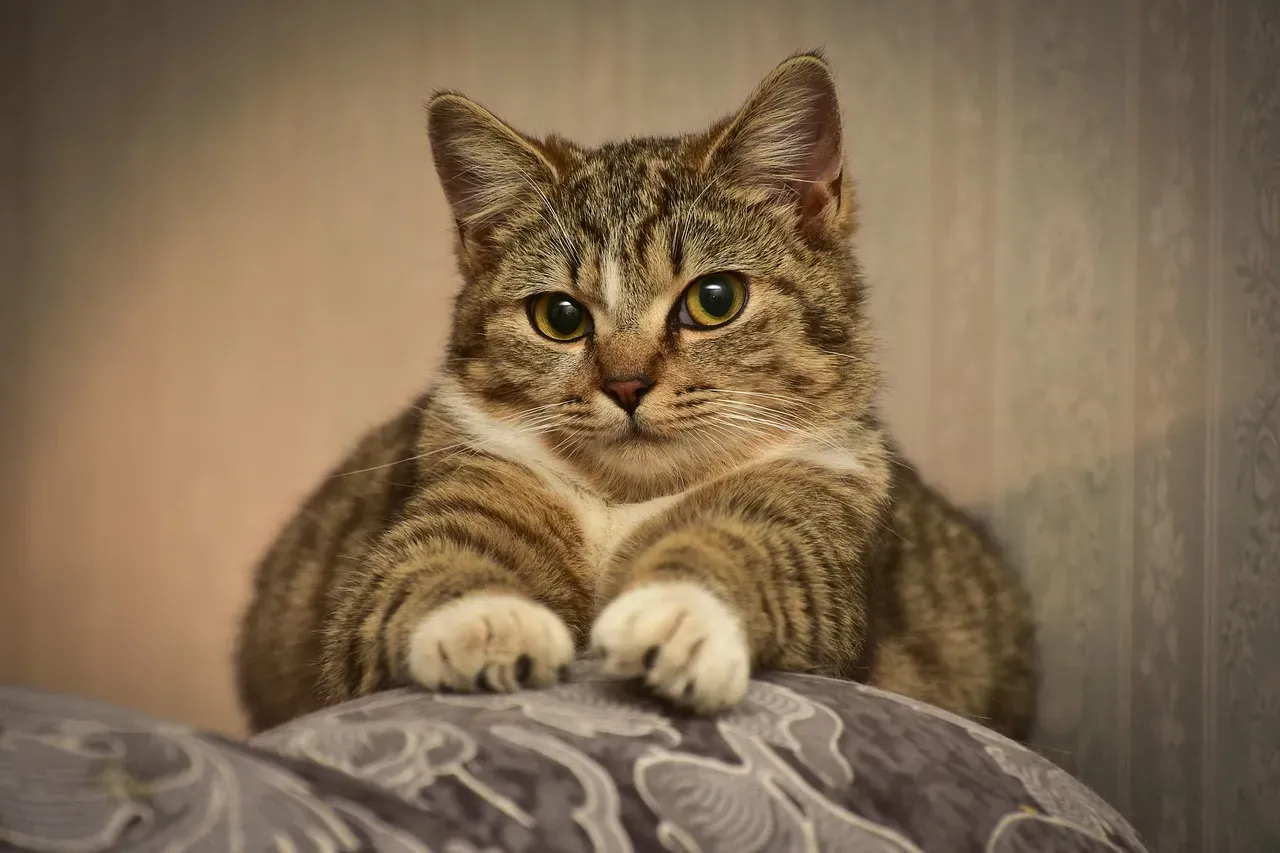
Kneading, or pawing, is a common and instinctive trait in cats, best described as the rhythmic pushing of paws in and out against a soft object, such as a blanket, a pillow, or even your lap. Think of it like watching someone work dough for bread – it’s smooth, repetitive, and almost meditative to observe.
While most cats make the same rhythmic motion with their paws while kneading, pushing forward with their front paws and alternating between left and right, they don’t all do it the same way. Some accompany this action with a loud purr, some with a soft purr, and others with silence. Some may use just their front paws while others use all four. Some may extend their claws while others do not. Honestly, every cat is their own little character about it.
It Starts From the Very First Days of Life
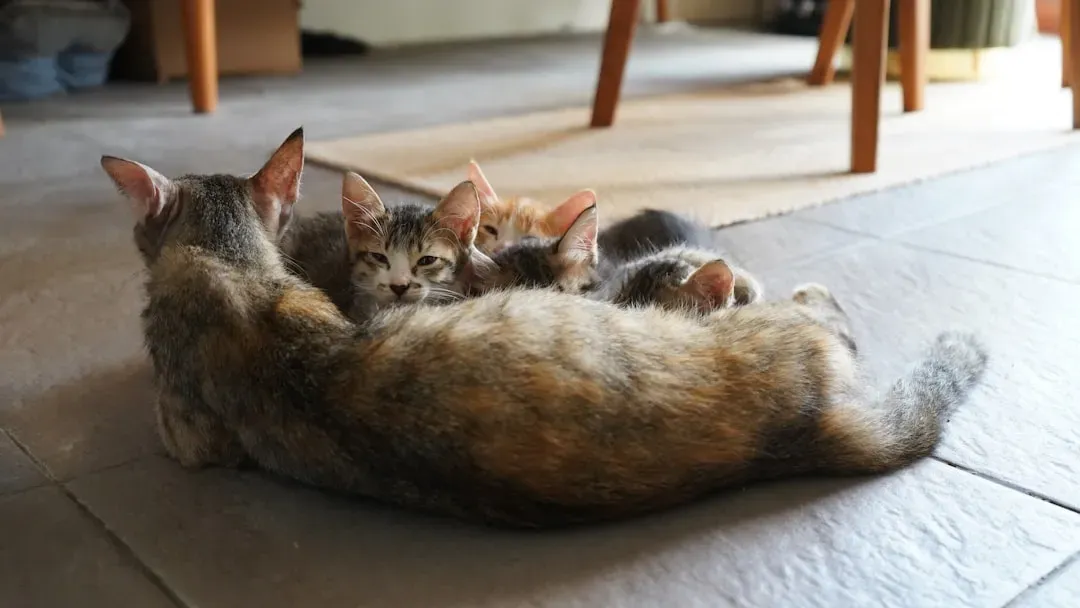
Kneading is an instinctive behavior in cats that begins soon after birth. Though the exact reason for kneading is unknown, animal experts believe the “making biscuits” action helps stimulate milk production from the mother’s teat. When you think about it that way, your cat has been doing this since they were just days old.
This movement elicits a consoling response and forges a strong connection between mother and offspring. As cats grow into adults, the kneading behavior often persists, acting as a reminder of their kittenhood and the secure feeling they associated with nursing. So when your cat kneads you, you’re not just a warm body – you’re their earliest memory of safety, condensed into a gesture.
Your Cat Sees You as Their Parent
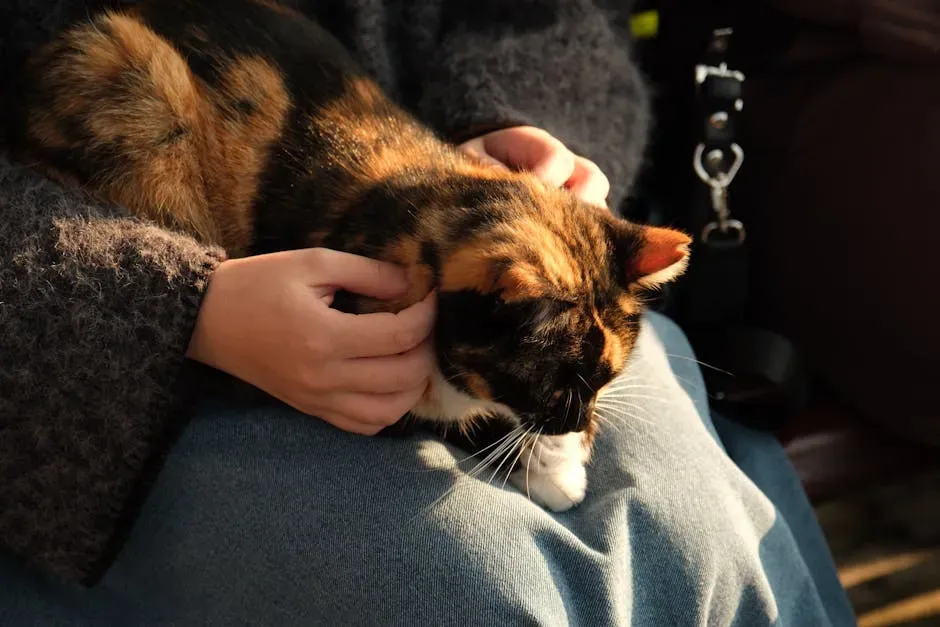
Your feline friend actually sees you as a second “parent,” so to speak. Rather than nursing, they’re exhibiting behaviors that they associate with feeling safe and loved. I know it sounds a little wild, but that push-pull with the paws is basically your cat saying “you are my safe place.”
Because nursing and being around a mother cat’s calming pheromones encourages a sense of contentment in young kittens, many cats will continue to knead into adulthood to create a similar sense of calm and relaxation. You’ve essentially become the emotional equivalent of their mother. That’s not just sweet – it’s a profound act of trust.
The Dopamine Hit Your Cat Gets Every Time
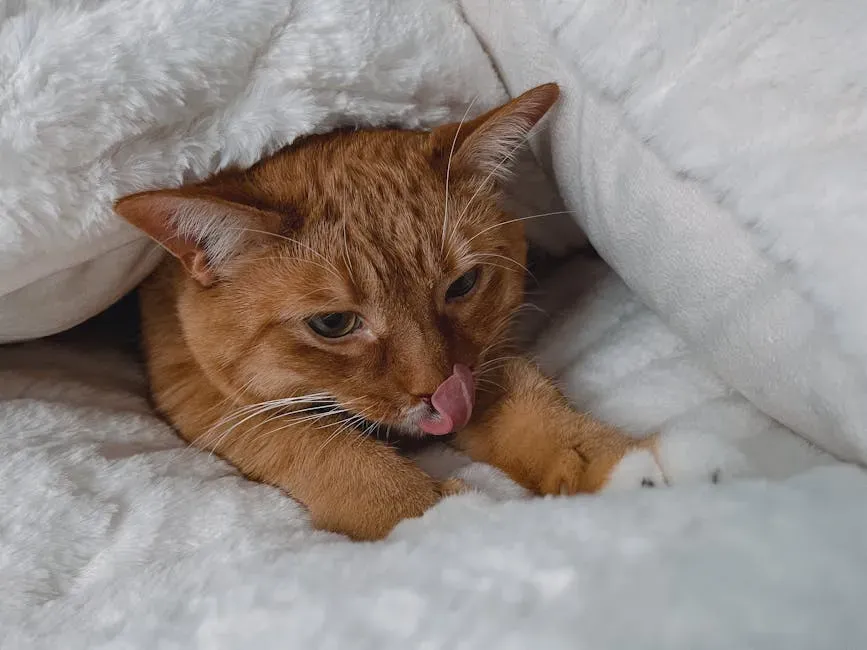
The action of kneading in cats causes the release of the pain-relieving, feel-good chemical dopamine in the brain. Increased or excessive kneading can be a sign that your cat is uncomfortable or anxious, and the kneading could be an attempt to soothe themselves. Think of it like a self-administered dose of calm – your cat is literally medicating their own stress through rhythm.
Kneading helps cats release endorphins, which promote feelings of relaxation and well-being, making it a self-soothing behavior that brings them relaxation and security. The next time you feel those little paws pressing into you, picture a tiny internal pharmacy firing up. Your presence is literally triggering their feel-good chemistry.
It’s Also About Territory, But Not in the Way You Think
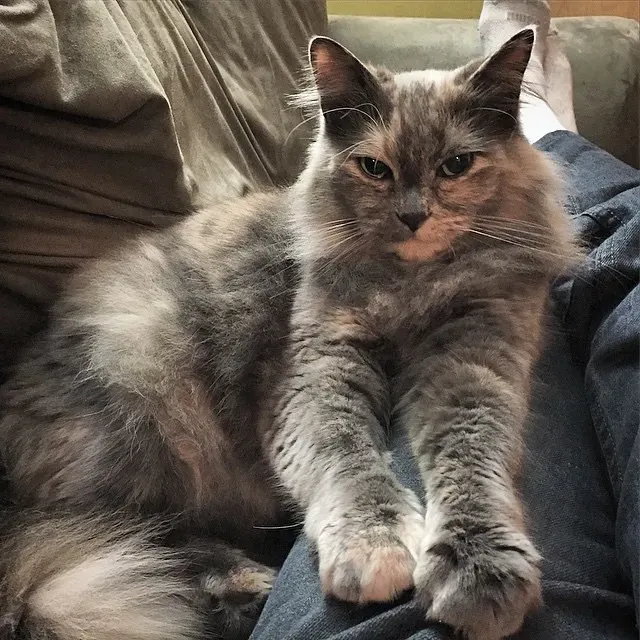
Another potential reason for kneading has to do with territorial behavior. Cats have scent glands in their paws, so kneading imparts some of the cat’s personal scent onto the area they’re kneading, effectively marking it as their “territory.” So yes, in the most loving way possible, your cat is branding you as their property.
Next time your cat is kneading you, know that it’s their way of saying “I love you.” The act of kneading is a way for your cat to mark their territory. Your cat has scent glands all over their body, many of them found on their paws. The act of moving their paws back and forth on a surface leaves their scent behind, letting others know that the area belongs to them. You’re not just a preferred human. You’re claimed.
Kneading as a Window Into Your Cat’s Emotional State
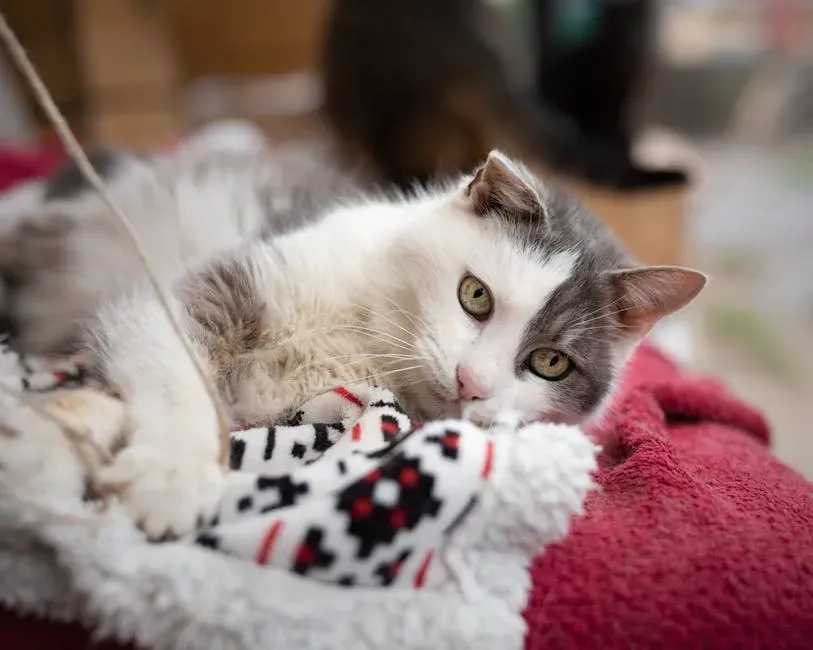
While the evolutionary aspect explains the physical act of kneading, there’s another layer to this behavior that pertains to the emotional well-being of your cat. Kneading serves as a window into their emotional state. Cats knead when they are content and relaxed. When your cat kneads you or a soft surface, it is a sign of trust and affection. It really is a language, once you learn to listen to it.
In some cases, cats may knead when they are anxious or stressed. This can be a coping mechanism, similar to thumb-sucking in humans. Paying attention to the context and accompanying behaviors can help you decipher whether your cat’s kneading is a sign of contentment or anxiety. A calm knead with a purr? Pure joy. Frantic, intense kneading with wide eyes? Your cat may need some reassurance right now.
The Wild Ancestry That Never Left
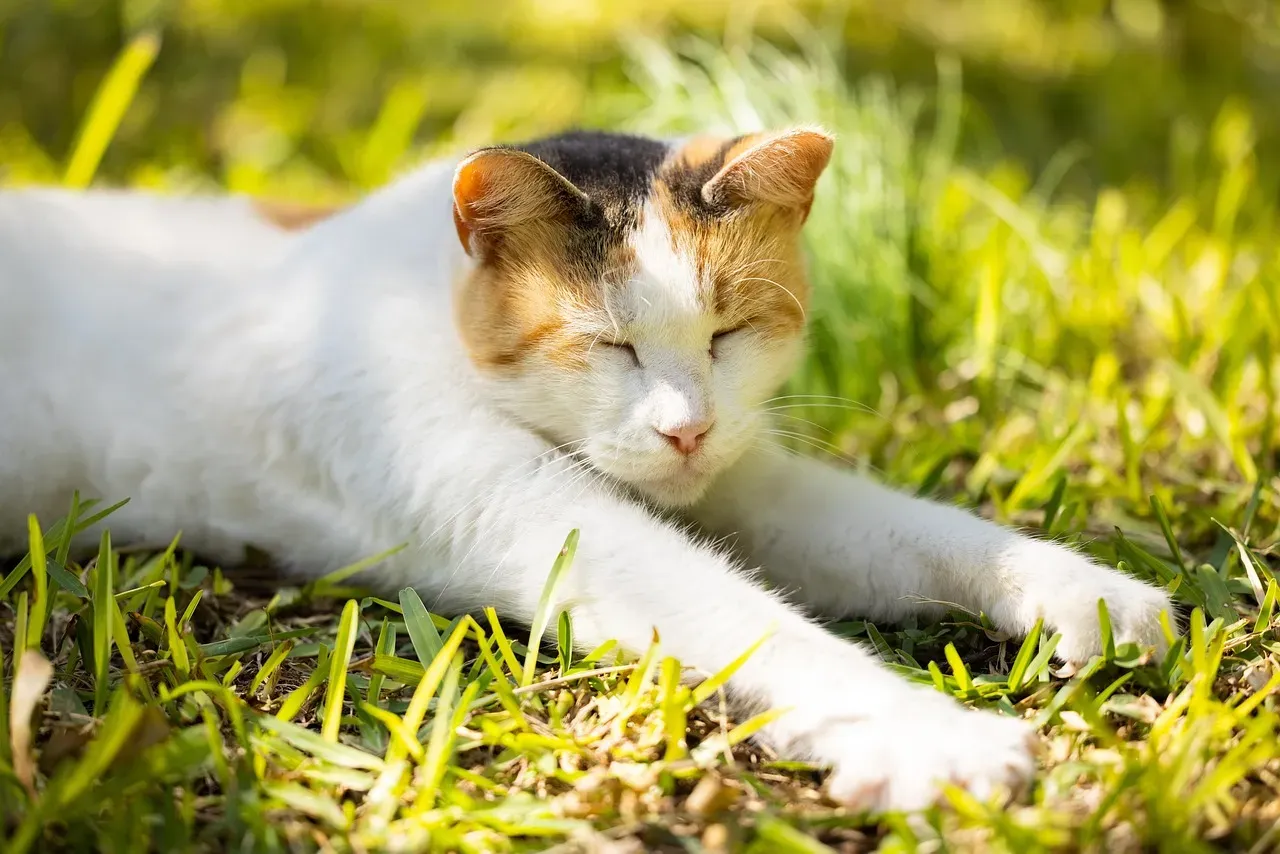
Cat kneading might seem like a simple act, but it dates back to the evolutionary history of our feline companions. Cats have been domesticated for over 4,000 years, and this behavior finds its roots in their wild ancestors. Four thousand years of domestication, and still those ancient instincts hum quietly beneath the surface.
In the wild, cats would create nests or sleeping areas by patting down foliage or grass. These recurring movements helped to soften the ground, making it comfier for resting or giving birth. Over time, this behavior became ingrained in their instincts, even in the absence of such practical needs. Your sofa has basically replaced the African savanna. Honestly, fair enough.
Why Some Cats Never Knead at All
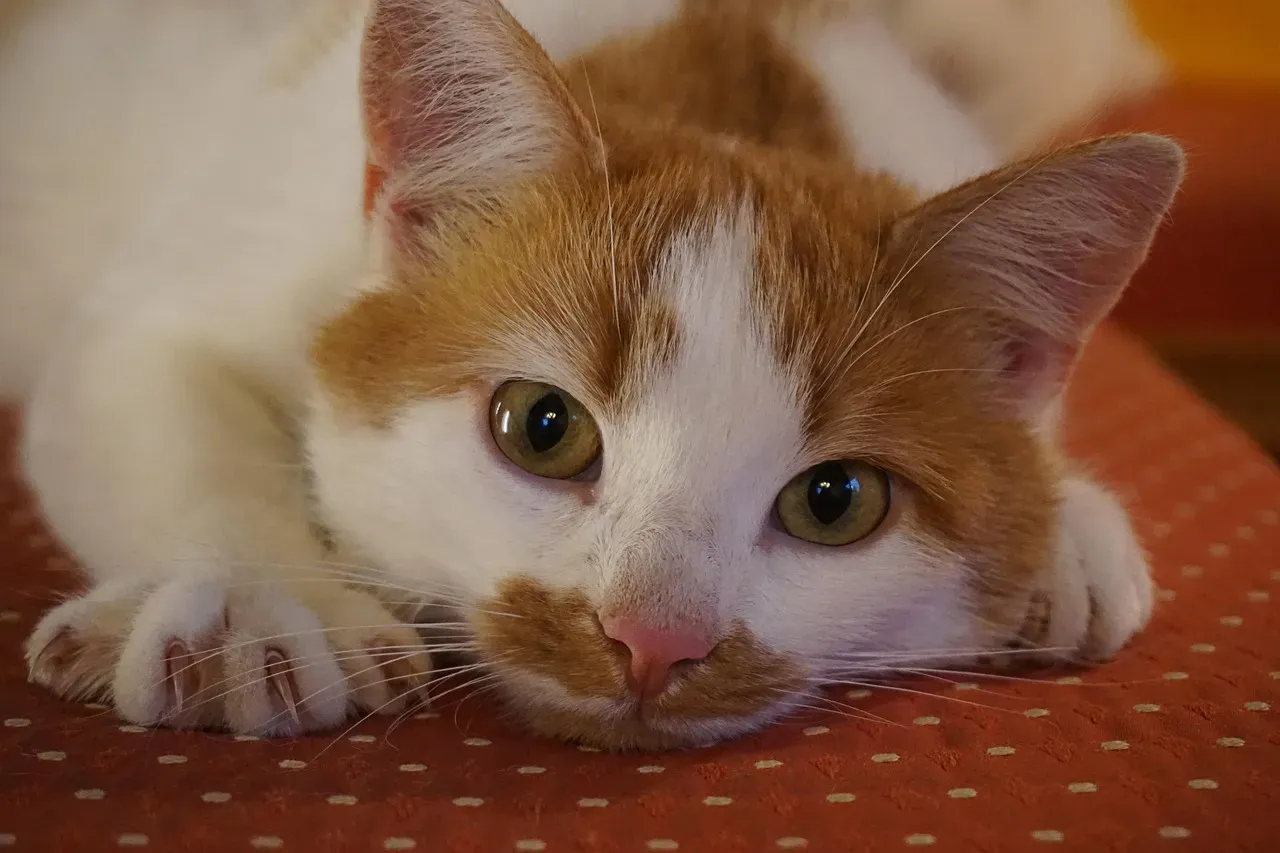
Kneading is a really interesting behavior in that it hasn’t been researched in-depth scientifically. There could be a lot we don’t know regarding its function. So if your cat doesn’t knead you, it doesn’t mean they don’t love you – it just means we’re still figuring all of this out, right alongside them.
Rest assured: if your cat doesn’t knead you, it’s not because they hate you. Well, not necessarily, anyway. There are simply a lot of differences between individual cats – the need to knead (or absence of) doesn’t necessarily indicate how they feel about you, although cats with early positive experiences with humans may be more likely to do this. Every cat writes their own emotional vocabulary. Some of them just use different words.
How to Respond When Your Cat Kneads You
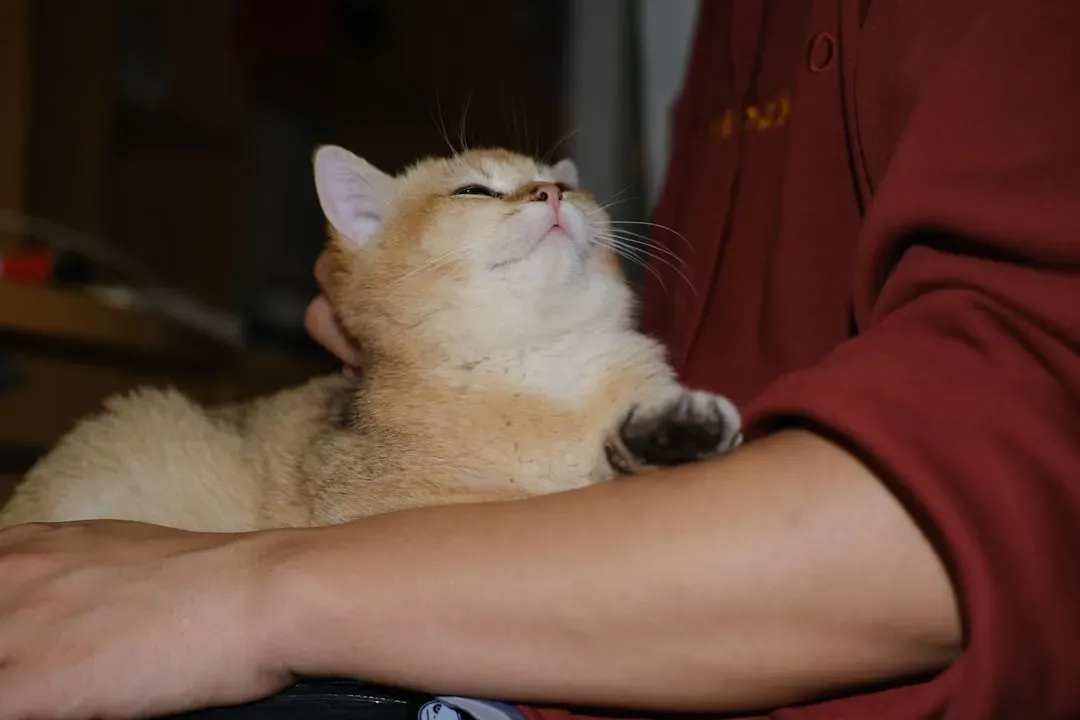
When a cat kneads on their owner, it can be painful if their claws are digging into your leg or your stomach. The better a cat feels, the harder they are likely to knead. Never discipline a cat for this behavior because they are not trying to hurt you. They are trying to show you how happy they are! So yes, grit your teeth a little and take it as the compliment it very much is.
Rather than preventing your cat from kneading, you can redirect their behavior to an appropriate location. Choose a thick, plush blanket and designate it as your cat’s kneading surface. When you see your cat kneading something you don’t want destroyed, try to attract their attention to the blanket or use a toy to redirect the behavior. If your cat kneads your lap, keep a blanket nearby to protect yourself when your feline friend approaches for cuddle time. Simple, practical, and it keeps everyone happy.
Conclusion
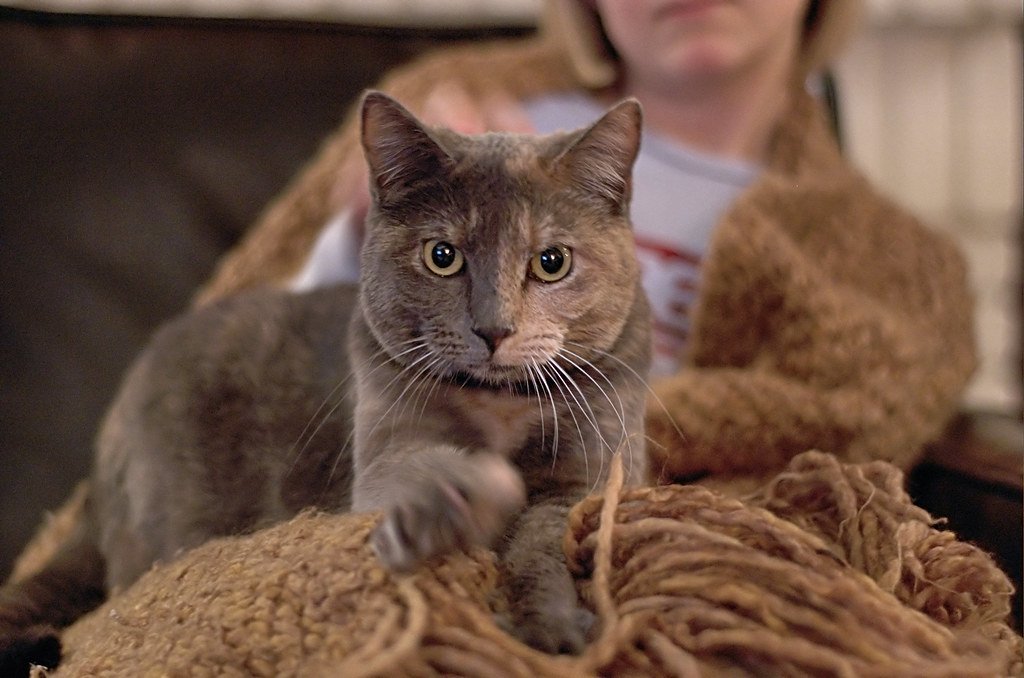
There’s something quietly profound about the fact that your cat, a creature who hunted independently for thousands of years, chooses to sit in your lap and press their paws into you like you’re the safest thing they’ve ever known. That’s not random. That’s not instinct on autopilot. That’s a genuine emotional statement, spoken in the only language they have.
The next time your cat starts kneading you, maybe resist the urge to move them aside. Grab a blanket to protect your legs, sure, but let them do their thing. At its core, a cat kneading represents an emotional state or desire, blending instinct, comfort-seeking, and communication, providing a window into their wellbeing. You are not just a warm surface. You are, quite literally, home to them.
Did you ever suspect your cat was saying “I love you” in those little paw pushes? What does your cat’s kneading style say about them? Tell us in the comments – we’d love to know.
Kristina is a young writer from India. An arts graduate and an avid content creator, Kristina is passionate about animals and wildlife. She enjoys exploring topics related to pet care, animal behavior, conservation, and nature, combining thorough research with engaging storytelling.