You’ve probably glanced out the window, scrolled through a weather app, and still got caught in a downpour you never saw coming. Meanwhile, your cat was already curled up in the back of the closet three hours ago. Coincidence? Honestly, I don’t think so.
Cats have been mystifying humans for centuries with their uncanny ability to sense bad weather long before the clouds even gather. There’s real science behind it, some fascinating folklore, and a whole lot of feline attitude. So let’s dive in.
1. Their Inner Ears Are Like Tiny Barometers
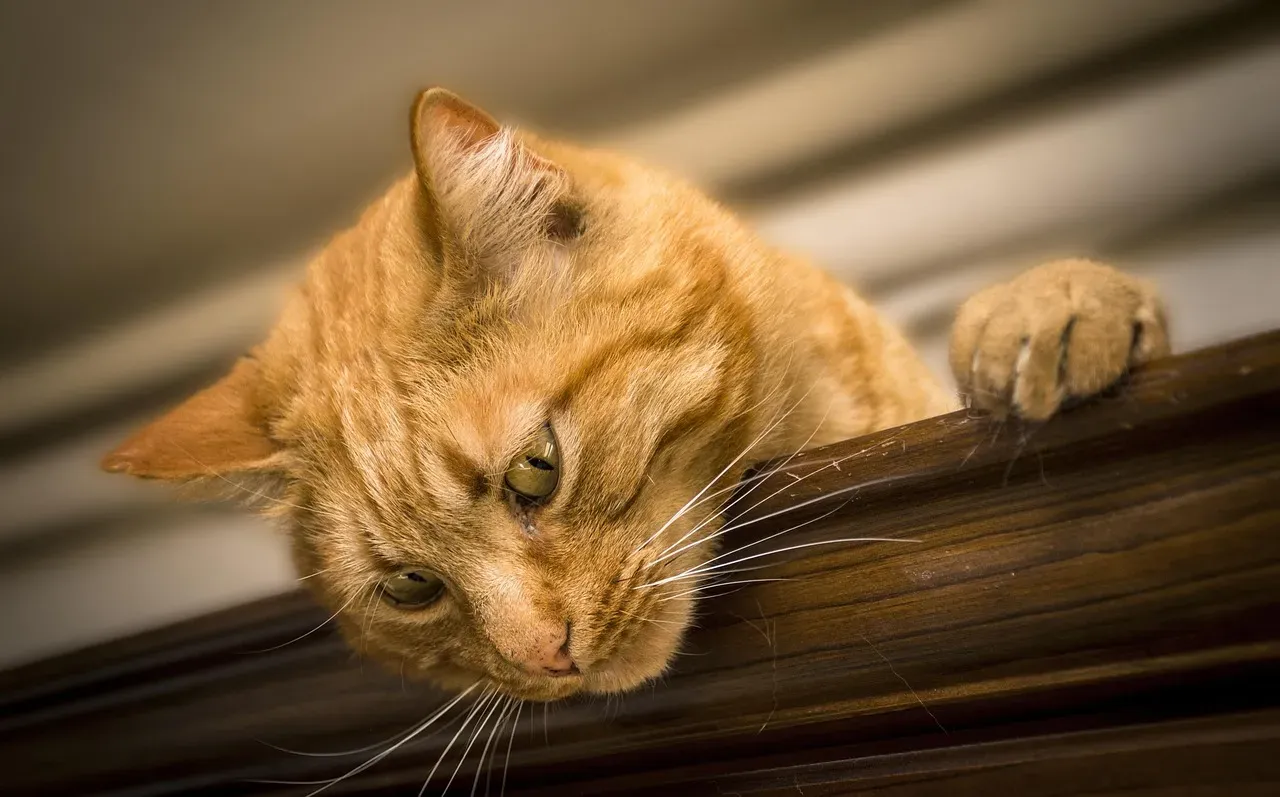
Barometric pressure drops before a storm appears, and this is no small atmospheric quirk. The barometric pressure drops suddenly a few hours before a thunderstorm, and that sudden shift is something your cat registers deep in its ear canal. Think of it like how your ears pop on a plane, except your cat’s version is vastly more sensitive and happening on the ground before a cloud even forms.
Your cat and many other animals are more sensitive than humans to sounds, smells, and changes in atmospheric pressure, and their heightened senses allow them to pick up hints that a storm is coming well before you catch wind of it. Just before a storm, your cat’s inner ears may detect the sudden fall in atmospheric pressure, and she may have even learned to associate this with an impending storm. It’s not psychic ability. It’s biology doing something extraordinary.
2. A Sense of Smell That Puts Yours to Shame
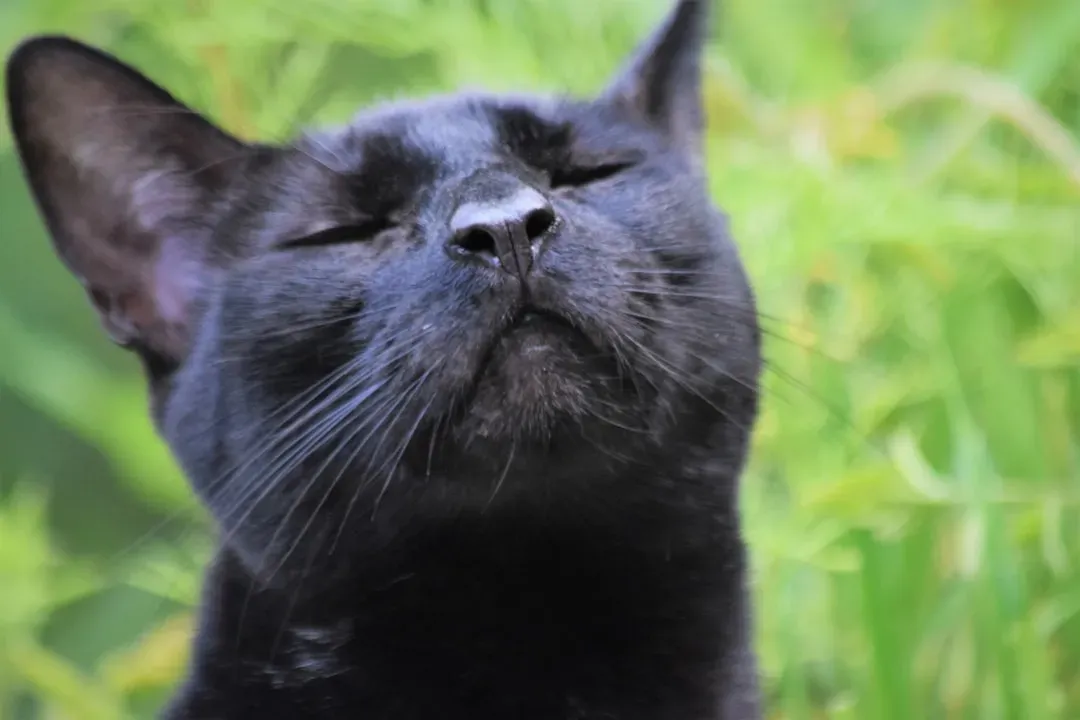
While you have only five million smell sensors in your nose, your cat has over 200 million odor sensors. Let that sink in for a moment. That’s not a small upgrade, that’s a completely different sensory dimension. No wonder your cat already knows the weather is turning while you’re still debating whether to grab a jacket.
If a storm is already raging in the distance, your cat may be able to perceive the faint rumble of thunder. Likewise, she may also be able to smell the incoming rain, or the characteristic whiff of ozone gas, which is often created by lightning and carries a sharp, metallic odour. That’s right. Your cat can literally smell lightning. And you thought your nose was useful for sniffing out good coffee.
3. Those Ears Catch Thunder You Simply Cannot Hear
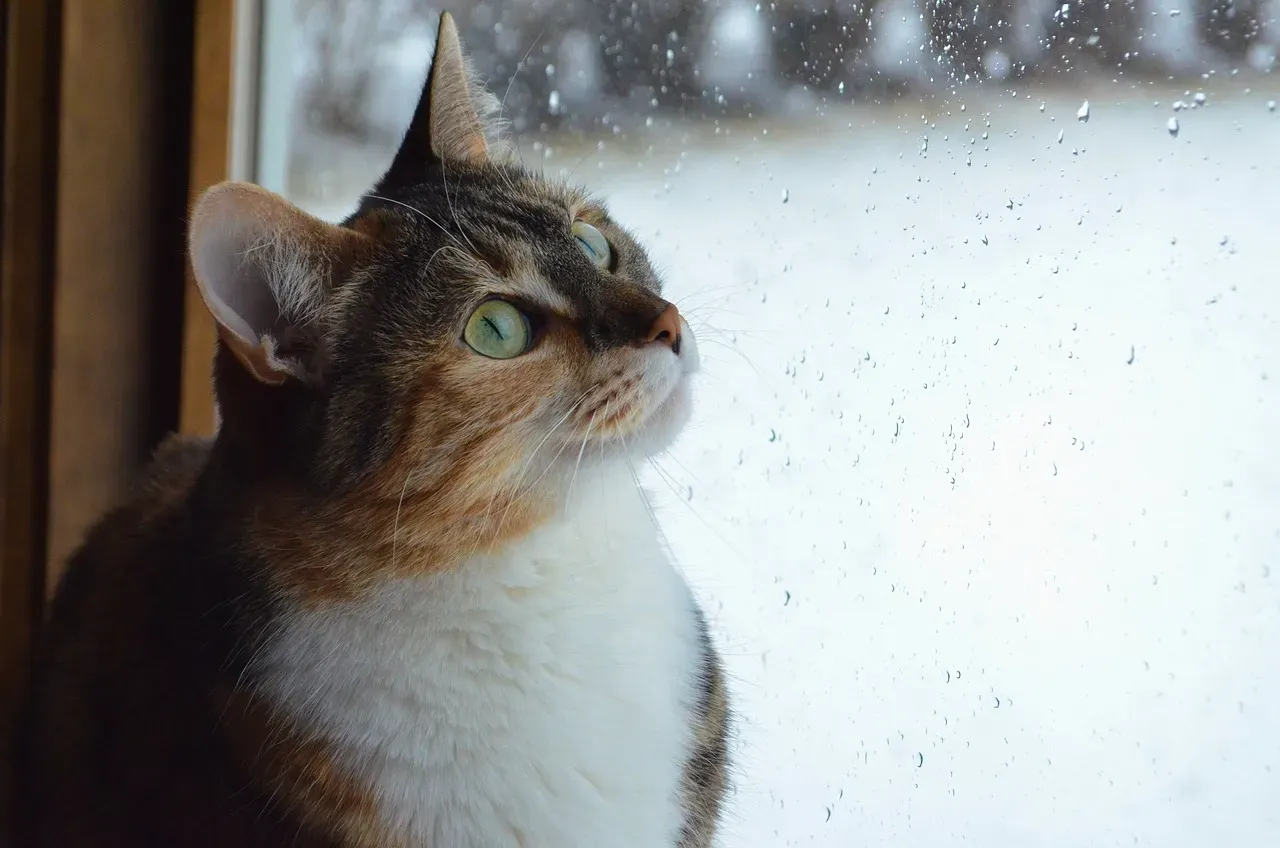
Your cat can hear frequencies that are far beyond human capabilities. Their sharp hearing lets them hear distant thunder or the rustling of leaves in strong winds, long before you can hear it. It’s a bit like living with someone who has permanent noise-canceling headphones but in reverse, hearing everything you can’t.
Humans hear on average sounds that range from 20 hertz to 20,000 hertz, while cats can hear sounds up to 64,000 hertz. Your cat can pick up thunderstorm rumbles that are four to five times further away than the typical human hearing range. So when your cat suddenly perks up and stares at nothing, it might just be staring at the storm you won’t hear for another hour.
4. Whiskers That Read the Wind
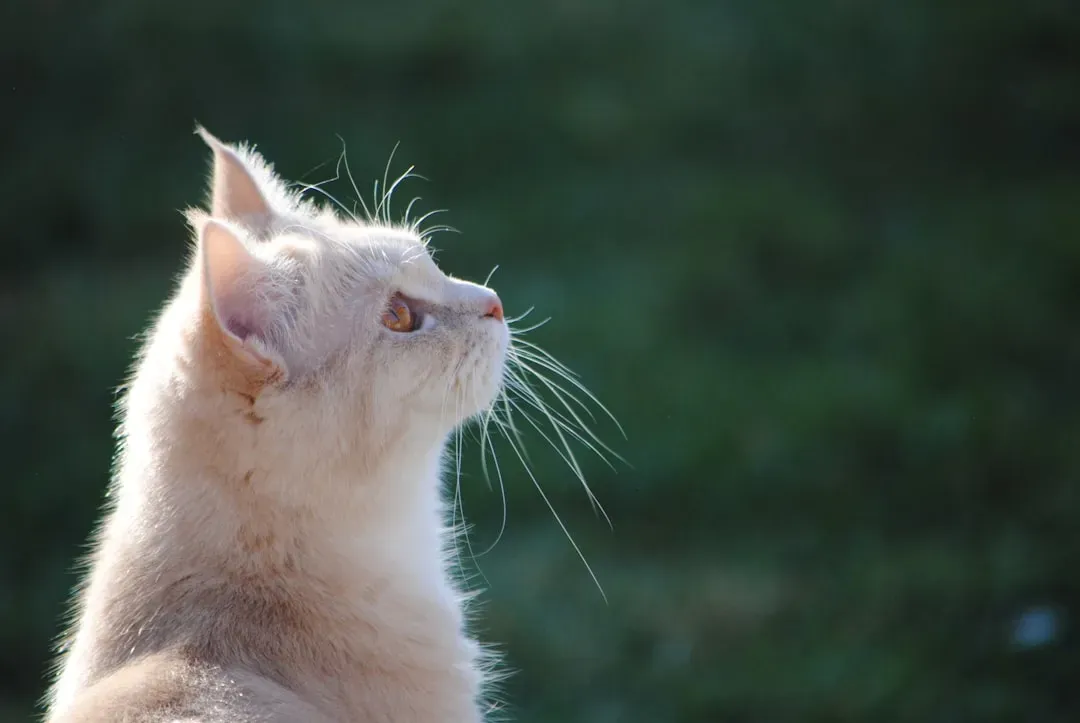
A cat’s whiskers are incredibly sensitive to even the slightest changes in air currents. As weather changes, particularly in wind direction and speed, your cat can detect these shifts with its whiskers. Whiskers aren’t just for looking regal or knocking things off tables. They’re a full-time environmental monitoring system.
Your cat might become more alert or try to find shelter when it senses strong winds or atmospheric disturbances. Think of whiskers as a kind of biological weather vane, tuned to the subtlest directional change in airflow. When the air starts moving differently before a storm, your cat’s whiskers register it instantly, without needing a weather station, an app, or a forecast from someone standing in front of a green screen.
5. Static Electricity Puts Them on High Alert
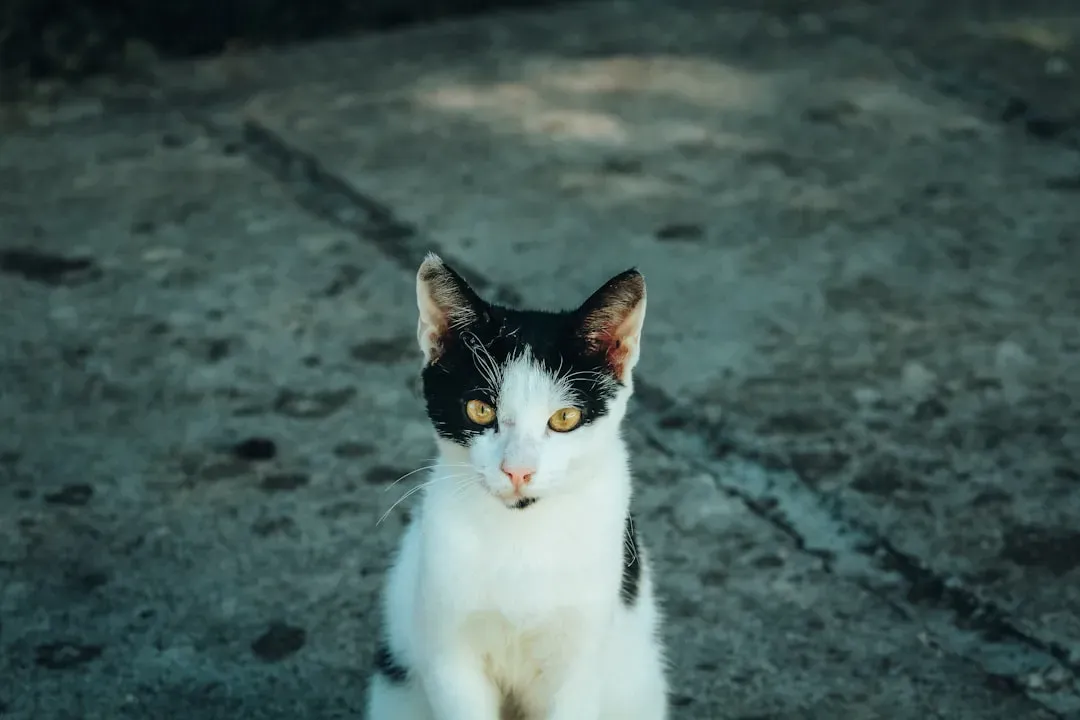
Have you ever noticed your cat’s fur standing on end during a storm? This is due to static electricity in the air. Cats, with their fine fur, can feel the buildup of static electricity that often precedes thunderstorms. It’s a sensation humans barely notice, but for a cat wrapped in a coat of fine fur, it’s a full-body alarm system going off.
Both cats and dogs might seek places where the static feeling is minimized, like bathtubs or behind appliances. If you’ve ever wondered why your cat suddenly disappears into the bathroom before a thunderstorm, now you know. It’s not random. It’s your cat actively seeking out the one spot in the house where the static charge is lowest. Honestly, it’s kind of brilliant.
6. Behavioral Changes Are Your Best Early Warning System

Your cat may become restless, hide, or groom excessively because it feels pressure shifts and vibrations caused by approaching storms. Excessive grooming, sudden hiding, or unusual restlessness are not random quirks. They’re your living, breathing weather alert. The challenge is learning to read them correctly.
A normally docile cat may become hyperactive, a hyper cat may mellow out, a hands-off cat may suddenly want to snuggle, a social cat may hide or scratch, or an indoor cat may suddenly want to bolt out the door. The key is knowing your own cat’s baseline behavior. Once you do, these shifts become surprisingly readable. Your cat has been sending you weather reports all along. You just needed to learn the language.
7. Grooming the Ears Is an Ancient Rain Signal
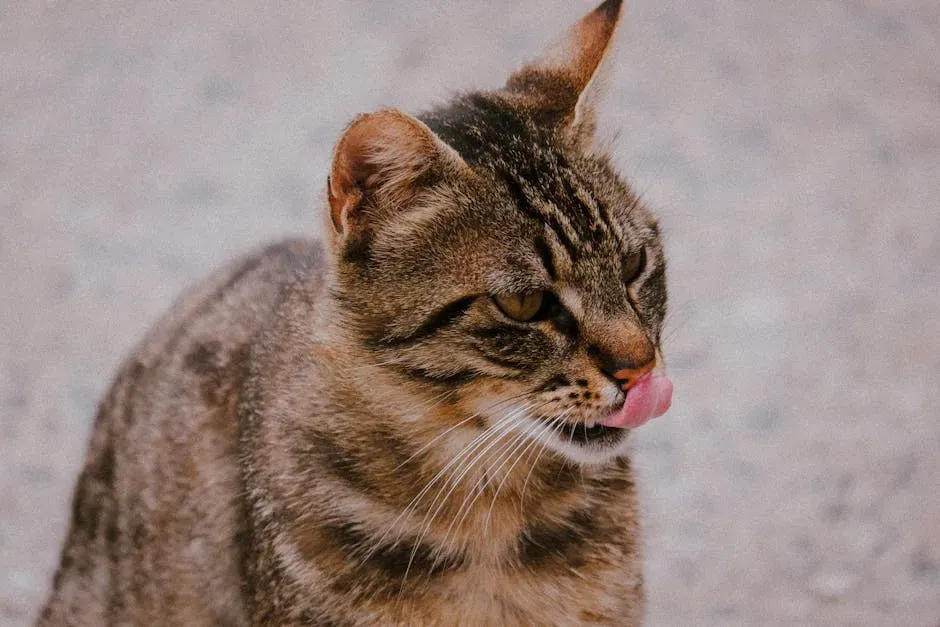
In Welsh culture, rain was expected if a cat groomed their ears. When a cat washes behind her ears, expect rain. This piece of folklore from across multiple continents isn’t just charming superstition. There’s a real physical reason behind it that centuries of cat-watchers noticed long before science caught up.
According to Allen Moller of the National Weather Service, the action of a cat wiping her paws repeatedly over her face could be an indication that the low atmospheric pressure and electromagnetic changes caused by storms are causing her discomfort. By running her paws over her face and across her ears, she could be trying to relieve some of that unpleasant feeling. So the next time your cat gives itself an unusually thorough ear-cleaning session, go check the weather radar. You might be surprised.
8. Their Wild Instincts Are Still Very Much Alive
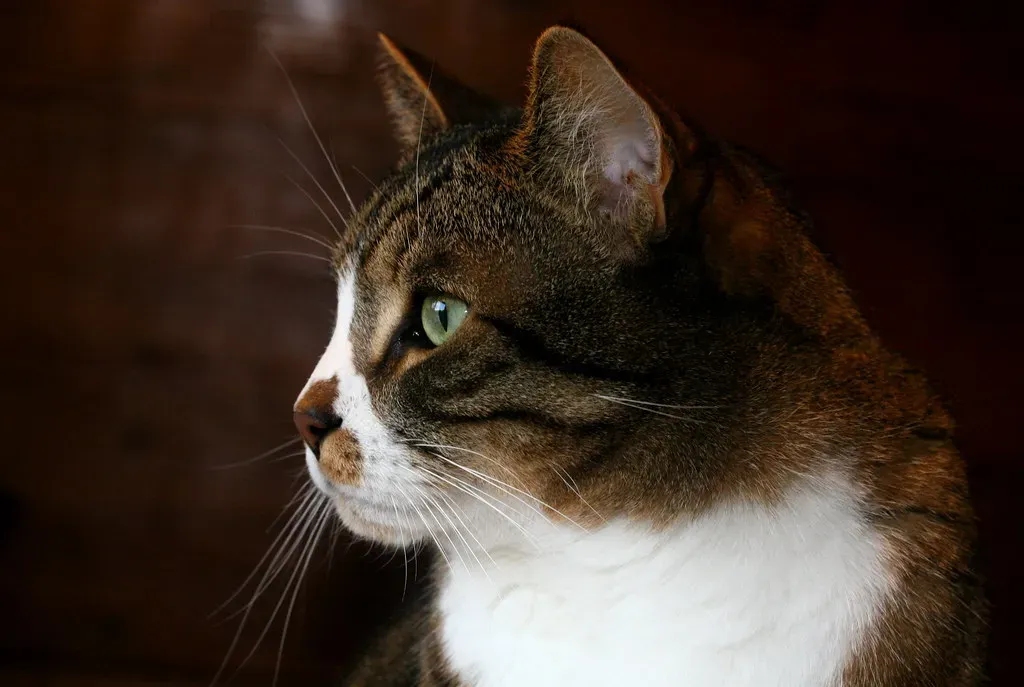
Your cat’s wild ancestors were likely more affected by weather changes, and this inbuilt natural instinct to find shelter might still be strongly embedded in your modern pet. Even though your indoor cat has never once had to worry about finding a dry spot in the wilderness, its biology hasn’t forgotten. The survival wiring is intact, running quietly beneath the surface like old code in a new machine.
Today’s cats are not genetically very far from their feline ancestors, so it stands to reason that they still maintain the ability to sense atmospheric changes. Once a cat detects an oncoming storm, its first instinct may be to flee or hide. This is a survival tactic, in which it tries to run to the safest place it can find. It’s not anxiety without reason. It’s survival intelligence that has been refined over thousands of years, now playing out on your sofa.
9. The “Cat Loaf” and Other Postures Are Real Weather Clues
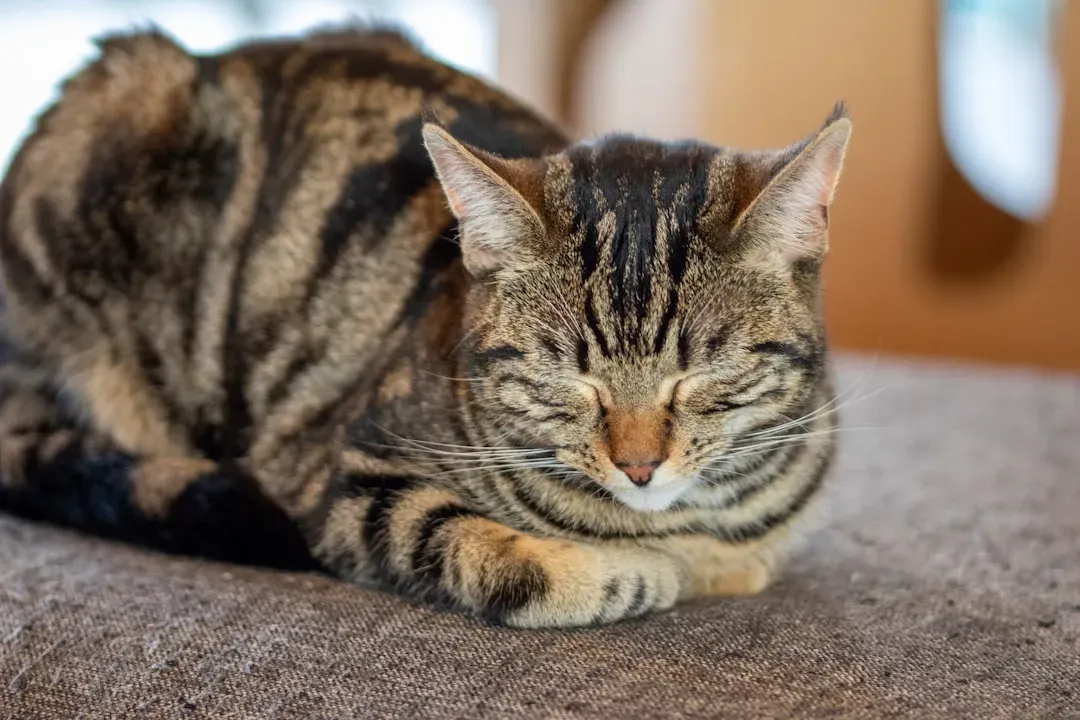
Americans of the past thought that when a cat napped with all legs tucked in, what we now call the “cat loaf” position, turbulent weather was on the way. When your cat lies on its head with its mouth turned up, expect a storm. These postures, once dismissed as pure folklore, now make a lot more sense when you understand how sensitive cats are to pressure and temperature changes in the air.
Both cats and dogs can sense even subtle changes in temperature, and their bodies are closer to the ground, making them more sensitive to cool or warm surfaces under their paws. In anticipation of colder weather, you might find your cat seeking warmth, perhaps snuggling up against you or curling up in a sunny spot. Every position, every posture, every inexplicable choice your cat makes about where to sit or sleep could be its version of reading the room before the sky decides to put on a show.
Conclusion: Your Cat Has Been Forecasting the Weather All Along
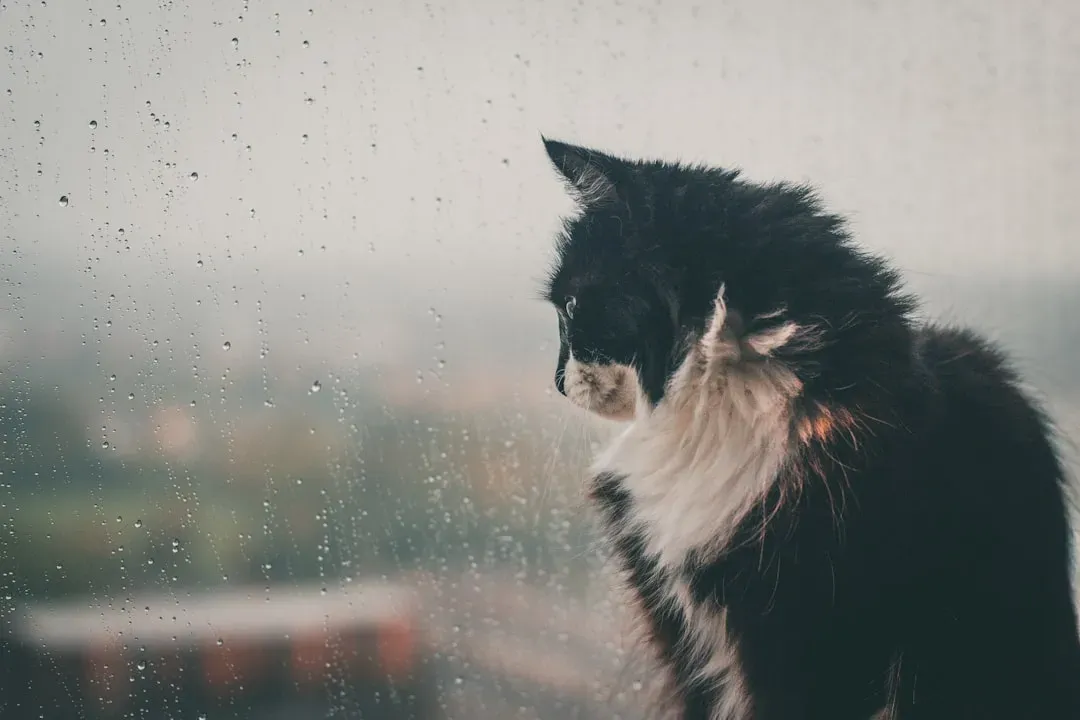
Here’s the thing. You live with one of nature’s most finely tuned sensory instruments, and most of us spend more time trusting a weather app than watching the creature curled at our feet. Your cat can predict the weather with jaw-dropping precision, and both folklore and scientific data explain how and why they can give precise forecasts of oncoming rainstorms.
The heightened senses of cats offer them a unique perspective on the world, one that often allows them to anticipate environmental changes long before you do. Observing and understanding their behavior can not only help you better care for them but can also give you real insights into the natural world around you. Start paying attention. Your cat has been handing you a weather forecast every single day.
Nine lives, nine ways to read a storm. Maybe the most useful thing your cat does every day isn’t purring or keeping you warm. It’s quietly telling you to grab an umbrella. The real question is: have you been listening?
Kristina is a young writer from India. An arts graduate and an avid content creator, Kristina is passionate about animals and wildlife. She enjoys exploring topics related to pet care, animal behavior, conservation, and nature, combining thorough research with engaging storytelling.