You’ve probably been there – lying still, barely breathing, almost afraid to shift in case you disturb the small furry creature draped across your chest like a living, purring blanket. It’s one of those oddly precious moments that every cat owner knows. You didn’t plan it. You didn’t train for it. Your cat simply decided you were the best spot in the entire house.
Here’s the thing though: it’s not random. It’s not even really about comfort in the way most people assume. Behind that warm, sleepy bundle of fur is a surprisingly deep message about trust, instinct, and the invisible bond your cat has built with you over time. If you’ve ever wondered what’s actually going on when your cat chooses your chest over every pillow, blanket, and expensive cat bed you’ve ever bought, you’re about to find out. Let’s dive in.
You Are Your Cat’s Safest Place in the Room
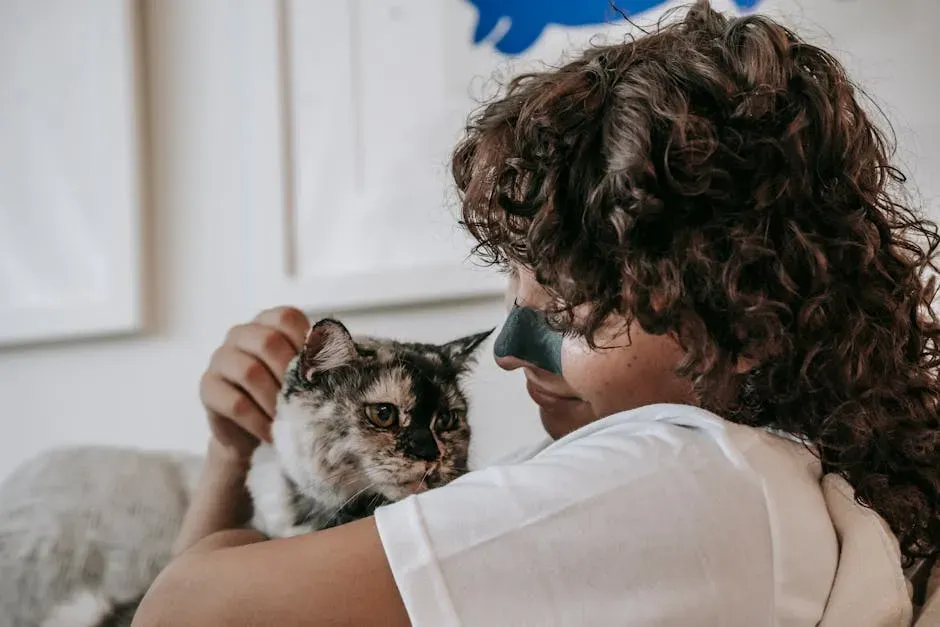
Think about it from your cat’s perspective. Sleep is the most vulnerable state any animal can be in. Eyes closed, guard down, muscles relaxed – it’s the moment in the wild when danger could strike and a cat wouldn’t even see it coming. So when your cat tucks in on your chest with zero hesitation, that’s not a small thing.
Your cat may get an extra element of feeling secure when lying on your chest. Cats know they’re vulnerable when they’re asleep, so they’ll automatically seek out the safest place they can find when they want to take a nap. You happen to be that place. Honestly, that’s one of the most flattering things a cat can silently communicate.
Physical closeness is how cats reinforce trust. When a cat chooses to sleep directly on you – especially in vulnerable positions like your chest – it means they feel completely safe. Your cat isn’t just napping. They’re making a clear declaration: you are their safe zone, their guardian, their chosen protector.
Your Heartbeat Is Speaking Their Language
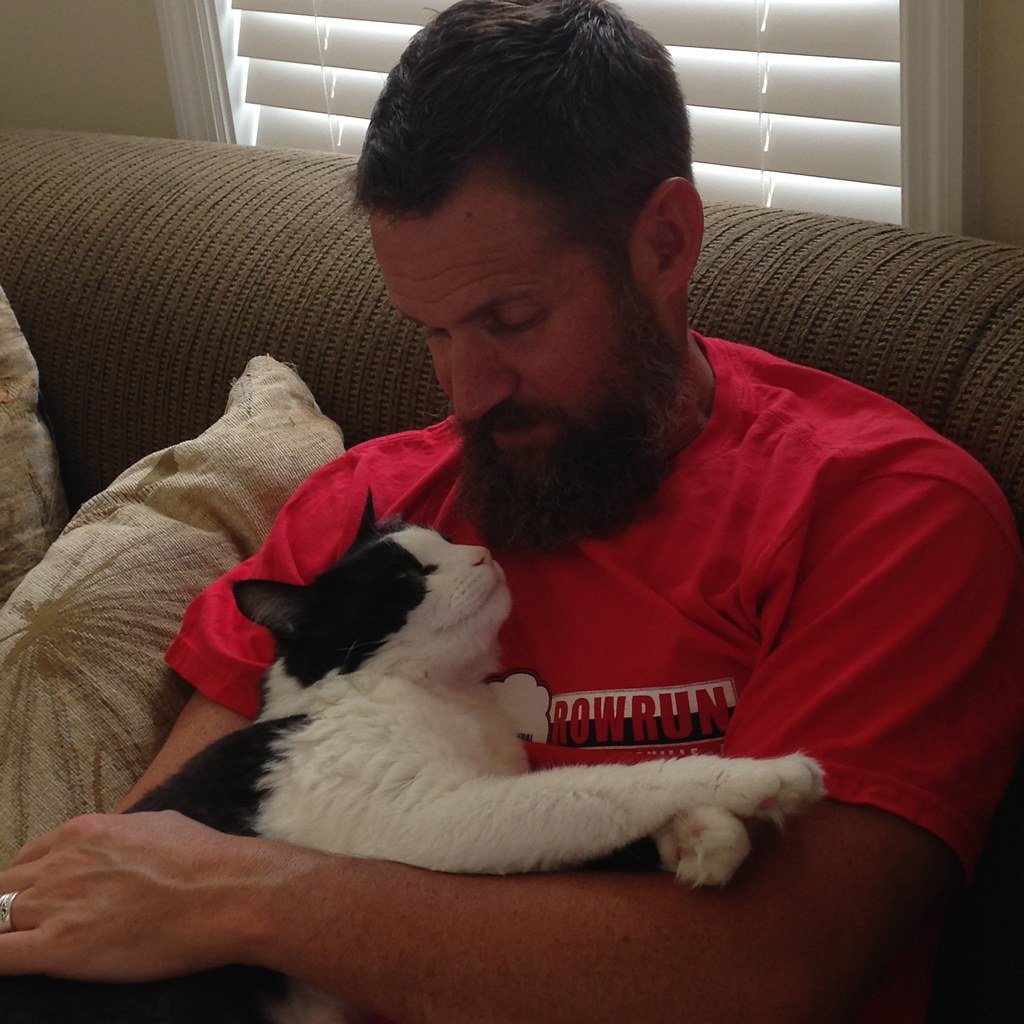
Here’s something that genuinely surprised me when I first came across it: your heartbeat is not just background noise to your cat. It is actively soothing them, the same way it once soothed them as a kitten curled against their mother.
When cats sleep on and around their mother as kittens, they are comforted by the sound of her heartbeat. When your cat sleeps on your chest, they can hear your beating heart as well, and they are likely comforted by the sound. It’s a kind of sensory memory that carries into adulthood, a deep, primal association between a steady heartbeat and total safety.
Cats are highly sensitive to rhythmic sounds, and few things are as calming as the steady thump-thump of a heartbeat and the gentle rise and fall of breathing. Much like how newborn kittens seek the warmth and heartbeat of their mother, adult cats may find similar comfort in their human. So in a very real sense, you’ve become the mother figure. Heavy responsibility, but also kind of beautiful.
The Warmth Factor Is Bigger Than You Think
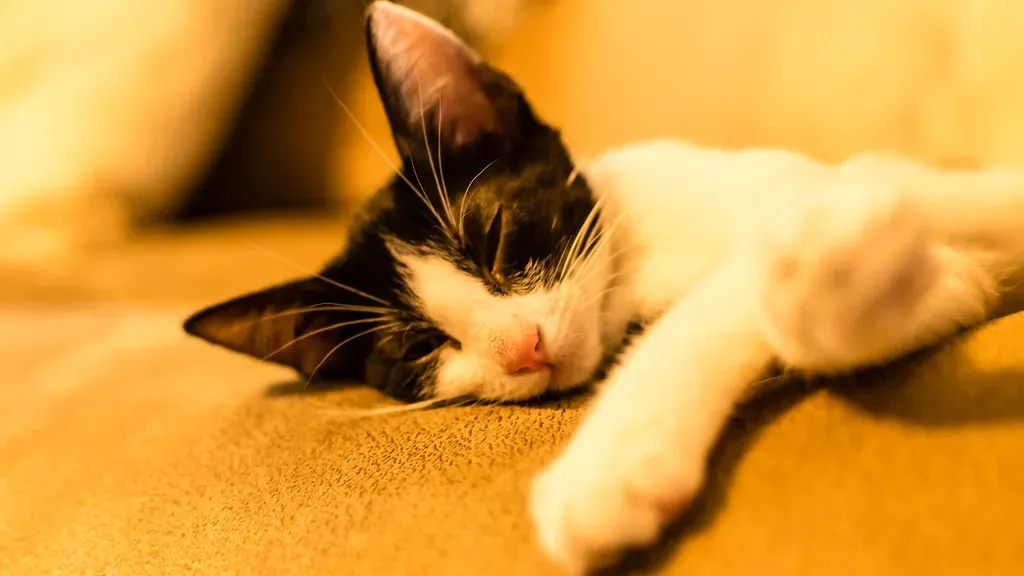
Let’s be real: cats are shameless heat seekers. If you’ve ever watched your cat migrate slowly across the floor following a patch of sunlight, you already know this about them. Your chest is simply their ultimate solar panel, available at any hour, rain or shine.
Cats have a higher body temperature than humans – averaging about 102°F – and they adore warmth. Maintaining that temperature actually takes real energy, so finding an external heat source means they can rest more deeply without burning as many calories. Your body is essentially a renewable energy resource for your cat’s nap schedule.
Cats have a higher resting body temperature than humans, and they instinctively seek out warmth to conserve energy. Curling up on your chest helps them maintain their ideal body temperature without expending much effort. This behavior stems from their wild ancestors, who slept together in groups to share body heat and stay safe. So the warmth-seeking instinct is ancient, and you’ve become the preferred warm surface.
It Is a Profound Declaration of Trust and Love
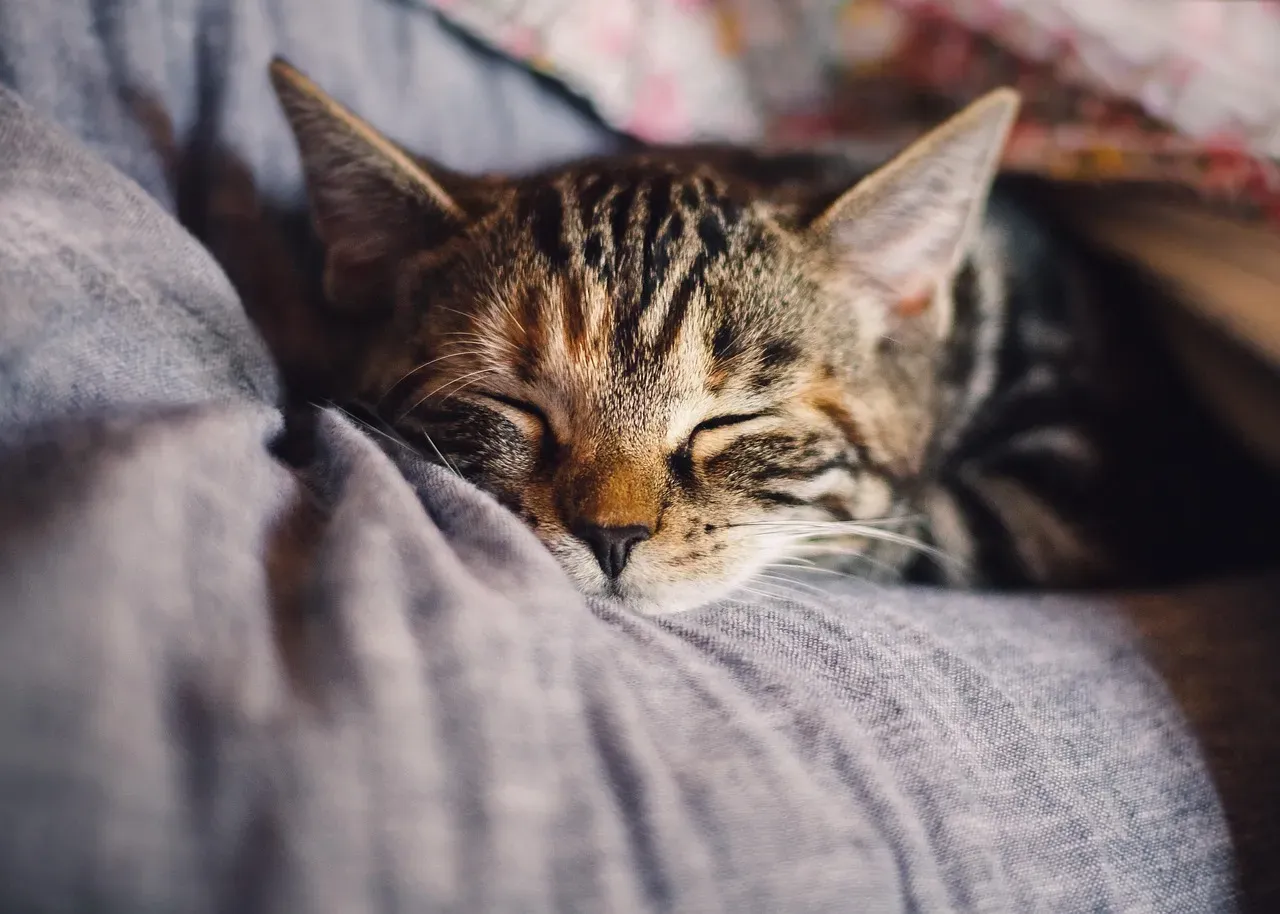
Cats get unfairly labelled as cold or indifferent, but any devoted cat owner knows that’s just not true. They express affection differently – quietly, deliberately, on their own terms. Sleeping on your chest is one of their loudest love letters.
Cats are wary of strangers and aren’t likely to show affection to people they don’t know or like. If your cat likes to lay on your chest, it’s likely because they don’t perceive you as a threat, and they’ve learned to love you. Think of it as the feline equivalent of saying, “Out of everyone in the world, I picked you.”
One of the most heartwarming explanations for this behavior is bonding. Cats form emotional attachments to their owners, even if they show it differently than dogs. Sleeping on your chest is one of the strongest expressions of affection a cat can display. The next time your cat commandeers your chest at an inconvenient moment, try to take that as the compliment it truly is.
Your Scent Is Their Comfort Anchor
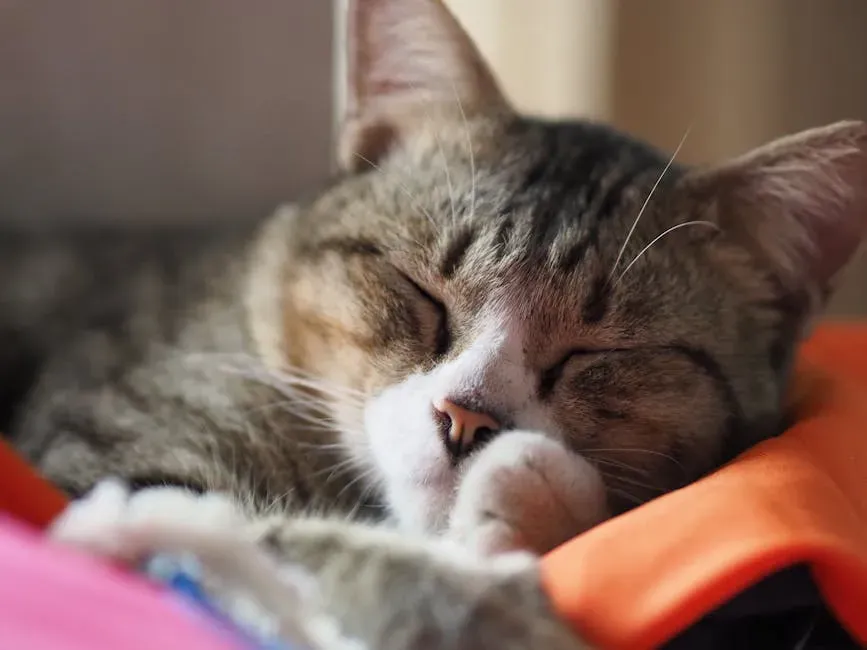
Cats experience the world almost entirely through their nose. Their sense of smell is estimated to be many times more powerful than ours, which means your personal scent is a rich, detailed, and deeply familiar signal. When your cat parks themselves on your chest, they are wrapping themselves in the most comforting smell they know.
Your scent, heartbeat, and breathing create a sense of familiarity and peace. When your cat curls up on your chest, they’re surrounded by everything that makes them feel at ease. It’s a sensory experience that reinforces their emotional attachment to you and helps them relax deeply. It’s a full sensory package: warmth, sound, and scent all bundled together.
Your bed carries your concentrated scent, and cats find that deeply reassuring. When your cat sleeps on your bed, they’re also depositing their own scent alongside yours, reinforcing social bonds and marking your sleeping space as trusted territory. So the exchange goes both ways: you comfort them with your scent, and they claim you with theirs. It’s a mutual marking of belonging.
They May Also Be Telling You Something About Themselves
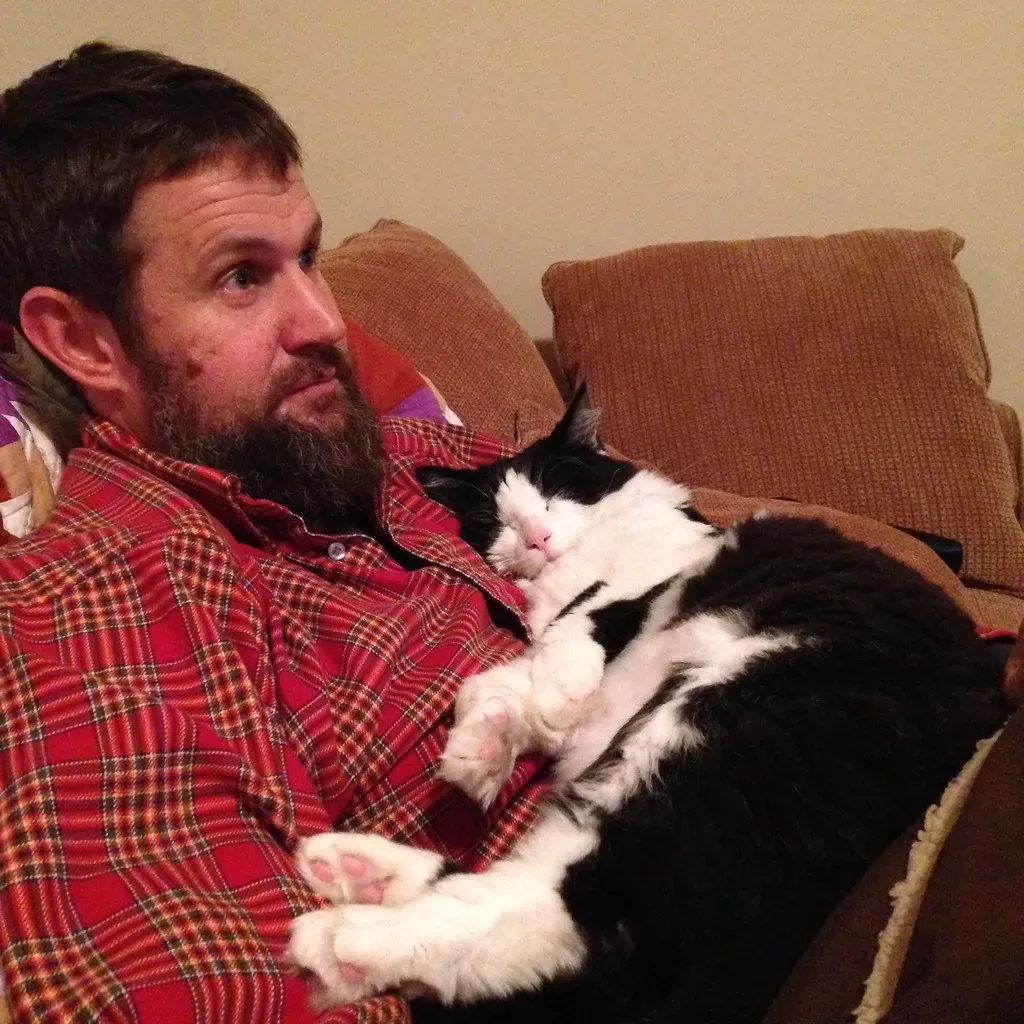
Not every chest nap is purely about love and warmth. Sometimes, when your cat suddenly starts sleeping on you more than usual, they’re actually sending a different kind of signal – one worth paying attention to.
If it is unusual for your cat to lay on your chest and they suddenly start doing it, it could indicate they are feeling stressed or anxious. When cats feel stressed, their behavior changes in one of two ways. Either they become very withdrawn and hide, or they seek constant reassurance and attention. A sudden shift in closeness-seeking behavior is your cat’s way of communicating, even if they can’t put it into words.
If your cat suddenly becomes more affectionate, it could be their way of seeking comfort during times of change or uncertainty. A new pet in the house, a moved piece of furniture, a change in your schedule – cats pick up on all of it. When the world feels less predictable, you become their anchor point. A sudden shift can point to stress, pain, or illness, so it’s always worth a closer look if the behavior change is dramatic.
The Health Benefits Flow Both Ways
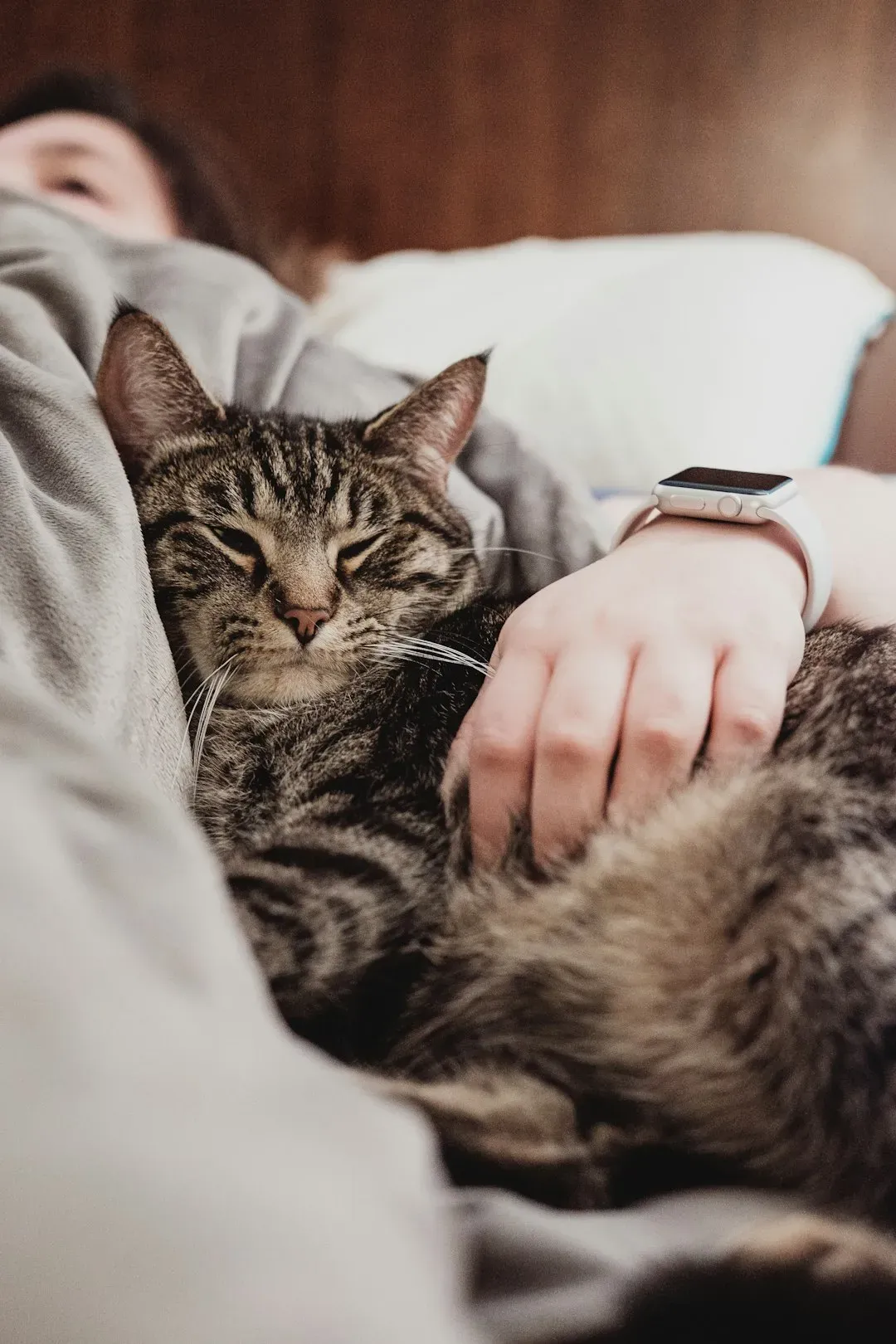
Here’s one of the genuinely surprising parts of this whole story: your cat sleeping on your chest isn’t just good for your cat. It turns out, it might be quietly doing your own health a favor too. The relationship is more mutual than most people realize.
Cats purr at vibrations in the 20 Hz to 140 Hz range, which has several positive health effects for you. It lowers your stress levels and your blood pressure, it reduces the risk of heart attack, and it can even help heal bones, muscles, tendons, and ligaments as well as infection. I know it sounds a little wild, but the science behind this is genuinely fascinating.
Petting or cuddling a cat can lower blood pressure, reduce cortisol levels, and trigger the release of oxytocin – the “bonding hormone.” So next time someone gives you a hard time for letting your cat sleep on your chest, you can calmly inform them it’s basically a health intervention. A cat’s purrs and snuggles can help reduce stress, leading to a healthier life overall, and cuddling with your pet can also help with feelings of anxiety and depression.
When to Redirect the Behavior (and How to Do It Kindly)
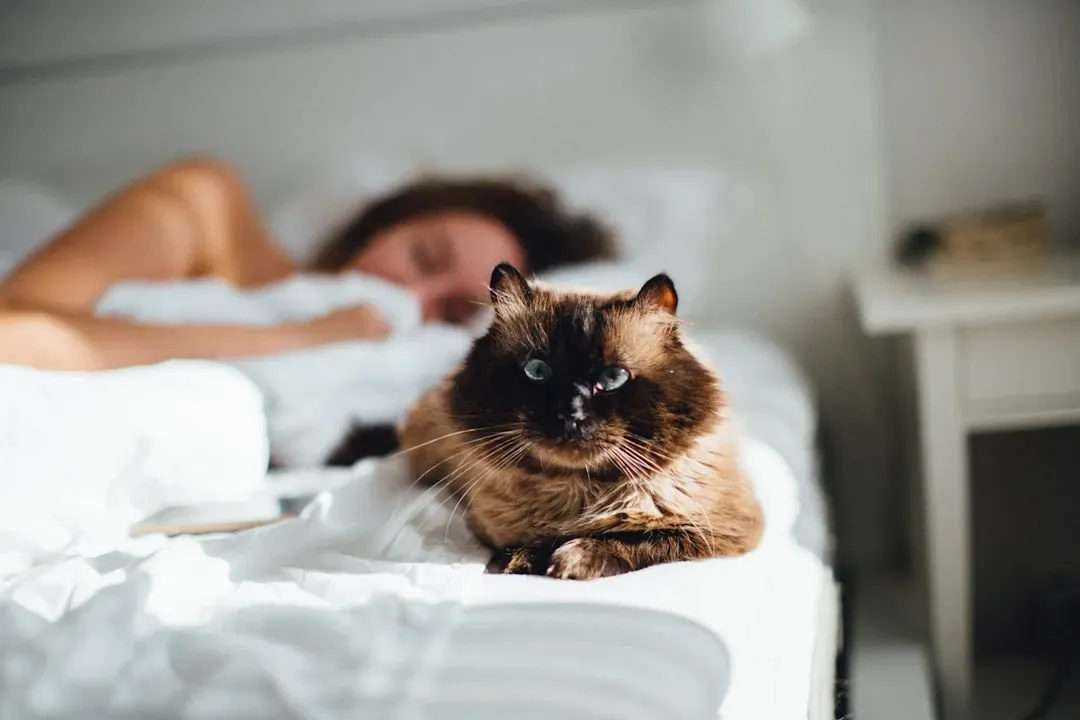
As heartwarming as all this is, there are perfectly valid reasons you might not want your cat sprawled across your chest every single night. Disrupted sleep, allergies, or simply needing space are all legitimate concerns. The good news is you can redirect this behavior without damaging the bond you’ve worked to build.
If your cat’s nighttime snuggles keep you awake, gently redirect them to another cozy spot nearby. Placing a warm blanket or a soft bed close to where you sleep can encourage them to settle there. Cats appreciate routine, so consistency will help them adjust. Think of it as offering them a suitable alternative, not rejecting them entirely.
Behaviourists suggest gentle compromises that respect both your comfort and the cat’s bond. If your cat blocks your breathing or disturbs your sleep, shift it calmly instead of shoving it off. Place a soft blanket next to your pillow, or a warm bed at chest level near you. The goal is to keep them close enough to feel safe while giving yourself the rest you also deserve. That balance is completely achievable.
Conclusion
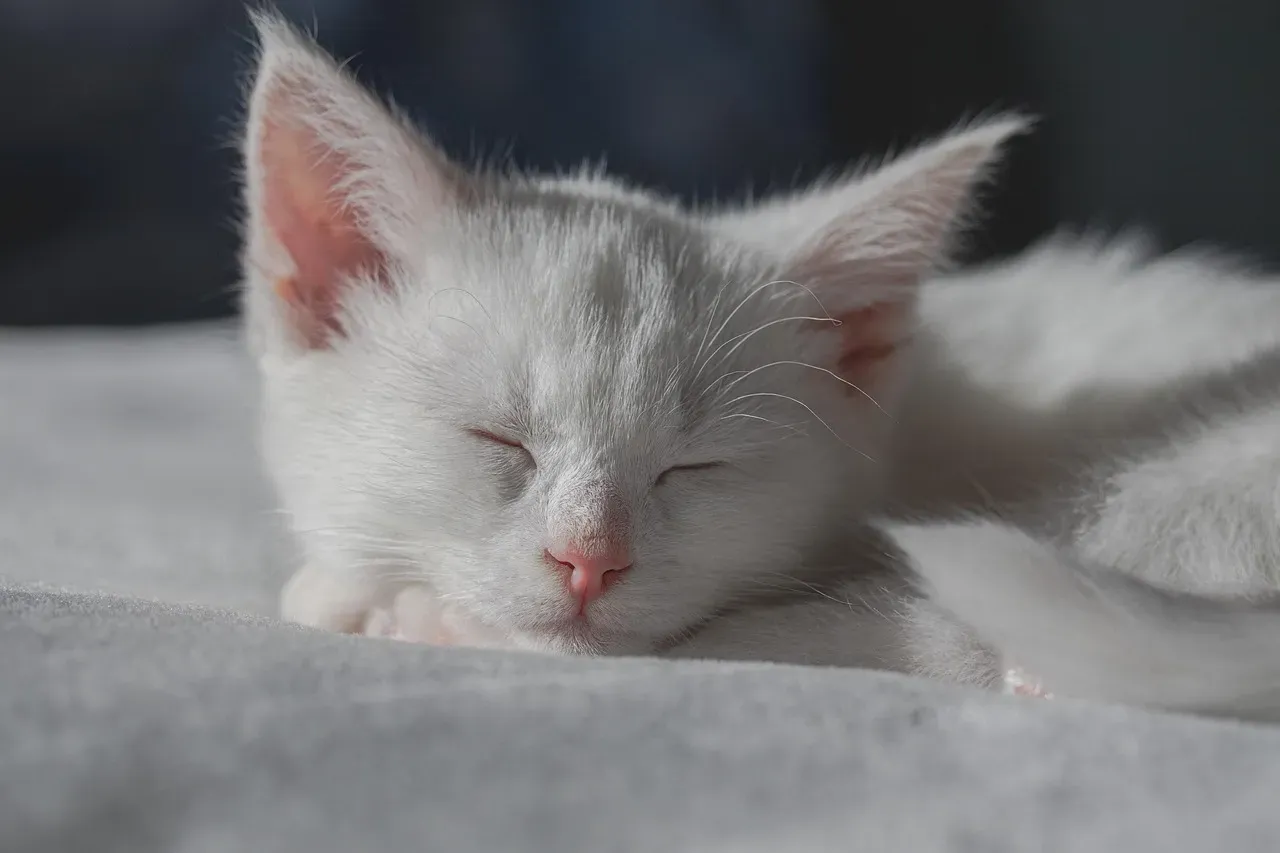
So the next time you wake up at 2 a.m. with your cat perched squarely on your sternum, consider what you’re actually looking at. You’re not just a convenient warm surface. You are your cat’s chosen guardian, their heartbeat compass, their scent anchor, and their most trusted sleeping companion in the world. That’s a remarkable thing when you actually stop to think about it.
Your cat picked you out of the entire universe of available sleeping spots. They didn’t have to. They wanted to. That quiet, purring weight on your chest is their version of saying, “I feel completely safe with you, and there is nowhere else I’d rather be.” Few gestures in the animal kingdom are more sincere than that.
The bond between a cat and their person is subtle, layered, and often expressed in the softest of ways. A sleeping cat on your chest is one of those ways. So the question worth sitting with is this: now that you know what it really means, does it change how you feel about those sleepy midnight visits? Tell us your thoughts in the comments – we’d love to know.
Kristina is a young writer from India. An arts graduate and an avid content creator, Kristina is passionate about animals and wildlife. She enjoys exploring topics related to pet care, animal behavior, conservation, and nature, combining thorough research with engaging storytelling.