You are sitting at your desk, focused, maybe sipping your morning coffee, and then it happens. That slow, deliberate, almost theatrical paw reaches out toward your pen, your phone, your favorite mug, and inch by inch it creeps closer to the edge. Your cat makes eye contact with you. Then, without a single shred of remorse, sends it flying to the floor.
If you share your life with a cat, you know this scene all too well. It feels personal. It looks spiteful. Honestly, it is one of those feline behaviors that can make you laugh one moment and want to bubble-wrap your entire house the next. The truth, though, is far more fascinating than simple mischief. There is real science, ancient instinct, and surprising intelligence behind every deliberate swat. Let’s dive in.
The Ancient Hunter Living in Your Living Room
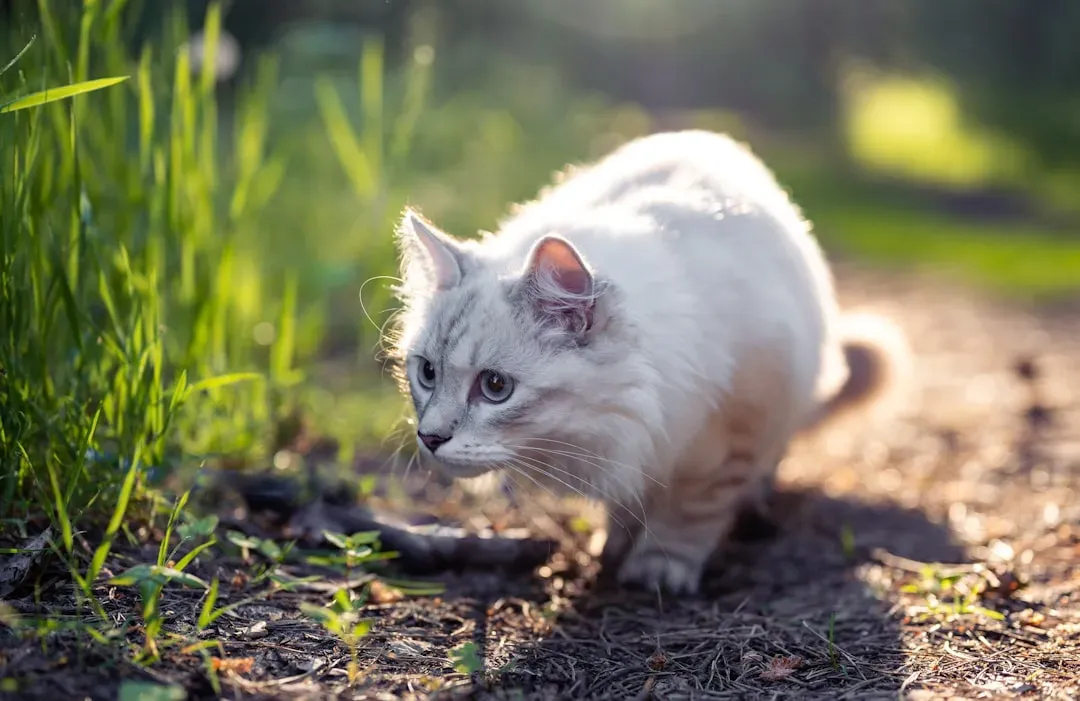
At the core of your cat’s table-clearing behavior lies something deeply primal: the hunting instinct. Even though your indoor cat has never had to catch a mouse for dinner, those predatory drives are still hardwired into their DNA. Think of it like muscle memory that never actually needed muscles to practice. The instinct runs so deep that no amount of kibble in a bowl can fully erase it.
Cats are obligate carnivores, which means that before domestication, they relied solely on hunting prey to survive. These hunting instincts are still hardwired into them, even when they are well-fed, domesticated pets. This means they still have a strong desire to hunt, chase, pounce, and stalk. So the next time your cat nudges your lipstick off the bathroom counter, they are not being petty. They are being, well, a cat.
Your Cat’s Paws Are Actually Precision Research Tools
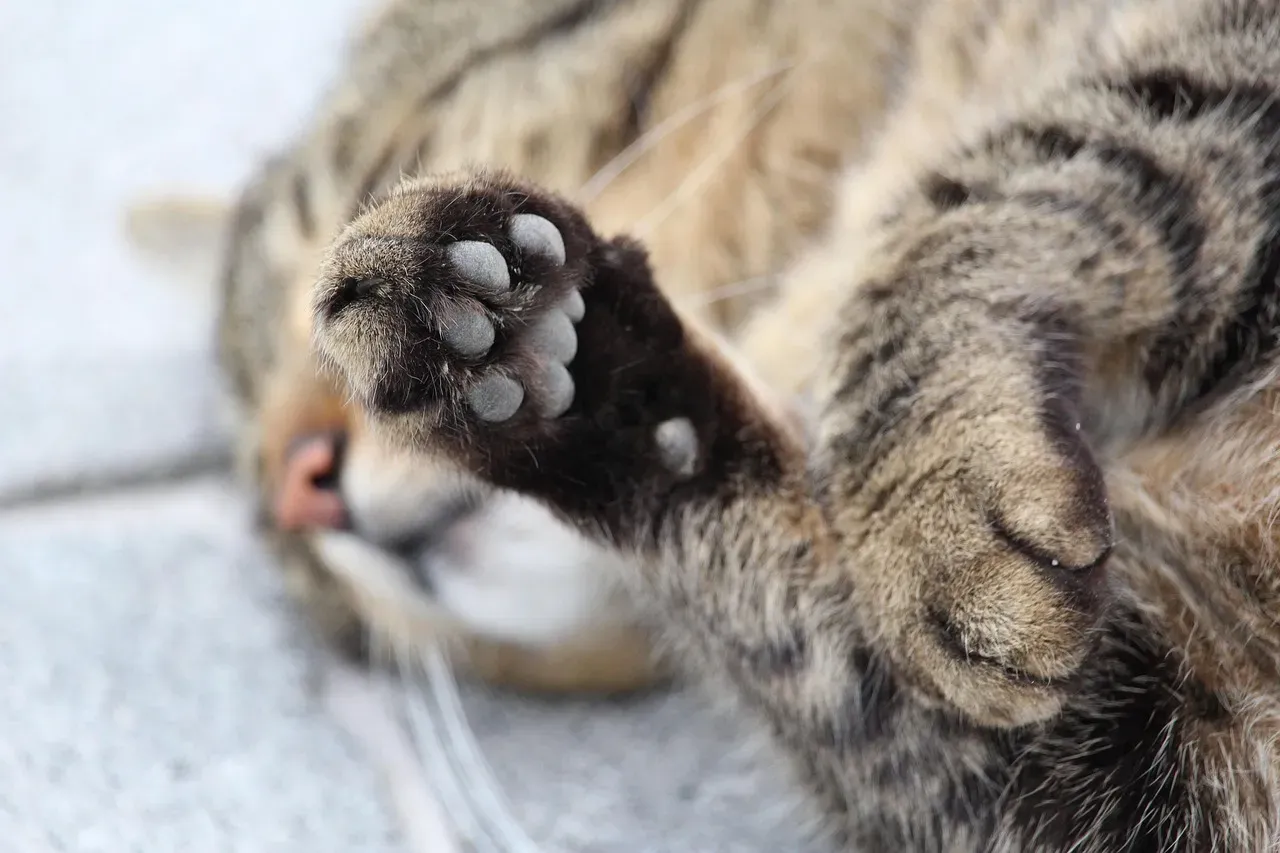
Cats use their paws to investigate the world around them. Unlike dogs, who often explore with their mouths, cats rely heavily on their sensitive paws to learn about objects. Knocking something off a surface may simply be your cat’s way of discovering what it is, how it feels, and whether it moves or makes a sound. It is less chaos and more sensory data collection, if you can believe it.
Dense mechanoreceptors in cat paw pads provide rich sensory feedback during object contact, and each new item on a shelf triggers a novelty response that re-engages the play system after the previous object becomes boring. The act of pushing objects with their paws provides crucial sensory information. Hard objects feel different from soft ones, light items move differently than heavy ones, and the various sounds created by different materials all contribute to their understanding of their surroundings. Your cat, in short, is running quality control on your clutter.
It Is Basically a Physics Experiment (Yes, Really)
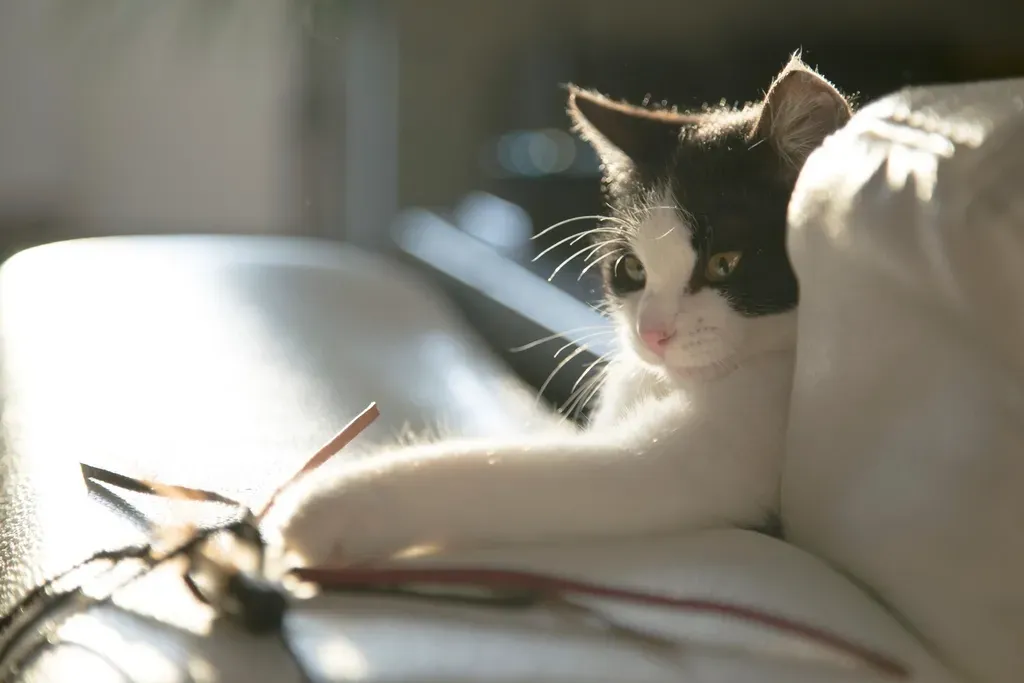
Gravity is endlessly fascinating, especially when you do not fully understand the physics behind it. Cats seem genuinely intrigued by the fact that things fall when pushed. The trajectory of a pen rolling off a desk, the bounce of a rubber ball, or the satisfying crash of something breakable all provide entertainment and mental stimulation. That cause-and-effect loop is more captivating to a cat than most things you could ever buy them at the pet store.
The physics of falling explains much of why cats are so captivated by knocking things off tables. When your cat nudges an object close to the edge, they are manipulating the center of gravity. Once the object reaches a tipping point, gravity takes over, and the object begins to fall. The cause-and-effect relationship fascinates them, much like how a toddler might repeatedly drop food from their high chair to watch what happens. So in a weird, endearing way, your cat is the world’s most annoying little scientist.
The Predatory Motor Sequence That Never Switches Off
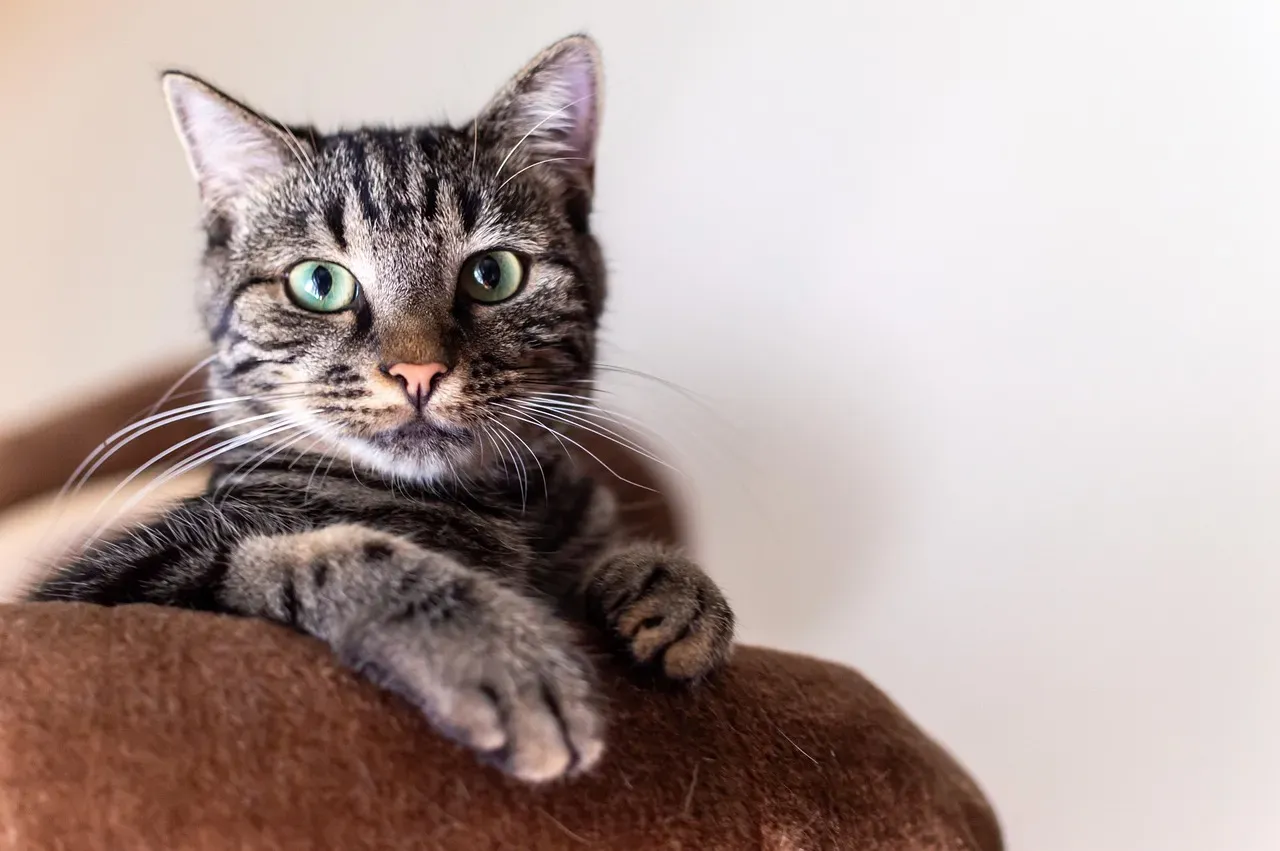
Cats knock things over because batting activates a decoupled predatory motor sequence, the same neural circuitry that drives hunting, and it fires independently of hunger or the full chase-catch-kill sequence. This is a really key detail. Your cat does not need to be hungry to feel the urge. The wiring fires on its own, and your bookshelf just happens to be in the way.
Many of a cat’s quirky behaviors can be traced back to their natural hunting instincts. In the wild, cats often bat at their prey to see if it is alive or to weaken it before going in for the catch. When your cat nudges an object off the counter, it could be acting on that same instinct to paw, swipe, and stalk. The movement of objects, especially when they fall, mimics the motion of prey, triggering their predatory drive. This behavior helps cats hone their eye-paw coordination and assess the potential of something worth chasing.
Boredom and the Case of the Under-Stimulated Indoor Cat
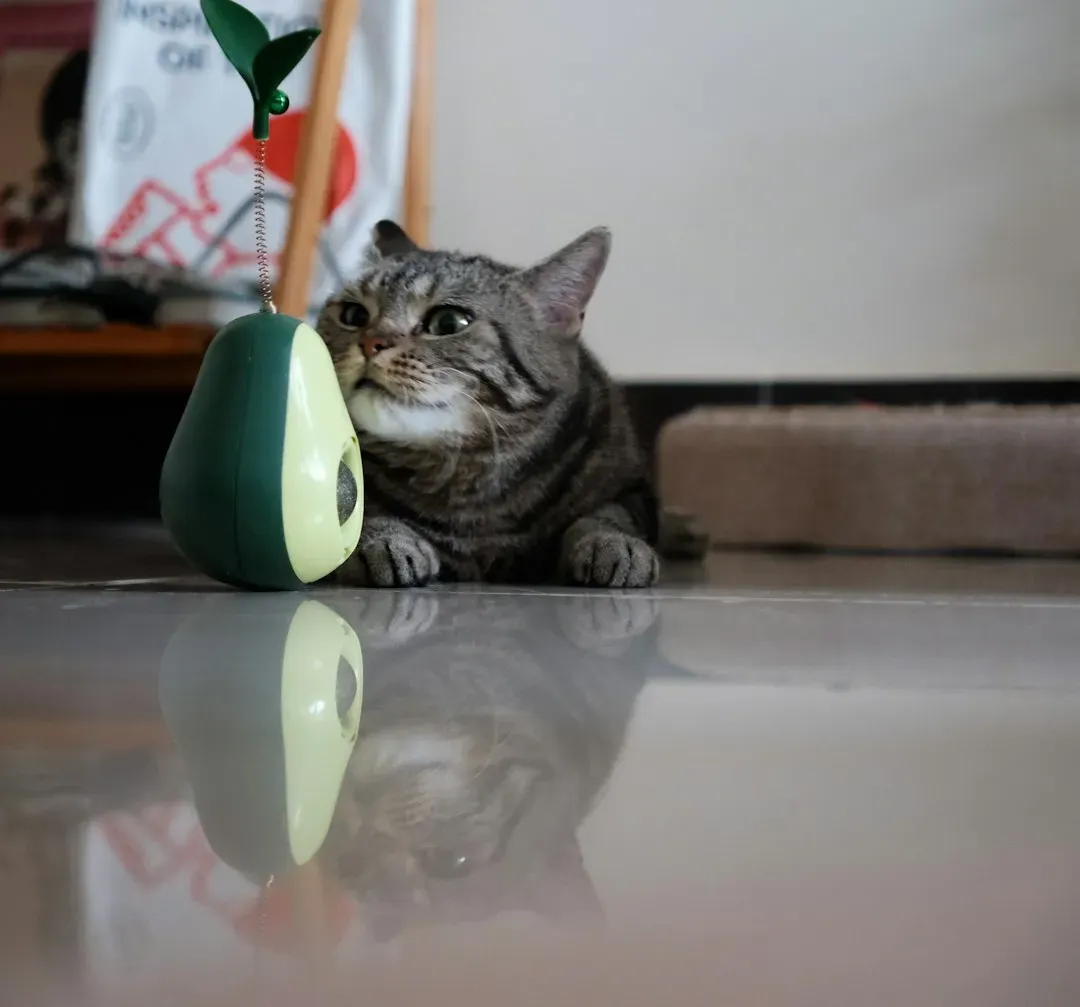
Cats are intelligent creatures and a lack of stimulation in their environment can lead to boredom. This in turn leads to destructive behavior like knocking things off tables. Here is the thing, a bored cat is not a content cat. They are a destructive force quietly waiting for the next item within paw range. Your decorative succulent, your reading glasses, your keys, nothing is safe.
Bored cats who have little stimulation in their environment may find ways to entertain themselves. When your cat is left alone for hours with nothing to do and no one to interact with, your trinkets will end up on the floor. For indoor cats especially, knocking things over provides entertainment and mental stimulation. The unpredictable movement and sound of falling objects create an engaging game that helps alleviate boredom. This behavior is particularly common in younger cats or those who do not have enough environmental enrichment.
You Are Actually Training Your Cat to Do It More
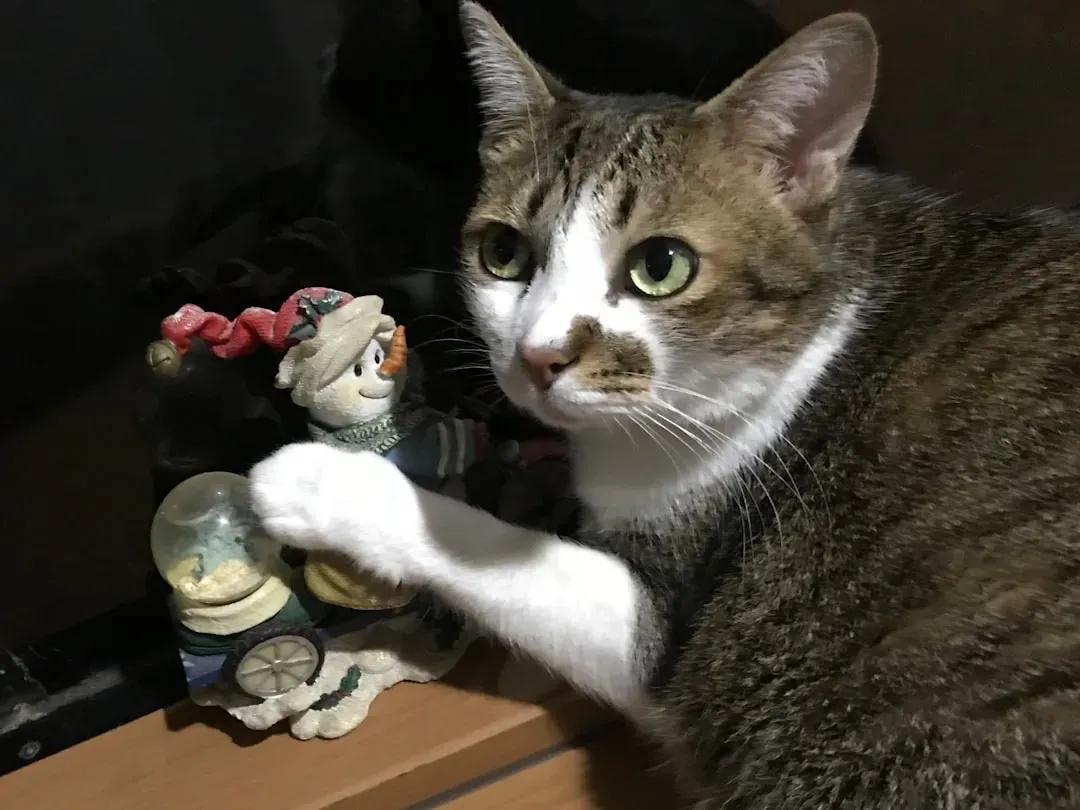
This one might sting a little. Every time you gasp, rush over, scold, or even just make eye contact after your cat sends something crashing to the floor, you are handing them exactly what they wanted. Cats knock things over to test if prey is alive, or because they learned that a crash equals attention. To a bored cat, even negative attention is better than being ignored. You have turned your table into a vending machine: they press the button, and they get a reaction from you.
Many cats discover that positive attention and negative attention both satisfy their need for interaction. Whether you are praising them, scolding them, or simply engaging with them after they have knocked something over, you are reinforcing the behavior. From their perspective, mission accomplished. You should never punish your cat when they knock things off tables. Cats do not respond well to punishment and shouting at or scolding them may only make them do it more.
Territorial Marking and the Need to Own the High Ground
Cats are territorial creatures who like to maintain control over their environment. Knocking objects off surfaces can be a way of rearranging their space to their preferences. Cats love to perch, particularly on elevated surfaces, and there is a reason for this. Wild cats perched in trees to hunt small creatures and to hide from bigger predators. Doing so required an availability of space so they could easily move around.
Cats are territorial creatures who like to maintain control over their environment. Knocking objects off surfaces can be a way of rearranging their space to their preferences. By moving or removing items, they are essentially redecorating according to their own specifications. This behavior is particularly common when new objects appear in familiar spaces. In multi-cat households, this behavior might be even more pronounced. High spaces become contested territory, and clearing objects might be a way of claiming or marking that space as their own.
What You Can Actually Do About It
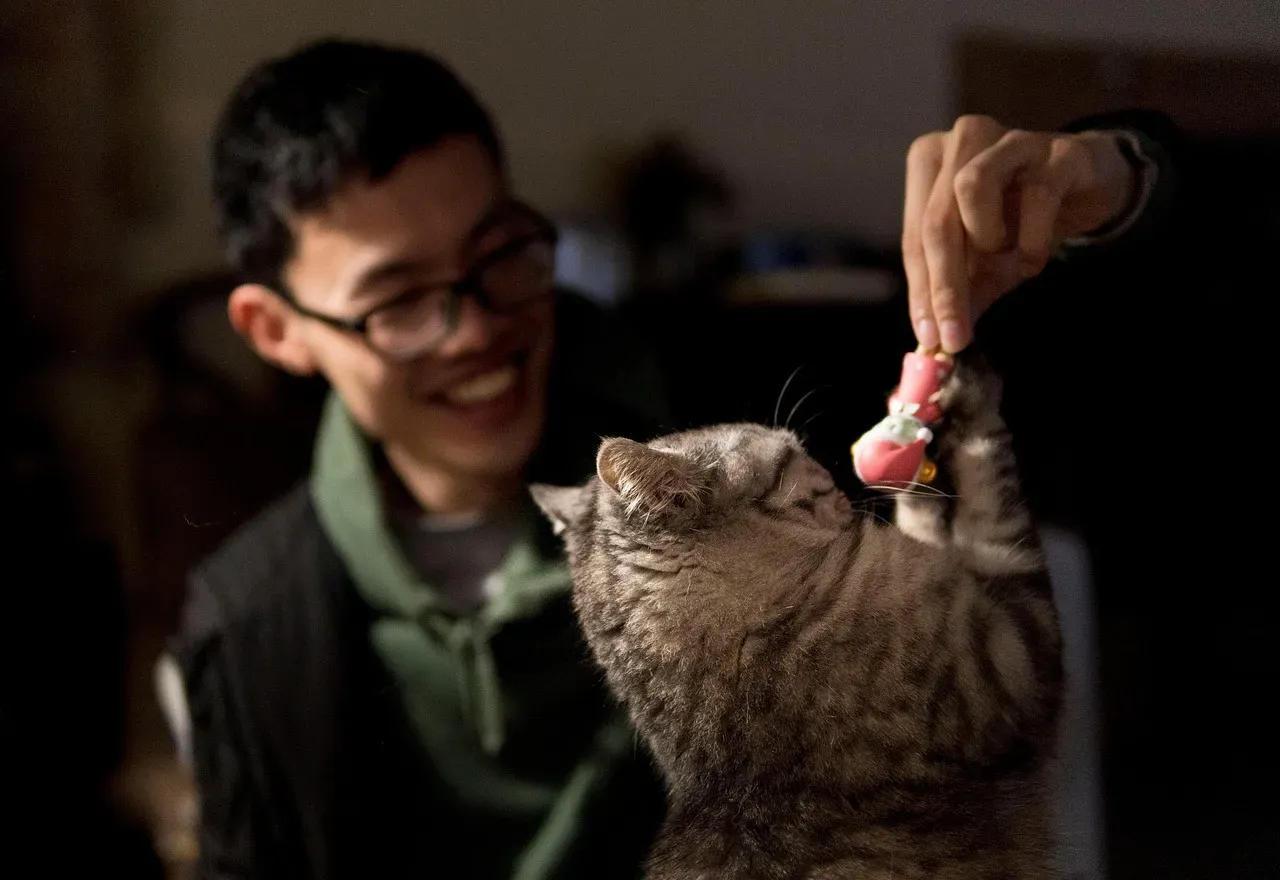
Give your cat things to do that are more fun than knocking items onto the floor. All cats need horizontal scratchers, scratching posts, and lots of toys that are more fun to box and chase than the stuff on your desk. Tall cat condos and high-up cat shelves encourage cats to climb and exercise, and they are also ideal places for a catnap. It sounds almost too simple, but giving them their own kingdom genuinely works wonders.
Set a play schedule to trigger their hunting instincts at times that feel natural. Since cats are most active at dawn and dusk, your cat is more likely to be active during those hours. Plan a play session first thing in the morning, one at dusk, and another right before going to bed. These timings will coincide with your cat’s natural clock and help tire them out so that they sleep through the night. It is important to ignore your cat if they go to knock something over. On the same note, negative attention is still attention. If the last time you caught them batting objects off the shelf you came over and told them no, it might have actually rewarded their behavior.
Conclusion
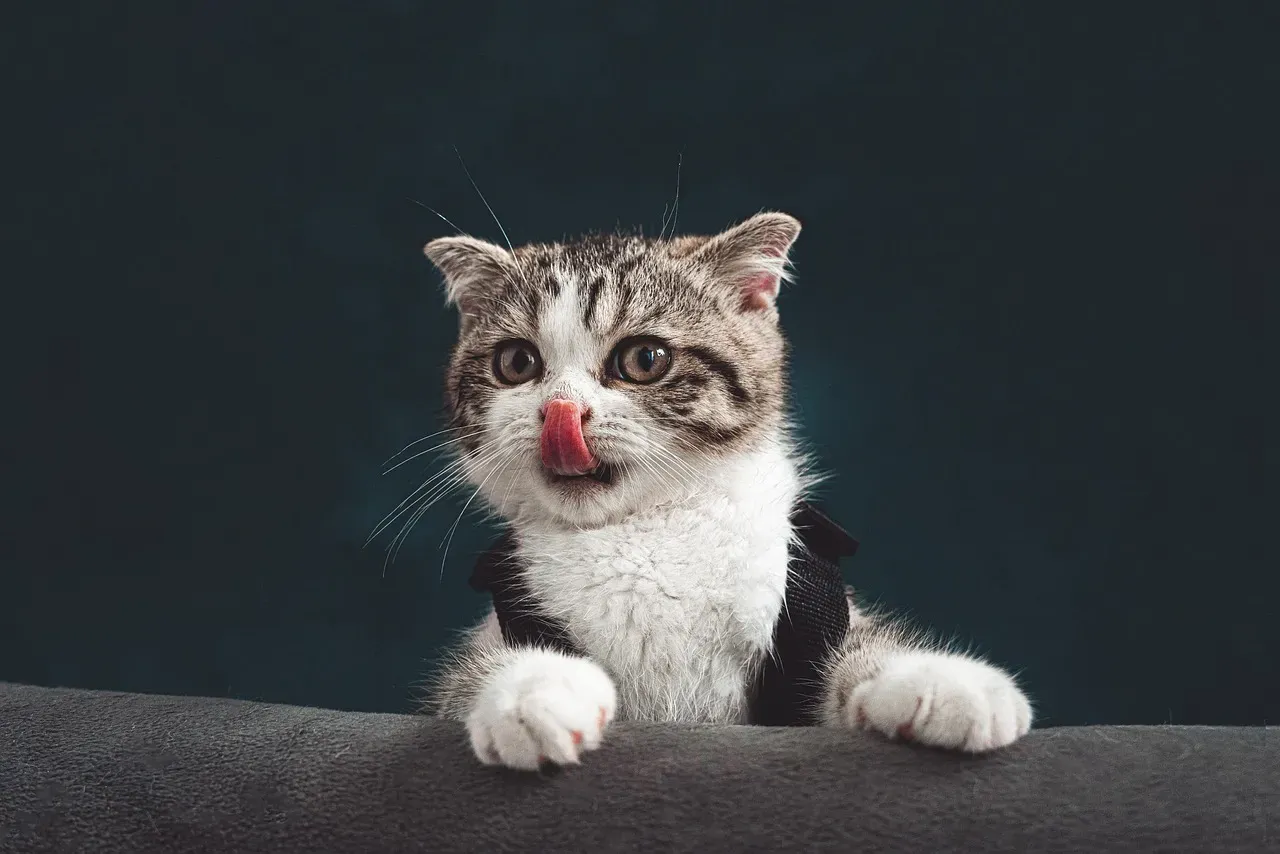
So your cat is not a small, furry villain with a grudge against your coffee mug collection. They are a creature driven by ancient instincts, sharp curiosity, a need for stimulation, and a surprisingly sophisticated understanding of how the world around them works. The table-sweeping behavior is, at its core, a window into who your cat really is, what they need, and how they communicate it.
Understanding the “why” makes it so much easier to respond smartly instead of reactively. Once you stop playing into the attention loop and start channeling that energy into play, enrichment, and vertical space, you might be amazed at how quickly things calm down. Your cat just needs to feel like a hunter, even in your perfectly tidy living room.
Here is the real takeaway: your cat is not misbehaving. They are being exactly who evolution made them to be. The question is, will you keep reacting, or will you finally outsmart a very clever, four-pawed physicist? What do you think? Drop your best “my cat knocked this off the table” story in the comments.
Kristina is a young writer from India. An arts graduate and an avid content creator, Kristina is passionate about animals and wildlife. She enjoys exploring topics related to pet care, animal behavior, conservation, and nature, combining thorough research with engaging storytelling.