You just spent good money on a brand new cat toy, brought it home with excitement, set it on the floor – and your cat walked right past it to sit inside the empty box it came in. Sound familiar? Honestly, it never gets less funny. Cats are famously indifferent to anything we think they should love, yet completely obsessed with the most random things already lying around your home.
The good news? You don’t need to keep spending. You don’t have to spend a fortune purchasing expensive toys for your cat, because you probably have several perfectly suitable items already lying around your house. The even better news is that there’s real science behind why your cat goes wild for certain everyday objects. Let’s dive in and find out which household items your feline truly adores, and why.
1. Cardboard Boxes: The Ultimate Cat Palace
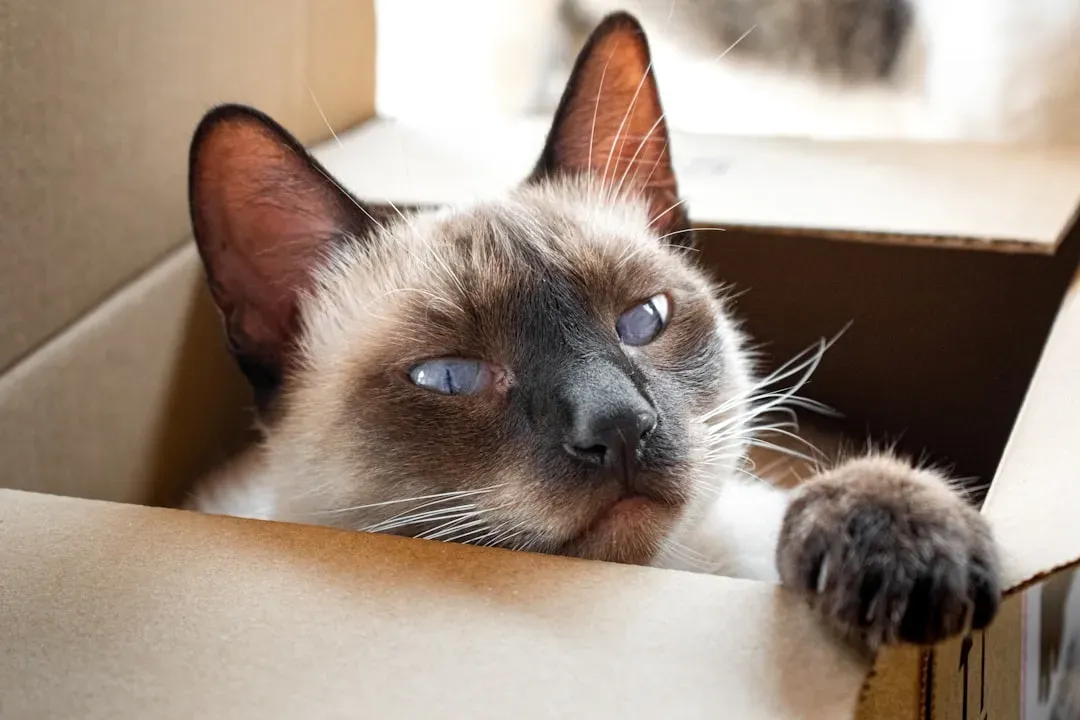
Think about the last time you ordered something online. You unpacked it, tossed the box aside, and suddenly had a furry roommate who claimed it as their own kingdom. Leave a cardboard box on the ground, and a cat will be in it within minutes – if not seconds – because cats love concealed spaces, and boxes offer a tight enclosure that acts perfectly as a mini cave, helping your cat feel safe and secure.
Because cardboard is an insulator, boxes are great places for cats to both explore and feel cozy. This is more than just preference. A study conducted by the University of Utrecht showed that cats living in a shelter suffered from a significant amount of stress, but when given a “hiding box,” their stress levels significantly decreased and they recovered faster in their new environment – while the cats without a hiding box showed higher stress levels and a much longer recovery time. Boxes are practically therapy for your cat. You can even take it a step further: stack boxes and build a kitty fort!
2. Crumpled Paper Balls: Cheap, Simple, and Irresistible
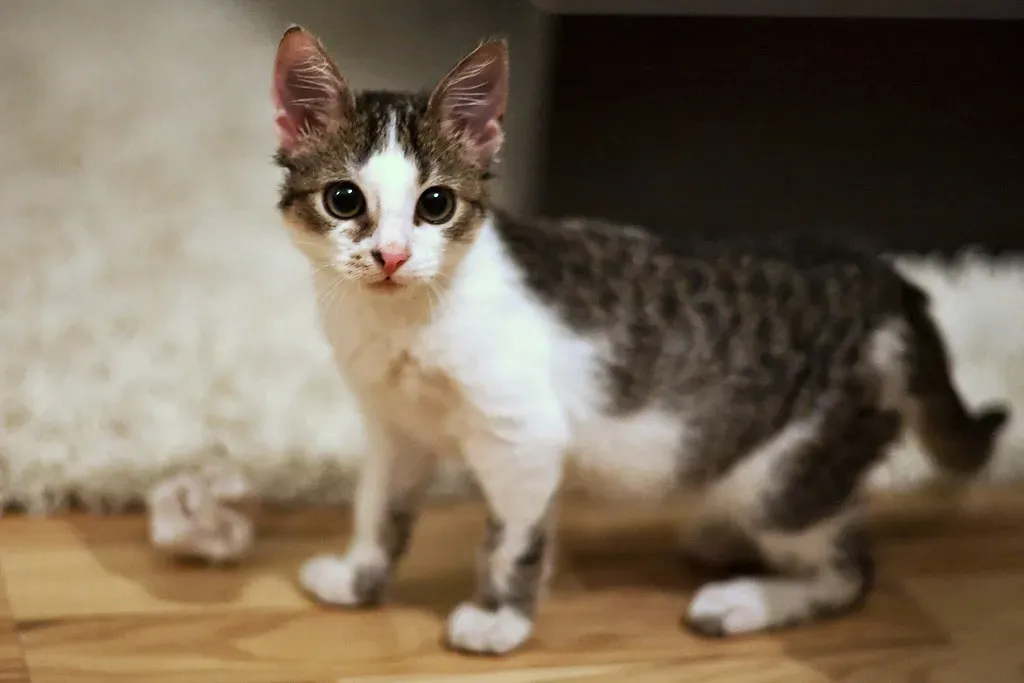
Cats adore playing with crumpled pieces of paper. They enjoy both the noise the paper makes and its texture – which is perhaps why commercially sold cat toys often have a crinkly section built into them. Here’s the fascinating part: your cat is actually hearing something you’re not. Cats possess extraordinarily sensitive hearing, detecting frequencies up to 85,000 Hz – far beyond human hearing range – which makes crinkly sounds particularly engaging. The distinct, high-pitched noises created by crinkly materials stand out clearly against background sounds, instantly capturing their attention.
There’s also a deeply instinctual reason behind this obsession. Cats like crinkly paper because the sound mimics that of mice or rabbits walking or burrowing in crisp, brown leaves, and grass and leaves also provide insulation from the cool earth – which sounds a lot like crinkly paper. So when you crumple up that sheet of paper and toss it across the room, your cat doesn’t just see a ball of trash. It sees prey. Paper can be crumpled into a ball that your cat can chase, and some cats even look forward to a game of fetch and will bring the ball back to you.
3. Cardboard Toilet Paper Rolls: The Underrated Genius Toy
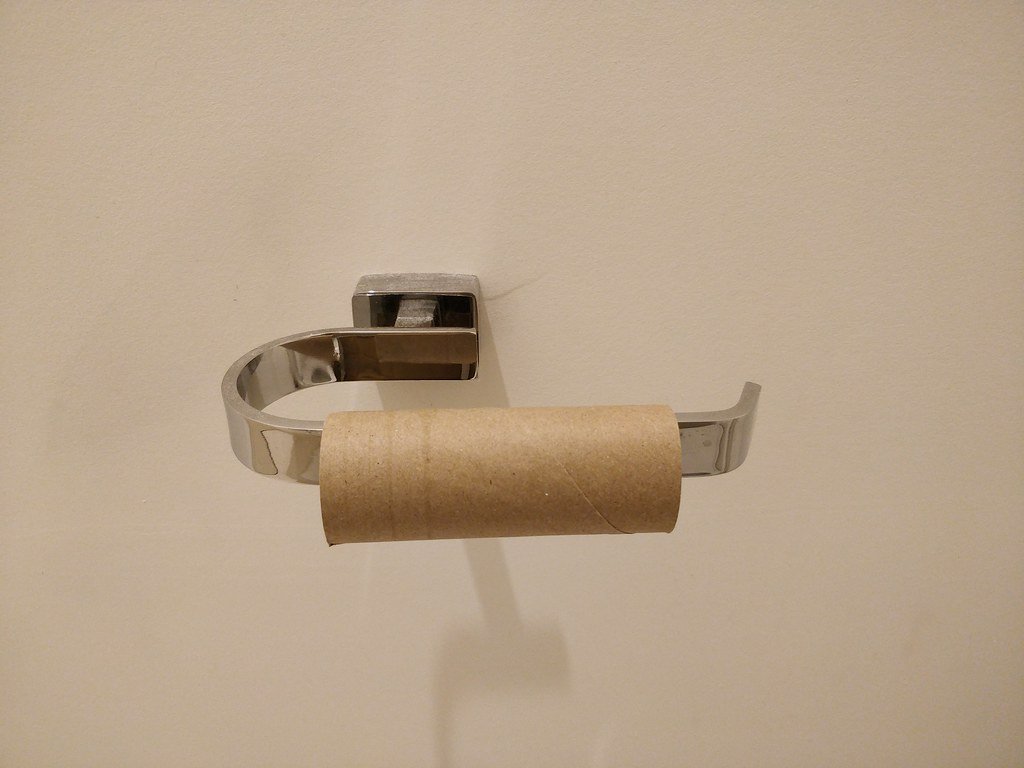
Before you toss that empty toilet roll in the recycling bin, pause. When you run out of toilet paper, save the rolls – they’re perfect for hiding toys and snacks, are safe to chew, and are lightweight, making them perfect for chasing around the house. It’s basically a free puzzle toy sitting in your bathroom right now. I think this is honestly one of the most underrated items on this list, because the possibilities are surprisingly wide.
Tape a couple of paper towel or toilet paper rolls together, put a piece of food in the middle, and watch what happens. You can get creative by forming a pyramid with the rolls, poking small holes in them to form a treat dispenser, or standing them up tall and seeing if your cat can fish the food out with their paws. Puzzle feeders make for great mental stimulating exercises and offer a lot of benefits, including reducing anxiety, boredom, and general destructive behaviors in your feline friends. All from something you’d normally just throw away.
4. Yarn and String: A Classic for Very Good Reason
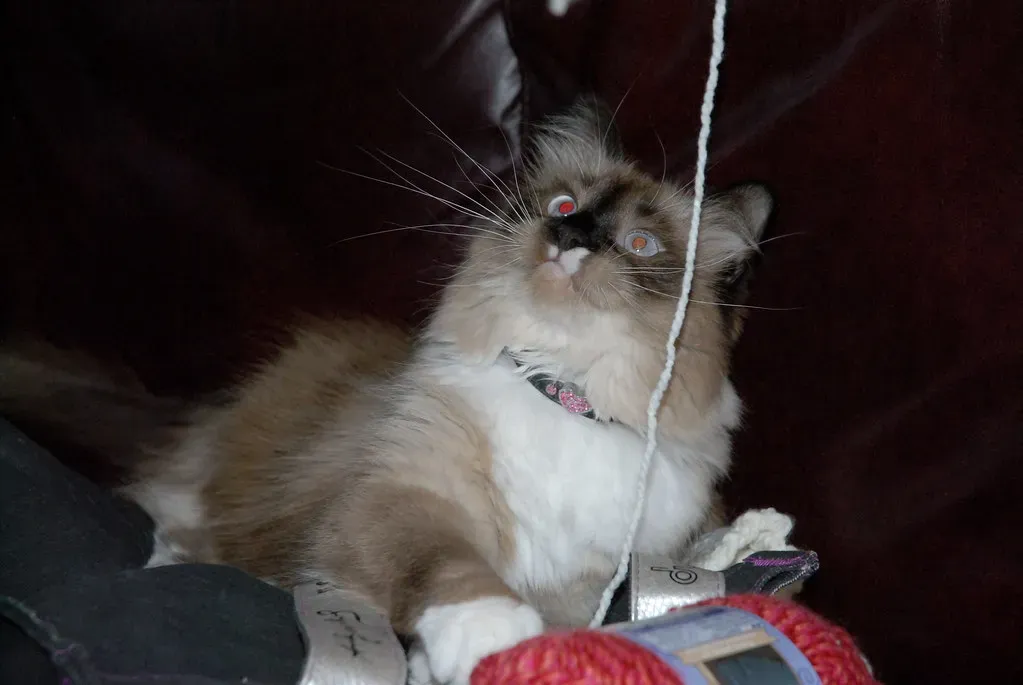
The image of a cat and a ball of yarn is practically a cultural icon – and honestly, that reputation is fully earned. Cats are drawn to yarn because of its texture and movement. The way it wiggles and rolls mimics the movements of prey, triggering their hunting instincts. It’s like watching someone wave a snack in front of you – resistance is simply not in the cards. The texture and movement of yarn provide sensory stimulation that cats find irresistible, and playing with yarn offers mental challenges and problem-solving opportunities that keep cats mentally stimulated and curious.
Cats love playing with items they can bite and hook their paws into. They also like batting yarn balls around, chasing after them, and looking for them beneath furniture. Cats enjoy playing with yarn even when it’s not balled up, often equating it to a mouse tail or something equally enticing. Worth noting: always supervise yarn play closely. While cats love playing with yarn, it can be dangerous – if swallowed, yarn can cause choking or blockages in the intestines. Keep the play going but keep a watchful eye.
5. Paper Bags: A Crinkly Wonderland You Already Own
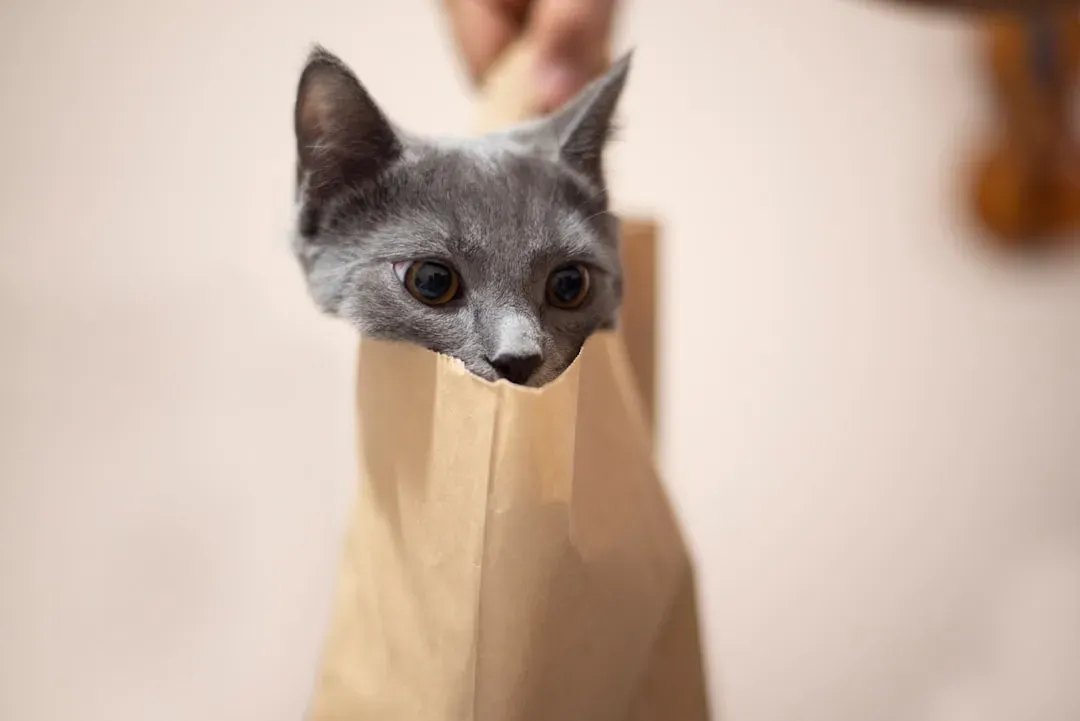
The moment you walk in from the grocery store and set a paper bag on the floor, there’s a good chance your cat will be investigating it within seconds. Some cats can never get enough of paper bags, and you may even find it quite hard to empty your groceries without your furry friend trying to climb into the bag. Paper bags are especially enjoyable for cats that love the sound of crumpled paper. Think of it like a crunchy, rustling jungle gym that smells faintly of the outside world.
It’s essential to cut any handles off of a paper bag before letting your cat play with it. Once you do, you can cut the bottom off and make it a tunnel, put multiple bags out and let your cat run wild, or leave the bottom on and put some food inside for a treasure hunt. The versatility is genuinely impressive for something headed straight for your recycling bin. Just remember: paper bags with no handles are acceptable for cats to play with, but plastic bags should be avoided – cats can get wound up and trapped in the bag, leading to suffocation.
6. Plastic Bottle Caps: The Tiny Hockey Puck of the Cat World
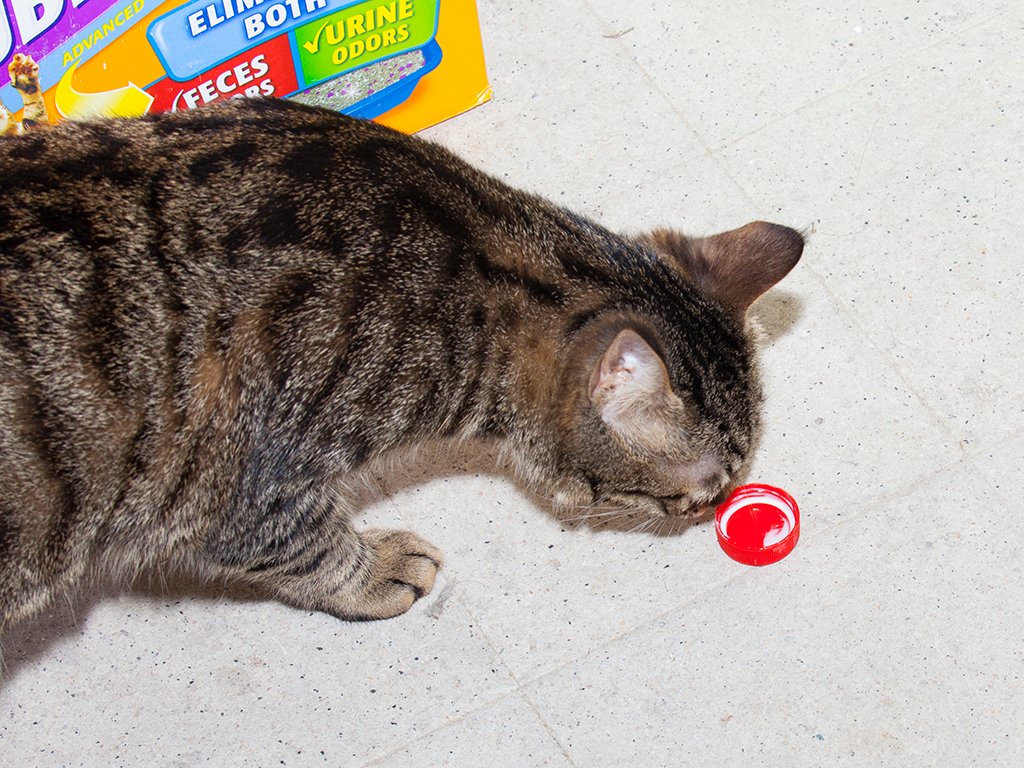
Here’s a detail that might surprise you. Plastic bottle caps may be an incredibly fun item for your cat to play with – they can bounce around, spin, and slide across the floor as if they were a hockey puck on ice. Much like ping pong balls, plastic bottle caps are safe for your cat since they are too large for your cat to eat. That satisfying skitter across your kitchen tiles? Pure feline heaven. There’s even a behavioral element worth knowing about.
Cats are natural predators that hunt small animals, and this is the reason they like to chase tiny, light objects – bottle caps make noise and go pretty far when playing with them, especially on tiles or linoleum. Cats might like bottle caps because they enjoy the sounds they make when dropped or slid across the floor – sounds that may resemble insects like cicadas and crickets that cats enjoy hunting. It’s a predator’s paradise hiding in your recycling bin. Just be mindful: bottle caps with rounded, flat edges make the perfect toy, but do not use caps with sharp or serrated margins, like beer caps, as the cat may injure itself if it tries to bite or chew on them.
7. Old Socks: The Comfort Toy That Smells Like You
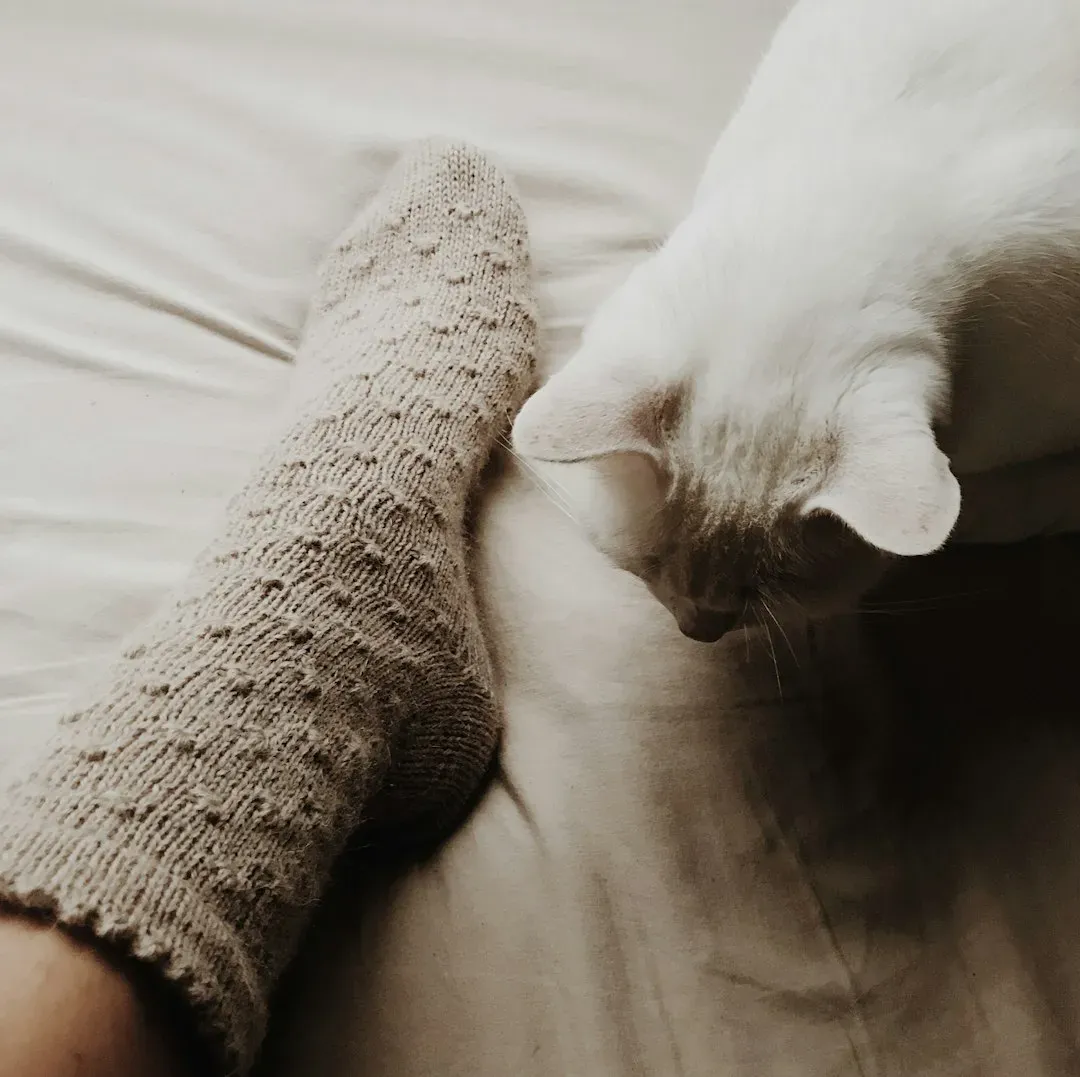
This one is equal parts sweet and slightly amusing. Your worn socks – yes, the ones you just took off – might be your cat’s favorite toy in the entire house. Socks can be a lot of fun for a cat. You can dangle them and let your cat paw at them, making a game where you bond with your feline companion, or you can fill the socks with catnip for a solo toy. It’s a two-in-one: an entertainment item and a comfort object all in one slightly stinky package.
Your used sock can be a big comforter for your home-alone pet cat. Your smell can help comfort and reduce the cat’s stress when you aren’t around. You can also fill your sock with catnip and tightly close the open end – the result will be one very happy kitty! You can hide almost anything in an old sock, giving your cat a fun hunting experience. Hiding their favorite treats inside also gives them plenty of mental stimulation while they try to figure out how to remove them. It is, without a doubt, the most budget-friendly enrichment tool in your entire home.
Conclusion: Your Home Is Already a Cat Toy Store
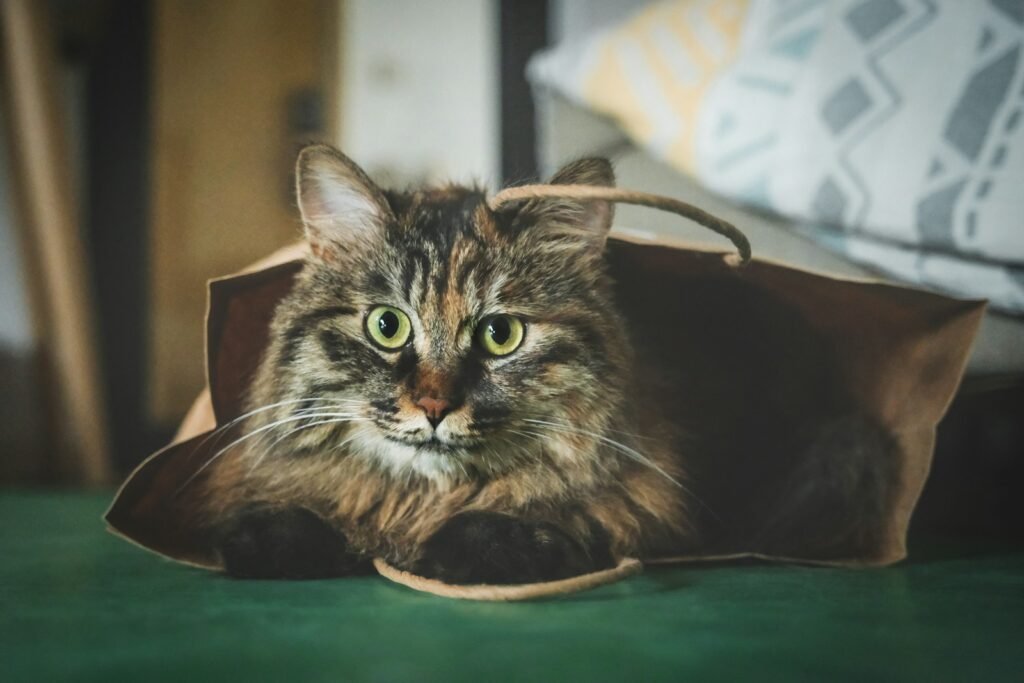
The running theme across all seven of these items is the same: your cat doesn’t care about price tags. What your cat cares about are textures, sounds, movement, and that deep-seated drive to stalk, pounce, and “catch” something. Toys play an incredibly important role in stimulating your cat, helping to maintain their behavior and well-being, as well as providing exercise – and they’re particularly crucial for indoor cats, who may not enjoy as much stimulation as their outdoor counterparts.
Whether it’s a crumpled receipt, an empty toilet paper roll, or one of your old socks shoved under the couch, your cat is living proof that the best things in life are genuinely free. Just make sure you play with your cat daily, ideally for about 30 minutes – playtime will not only keep your cat active and healthy but will also reinforce your bond with them. Next time you’re about to throw something away, take a second look. Your cat might see a treasure where you see trash.
Have you caught your cat obsessing over one of these items? Which household “toy” does your feline refuse to live without? Tell us in the comments!
Kristina is a young writer from India. An arts graduate and an avid content creator, Kristina is passionate about animals and wildlife. She enjoys exploring topics related to pet care, animal behavior, conservation, and nature, combining thorough research with engaging storytelling.